By KlopasStratton Team
Contingencies are some of the most important lines in a Chicago purchase contract, yet they’re often the least understood. They decide how much time a buyer has to inspect a Bucktown two-flat, secure financing on a Logan Square greystone, or walk away if a condo association’s documents raise questions. Here’s how the most common contingencies work in Chicago and how we help both buyers and sellers use them wisely.
Key Takeaways
- A contingency is a condition in the contract that must be met for the sale to move forward, giving one or both parties a clear way to adjust or exit.
- Chicago-area purchases commonly use the Multi-Board Residential Real Estate Contract, which includes attorney review and inspection periods measured in business days.
- The most common contingencies cover inspection, mortgage financing, appraisal, the sale of a buyer’s current home, and condo document review.
- Well-structured contingencies protect buyers while still giving sellers the confidence they need to accept an offer.
What Is a Real Estate Contingency?
A contingency is a condition written into the purchase contract that must be satisfied before the sale can close. If the condition isn’t met within the agreed time frame, the contract typically spells out what happens next, whether that means renegotiating, extending a deadline, or canceling.
In the Chicago area, most residential sales use the Multi-Board Residential Real Estate Contract. It lays out standard contingency periods, and because Illinois purchases also include attorney review, buyers and sellers each have their own attorney looking out for them during the early days of the deal.
How Contingencies Work in a Chicago Contract
- Each contingency has a deadline, often counted in business days, so tracking dates carefully keeps the transaction on schedule.
- Attorney review gives both sides a short window after acceptance for their attorneys to propose modifications to the contract.
- Buyers typically receive written notice requirements, meaning concerns must be raised formally within the contingency period.
- Once a contingency period passes without action, it’s generally considered satisfied, so timing matters for everyone involved.
What Are the Most Common Contingencies in Chicago?
Most Chicago contracts include a handful of familiar contingencies, and each serves a different purpose. Some protect the buyer’s ability to understand the property, while others protect their ability to pay for it.
We help buyers decide which contingencies make sense for their situation, and we help sellers understand how each one affects the strength of an offer.
Contingencies You’ll See Most Often
- The inspection contingency gives buyers time to have the home professionally inspected and request repairs or credits based on the findings.
- The mortgage contingency protects buyers if they’re unable to secure financing on the terms outlined in the contract.
- The appraisal contingency protects buyers if the home appraises below the purchase price, which matters most when a lender is involved.
- The sale contingency allows buyers to make their purchase dependent on selling their current home, which is often paired with protections for the seller.
How Do Contingencies Work for Older Homes and Condos?
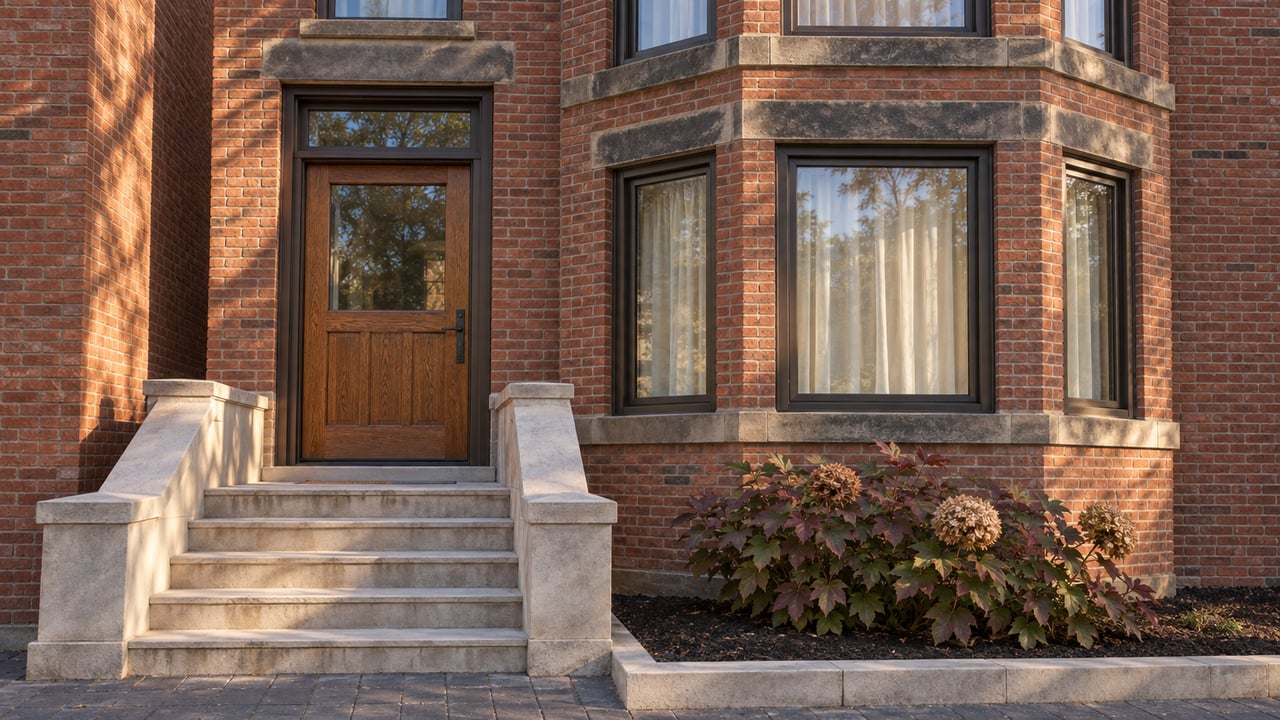
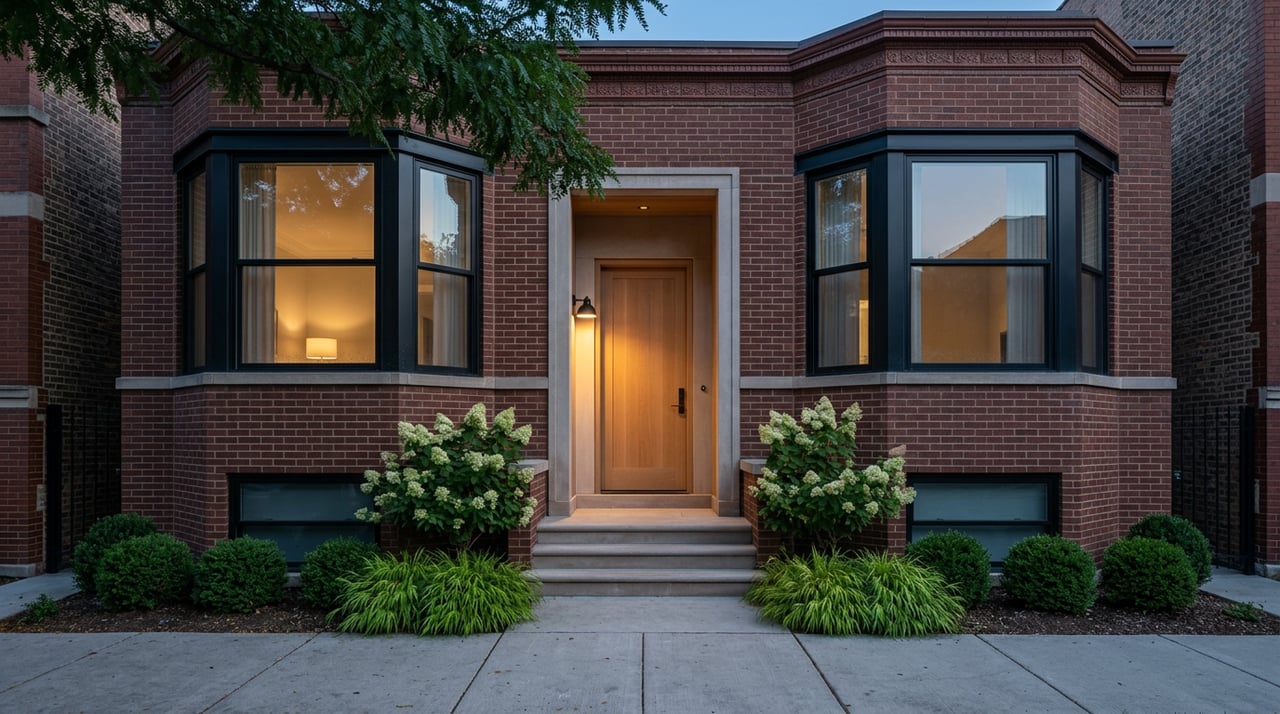
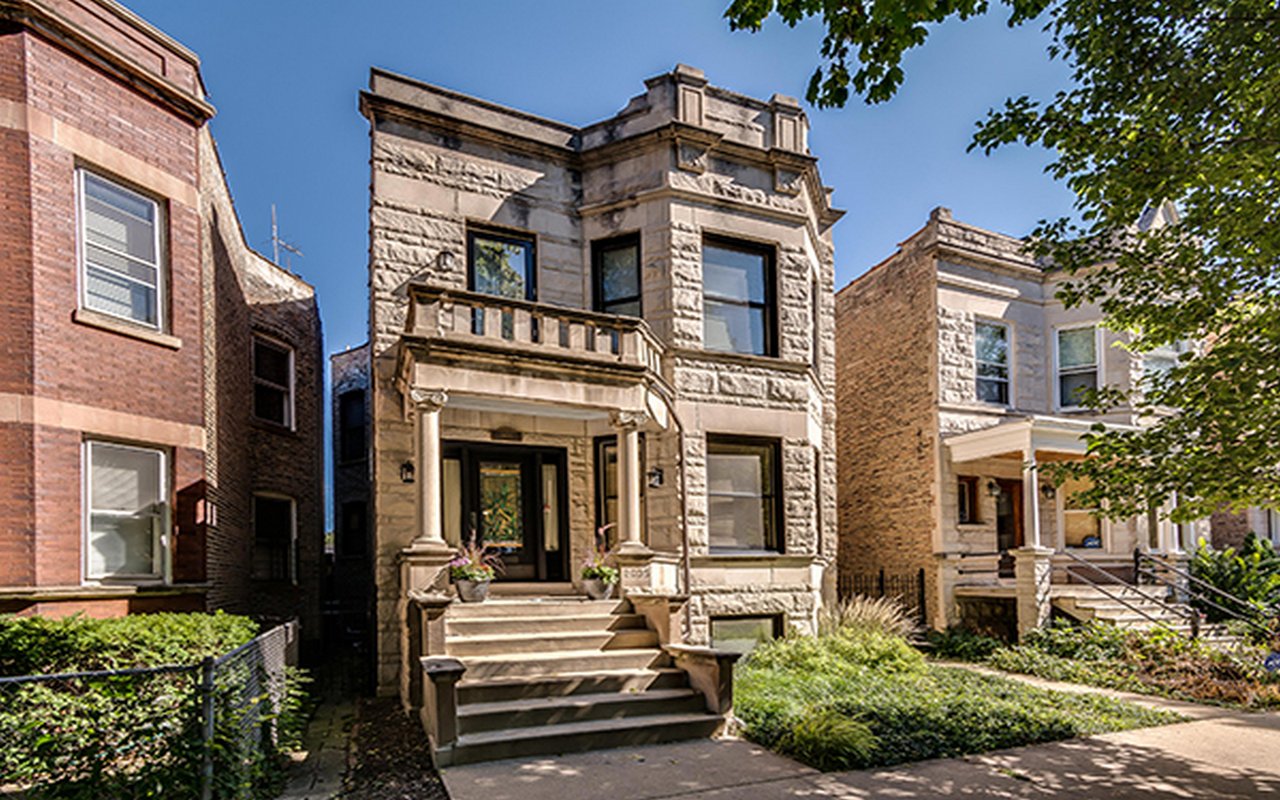
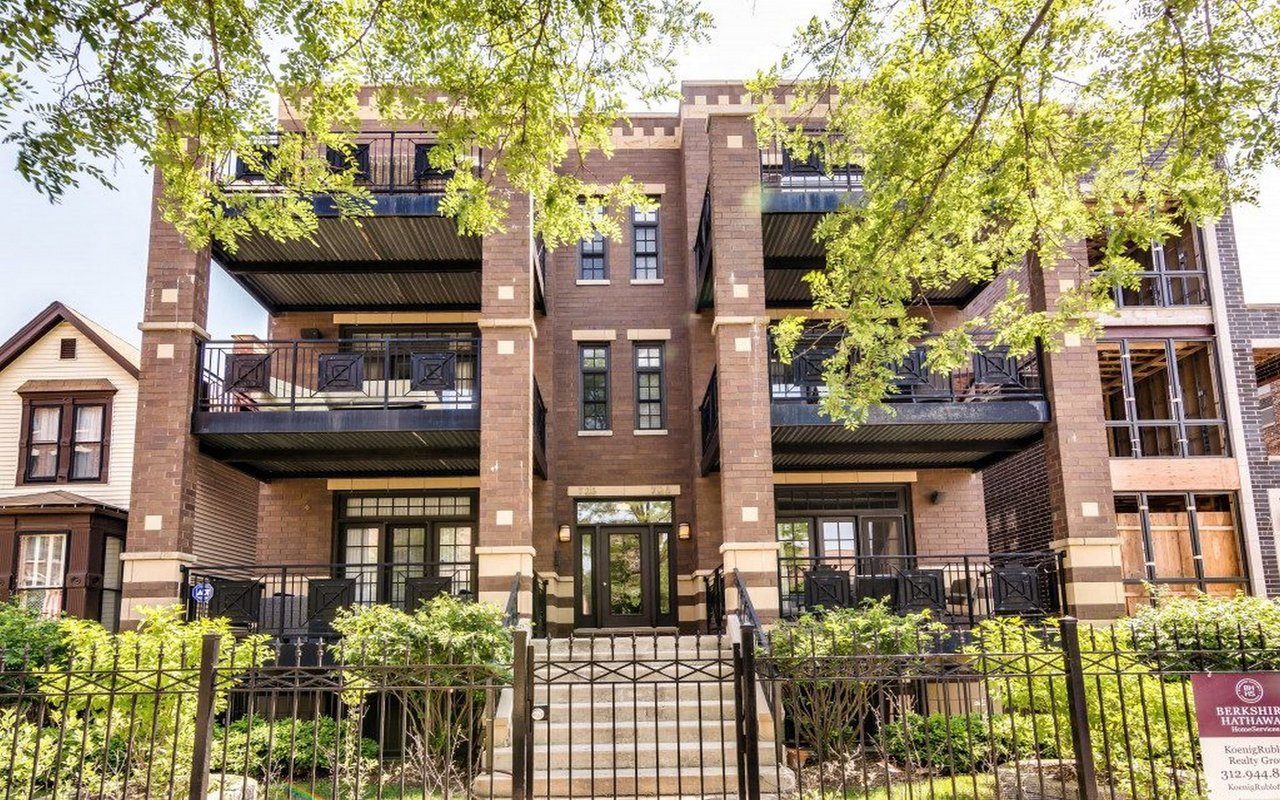
Many homes in Bucktown, Wicker Park, and Logan Square are classic brick and greystone buildings that have stood for a century or more. That history is part of their charm, and it’s also why we encourage buyers to use their inspection period thoroughly, including a sewer scope and a close look at masonry, roofing, and mechanical systems.
Condos come with their own considerations. Illinois law requires sellers to provide specific association documents, and buyers use that review period to understand budgets, reserves, rules, and any planned projects before moving forward.
What We Recommend Reviewing
- A sewer scope on older single-family homes and two-flats, since many Chicago properties have original sewer lines.
- Masonry, tuckpointing, and roof condition on brick and greystone buildings in neighborhoods like Wicker Park and Logan Square.
- Condo association budgets, reserves, and meeting minutes, which reveal how the building plans for future maintenance.
- Any landmark district rules that could affect future exterior work, which we explain in our guide to Wicker Park’s landmark status.
How Can Sellers Evaluate Offers With Contingencies?
For sellers, contingencies are part of what makes an offer strong or uncertain. An offer with a shorter inspection window, solid financing, and no home-sale contingency often provides more certainty than a slightly higher offer with more conditions attached.
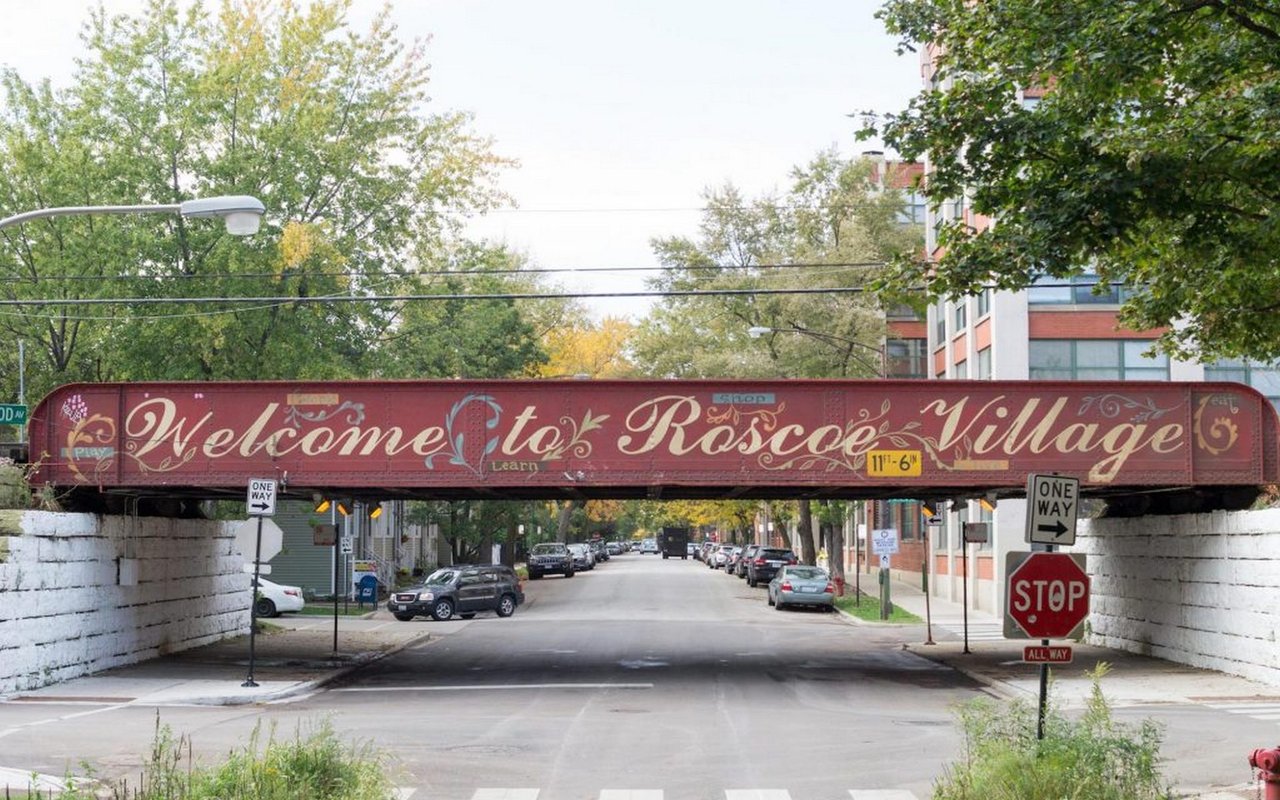
We help sellers look beyond the price to understand how each contingency affects timing and the likelihood of closing. That perspective is especially valuable in competitive neighborhoods like North Center and Roscoe Village, where multiple offers are common.
What Sellers Should Look For
- Pre-approval letters from reputable lenders, which strengthen the mortgage contingency and reduce uncertainty.
- Reasonable inspection periods that give buyers time to review the home without delaying the closing.
- How a home-sale contingency is structured, including whether it allows the seller to keep marketing the property.
- The overall timeline to closing, which can matter as much as price for sellers coordinating their own move.
Frequently Asked Questions
Can a buyer waive contingencies to make an offer stronger?
Some buyers choose to shorten or waive certain contingencies to stand out, but doing so increases their risk. We help buyers weigh those trade-offs carefully before making that decision.
What happens if the inspection reveals issues?
Buyers can typically request repairs, ask for a credit, or in some cases cancel the contract within the inspection period. The right approach depends on the findings and the overall goals of both parties.
Do Chicago buyers need an attorney?
Yes. Attorney review is a standard part of Chicago-area transactions, and both buyers and sellers typically work with their own real estate attorneys.
Reach Out to KlopasStratton Team Today
Understanding contingencies helps you move through a Chicago transaction with confidence, whether you’re buying a greystone in Logan Square or selling a single-family home in Roscoe Village. We’d love to help you structure an offer or evaluate the ones you receive.
Reach out to KlopasStratton Team to talk through your next move. We’ll guide you through every contingency and deadline so you can focus on what comes next.