By KlopasStratton Team
Most buyers and sellers in Chicago know an appraisal is part of the transaction. Fewer know exactly what it measures, what affects the outcome, or what their options are when the number doesn't land where they expected. In neighborhoods like Bucktown, Logan Square, and Wicker Park, where values shift block by block, and the comp pool can be relatively tight, understanding the appraisal process from the start puts both buyers and sellers in a much stronger position.
Key Takeaways
- The appraisal is ordered by the lender and conducted by an independent state-licensed appraiser with no stake in the outcome of the transaction
- Appraisers rely primarily on comparable sales closed within the past 90 to 180 days within a defined radius; in Chicago's North Side neighborhoods, comp selection has a huge effect on the final number
- A low appraisal doesn't automatically end a deal; buyers and sellers have several options for resolving the gap
- Sellers can prepare for the appraisal by ensuring the home is accessible and clean, and that documentation of recent improvements is organized before the appraiser arrives
How the Appraisal Process Works
Once a purchase contract is signed and a loan application is submitted, the lender orders the appraisal through an appraisal management company, which assigns an independent licensed appraiser. Buyers typically pay the fee, usually $400 to $700 for a standard Chicago residential property, and have no role in selecting who conducts it.
The Key Steps From Start to Finish
- The appraisal is ordered after the contract is executed; neither the buyer nor the seller selects or contacts the appraiser directly
- The appraiser schedules an on-site visit, which typically takes 30 to 60 minutes for a single-family home or condo
- After the visit, the appraiser researches comparable sales, analyzes the data, and produces a written report; most Chicago residential appraisals are delivered to the lender within three to seven business days of the property visit
- The lender uses the appraised value to determine the loan amount, which is based on the lower of the contract price or the appraised value
What Appraisers Evaluate in a Chicago Home
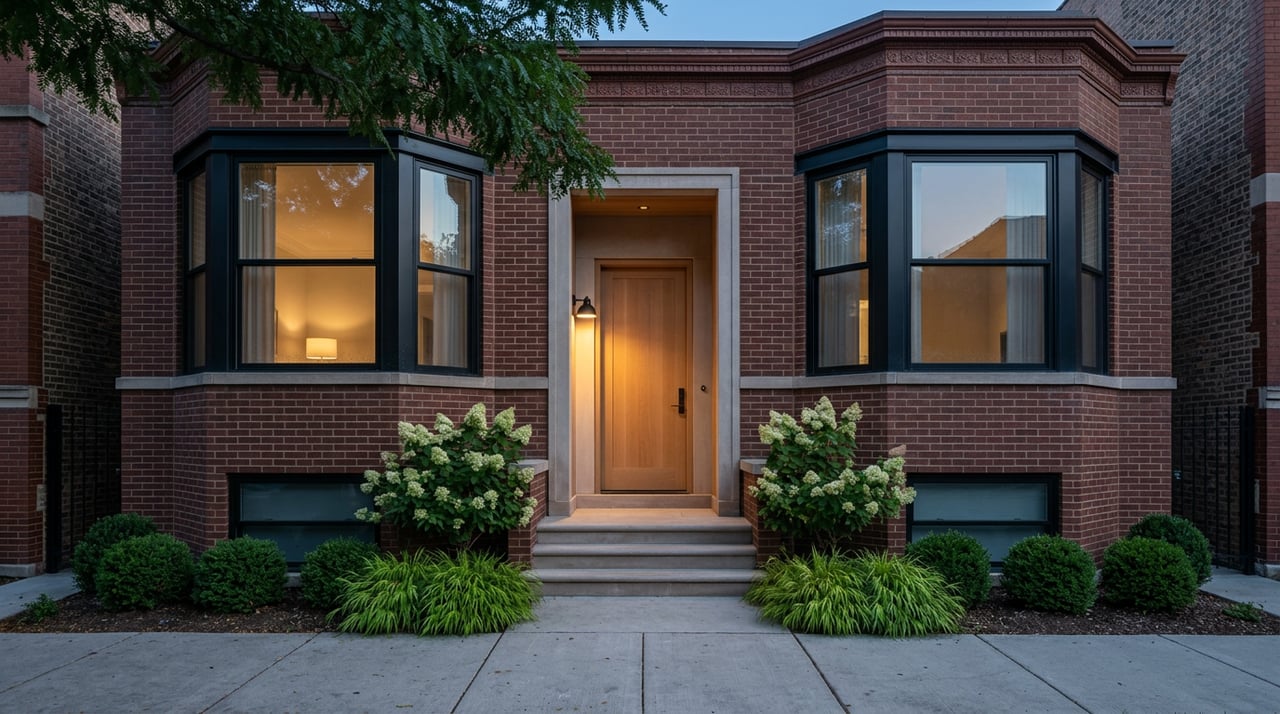
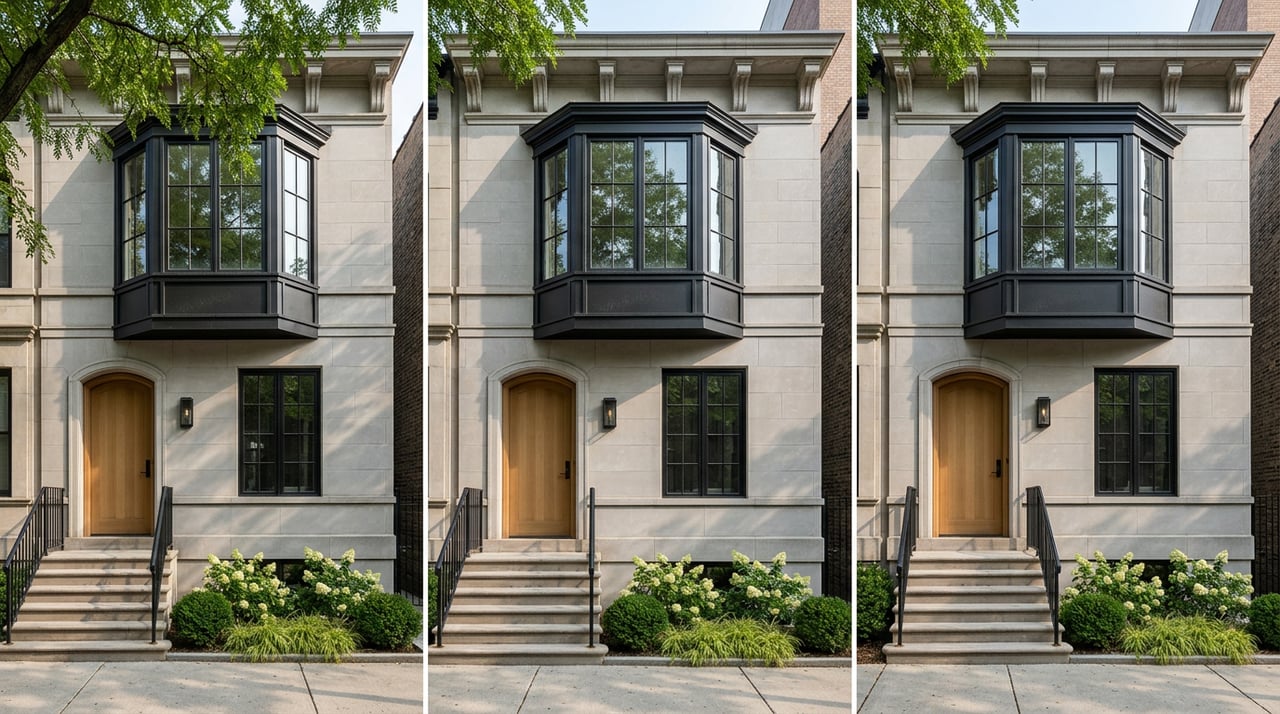
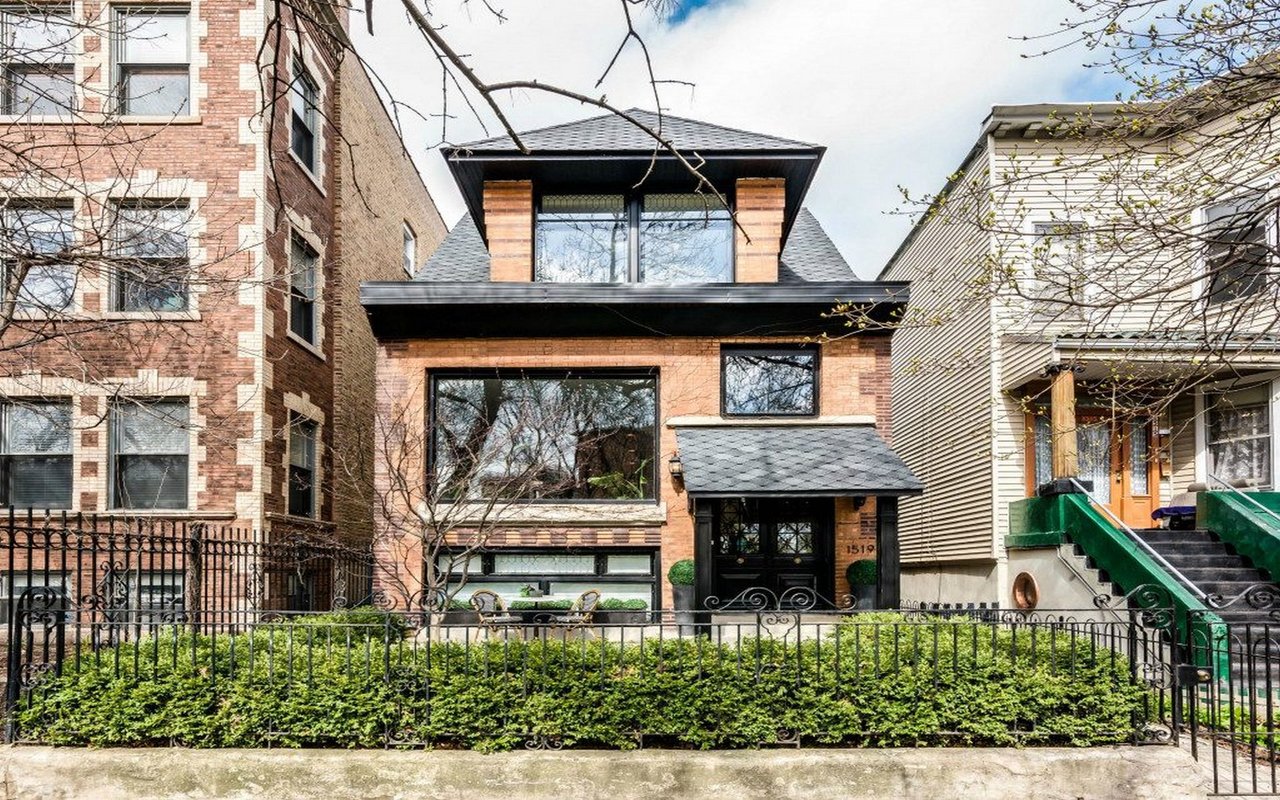
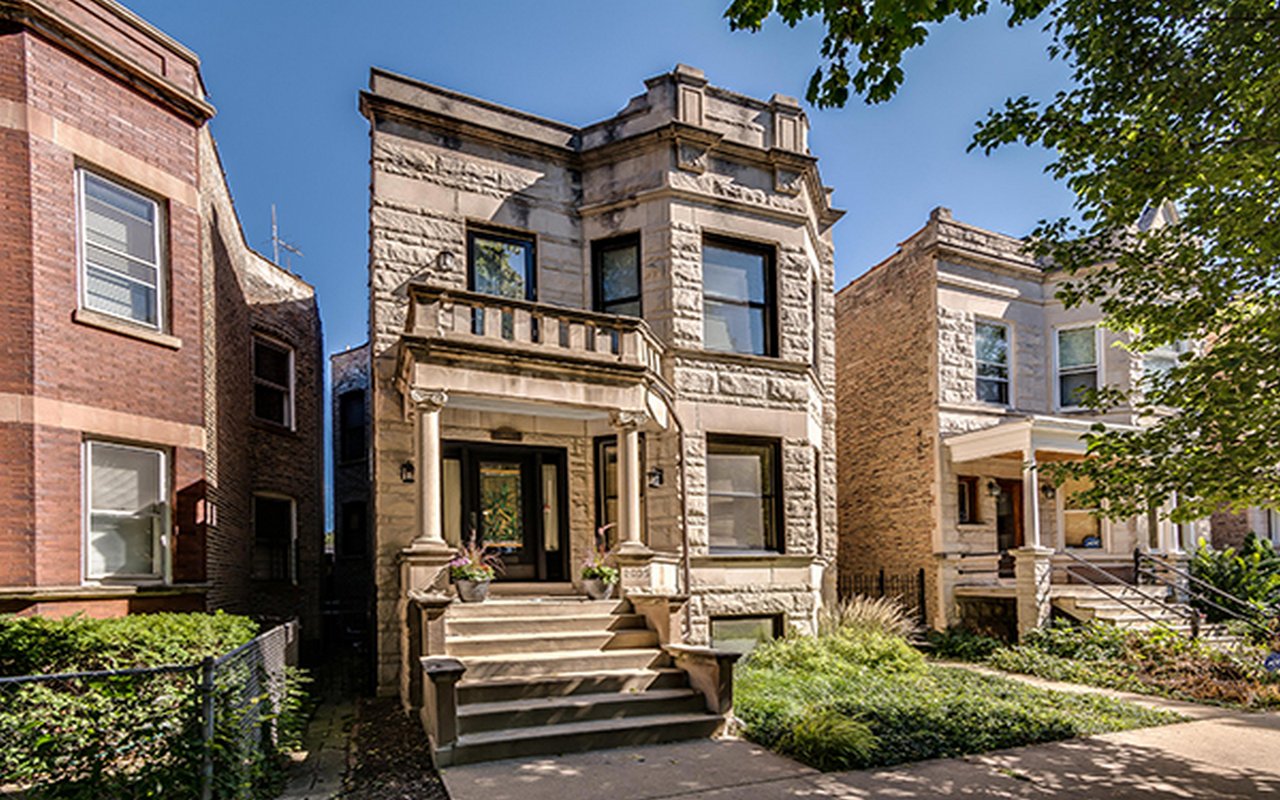
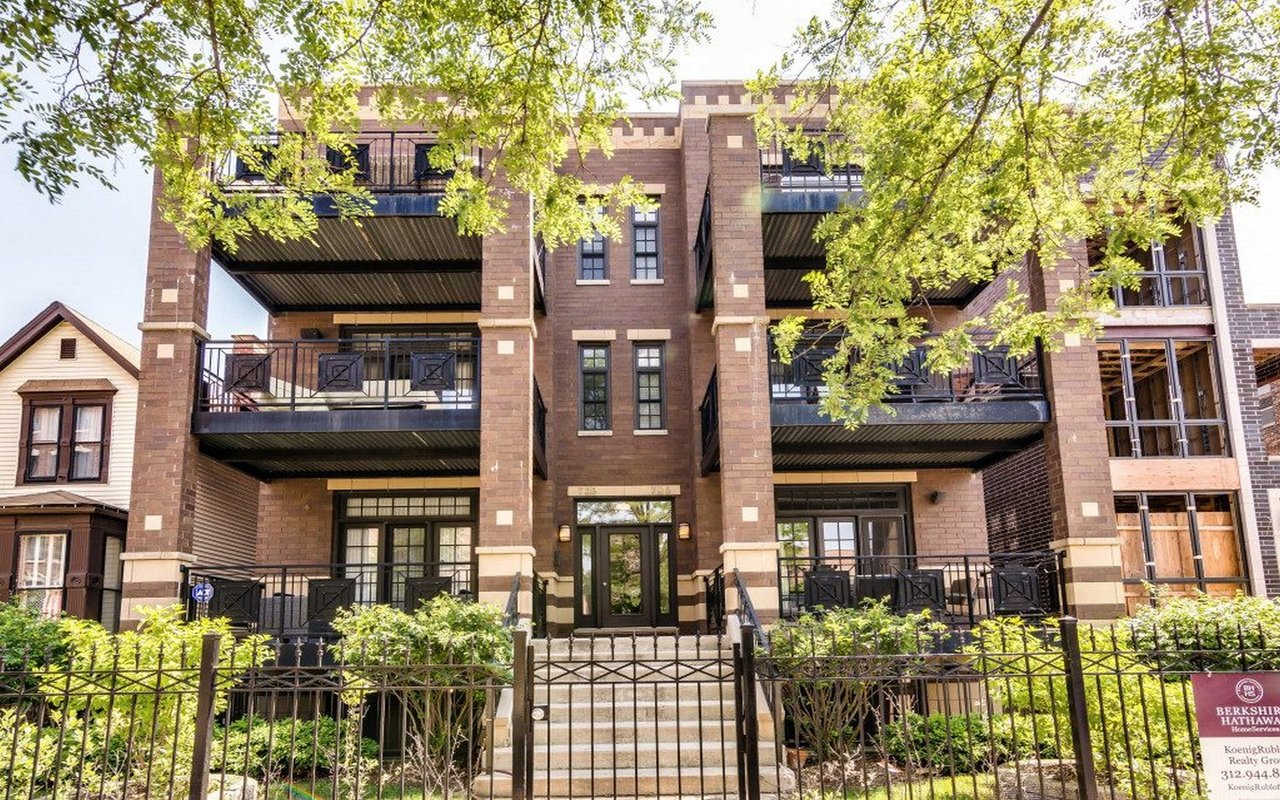
For most residential properties, appraisers use the sales comparison approach: selecting three to six recently closed sales of comparable homes and adjusting for differences in size, condition, finishes, and location. In Chicago's North Side, where Greystone two-flats, renovated single-family homes, and new construction condos can exist on the same block, comp selection requires strong local judgment.
What Goes Into the Analysis
- Square footage, bedroom and bathroom count, and lot size form the baseline; adjustments are made up or down for meaningful differences between the subject property and each comparable sale
- Condition and quality of finishes matter considerably; a recently renovated kitchen or bathroom in Bucktown or Wicker Park receives a positive adjustment over a comparable home with original, dated finishes
- Location adjustments reflect block-level differences in transit access and walkability; in Logan Square, a property near the 606 trail typically supports a different value than one on a commercial arterial, even within the same ZIP code
- When recent comps within a tight radius are limited, appraisers may expand the geographic or time window, which can introduce variability in the result
When the Appraisal Comes in Below the Contract Price
An appraisal gap occurs when the appraised value comes in below the agreed purchase price. It's more common in competitive markets where offer prices have pushed above recent sales, and knowing the options before it happens makes the situation far easier to manage.
How Buyers and Sellers Can Respond
- Renegotiate the price: the seller agrees to reduce the purchase price to the appraised value; this is the most common resolution when both sides remain motivated to close
- Challenge the appraisal: if there are relevant closed comps the appraiser didn't use, buyers or agents can formally request a reconsideration of value through the lender; this works best when overlooked comparable sales meaningfully support the contract price
- Bridge the gap: the buyer pays the difference between the appraised value and the contract price in cash; some buyers choose this when they're confident in the property's long-term value and want to avoid reopening negotiations
- Walk away: if the appraisal contingency is in place and no resolution is reached, the buyer can terminate and recover earnest money; this is the protection the contingency exists to provide
FAQs
How long does a home appraisal take in Chicago?
The on-site visit is typically 30 to 60 minutes. The full process, from scheduling through delivery of the report to the lender, usually takes one to two weeks. During high-volume periods, timelines can extend, so building appraisal timing into the closing schedule from the start is worth doing.
Can a seller do anything to prepare for the appraisal?
Yes, and it's worth the effort. Make sure the home is clean and fully accessible on the day of the visit, and have a list of recent improvements with dates and approximate costs ready to share. Appraisers note condition and finish quality in their reports, and clear documentation makes it easier for them to credit work that's been done.
Does property type affect how an appraisal is conducted in Chicago?
Meaningfully. Condos, single-family homes, and vintage multi-units each draw from different comp pools and sometimes require different valuation methodologies. In mixed neighborhoods like North Center or Logan Square, where all of these types exist within a few blocks of each other, comp selection can significantly affect the appraised value. Local North Side familiarity from an appraiser matters more than buyers and sellers typically realize.
Connect With KlopasStratton Team
The appraisal process has more moving parts than most people expect, and knowing what's coming at each stage makes the experience considerably less stressful. We've guided buyers and sellers through transactions across Chicago's North Side for years, and we're here to help you navigate every part of the process with clarity, including the moments when things don't go exactly as planned.
When you're ready to talk through buying or selling in Chicago, reach out to KlopasStratton Team and let's get started.
When you're ready to talk through buying or selling in Chicago, reach out to KlopasStratton Team and let's get started.