12 Ways to Prepare Your Chicago Home for Winter
Chicago's average first freeze falls between October 11 and November 2, and homes that skip fall maintenance face the highest risk of frozen pipes, ice-damaged roofs, and furnace failure once temperatures drop. These 12 tasks, from gutter clearing to sump pump testing, cover the maintenance items that matter most before winter arrives, whether you plan to list your home this season or stay put.
Getting your home ready to sell this winter, or just getting it ready for the cold? Either way, the tasks below affect what an inspector, and a buyer, will notice first.
Get a free home value estimate · See what's currently for sale in Chicago
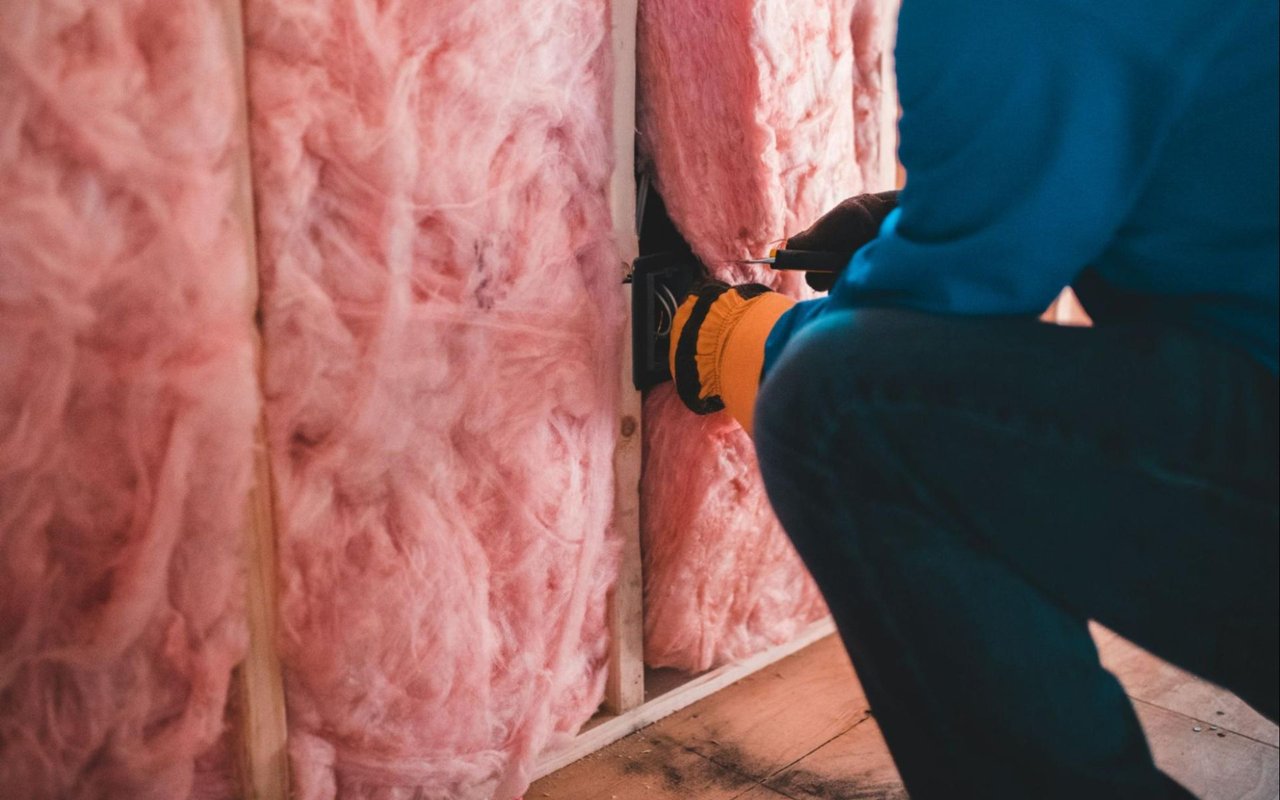
Doing annual fall maintenance on your house keeps your property in working order and helps you stay warm and comfortable through Chicago's long winters. Winterizing should be on every homeowner's fall to-do list, but it carries extra weight if you plan to put your home on the market in the next few months, since any winterizing-related issue will surface during a home inspection.
The KlopasStratton Team put together the winterizing checklist below so you know exactly what to check before the cold sets in this year, whether or not you're planning to sell.
Winterizing Task | Best Timing | Typical Cost If Hired Out | Consequence of Skipping It |
|---|---|---|---|
Gutter and downspout cleaning | Late October, after most leaves have dropped | $100 to $300 | Ice dams and water backing up under roof shingles |
Furnace tune-up and inspection | September through mid-October, before the first cold snap | $70 to $200 | Mid-winter breakdown and higher repair costs |
Chimney sweep and inspection | Before the first fire of the season | $150 to $400 | Creosote buildup, a leading cause of residential chimney fires |
Sprinkler system shutdown | Before the first hard freeze | $50 to $150 | Cracked or burst irrigation lines |
Sump pump and backup battery test | Early fall, before heavy rain or snowmelt | Free (self-check) or $75 to $150 for a professional check | Basement flooding during winter thaw or spring runoff |
Window and door draft sealing | Any time before overnight lows drop below freezing | $50 to $200 in materials for a DIY seal | Higher heating bills and cold-air drafts through winter |
Winterizing Task Overview
The list below expands on each item in the table above, in the order most homeowners tackle them each fall.
Your Chicago Winterizing Checklist
1. Clear Gutters and Downspouts
Remove debris and leaves from gutters and downspouts before the first hard freeze. Clogged gutters are one of the most common causes of ice dams, where trapped water backs up under roof shingles and leaks into the attic or walls.
2. Disconnect and Drain Your Sprinkler System
Disconnect garden hoses, clear water from sprinkler lines, and shut down the irrigation system before temperatures drop. Water left in the lines can freeze and crack the piping, which is a repair most homeowners do not discover until spring.
3. Have Your Roof Inspected
Hire a roofing contractor to check for damaged or missing shingles and clear gutters, and cut back any overhanging branches that could break under the weight of heavy snow.
4. Check the Attic for Leaks and Ventilation
Look for water stains on the attic ceiling and rafters, and confirm the attic is properly ventilated. Poor ventilation traps moisture, which leads to mold and mildew growth over the winter months.
5. Schedule a Furnace Tune-Up
Clean or replace the furnace filter, clear the vents, and check the exhaust flue before the season's first cold snap. Test the furnace ahead of time, and have an HVAC technician inspect it annually to confirm it is running at full efficiency. A standard tune-up runs $70 to $200.
6. Close Warm-Weather Vents
Close any vents that were opened for summer airflow. Left open, they let heated air escape into unused spaces and drive up winter utility bills.
Thinking about listing before spring? Deferred maintenance like the items above is exactly what shows up on a pre-listing inspection. The KlopasStratton Team can walk your home with you and flag what matters most for resale. Read our 5 common reasons homes fail to sell or contact the team directly.
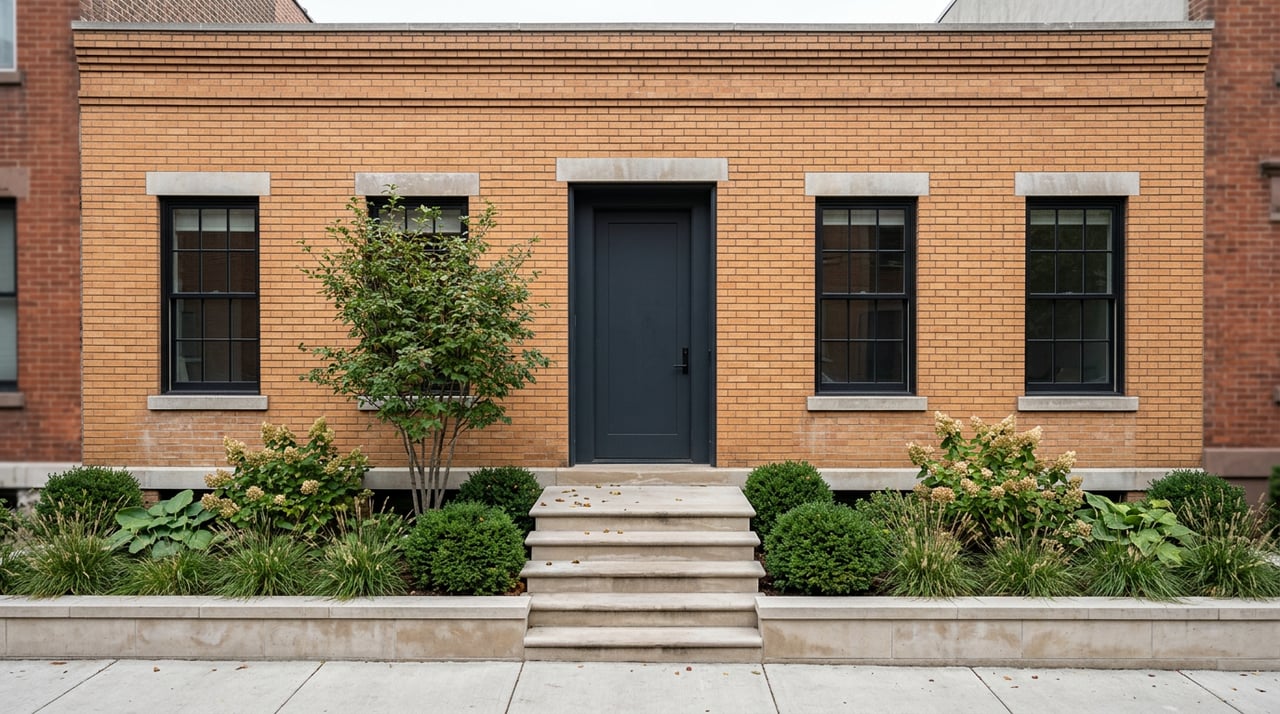
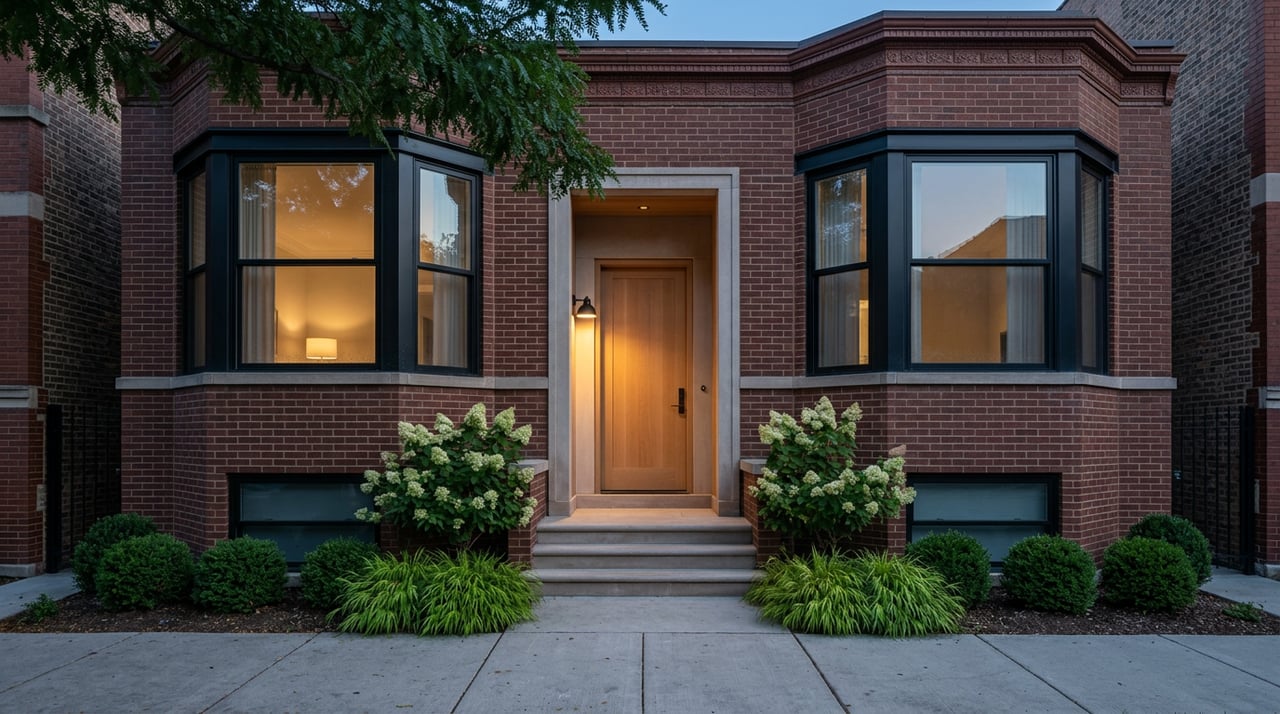
7. Inspect Brick and Tuckpointing
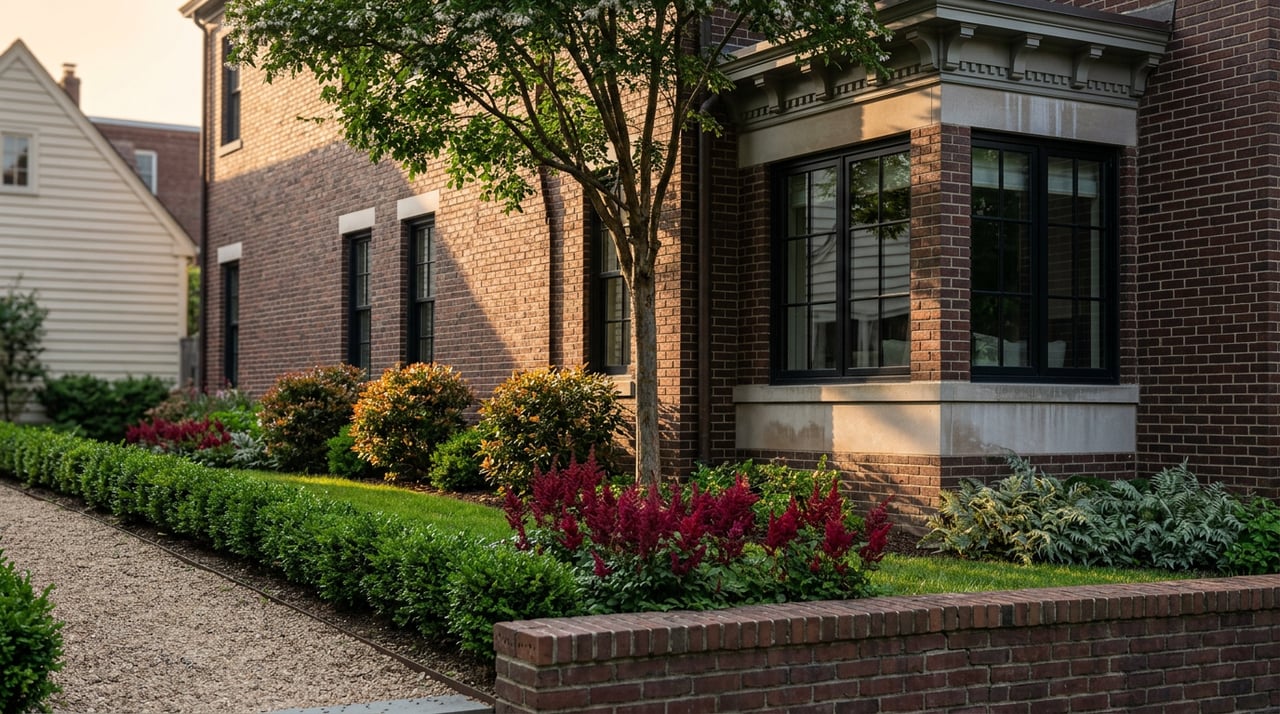
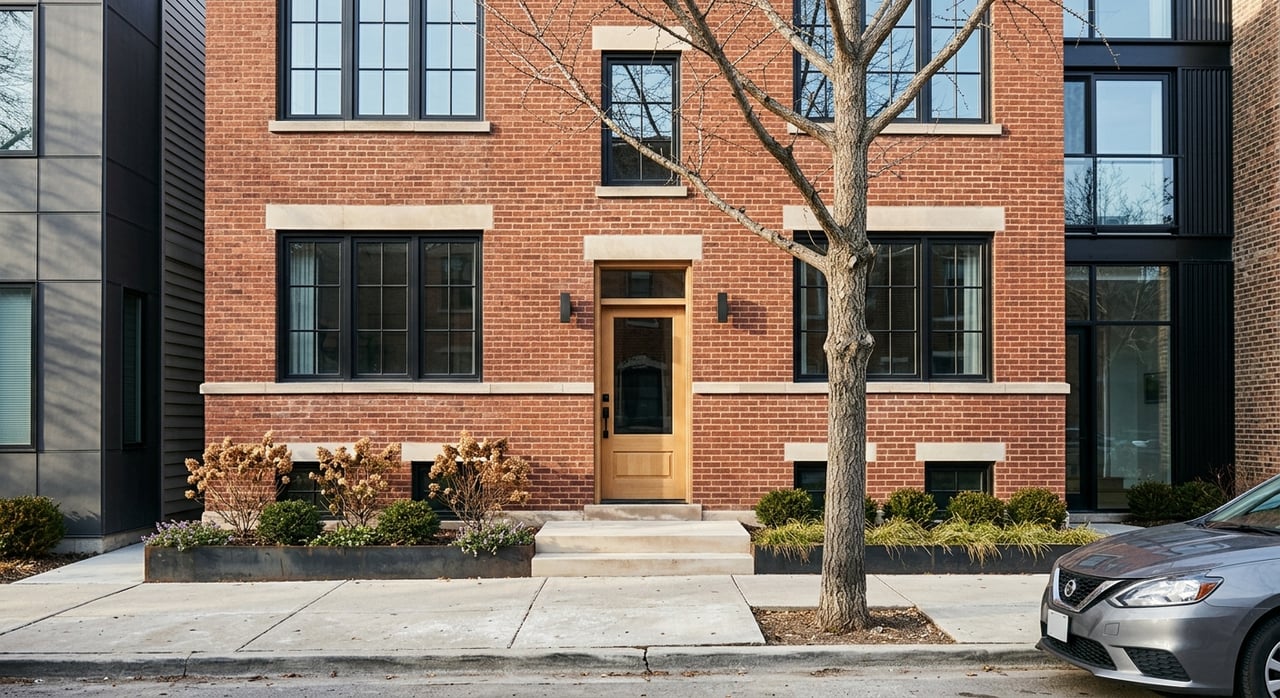
If you own a brick home, check the mortar joints for thinning or crumbling. If you see maintenance issues, remove the loose mortar, fill the joints with new mortar, and apply putty, or hire a contractor to handle the tuckpointing for you. Freeze and thaw cycles are hardest on brick homes with existing mortar damage.
8. Stage Your Snow Removal Tools
Dig out snow shovels and any other winter tools now, so you are not searching for them during the first storm of the season.
9. Seal Window and Door Drafts
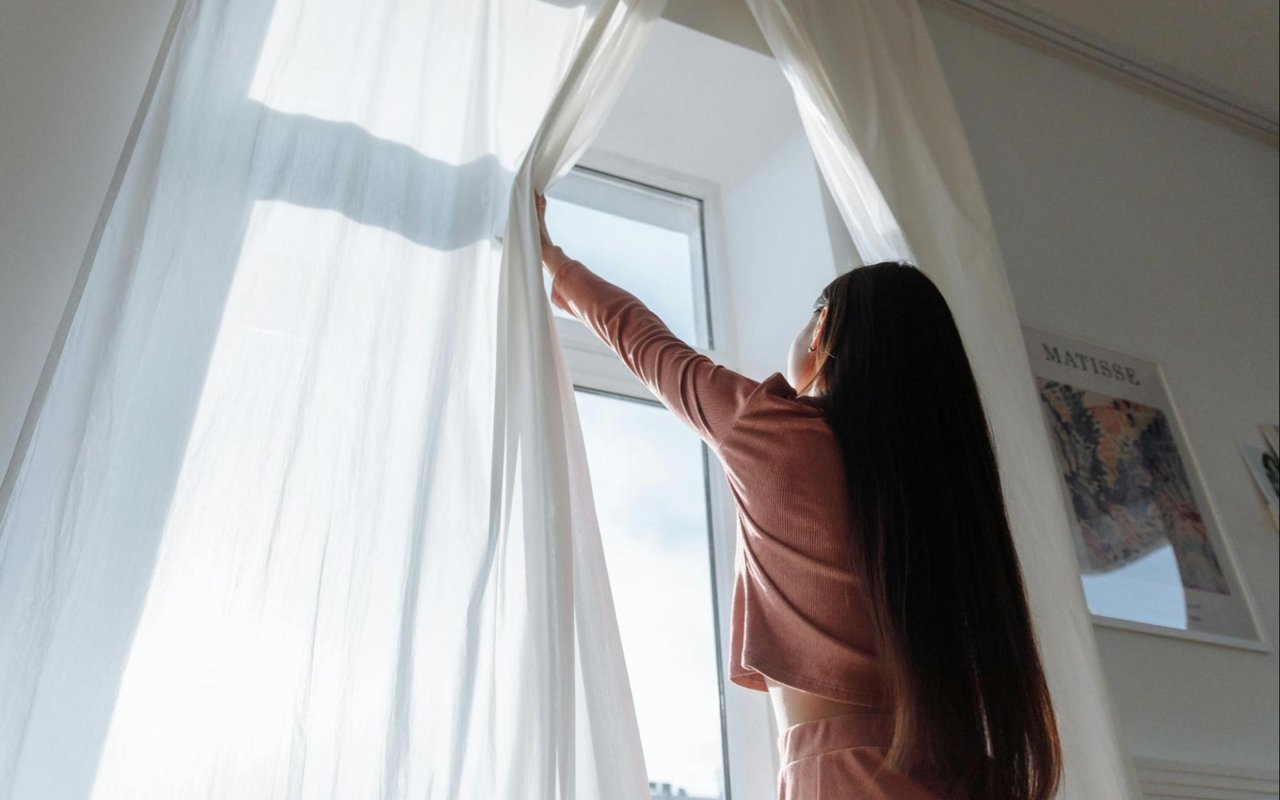
Check for and caulk any cracks around the outside or inside of windows and doors. Swap lightweight summer curtains for heavier, thermal-lined drapes to block cold air from coming through window gaps.
10. Book a Chimney Inspection and Sweep
Schedule an annual chimney inspection and cleaning before lighting the first fire of the season. Creosote buildup from unclean chimneys is a leading cause of residential chimney fires, and a standard sweep and inspection runs $150 to $400.
11. Store Outdoor Furniture and Grills
Store outdoor furniture and find an indoor spot for the grill and propane tank before the first snow. Propane tanks in particular should not be left exposed to repeated freeze and thaw cycles.
12. Test Your Sump Pump and Backup Battery
Check your sump pump and backup battery ahead of winter rain or snow. A pump that fails during a thaw or heavy rain is one of the most common causes of basement flooding in Chicago homes.
Frequently Asked Questions
When should I start winterizing my Chicago home?
Start by mid-October. The average first freeze for northern and central Illinois falls between October 11 and October 20, though Chicago itself often sees its first freeze into early November because of Lake Michigan's moderating effect and the city's heat retention.
How much does it cost to winterize a home before winter?
Hiring out every task on this checklist typically runs $300 to $850 total, covering gutter cleaning, a furnace tune-up, a chimney sweep, and sprinkler shutdown. Several tasks, like closing vents, storing furniture, and testing a sump pump, cost nothing beyond your own time.
Do I still need to winterize if I am selling this winter?
Yes. Winterizing issues such as a leaking roof, a poorly maintained furnace, or cracked tuckpointing are exactly what surface during a buyer's home inspection. Addressing them before listing prevents last-minute credits or repair requests during negotiation.
What happens if I skip winterizing my Chicago home?
Skipping these tasks raises the risk of frozen and burst pipes, ice dams that damage roofing and interior ceilings, chimney fires from creosote buildup, and basement flooding from a sump pump that was never tested before winter.
About the KlopasStratton Team
Sophia Klopas and Jason Stratton are a brother-sister team with the KlopasStratton Team at Jameson Sotheby's International Realty, and have worked in the Illinois real estate market for more than 20 years. Sophia's background in interior design helps buyers and sellers alike identify which maintenance and staging issues, including the ones covered above, matter most for resale value. Learn more about the team.