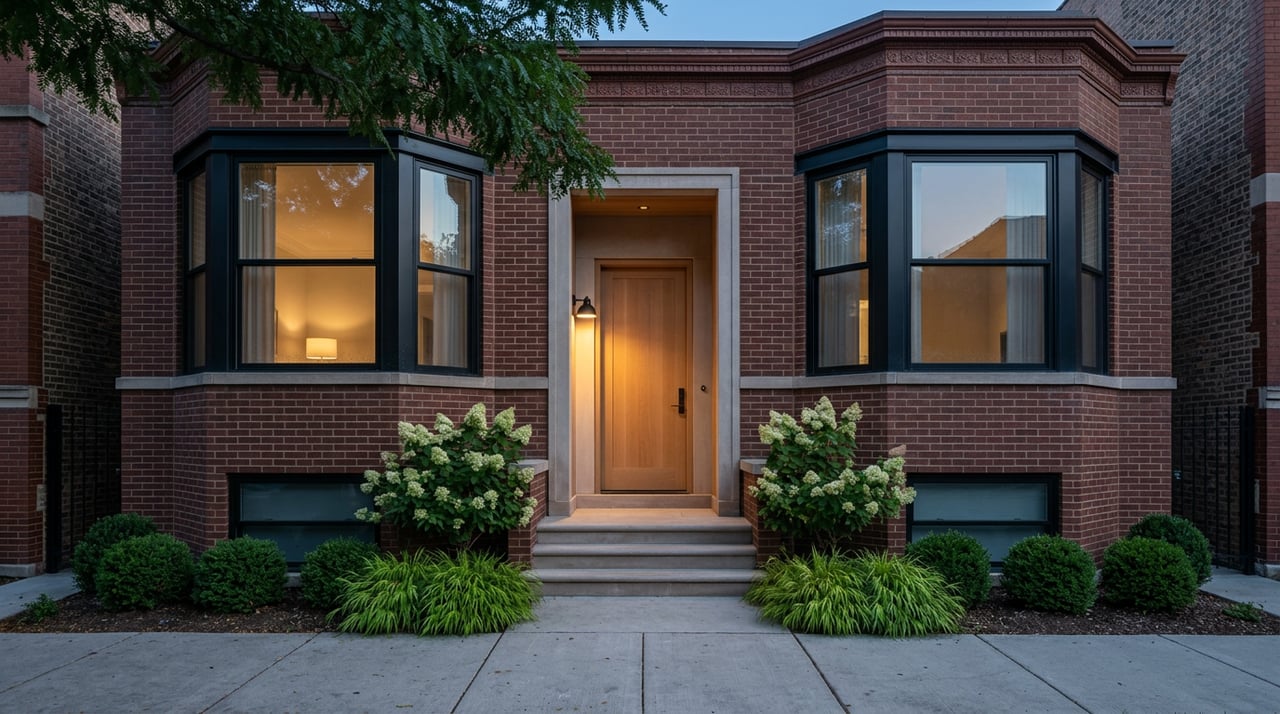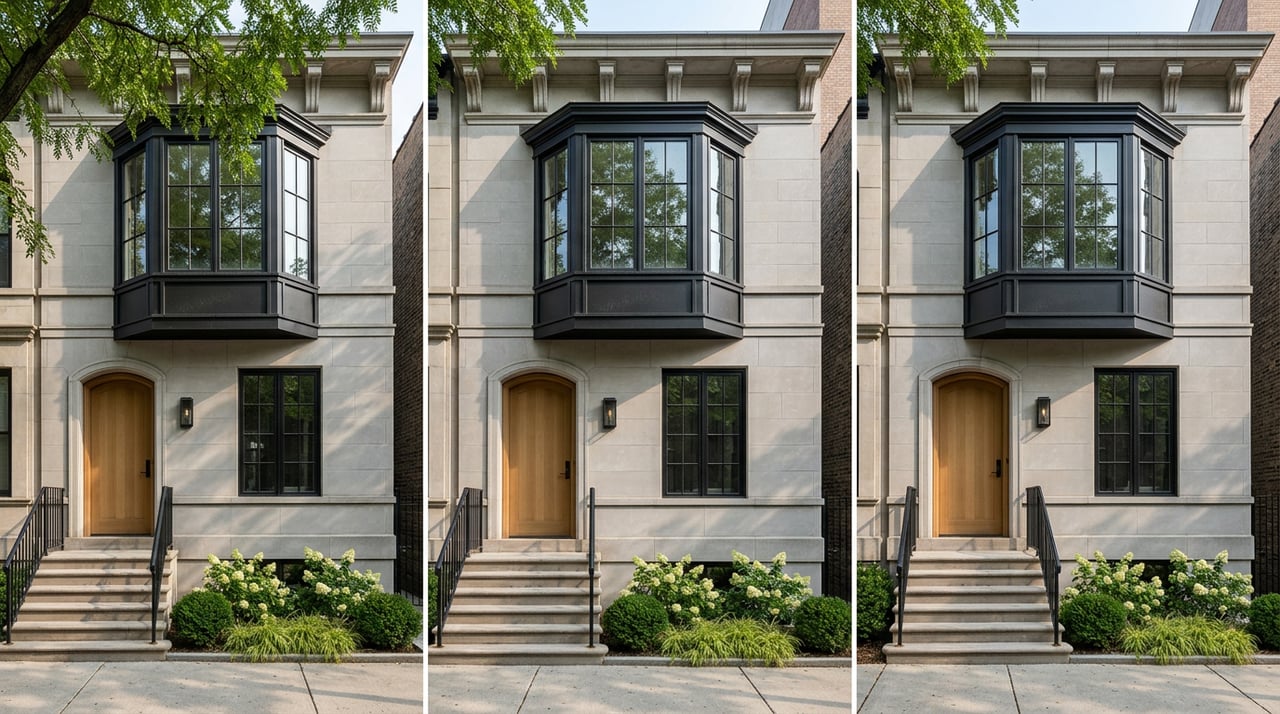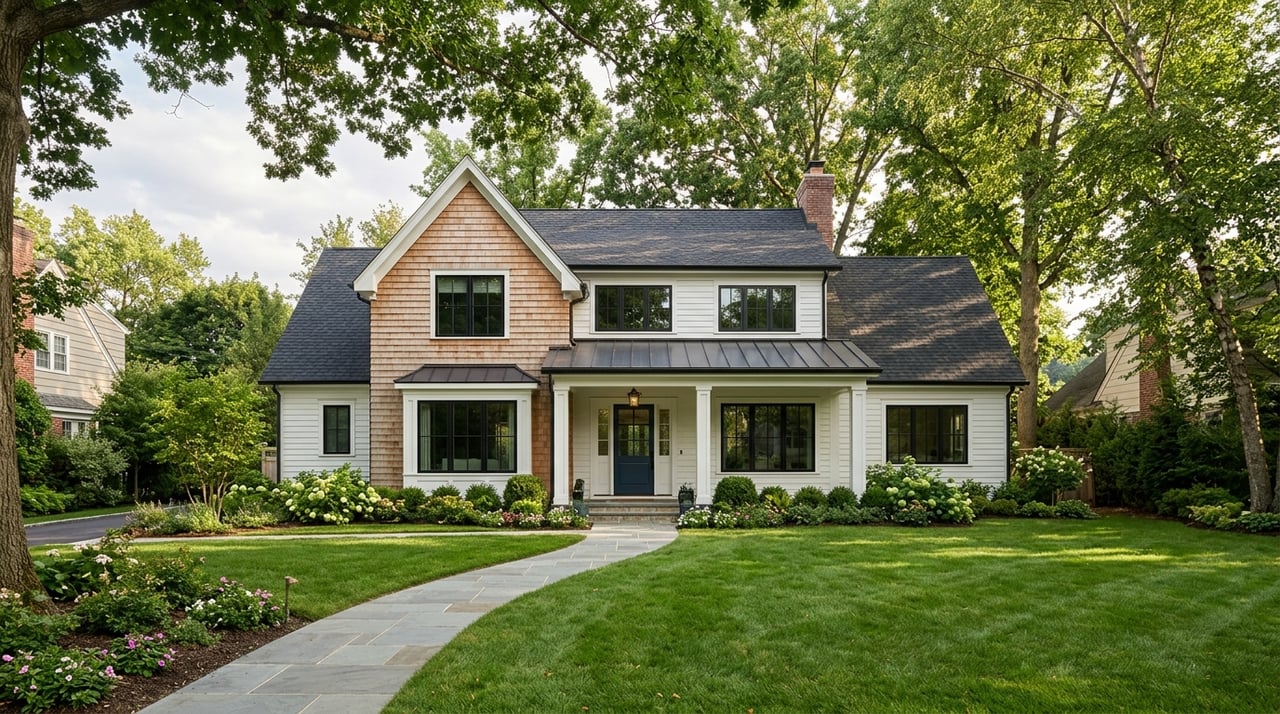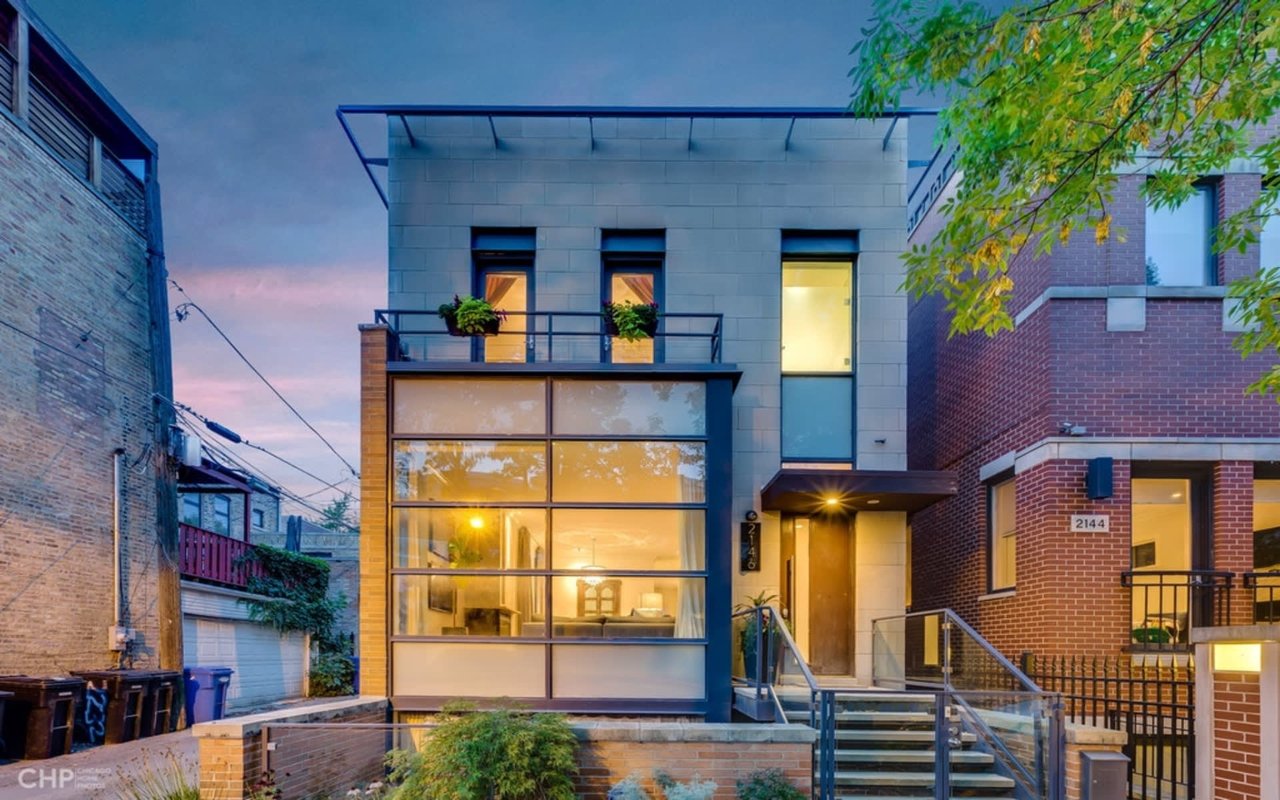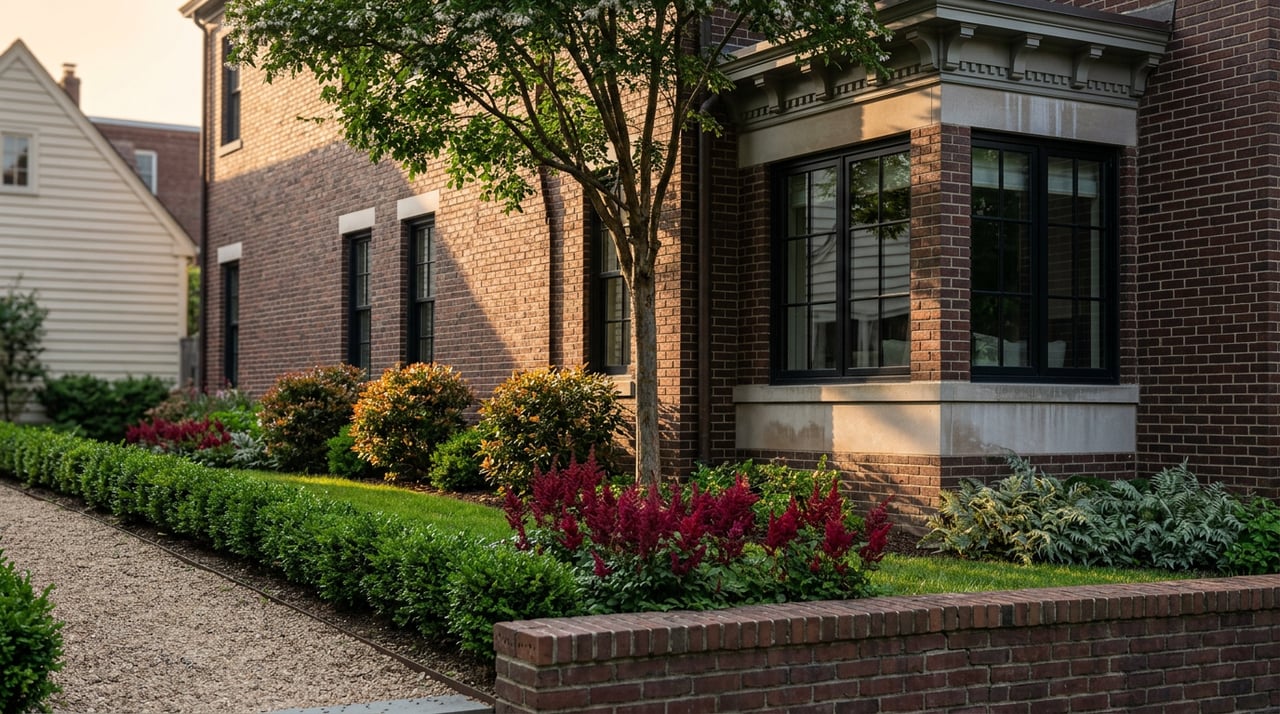
In February 2021, a Wicker Park homeowner named Cullen Davis asked the city for permission to build a three-story addition on a vacant side lot next to his house at 1512 N. Hoyne Ave. He had paid $1.65 million for the two parcels together, including an 1884-era home, and believed the vacant lot next door was simply buildable land. Neighbors disagreed, and within about two and a half weeks the disagreement escalated from a staff-level filing to a full public hearing in front of the Commission on Chicago Landmarks, complete with a preservation consultant hired to argue Davis's case, a rival consultant and an attorney retained by opponents, a fundraiser started by a resident who had lived in the neighborhood for 35 years, and open debate over whether 15 other undeveloped side lots across the district could be next. The Commission ultimately voted unanimously to allow the addition. Davis got his project. He also became a case study in what "landmark district" actually means when you're the one holding the permit application, and how fast a routine-looking purchase can turn into a contested hearing.
That story is the reason to write this piece, and it points to something most buyers researching Wicker Park never learn until they're already under contract: the neighborhood's landmark status is not one set of rules applied evenly across the neighborhood. It is two separate designated districts layered over the same streets, with a review process that can take two weeks or two years depending on what you're touching and how visible it is from the sidewalk.
Two districts, one name
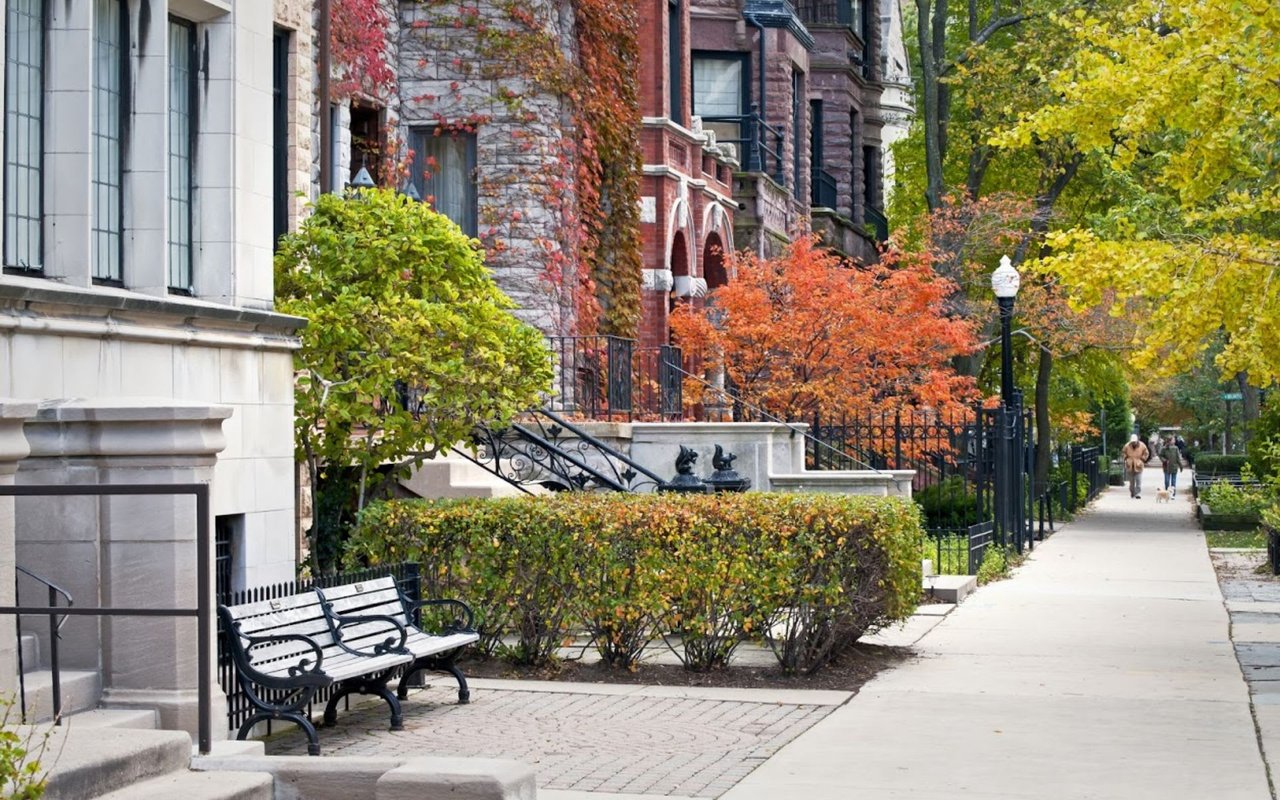
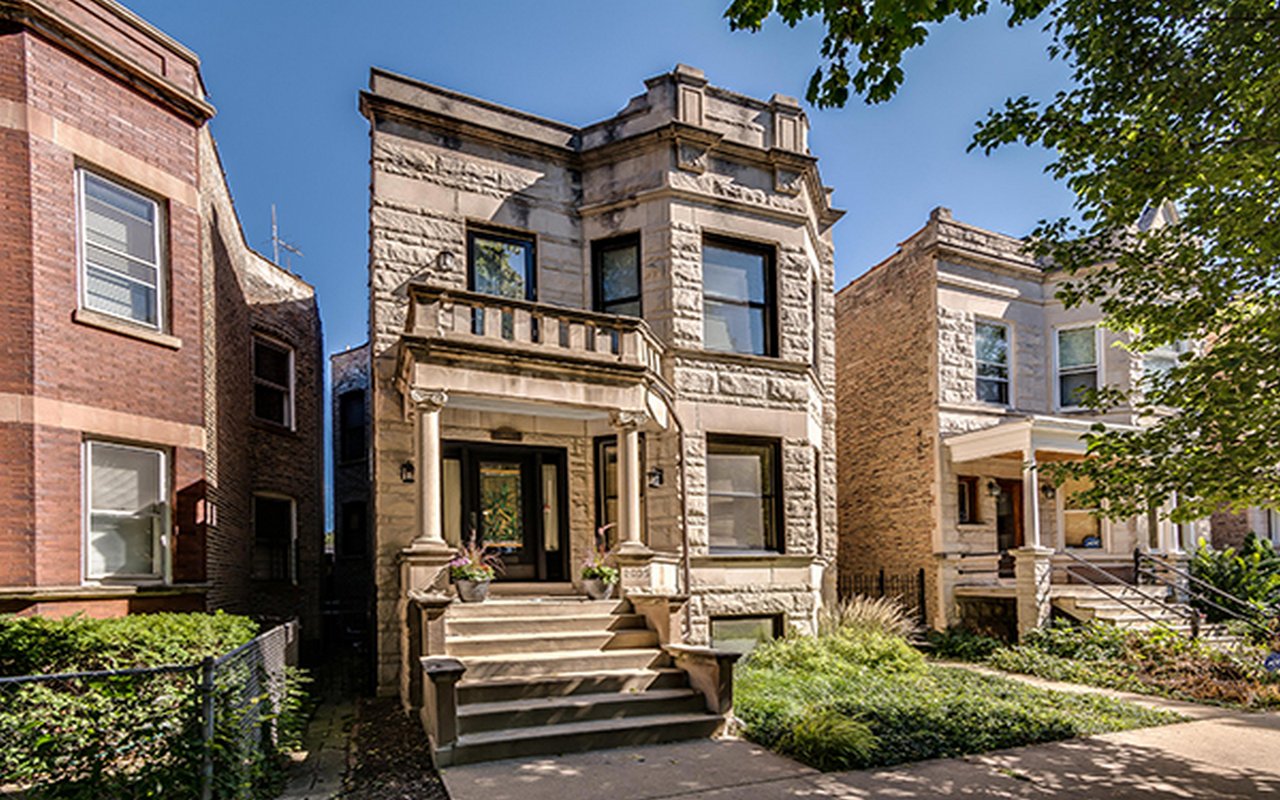
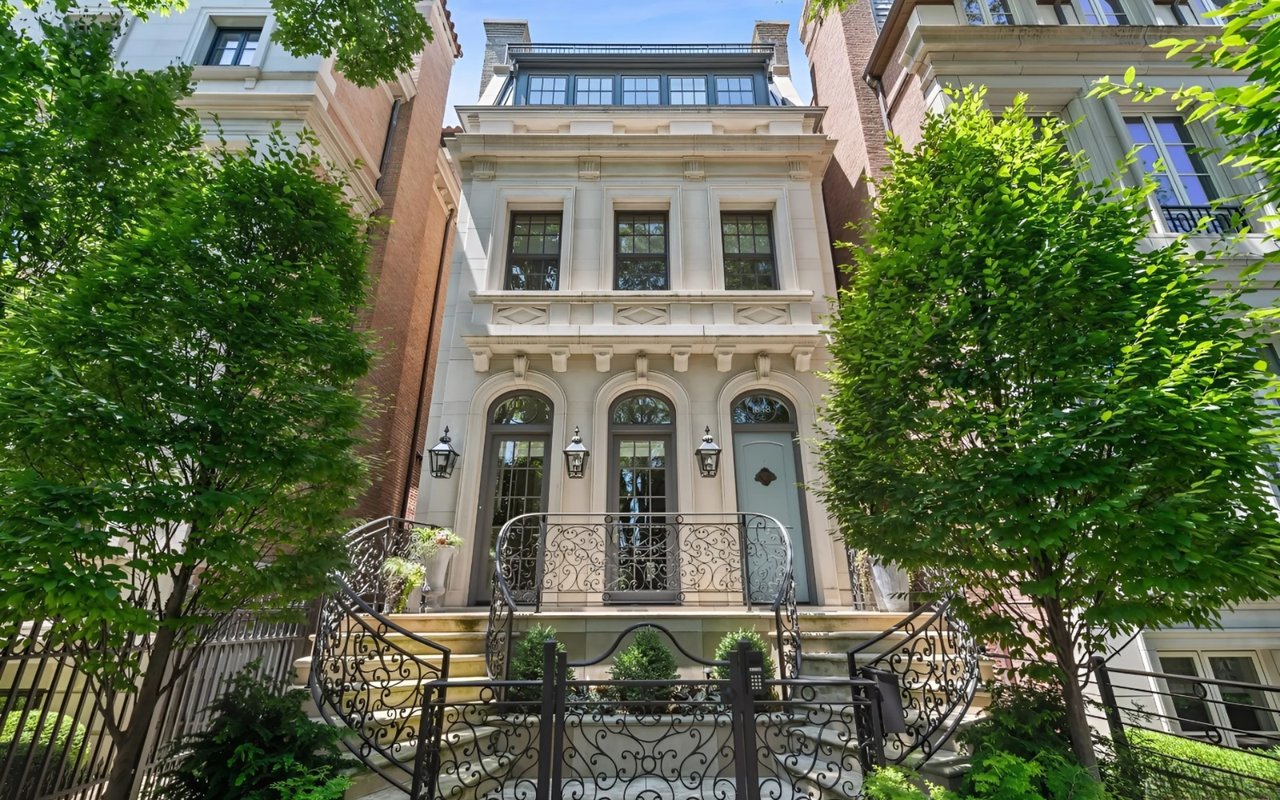
Most people who say "Wicker Park is a landmark district" are technically half right. The city designated the Wicker Park Landmark District on April 12, 1991, protecting the large Victorian-era houses that ring the park itself, including Hoyne and Pierce streets, where the brewery owners who built there earned the block its old nickname, Beer Baron Row. But according to the Wicker Park Committee, the neighborhood's community organization, the area also contains a second, separate designation: the Milwaukee Avenue Landmark District. Both districts fall under review by the Committee's Planning and Development Committee, which meets the third Tuesday of every month at the Wicker Park Fieldhouse to weigh in on construction proposals before they reach the city.
For a buyer, this matters because your due diligence question isn't "is this house in the landmark district." It's "which district, and what specifically is protected on this lot." A contributing Victorian on Hoyne carries different exterior obligations than a commercial storefront on Milwaukee Avenue, even though both sit under the umbrella term buyers use interchangeably.
Why the same fix means different timelines
The Commission on Chicago Landmarks reviews any permit application affecting the exterior of a landmark building or a contributing structure inside a landmark district, a category that includes windows, masonry, stoops, fences, additions, and demolition. According to the city's Historic Preservation Division, that review can happen at two speeds. Most projects clear at staff level after a straightforward review. Projects the city considers more complex, meaning new construction, additions, or anything that touches a significant historic feature, get referred to a full public hearing in front of the Commission itself.
The Hoyne Avenue case sat in the second category, and it shows exactly what that path looks like in practice. The dispute wasn't really about the addition's design, which architect Gary Beyerl noted was three feet narrower than the existing house. It was about whether the side lot itself counted as protected open space or a separately buildable parcel, a question serious enough that Landmarks Illinois sent a representative, Lisa DiChiera, to weigh in publicly, and DPD staffer Larry Shure had to make a formal determination on the record. That's the version of landmark review a buyer should plan for anytime a project involves new construction or a change to something the Commission considers character-defining.
The version most owners actually experience is quieter. Replacing a broken window pane with a matching profile, repointing brick, or repairing a stoop with like materials typically moves through as routine maintenance without triggering the same scrutiny. The dividing line isn't the size of your project. It's whether the work changes something visible from the public way in a way the Commission hasn't already seen on that block.
Here's what that means before you write an offer:
- Ask the listing agent whether any exterior work is planned or already underway, and whether it has cleared Landmarks review.
- Confirm which of the two districts the specific lot sits in, not just whether the neighborhood carries landmark status generally.
- If the property includes a side lot, vacant adjacent parcel, or unusual lot configuration, ask directly whether it has ever been reviewed as buildable.
- For any renovation you're planning post-close, request a pre-permit consultation with the Historic Preservation Division before you finalize a budget or timeline. The city itself encourages this step precisely because it can flag scope changes before you're financially committed.
- If your architect or contractor hasn't worked inside a Chicago landmark district before, budget extra weeks for review regardless of how simple the project looks on paper.
The incentive most buyers never ask about
The friction runs in both directions. Landmark status that slows down a renovation can also unlock money that non-landmarked buildings never see. Cook County's Class L incentive lowers the property tax assessment on a landmark building or a contributing structure in a district like Wicker Park's to 10 percent for the first ten years, stepping up to 15 percent in year eleven and 20 percent in year twelve before returning to the standard rate. To qualify, an owner has to invest at least half the building's value in a rehabilitation that meets U.S. Department of the Interior standards, and the project needs the city's support before Cook County will approve it.
The catch for most residential buyers is eligibility. Class L is built for commercial, industrial, multifamily, and nonprofit use, not owner-occupied single-family homes. That makes it far more relevant to the investor buying a Wicker Park two-flat or three-flat as a rental than to a family buying a single Victorian to live in. Separately, Illinois runs a property tax assessment freeze for owner-occupants who rehabilitate a certified historic residence, a distinct program worth raising with your accountant if you're buying to live in rather than to hold as income property. Either way, the point stands: a landmark designation that looks like pure friction on the permit side can be a real financial lever on the tax side, but only if someone tells you it exists before closing, not after you've already started demolition.
What the median price hides
The same "one label, many meanings" problem shows up in Wicker Park's pricing. As of the most recent update in August 2026, the median sale price across the neighborhood sat at $799,000, up 25.3 percent year over year, with homes going under contract in an average of 51 days compared to 67 days the year before. Other market analyses covering the neighborhood put the median closer to $725,000. Neither number is wrong. They're measuring different slices of the same market. A separate breakdown of Wicker Park pricing by property type puts condos around $627,000 against single-family homes closer to $1.52 million, a spread wide enough to explain most of the gap between any two headline medians you'll find.
The lesson is the same one that applies to landmark status. A single number, or a single label, tells you almost nothing about the specific property in front of you. What tells you something is knowing which segment, which district, and which review category your target house actually falls into.
Buying well in Wicker Park means treating landmark status the way you'd treat any other structural fact about a property, something to verify block by block and lot by lot rather than assume from the neighborhood's reputation. The Klopas-Stratton Team works Wicker Park regularly and can walk you through exactly which district a property sits in, what its permit history looks like, and whether a Class L or historic tax freeze conversation makes sense before you go under contract. If you're evaluating a landmark-district property, reach out and we'll help you read it correctly the first time.