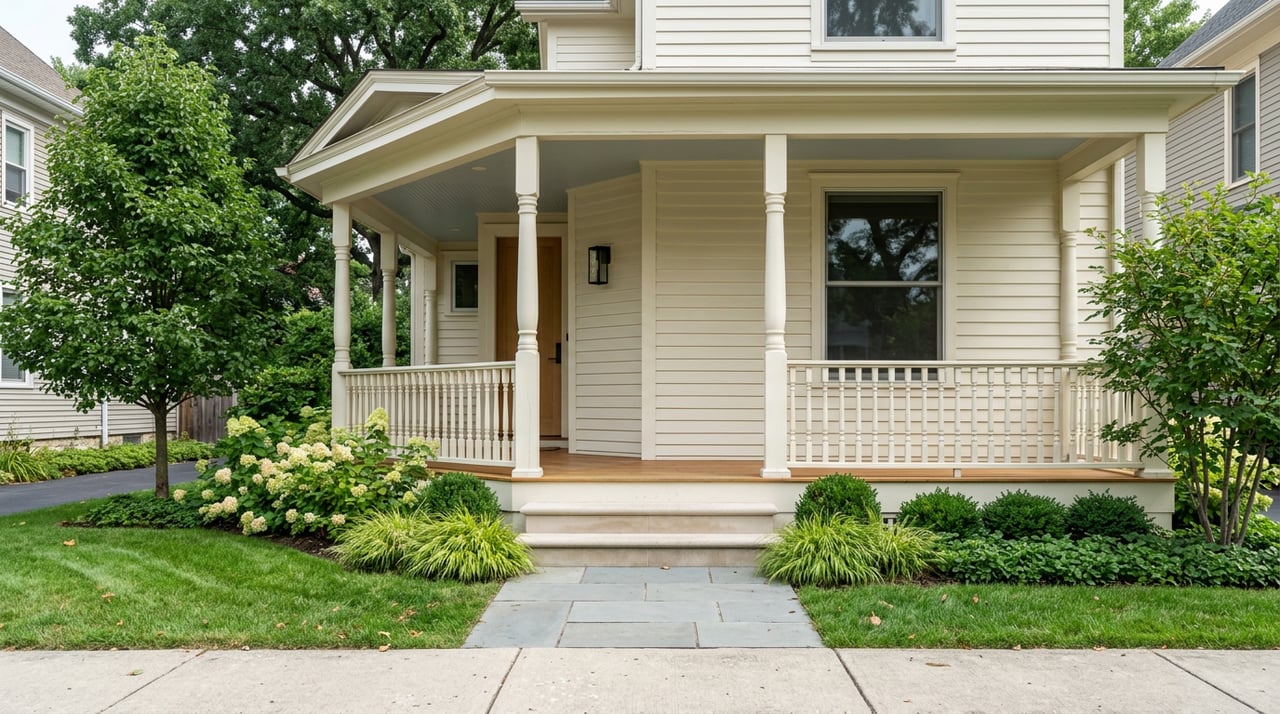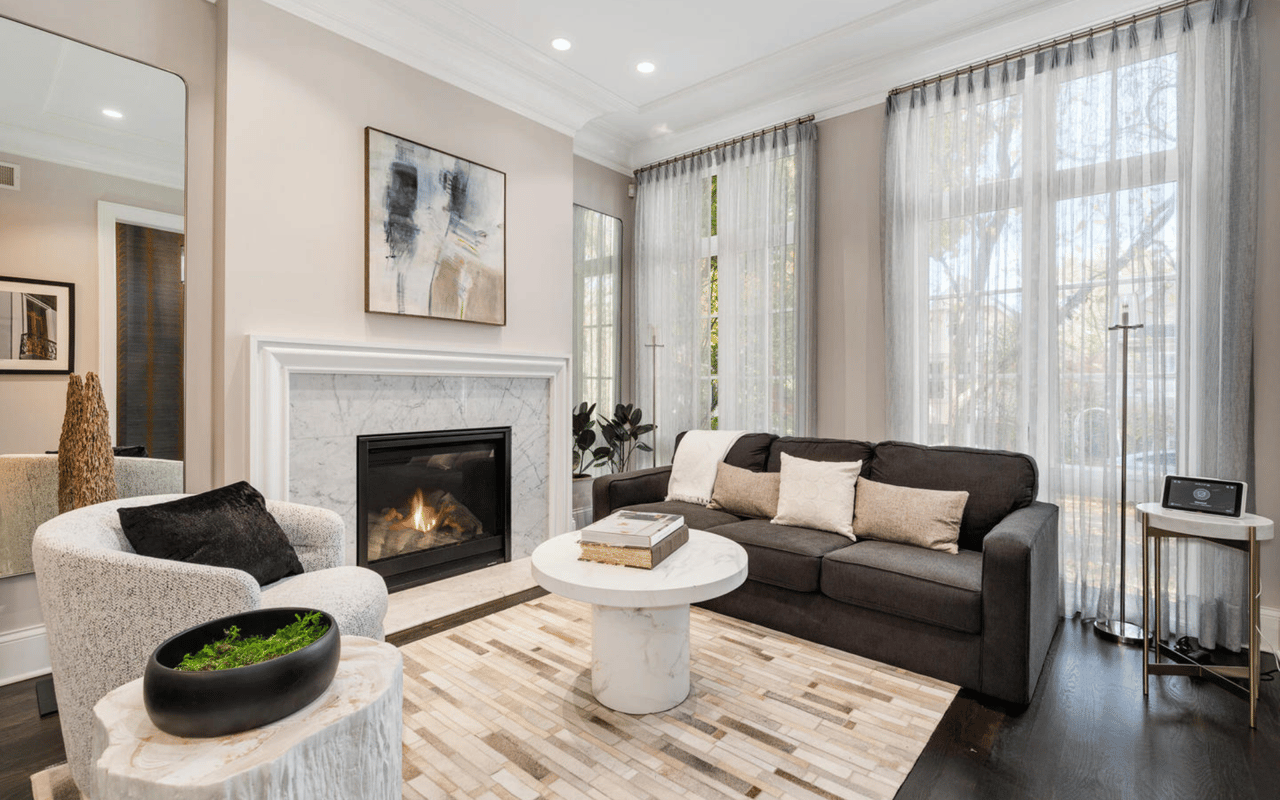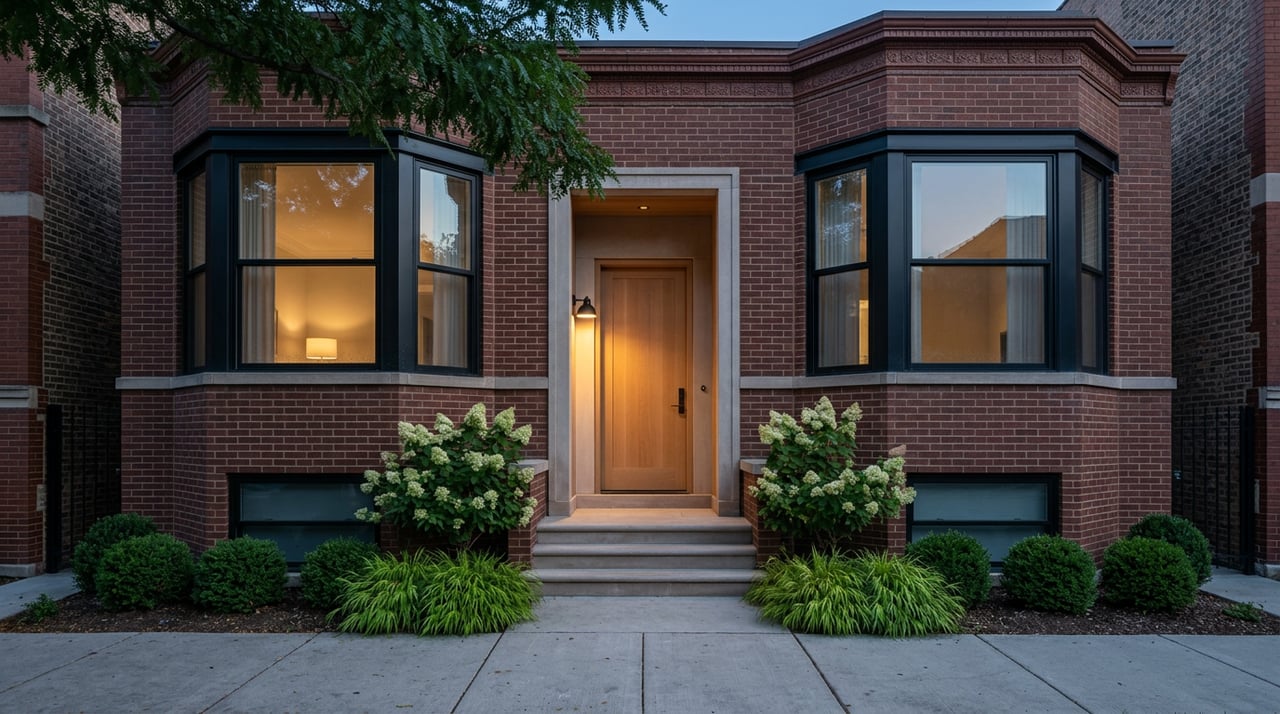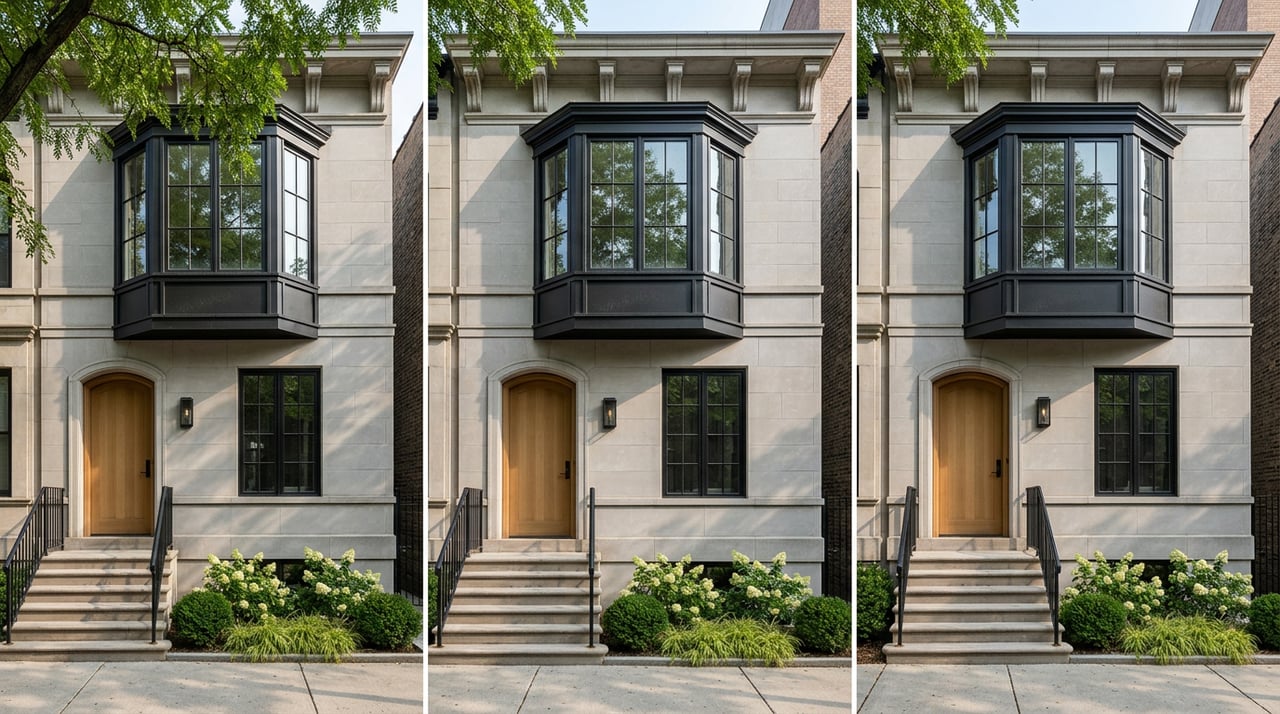
If you are preparing to sell in Lincoln Park, you are not stepping into an average Chicago resale market. Buyers here tend to notice presentation, compare finishes closely, and move quickly when a home feels well positioned. The good news is that with the right design choices, pricing strategy, and launch timing, you can put your home in a much stronger position from day one. Let’s dive in.
Why Lincoln Park demands strategy
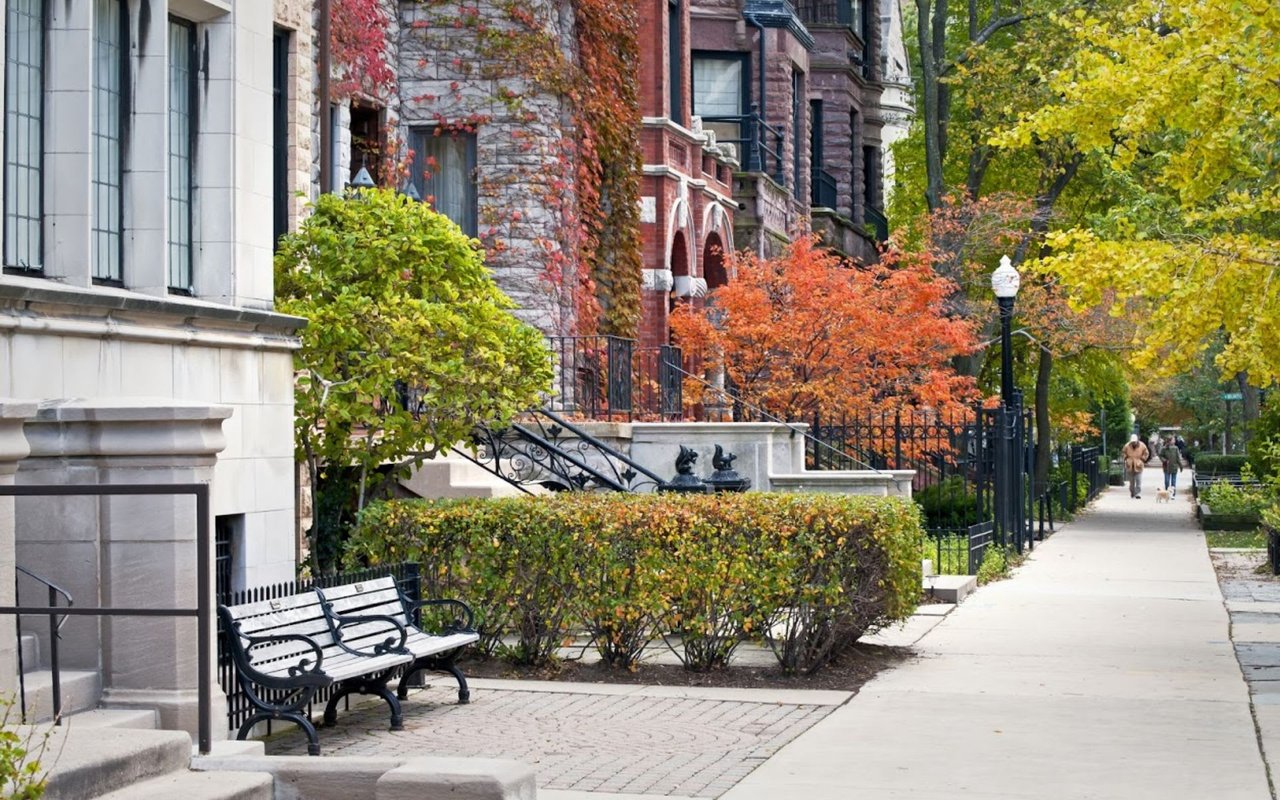
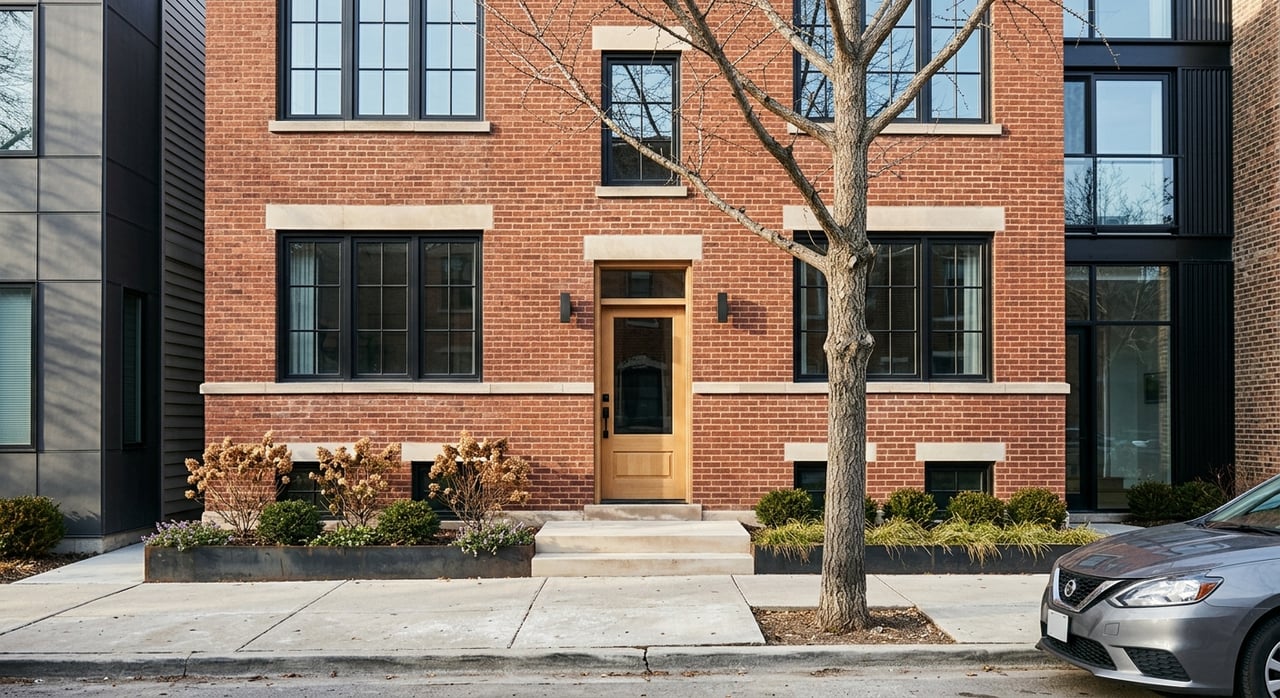
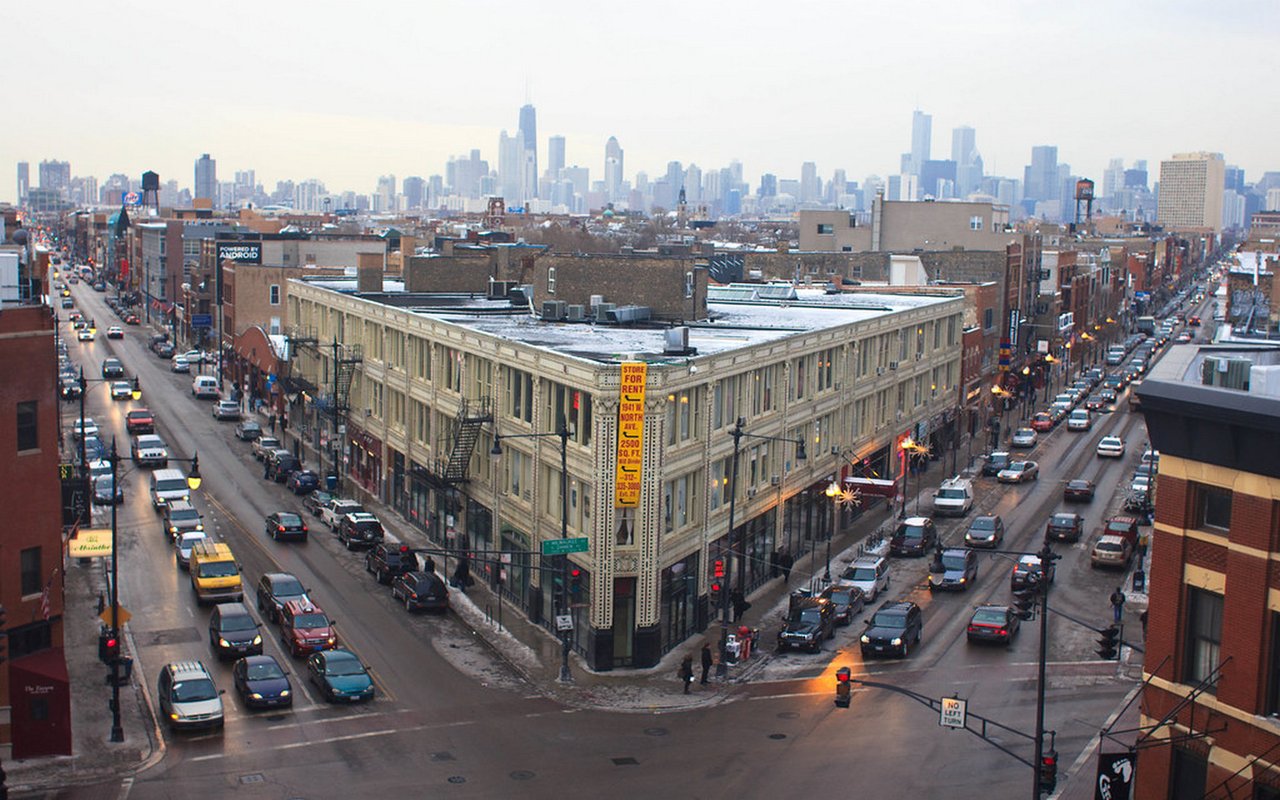
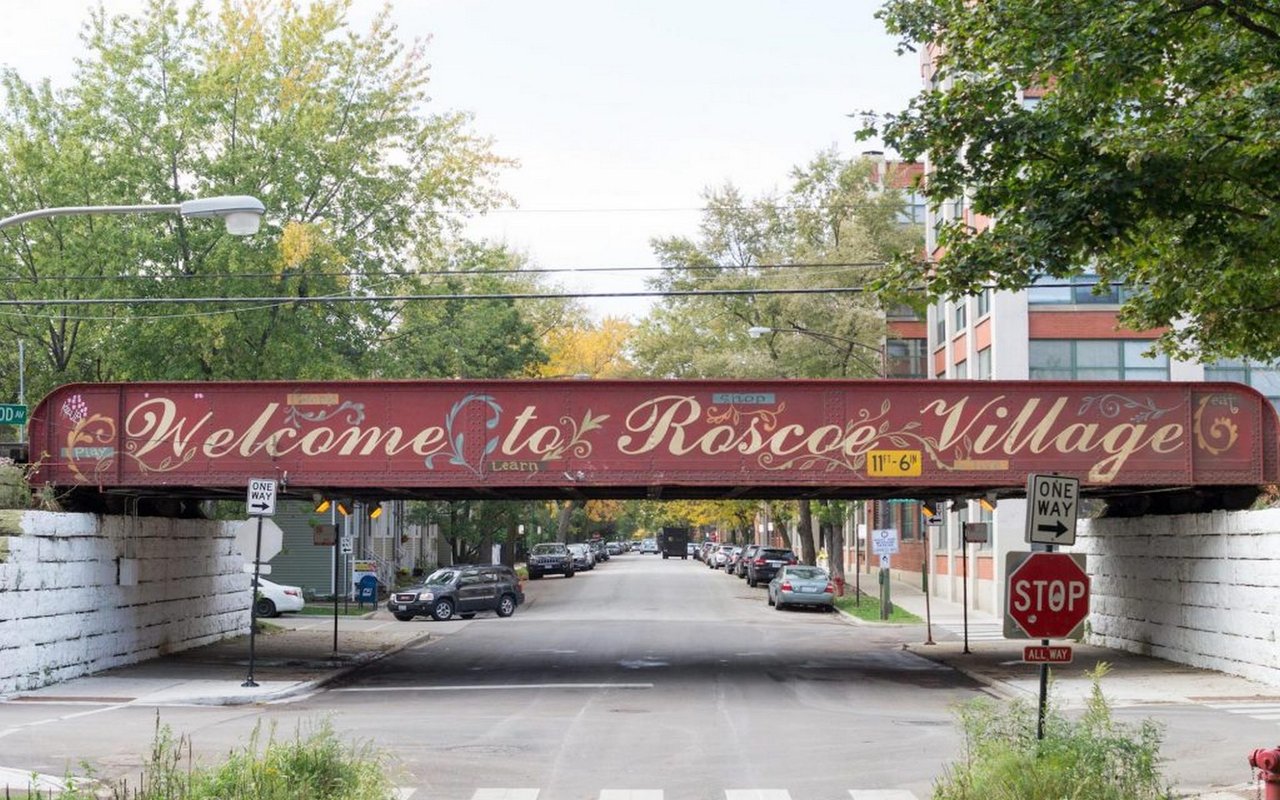
Lincoln Park stands apart because it blends lakefront access, major cultural attractions, and polished retail corridors with a wide range of housing types. That mix creates a buyer pool that often responds to homes that feel curated, not just clean.
It also means you are not selling into one uniform market. Based on Lincoln Park housing data cited by the Lincoln Park Chamber, 43.9% of homes are in buildings with 20 or more units, 14.8% are in 3- or 4-unit buildings, 9.3% are detached single-family homes, and 9.4% are attached single-family homes. In practice, that creates several overlapping submarkets with different pricing and presentation standards.
Public market trackers also show a competitive environment, but not one simple number you can rely on. Recent figures range from a median sale price of $702,500 in Redfin’s March 2026 data to a median listing price of $800,000 and median sold price of $710,000 in Realtor.com’s April 2026 snapshot. Zillow’s April 30, 2026 home-value estimate for Lincoln Park was $645,294.
The takeaway is simple: Lincoln Park rewards precision. Your preparation, pricing, and timing should be built around your exact home, not a broad neighborhood headline.
Design matters before pricing
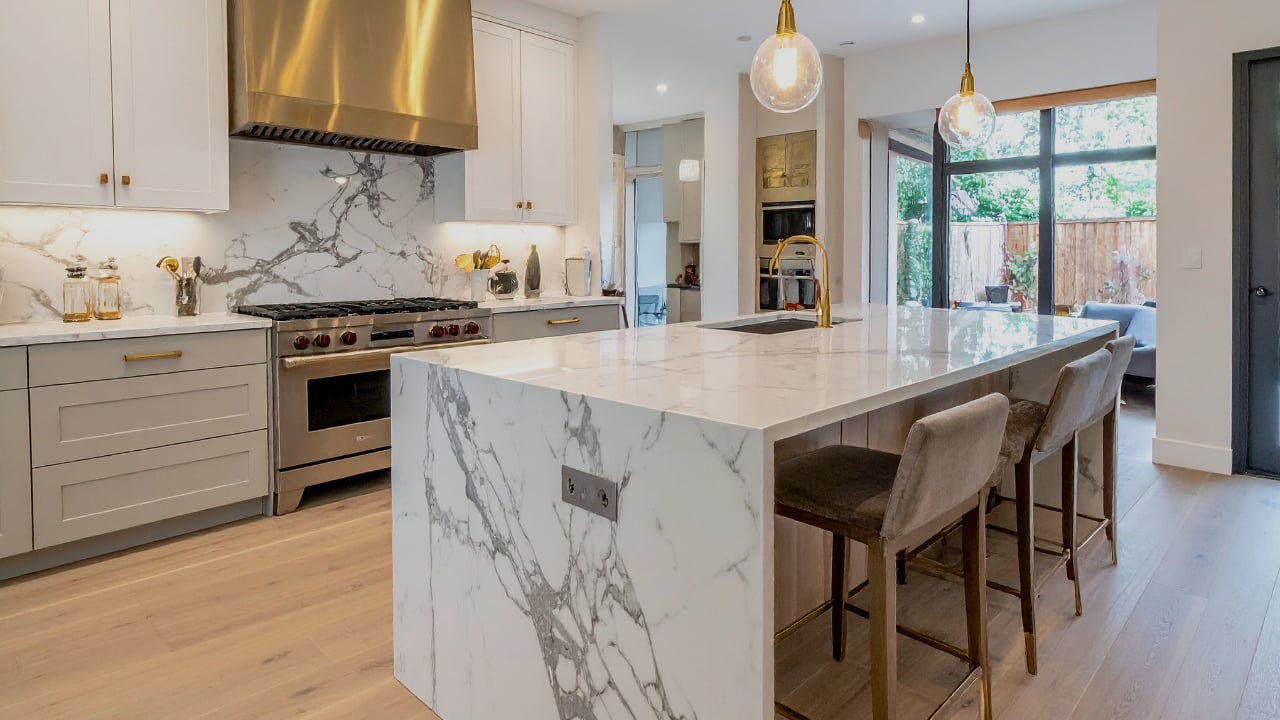
In a presentation-sensitive market, design is not fluff. It is part of the value conversation.
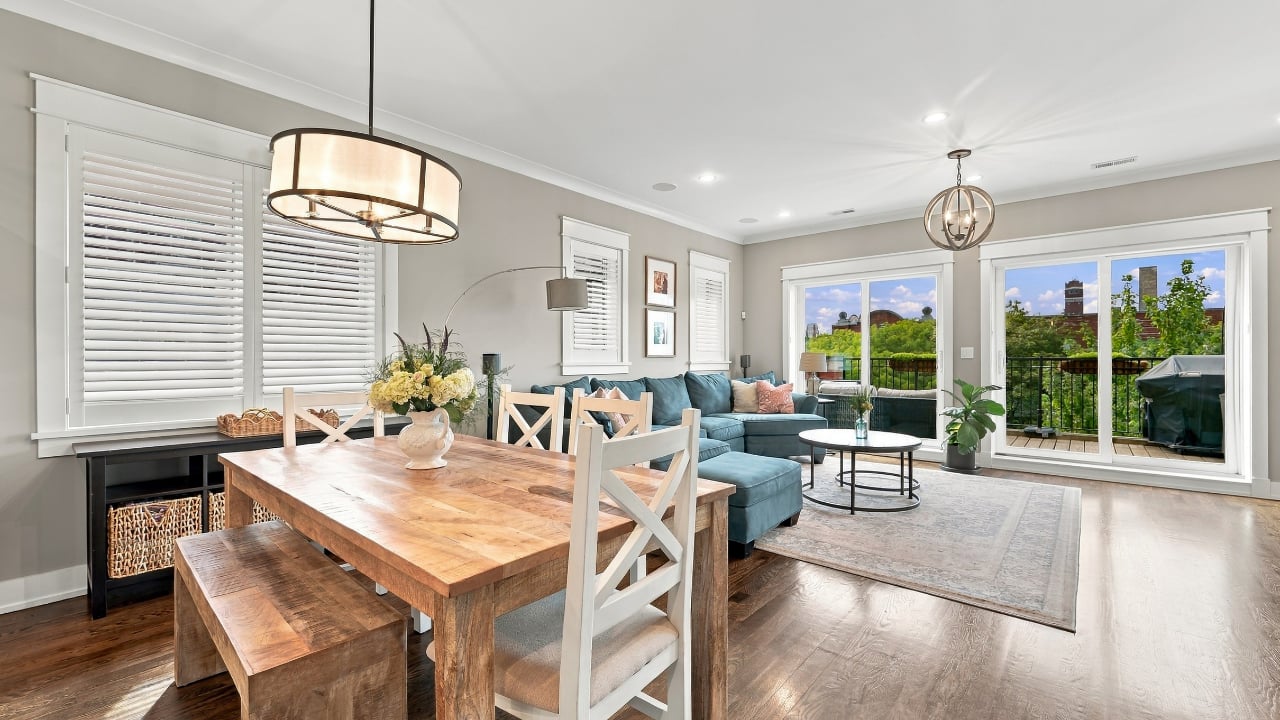
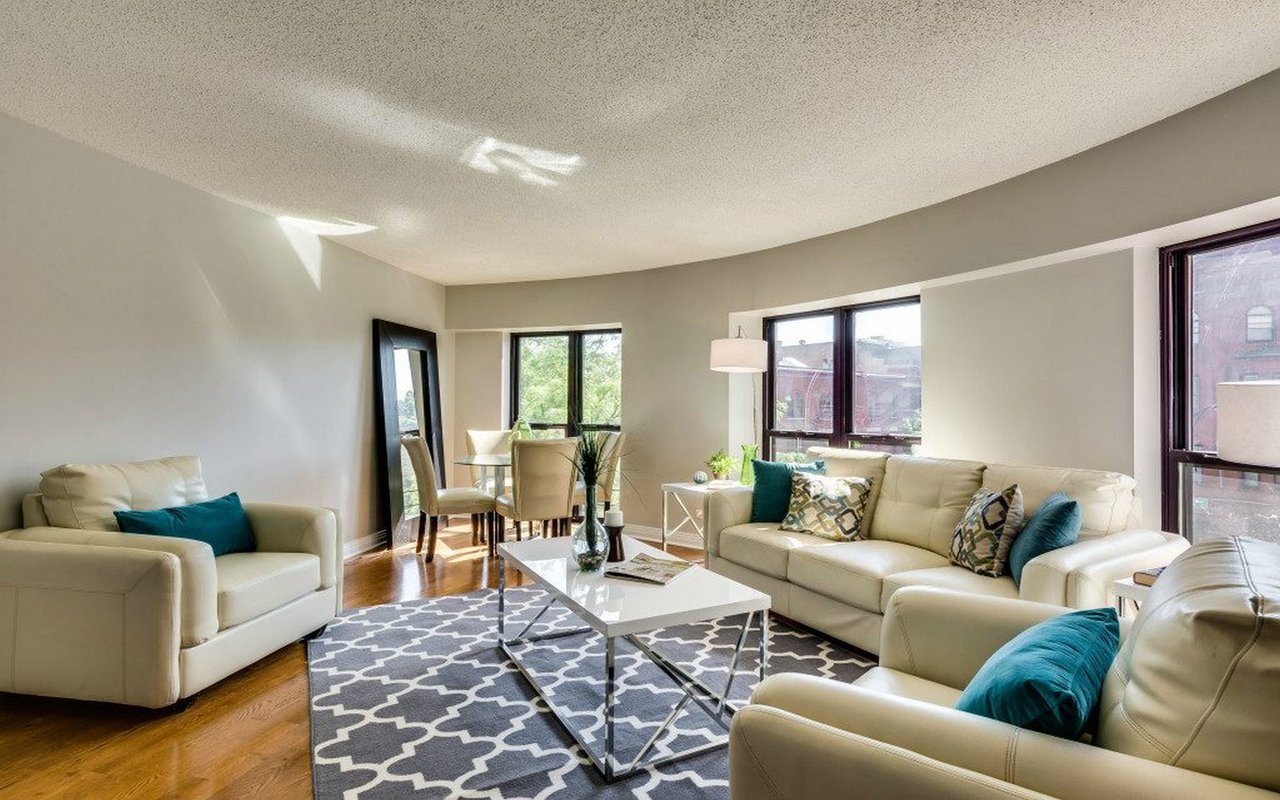
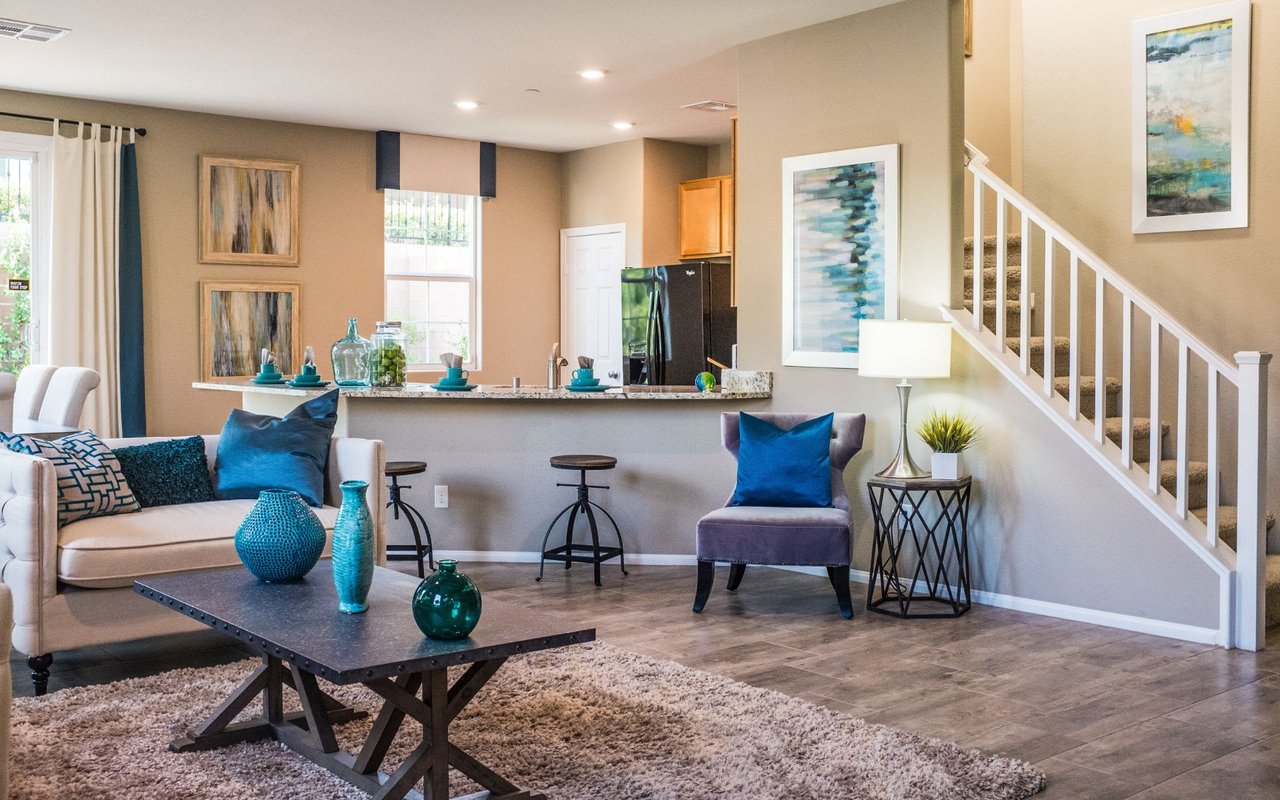
The National Association of REALTORS reported in 2025 that 83% of buyers’ agents said staging helped buyers visualize a property as their future home. The same report found that 29% said staging increased the dollar value offered by 1% to 10%, while 49% of sellers’ agents said staging reduced time on market.
That matters in Lincoln Park, where buyers often compare homes online before they ever schedule a showing. Listing photos, video, and virtual tours are part of staging, not a separate marketing step.
Prep vintage condos and walk-ups carefully
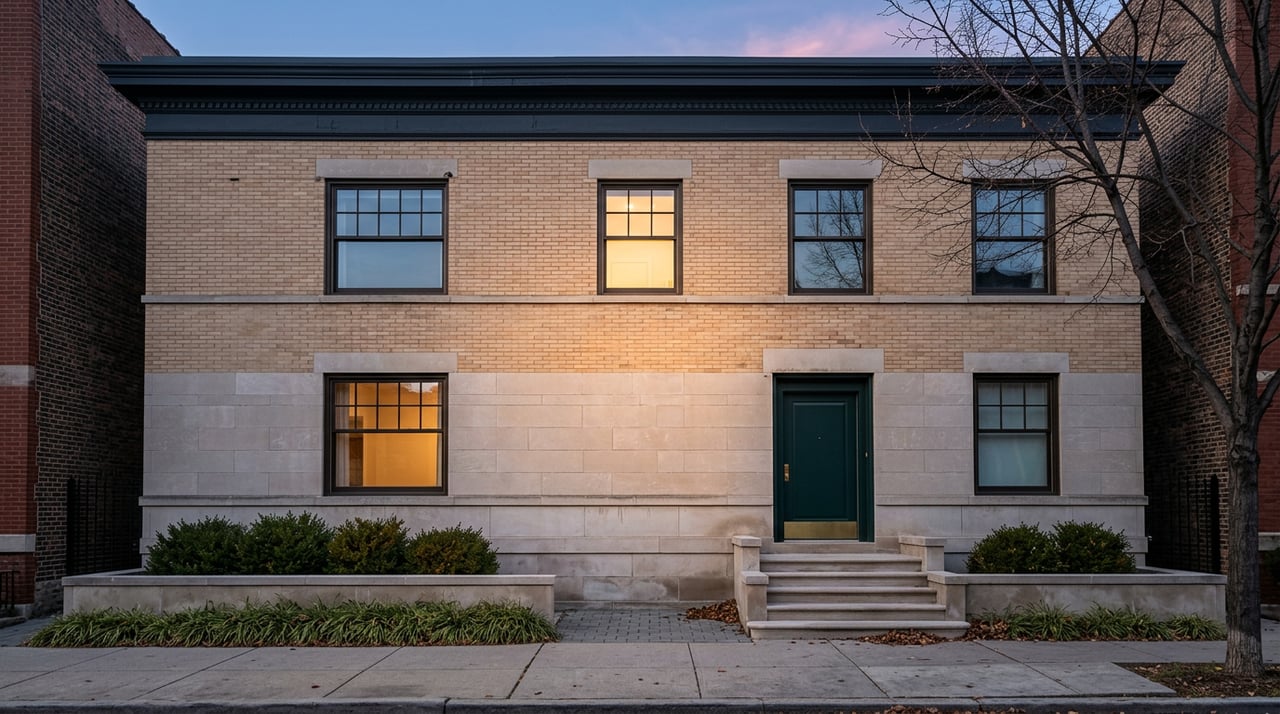
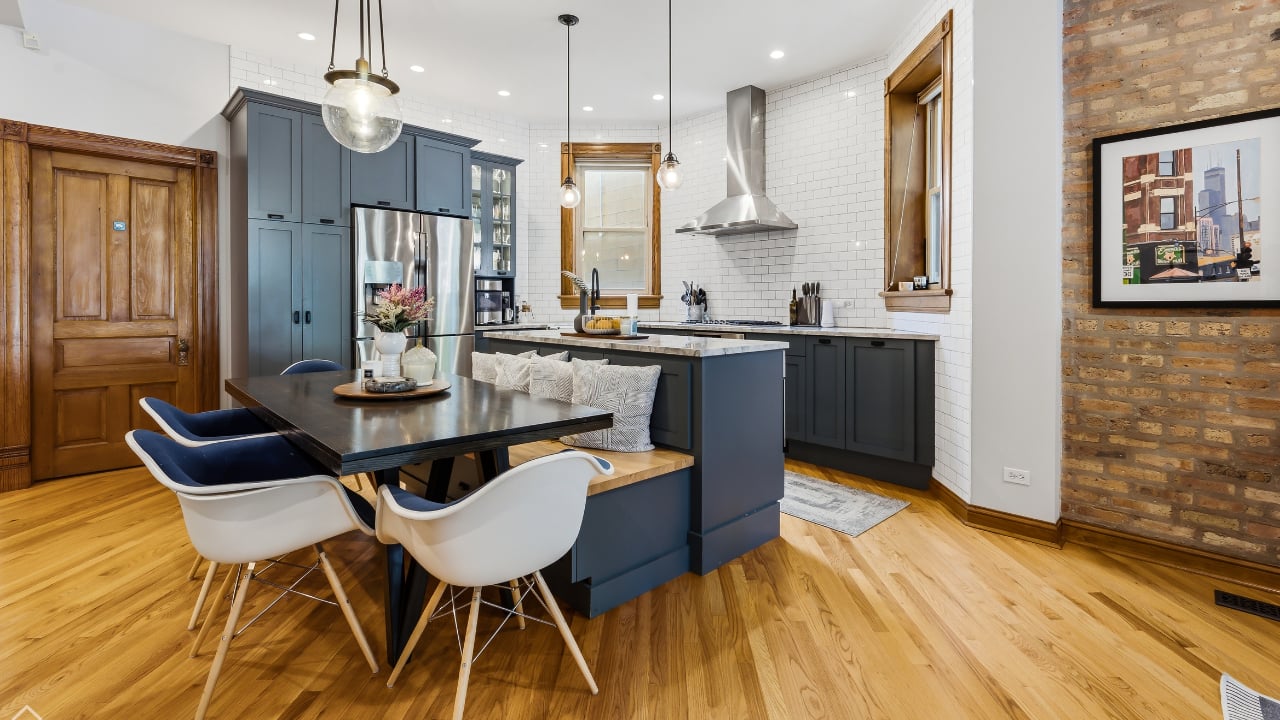
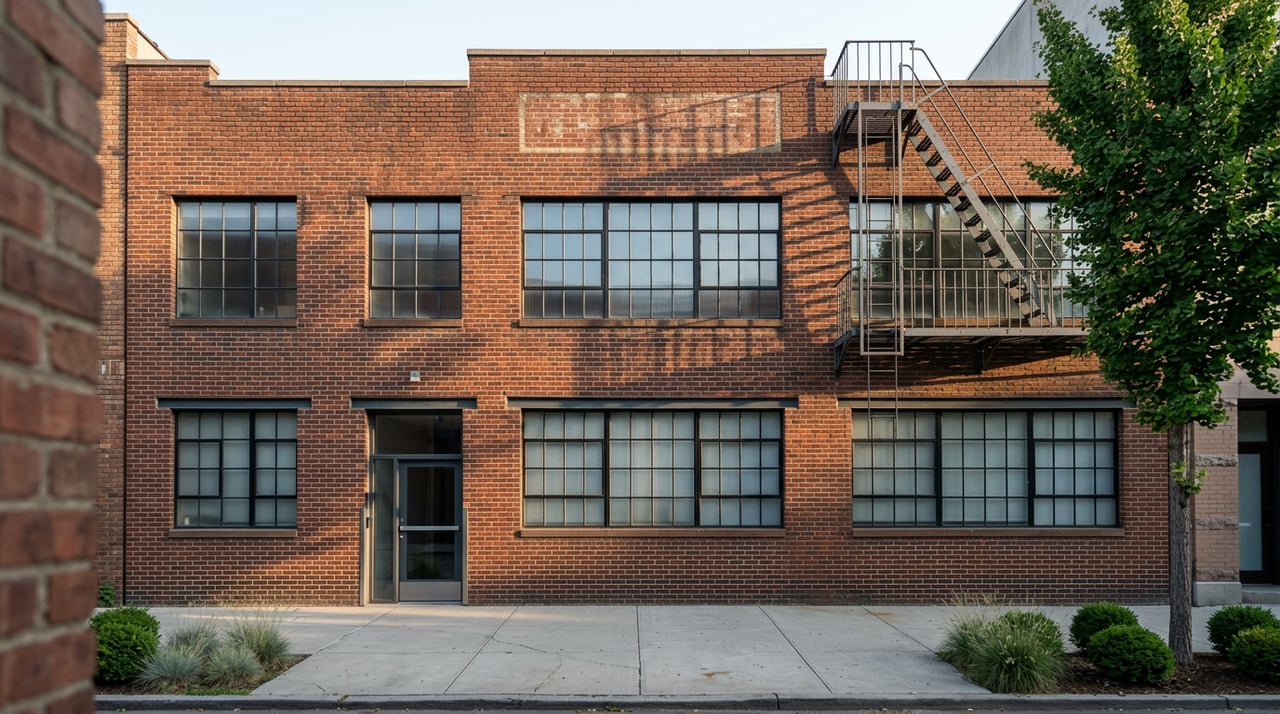
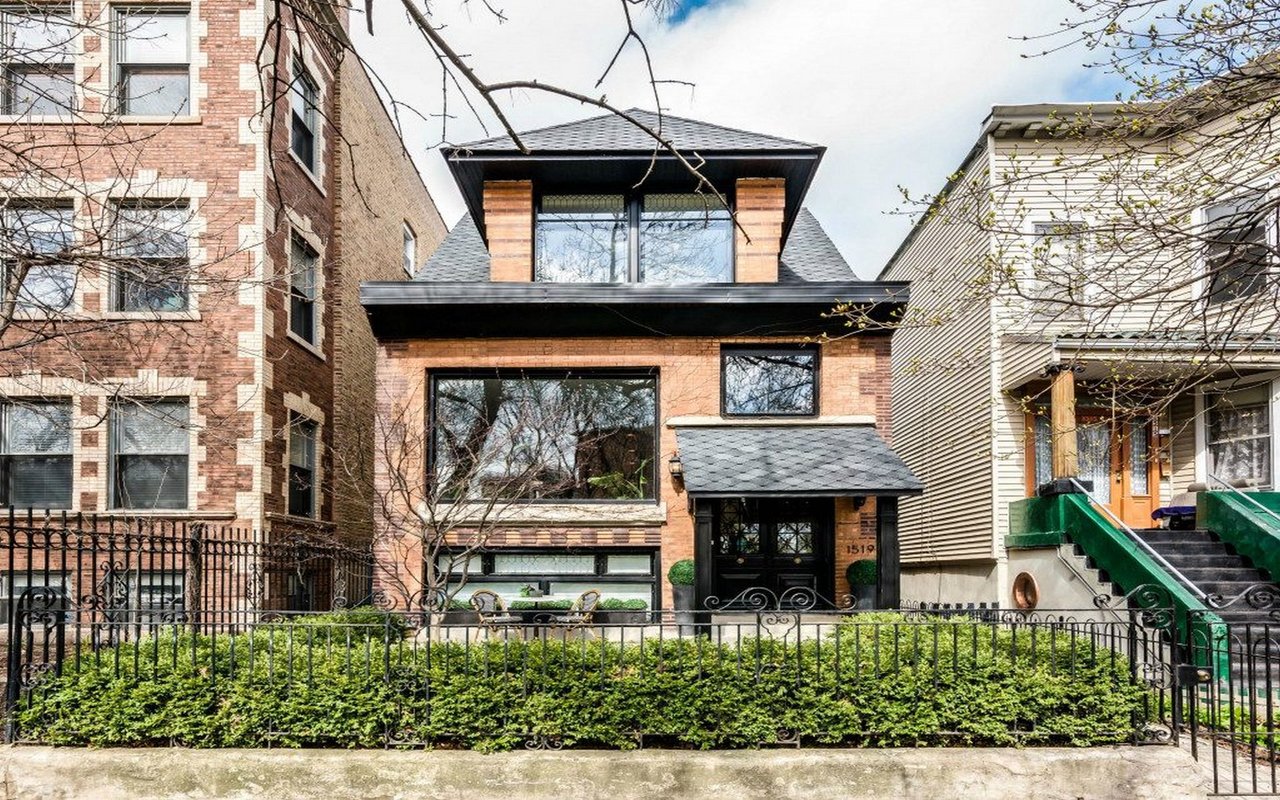
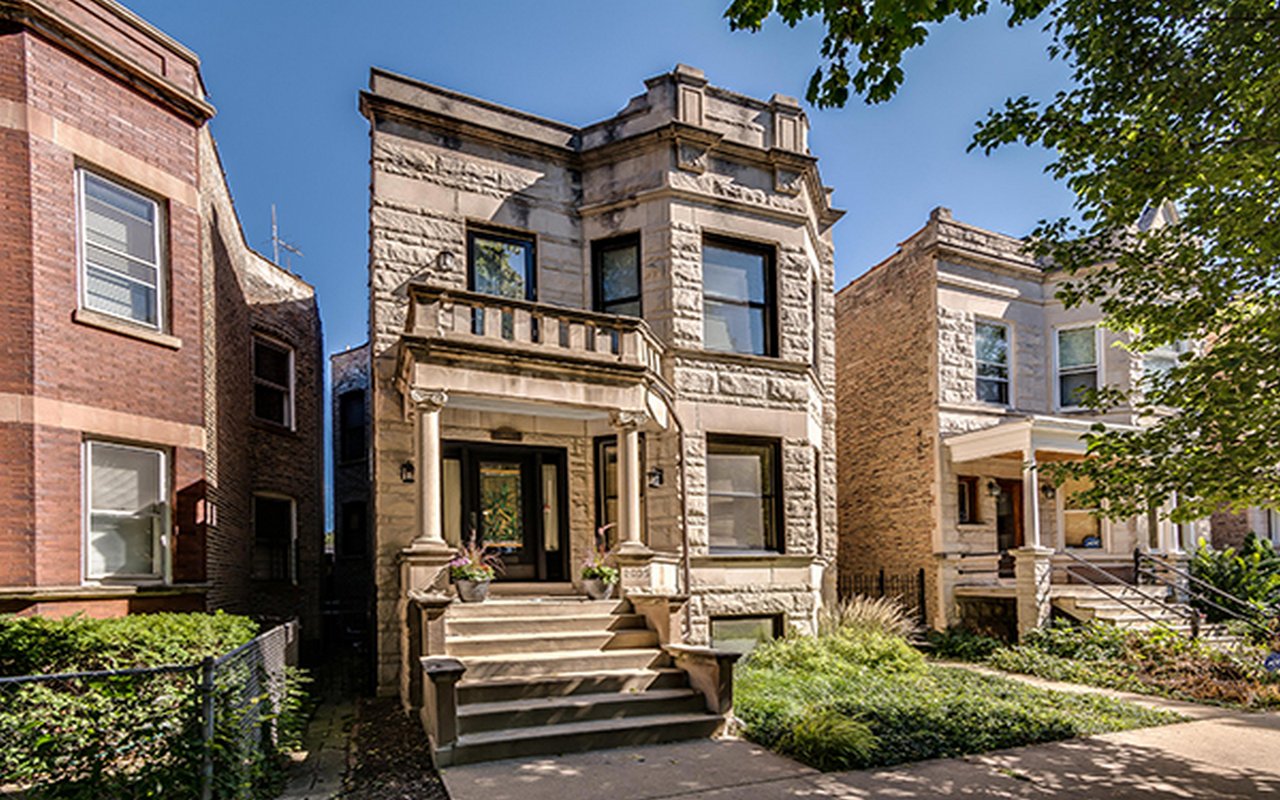
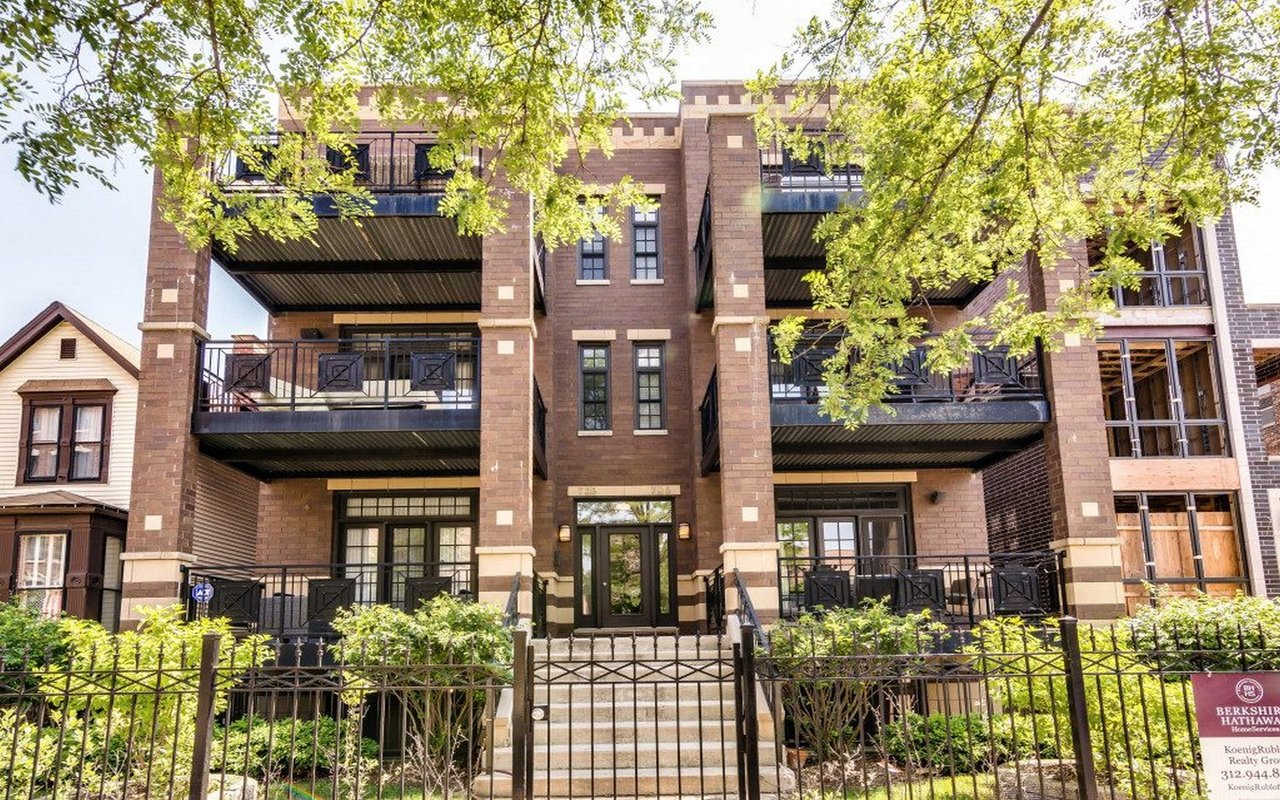
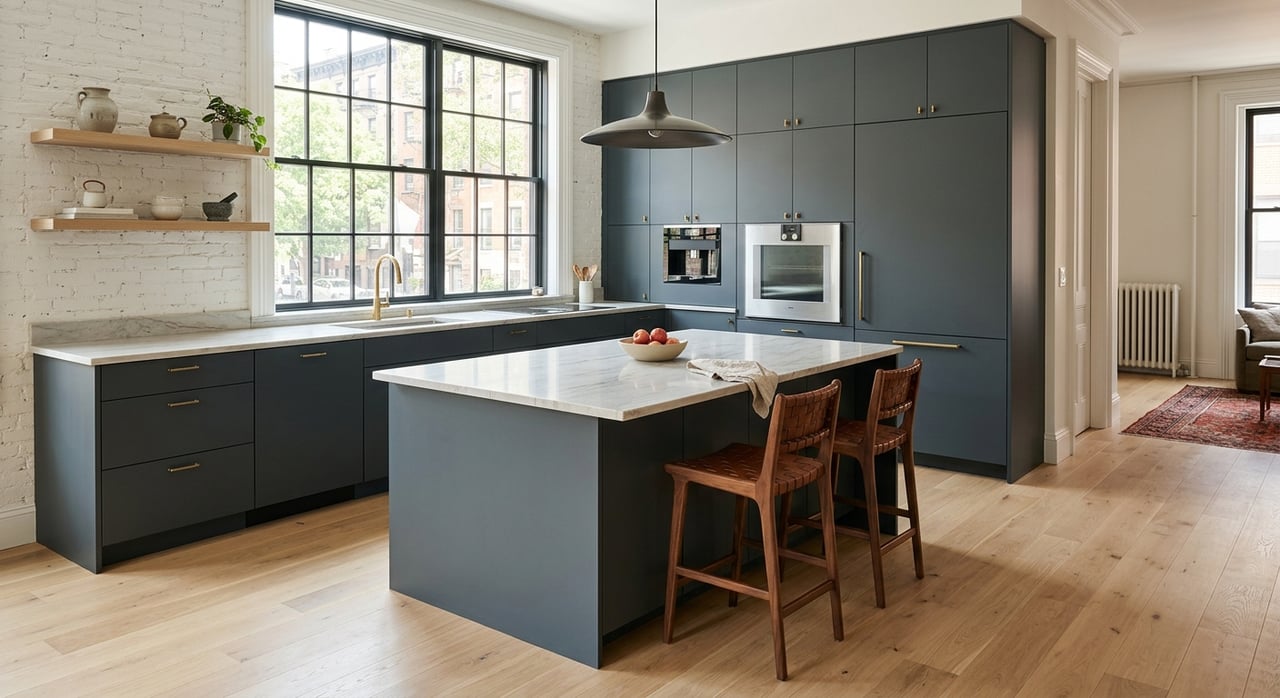
If you own a vintage condo or walk-up, buyers are often paying attention to character, scale, and how cleanly the original architecture comes through. That means you want to reduce clutter without stripping the home of personality.
Focus on what buyers are likely to notice first in photos and in person:
- Natural light
- Room scale
- Trim and architectural detail
- Window condition
- Clear, easy furniture layouts
In these homes, overfilling rooms can make a strong floor plan feel smaller. A lighter, more edited approach usually helps the architecture read better.
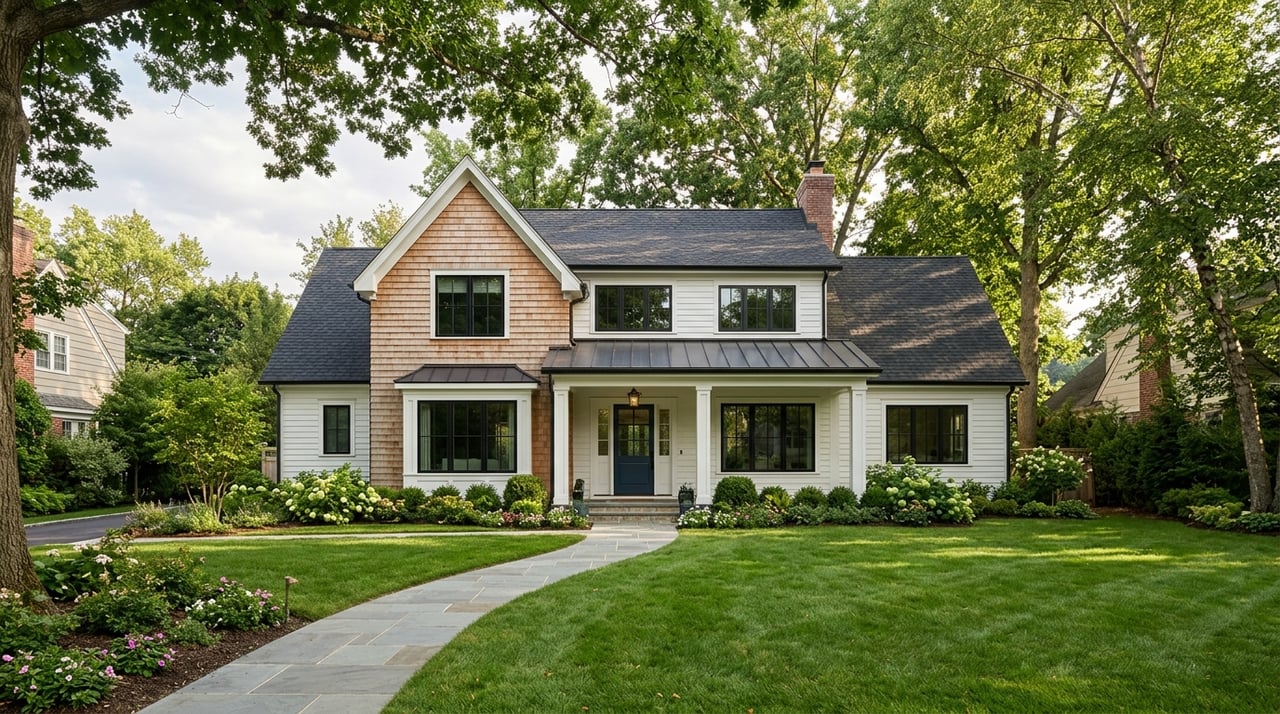
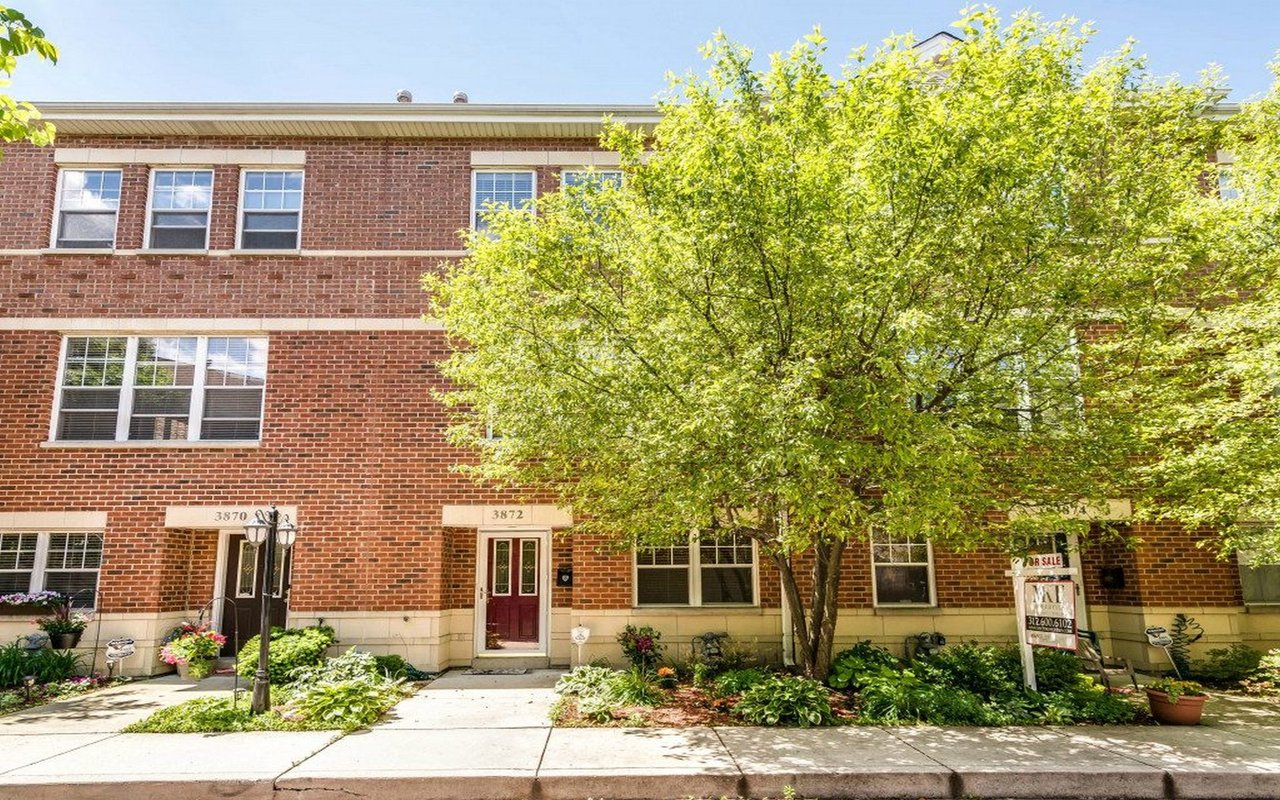
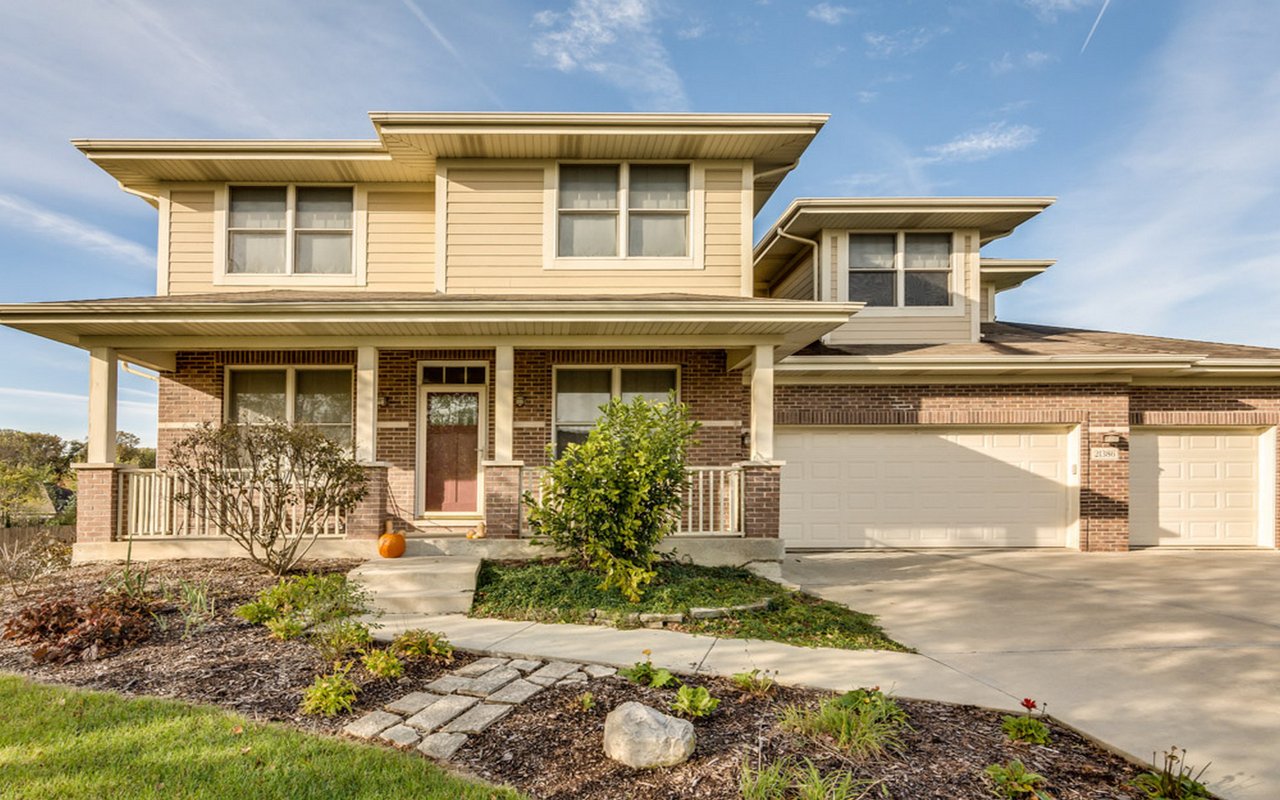
Stage single-family homes and townhomes for function
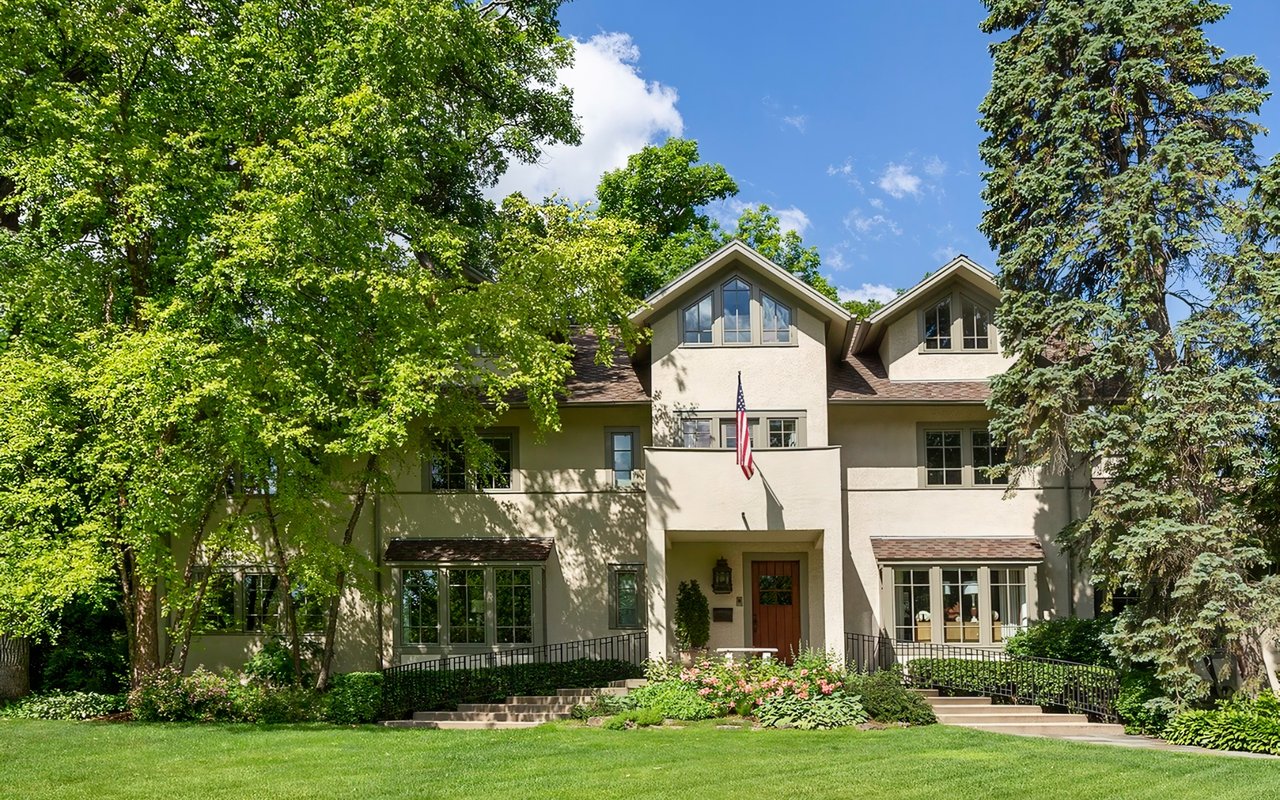
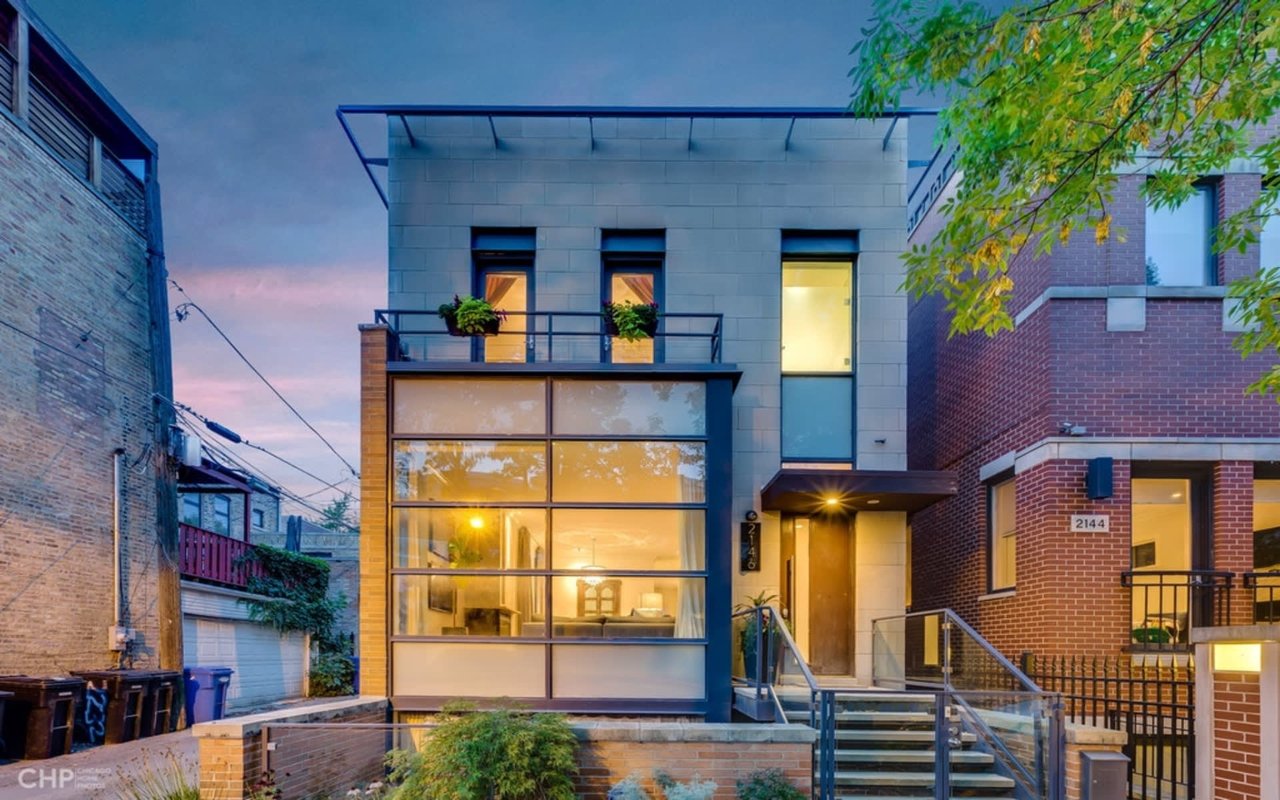
For single-family homes and townhomes, attractive rooms matter, but function often matters more. Buyers want to understand how the home lives day to day.
Recent Lincoln Park sales show a very broad range, from a two-bedroom sale around $550,000 to larger homes closing at $1 million and well above, including recent sales near $3.97 million and $4.35 million. That spread shows how much layout, condition, block, and amenities can shape the buyer pool.
When preparing these homes, make sure your marketing clearly shows:
- Main living and entertaining flow
- Storage options
- Outdoor space
- Garage or parking advantages
- Flexible rooms such as offices, dens, or lower-level living areas
Highlight efficiency in high-rises
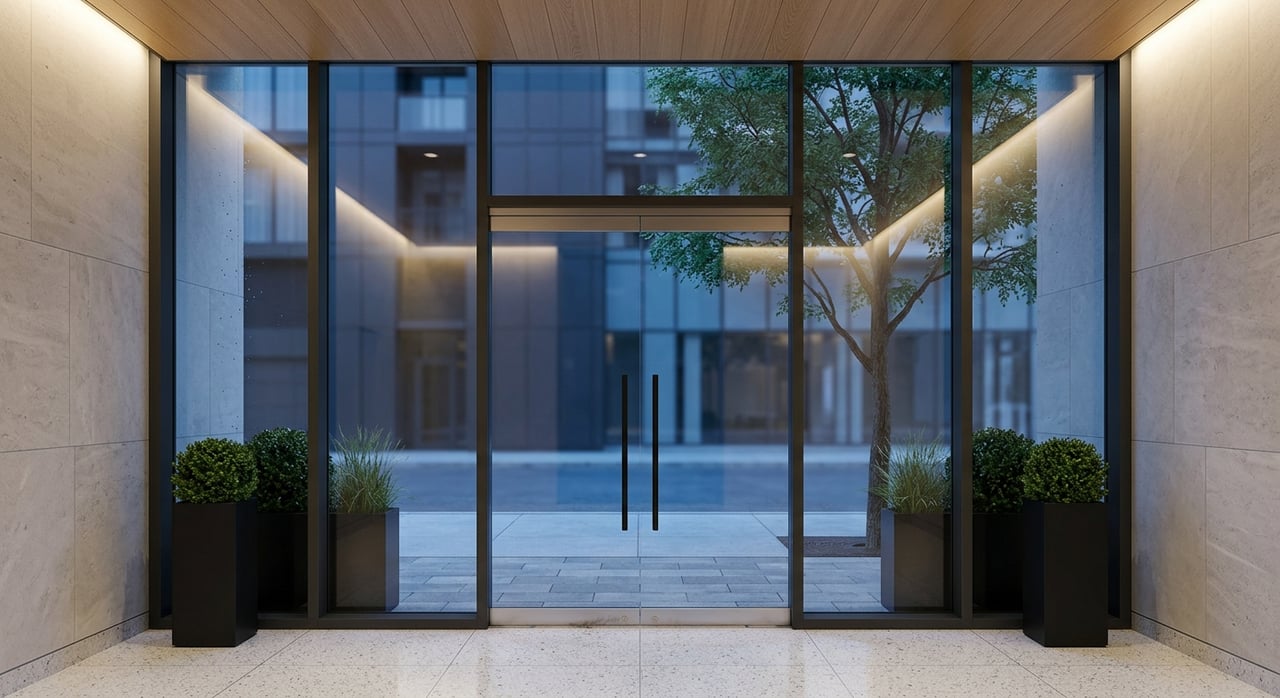
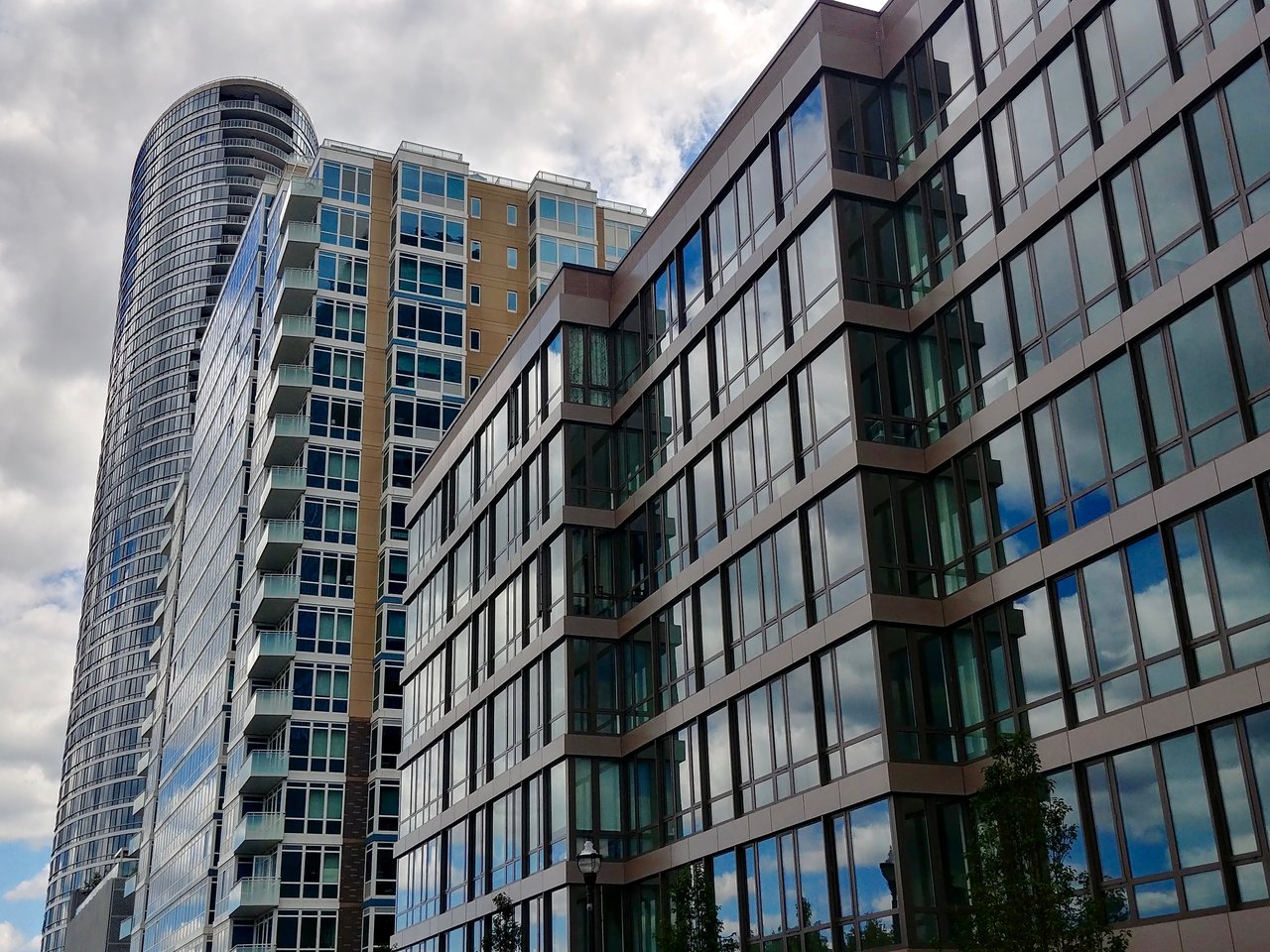
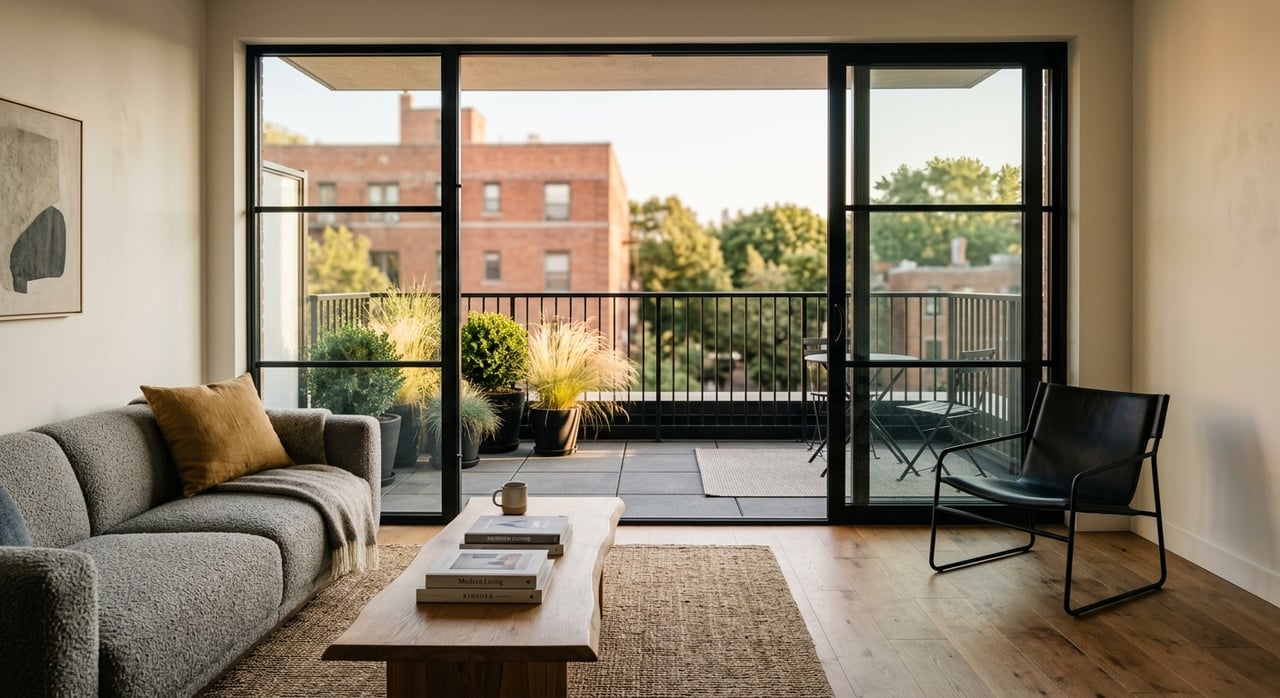
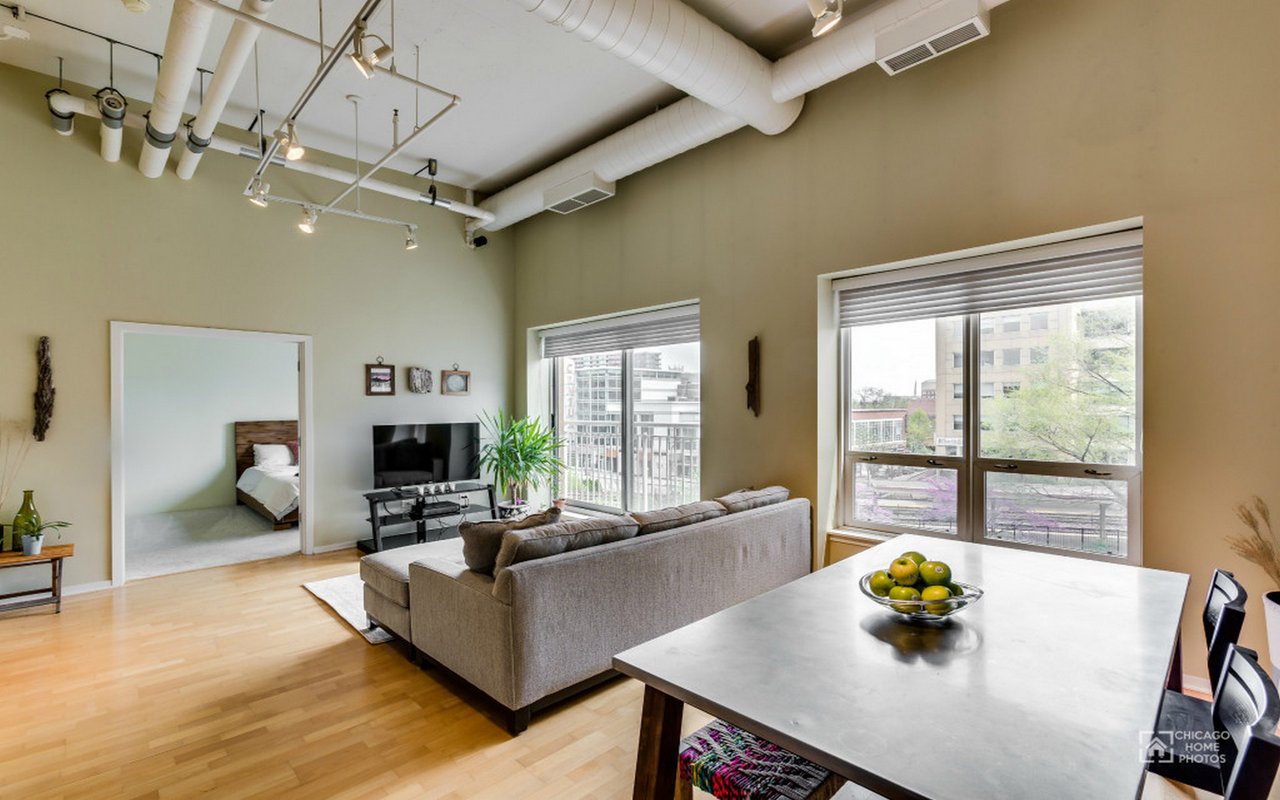
For high-rise units and view properties, buyers tend to compare layout, light, and building features very quickly. In this segment, photography has to work hard.
Lincoln Park has a large share of homes in 20-plus-unit buildings, so competition can be direct and visual. Wide, bright photos that show window lines, views, storage, parking, and overall layout efficiency can be just as important as the furnishings themselves.
Keep staging practical
Professional staging does not need to be excessive to be effective. NAR reported a median cost of $1,500 for a staging service, compared with $500 when the seller’s agent handled staging themselves.
The point is not to overspend. The point is to make targeted decisions that help buyers understand your home faster and more confidently.
Price by subtype, not by average
One of the biggest mistakes a Lincoln Park seller can make is pricing from a neighborhood average alone. The range of recent sales is simply too wide.
Recent sold examples cited by Redfin span roughly $550,000 to $4.35 million. That includes condo sales around $860,000 and multiple townhouse and single-family sales well above $1 million. A median price can give context, but it cannot tell you where your home belongs in that spread.
What should drive pricing
In Lincoln Park, pricing should be anchored to factors like:
- Property type
- Building size and condition
- Renovation level
- Block and location within the neighborhood
- Parking
- Outdoor space
- Light and layout
- Comparable recent sales for similar homes
This matters because buyers in a premium market tend to be data aware. They are often comparing your home against very specific alternatives, not just against the broader neighborhood.
Why precise pricing matters
Lincoln Park is competitive, but that does not mean every price works. Redfin’s March 2026 data showed a 101.0% sale-to-list ratio, with 41.5% of homes selling above list price. Realtor.com’s April 2026 snapshot also pointed to relatively quick movement, with 210 active listings and a median 21 days on market.
That is strong seller-side momentum, but overpricing can still stall your launch. In a market where well-prepared homes can move quickly, extra days on market can change buyer perception.
Per-square-foot pricing also shows how premium this market is. Redfin put Lincoln Park at $466 per square foot, while Realtor.com showed $458 per square foot. Both figures are far above Realtor.com’s citywide Chicago figure of $272 per square foot.
That premium creates opportunity, but it also raises the stakes. If your home is polished and priced correctly, buyers may respond quickly. If it misses the mark, they often notice just as quickly.
Time your launch around spring
Most timing models point to late spring as the strongest overall window to sell. The exact week varies by source, but the pattern is consistent.
Realtor.com identified April 12 through 18 as the best week to sell in 2026. Redfin pointed to late April as the national sweet spot, and Zillow identified the second half of May as Chicago’s optimal listing window. These forecasts are not identical, but they all support the same larger idea: spring tends to be the strongest season.
Why spring usually works best
Spring tends to bring:
- More active buyers
- Better natural light for showings and photography
- Stronger curb appeal
- Rising inventory without the full weight of peak competition
In Lincoln Park, that seasonal advantage can be especially meaningful because presentation quality plays such a large role in buyer response.
Start preparing earlier than you think
A polished spring launch usually starts well before spring. Zillow notes that many homeowners begin thinking about selling three to four months before they list, while Realtor.com found that 53% of sellers took one month or less to get ready.
If you want flexibility, it makes sense to start earlier. That gives you time to sort repairs, make design updates, stage thoughtfully, and complete photography before the ideal launch window arrives.
Consider your list day too
If you are getting tactical, day of week can matter. Both Redfin and Zillow indicate that Thursday often outperforms other listing days.
That is not a guarantee, but it can help you capture buyer attention heading into the weekend, when many people are planning tours and reviewing new listings.
Handle Illinois disclosures early
Seller preparation is not only about design and pricing. In Illinois, paperwork also matters.
Illinois law requires sellers of residential real estate to provide the Residential Real Property Disclosure Report before a contract is signed. The law is intended to inform buyers about material defects, and it also creates liability for knowingly false disclosures.
For older Lincoln Park homes, vintage condos, and condo conversions, this is a good reason to review known issues early. If repairs, maintenance history, or building-related details need clarification, it is better to address that before your listing goes live.
A simple Lincoln Park seller plan
If you want to simplify the process, focus on these steps first:
- Identify your buyer pool based on your exact property type and condition.
- Edit and stage intentionally so the home feels clear, bright, and easy to understand.
- Build pricing from comparable homes rather than broad neighborhood averages.
- Prep ahead of spring so you are ready to launch when timing is strongest.
- Complete disclosures early and organize property information before showings begin.
In a neighborhood like Lincoln Park, details matter. Design, pricing, and timing are closely connected, and each one affects how buyers respond to the others.
If you are thinking about selling in Lincoln Park, the right plan can help you move from guesswork to strategy. The Klopas-Stratton Team brings together design insight, pricing discipline, and deep Chicago market knowledge to help you prepare your home for a confident launch.
FAQs
Does staging matter when selling a home in Lincoln Park?
- Yes. NAR’s 2025 research found that staging helps buyers visualize a home, may increase offers by 1% to 10%, and can reduce time on market.
Can you price a Lincoln Park home using the neighborhood median alone?
- Not reliably. Recent Lincoln Park sales span from about $550,000 to $4.35 million, so property type, condition, location, and features matter as much as the neighborhood name.
When should you start preparing to sell in Lincoln Park?
- Ideally, you should start a few months before your target list date so you have time for repairs, staging, photography, and paperwork ahead of the late-spring selling window.
What is a strong time of year to list a Lincoln Park home?
- Most major market models point to spring, with strong timing signals ranging from mid-April through the second half of May.
What paperwork do Illinois sellers need before going under contract?
- Illinois sellers of residential real estate are generally required to provide the Residential Real Property Disclosure Report before contract signing.