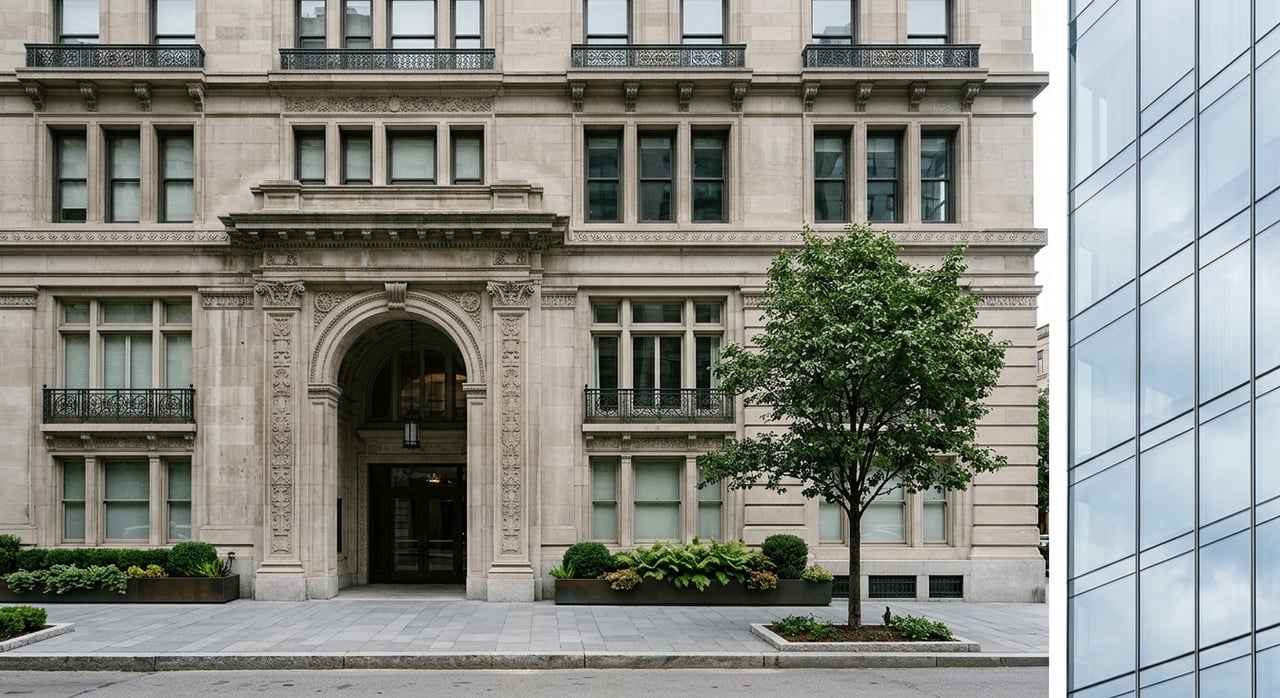
If you are thinking about buying in the Gold Coast, one question matters more than almost any other: Do you want historic character, high-rise convenience, or a careful balance of both? That is not a small choice in this part of Chicago. The Gold Coast is one of the city’s most layered condo markets, and the right fit often comes down to building type as much as price or square footage. In this guide, you will learn how historic and high-rise options differ, what carrying costs to watch, and where smart due diligence can protect your budget and your lifestyle. Let’s dive in.
Why Gold Coast Feels So Different
The Gold Coast is not a one-note condo market. The federally listed Gold Coast Historic District spans a core area roughly bounded by North Avenue, Lake Shore Drive, Clark Street, and Oak Street, with architecture tied to periods from 1875 to 1949. That helps explain why your search can include late 19th-century homes, vintage apartment buildings, and newer tower living within the same neighborhood.
You also see that history along Astor Street and parts of North Lake Shore Drive, where older homes and mansion-era buildings still shape the streetscape. In practical terms, this means your options can range from a compact vintage walk-up to a full-service tower with lake views and amenities. In the Gold Coast, “condo” can mean very different things.
What Gold Coast Buyers Are Choosing Between
Current Gold Coast condo inventory shows a wide price and size range. Recent market snapshots show condos listed from around $178,000 for smaller studios to more than $4 million for larger luxury residences, with a median listing price of $575,000. That spread is a reminder that location alone does not define value here.
Building type, layout, renovation level, floor height, views, and monthly assessments can all shift the picture. Two homes with the same bedroom count may feel completely different in both daily use and long-term cost. That is why buyers in the Gold Coast need to evaluate the building as carefully as the unit itself.
Historic and Vintage Homes
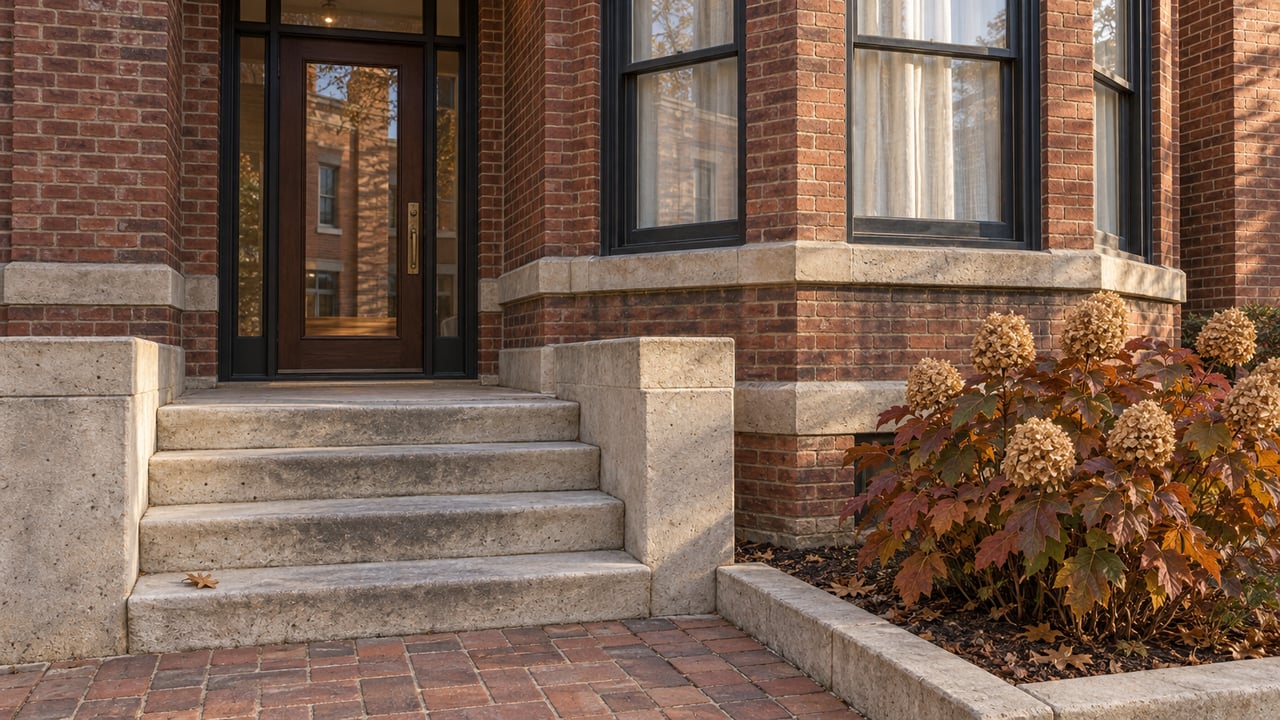
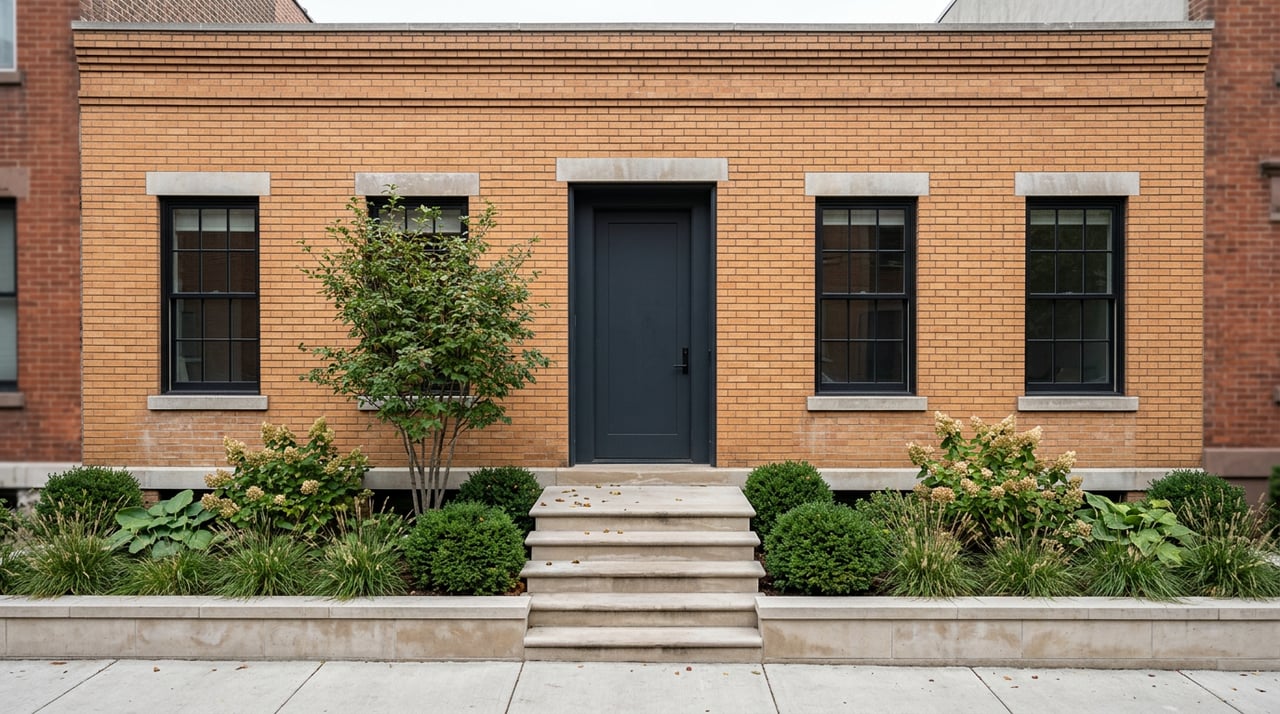
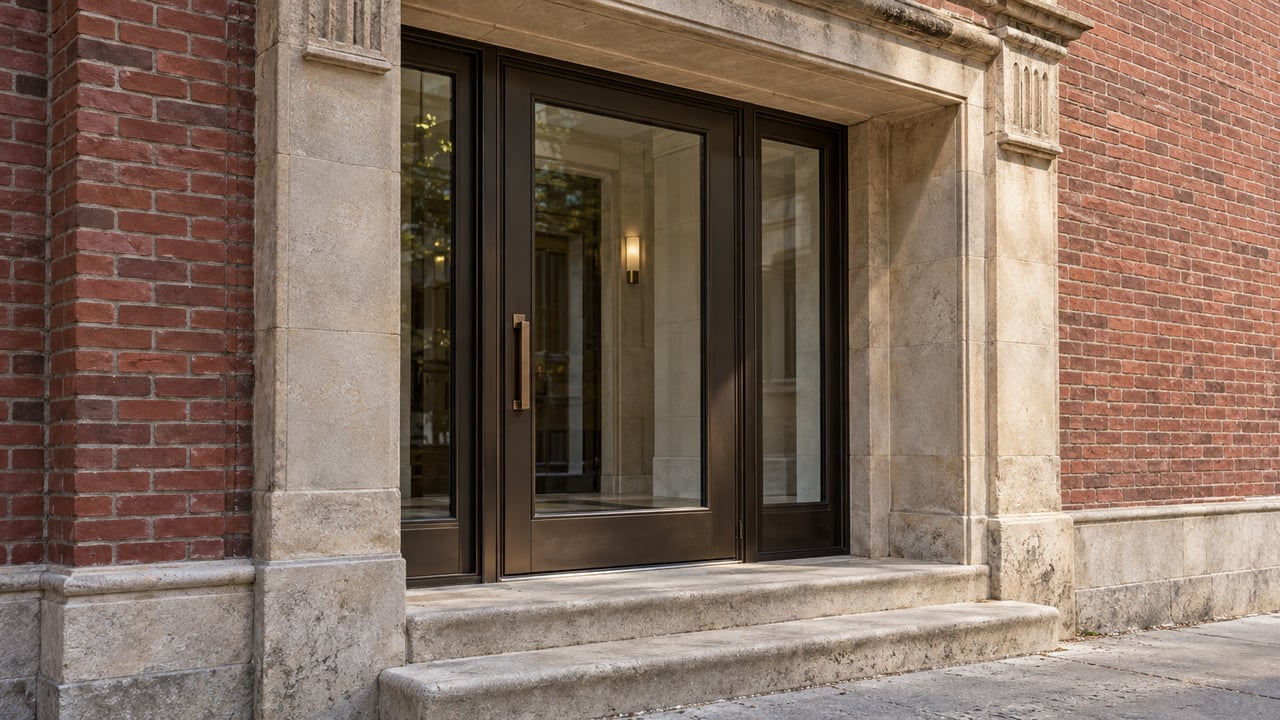
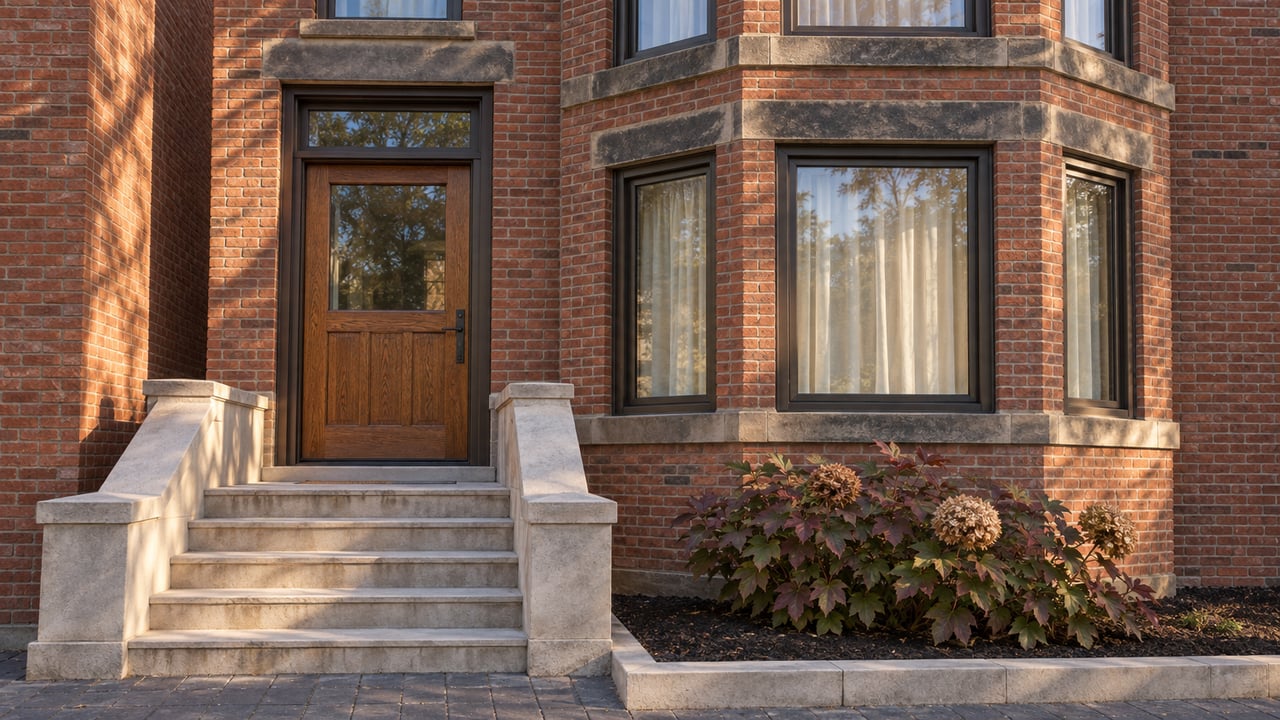
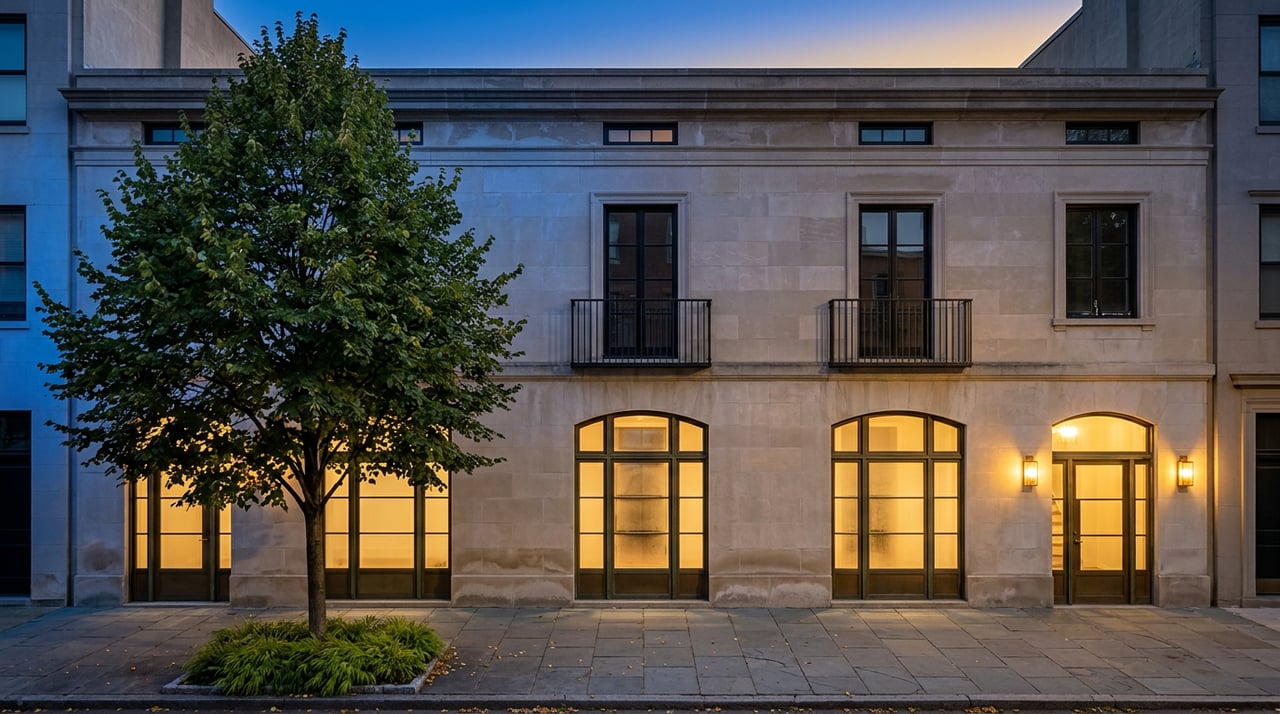
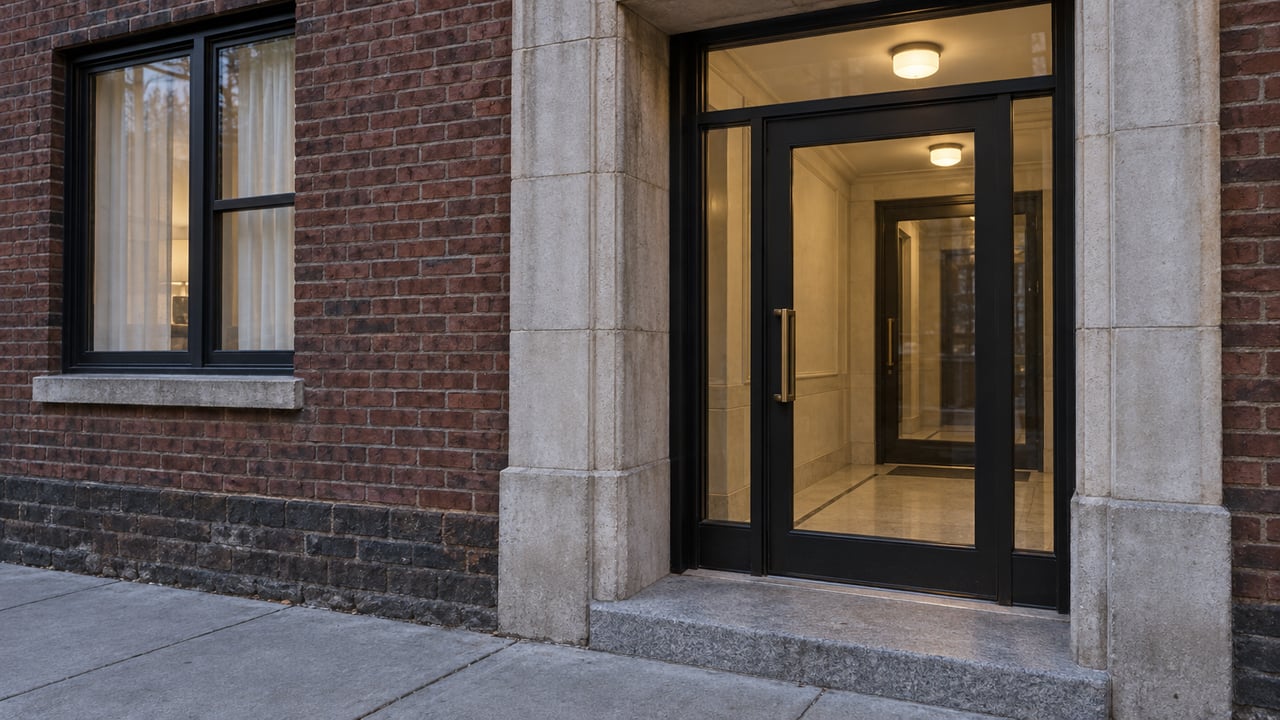
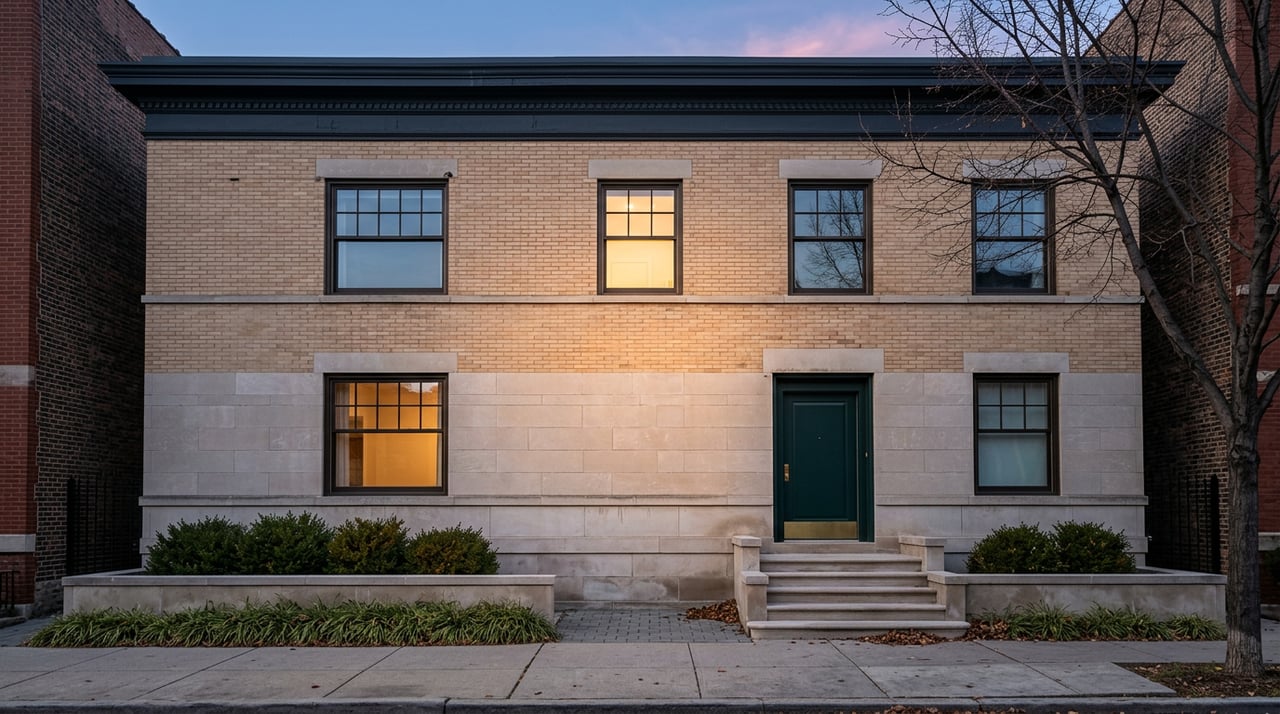
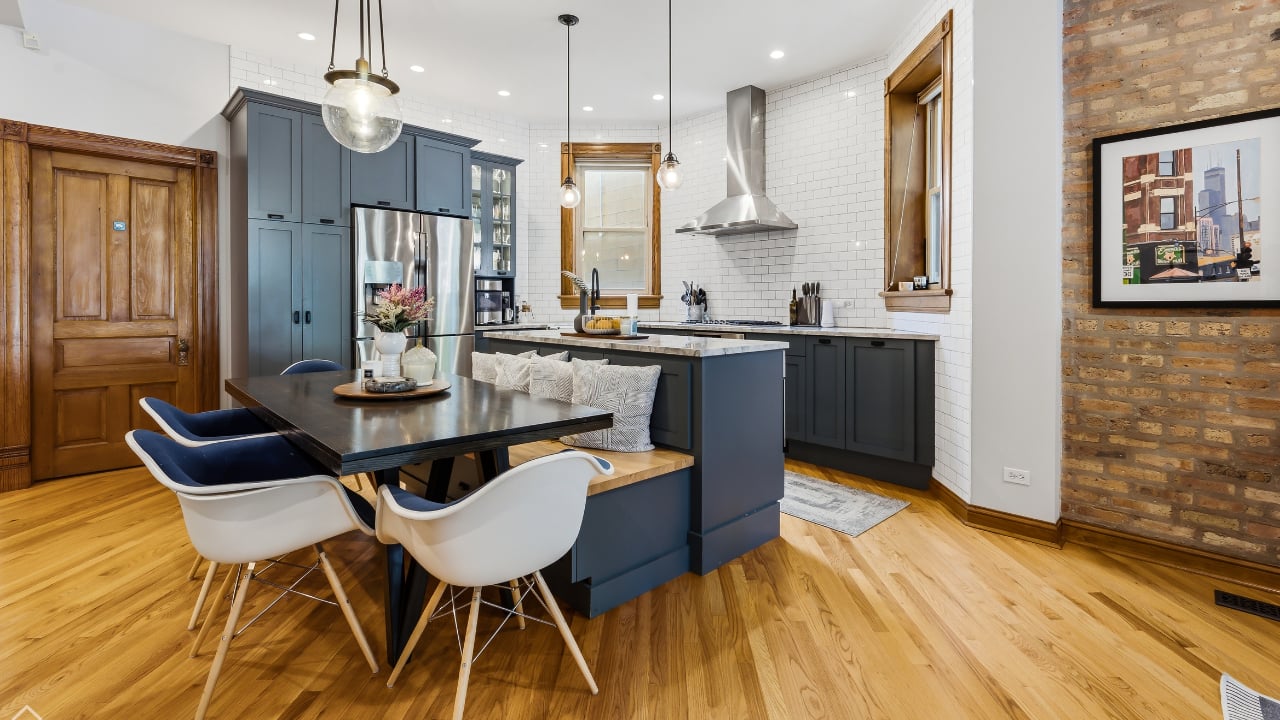
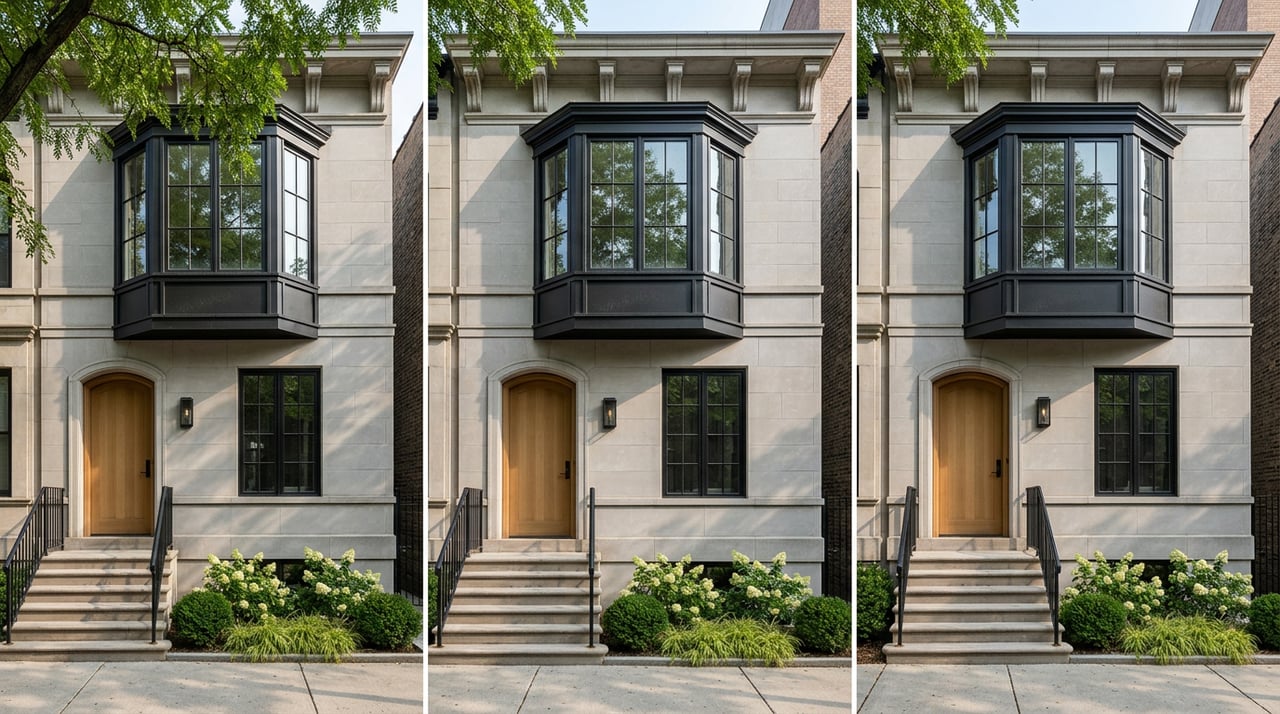
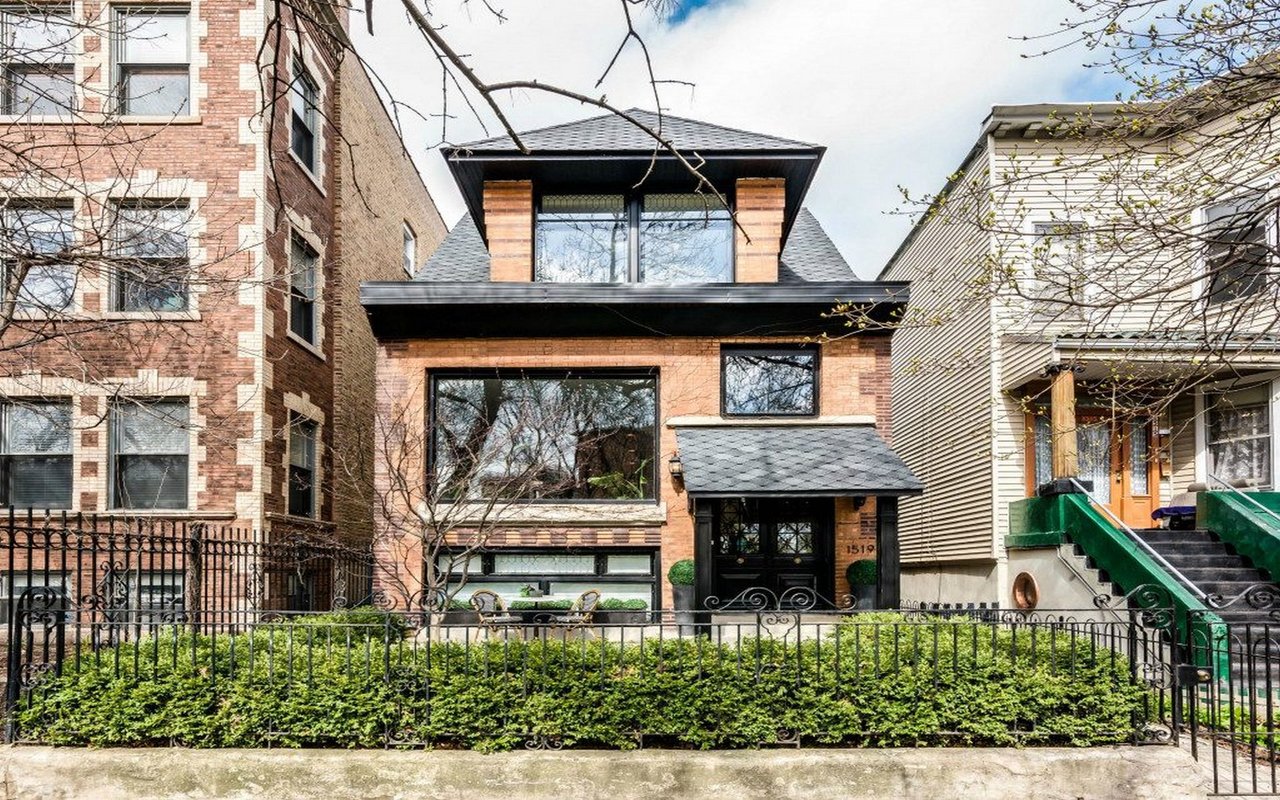
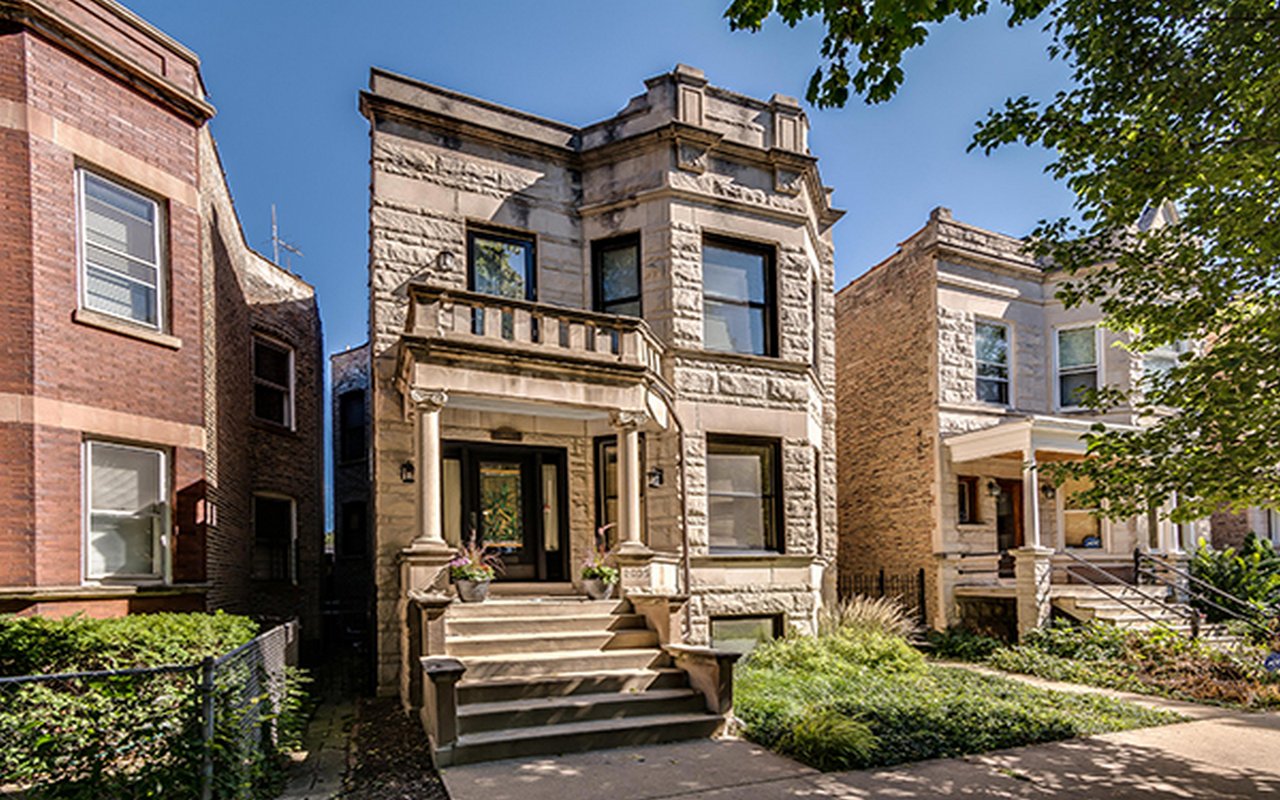
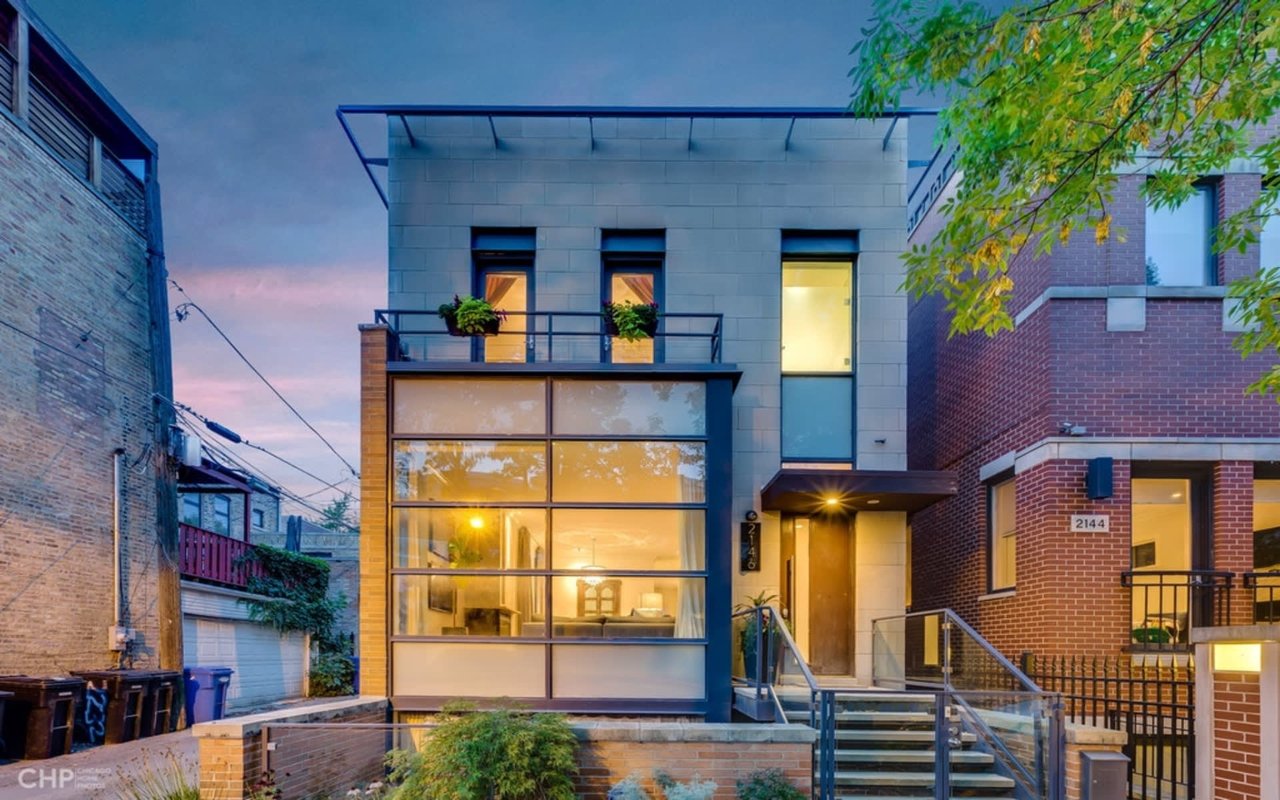
Historic and vintage properties often attract buyers who want architectural detail, established streetscapes, and floor plans with personality. Depending on the building, you may find larger room proportions, classic facades, and layouts that feel distinct from newer construction.
That said, charm should always be weighed against maintenance realities. In older buildings, major systems like plumbing, electrical, boilers, elevators, masonry, and windows can have an outsized effect on your future costs. A beautiful unit in a poorly planned association can become much more expensive than it first appears.
High-Rise Towers
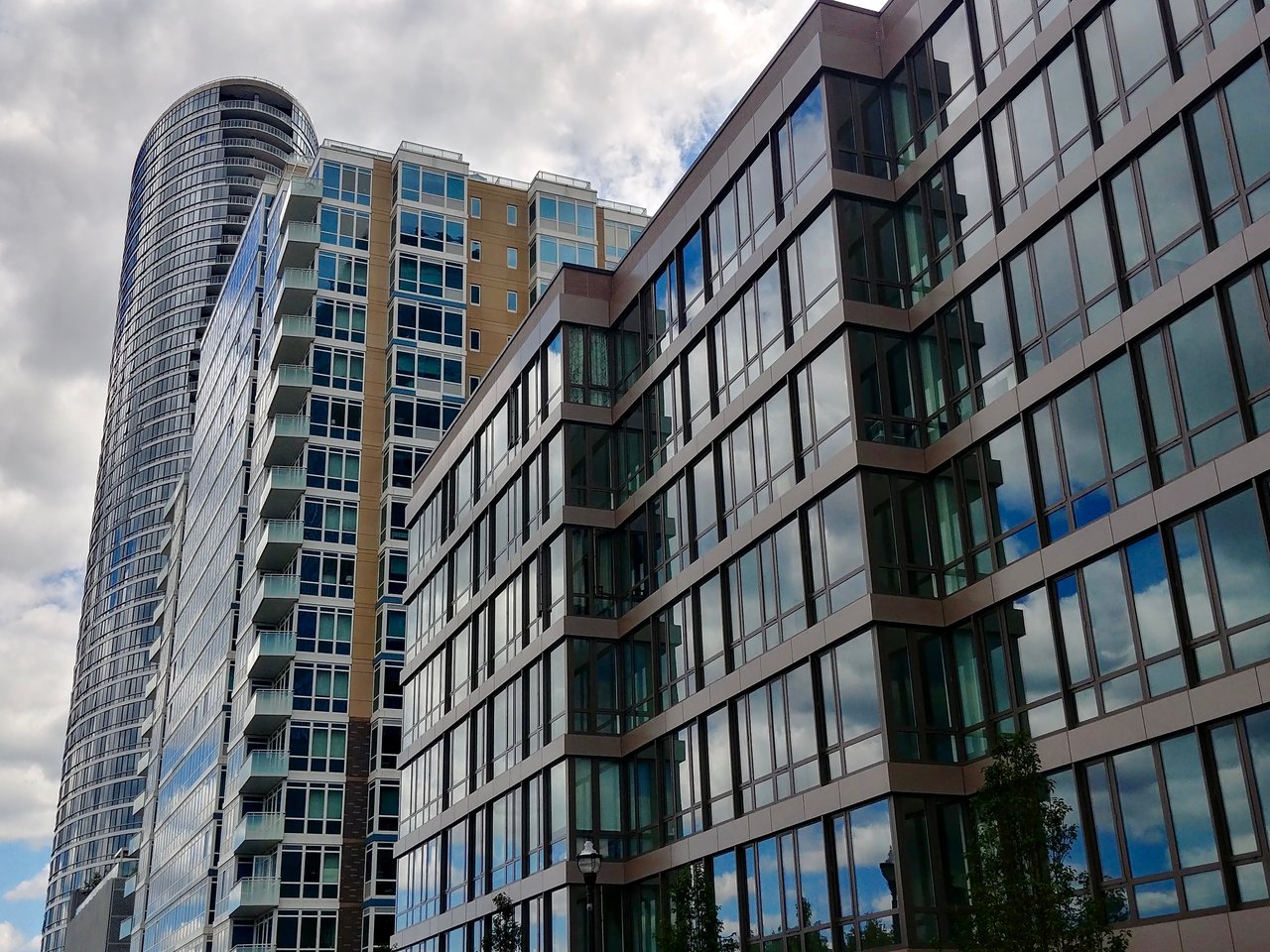
At the other end of the spectrum, Gold Coast high-rises tend to offer convenience and service. Chicago’s landmarked 860-880 North Lake Shore Drive towers are often noted as an important early model for later glass-and-steel high-rise living, and that design legacy still shapes the neighborhood’s tower inventory today.
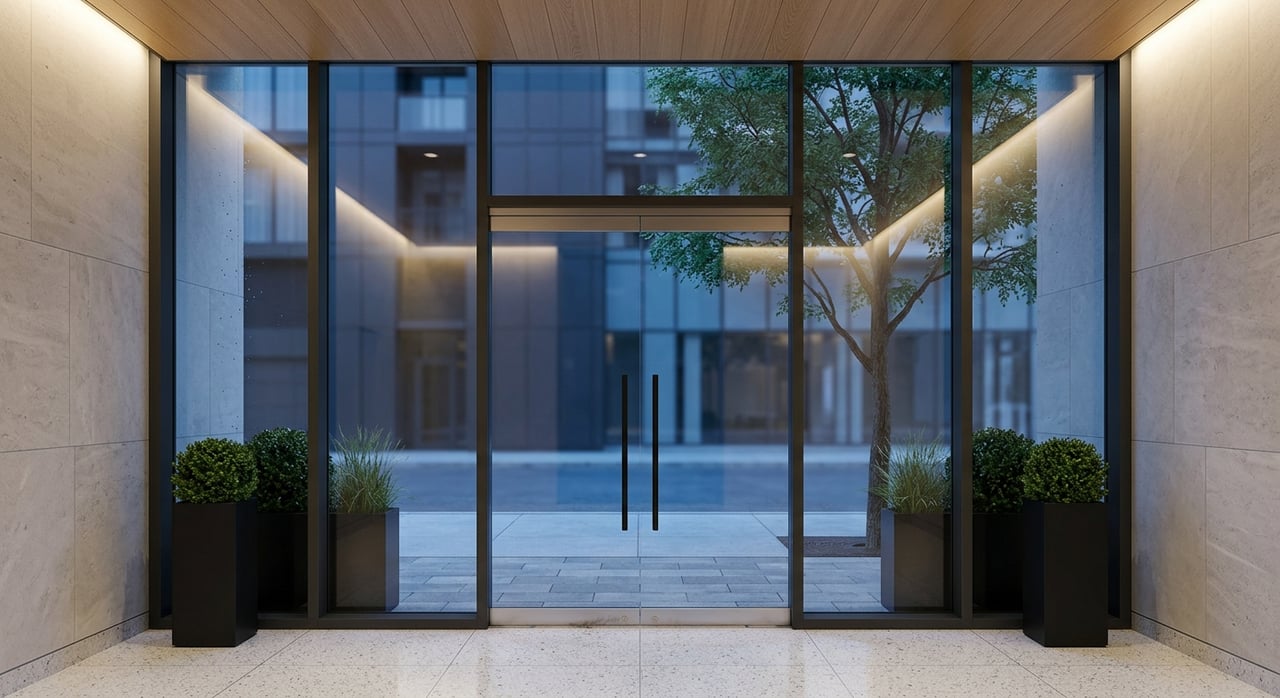
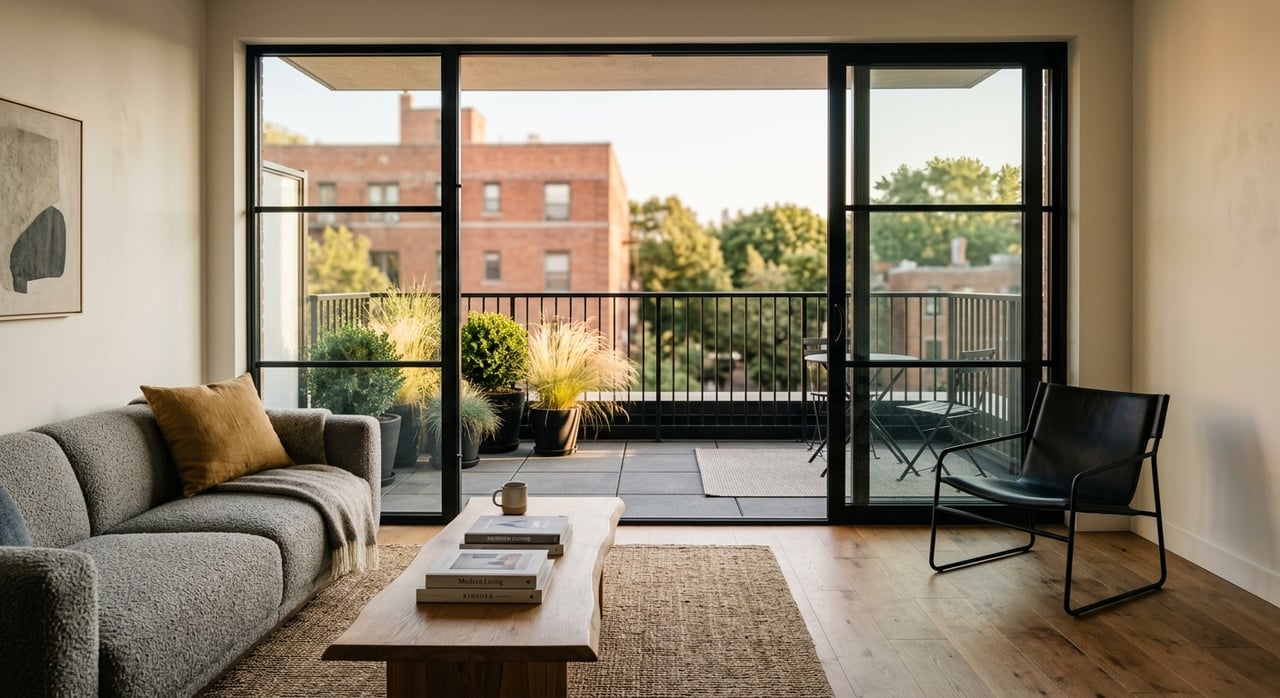
In a representative building like 1000 Lake Shore Plaza, the appeal centers on full-service living. The building advertises 55 stories, only a few residences per floor, and amenities such as an indoor pool, fitness center, valet parking, rooftop sundeck, club room, door staff, package receiving, and on-site management. For many buyers, that package can simplify everyday life.
Historic vs. High-Rise: The Real Tradeoffs
There is no universal winner between a historic building and a high-rise tower. The better choice is the one that matches how you live, what you value, and how you want your monthly costs to work.
Here is a simple side-by-side view:
| Feature | Historic or Vintage Building | High-Rise Tower |
|---|---|---|
| Main appeal | Character, architectural detail, unique layouts | Convenience, amenities, services |
| Typical focus | Building condition and future repairs | Assessments, services, and amenity value |
| Common questions | Windows, masonry, plumbing, reserves | Views, staff, parking, management |
| Change flexibility | May be limited by landmark rules | Often shaped by building policies |
| Monthly cost pattern | Can look lower but may carry repair risk | Often higher, but may include more services |
The key is to avoid shopping only by list price. In the Gold Coast, the smartest purchase is often the one with the best total fit, not the lowest asking price.
Landmark Status Matters More Than Many Buyers Realize
One area of confusion for buyers is the difference between historic recognition and local landmark rules. A property can be historically significant without being subject to the same city review process as a locally designated landmark. National Register listing alone does not create the same federal restrictions for a private owner.
Chicago’s local landmark system is where review can affect exterior work that requires city permits. The city says designated landmarks and landmark-district properties are reviewed to protect significant exterior features, including design, materials, scale, and relationship to the street. If you are buying a historic or landmark-adjacent home, it is worth understanding what future exterior changes may or may not be possible.
Why This Affects Your Purchase
If you love the idea of restoring or updating an older home, landmark status can shape your options. Additions and exterior changes in designated properties may face a review process, especially if the work could alter historic character.
On the other hand, Illinois does offer an eight-year property tax assessment freeze for certain certified rehabilitations of owner-occupied historic single-family homes or condo units. That does not apply to every situation, but it is a meaningful point to ask about if you are considering a qualifying historic property.
Assessments Are Not Just a Fee
In Gold Coast condos, your monthly assessment deserves as much attention as your mortgage payment. Under Illinois guidance, condo budgets must account for anticipated common expenses, capital expenditures or repairs, reserve contributions, each owner’s anticipated assessment, and other income. In other words, assessments are often the financial engine of the building.
This is especially important in older properties. Facades, roofs, plumbing stacks, elevators, windows, and boilers can create major long-term expenses, and a building with weak reserves may lean on future special assessments to catch up. A low monthly number can look appealing until you understand what it may not be funding.
Think in Total Carrying Cost
A smart buyer looks at total carrying cost, not just purchase price. That means considering:
- Monthly assessment
- Real estate taxes
- Reserve strength
- History of special assessments
- Likely future capital work
- What utilities or services are included
Some full-service towers include a long list of costs in the monthly assessment. For example, 1000 Lake Shore Plaza says its assessments include heat, air conditioning, water, gas, TV or cable, internet, common insurance, exterior maintenance, snow removal, and pool access. That kind of structure can make budgeting simpler, but it also means a higher headline number is not always a negative.
Due Diligence for Vintage Buildings
If you are considering a vintage Gold Coast condo, your review should go beyond finishes and charm. The most important questions often relate to how well the building has been maintained and whether the association has a realistic long-term plan.
Focus on these areas:
- Condition of windows and masonry
- Plumbing and electrical updates
- HVAC and boiler systems
- Elevator condition, if applicable
- Sound control between units
- Reserve fund health
- Recent or planned capital projects
- History of special assessments
Illinois law gives owners access to important association records, including reserve studies and disclosure items such as unpaid assessments, anticipated capital expenditures, reserve fund status, recent financial statements, pending suits or judgments, and insurance coverage. For buyers, that paperwork can reveal whether the building is planning ahead or deferring costs.
Due Diligence for High-Rise Towers
In a Gold Coast high-rise, your checklist shifts. Building services and day-to-day convenience often matter just as much as the unit itself.
When reviewing a tower, pay close attention to:
- Assessment level and what it includes
- Door staff and management structure
- Amenity quality and actual usefulness
- Parking access and convenience
- Floor height and view premium
- Layout efficiency for daily living
- Rules that may affect renovation or use
A full-service building can be a strong fit if you value simplicity, service, and lock-and-leave convenience. Still, you want to make sure the monthly cost aligns with amenities you will actually use.
How to Evaluate Value in the Gold Coast
Because the neighborhood is so segmented, broad averages only tell part of the story. Recent data shows a median listing price of $575,000 for Gold Coast condos, while Zillow’s neighborhood index places average home value around $423,009, up 6.6% year over year, with homes going pending in about 24 days. These numbers use different methods, so they work best as general context rather than direct comparisons.
What matters more is understanding that Gold Coast value is highly building-specific. A renovated unit in a well-run vintage building may outperform a cheaper listing with weak reserves. A higher-priced tower unit may make sense if the layout, building services, and view package support your long-term use and resale potential.
A Smarter Way to Buy in the Gold Coast
The best Gold Coast purchase is usually the one that fits your lifestyle and your balance sheet at the same time. If you love history, make sure the building’s maintenance and reserve planning support that charm. If you want high-rise ease, look closely at whether the services and assessment structure truly match how you live.
This is where local, building-level guidance matters. In a neighborhood where one block can offer mansions, landmark buildings, vintage co-ops, and luxury towers, buying well means reading beyond the listing and understanding the full picture.
If you are weighing historic character against high-rise convenience in the Gold Coast, the right advice can save you time, money, and second-guessing. The Klopas-Stratton Team can help you compare buildings, evaluate carrying costs, and find the right fit for your goals.
FAQs
What should you know before buying a Gold Coast historic condo?
- You should review the building’s maintenance history, reserve strength, major systems, and whether local landmark rules may affect future exterior changes.
What makes Gold Coast high-rise condos different from vintage buildings?
- Gold Coast high-rises often offer more amenities, services, and convenience, while vintage buildings usually appeal to buyers who want character, architectural detail, and distinctive layouts.
How important are condo assessments in the Gold Coast?
- Assessments are very important because they may cover building operations, reserve contributions, utilities, maintenance, and amenities, and they can strongly affect your true monthly carrying cost.
Can landmark status affect a Gold Coast condo purchase?
- Yes. In Chicago, locally designated landmarks and landmark-district properties may have exterior work reviewed when city permits are required, which can affect renovation flexibility.
How do you compare value between Gold Coast condo buildings?
- You should compare total carrying cost, reserve health, special assessment risk, building condition, layout, amenities, and resale appeal rather than focusing only on asking price.