By KlopasStratton Team
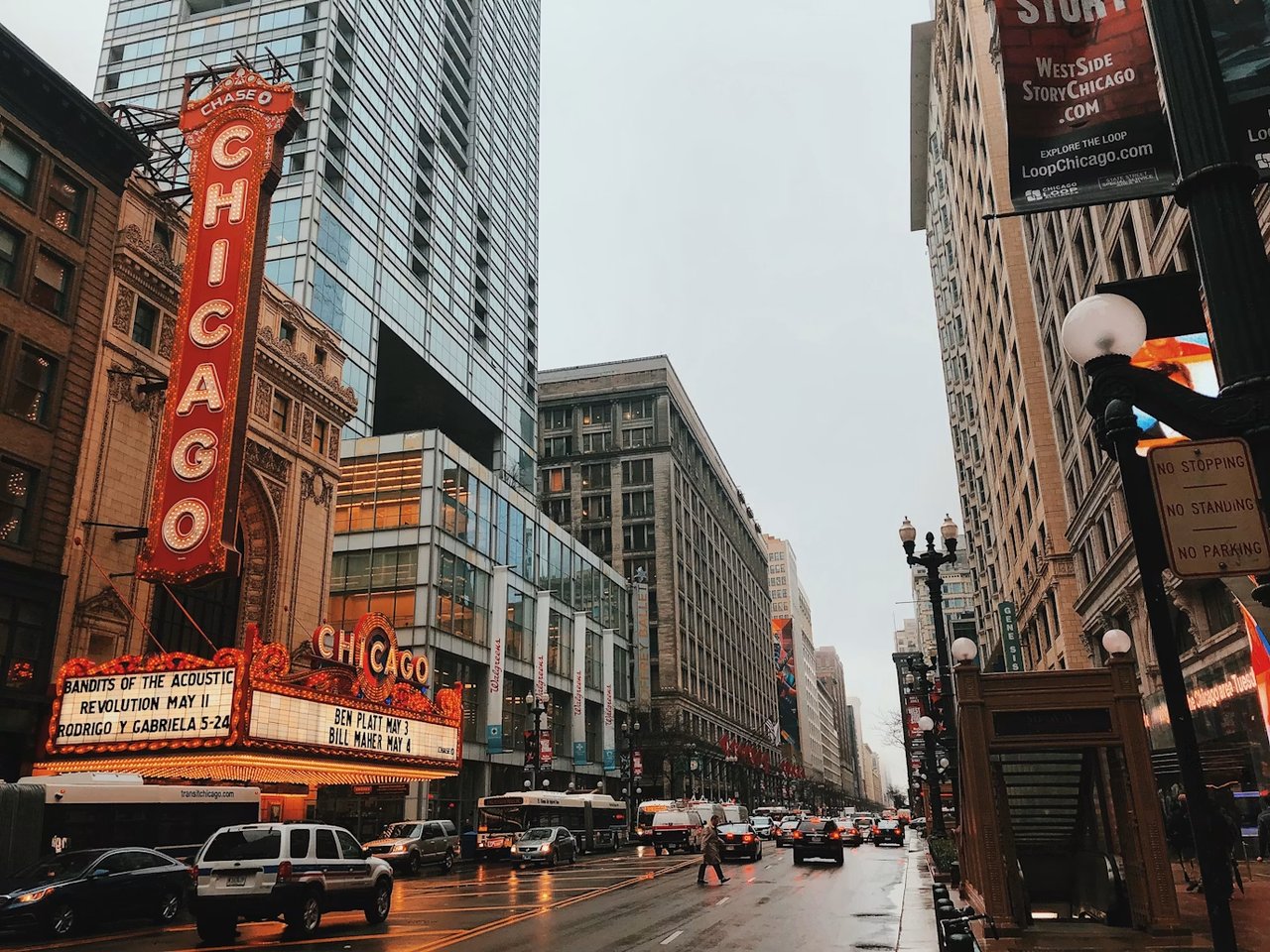
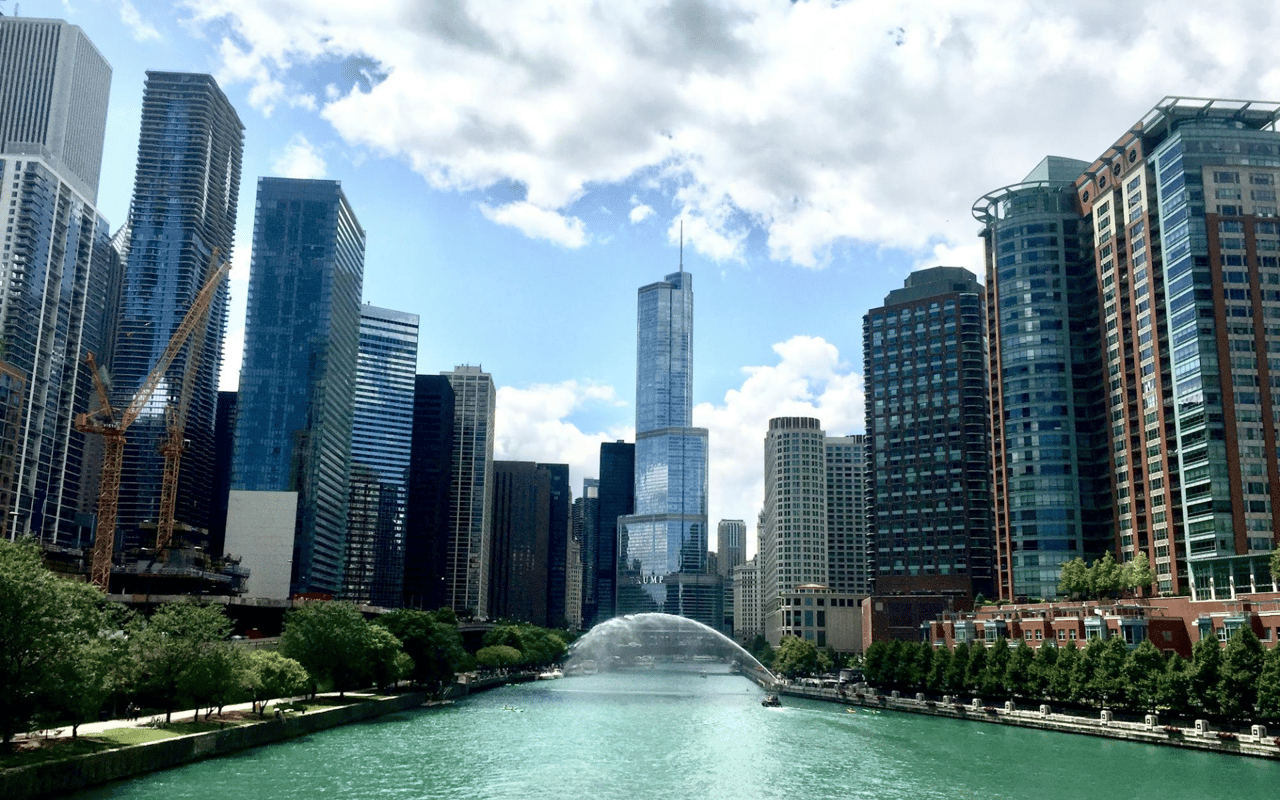
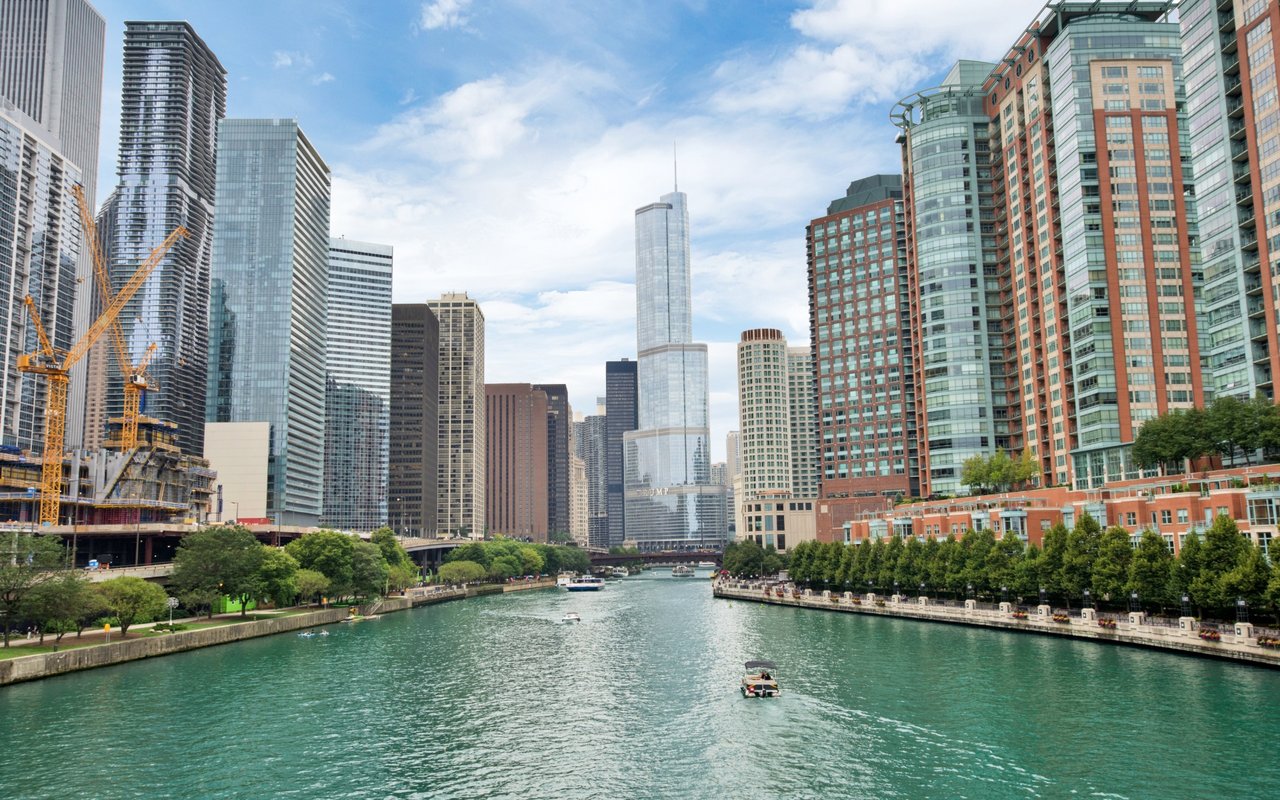
Chicago doesn't get talked about the way New York or LA do, but the numbers tell a different story. It's the third-largest city in the country, home to a diverse economy spanning finance, tech, healthcare, and manufacturing, and its real estate market has appreciated consistently since 2012. For investors who do their homework on which neighborhoods to target and what to look for, it's one of the most accessible major-market entry points in the country. Here's what you need to know before you buy.
Key Takeaways
- Chicago's diverse economy and consistent rental demand make it a reliable long-term investment market
- Neighborhood selection is the single biggest variable in Chicago investment performance
- Property taxes in Cook County are a real cost factor that needs to be built into your return projections
- The North Side neighborhoods continue to attract strong renter demand from young professionals and families
Why Chicago Works as an Investment Market
A few fundamentals drive Chicago's investment case. The city consistently draws renters (young professionals, graduate students, corporate relocates, and families) who prefer flexibility over ownership in a high-cost market. That sustained rental demand creates steady occupancy for well-located properties, which is the baseline any cash-flow investor needs.
The Core Reasons Chicago Attracts Investors
- Relative affordability compared to coastal markets: Entry prices in Chicago's most desirable neighborhoods are significantly lower than comparable investments in New York, San Francisco, or Boston; more of the capital goes toward yield rather than just getting in the door
- Consistent appreciation since 2012: Chicago properties have shown steady long-term value growth, particularly in neighborhoods experiencing population and amenity growth on the North Side
- Economic diversity: No single employer or industry dominates Chicago's job base, which provides a buffer that single-industry markets don't have; housing demand holds up across economic cycles better than markets tied to one sector
- Strong renter pool: With over 22 colleges in the metro area and a steady flow of young professionals entering the workforce, Chicago maintains a large, active rental market that keeps vacancy rates manageable for well-positioned properties
Neighborhoods That Drive North Side Returns
Neighborhood selection in Chicago isn't just about picking a zip code; it's about understanding who lives there, who's moving in, and what the trajectory looks like. On the North Side, several neighborhoods stand out for investor fundamentals right now.
Where We Focus and Why
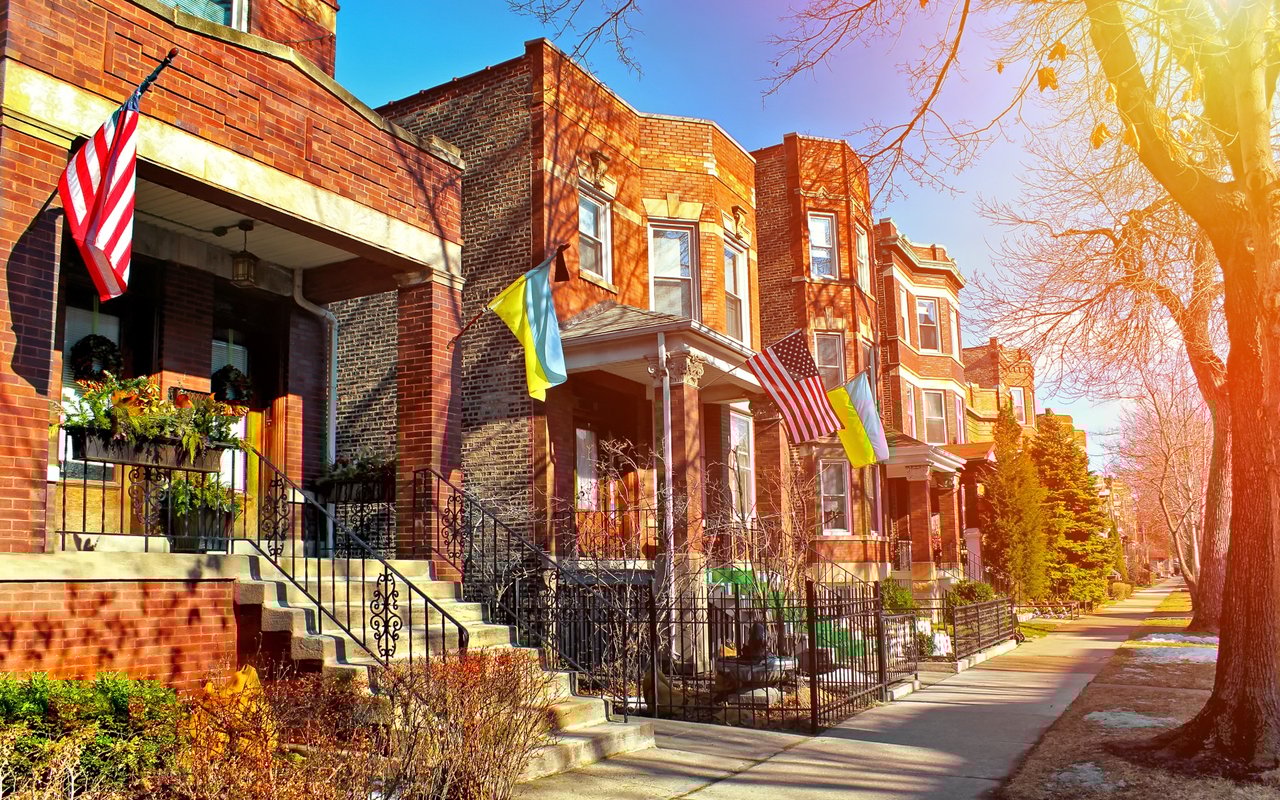
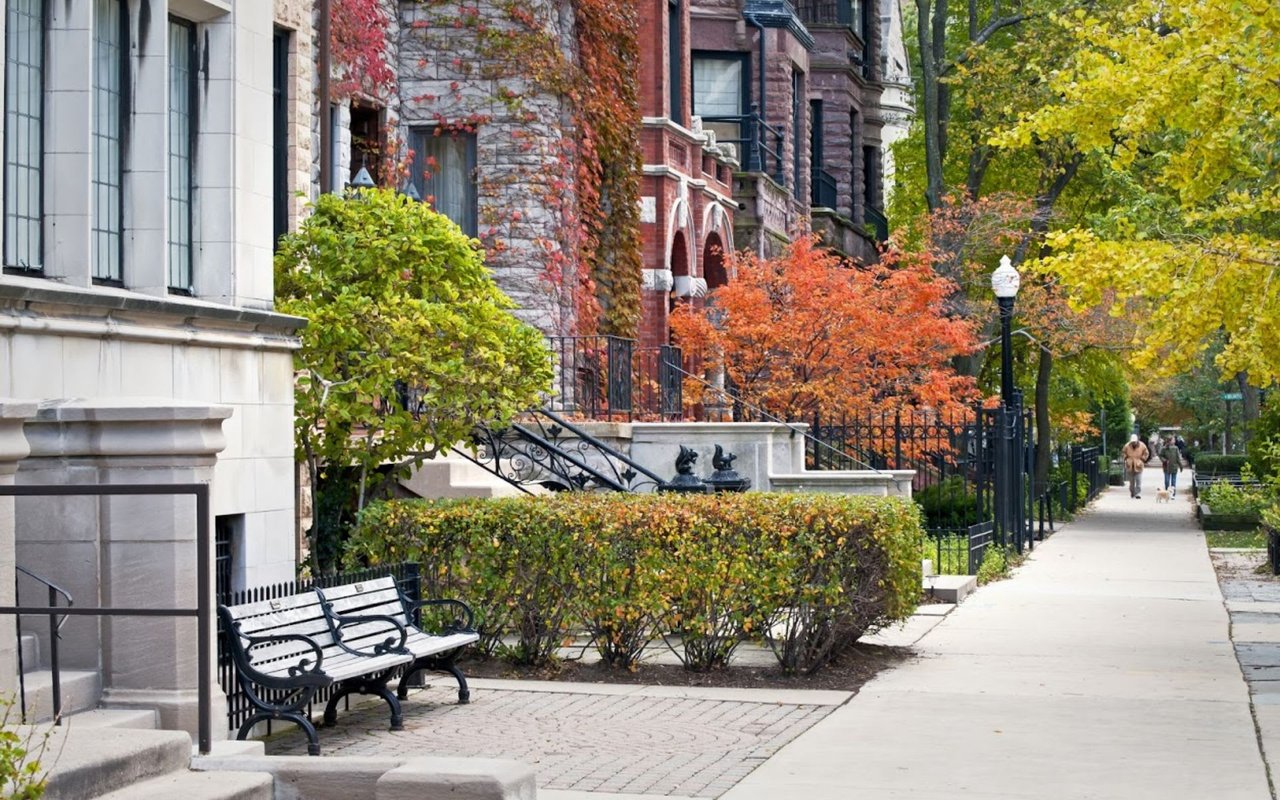
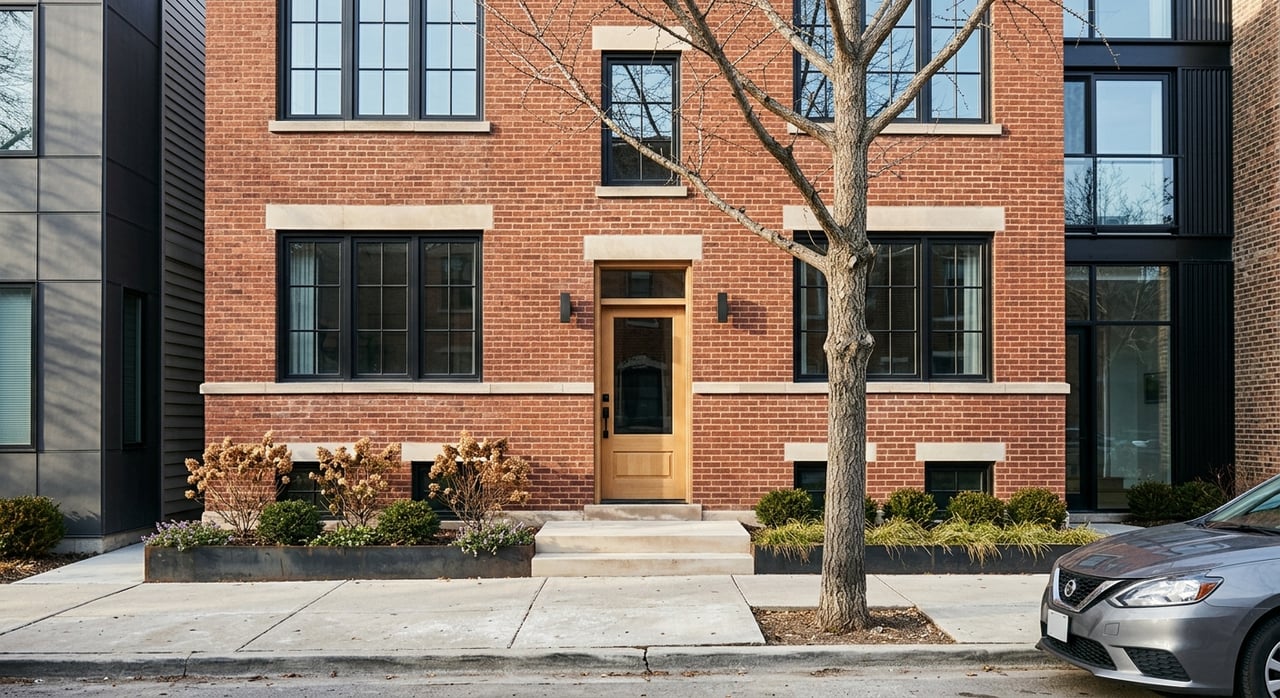
- Logan Square: One of Chicago's fastest-growing neighborhoods, with strong appreciation, a high percentage of renter-occupied households, historic boulevard architecture, and consistent demand from young professionals and creative industries
- Bucktown and Wicker Park: Established, walkable neighborhoods with high renter demand, strong retail and dining corridors, and property values that reflect their desirability; solid for appreciation-focused investors
- Avondale: Adjacent to Logan Square with lower entry prices and a trajectory that mirrors what Logan Square looked like a decade ago; investors who move early in transitioning neighborhoods tend to capture the strongest appreciation
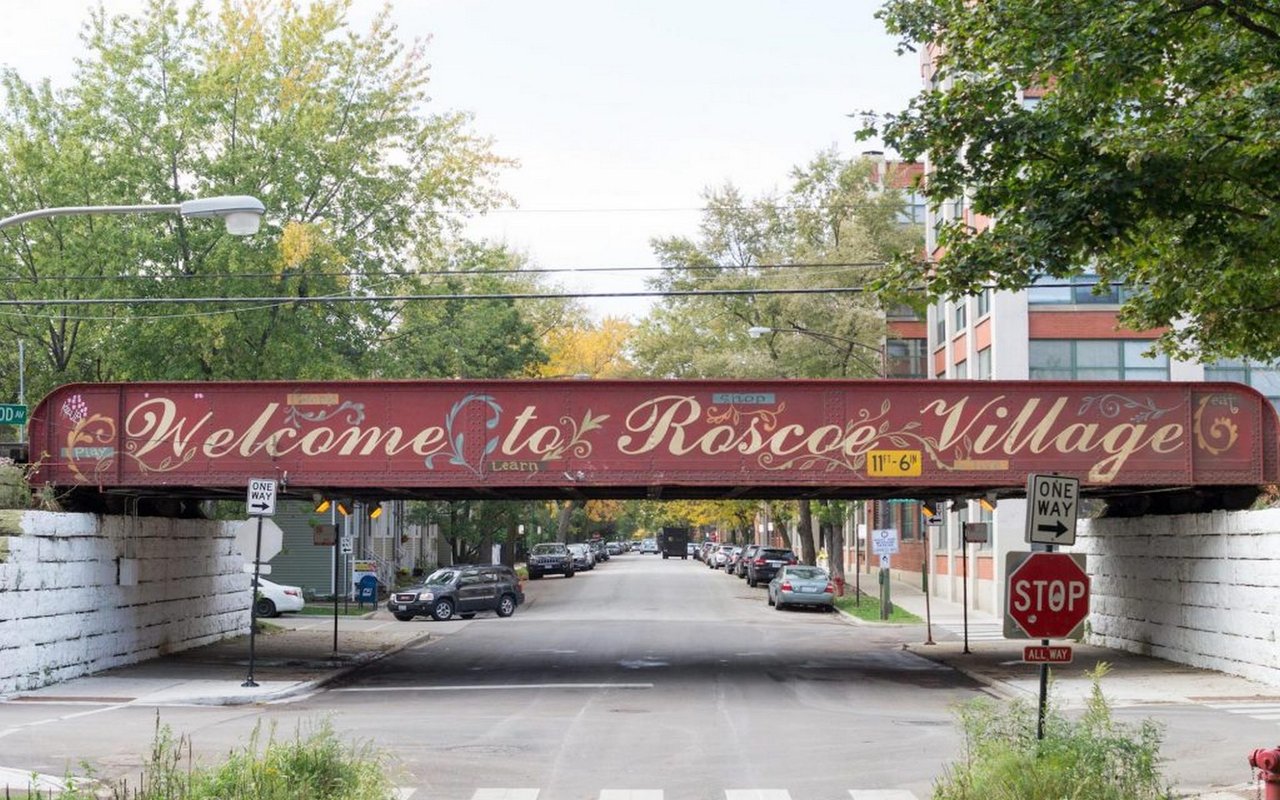
- North Center and Roscoe Village: Family-oriented, well-regarded schools, stable long-term ownership culture alongside steady rental demand; these neighborhoods attract tenants who stay longer and treat properties better, which matters for management costs
What to Factor Into Your Analysis
Chicago's investment math isn't complicated, but there are a few local variables that catch out-of-market investors off guard. Building these into your underwriting upfront prevents unpleasant surprises after closing.
Numbers That Affect Your Return
- Property taxes: Cook County property taxes are among the highest in the country and need to be modeled accurately; they vary by neighborhood and assessed value, and underestimating them is one of the most common mistakes we see from first-time Chicago investors
- Property management costs: If you're not local or self-managing, factor in 8–10% of gross rents for professional management; Chicago's rental regulations add compliance complexity that makes experienced management worth the cost
- Rental income by neighborhood: North Side neighborhoods with strong walkability and transit access command premium rents relative to their purchase price, which is why location drives return more than any other variable in this market
- Financing structure: Investment property loans carry higher rates and down payment requirements than primary residence financing; working with a lender familiar with Chicago's investment market speeds up the process and reduces surprises at the appraisal stage
FAQs
Is now a good time to invest in Chicago real estate?
Chicago's fundamentals (rental demand, economic diversity, and relative affordability compared to other major markets) remain strong. The North Side neighborhoods we work in have seen steady appreciation and low vacancy, which are the conditions that make investment timing less critical than neighborhood and property selection.
What types of properties perform best for Chicago investors?
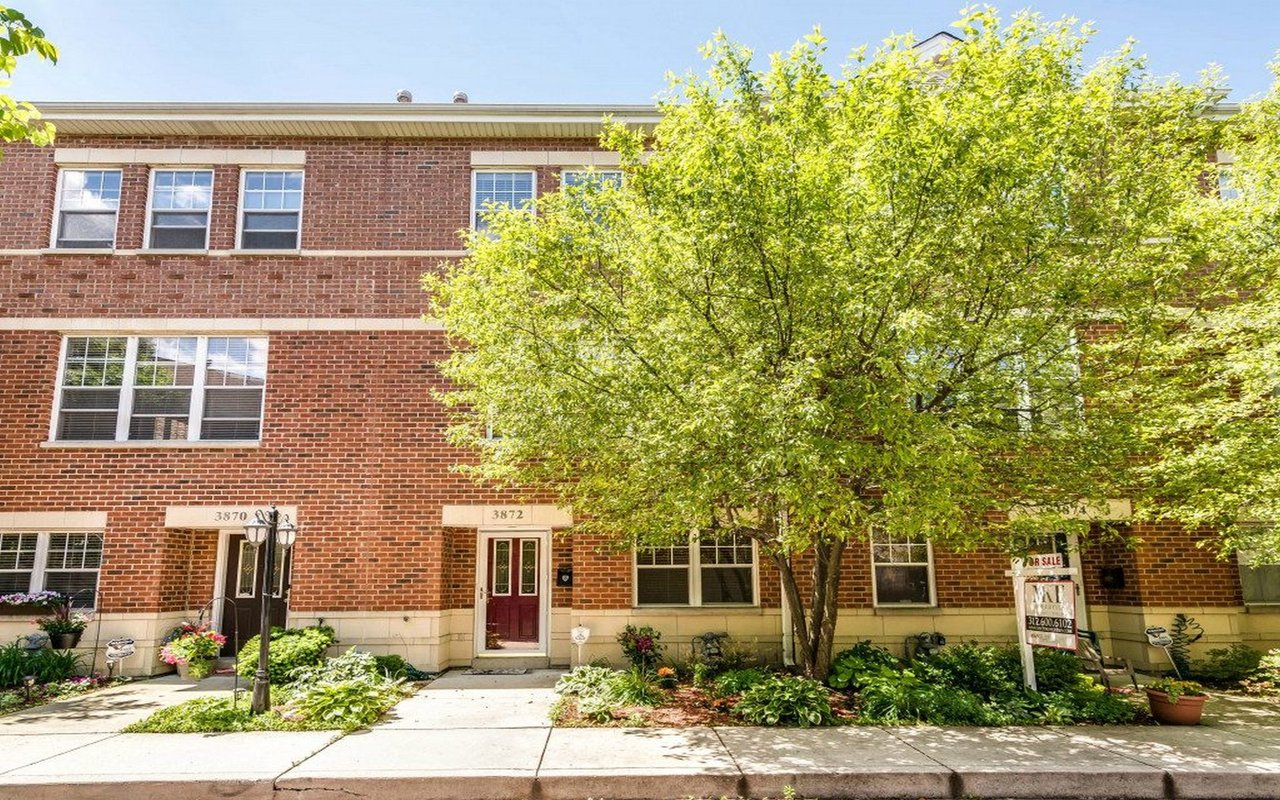
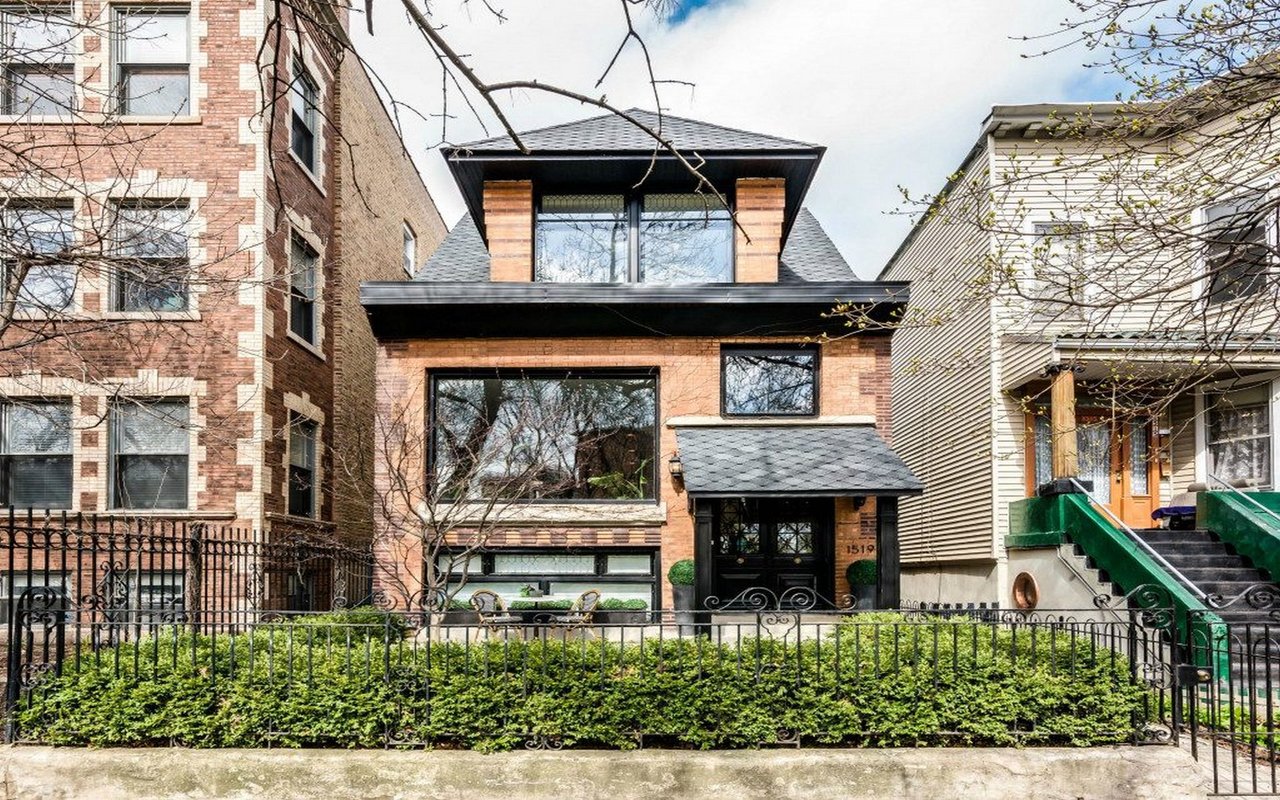
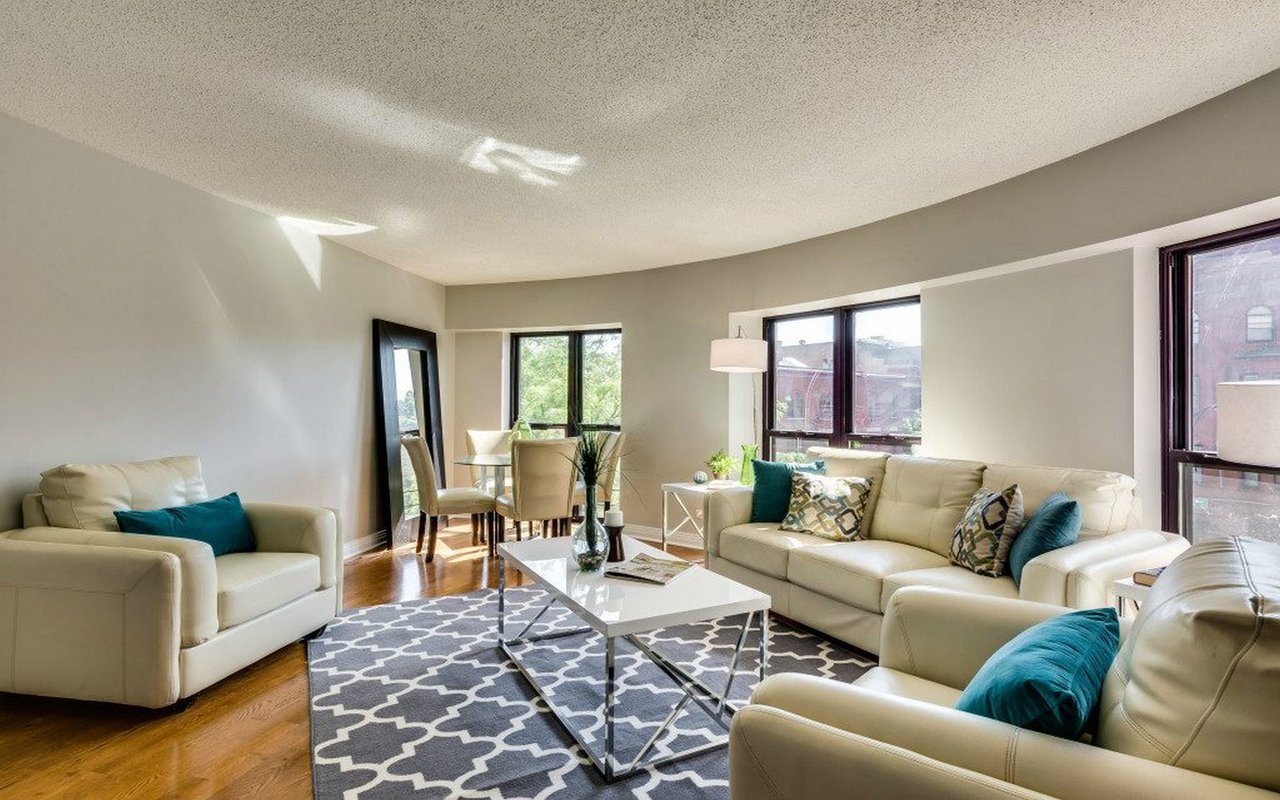
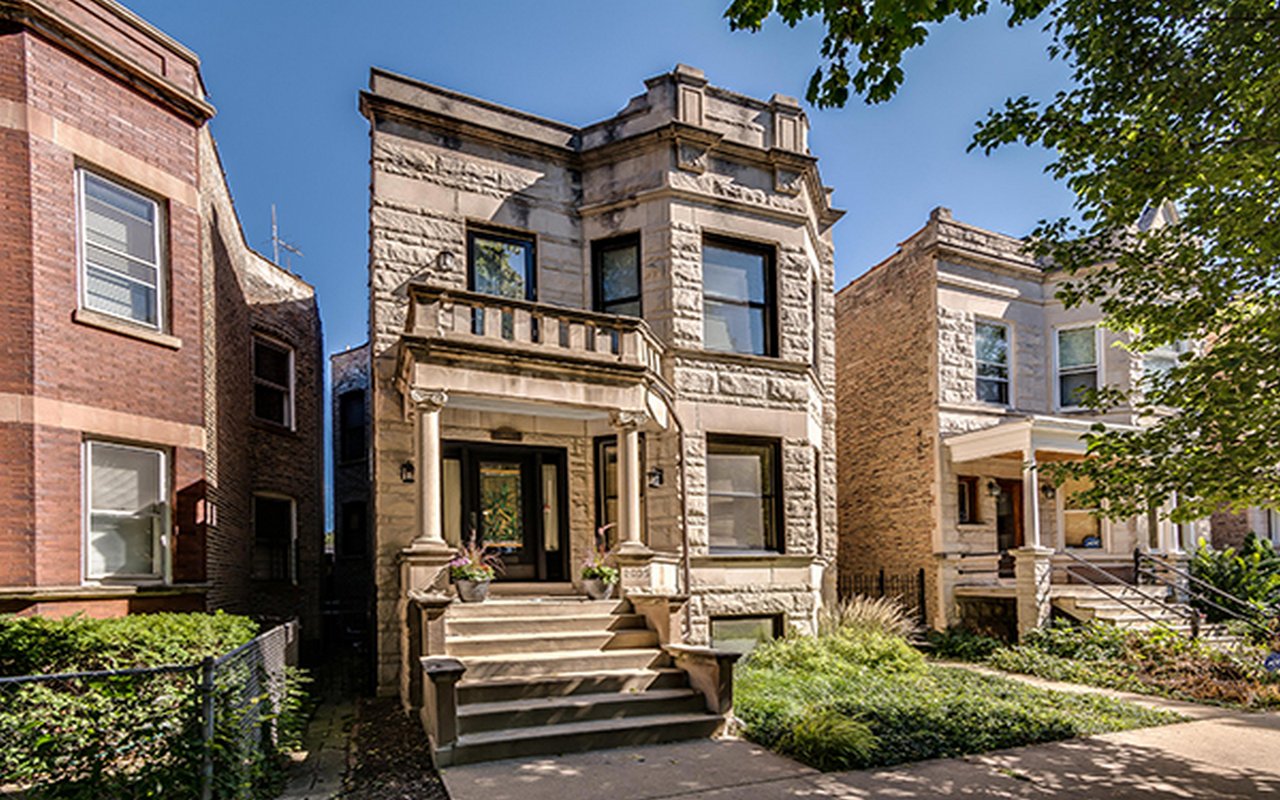
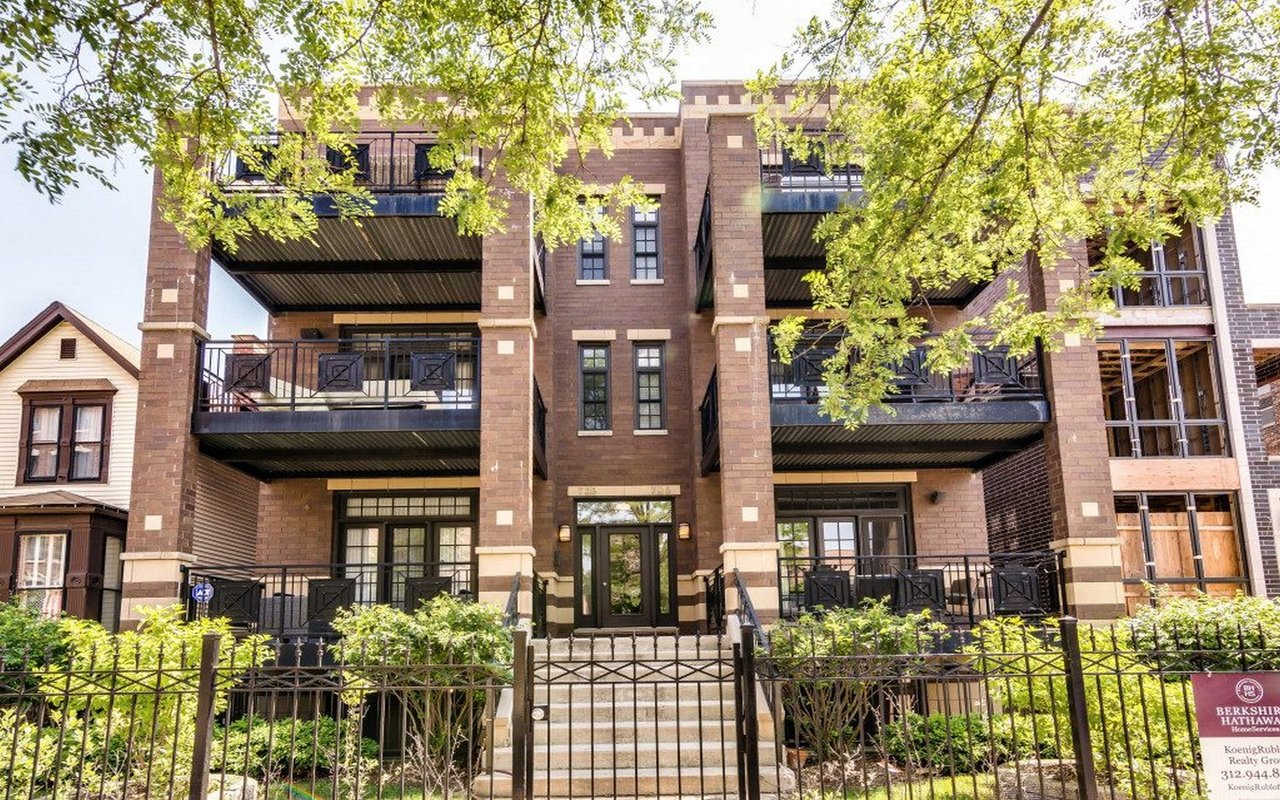
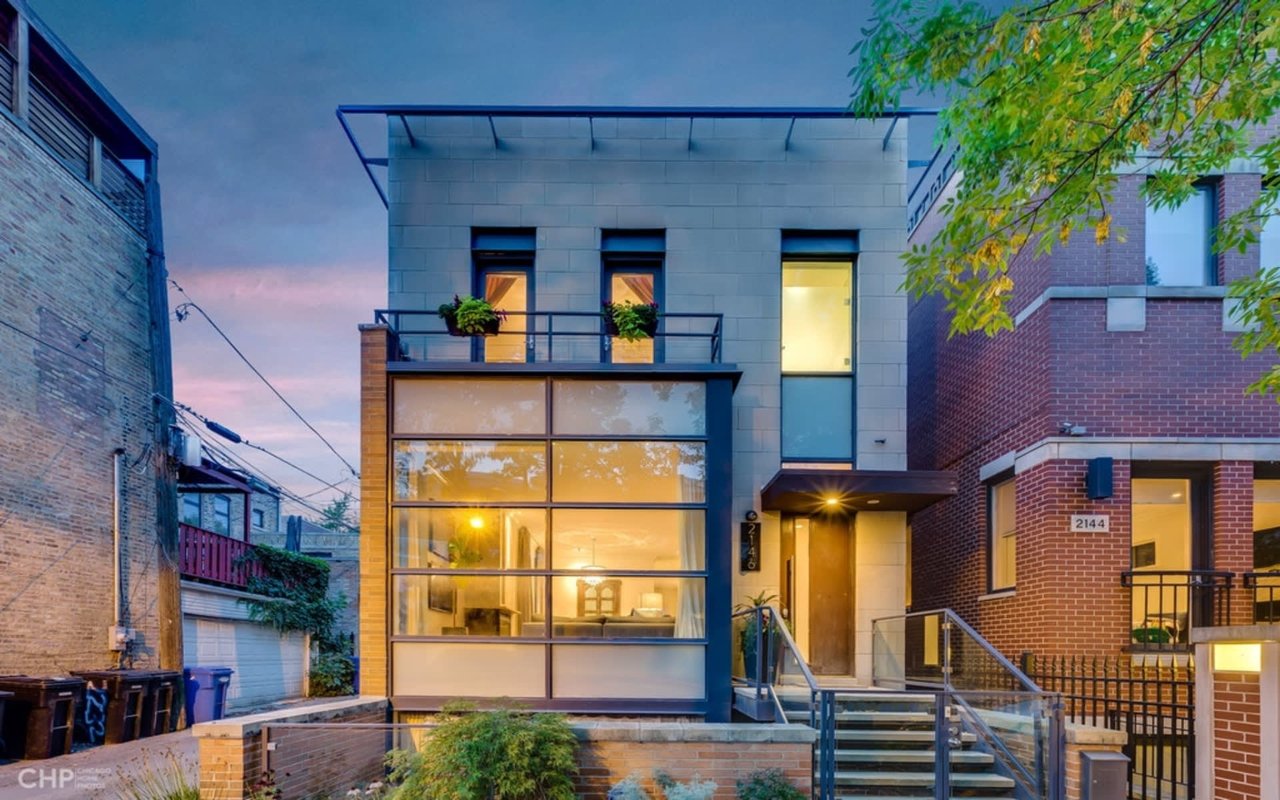
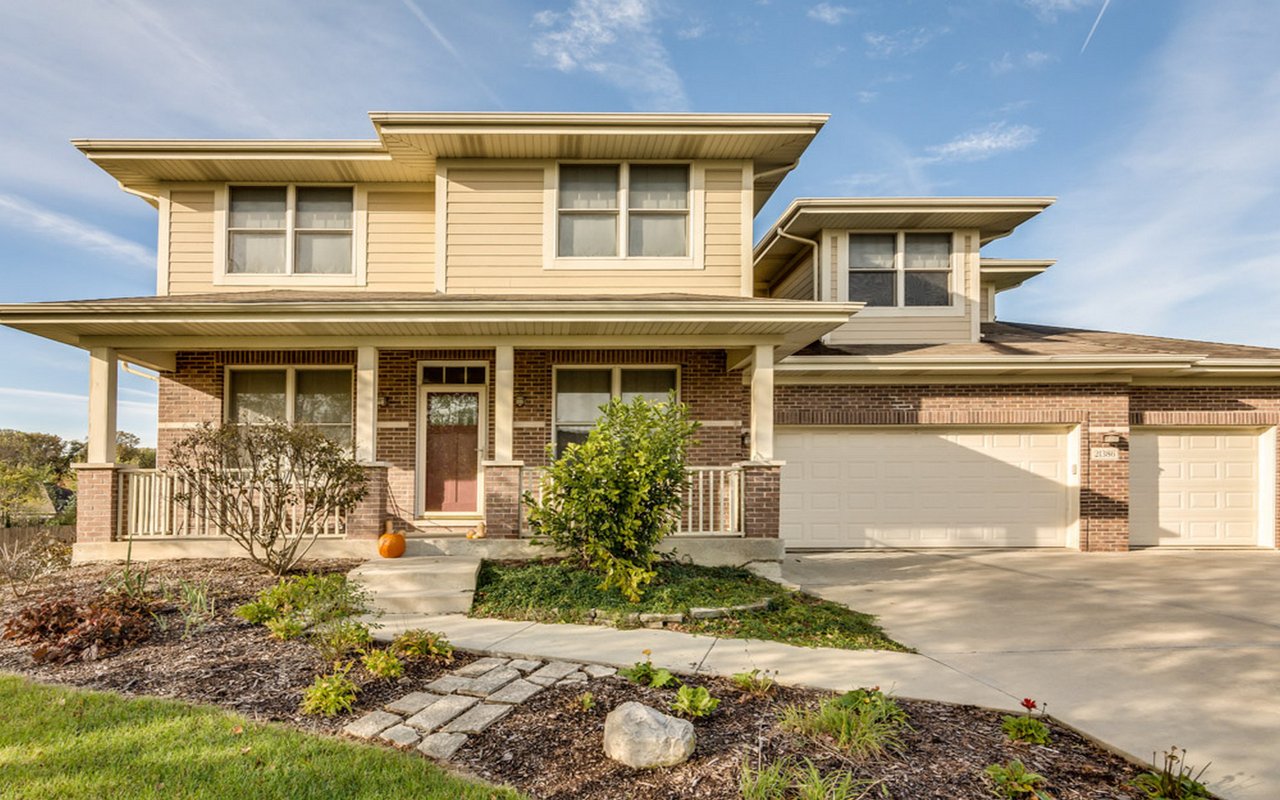
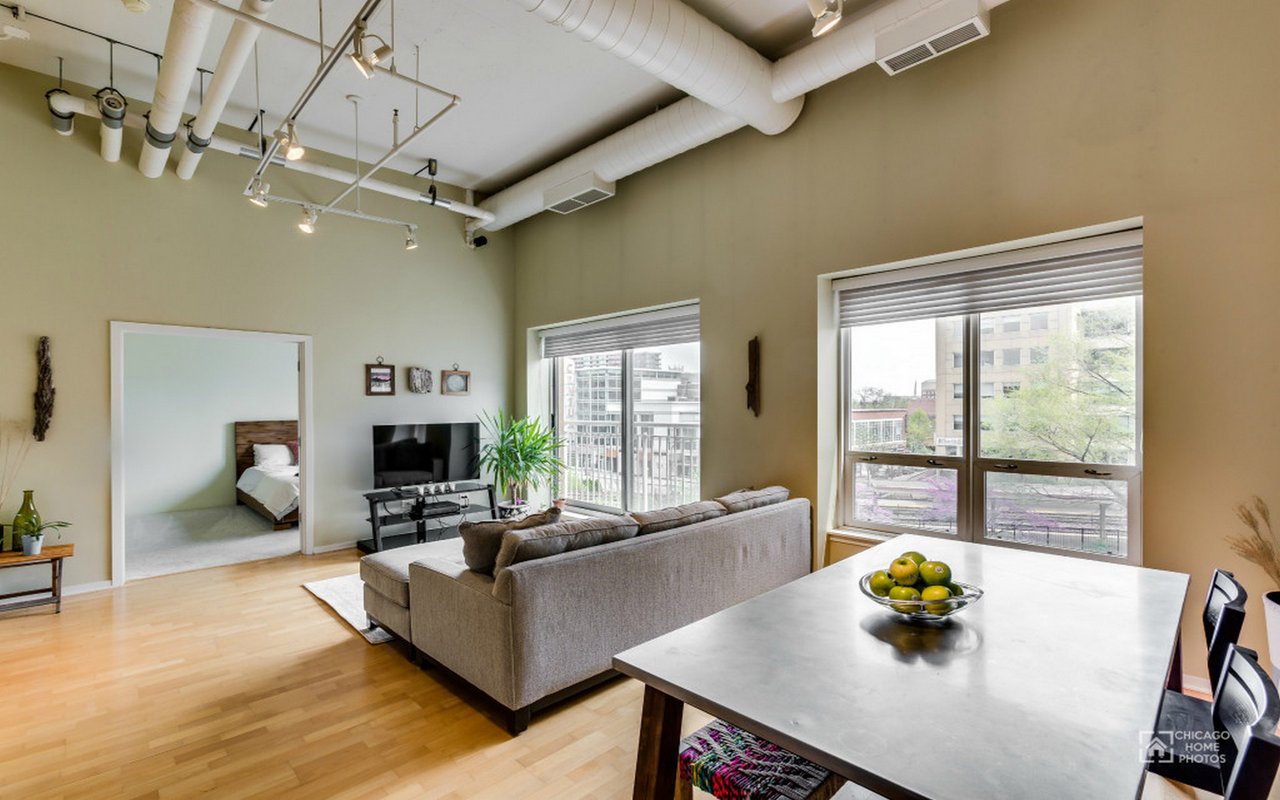
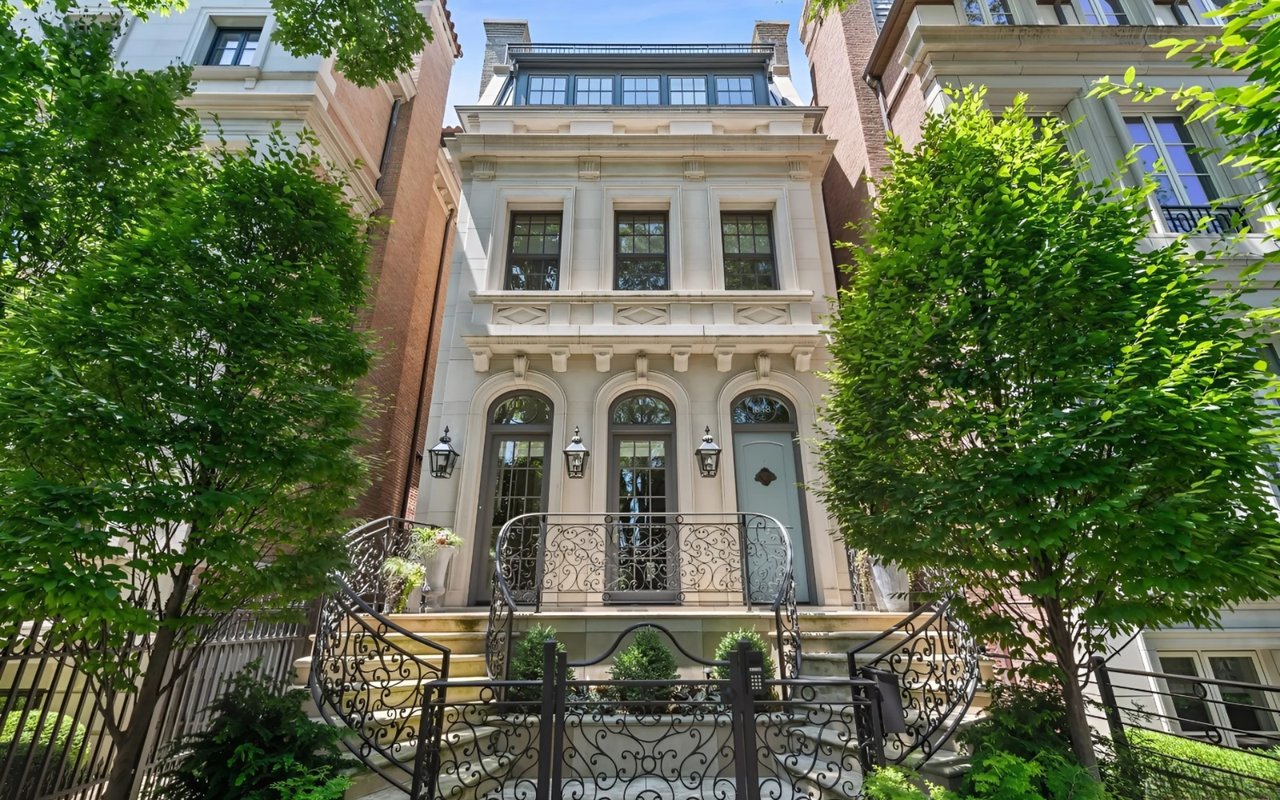
It depends on your goal. Multi-unit two-flats and three-flats are a Chicago staple for cash-flow investors; they allow owner-occupancy in one unit while renting others. Condos in high-demand North Side neighborhoods work well for appreciation-focused buyers. Single-family homes in Roscoe Village and North Center attract long-term tenants who treat properties well.
Do we need to be Chicago-based to invest here?
Not necessarily, but having a local team makes a significant difference. We work with out-of-market investors regularly and can connect you with property managers, attorneys, and contractors who know the neighborhoods we focus on.
Contact KlopasStratton Team Today
Investing in Chicago real estate rewards preparation and local knowledge over speculation. The neighborhoods we work most often in (Logan Square, Bucktown, Wicker Park, Avondale, North Center, and Roscoe Village) consistently attract the kind of tenants and buyers that make investments perform.
If you're ready to explore what the Chicago market looks like for your goals, reach out to us at KlopasStratton Team, and let's talk through what makes sense for your situation.