Trying to choose between River North and West Loop? You are not alone. Both neighborhoods offer strong condo options, a polished urban lifestyle, and easy access to downtown, but they feel different once you look at pricing, building types, and daily routine. If you are deciding where your next condo search should focus, this guide will help you compare the two in a practical way. Let’s dive in.
Start With the Market Basics
If you want the quick snapshot, West Loop is currently the tighter and pricier condo market, while River North offers more inventory and more entry points.
In Redfin’s March 2026 data, River North posted a median sale price of $427,000, a median of $418 per square foot, 71 days on market, and 160 homes sold. West Loop posted a higher median sale price of $499,000, a lower $397 per square foot, 47 days on market, and 79 homes sold.
Realtor.com points in the same direction. River North shows 380 active listings, a $399,900 median listing price, and 38 median days on market. West Loop shows 185 homes for sale, a $487,500 median list price, 25 median days on market, and a 101% sale-to-list ratio.
What does that mean for you? In simple terms, West Loop tends to feel more competitive, while River North gives you a broader range of choices, especially if you want to compare different building styles and price points.
River North Condo Market Overview
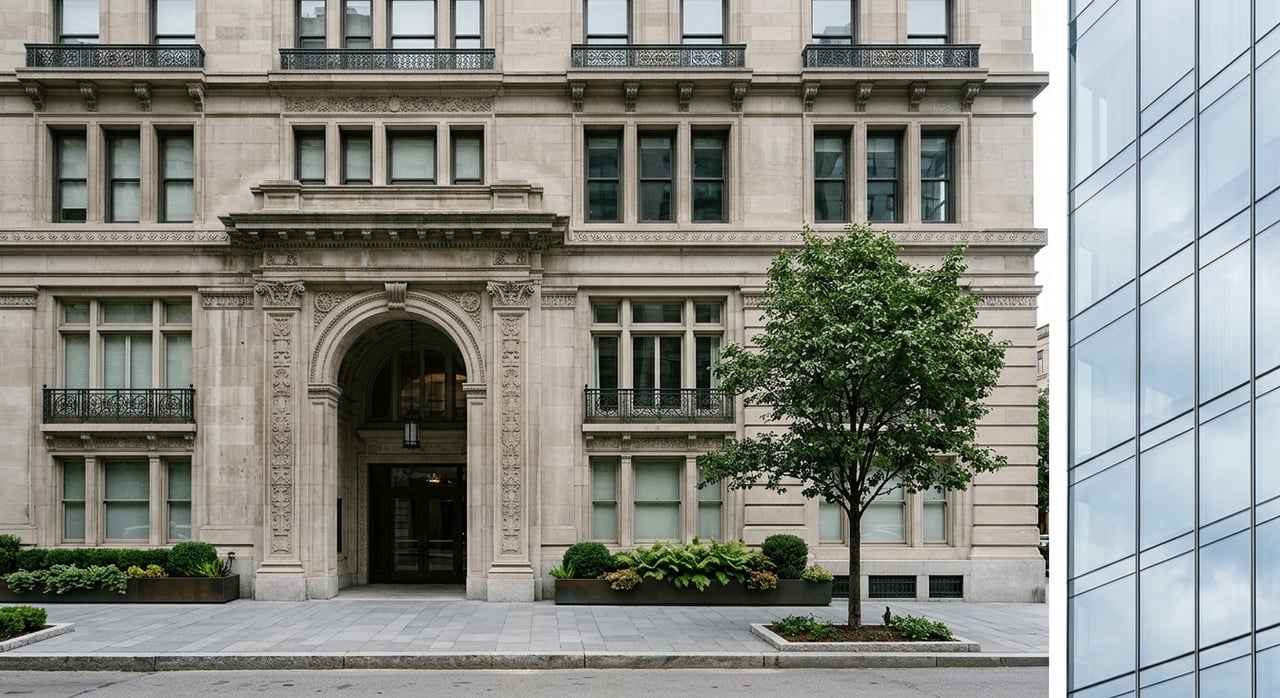
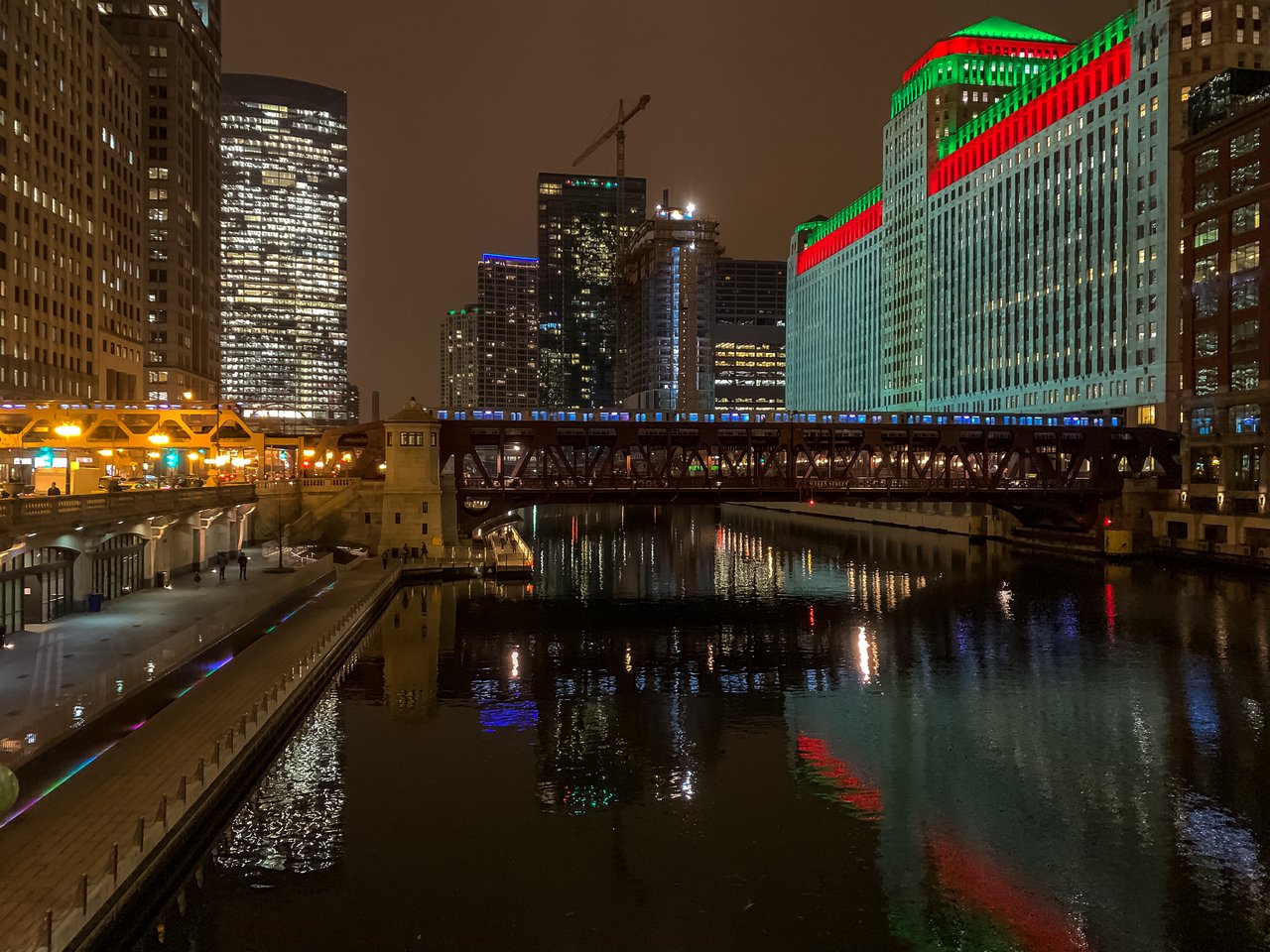
River North appeals to buyers who want classic downtown energy. The neighborhood is known for art galleries, studios in former warehouse buildings, nightlife, and easy access to the Riverwalk. Landmark buildings like Marina City, 330 N. Wabash, and the MART help define its identity.
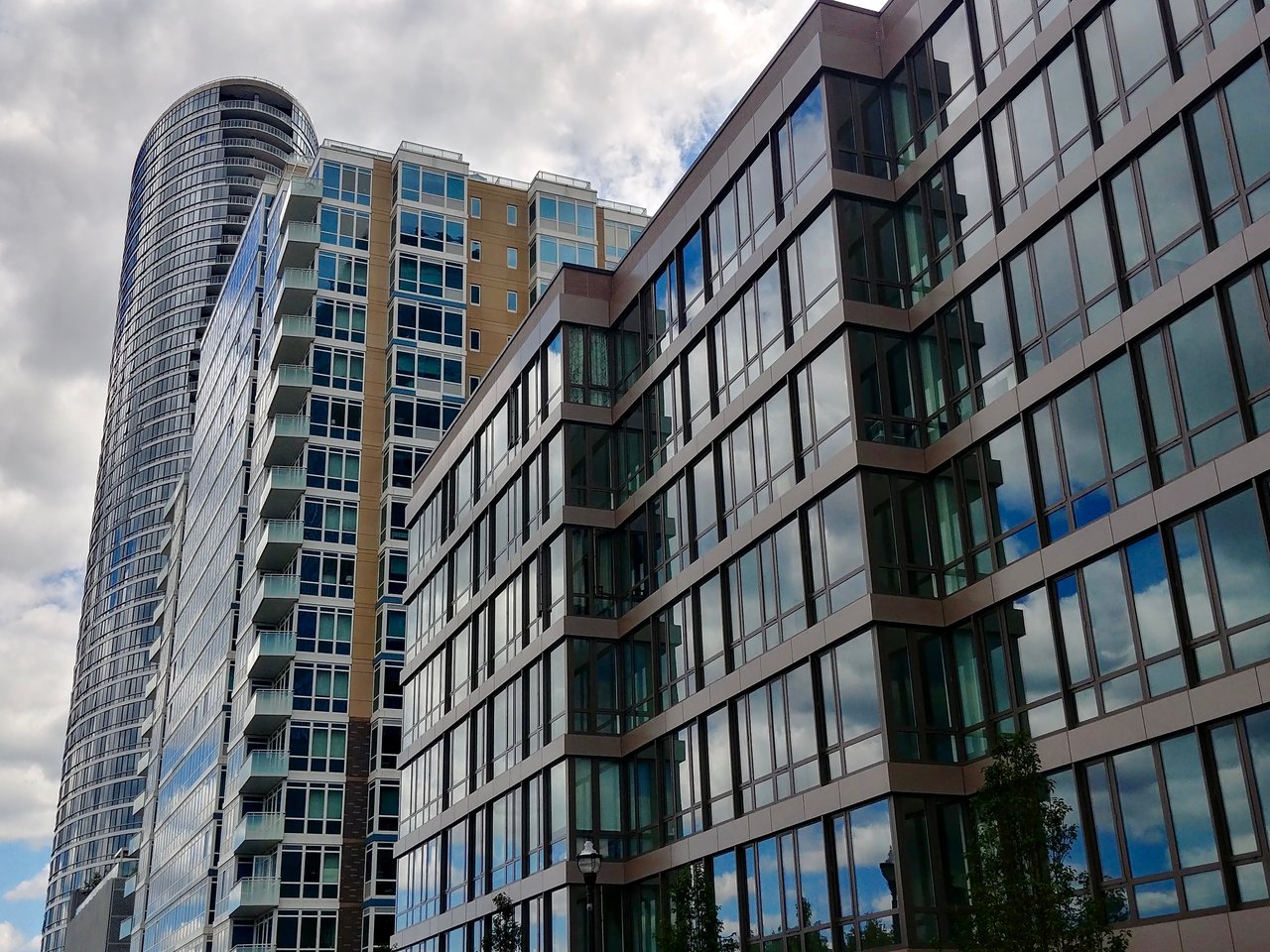
From a condo-shopping standpoint, River North gives you variety. You will see full-service high-rise towers, older amenity buildings, loft conversions, and newer boutique residences. That mix creates a wider condo ladder, from entry-level studios to luxury homes with more curated finishes.
A current listing at 405 N Wabash #1305 illustrates the lower end of the market with a $210,000 studio in River Plaza. It reflects the classic full-service tower model, with features like 24/7 door staff, an indoor pool, a gym, and included utilities.
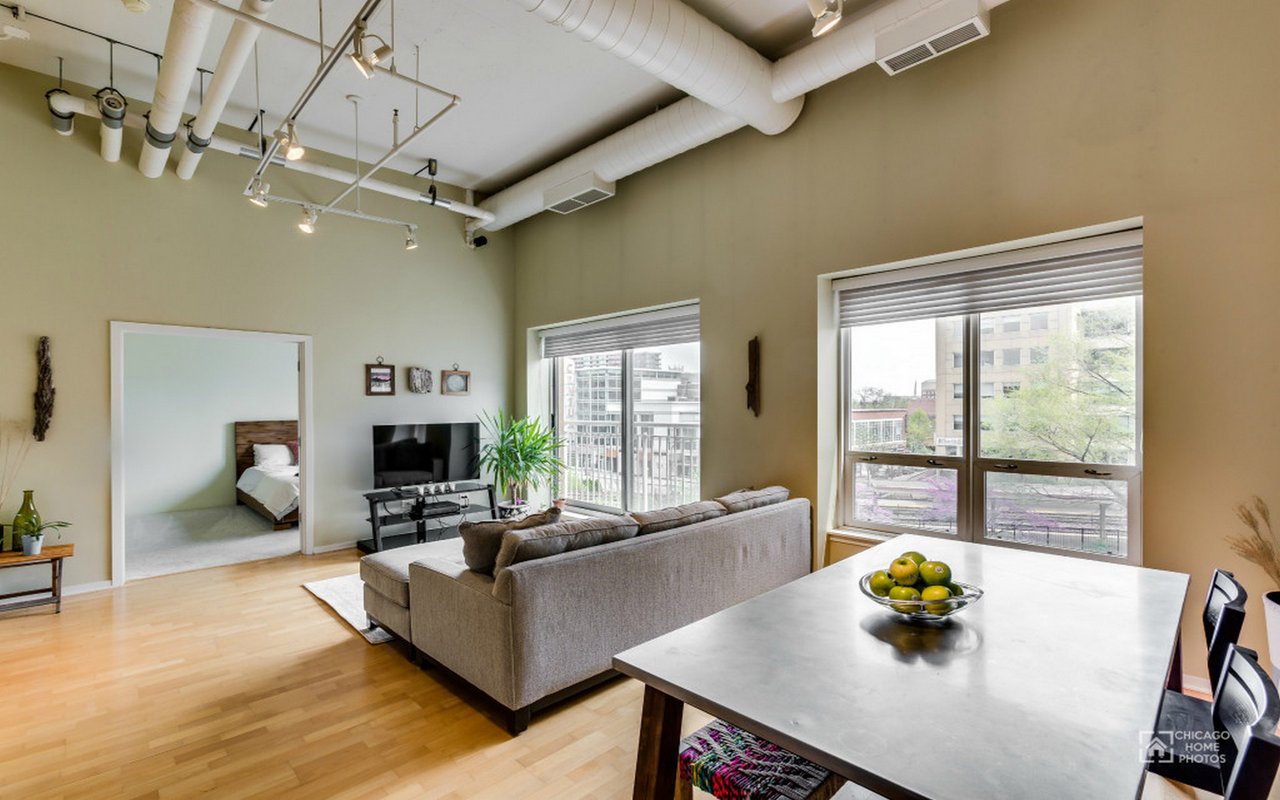
On the loft side, 525 W Superior #130 shows a different product type. It is a true timber loft in a 1930 building with exposed brick, 14-foot ceilings, and a 24-hour door staff. For buyers who want architectural character without leaving the downtown core, that is a meaningful option.
At the higher end, 360 W Erie #3D shows River North’s boutique luxury side. The 2019 building includes a rooftop sundeck, party room, dog run, fitness center, and two garage spaces. That kind of inventory appeals to buyers who want newer finishes and a more design-forward feel.
West Loop Condo Market Overview
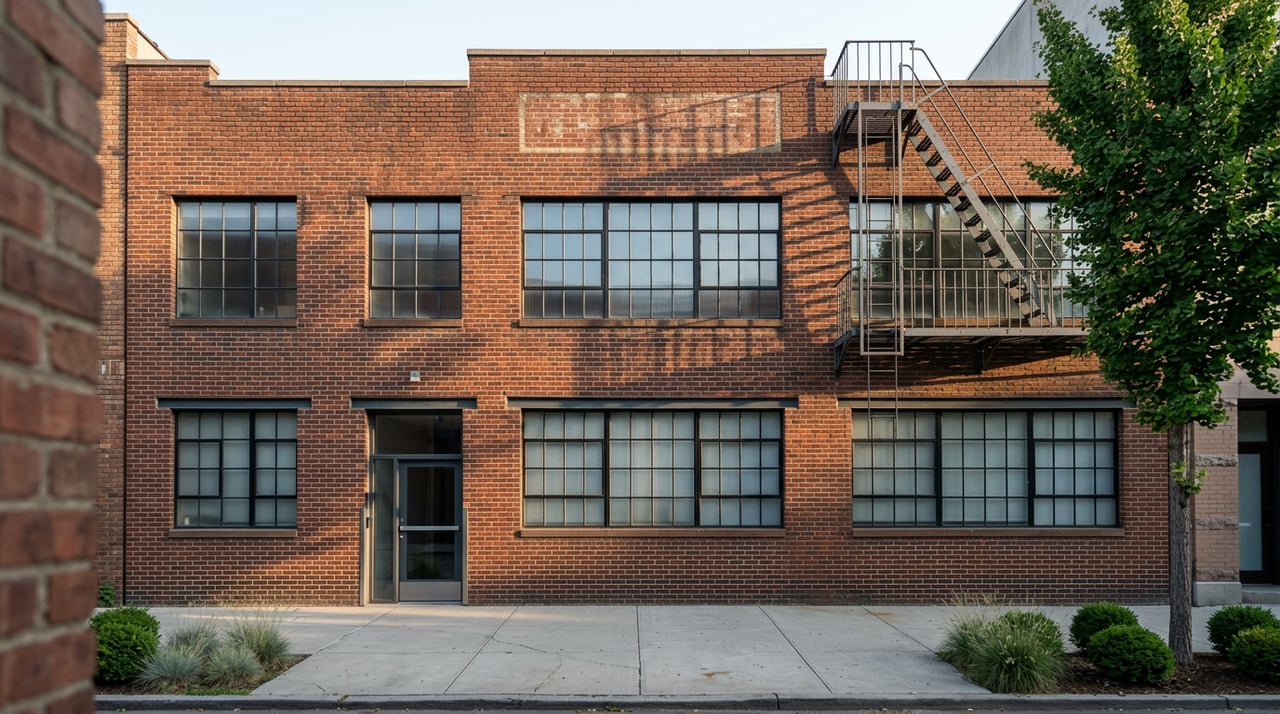
West Loop has a different rhythm. Its identity is tied to industrial reuse, restaurant culture, and newer development. The neighborhood grew out of former industrial spaces and wholesale food markets, and today it is known for adaptive-reuse buildings, modern residential projects, and a strong culinary scene centered around Fulton Market and Randolph Street.
For condo buyers, West Loop often means a choice between character lofts and newer luxury low- and mid-rise buildings. At the upper end of the market, larger floor plans and private outdoor space show up more often than they do in River North’s typical high-rise mix.
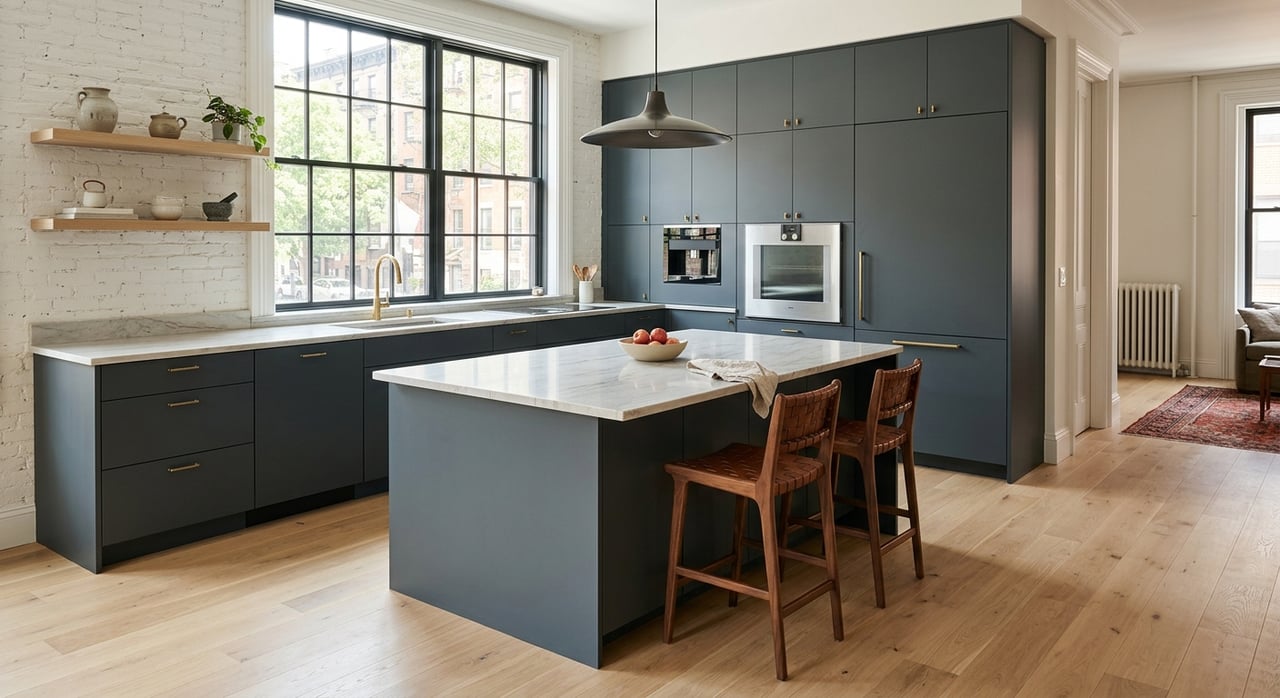
A listing at 1040 W Adams #110 in No. Ten Lofts is a good example of the neighborhood’s industrial-reuse character. The 1880 building features exposed brick and high ceilings, which is exactly the kind of architecture many buyers hope to find in West Loop.
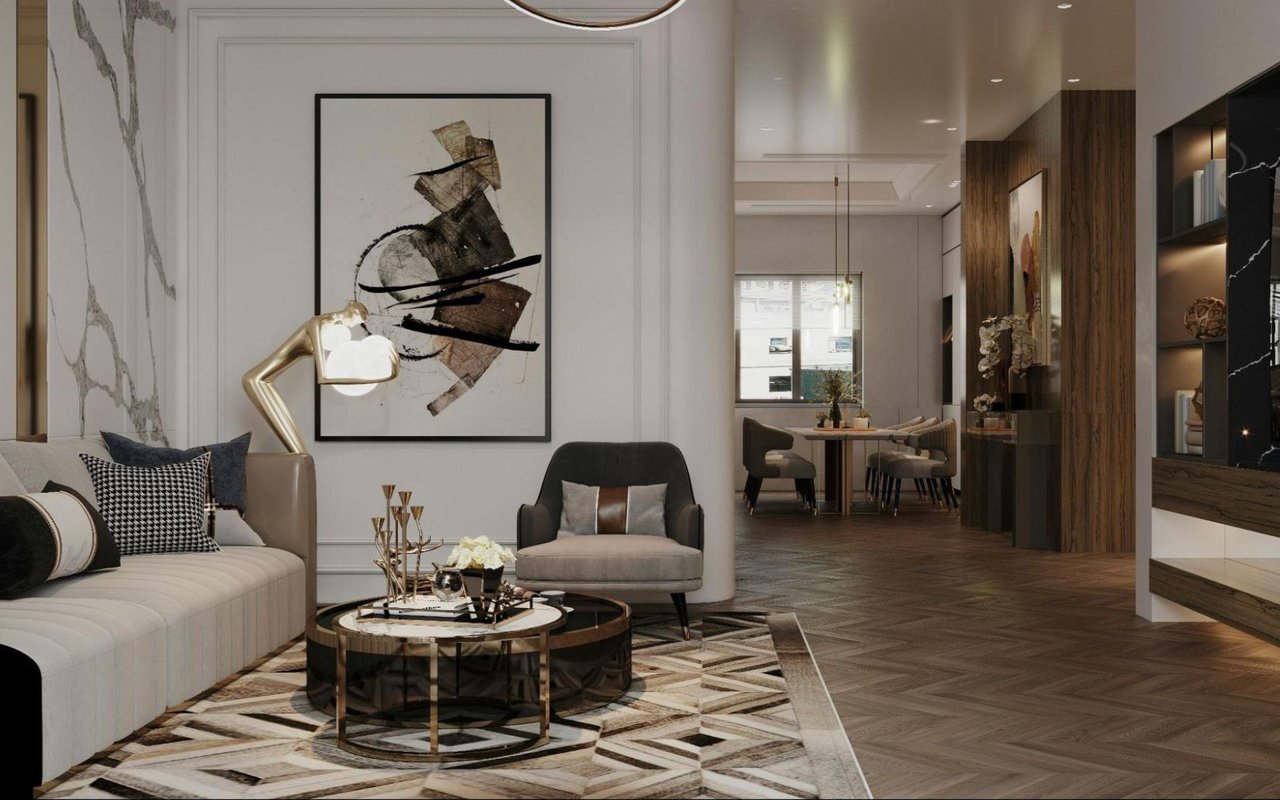
At the luxury end, 1109 W Washington Blvd #6D at The Hayden highlights a newer and more private style of living. Built in 2019, it includes private elevator entry, a large terrace, and 24-hour door staff. That combination helps explain why West Loop often attracts buyers looking for newer luxury with more generous layouts.
Price vs. Value: What Matters Most
It is easy to focus only on median sale price, but that is not the whole story. West Loop has the higher median sale price, yet River North shows a slightly higher price per square foot in the Redfin snapshot.
That difference matters because the two neighborhoods often deliver value in different ways. In West Loop, buyers may pay more overall for larger layouts, private outdoor space, or newer low-density luxury buildings. In River North, buyers may find a lower entry price, but in some cases pay more per square foot for a central downtown location, full-service amenities, or access to a broader high-rise inventory.
If you are weighing value, ask yourself a few practical questions:
- Do you want the lowest entry point possible?
- Do you want more inventory so you can compare options without rushing?
- Do you care more about larger floor plans than overall purchase price?
- Do you prefer a full-service tower or a boutique loft or newer mid-rise?
Those answers usually tell you more than the headline median price.
Lifestyle: River North vs. West Loop
For many buyers, lifestyle is the real deciding factor.
River North Lifestyle
River North is best for buyers who want a lively, dense, downtown experience. The neighborhood is known for nightlife, art galleries, studios, riverfront activity, and a strong sense of urban energy.
If you like the idea of stepping out to restaurants, events, galleries, and the Riverwalk with minimal planning, River North checks that box. It also tends to suit buyers who want a more active evening scene and a traditional downtown condo environment.
West Loop Lifestyle
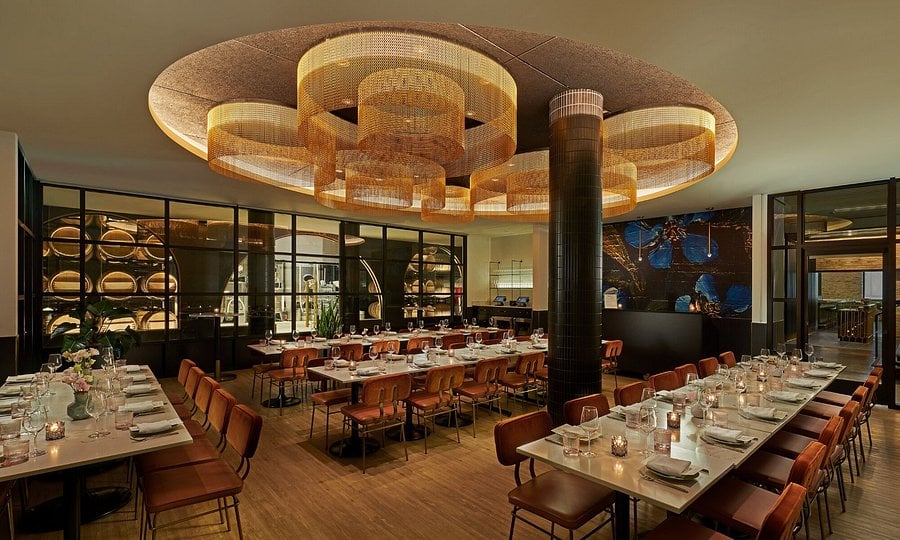
West Loop is more centered on food, walkability, and a live-work rhythm. Fulton Market and Randolph Street’s Restaurant Row give the neighborhood a culinary identity that feels distinct from River North.
It often appeals to buyers who want a neighborhood that feels stylish and active, but a little more grounded in daytime routine. If your ideal weekend includes walking to restaurants, coffee spots, and local destinations in a former warehouse district with a newer residential edge, West Loop may feel like the better fit.
Commuting and Transit Differences
Transit can quickly tip the scales when two neighborhoods are otherwise close in price and appeal.
River North Transit Access
River North offers strong CTA access for buyers who rely on trains throughout the day and night. Merchandise Mart serves the Brown and Purple Lines, Chicago serves the Red Line, Chicago also serves the Blue Line, and Clark/Lake provides a major multi-line transfer option.
The Blue Line’s 24-hour service between O’Hare and Forest Park via downtown is especially useful if you value late-night convenience or frequent airport access. For many buyers, River North works well because it offers dense train coverage in multiple directions.
West Loop Transit Access
West Loop stands out for buyers who want easy access to Metra and key CTA connections. Morgan serves the Green and Pink Lines, and Ogilvie Transportation Center serves the UP-N, UP-NW, and UP-W lines, with CTA Green and Pink connections nearby.
If you work near Ogilvie or Union Station, or split your life between the city and suburbs, West Loop can feel more practical. That suburban-rail advantage is one of the clearest day-to-day differentiators between the two neighborhoods.
Which Buyer Fits Each Market Best?
You may be a better fit for River North if you want:
- More condo inventory to choose from
- A broader range of price points
- Full-service towers and classic downtown high-rises
- Nightlife, galleries, and Riverwalk access
- Dense CTA access, including late-night convenience
You may be a better fit for West Loop if you want:
- A tighter, faster-moving condo market
- Loft character and adaptive-reuse buildings
- Newer luxury buildings with larger floor plans
- A restaurant-driven neighborhood feel
- Better alignment with Metra, Ogilvie, or downtown work commuting
A Simple Way to Decide
If you are torn between the two, do not start with the question, “Which one is better?” Start with, “How do I want my week to feel?”
River North is often the better fit if you want classic downtown energy, a wide condo mix, and an amenity-rich tower lifestyle. West Loop is often the better fit if you want industrial-chic character, a culinary-first environment, and a stronger pull toward lofts or newer luxury residences.
The right answer usually comes from matching your budget, commute, and lifestyle priorities to the inventory that actually exists in each market. That is where clear guidance makes a big difference.
If you want help comparing specific buildings, price bands, or resale potential in River North and West Loop, the Klopas-Stratton Team can help you evaluate the options with a smart, local, data-driven approach.
FAQs
What is the main condo price difference between River North and West Loop?
- West Loop currently has a higher median sale price, while River North offers more inventory and more entry-level options.
What types of condos are common in River North?
- River North commonly features full-service high-rise towers, older amenity buildings, loft conversions, and newer boutique luxury condos.
What types of condos are common in West Loop?
- West Loop commonly features timber lofts, adaptive-reuse buildings, and newer luxury low- and mid-rise condos, often with larger layouts at the upper end.
Which neighborhood is better for nightlife and downtown energy?
- River North is generally the better fit if you want nightlife, art galleries, riverfront activity, and a classic downtown pace.
Which neighborhood is better for restaurant access and loft character?
- West Loop is generally the better fit if you want a restaurant-focused lifestyle, industrial-chic architecture, and newer luxury development.
Which neighborhood has better transit for suburban commuters?
- West Loop is often more convenient for suburban commuters because of its access to Ogilvie Transportation Center and nearby Green and Pink Line service.
Which neighborhood gives buyers more condo choices right now?
- River North currently shows more active listings, which can give buyers a broader selection of buildings, layouts, and price points.