By KlopasStratton Team
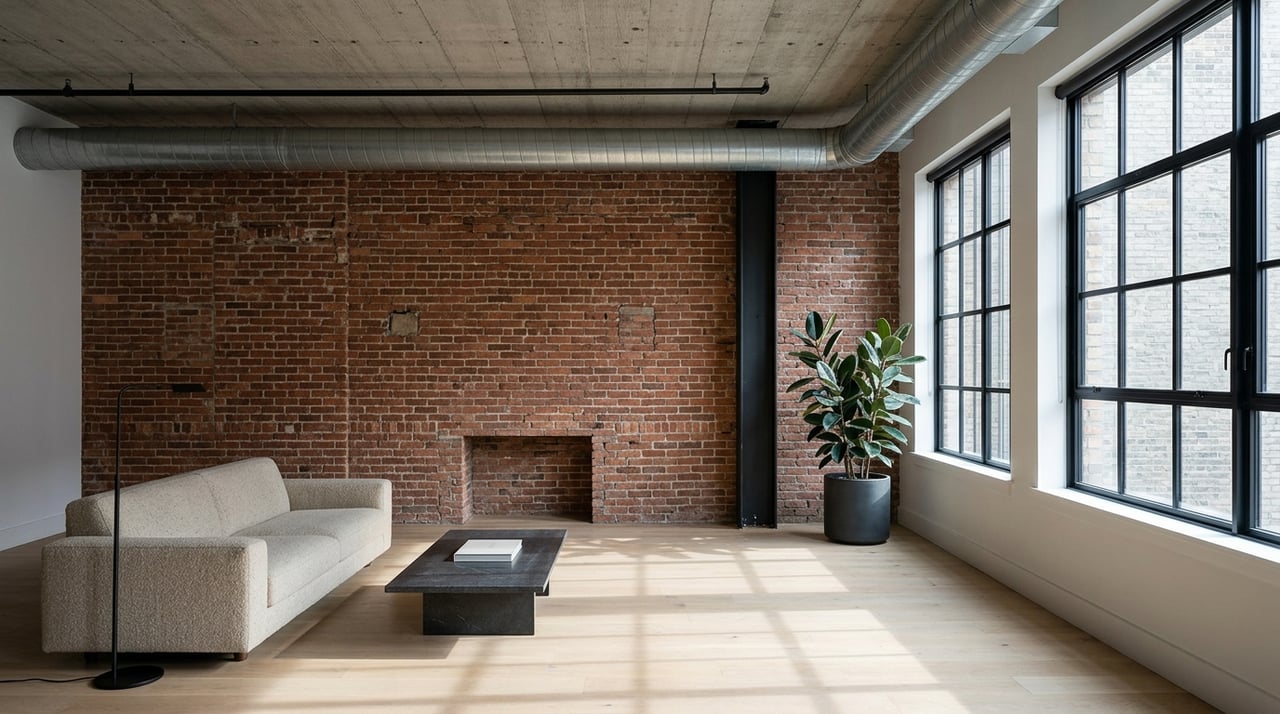
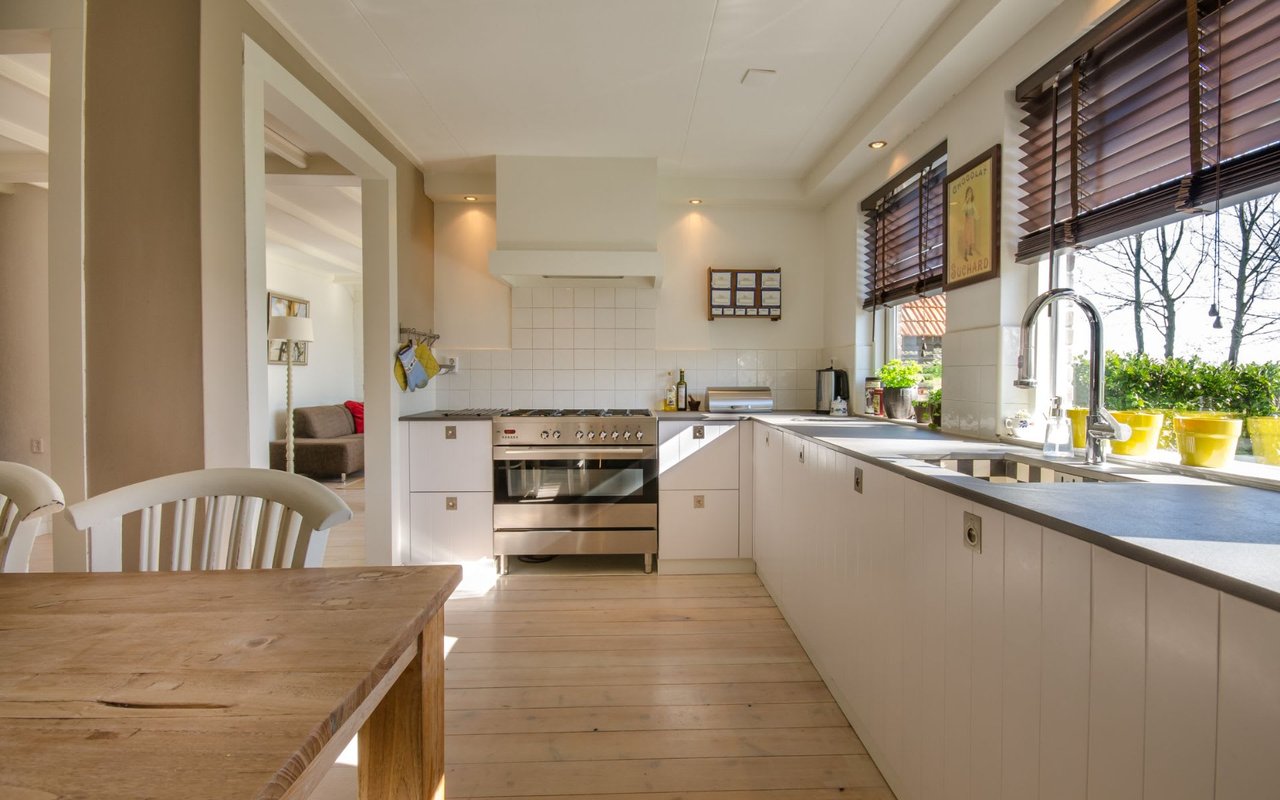
In Chicago, natural light isn't just a design preference; it's a quality of life factor. Anyone who has spent a January here understands what it means to walk into a home that actually captures the sun. We've toured thousands of properties across the city, and the homes that hold their value, sell fastest, and generate the most competition are almost always the ones that get the light right. It's one of the first things buyers feel and one of the hardest things to fix after you close.
Key Takeaways
- Natural light is among the most consistently cited buyer priorities in Chicago's Northwest Side neighborhoods, directly affecting livability and resale value
- Chicago's vintage housing stock varies widely in how light moves through a floor plan; knowing what to evaluate before you make an offer matters
- Orientation, window placement, ceiling height, and floor plan configuration all determine how much usable light a home delivers across seasons
- In a city with long winters, the difference between a south-facing living room and a north-facing one is felt every single day
What Chicago's Architecture Means for Light
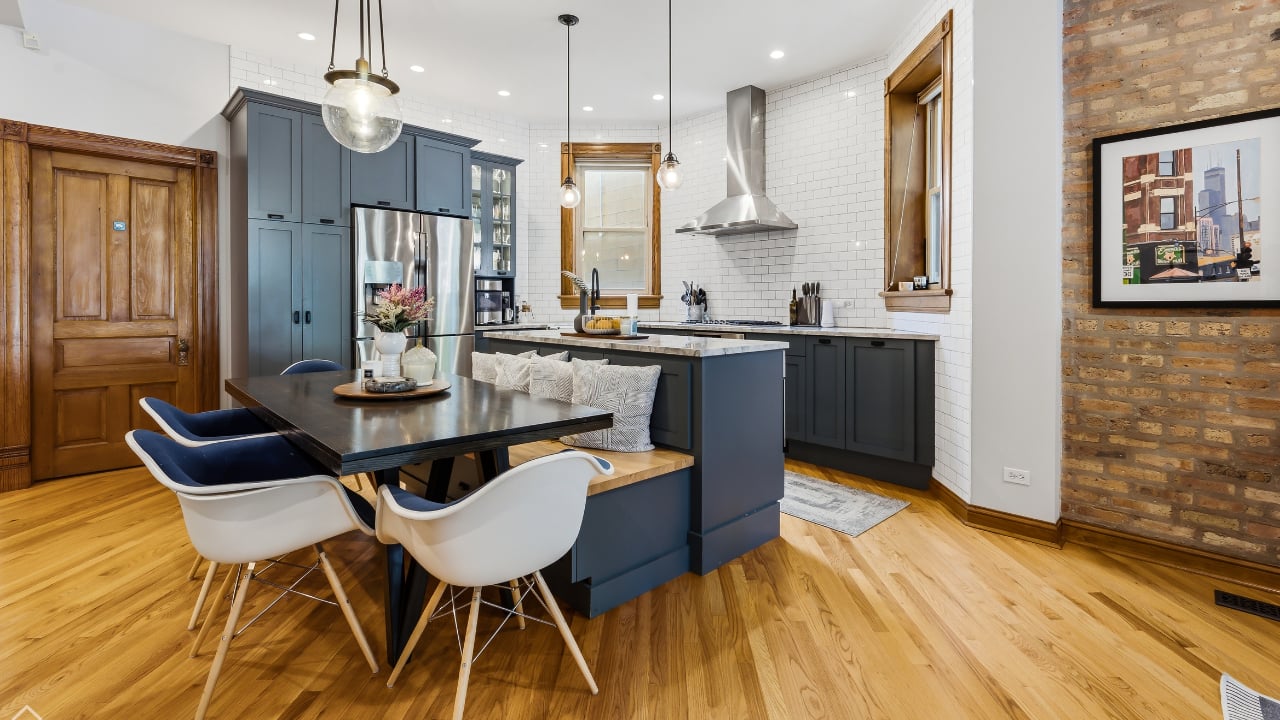
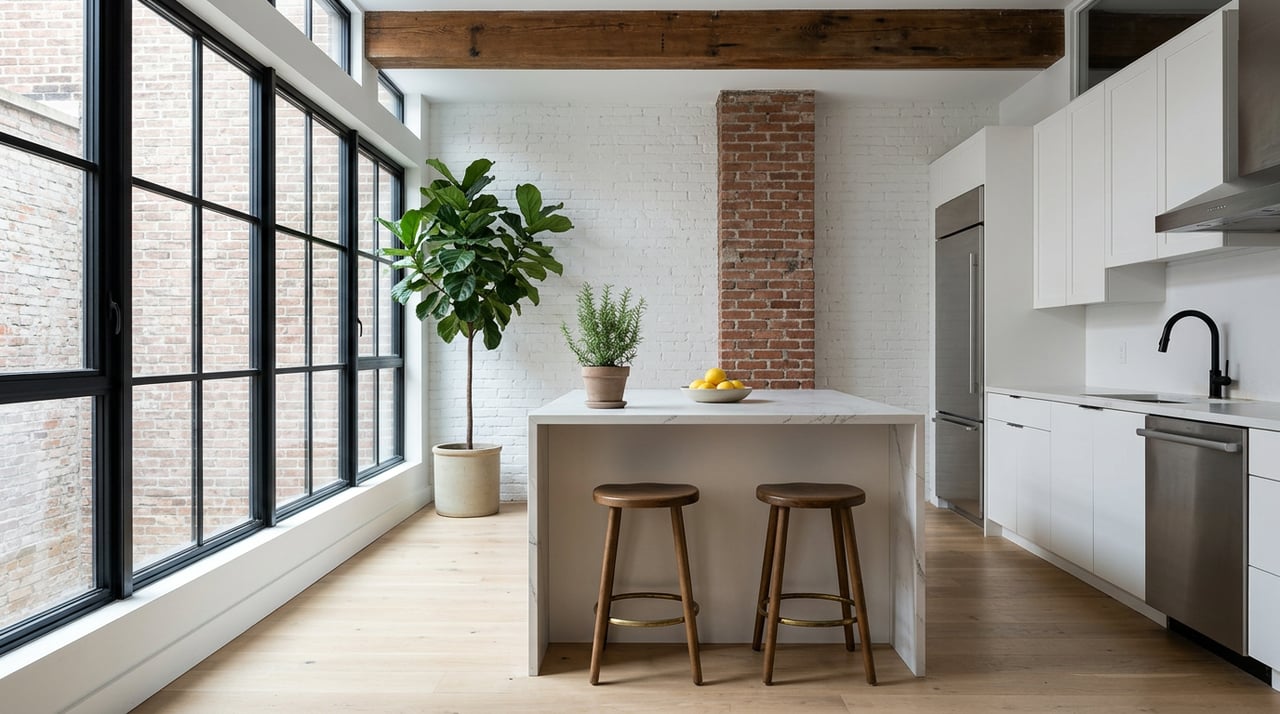
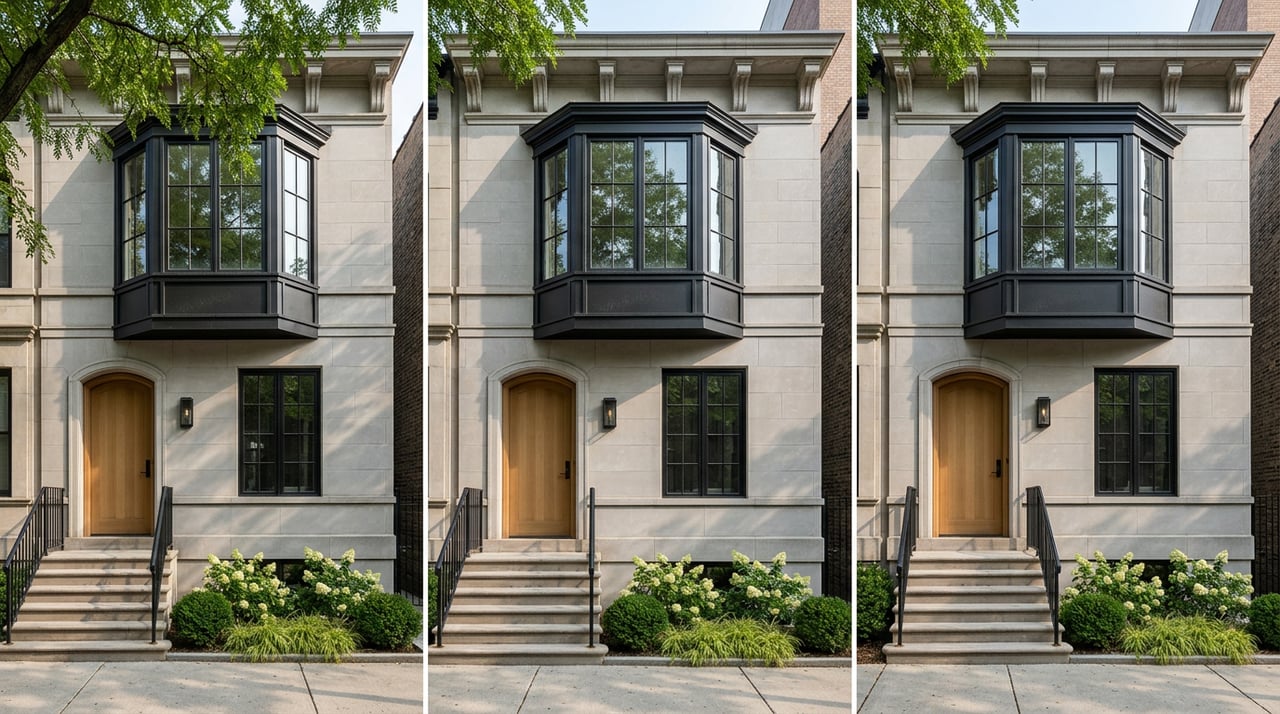
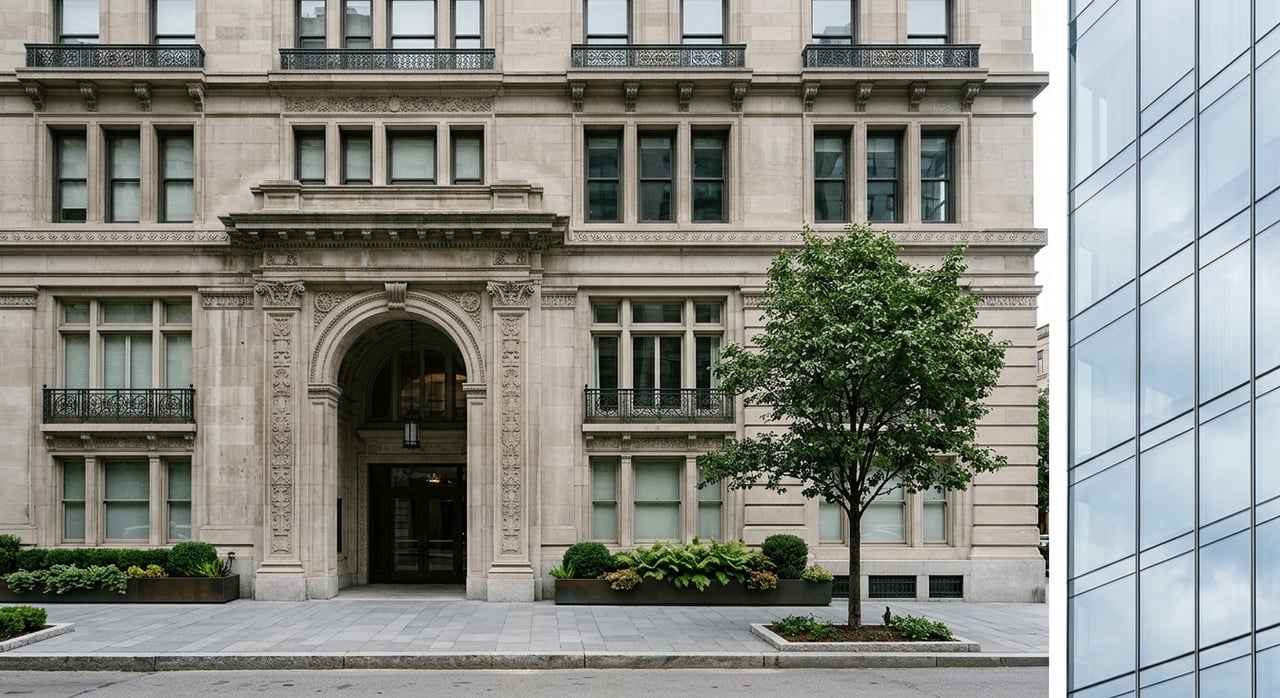
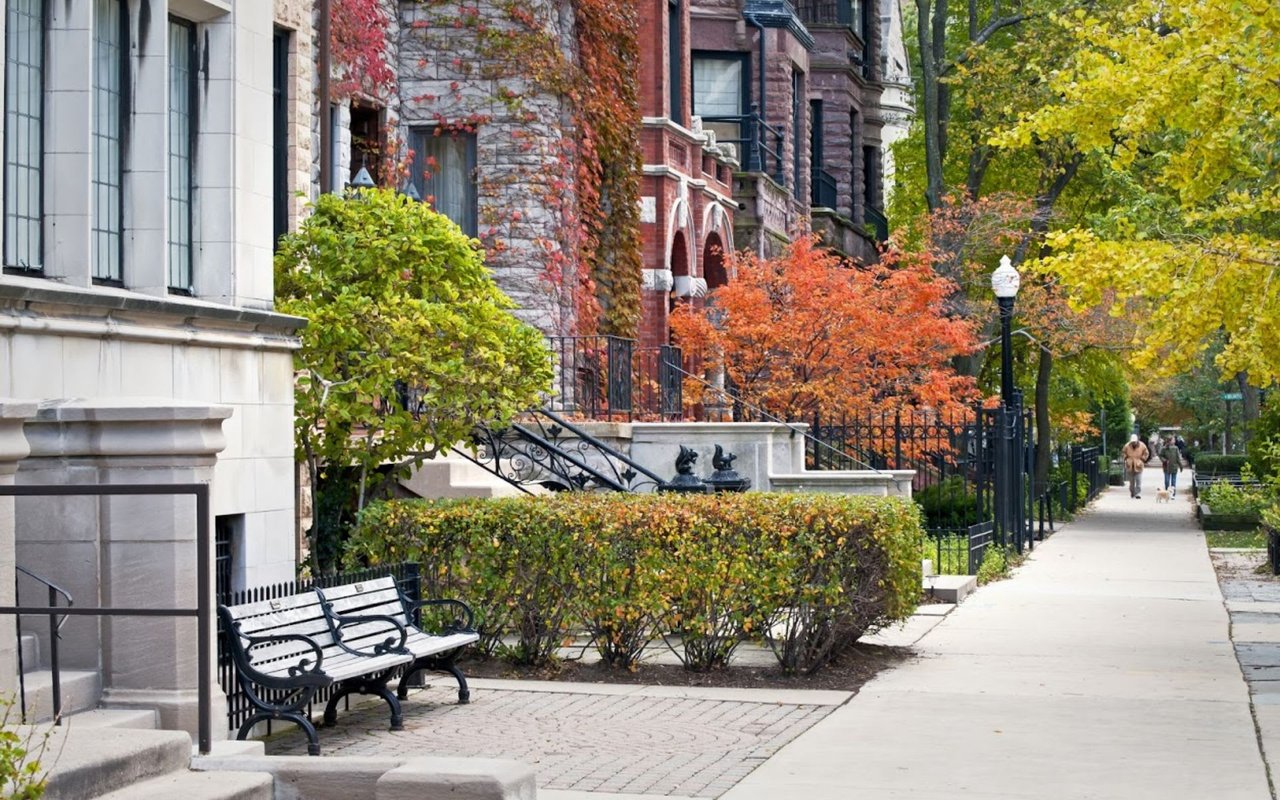
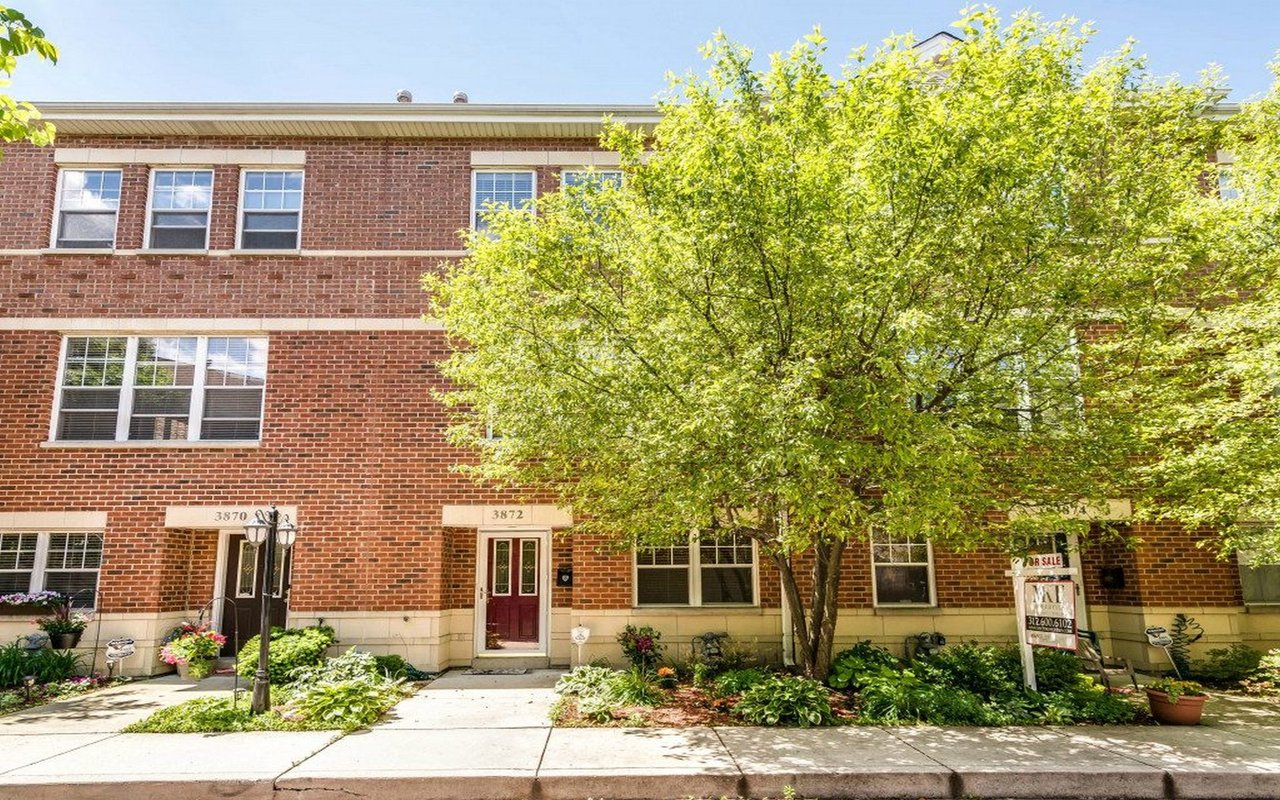
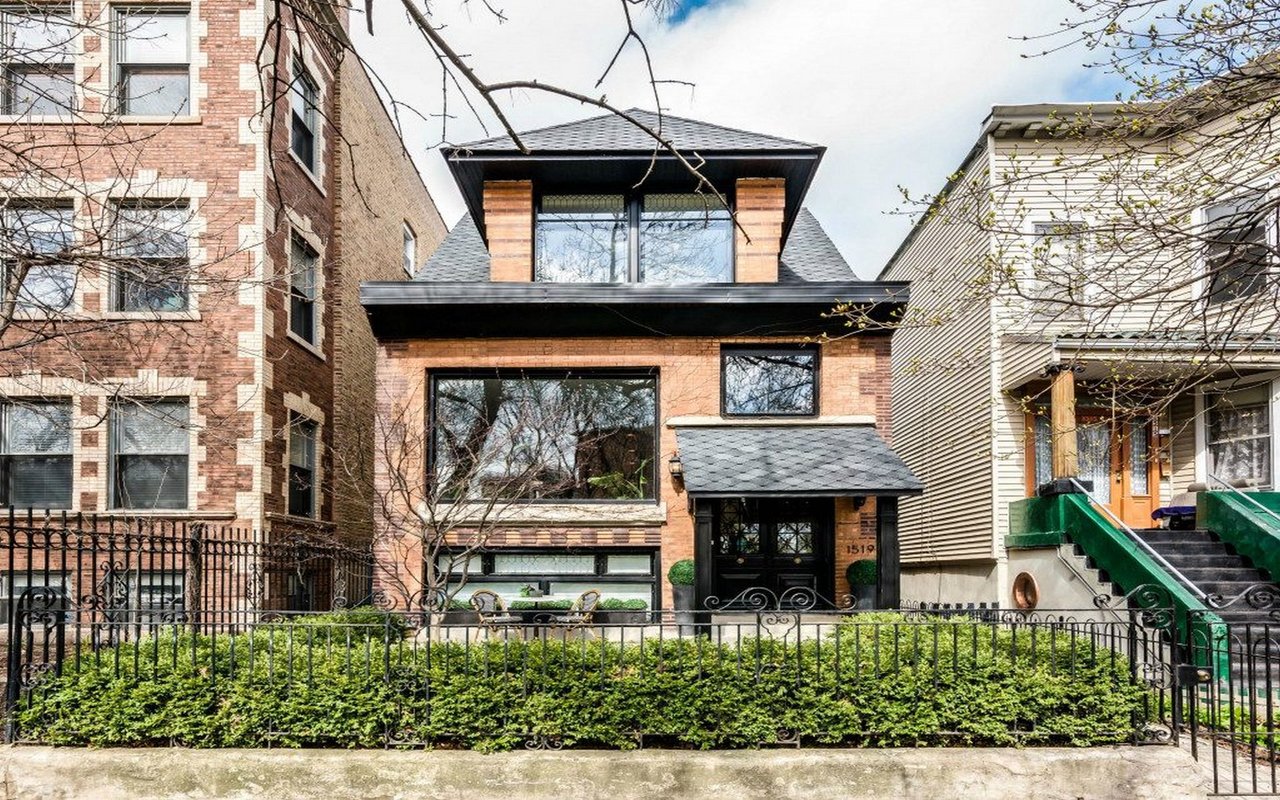
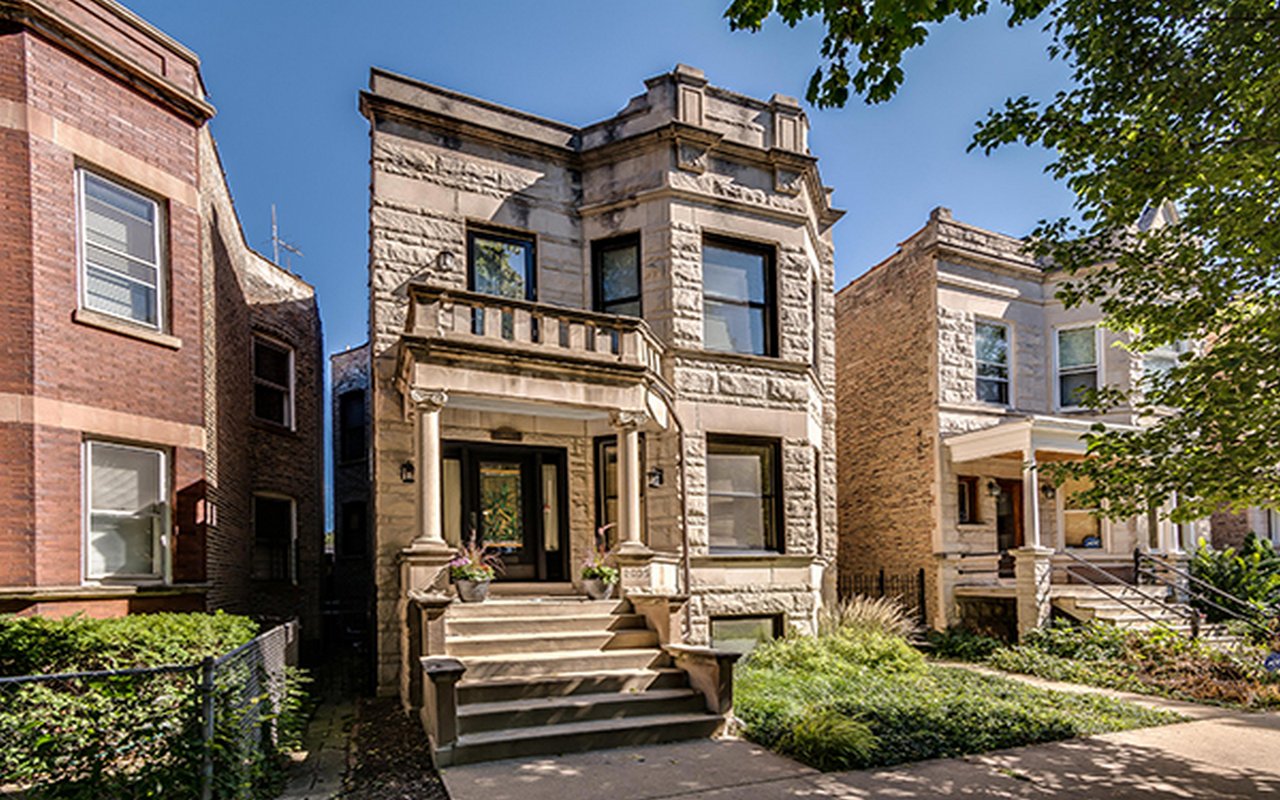
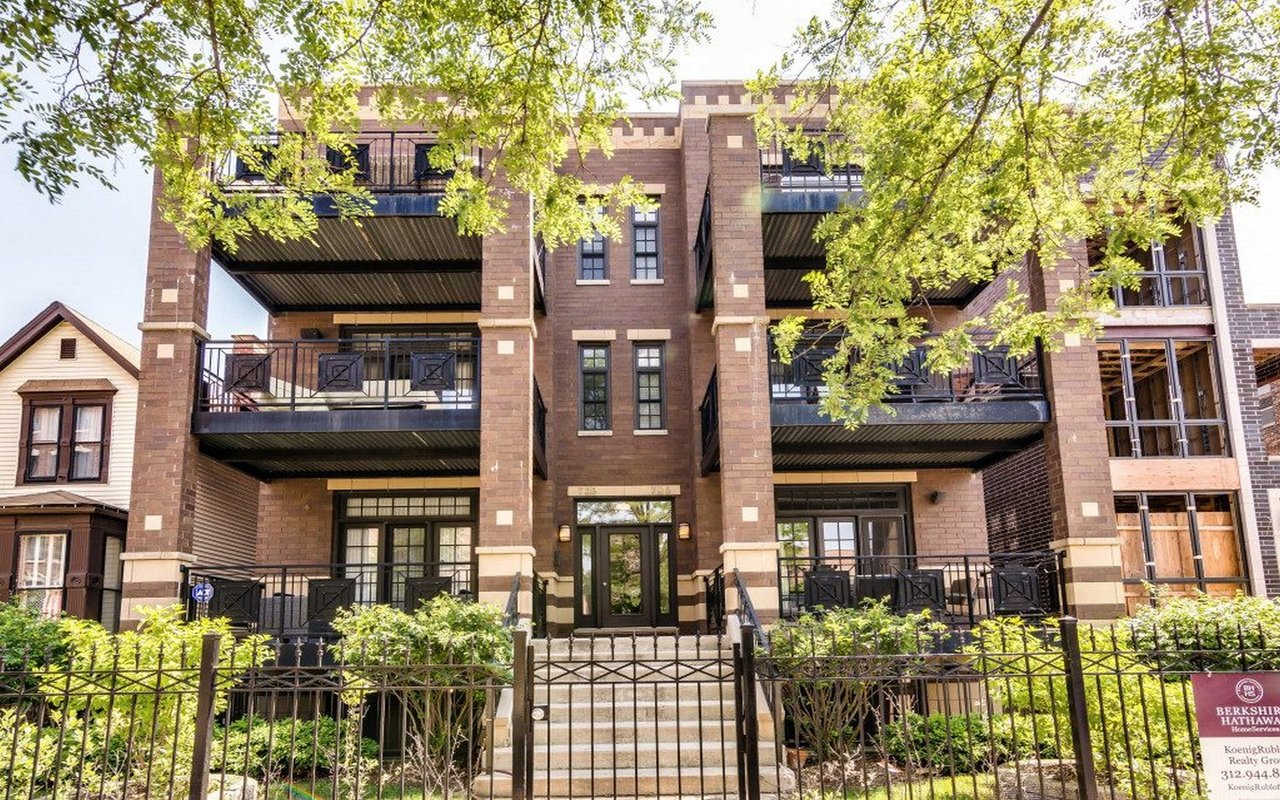
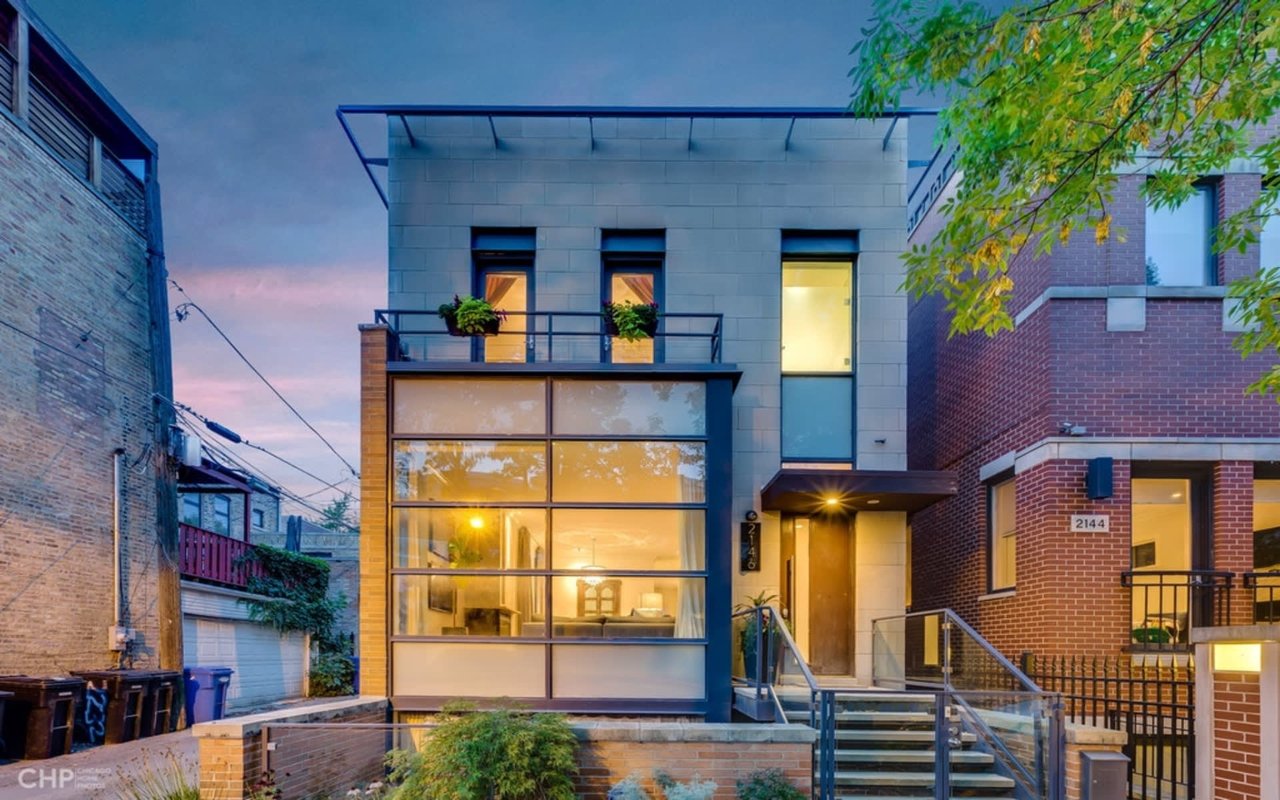
Chicago's Northwest Side is built on a mix of vintage stock and modern infill that creates enormous variation in light quality from one home to the next. Victorian Queen Annes were built on corner lots specifically to maximize exposure. Logan Square and Wicker Park greystones channel light through tall, narrow windows and high ceilings. Modern Bucktown townhomes bring in light through floor-to-ceiling glass on the rear facade. Each building type requires a different evaluation.
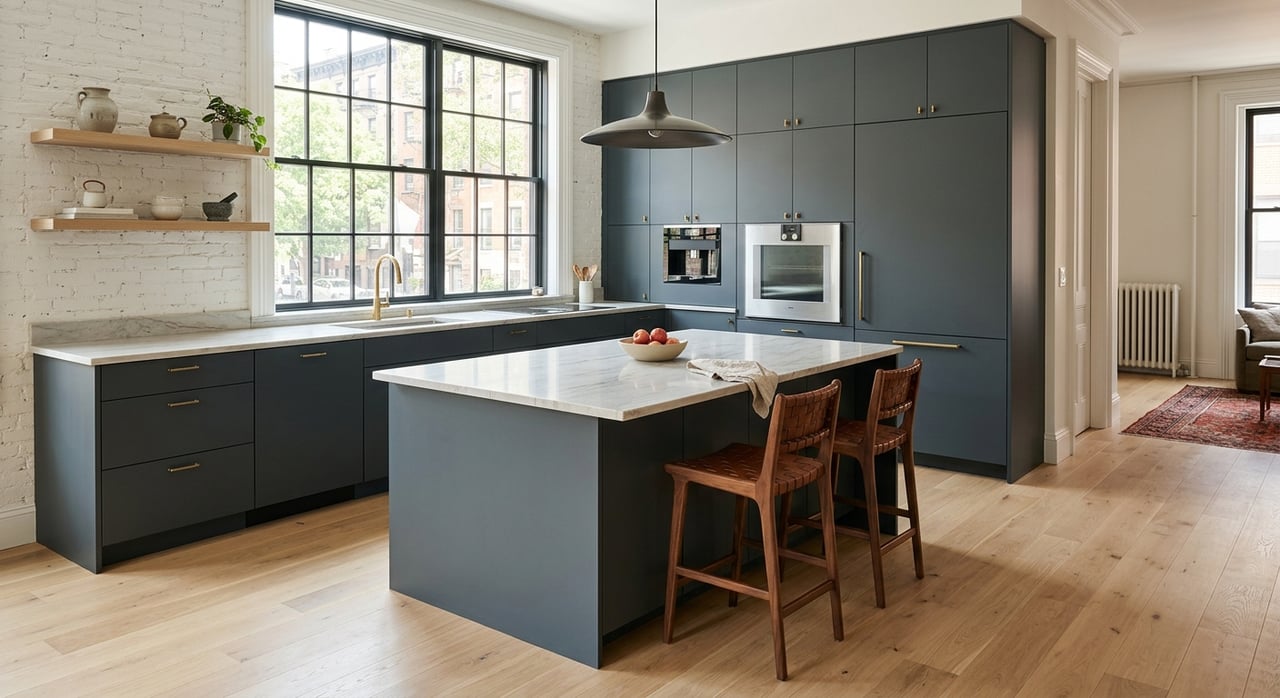
The persistent challenge is Chicago's long, narrow lot configuration. Many homes receive strong light at the front and back but lose it in the middle, which is often where the kitchen or secondary bedrooms fall. A home that solves this via an open floor plan, skylights, or a thoughtful gut rehab commands a premium because most of them don't.
What to Evaluate When Assessing Light in a Chicago Home
- Lot orientation: South-facing living spaces hold direct sun through Chicago's short winter days; north-facing rooms lose it entirely from November through February — a difference that compounds across years of daily life
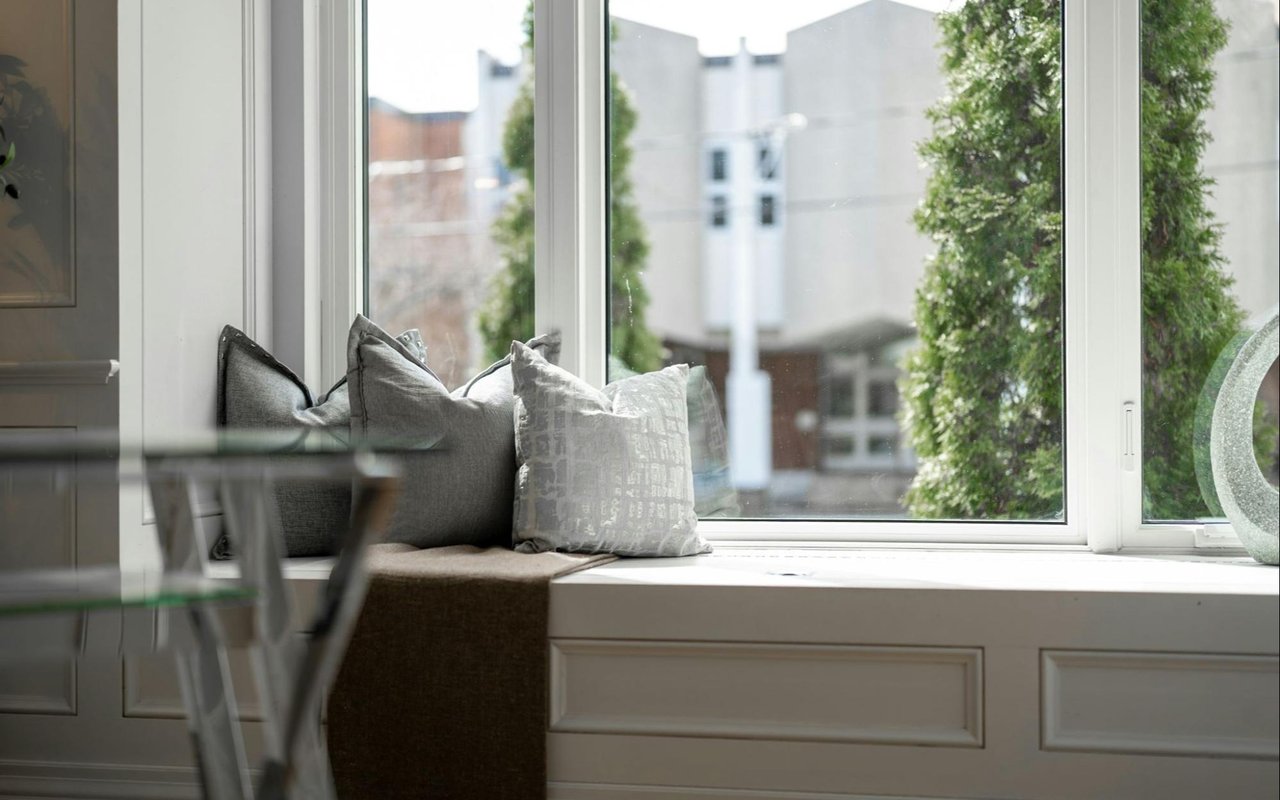
- Window-to-wall ratio: Tall original windows in Wicker Park and Logan Square greystones deliver significantly more light per opening than smaller replacement windows in post-war buildings; count exposure, not just quantity
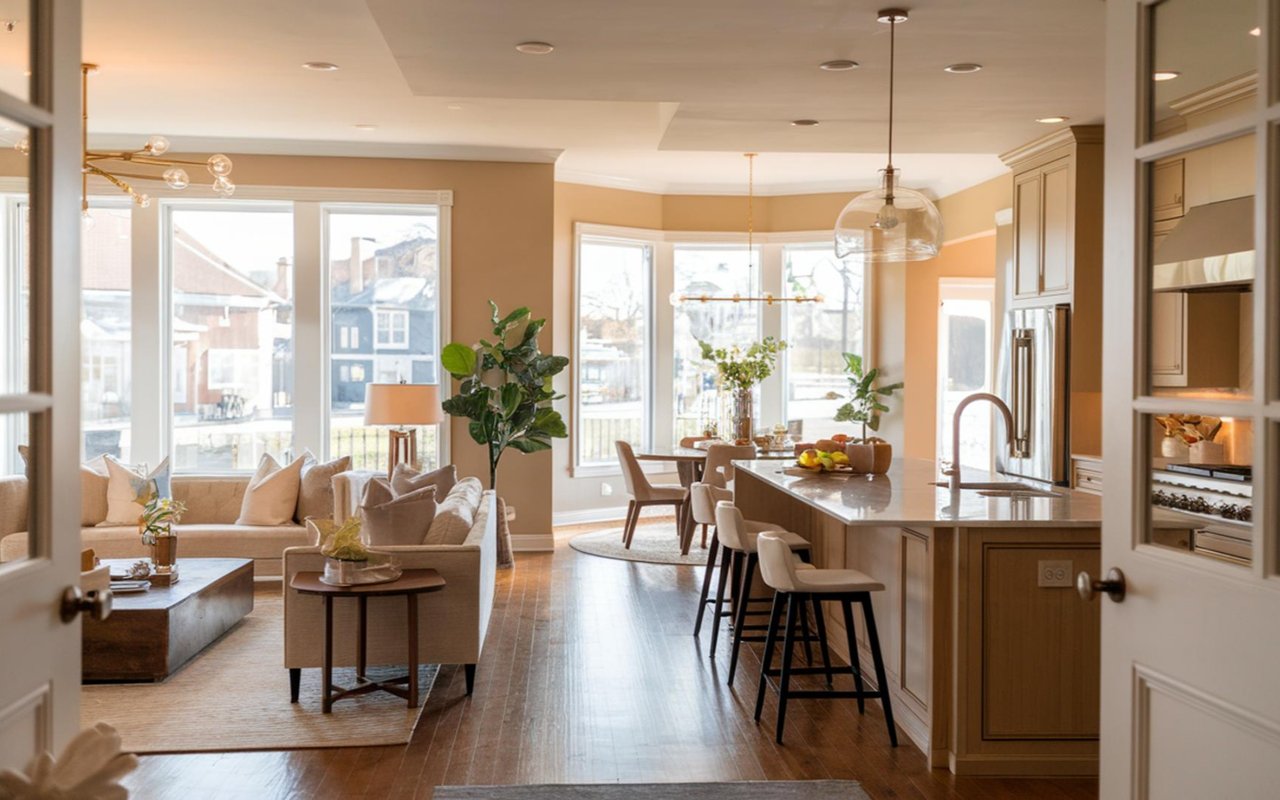
- Floor plan configuration: Open layouts allow light to travel from front to back across a narrow lot; galley-style plans common in vintage Chicago two-flats create dark middle sections that no window treatment can compensate for
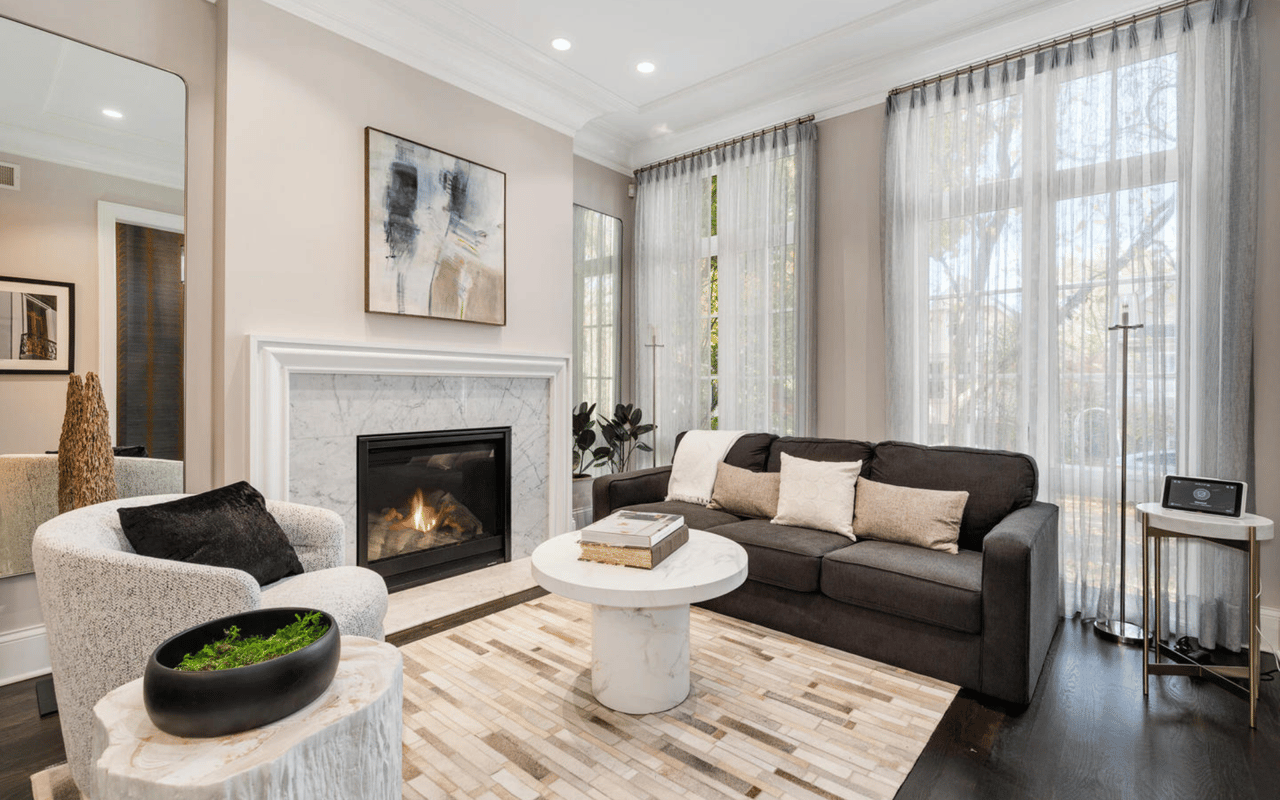
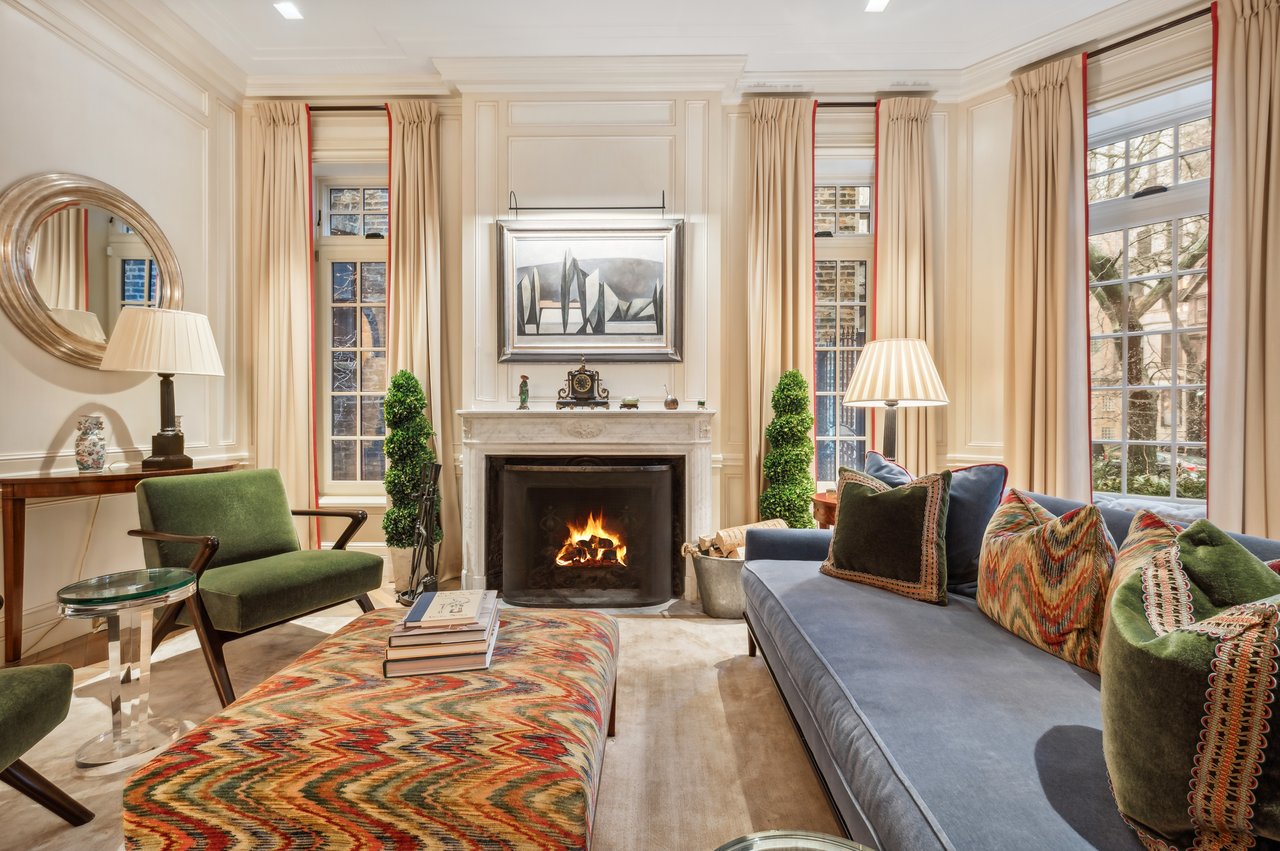
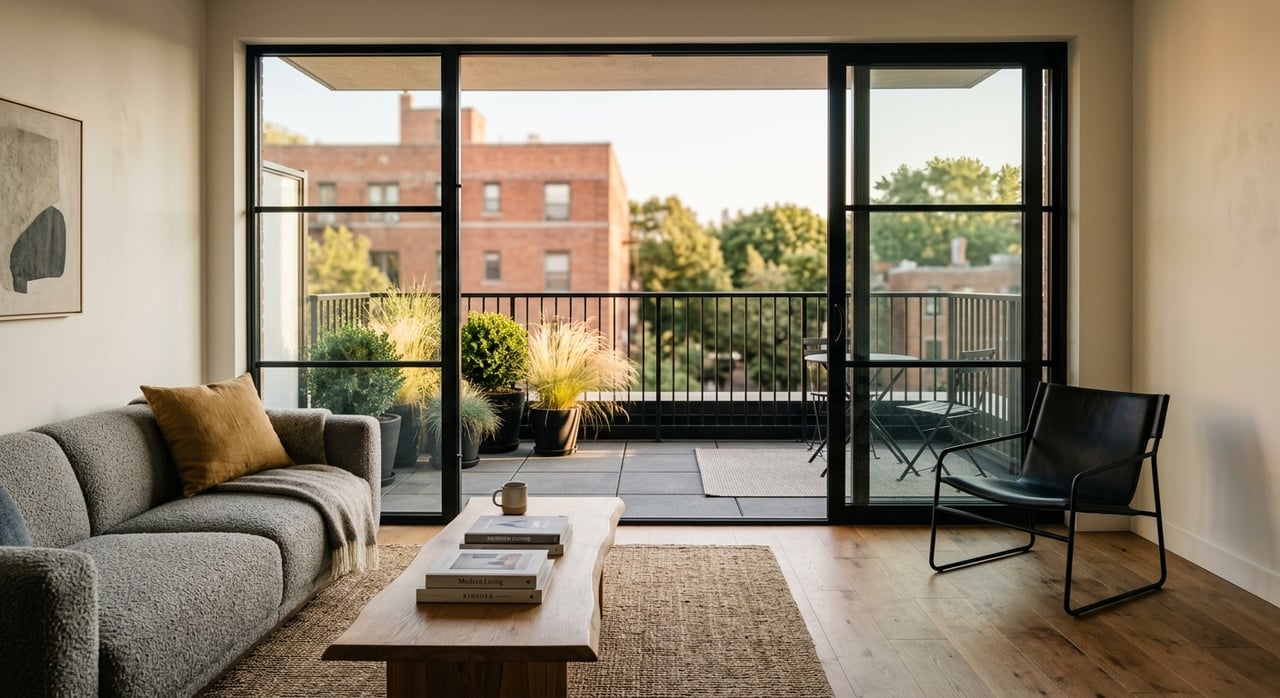
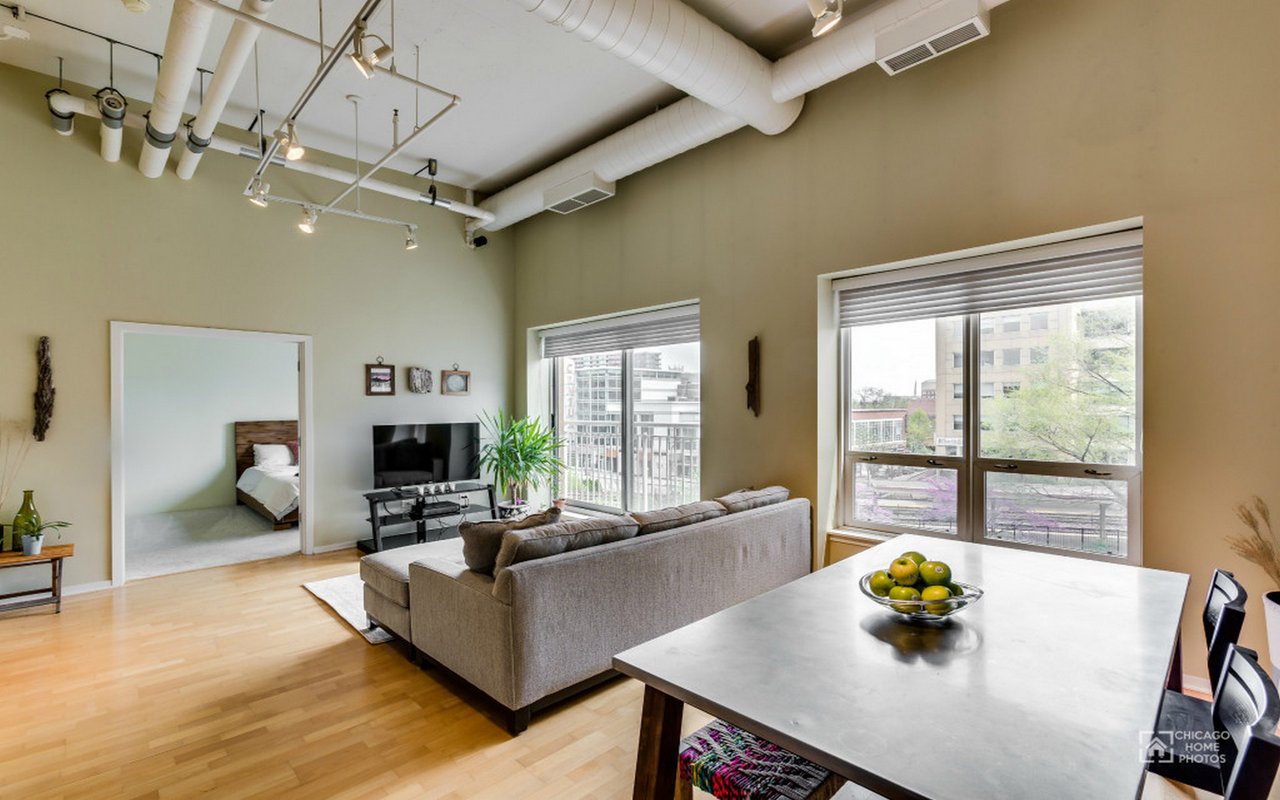
- Ceiling height: The 10- and 11-foot ceilings found in vintage buildings amplify the same window opening dramatically compared to an 8-foot ceiling; it reads as an entirely different home
How Natural Light Affects Value and Resale
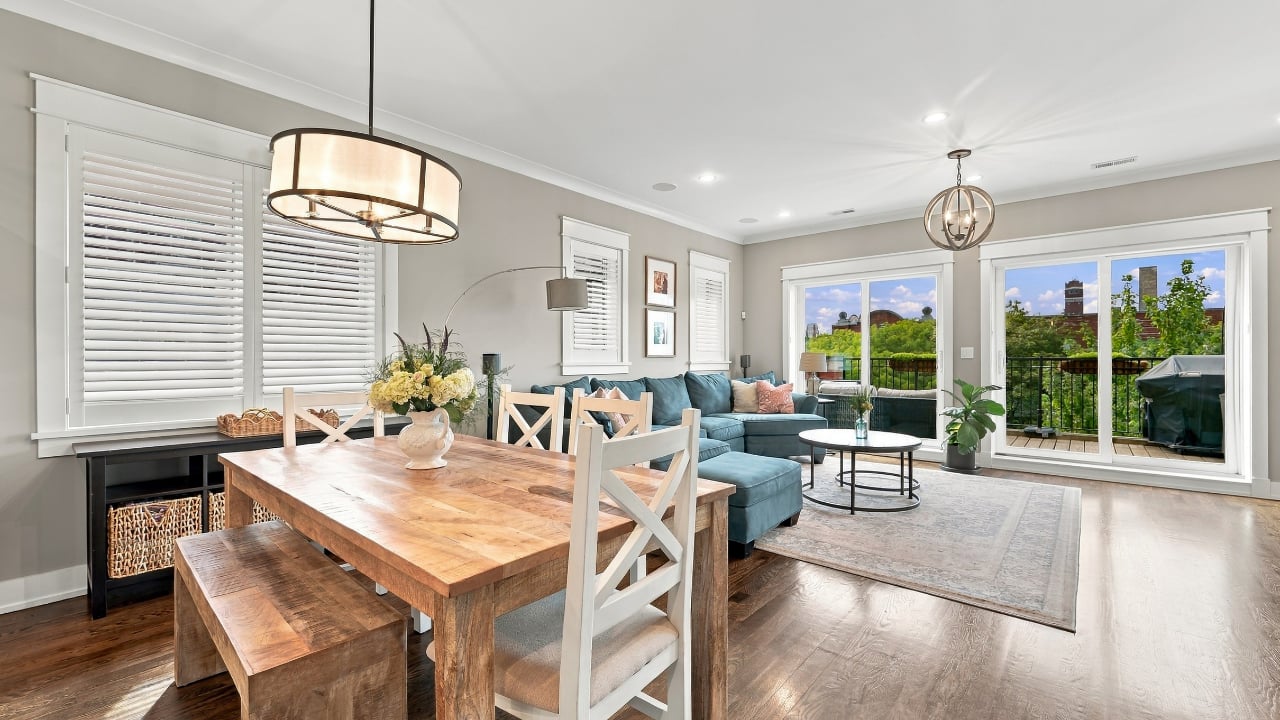
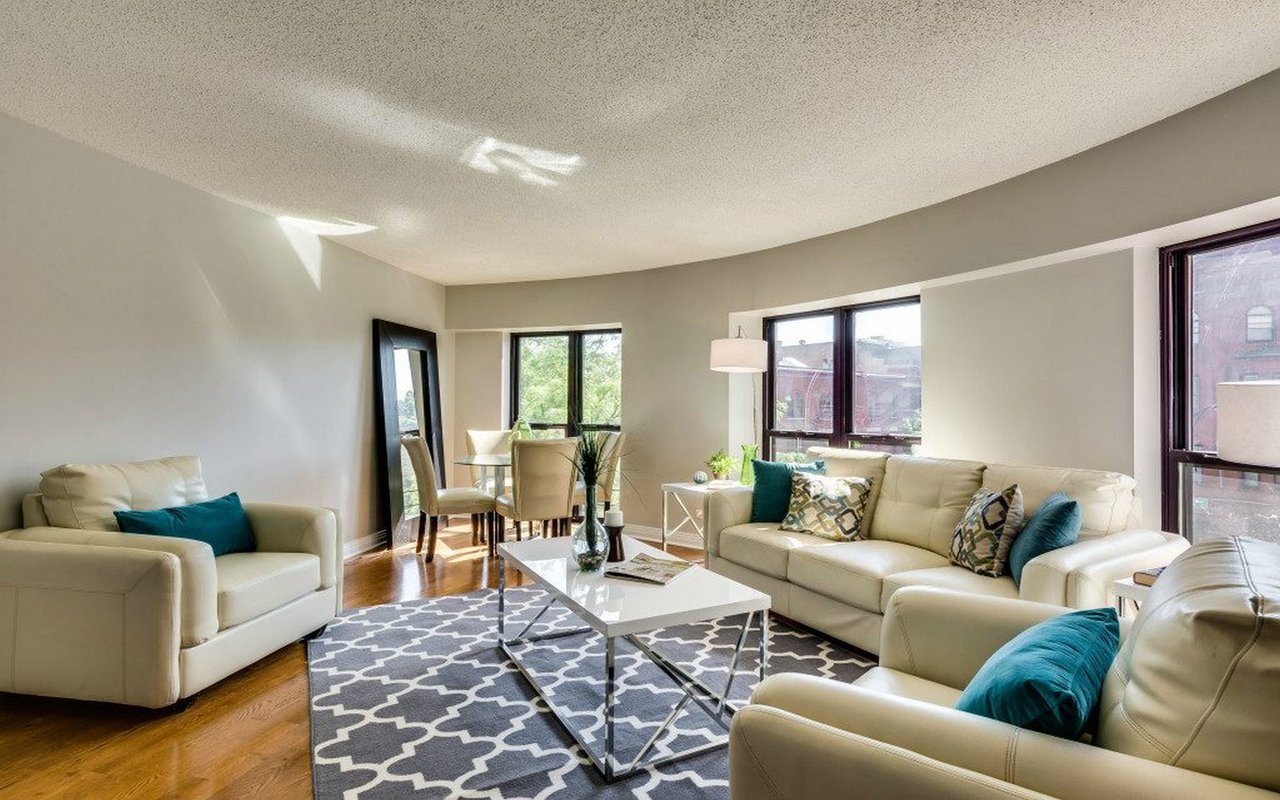
Buyers in Chicago make emotional decisions quickly when light and space align, and they hesitate just as fast when a home photographs dark or feels dim on a showing. In Bucktown and Wicker Park, where comparable square footage exists across dozens of properties, light becomes the primary differentiating factor. A south-facing great room with original tall windows consistently outperforms a similar home with a choppy floor plan, regardless of finishes.
Roscoe Village and North Center attract buyers choosing a quieter residential lifestyle, and in those neighborhoods, a home that feels warm and bright through Chicago's gray winters is a genuine competitive advantage — one that shows up in days on market and final sale price alike.
How Light Affects Resale Performance Specifically
- Listing photography: Natural light is the single biggest variable in how a home photographs; bright listings generate measurably more showing requests than dark ones at the same price point
- Days on market: Well-lit homes in Logan Square and Bucktown attract faster initial offers; buyers who feel the light on a first showing are far less likely to walk away and think it over
- Comp support: Buyers consistently pay more for light-filled renovated homes, which filters directly into appraisal data over time and supports stronger pricing for the whole block
- Investment and rental value: Upper-floor units with southern exposure in Avondale and North Center two-flats command higher rents and lower vacancy than comparable lower-floor or north-facing units
Frequently Asked Questions
Can I add natural light to a Chicago home that doesn't have much?
Yes, though options vary by property type. Skylights work well on top-floor units and single-family homes. Opening walls between front and rear rooms allows borrowed light to travel through narrow floor plans. In vintage two-flats, converting a rear bedroom into an open kitchen or dining area is one of the most effective renovations for improving light. We can help you evaluate what's realistic on a specific property before you make an offer.
Which Chicago neighborhoods tend to have the brightest homes?
It varies more by lot orientation and building type than by neighborhood. Corner lots anywhere on the Northwest Side (common in Wicker Park and Logan Square) are consistently brighter than mid-block properties. Roscoe Village and North Center have more single-family homes on wider lots, which allows for better side exposure. We know which blocks and building configurations to prioritize when light is a top concern.
Does natural light matter as much in a condo as in a single-family home?
It matters differently. In a condo, floor height and cardinal orientation determine your light almost entirely. In a single-family or two-flat, architectural decisions and floor plan configuration play a much larger role. Either way, it's one of the first things we walk buyers through when evaluating any property.
Reach Out to KlopasStratton Team Today
Natural light is easy to underestimate on a sunny spring showing day and very easy to regret on a gray February afternoon. At KlopasStratton Team, we know Chicago's housing stock well enough to help you evaluate exactly what you're getting (and what you can realistically improve) before you sign.
When you're ready to find a home that works in every season, reach out to us at the KlopasStratton Team and let's start looking.
When you're ready to find a home that works in every season, reach out to us at the KlopasStratton Team and let's start looking.