By KlopasStratton Team
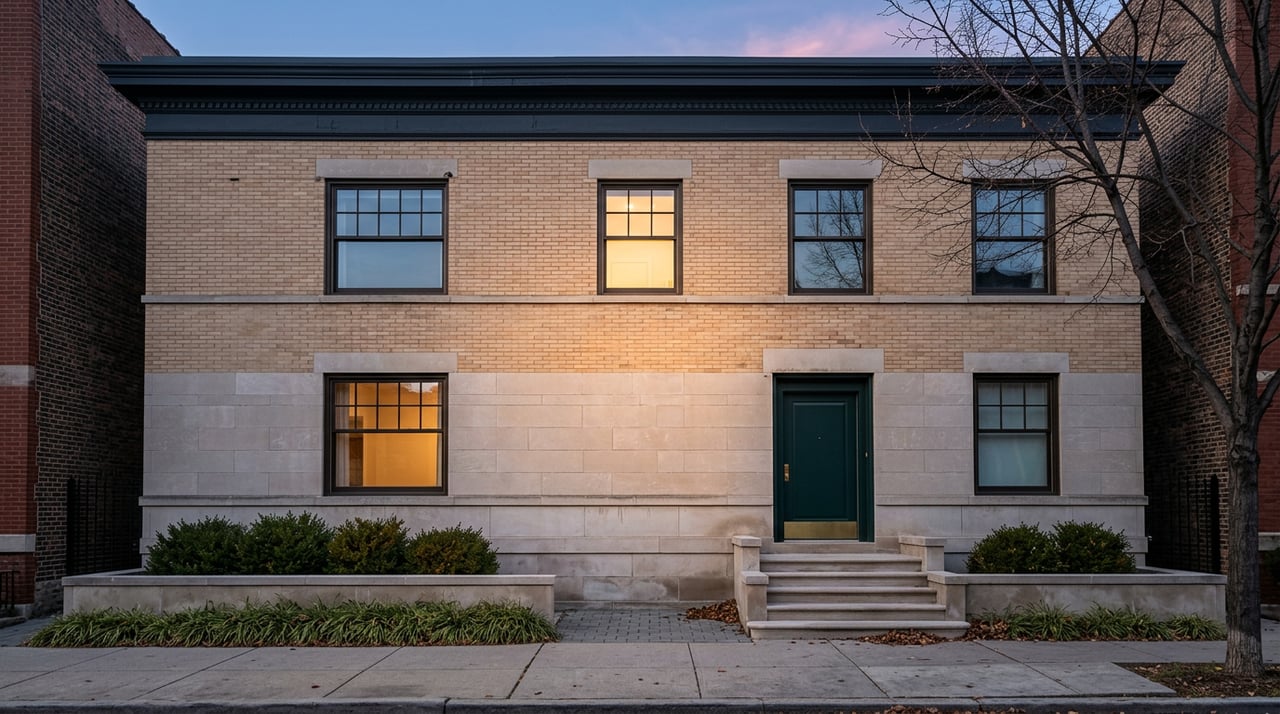
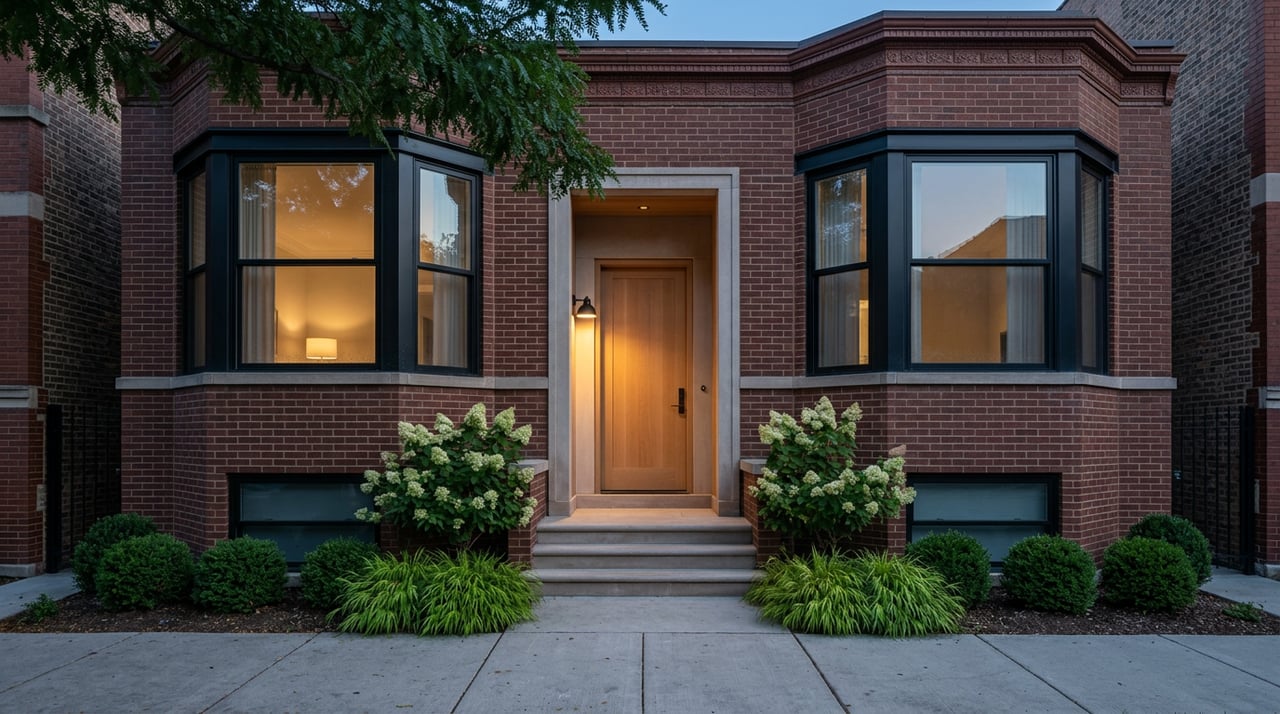
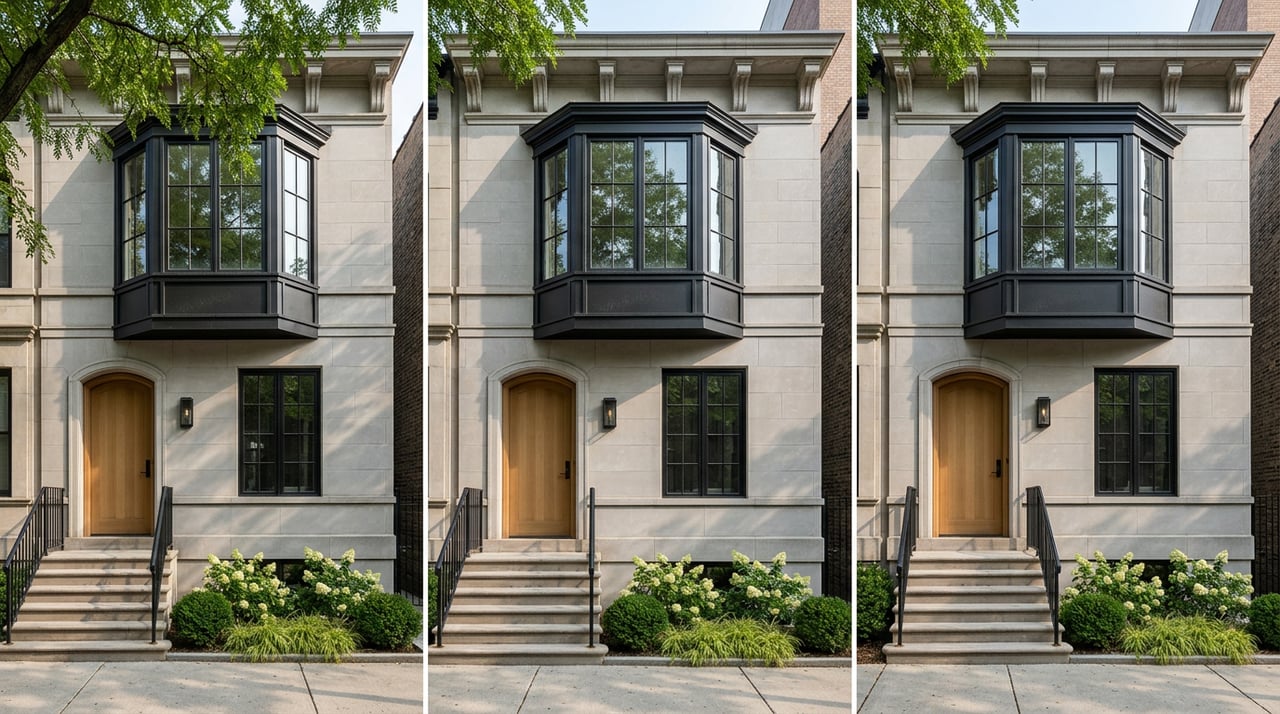
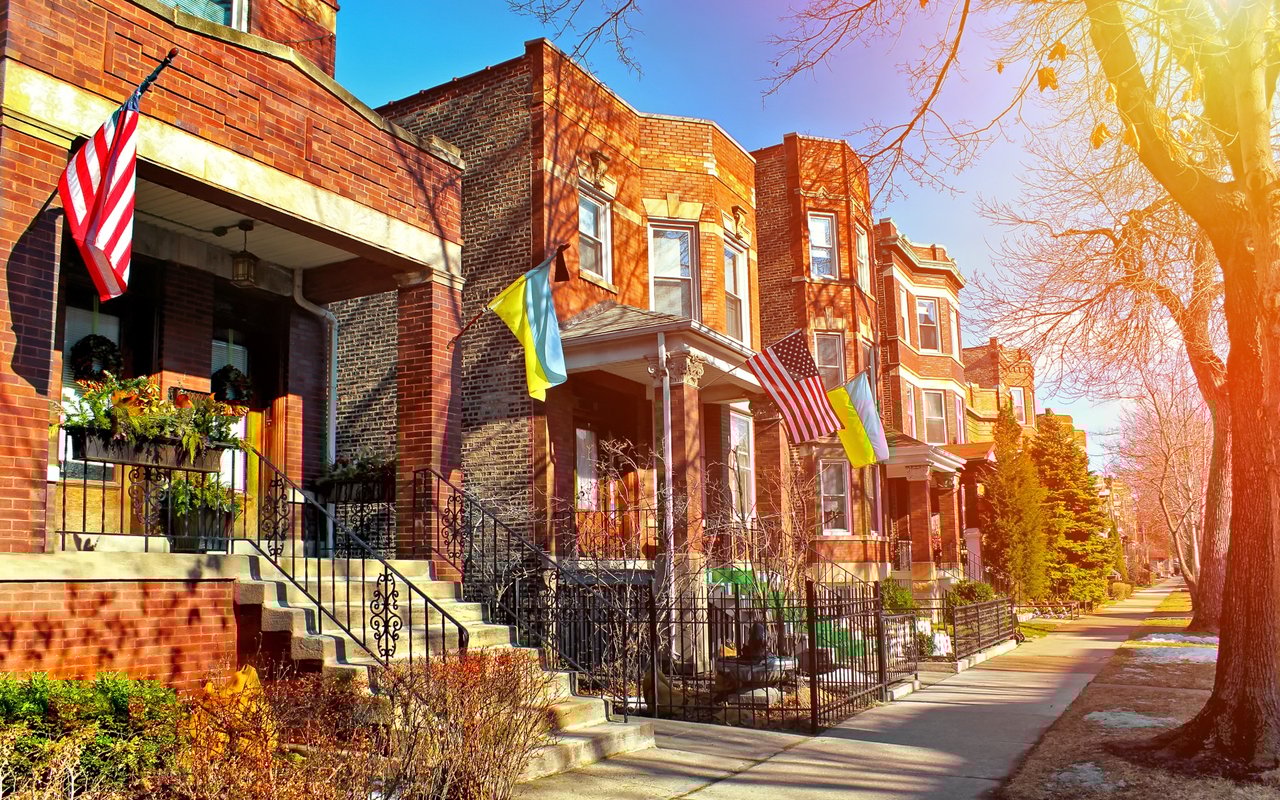
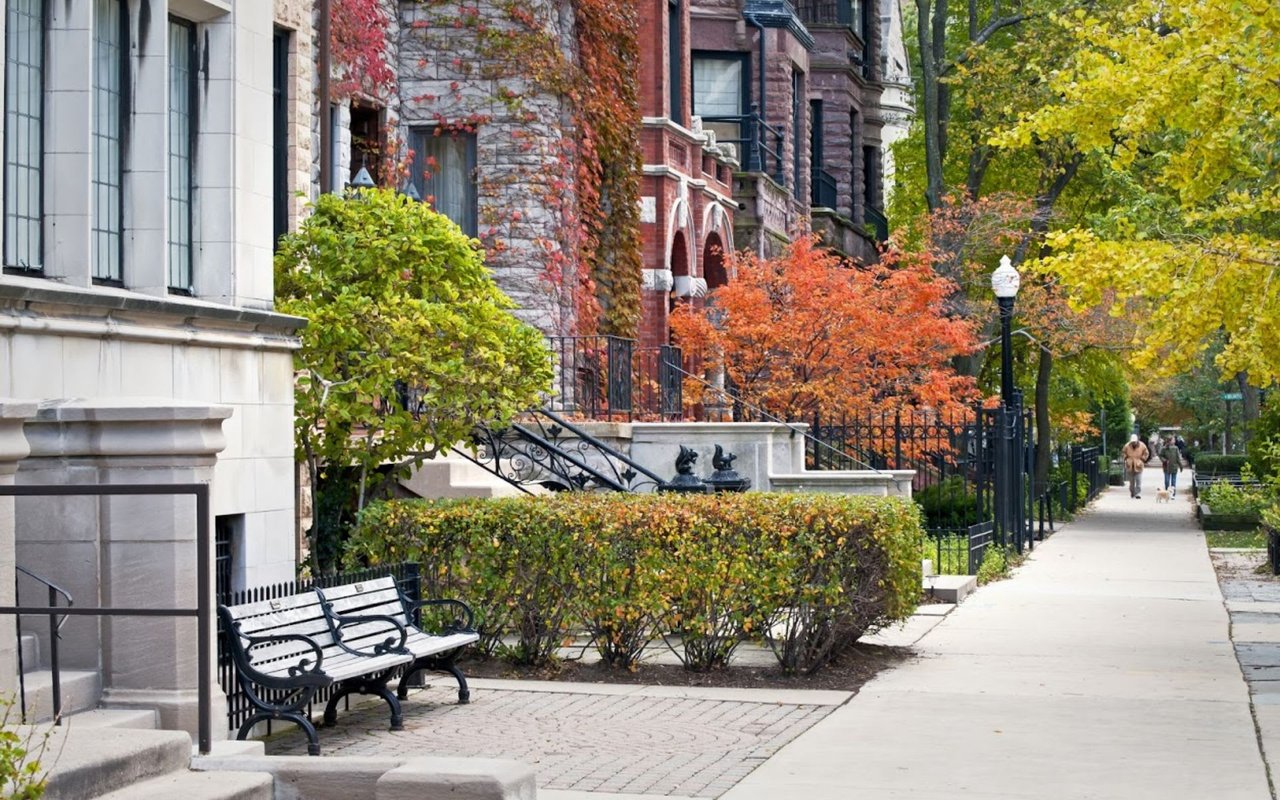
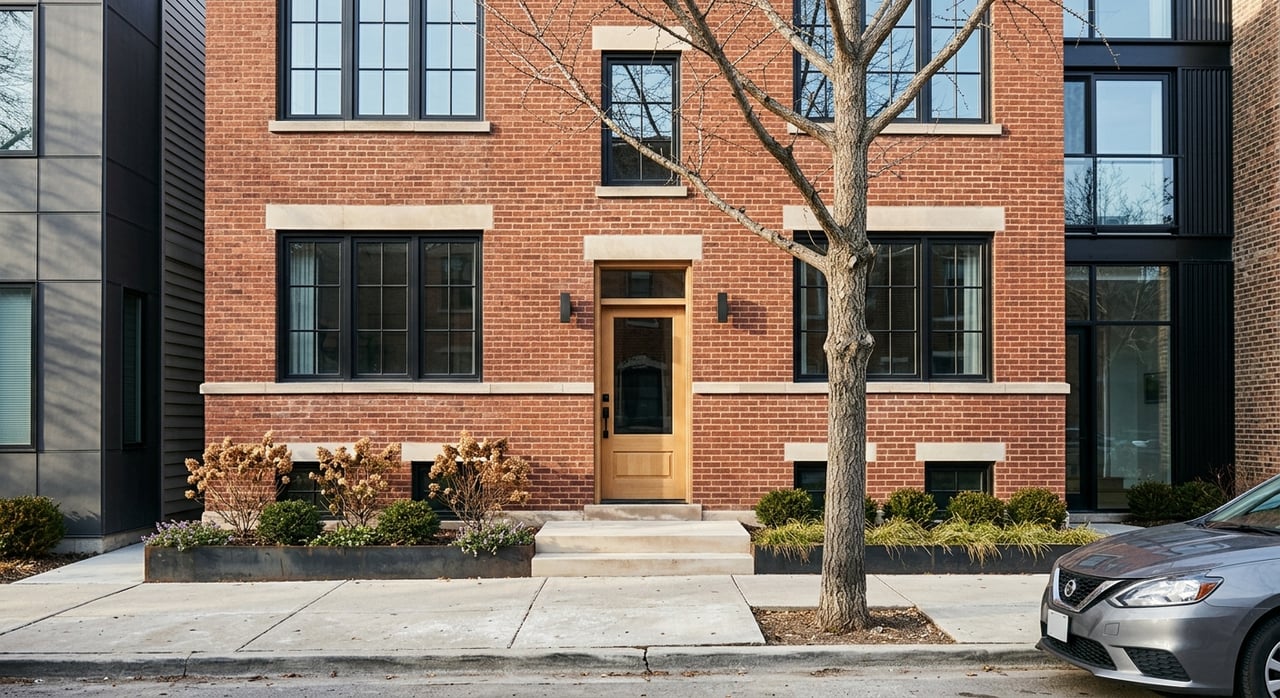
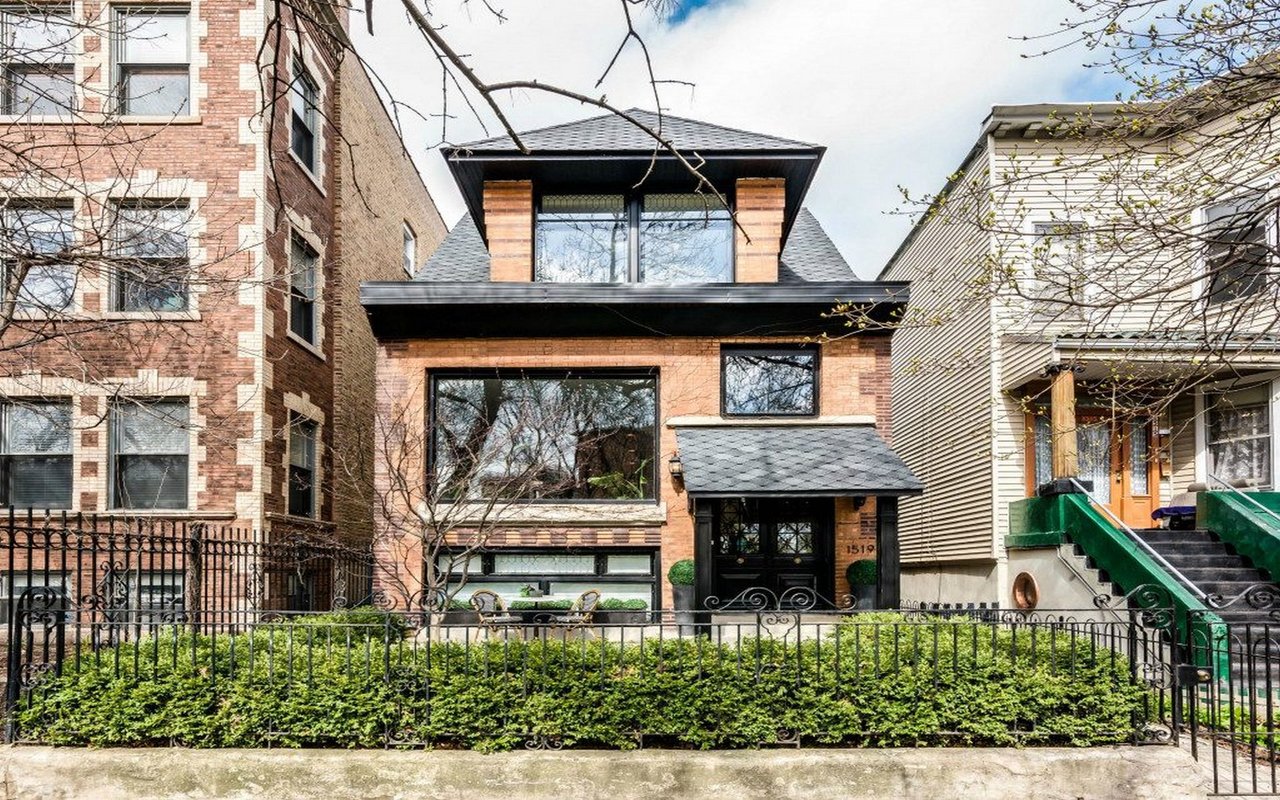
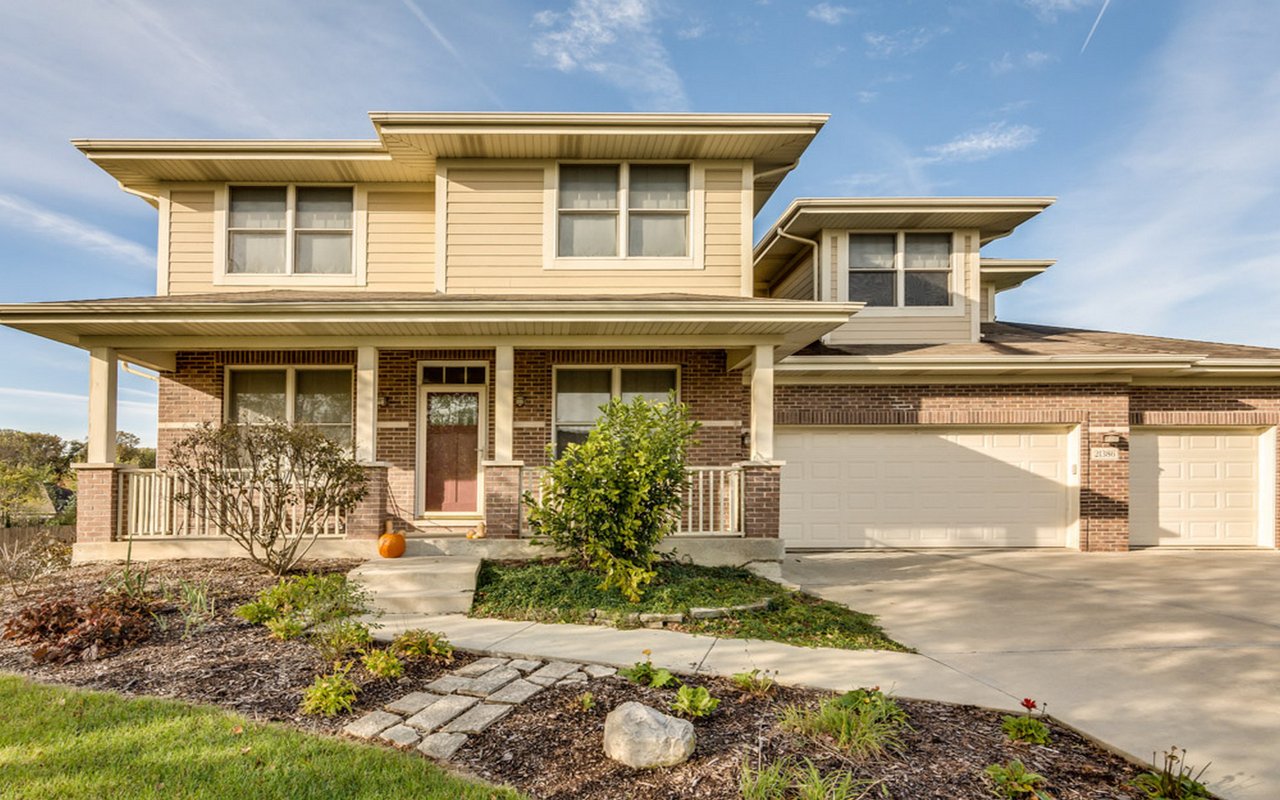
Chicago's residential building types are as distinctive as any in the country, and the homes we work in every day — greystones in Logan Square, two-flats in Wicker Park, bungalows in Roscoe Village, converted lofts in Bucktown — each carry architectural details that shape what interior design approaches feel honest and what feels like it is working against the building. The most successful interiors we see are the ones where the design responds to the building rather than ignoring it.
Key Takeaways
-
Chicago's historic building types reward interior design that acknowledges and builds on their original character rather than covering it up
-
Converted loft spaces have their own design logic and work best when the industrial bones are treated as a design asset, not something to soften or conceal
-
The neighborhoods we serve — Bucktown, Wicker Park, Logan Square, North Center, Roscoe Village, and Avondale — each have a design culture that reflects the character of the community
-
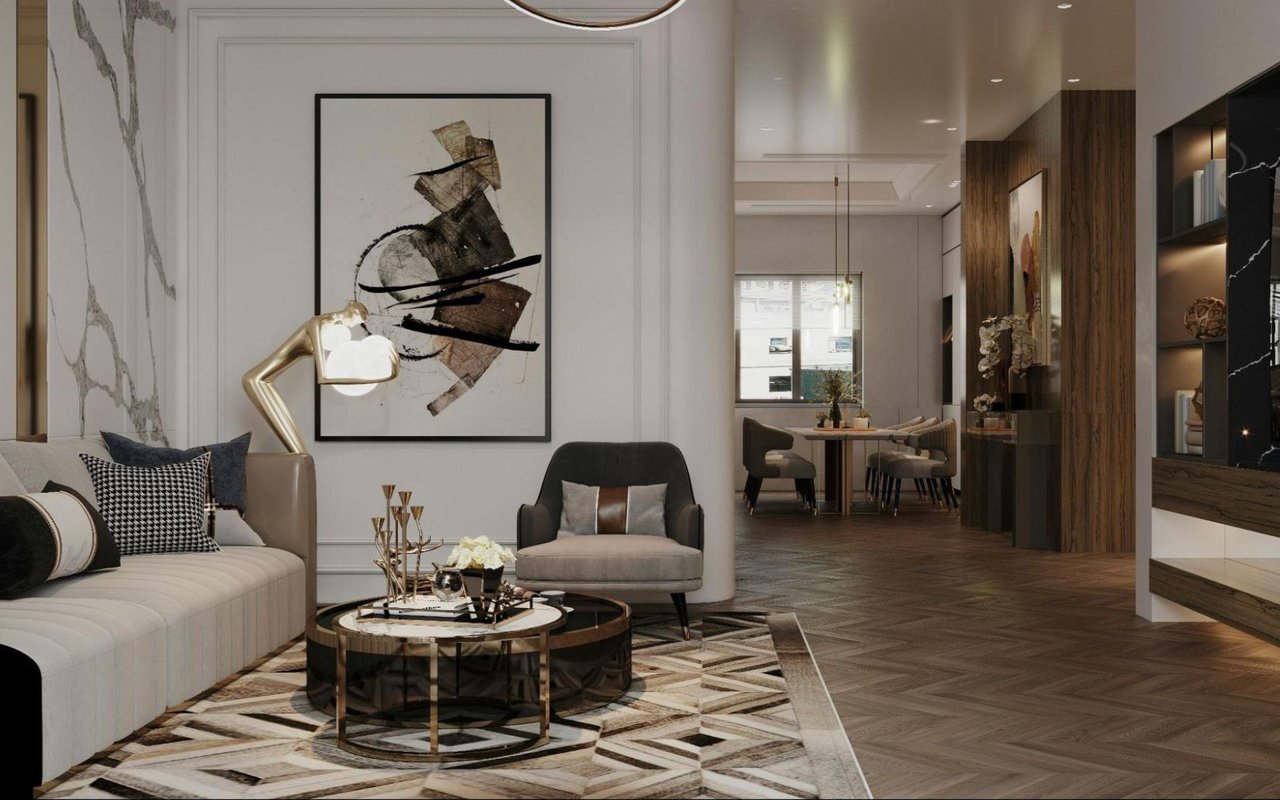
Layering original architectural detail with contemporary furnishings and materials produces the most livable and most enduring Chicago interiors
Historic Warmth for Greystones and Two-Flats
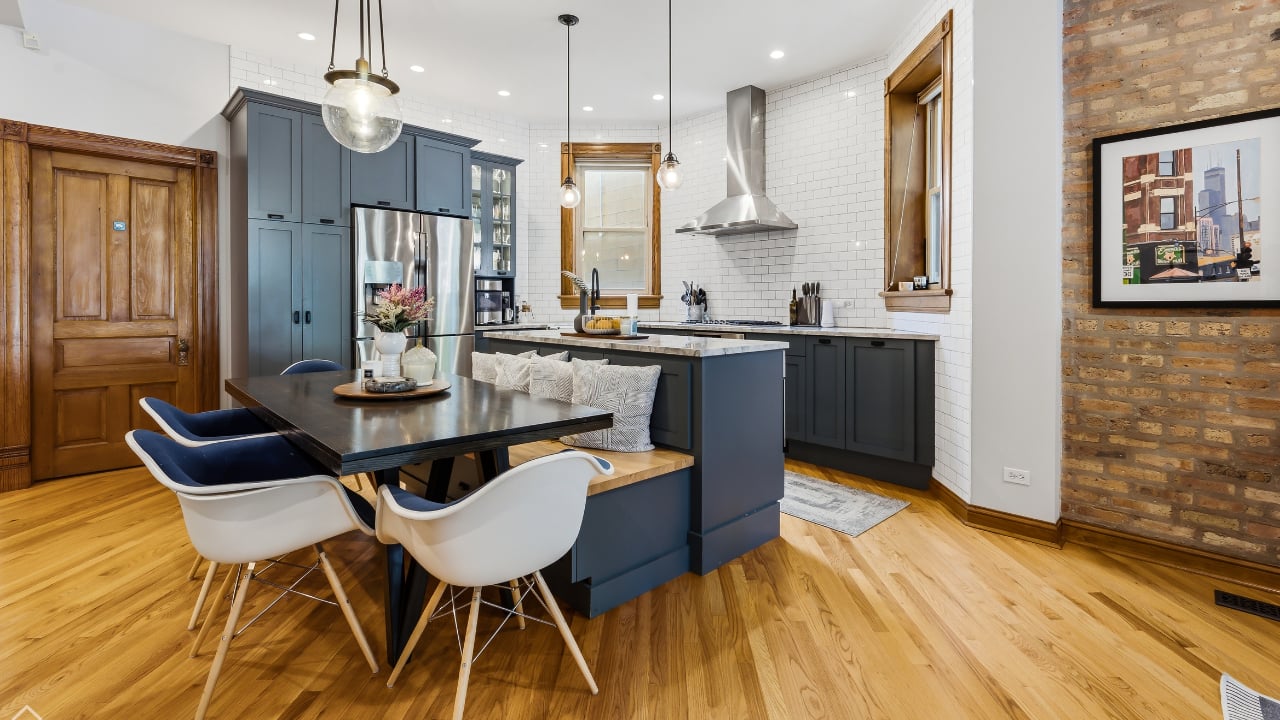
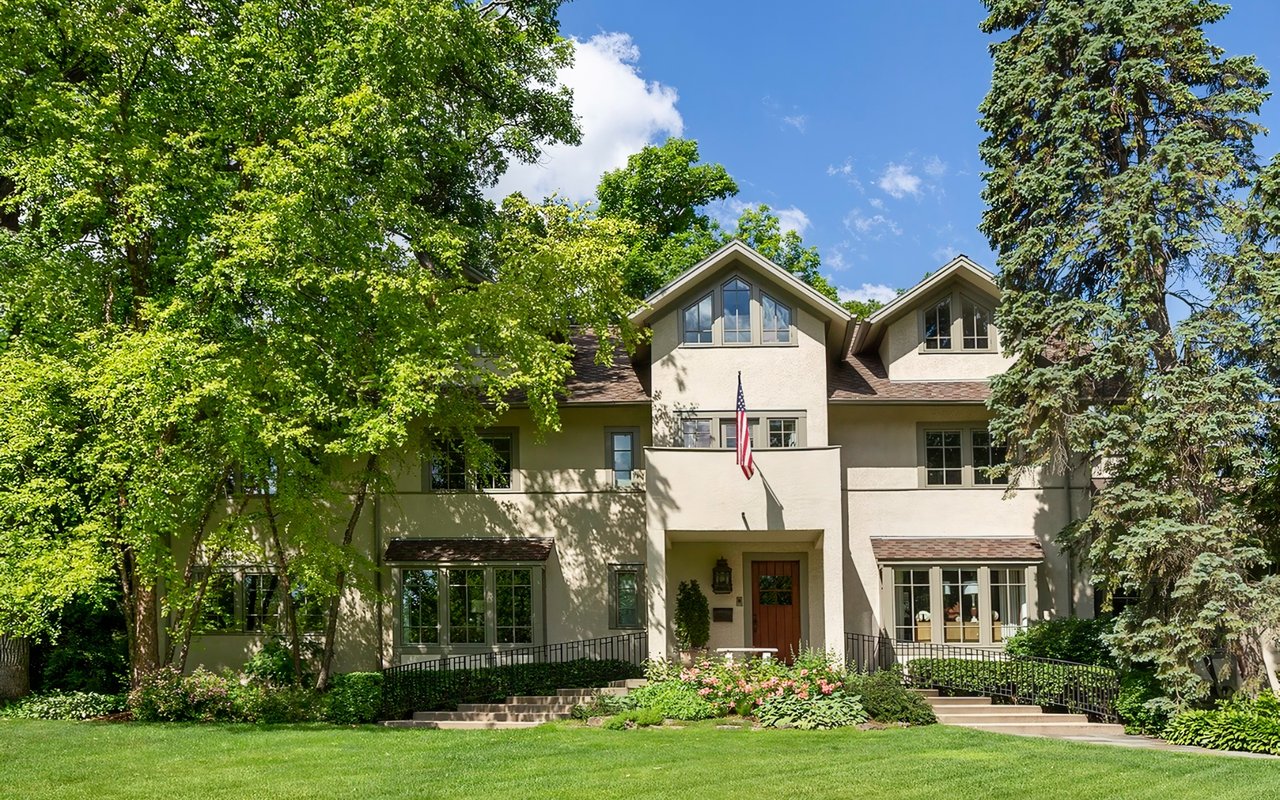
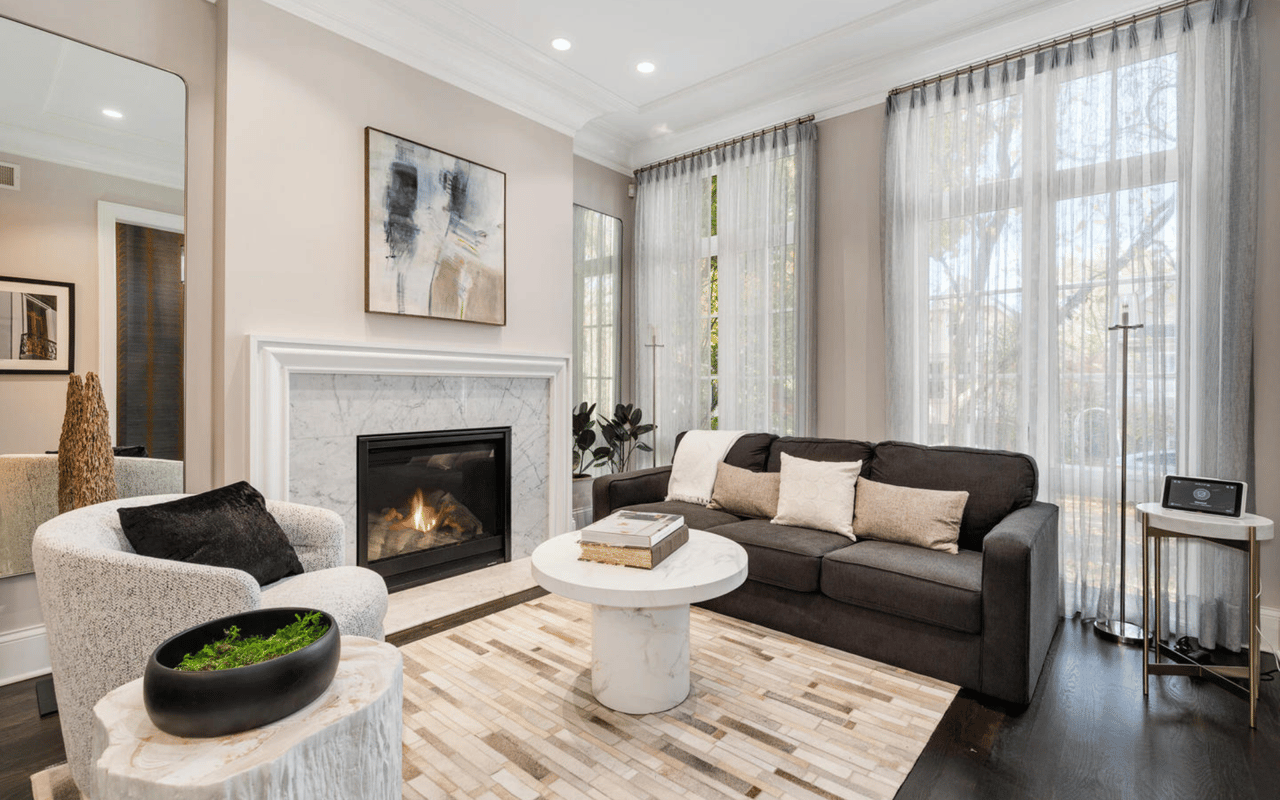
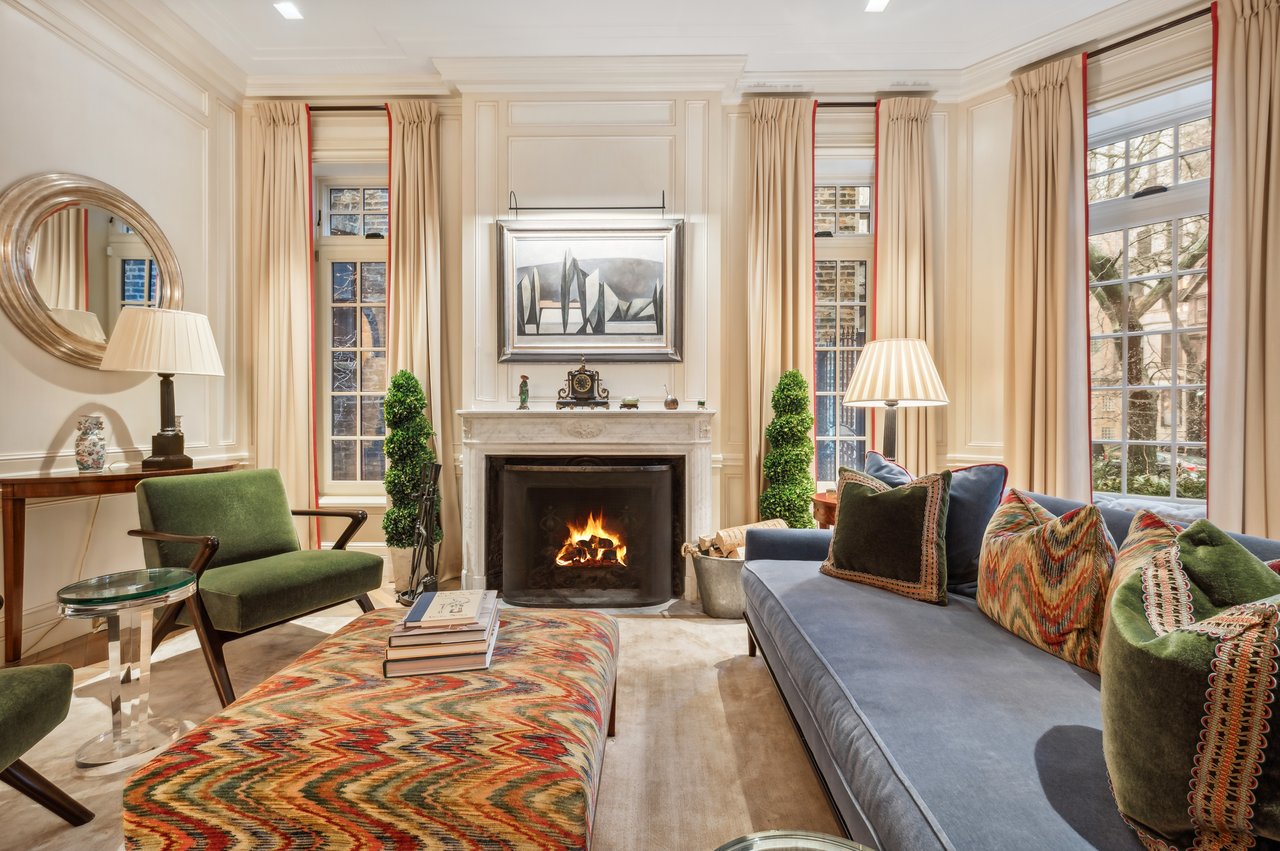
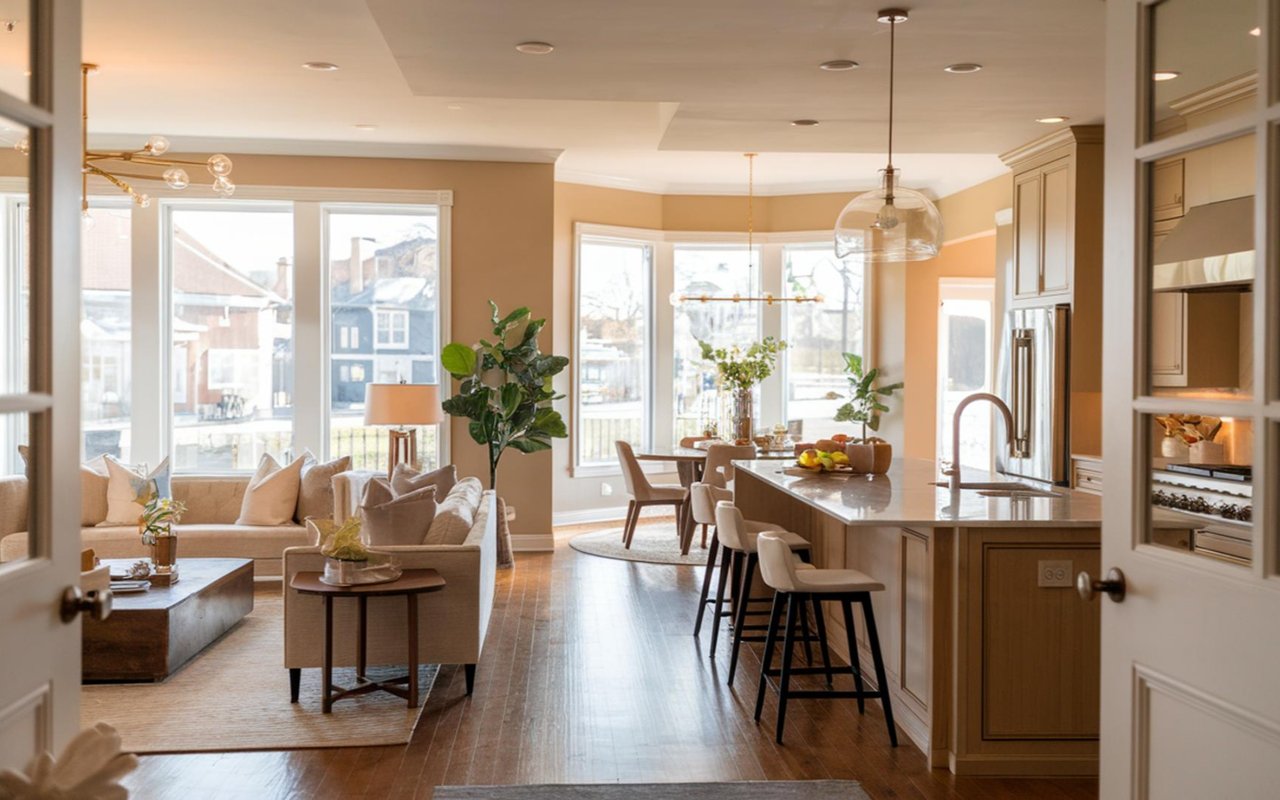
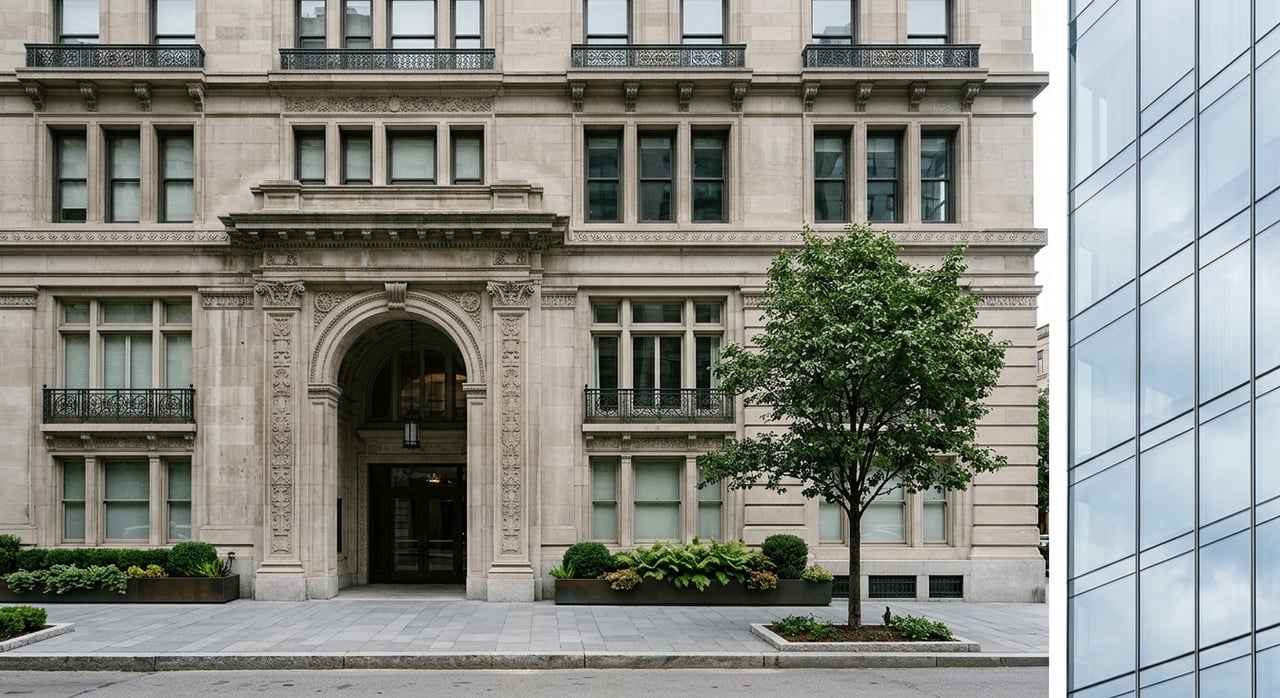
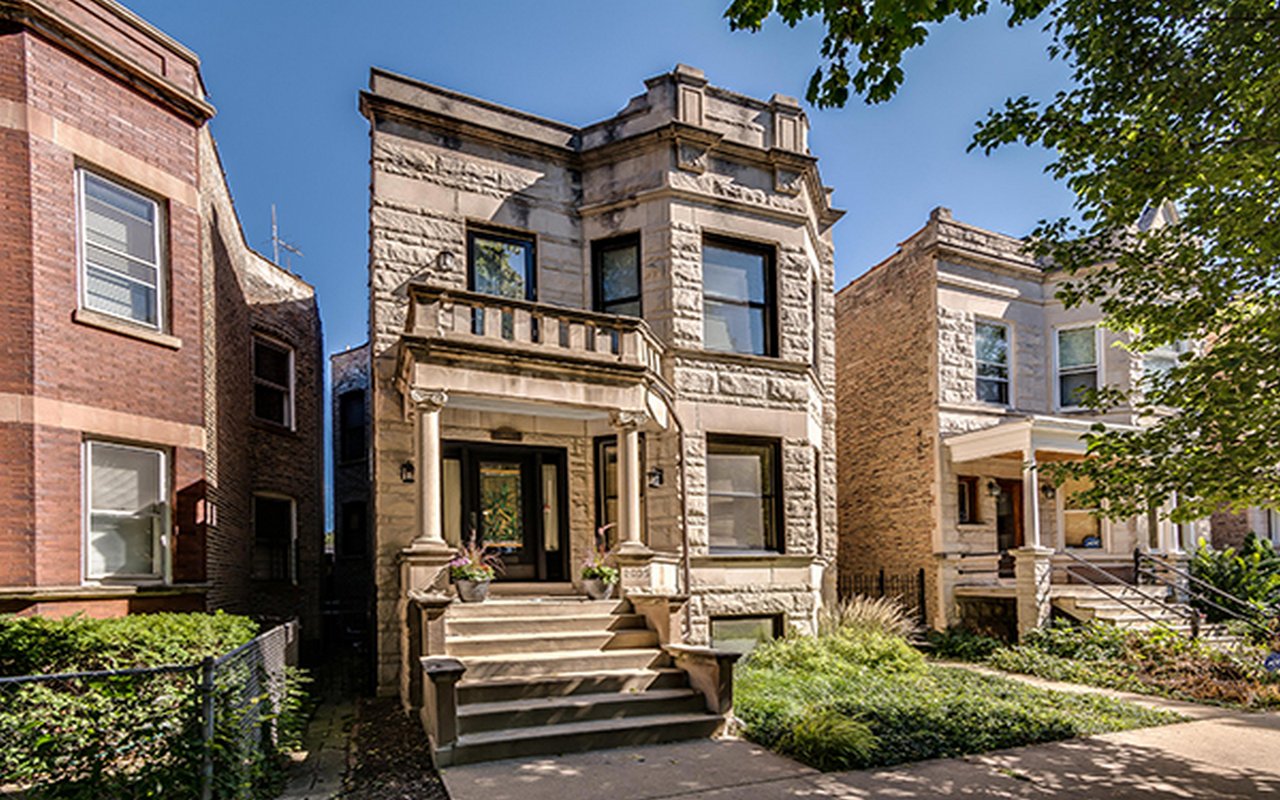
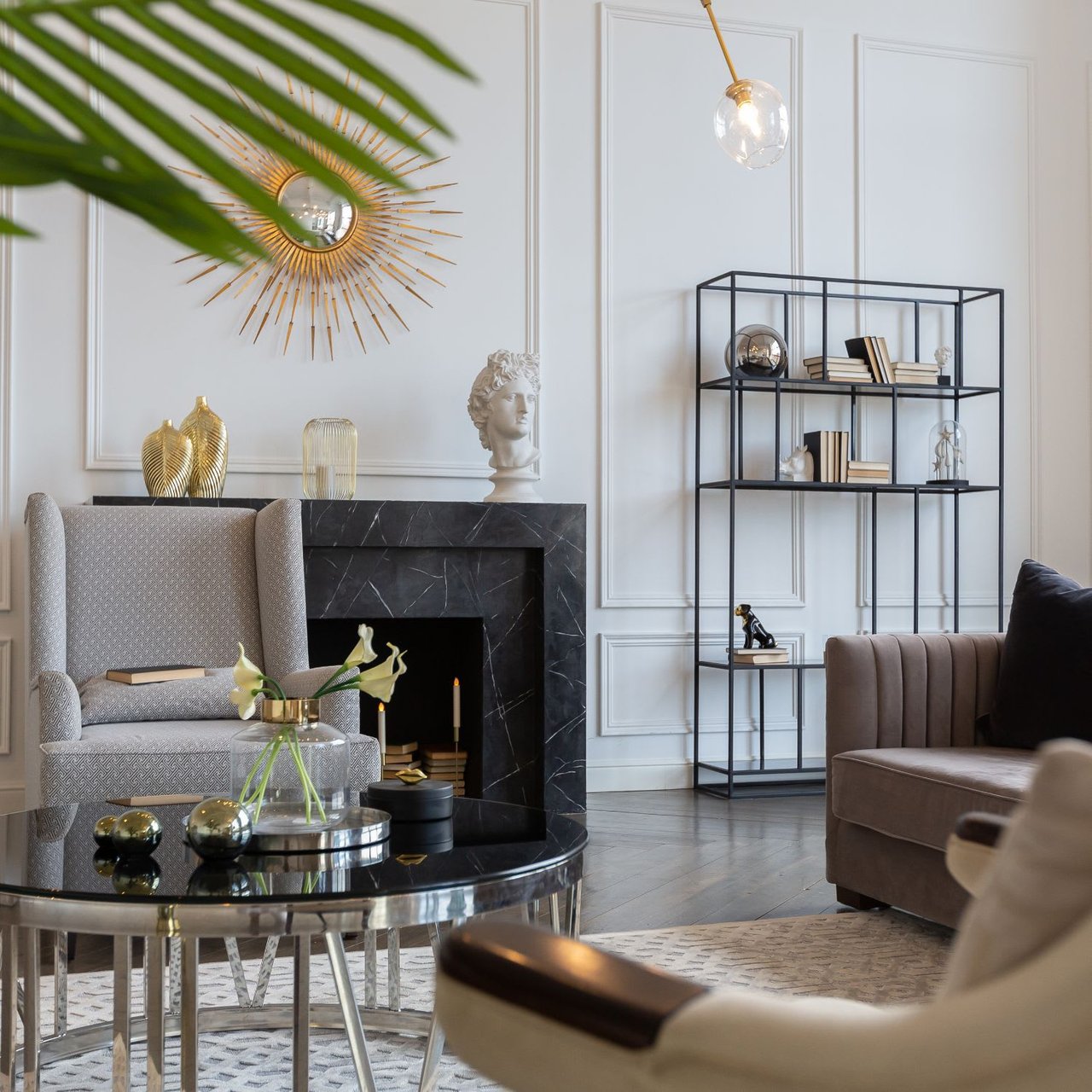
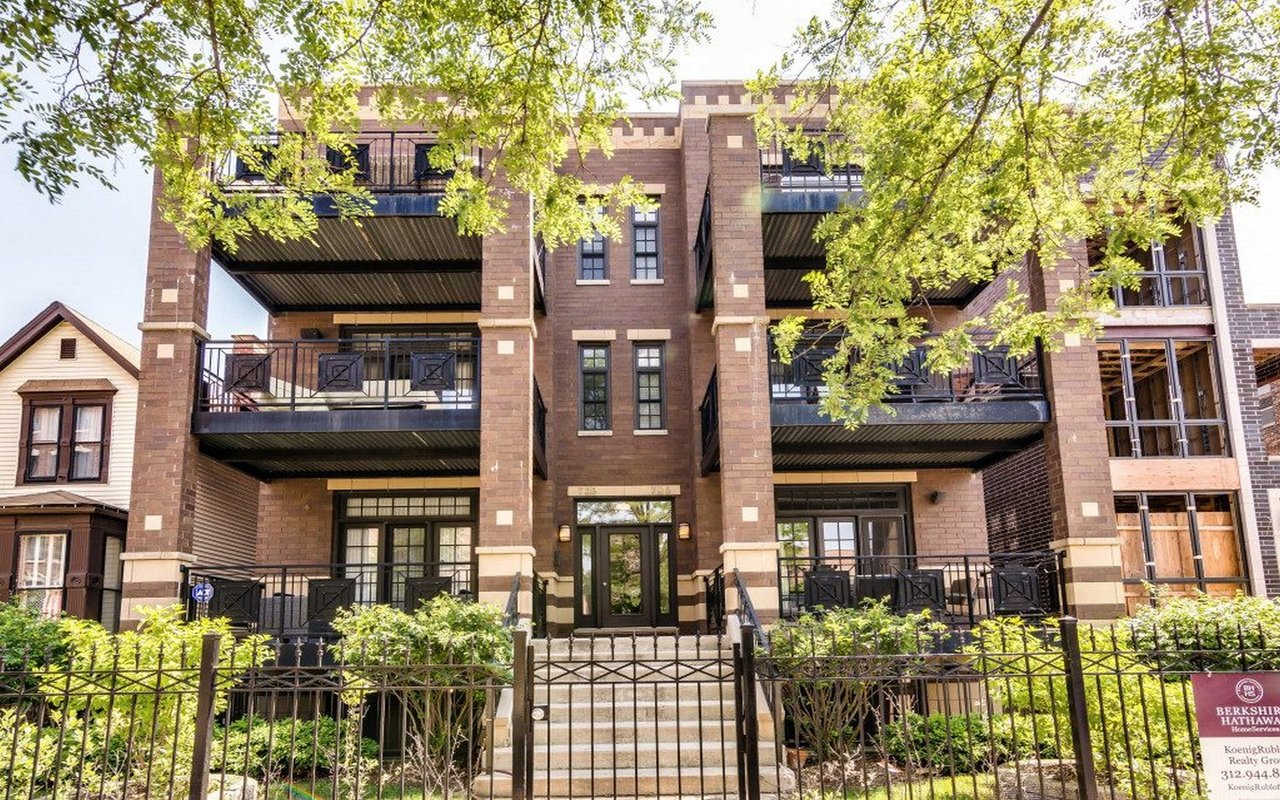
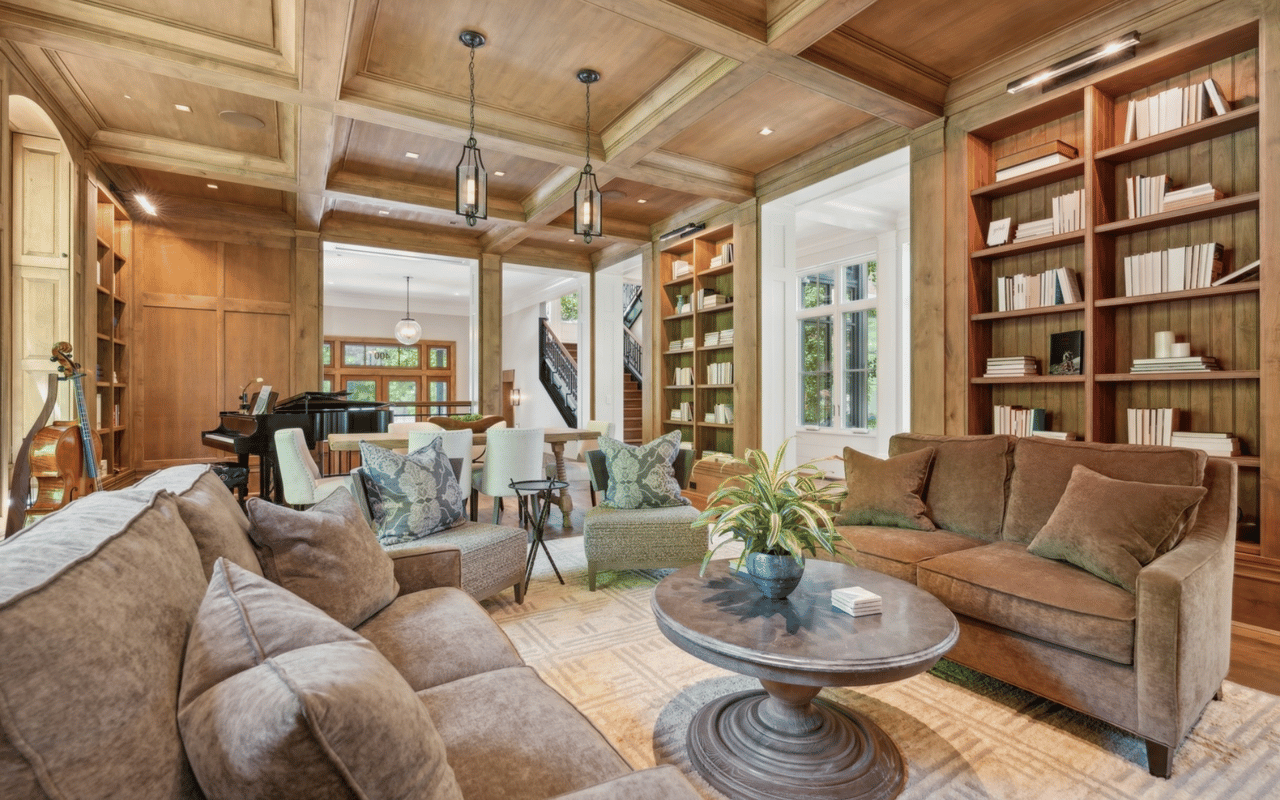
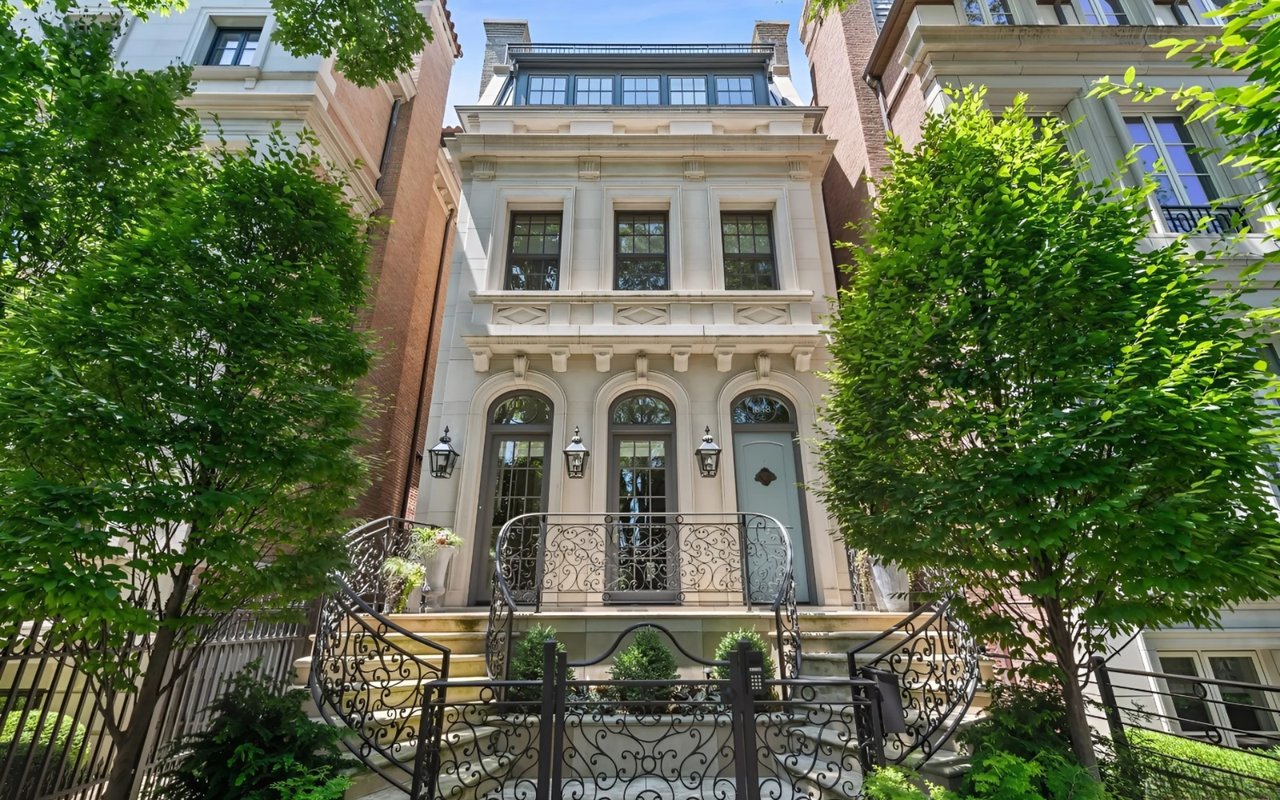
Greystones and two-flats were built with extraordinary detail, from plaster walls and high ceilings to original hardwood floors and ornate wood trim. The most successful interiors start from a clear position: preserve what is there, restore what has been damaged, and introduce contemporary elements that complement rather than compete with the original fabric.
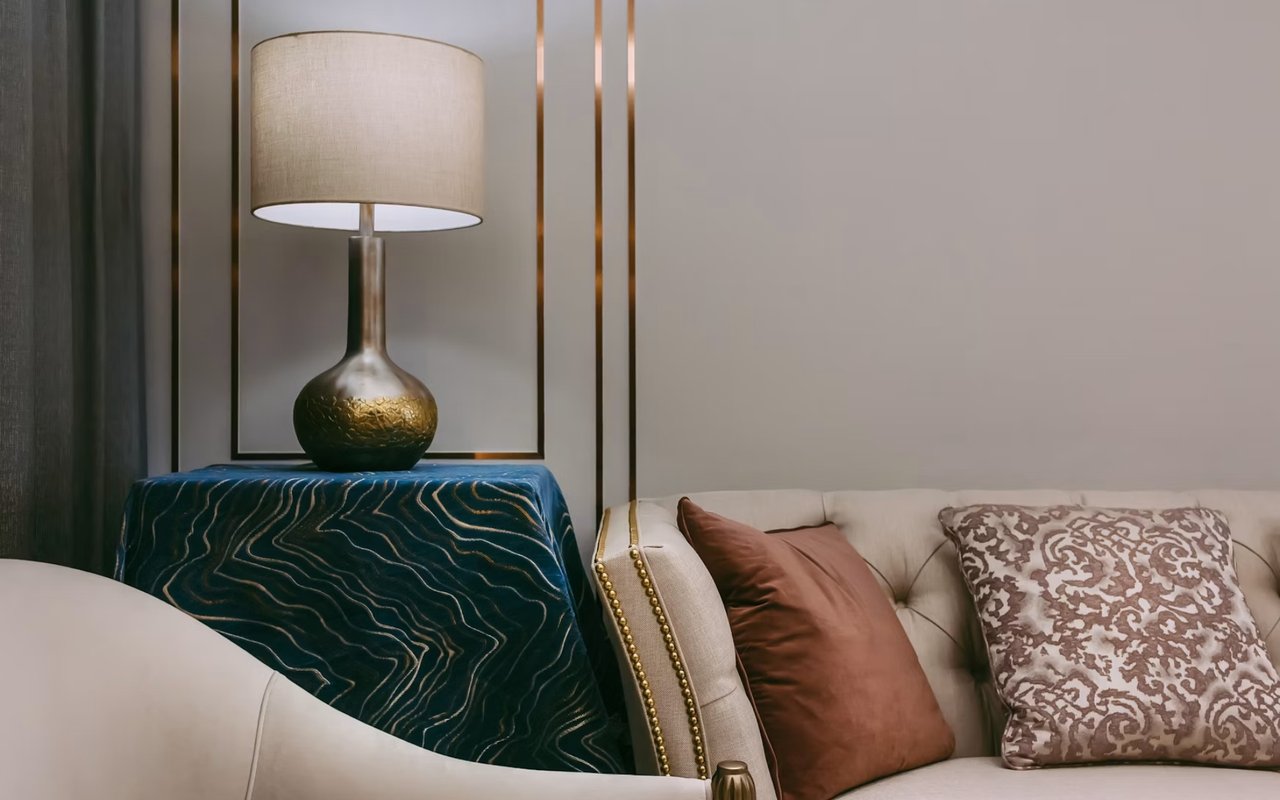
This means refinishing rather than covering original hardwood floors, stripping paint from wood trim rather than replacing it, and choosing furnishings with weight and warmth. Greystones in particular can absorb a level of richness that lighter, more minimal interiors cannot. The architecture invites it, and sparse modern furnishings in a high-ceilinged greystone often feel more uncomfortable than at home.
This means refinishing rather than covering original hardwood floors, stripping paint from wood trim rather than replacing it, and choosing furnishings with weight and warmth. Greystones in particular can absorb a level of richness that lighter, more minimal interiors cannot. The architecture invites it, and sparse modern furnishings in a high-ceilinged greystone often feel more uncomfortable than at home.
Design Principles for Chicago Greystones and Two-Flats
-
Restore and preserve original architectural detail, such as hardwood floors, plaster walls, wood trim, bay windows, and decorative fireplace elements
-
Choose furniture with visual weight proportional to the architectural scale, as low modern pieces can feel dwarfed by nine- or ten-foot ceilings and ornate trim
-
Use warm, deep tones in paint, upholstery, and textiles that respond to the natural light and original window configurations of these buildings
-
Layer lighting at multiple levels rather than a single overhead fixture to create warmth
Industrial Modern for Converted Lofts
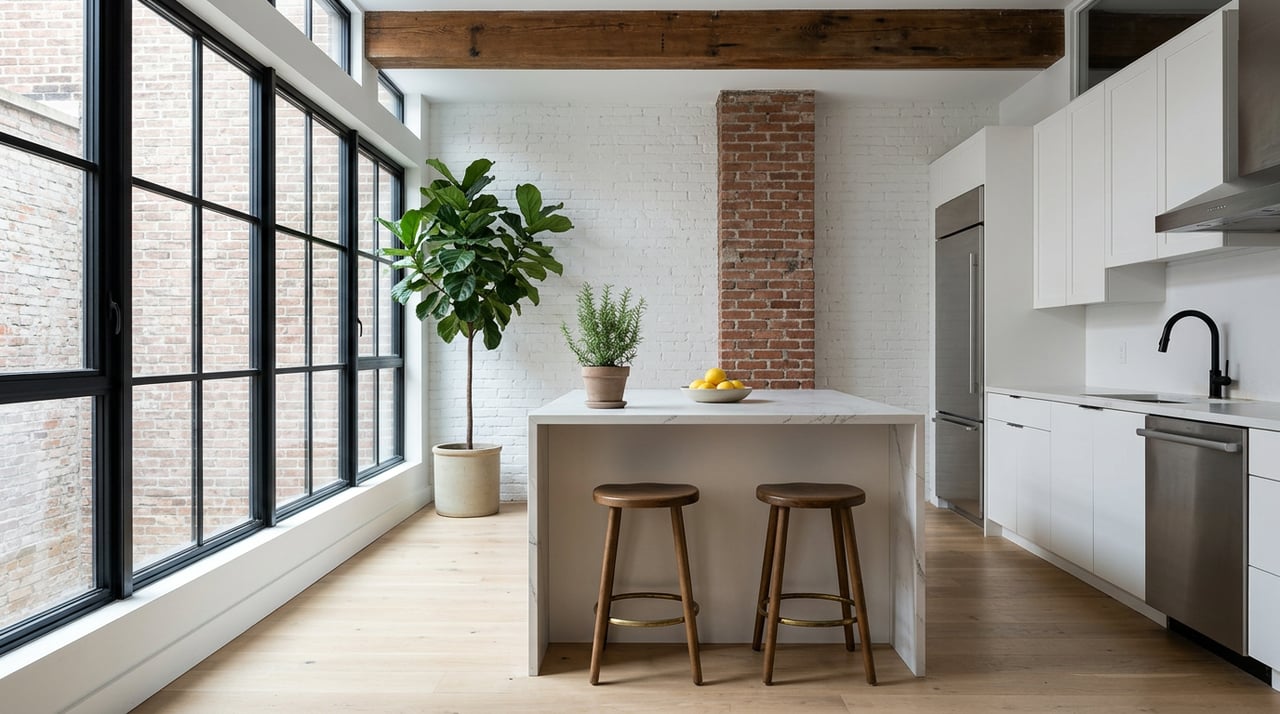
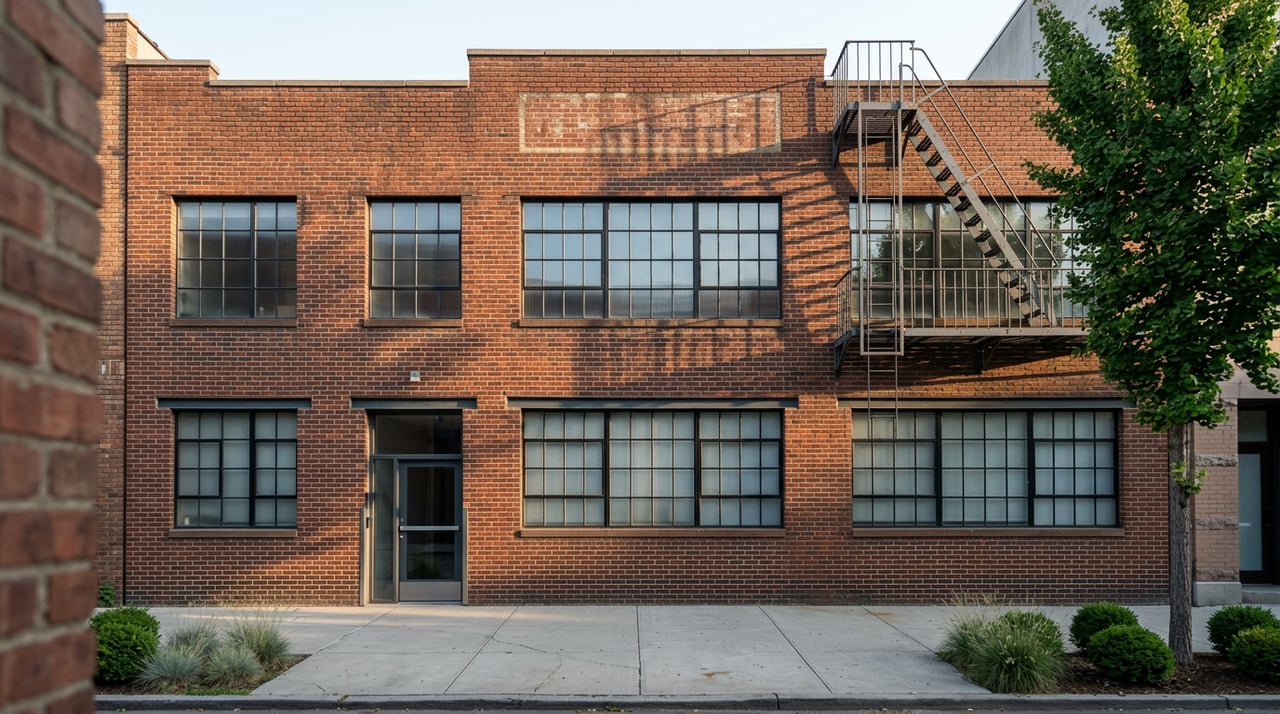
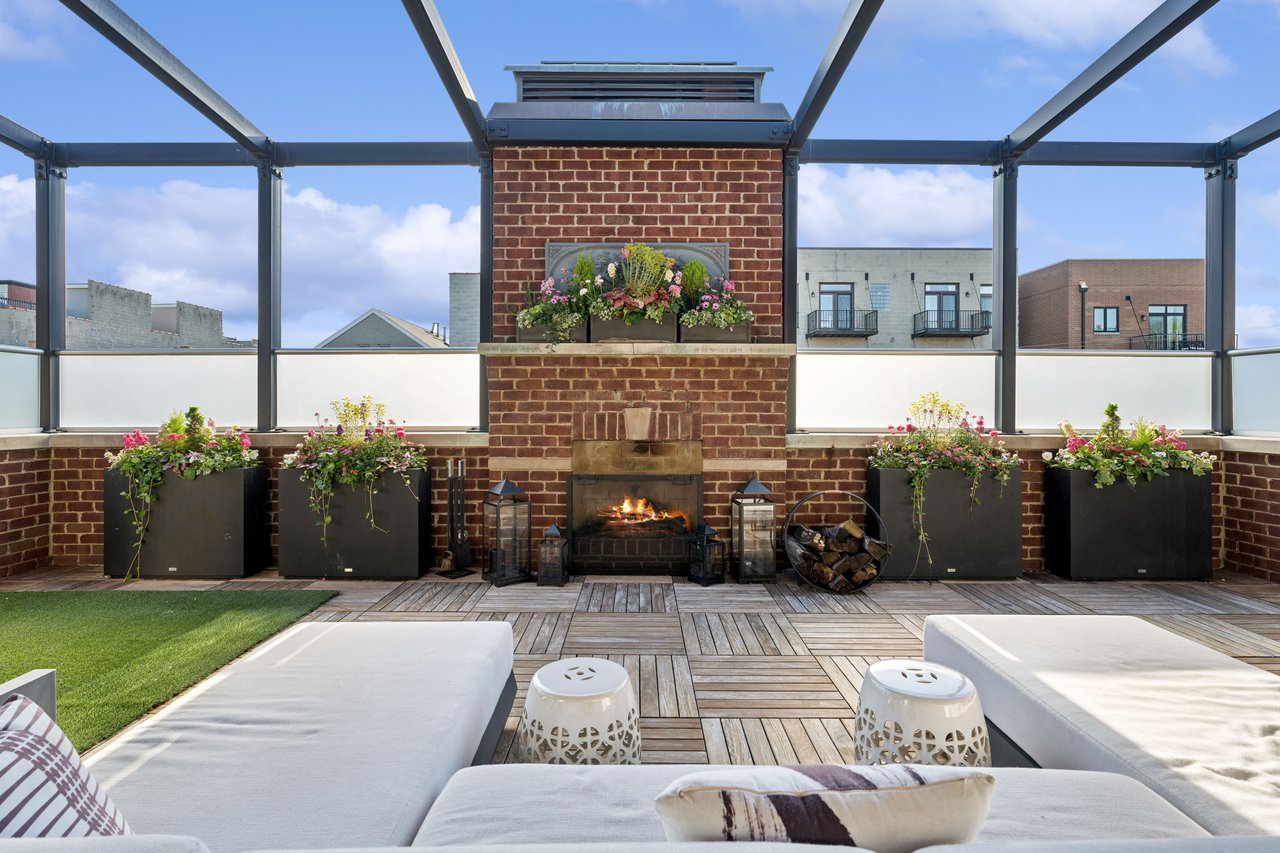
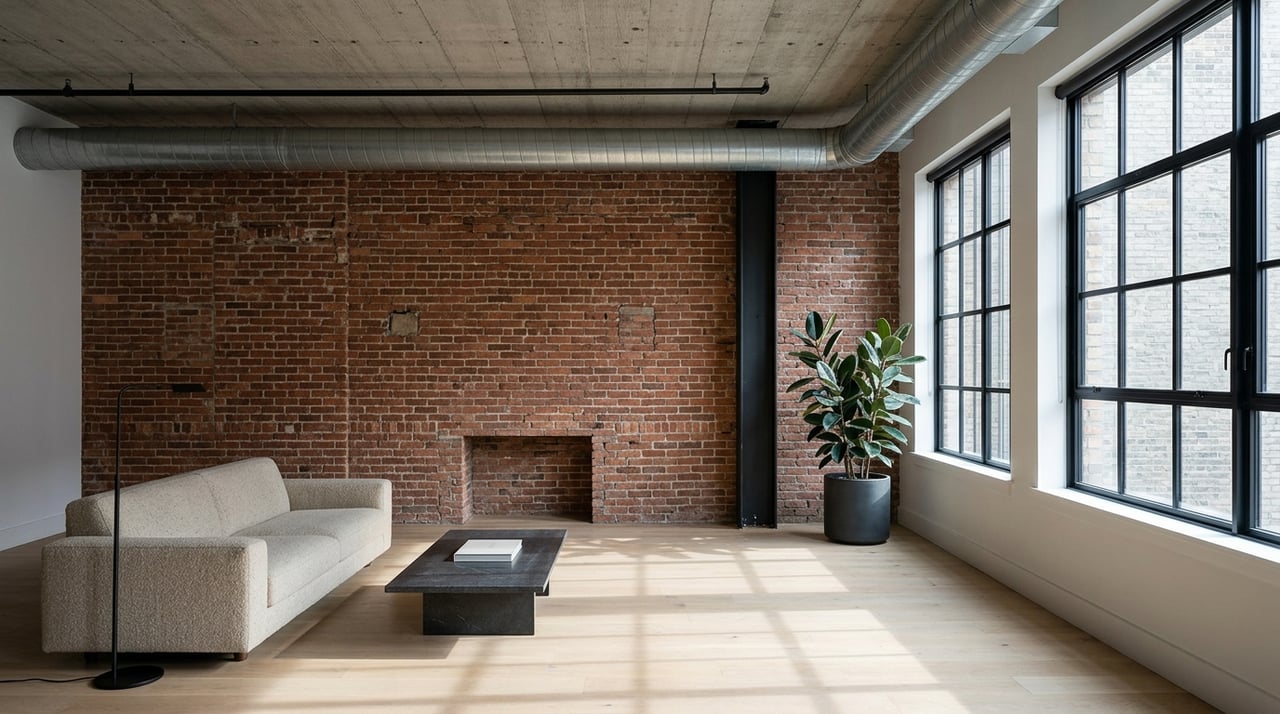
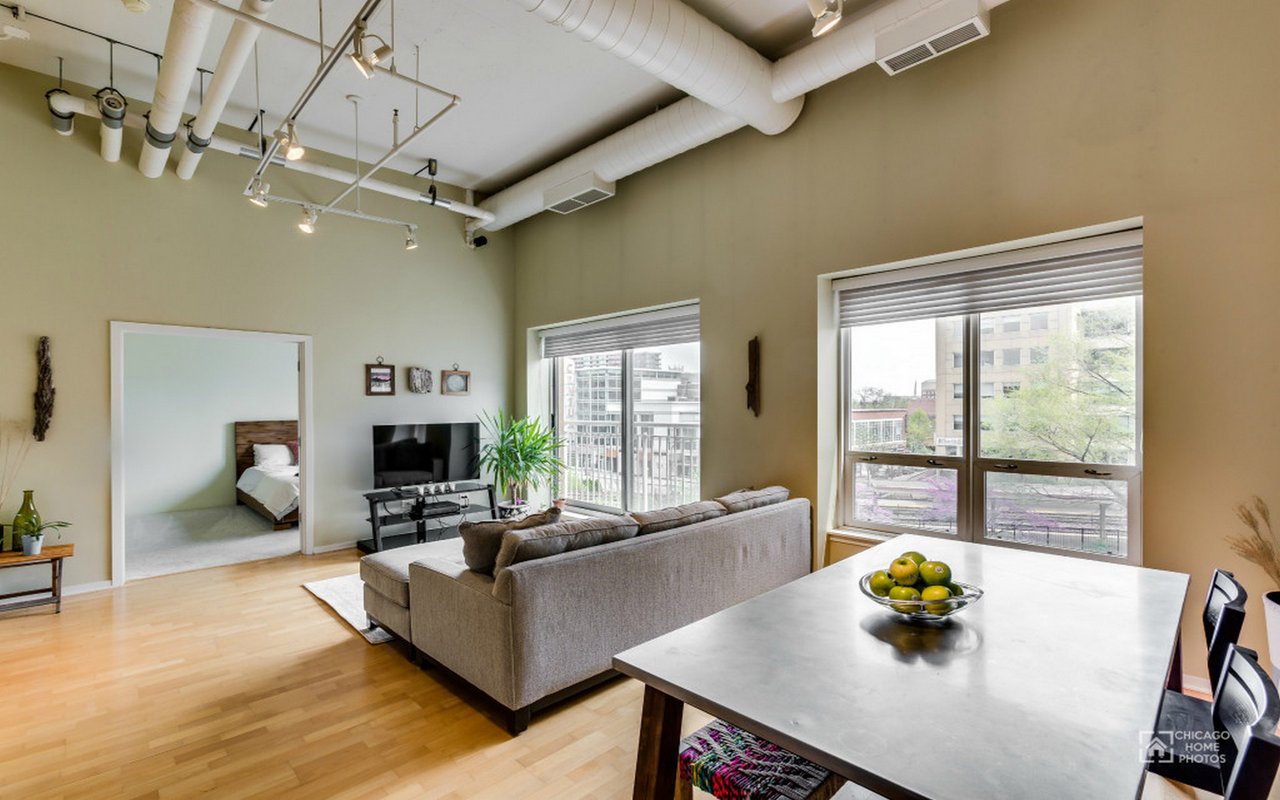
The converted warehouse and industrial spaces of Bucktown and Wicker Park operate by an entirely different design logic. The exposed brick, raw concrete, steel columns, open floor plans, and oversized windows are the defining architectural reality of the space.
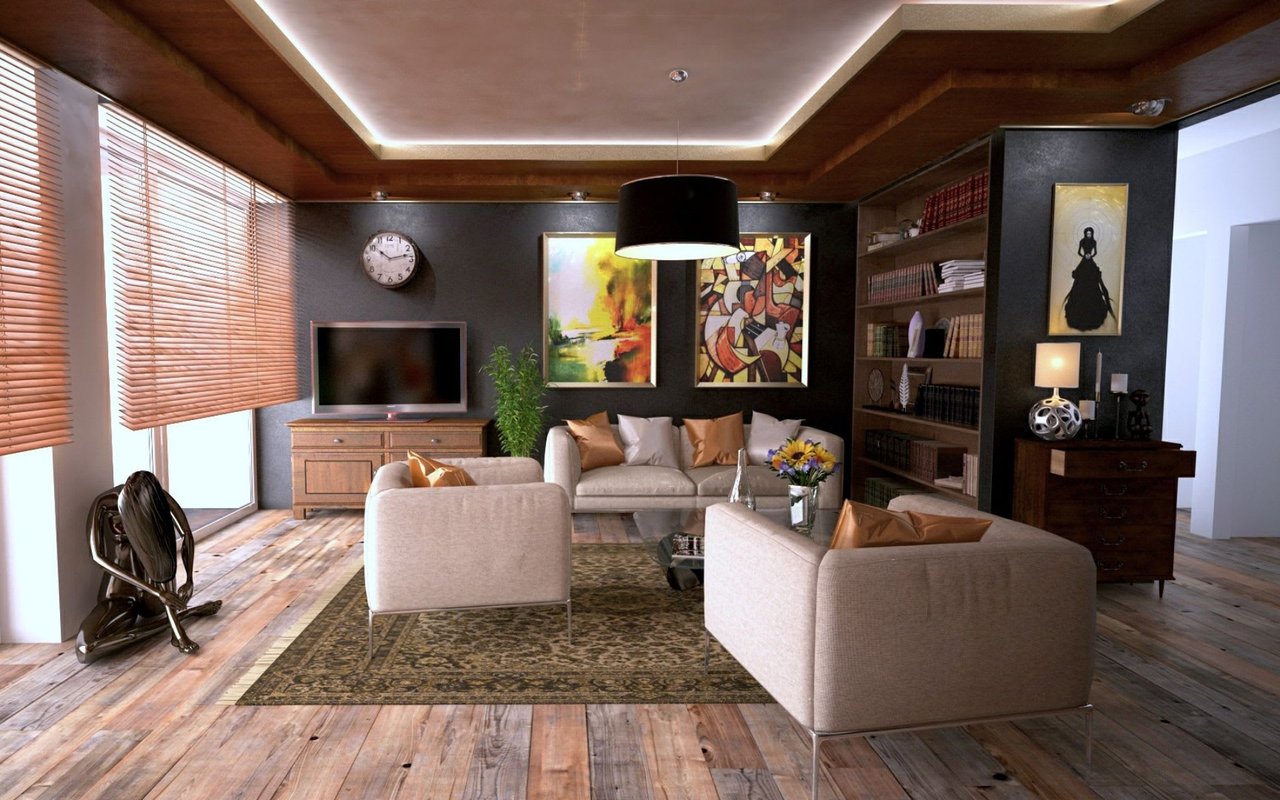
Industrial modern design celebrates material honesty, pairs raw finishes with refined furnishings, and uses open space deliberately. The challenge in a Chicago loft is not making it feel raw as the architecture handles that. It is making it feel warm and livable while honoring what the building is.
Industrial modern design celebrates material honesty, pairs raw finishes with refined furnishings, and uses open space deliberately. The challenge in a Chicago loft is not making it feel raw as the architecture handles that. It is making it feel warm and livable while honoring what the building is.
Design Principles for Chicago Converted Lofts
-
Treat exposed brick, concrete, and structural steel as primary design elements rather than things to conceal
-
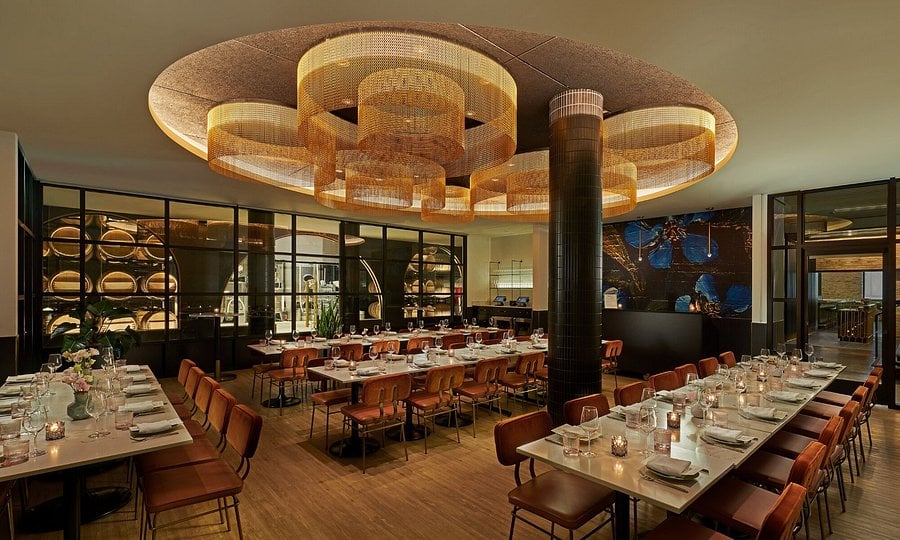
Balance raw industrial finishes with warm refined materials, such as leather, aged wood, warm metals, and textiles that soften without covering
-
Use large-scale furniture appropriate to open floor plan proportions since standard residential-scale pieces can feel lost in a large loft volume
-
Zone the open floor plan deliberately with area rugs, lighting, and furniture arrangement rather than adding walls that reduce the spatial quality the building offers
Arts and Crafts Integrity for Chicago Bungalows
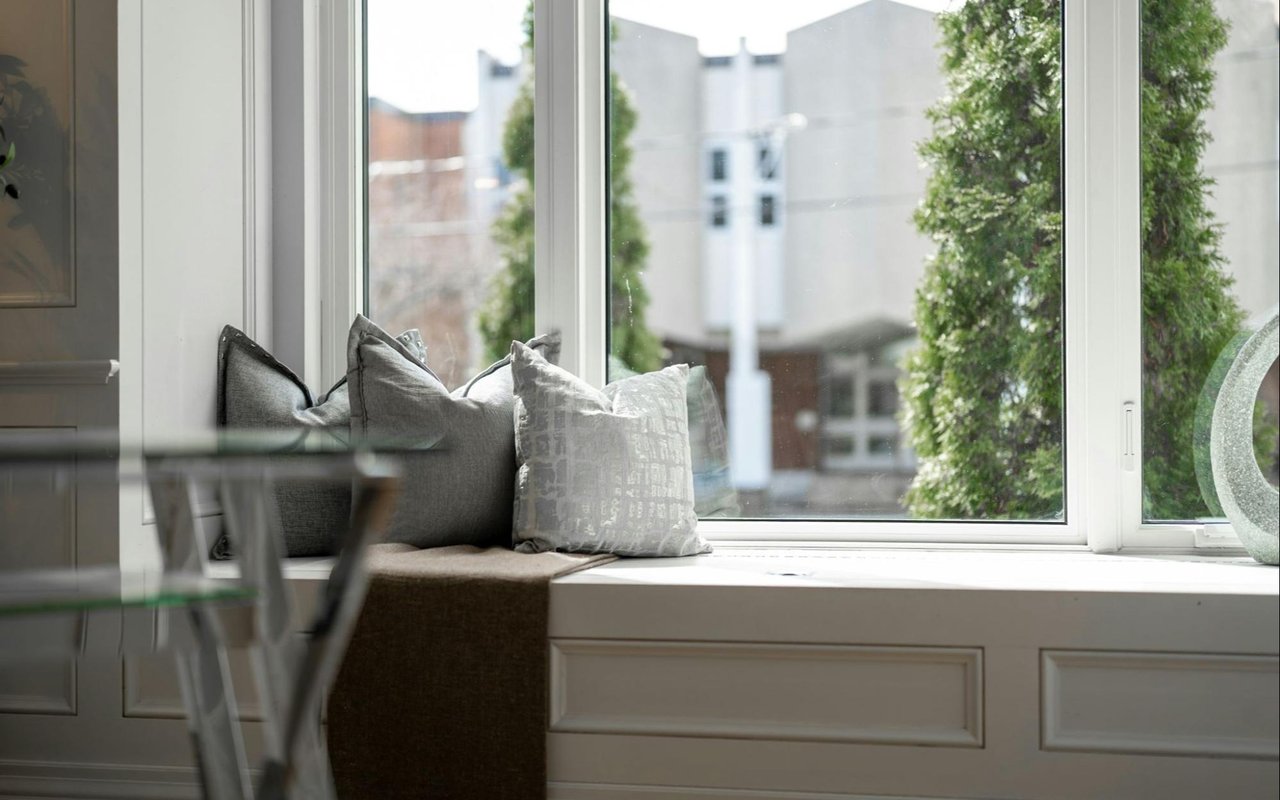
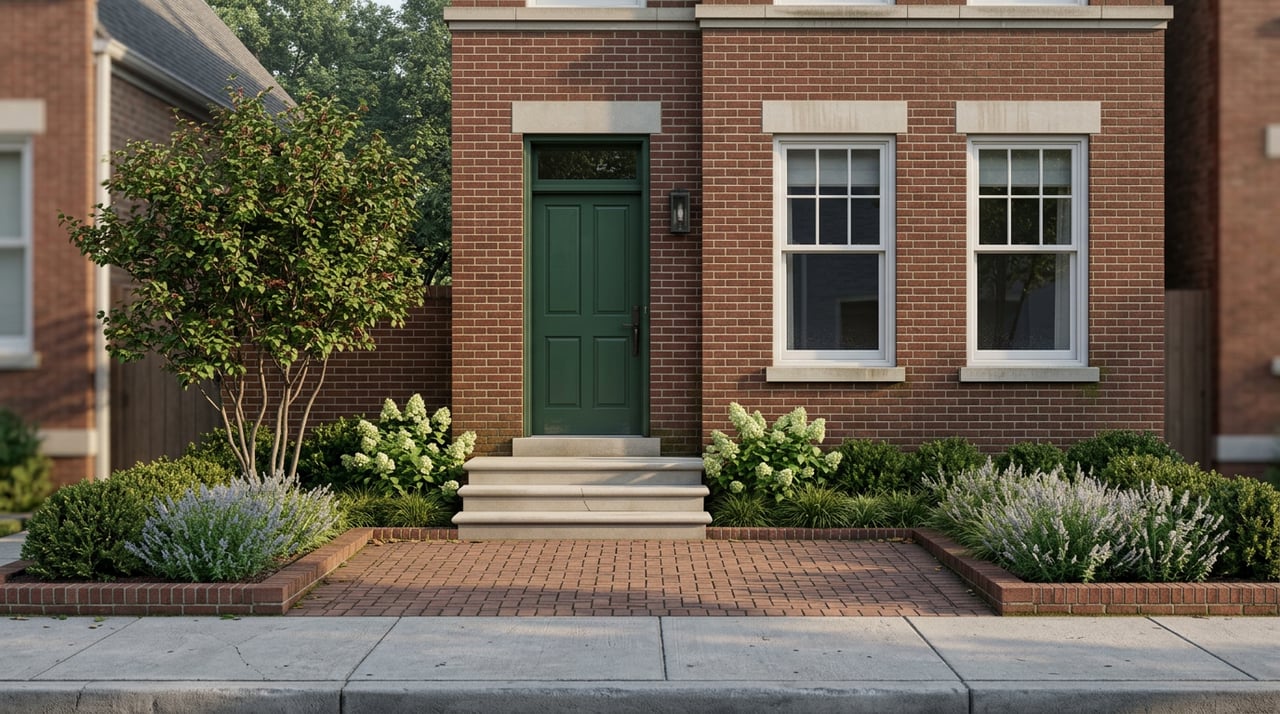
The Chicago bungalow has a built-in design philosophy — Arts and Crafts — and the best interiors honor that lineage. Original bungalows in North Center and Roscoe Village often retain built-in cabinetry, window seats, original hardware, and wood trim that speak directly to this tradition. In practice, this means warm natural materials and furnishings that are well-made without being decorative for decoration's sake.
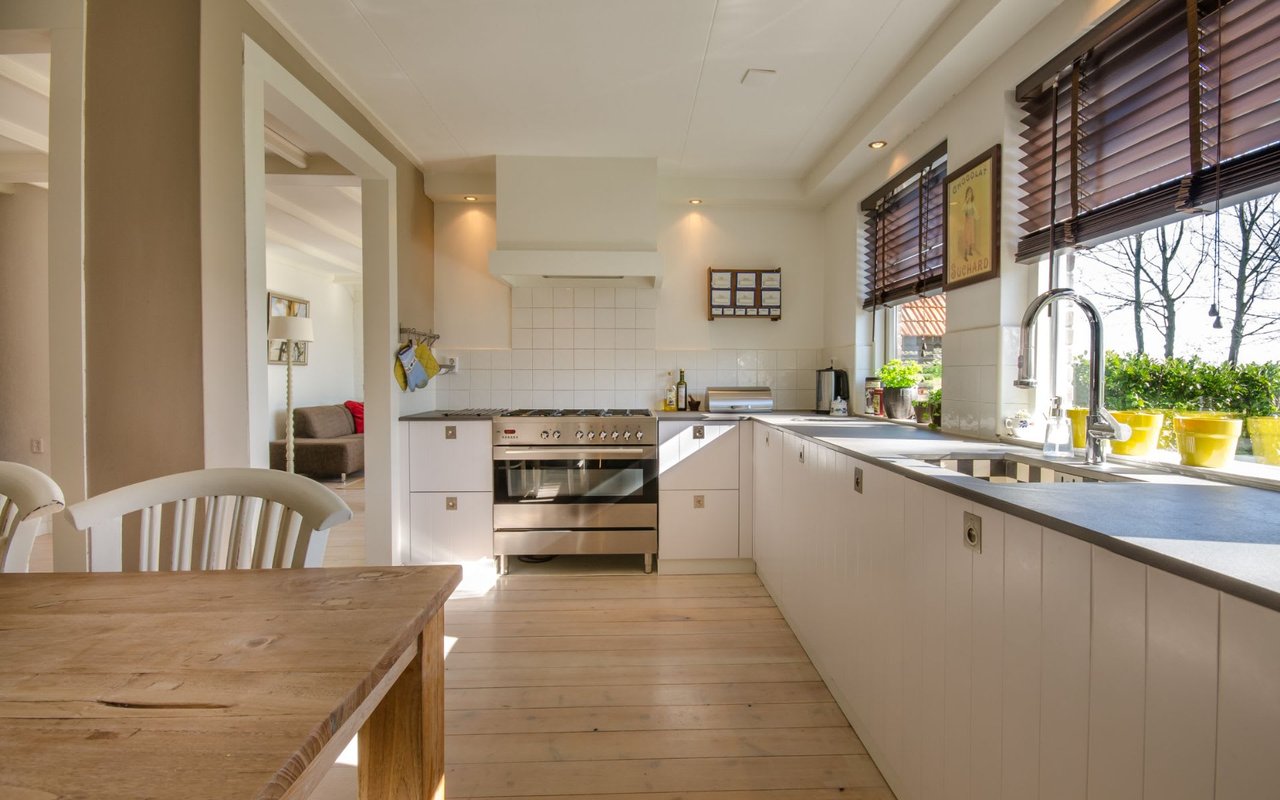
These homes reward simplicity and craft. A reading chair next to a window, a built-in bookcase with objects that have meaning, a kitchen that has been updated in materials and appliances while preserving the scale and proportion of the original room.
These homes reward simplicity and craft. A reading chair next to a window, a built-in bookcase with objects that have meaning, a kitchen that has been updated in materials and appliances while preserving the scale and proportion of the original room.
Design Principles for Chicago Bungalows
-
Honor the Arts and Crafts tradition with natural materials, honest finishes, and simple well-made furnishings that integrate with original built-ins
-
Preserve original built-in cabinetry, window seats, and hardware
-
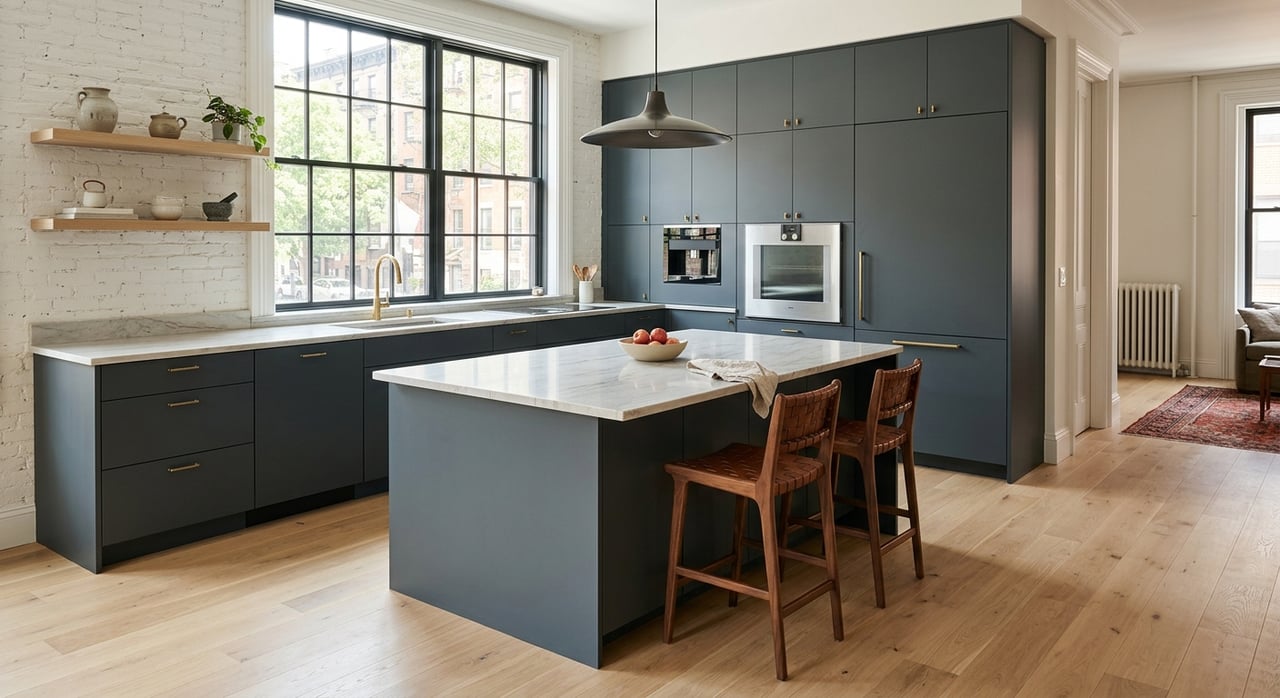
Update kitchens and bathrooms in materials that complement the architectural period, such as subway tile, quartersawn oak, and simple brass or matte black hardware
-
Keep furnishings proportional to the more intimate room scale of a bungalow since oversized pieces crowd these spaces quickly
FAQs
Can I mix design styles in a Chicago greystone?
Yes, and in most cases a greystone rewards a layered approach. A contemporary kitchen within a historically detailed living space reads as an evolution of the building, not a contradiction. It is when design completely ignores or actively covers the original architecture that results feel discordant.
How do I make a Chicago loft feel warmer without losing the industrial character?
Layer warm materials at the human scale — textiles, area rugs, warm-toned wood surfaces, and lighting at seated eye level — without covering the raw architectural elements that give the space its character. The industrial architecture handles the drama and the warm materials handle the livability.
What is the best approach for updating a bungalow kitchen while preserving character?
Work with the original proportions and favor materials with craft quality, such as subway tile, soapstone or butcher block countertops, simple shaker cabinetry, and hardware in aged brass or matte black. Avoid applying a completely modern kitchen aesthetic scaled and finished for a different building type.
Contact KlopasStratton Team Today
We work in Bucktown, Wicker Park, Logan Square, North Center, Roscoe Village, and Avondale every day, and we understand what makes each of these homes special. Whether you are looking for a greystone with original detail, a loft with industrial character, or a bungalow with genuine warmth, we are here to help you find it.
Reach out through KlopasStratton Team to connect with our team and get started today.
Reach out through KlopasStratton Team to connect with our team and get started today.