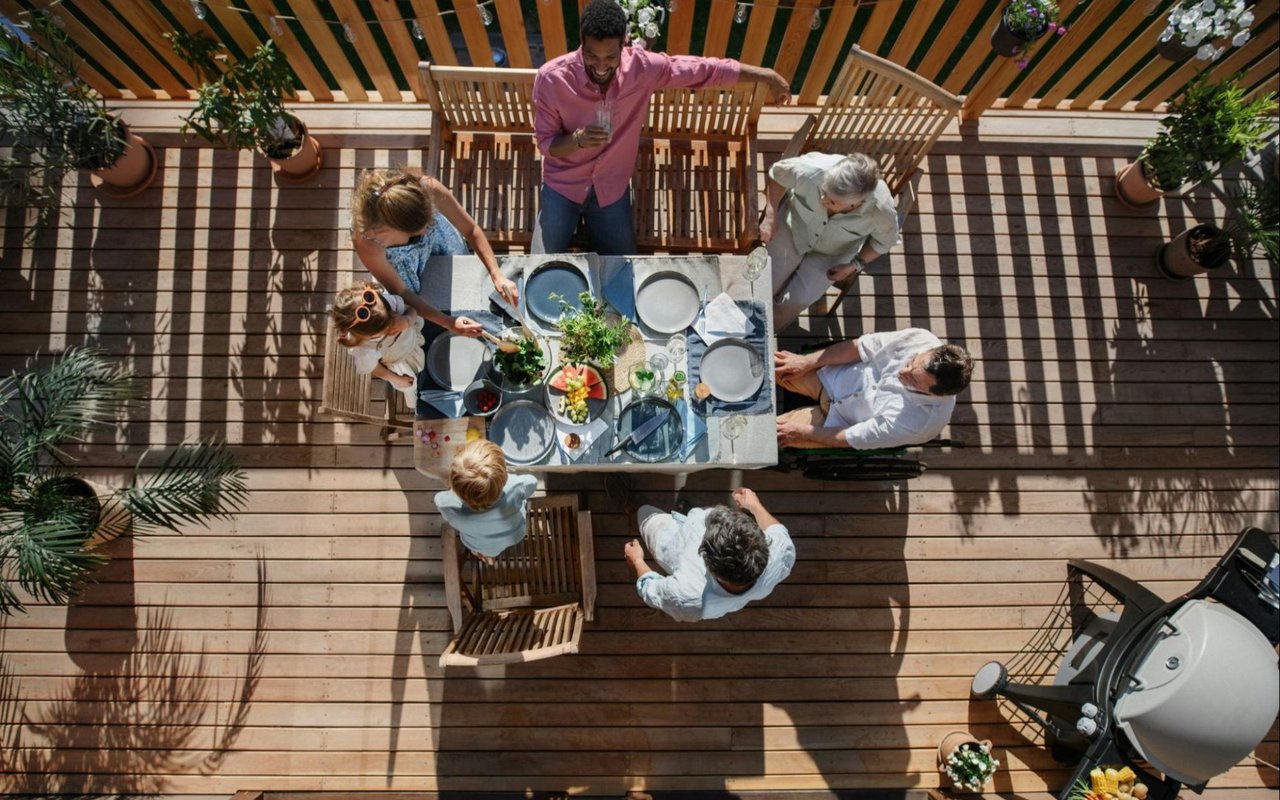
On a Thursday evening this month, vendors are setting up folding tables along the west side of Wrigley Field. Vintage clothing racks. Jewelry cases. A guy selling handmade ceramics next to someone hawking vinyl records. A band is tuning up on a small stage. None of this depends on what the Cubs are doing tonight. This is the Wrigleyville Night Market, and it runs most Thursdays through September whether or not there's a game on the schedule.
That distinction matters more than it sounds. For most of Wrigley Field's history, the blocks around it operated on a simple rhythm: fill up on the 81 home game days, go quiet the rest of the year. What's happening now is different, and three of Wrigleyville's newest restaurant commitments show operators reading the neighborhood the same way.
The plaza that used to be a parking lot
Before the Cubs' multi-year 1060 Project renovation, the west side of Clark Street across from the ballpark was mostly parking. Today that same footprint is Gallagher Way, an open-air plaza that hosts free yoga and HIIT classes, outdoor movie nights on the lawn, and a rotating calendar of concerts, including regular sets from Old Town School of Folk Music performers. The plaza sits at 3635 N. Clark, a block that spent decades existing only to serve gameday overflow.
The shift shows up in how the plaza is described by the people who run it. Major League Baseball's own guide to the space puts it plainly: whether you're heading to a Cubs game or just stopping through Wrigleyville on a random Tuesday, Gallagher Way is built to give you something worth showing up for either way. That's not incidental marketing language. It's a description of a different business model than the one this stretch of Clark Street ran for a century.
Three operators, one bet
You can see the same logic in who's been signing leases nearby. Three separate restaurant commitments landed in Wrigleyville within the last several months, and each one tells you something about what these operators think the neighborhood actually needs on a day with no first pitch.
| Business | Address | What's notable |
|---|---|---|
| Hattie B's Hot Chicken | 3649 N. Clark St. | Opened Feb. 26, 2026, in the former FoxTrot space; 70 indoor seats plus 55 on a patio |
| Portillo's | 3519 N. Clark St. | Announced July 15, 2026; first-ever walk-up window for the chain; expected to open in 2027 |
| Neva Hangry | 3404 N. Clark St. | Second location planned in the former Irie Jerk Bar space; Creole soul food concept |
Hattie B's chose Gallagher Way itself for its first Chicago restaurant, taking over the former FoxTrot storefront with retractable walls and windows that let the space shift between indoor and open-air dining depending on the day. The chain is already planning two more Chicago locations, in River North and Wicker Park, but Wrigleyville got the first one.
Portillo's decision is the more interesting signal. The company's fifth Chicago location, announced on National Hot Dog Day this past July, will sit about a block south of Wrigley Field inside a mixed-use building that already houses Alamo Drafthouse, Shake Shack, Tin Roof, and a UFC gym. Company president and CEO Brett Patterson framed the move as building on the momentum of Portillo's recently announced Michigan Avenue restaurant, expanding into a neighborhood where fans and residents had long been asking for one.
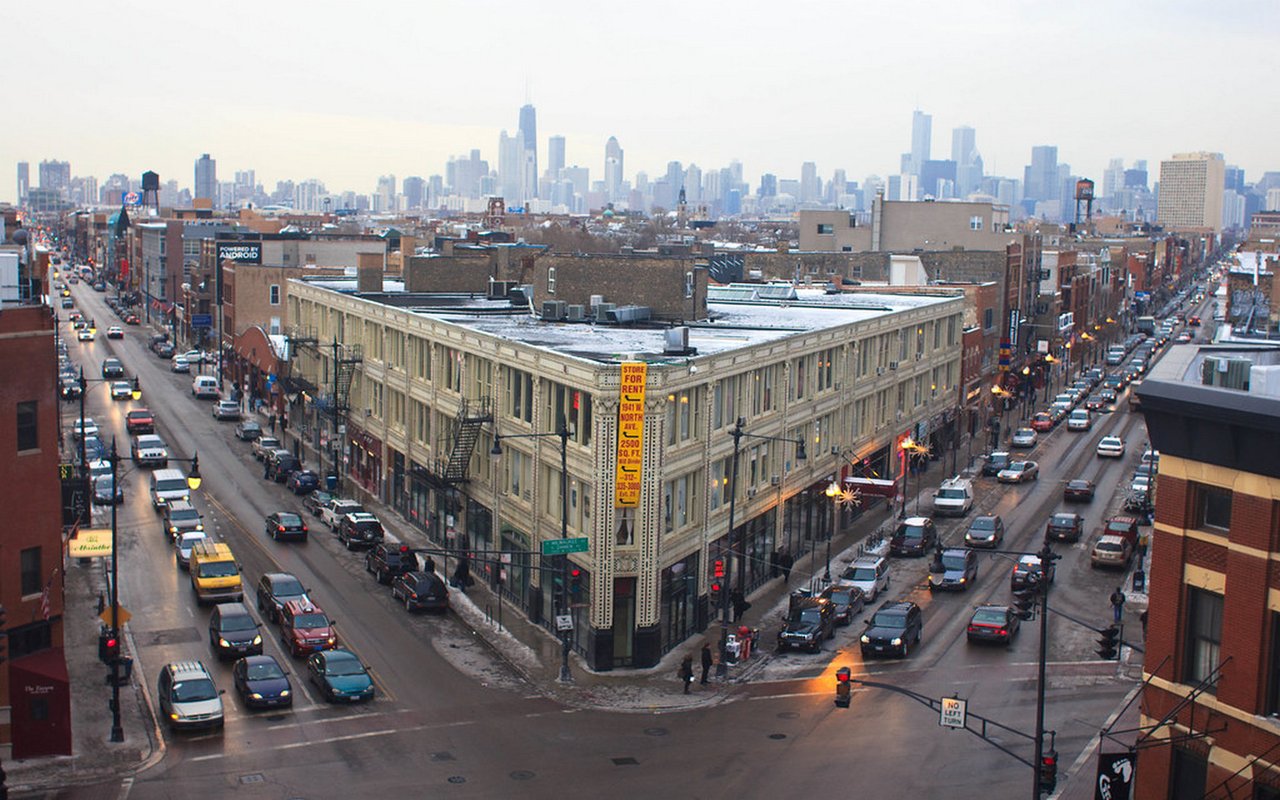
Neva Hangry's move is smaller in scale but points the same direction. The Creole soul food concept, which already operates in Morgan Park, filed for a second location at Clark and Roscoe, a corner that has nothing to do with foot traffic on game day and everything to do with who's walking past on an ordinary weekday.
What a walk-up window is actually built for
Portillo's new Wrigleyville restaurant will include something the chain has never built before: a walk-up window designed specifically for ordering and pickup, separate from the dine-in experience. That's a construction decision, not a marketing one, and it tells you what kind of customer the company expects to serve most often.
A walk-up window is built for someone who wants a hot dog on the way somewhere else, not someone settling in for three hours before first pitch. Stadium-driven foot traffic clusters in tight windows around game times and disappears the rest of the day. A walk-up window is a bet on steady, spread-out foot traffic across an ordinary afternoon and evening, the kind that comes from people who live nearby and treat Clark Street as their block, not their destination for 81 days a year.
The calendar that keeps going after the last out
Look at what Gallagher Way actually schedules and the same pattern holds. The plaza runs:
- A free Wrigleyville Night Market most Thursdays through September, featuring vintage goods, jewelry, and home decor from local vendors, with live music on select nights
- Free outdoor movie screenings on the lawn
- Morning yoga and fitness classes led by local instructors, year round
- Concerts from touring acts and local cultural organizations, including Old Town School of Folk Music
None of that programming needs a Cubs win, or a Cubs game, to justify itself. It's built to fill a Tuesday in March the same way it fills a Friday in July.
What this means if you already live here
If you've lived in Wrigleyville for a while, you already know the neighborhood used to empty out once the season ended. What's different now is that the businesses betting real money on this stretch of Clark Street aren't just the ones catering to gameday crowds anymore. A hot chicken chain, a Chicago institution building its first walk-up window anywhere, and a Creole soul food operator expanding from the South Side are all making the same read: this block works on a Tuesday, not just a Saturday afternoon in September.
That's worth knowing the next time you're deciding where to grab dinner on a night with no game at all. Big Star, Small Cheval, Smoke Daddy, Steingold's, Jeni's, and Mordecai have anchored the blocks around Gallagher Way for years. The newer names on the list, Hattie B's now open and Portillo's and Neva Hangry both on the way, aren't replacing that lineup. They're betting there's room for more of it, on more days of the year than the schedule used to allow.
If you're weighing what any of this means for your own plans in the neighborhood, whether that's a property you're watching or a move you're thinking through, the Klopas-Stratton Team has been tracking Chicago's neighborhoods long enough to know which shifts are real and which are noise. Reach out when you're ready to talk about it.