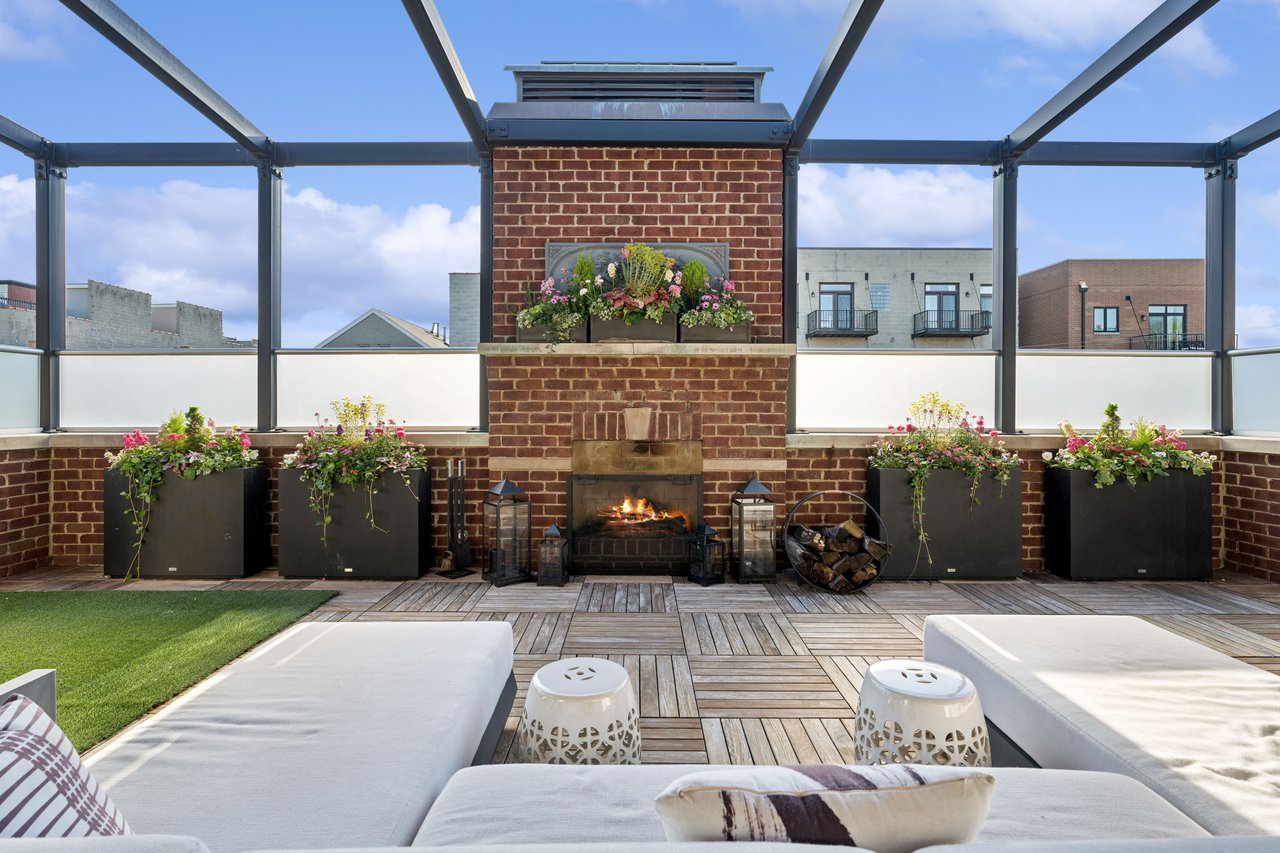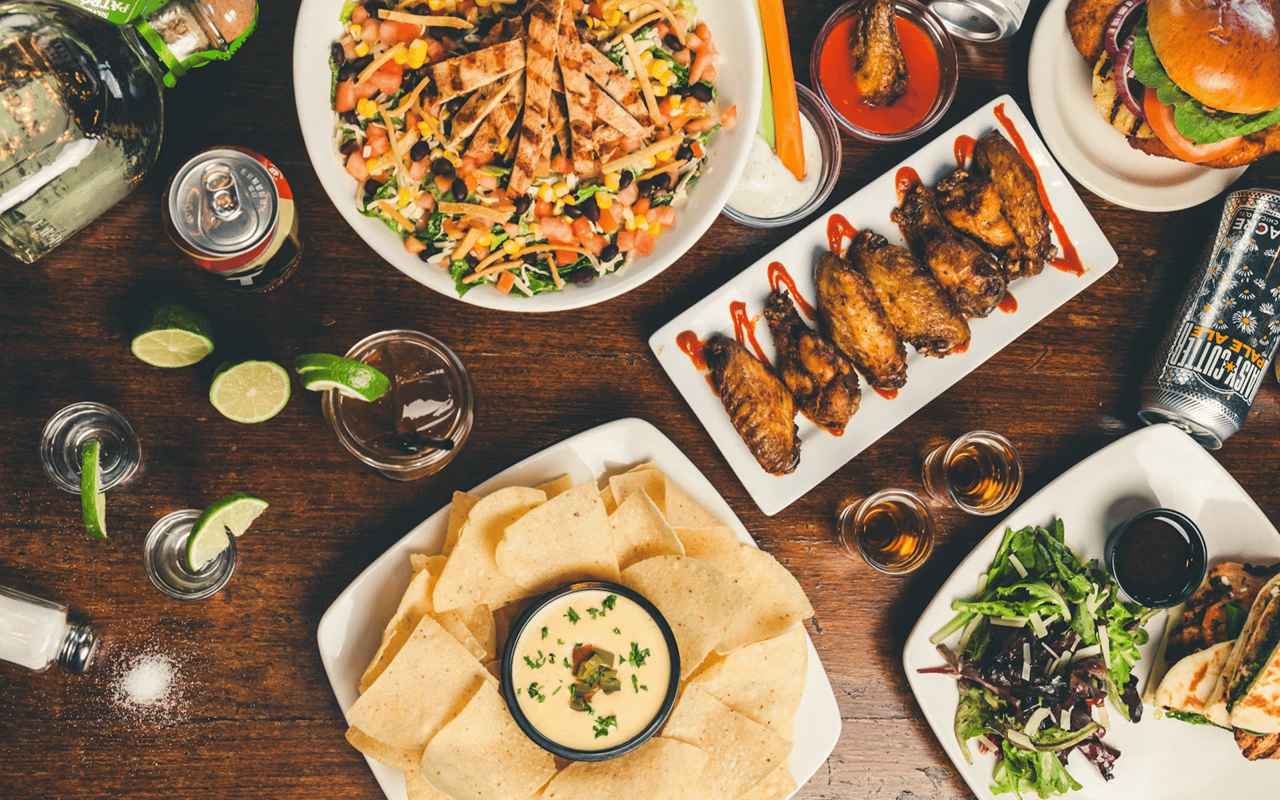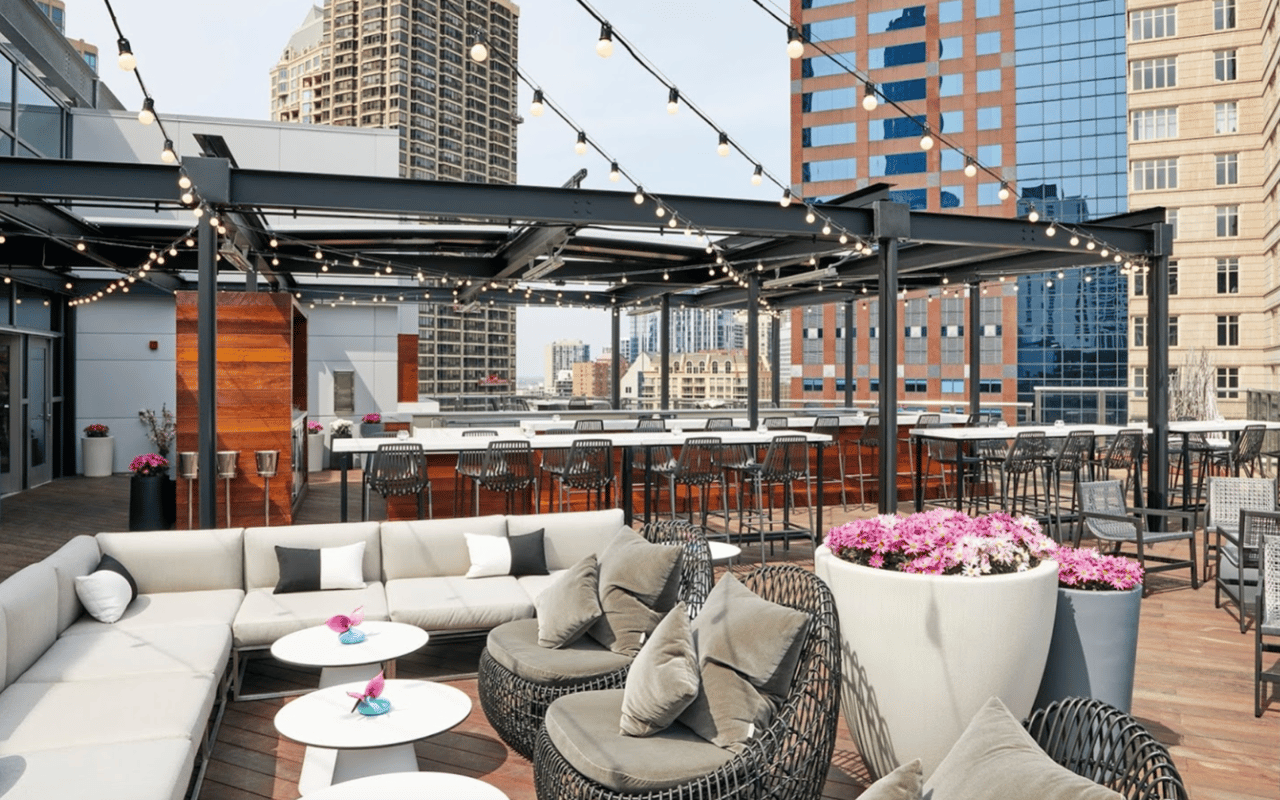
On its last Friday, the Time Out Market at 916 W Fulton Market still had all seventeen of its vendors running. Urbanbelly was pulling ramen bowls behind its counter. Hooligan was pouring wine. Molly's Cupcakes and Bar Goa and Craft & Carvery were doing what they'd done for seven years inside that 50,000-square-foot building: sharing a roof, a rooftop terrace, and a communal dining floor with a dozen other Chicago kitchens. Then, on January 23, 2026, the doors closed for good.
The easy read on that closure is decline. The actual story is closer to the opposite. Fulton Market didn't lose its dinner options when the food hall shut down. It lost the building that made a dozen different restaurants share one address, and almost every one of those restaurants is now getting an address of its own.
The math that broke one roof
Time Out Market's Chicago outpost opened in 2019 with a straightforward pitch: gather the city's best food and drink talent under one roof and let a fifty-thousand-square-foot space do the marketing. For a while, that math worked. Then hybrid work happened to the corridor. Fulton Market's daytime population had leaned hard on office lunch traffic from anchors like Google's headquarters at Fulton and Morgan, and when that traffic stopped showing up five days a week, a food hall built around volume started running a deficit. The company's own CEO cited inconsistent foot traffic paired with rising operating costs as the reason for the shutdown, and the numbers behind that statement are specific: the building carried a triple-net lease with a $1.75 million annual base rent and 2% yearly escalations, a term that was supposed to run through October 2028. A three-story, roughly 49,000-square-foot space with an atrium and rooftop capability is not cheap to keep lit and staffed when Monday and Friday traffic evaporates.
It didn't help that Fulton Market's food hall math was competing against itself. Chicago had also built out food halls at the Old Post Office, Revival Food Hall downtown, and Aster Hall on Michigan Avenue over the same stretch of years, splitting the same appetite for communal dining across more addresses than the post-pandemic office schedule could support. Time Out's Chicago and Boston locations were the only two markets the company closed globally in 2026, even as it kept expanding in cities like Vancouver and Riyadh. That's a Fulton Market-specific problem, not a food hall industry collapse.
Where the vendors actually went
Here's the detail that changes the read on this story: the restaurants inside Time Out Market didn't leave the neighborhood. They left the building.
Urbanbelly, Chef Bill Kim's Asian comfort food concept, was one of the market's anchor vendors. Now it's relocating to a standalone address at 954 W Fulton Street, right at the corner of Fulton and Morgan, in a new partnership with Cornerstone Restaurant Group and Taratsa Hospitality Partners. The space it's taking over previously held Taverna 1821, the Greek pop-up concept from chef David Tsirekas. Kim's flagship restaurant left Randolph Street for Wicker Park back in 2018, and this move puts his cooking back on Fulton Market turf, but this time with its own front door instead of a shared counter inside someone else's building.
That's the pattern. A concept that thrived under one communal roof is re-emerging as its own lease, its own dining room, its own risk. The corridor didn't get quieter. It got more subdivided.
The new addresses stacking up around it
Urbanbelly's move is happening alongside a run of other openings that have nothing to do with the food hall's closure directly, but land in the same four-block stretch and reinforce the same shift toward single-operator kitchens.
| New Fulton Market opening | What it replaced or occupies | Status as of this writing |
|---|---|---|
| Labriola Italian Specialties, 852 W Fulton Market | Space vacated by Kuma's Corner in 2024 | Opened April 22, 2026 |
| Osaka Nikkei, Fulton Market | New build-out, 150 to 170 seats | Opened spring 2026 |
| Gibsons Restaurant Group tavern concept | New construction, exact address pending | Slated for fall 2026 |
| Black Briar, chef Jimmy Papadopoulos and GM Tim Anderson | New standalone project | Opened 2026 |
| H&H Bagels | New Fulton Market location for the NYC chain | Opened 2026 |
Labriola is a telling entry on that list because of what it replaced. Kuma's Corner, the metal-themed burger spot that helped define Fulton Market's earlier identity, left its space in 2024. Rich Labriola, who has run Labriola Café in Oak Brook and a Michigan Avenue location for the past decade, is now bringing pizza ovens, a cannoli window, and both indoor and patio seating to that same address. Osaka Nikkei, a Japanese-Peruvian concept with locations in Lima, Miami, Bogotá, and Dubai, chose Fulton Market for its Chicago debut with a room built for 150 to 170 seats, a scale that assumes the corridor can support a full-size dinner destination on its own merits. Gibsons Restaurant Group, known locally for Gibsons Bar & Steakhouse and Hugo's Frog Bar, has spent years looking for the right Fulton Market opportunity and is now building a tavern-style concept there for a fall 2026 opening.
None of these are food hall vendors sharing overhead. Each one is a single operator signing its own lease and betting on the corridor as a destination in its own right, not as a lunch cafeteria for nearby office towers.
Do-Rite Donuts co-founder Francis Brennan put it simply when asked about the neighborhood's trajectory: "This neighborhood is amazing," he told Axios Chicago, noting the buzz that's kept his own business invested in the area. That's the sentiment behind the addresses. The corridor's momentum is outrunning its setbacks, even a setback as visible as a landmark food hall going dark.
What's still drawing a crowd this month
The restaurant format shrank from one giant shared room to a dozen individual ones, but the events that bring people to Fulton Street haven't shrunk at all. The Publican, the modern American beer hall that's anchored the neighborhood since well before most of these new openings, brings back its annual Oktoberfest celebration from September 18 through October 4 this year, with brunch and dinner service built around the seasonal menu. A few weeks after that, the Chicago Artisan Market returns to Morgan MFG at 401 N Morgan Street on October 18, one of six indoor Sunday markets the organizers are running there in 2026, filling a former manufacturing building that predates the Great Chicago Fire with more than 115 Chicago and Midwest artisans.
Those two dates are worth putting on a calendar if you live in the neighborhood, because they're the clearest sign that the corridor's public life didn't contract when the food hall did. What changed is where the eating and drinking happens once you're there. A decade ago, a Saturday night in Fulton Market might have meant one stop inside a building with a dozen counters. Now it more often means picking a single kitchen and committing to it, the same way most neighborhoods have always worked.
The version of Fulton Market that's left standing
The lesson in Time Out Market's closure isn't that Fulton Market is losing its edge. It's that the corridor's biggest experiment in shared real estate didn't survive the shift to hybrid work, while the individual chefs and concepts that experiment brought together are thriving enough to strike out on their own. Urbanbelly moving a block over with its own address is the whole story compressed into one lease.
If you've lived here long enough to remember when Kuma's Corner or the original Time Out Market vendors defined a weekend, the neighborhood you're in now asks something different of you: fewer one-stop nights, more single-destination ones. Both versions have their charm. This one just happens to be the one with Labriola's cannoli window, Osaka Nikkei's ceviche, and a Gibsons steakhouse all arriving within the same few blocks.
If you're curious how any of this is shaping property values or turnover in the buildings around these addresses, that's a conversation worth having with someone who tracks the corridor block by block. The Klopas-Stratton Team works Fulton Market and the surrounding West Loop regularly and can walk you through what these openings tend to mean for the residential side of the street.