If you want a Chicago neighborhood where your daily routine can include a morning lakefront walk, a quick train ride, and the buzz of a Cubs home game, Lakeview stands out fast. For many buyers, that mix is exactly the appeal, but it also raises practical questions about housing, transit, and what condo living really feels like here. This guide will help you understand how game days, trails, and a condo-heavy housing stock shape life in Lakeview so you can decide whether it fits the way you want to live. Let’s dive in.
Why Lakeview Feels Distinct
Lake View, commonly called Lakeview, is one of Chicago’s best-known North Side community areas. It sits about four miles north of the Loop, between Diversey Parkway to the south, Irving Park Road to the north, Ravenswood Avenue to the west, and Lake Michigan to the east.
It is also a large neighborhood by city standards. Current data shows 101,163 residents and 56,766 households, with an average household size of 1.8 and a median age of 32.2. One-person and two-person households make up much of the area, which helps explain why the housing mix and lifestyle often feel urban, active, and condo-oriented.
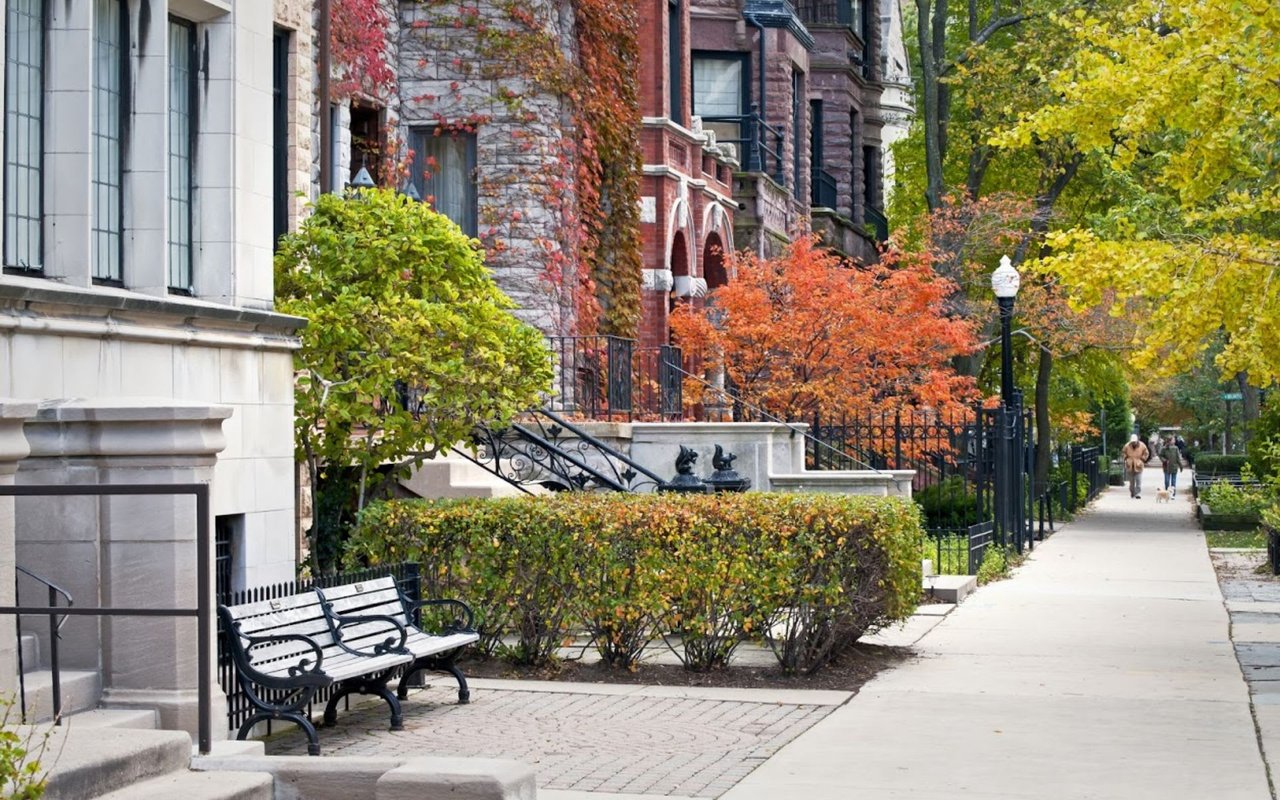
Another important point is that Lakeview does not feel the same block to block. Daily life can look different in East Lakeview, Southport Corridor, Northalsted, and Wrigleyville, even though all are part of the same community area. That variety is a big reason buyers keep Lakeview on their shortlist.
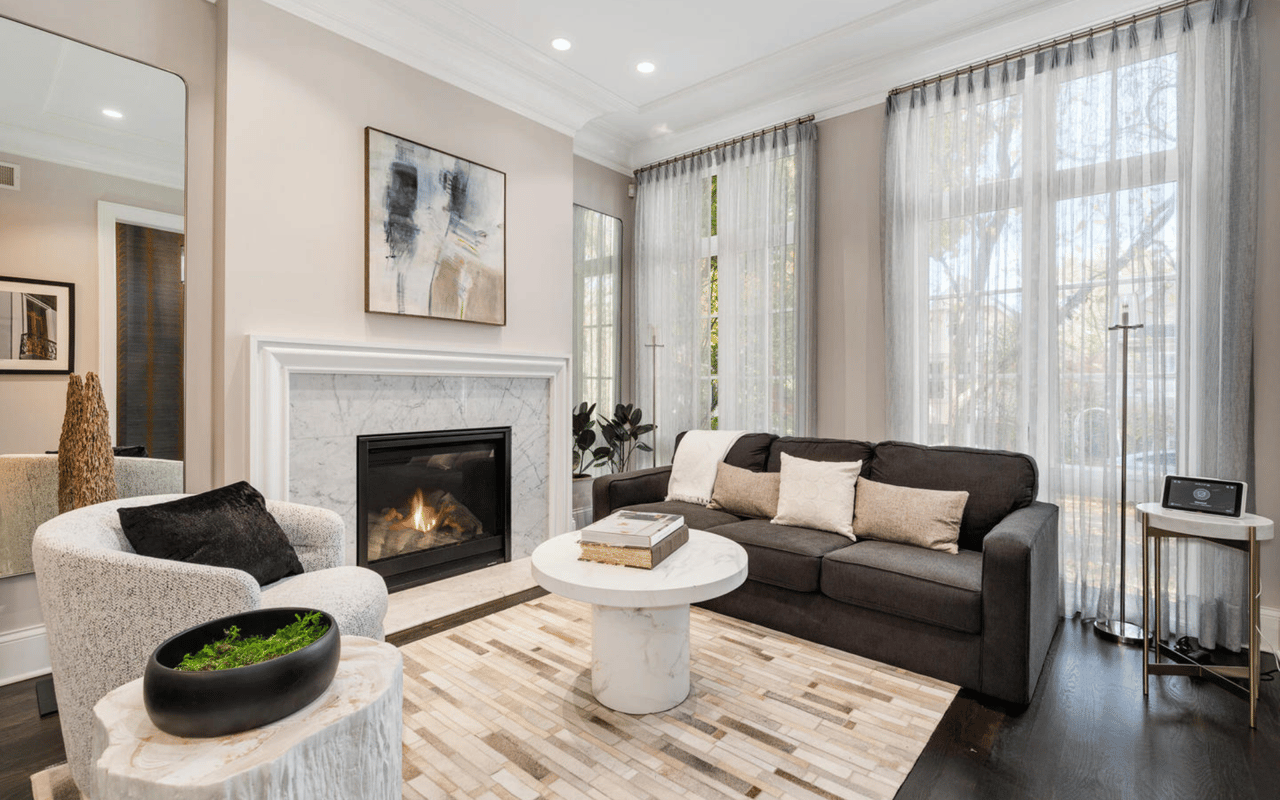
Condo Living Shapes the Market
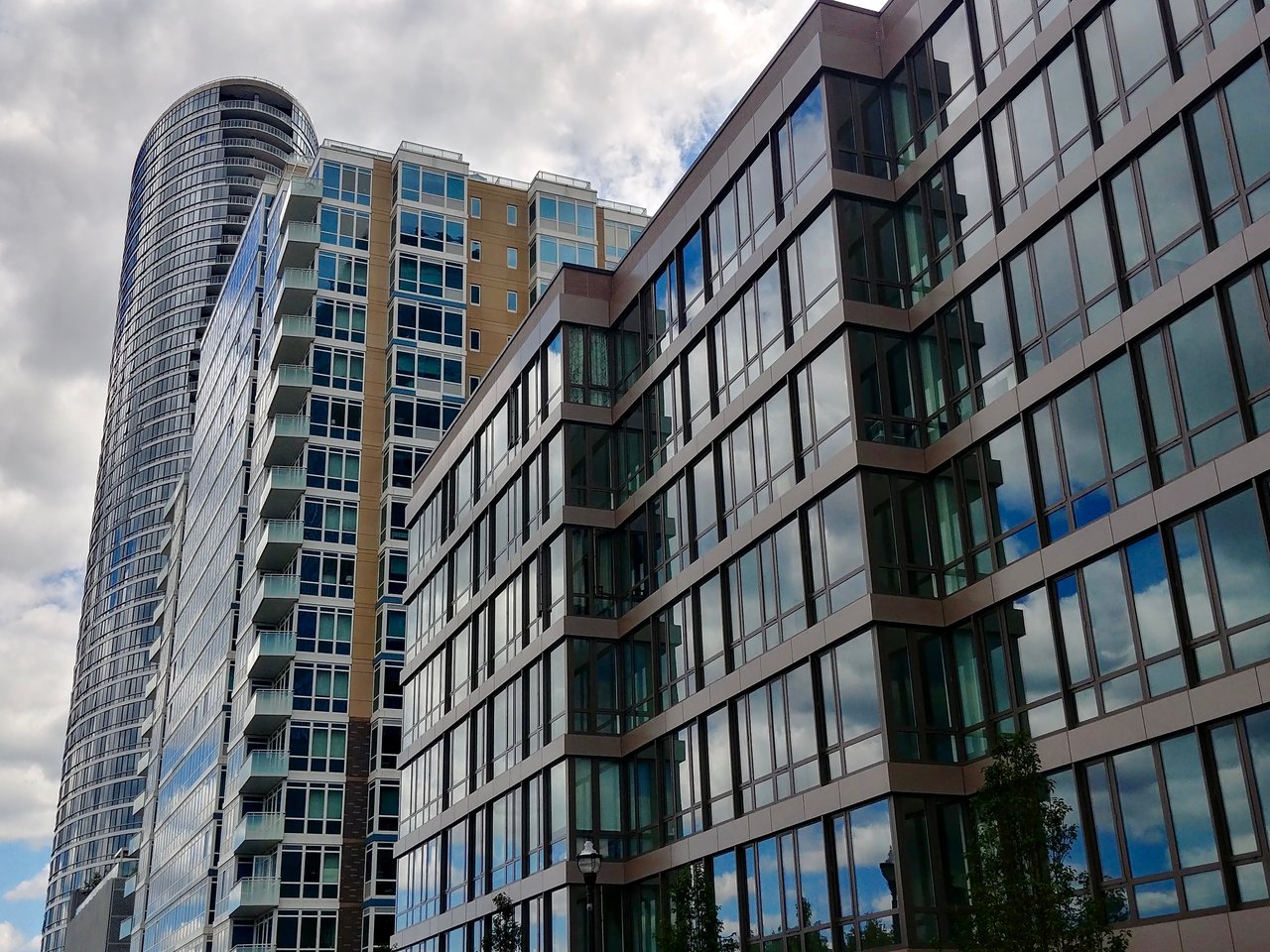
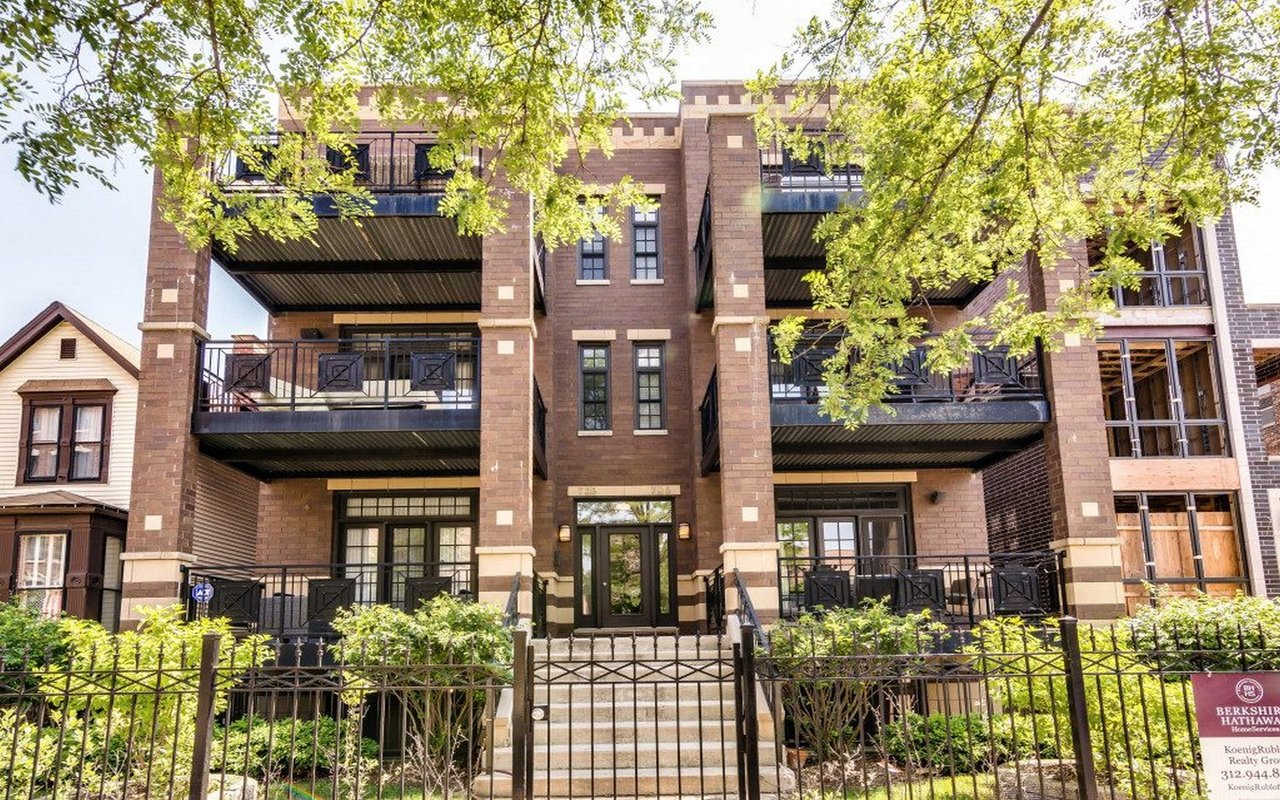
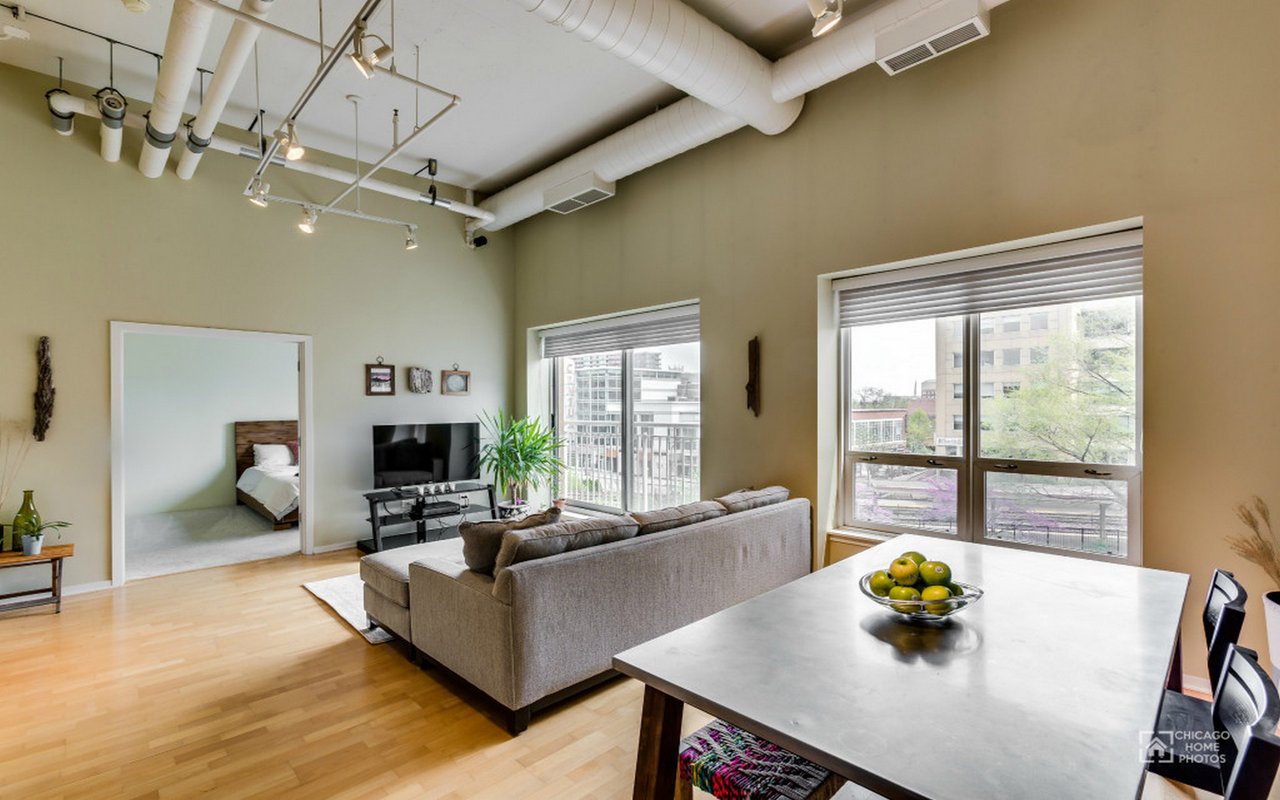
If you are starting a home search in Lakeview, it helps to know one thing right away: this is a condo-forward market. The housing stock is dominated by condominiums and multifamily buildings, not detached single-family homes.
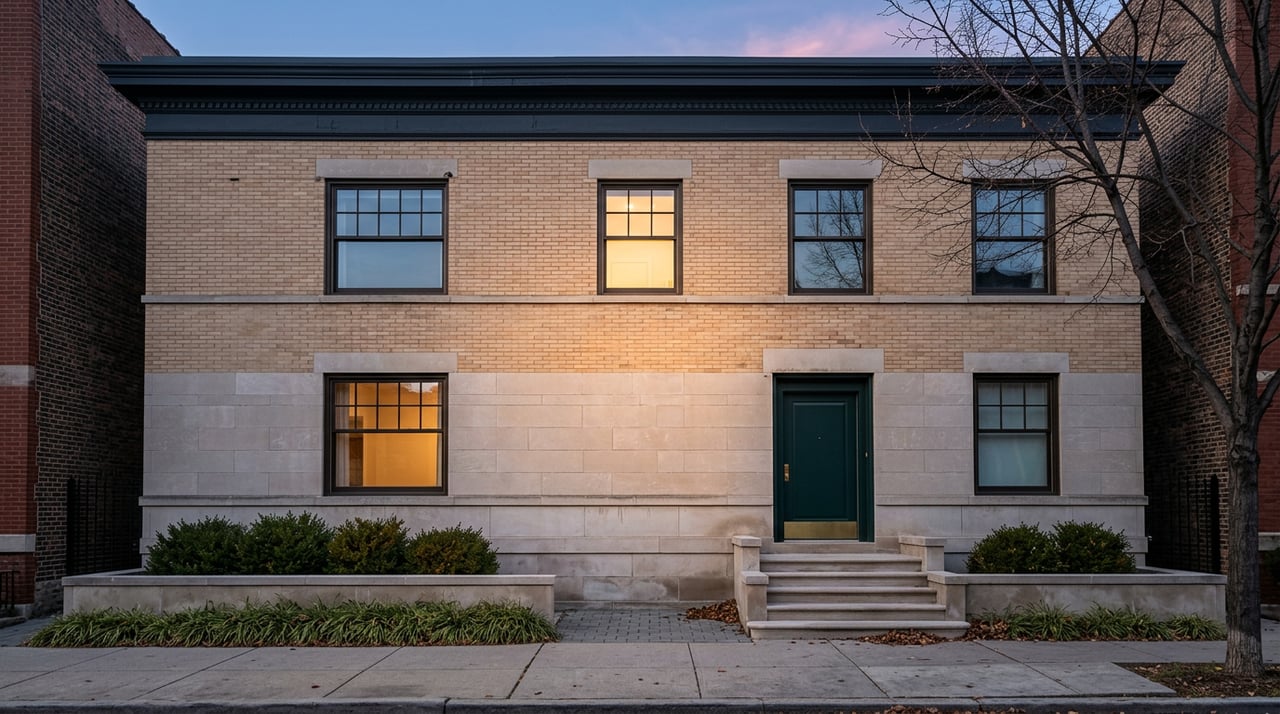
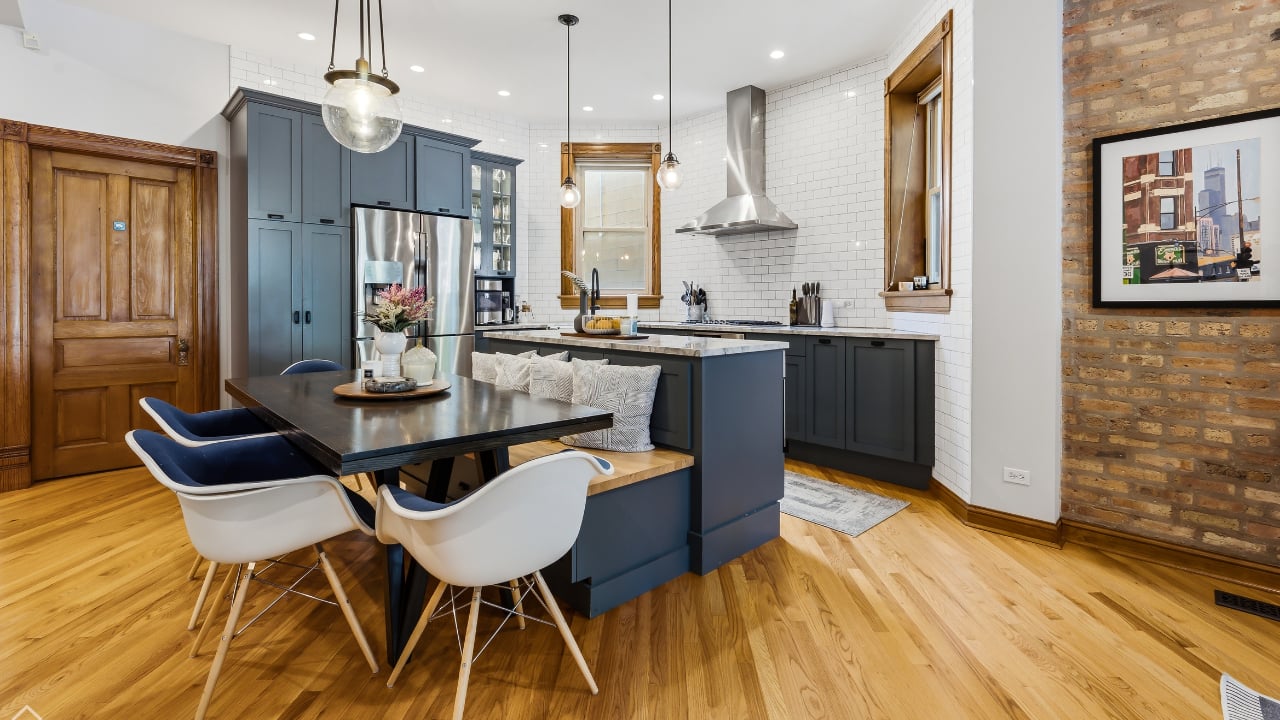
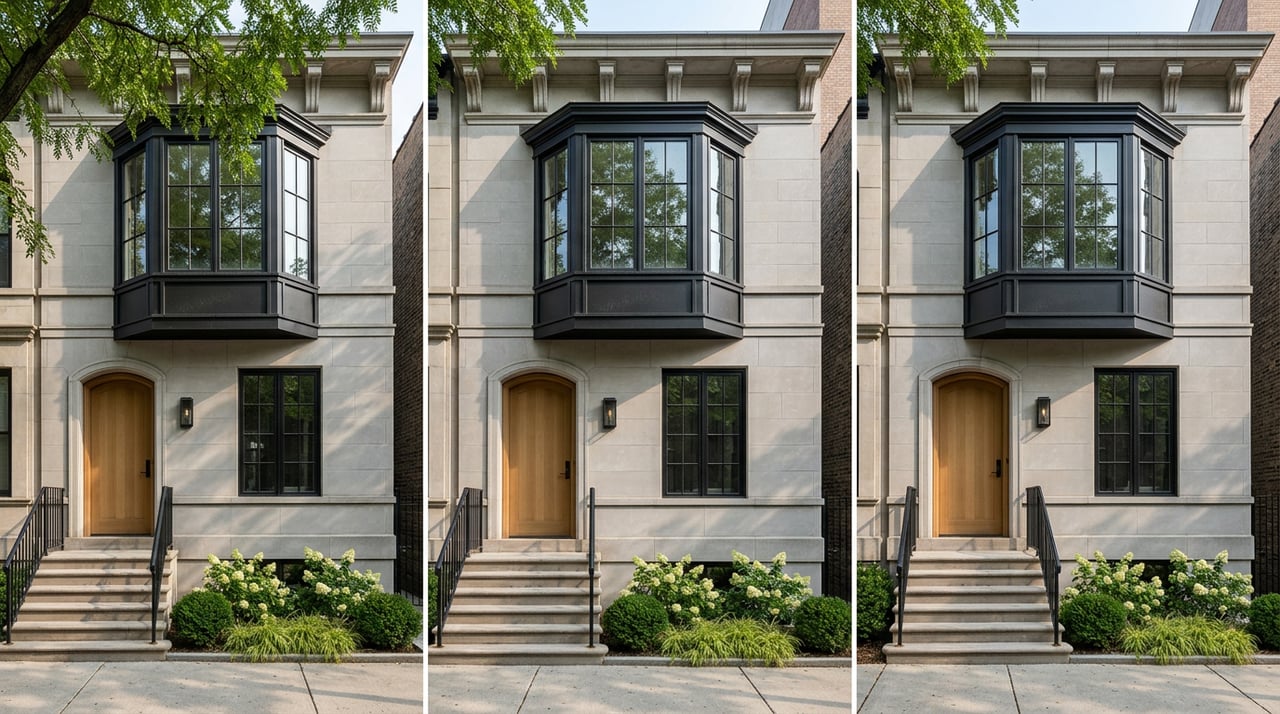
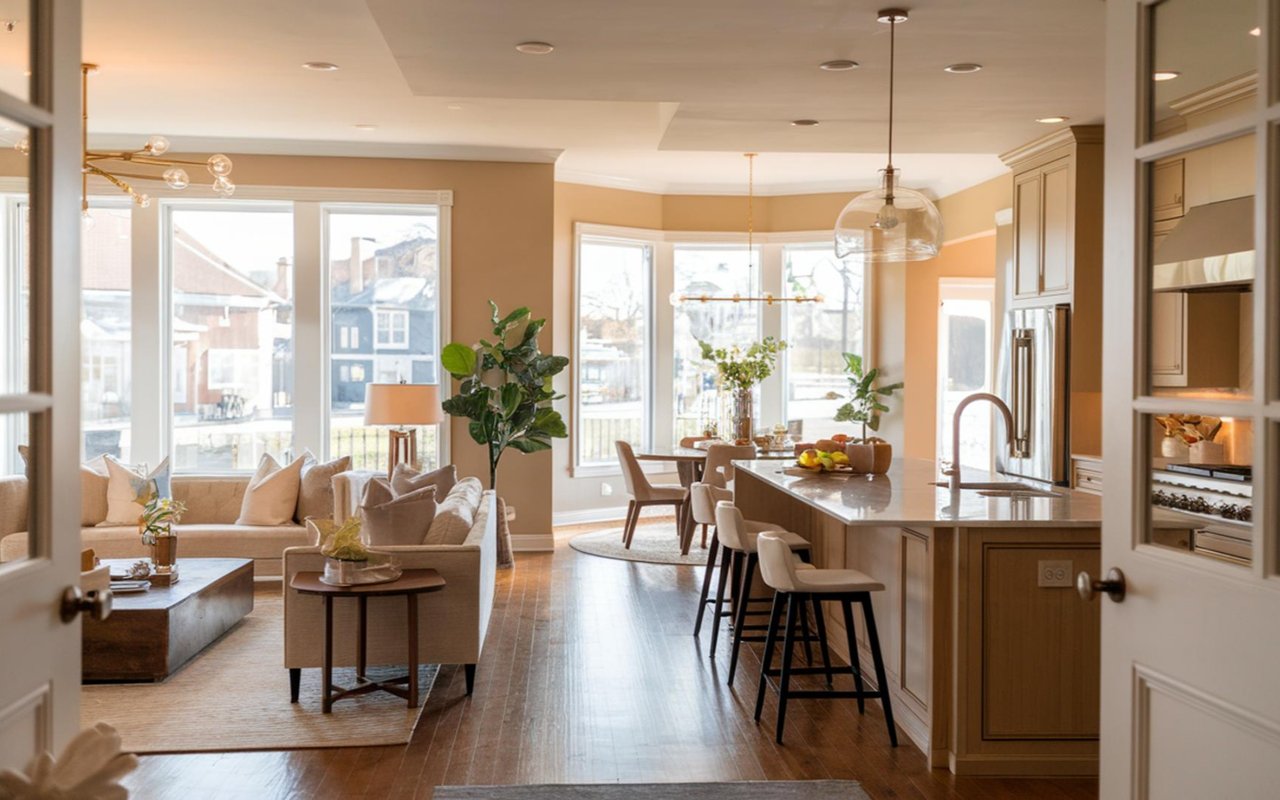
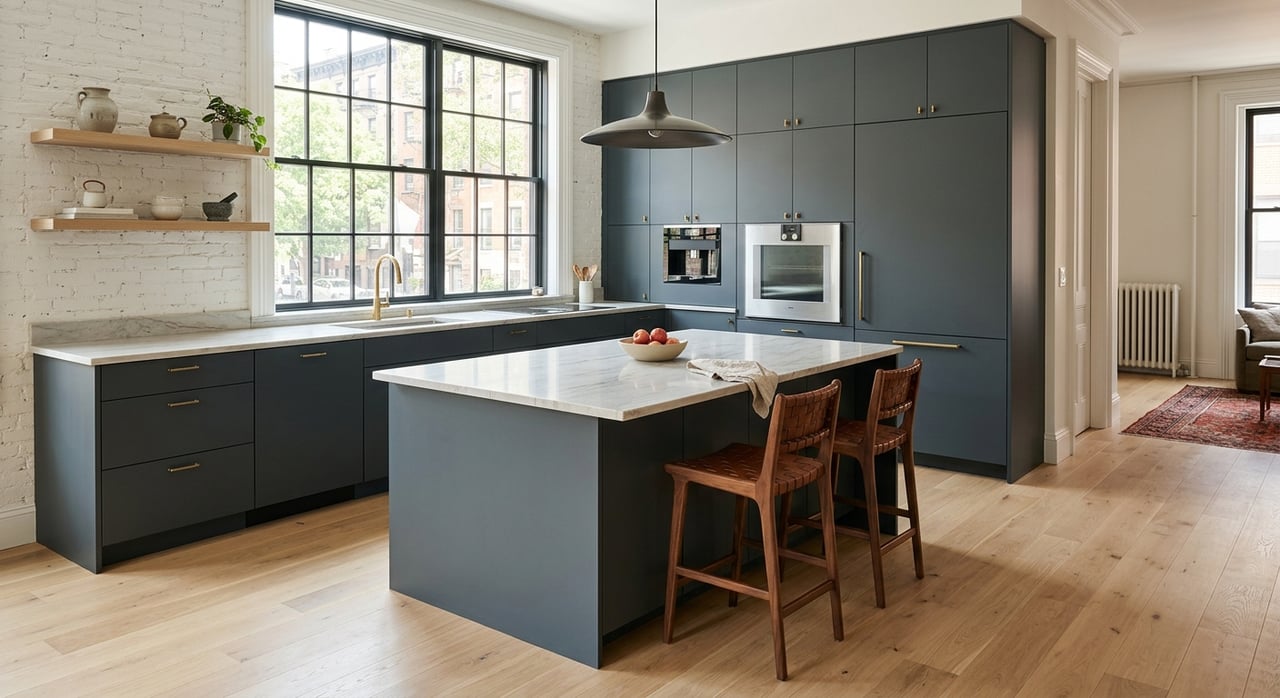
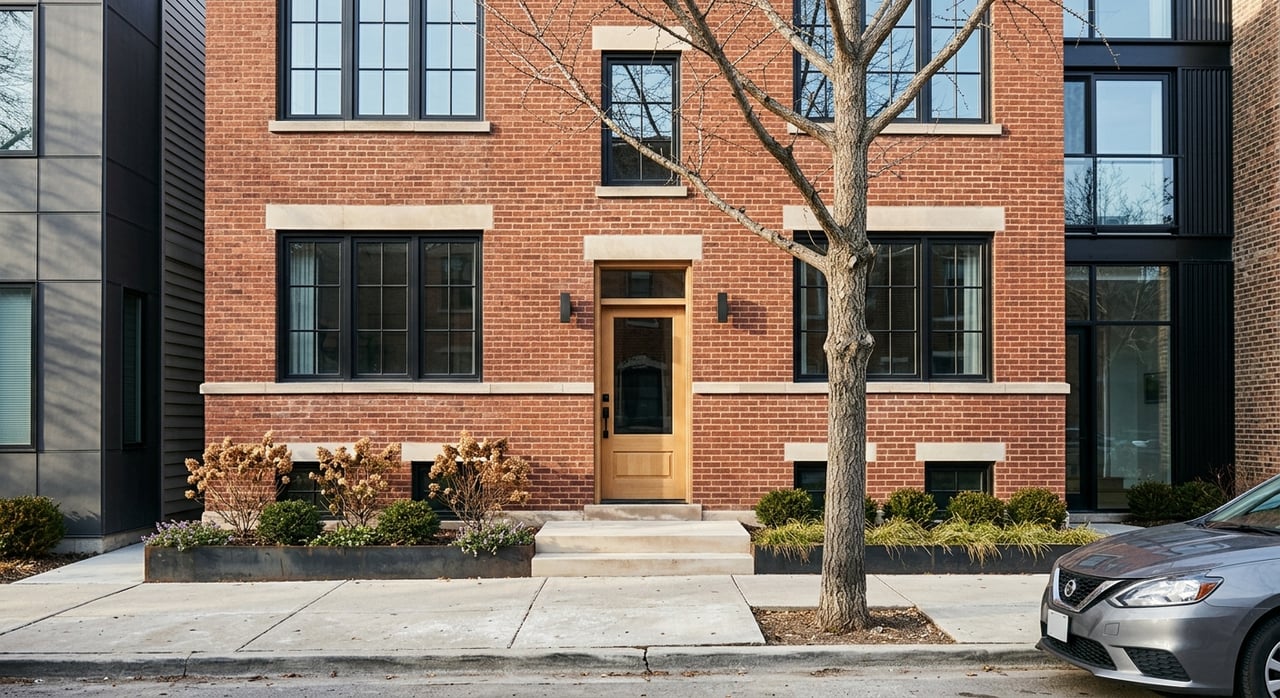
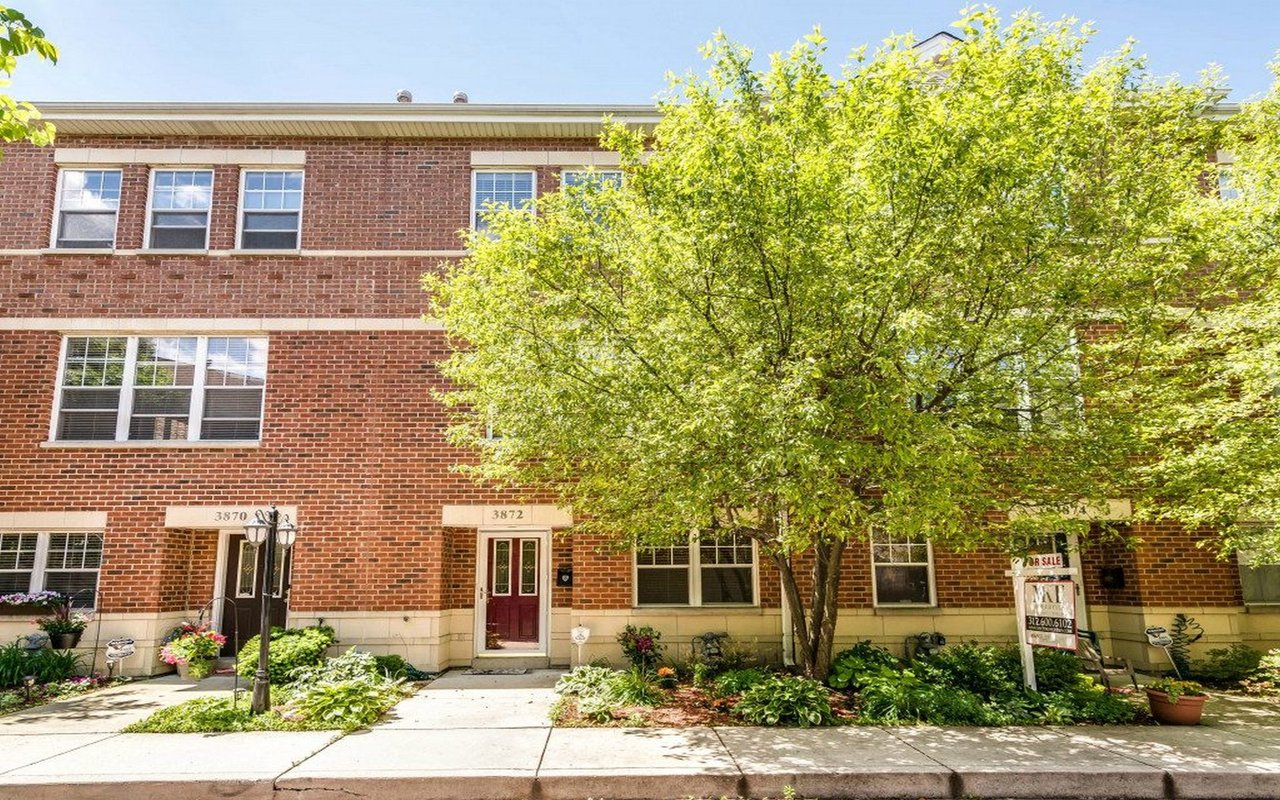
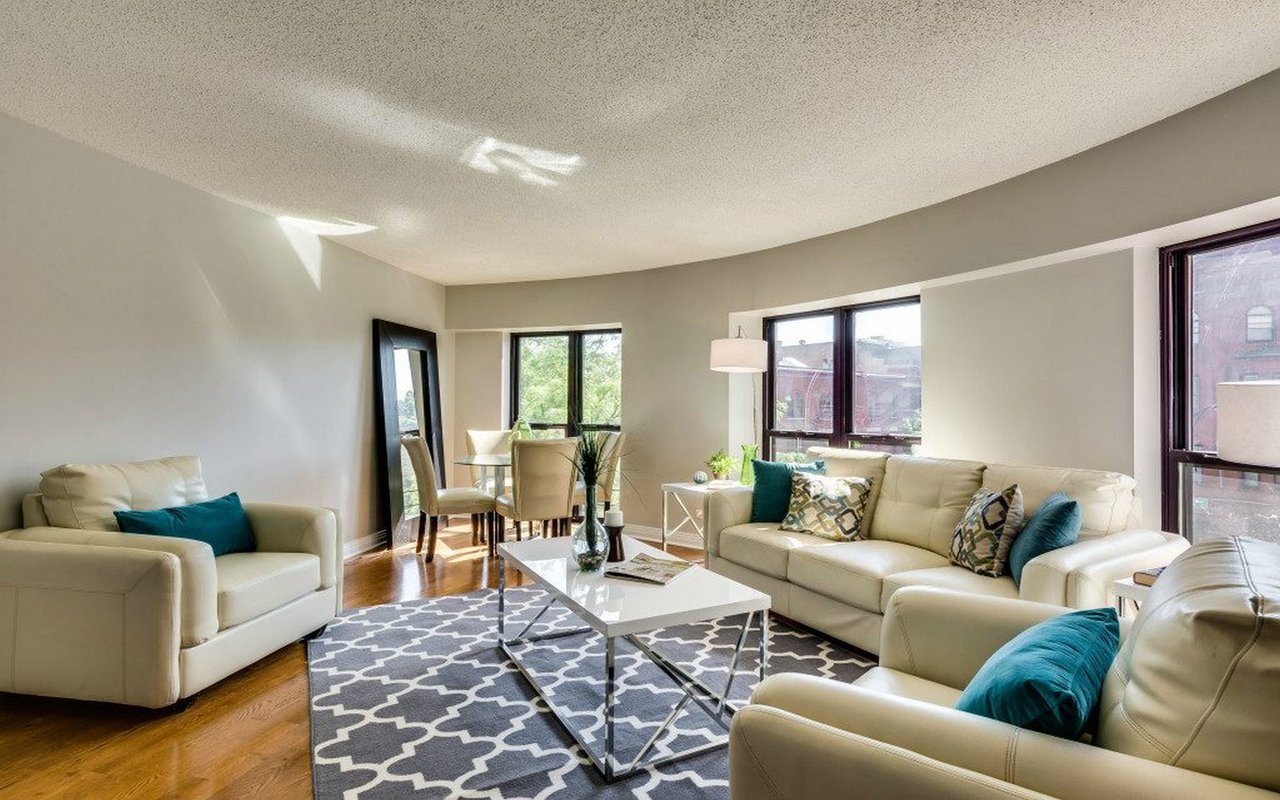
In 2024, 38.8 percent of housing units were condominiums. Another 43.8 percent were in buildings with five or more units, 12.0 percent were in two-to-four unit buildings, and only 5.4 percent were single-family homes. That mix makes Lakeview especially relevant for buyers looking at condos, vintage walk-ups, and larger residential buildings.
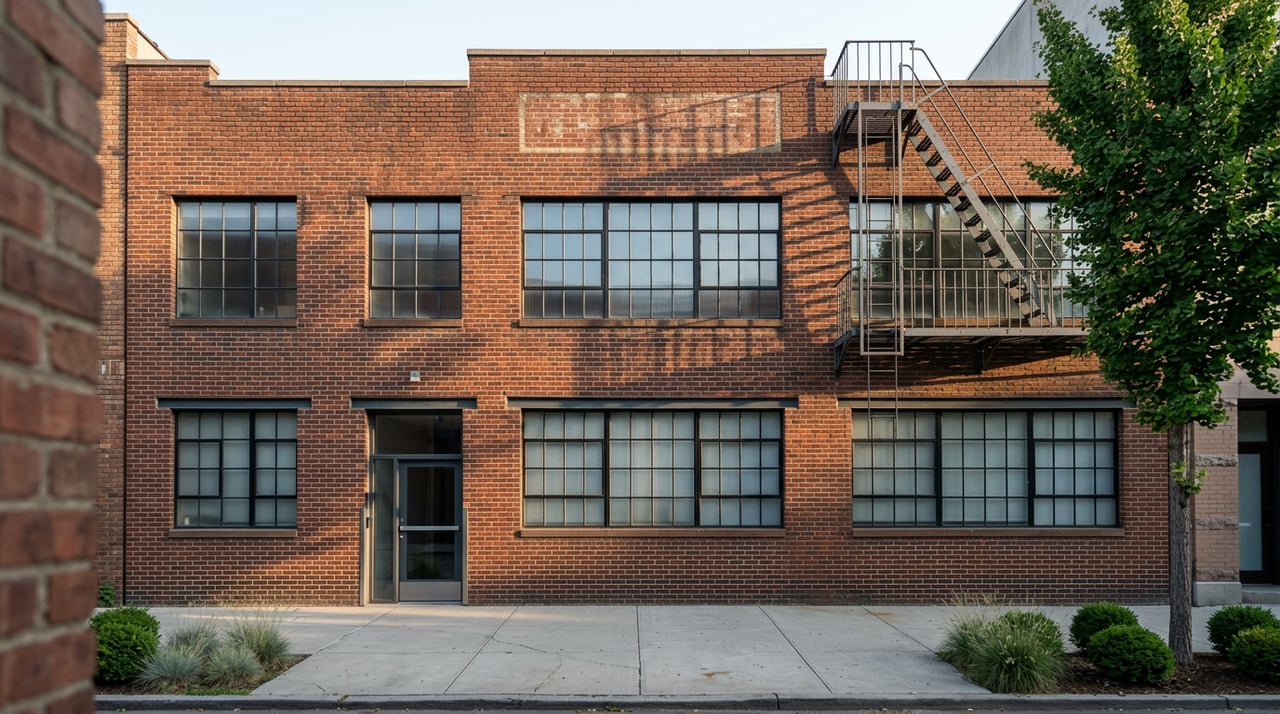
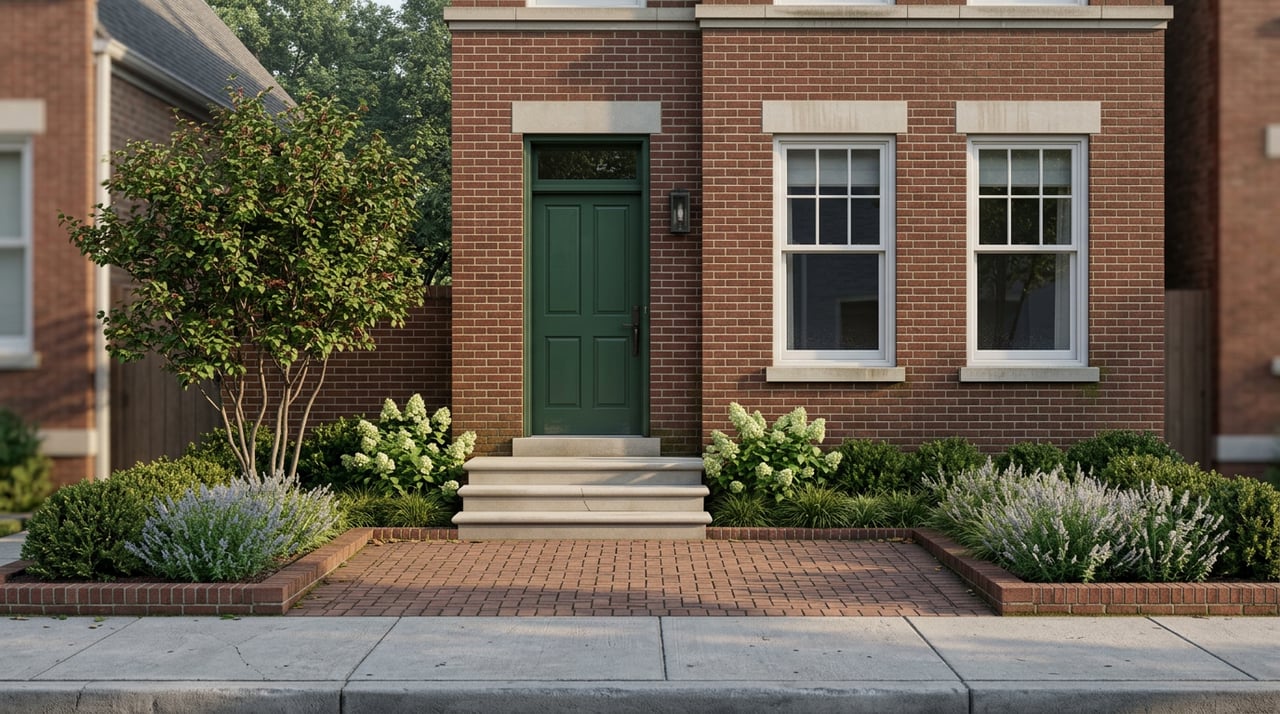
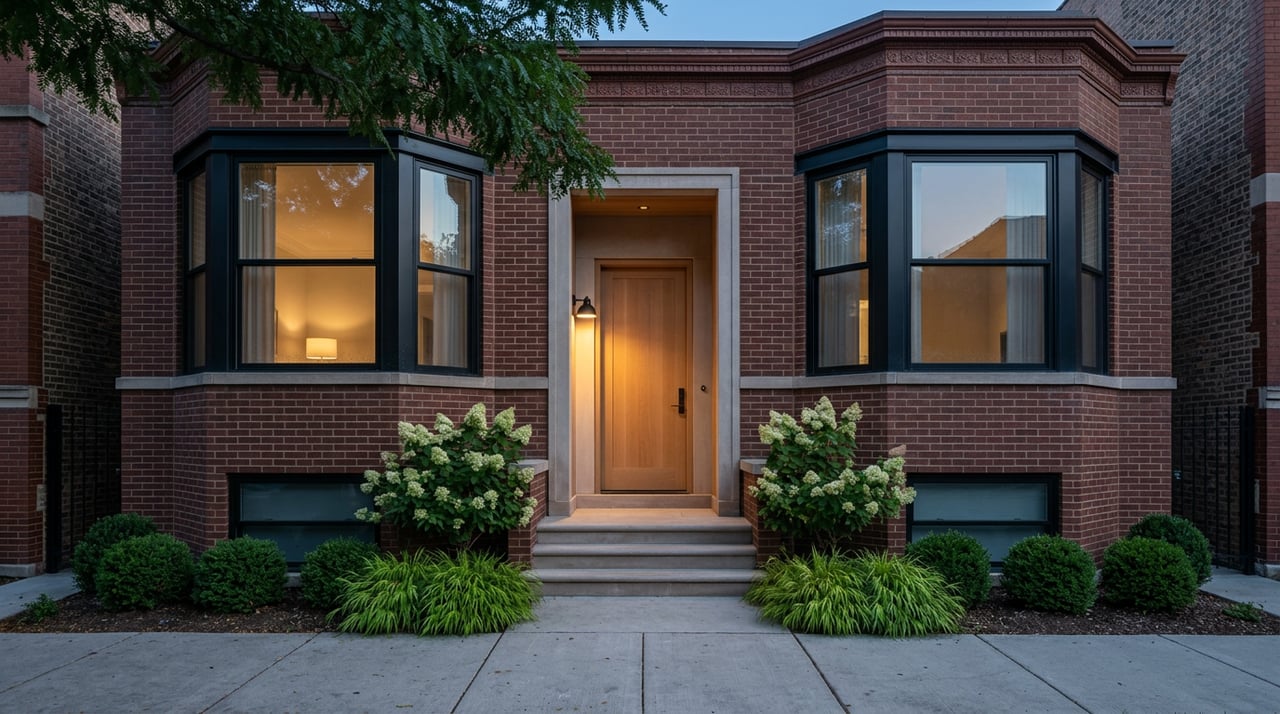
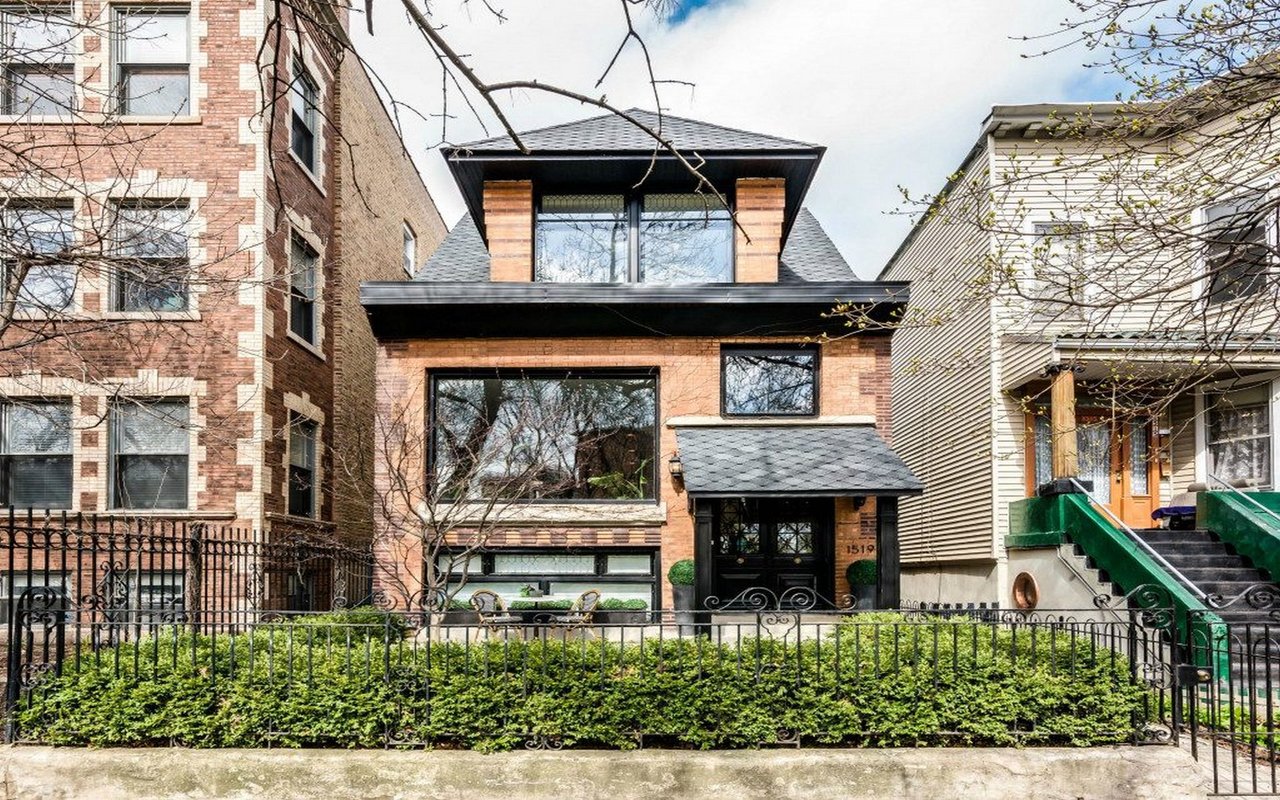
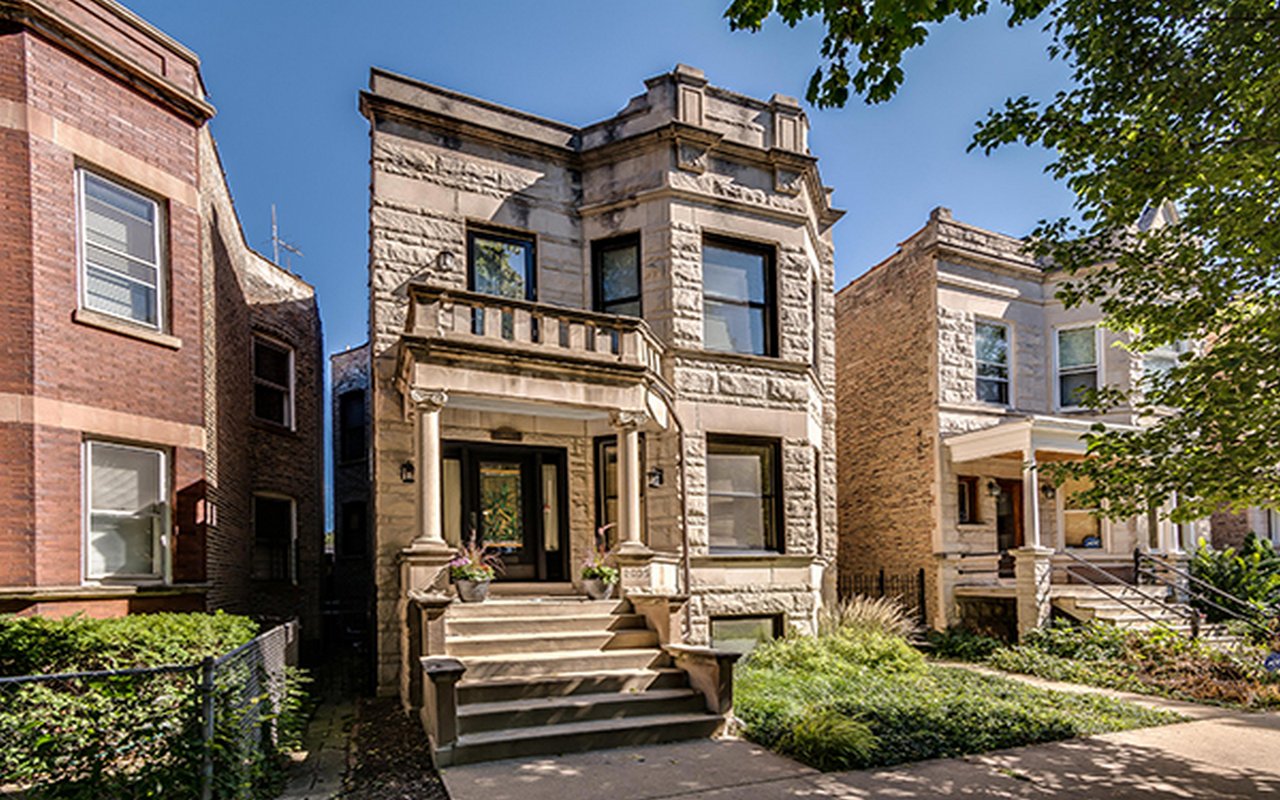
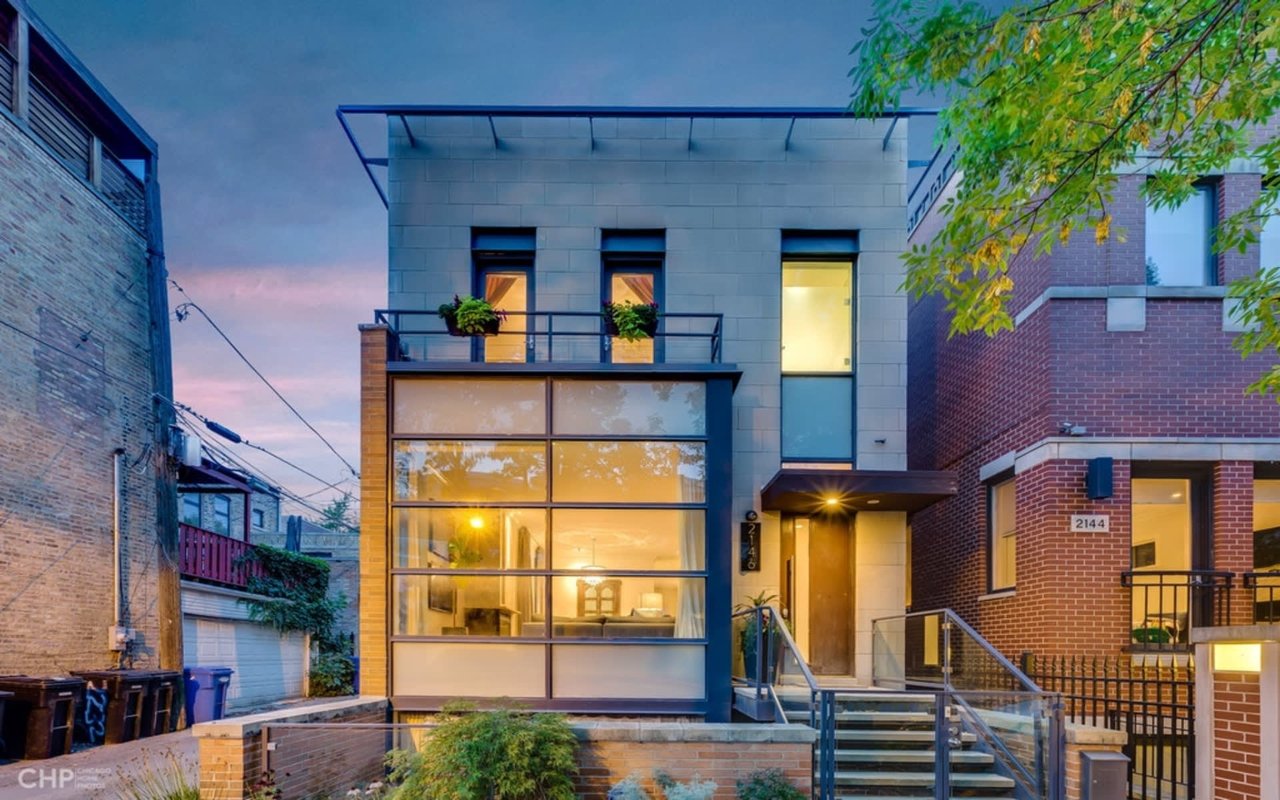
The neighborhood also has a mature housing stock. The median year built is 1962, and 35.3 percent of homes were built in 1939 or earlier. For you as a buyer, that can mean a wider range of building styles, layouts, and levels of renovation.
What that means for buyers
A condo search in Lakeview is rarely just about square footage. You are often weighing building type, age, location within the neighborhood, and how close you want to be to the lake, rail lines, or activity hubs like Wrigleyville and Southport.
It is also worth knowing that Lakeview is an active market. There were 1,724 residential sales in 2024, which points to steady movement and consistent demand. The neighborhood’s median household income of $104,135, above the citywide median of $75,134, also helps explain why well-located homes continue to attract attention.
Why condo buyers often focus on lifestyle first
In Lakeview, the location decision often comes before the floor plan decision. Some buyers want quick access to the lakefront. Others want to be near dining and shopping streets, or close to a CTA station that simplifies the workweek.
That is where local guidance matters. When a neighborhood has this many subareas and this much housing variety, the best fit is usually about how you want your day to feel, not just what you want your unit to look like.
Wrigley Field Changes Daily Rhythm
Wrigley Field is one of Lakeview’s defining landmarks, and game day is a real part of neighborhood life. The ballpark sits at 1060 W. Addison St., and it brings a level of energy that is hard to separate from the identity of the area.
For some buyers, that energy is a major draw. For others, it is something to think through carefully before choosing a specific pocket of the neighborhood. Either way, it should be part of your decision-making if you are considering a condo in Lakeview.
What game days mean in practice
The Cubs recommend public transportation for events, which tells you a lot about how the area functions on home game days. The Addison Red Line station is one block east of Wrigley Field, and certain Purple Line Express trains also stop there on weekday Cubs home-game nights.
If you live nearby, game days can affect foot traffic, transit crowding, and the overall pace of the area. That does not make it better or worse on its own. It simply means the atmosphere around your home may feel very different during a game or event than it does on a quiet weekday morning.
Choosing your distance from the ballpark
One of the smartest ways to approach Lakeview is to think about your comfort with activity. If you love being close to the action, Wrigleyville may feel exciting and convenient. If you want access to the same neighborhood with a more removed day-to-day feel, other parts of Lakeview may be a better match.
This is where a strategic home search becomes useful. In a neighborhood with strong identity and distinct micro-locations, even a few blocks can change your daily experience in a meaningful way.
Lakefront Trails Add Everyday Value
The other major lifestyle anchor in Lakeview is the lakefront. The Chicago Park District says the Lakefront Trail stretches from Ardmore Avenue to 71st Street and, since the 2018 separation project, functions as an 18-mile bike trail and an 18.5-mile pedestrian trail.
That matters because the trail is more than a scenic feature. It serves as both a recreational asset and an active transportation route, which can shape how you move through the city and how often you use your neighborhood beyond your own block.
Why the lakefront matters to condo living
In condo-heavy neighborhoods, shared access to outdoor amenities can carry real lifestyle value. If you do not have a private yard, easy access to the lakefront can become part of your routine for exercise, commuting, or simply getting outside.
For many buyers, that trade-off is appealing. You may choose a condo building over a larger home because the surrounding neighborhood offers so much built-in convenience and activity.
The trail supports year-round routines
The strongest neighborhoods are often the ones that fit real life, not just weekend plans. In Lakeview, the trail supports morning runs, evening walks, bike rides, and practical trips along the lakefront.
That kind of access can make condo living feel larger than the walls of your unit. It gives you a sense of reach and flexibility that many urban buyers value highly.
Walkability Is a Big Part of the Appeal
Lakeview is not just about major destinations. It is also about the smaller patterns of daily life, like picking up coffee, walking to dinner, or browsing local shops without getting in a car.
Choose Chicago highlights Broadway in East Lakeview, Belmont and Broadway in Northalsted, and Southport Corridor as core shopping and dining areas. Southport is specifically described as a place for strolling, shopping, and restaurants, which aligns with how many residents use the neighborhood day to day.
Where walkability shows up most
If you are comparing different parts of Lakeview, pay attention to what kind of walkability you want. Some buyers want a lakefront route. Others want easy access to retail corridors or restaurant clusters.
Because Lakeview has several commercial pockets, you can often prioritize a specific kind of convenience. That is a major advantage over neighborhoods that depend on one central strip for most daily needs.
Transit Supports a Car-Light Lifestyle
For many buyers, Lakeview works because it offers multiple ways to get around. CTA rail service is one of the neighborhood’s strongest practical features, with access to the Red, Brown, and Purple lines.
Nearby stations include Addison, Belmont, Paulina, Southport, Sheridan, Wilson, and Wellington. Belmont is especially useful because it serves Red, Brown, and Purple service, which gives you flexibility depending on where you are headed.
Why transit access matters when buying
Transit can shape value in ways buyers sometimes underestimate. It affects commute options, daily convenience, and how connected your home feels to the rest of Chicago.
In Lakeview, that connectivity pairs well with the lakefront trail and the neighborhood’s commercial streets. Together, they support a realistic car-light lifestyle for many residents who want to move between home, errands, recreation, and events without relying on a car every day.
How To Think About Buying in Lakeview
Lakeview can be a strong fit if you want urban convenience, housing variety, and neighborhood energy in one package. It can be especially appealing if you are a first-time condo buyer, a move-up buyer who wants a well-located city home, or an analytical buyer thinking about long-term value in a consistently active market.
The key is to look past the broad neighborhood name and focus on the details that affect your daily life. In Lakeview, your block, building type, and distance from the lake, trains, and activity centers all matter.
A smart Lakeview checklist
Before you buy, it helps to narrow your priorities:
- How close do you want to be to Wrigley Field and game-day activity?
- Do you want quick access to the Lakefront Trail?
- Which CTA line or station matters most for your routine?
- Do you prefer a vintage building or a more updated condo environment?
- Are you looking for a quieter residential pocket or a more active commercial area?
When you answer those questions clearly, your search usually gets more focused and more productive.
Lakeview offers a compelling mix of city energy, lakefront access, and condo-driven housing choices. If you want help sorting through the neighborhood’s different pockets, comparing building types, and making a smart purchase with both lifestyle and long-term value in mind, the Klopas-Stratton Team can help you navigate the search with clarity and confidence.
FAQs
What types of homes are most common in Lakeview, Chicago?
- Condos and multifamily housing are the most common, with 38.8 percent of units classified as condominiums and only 5.4 percent classified as single-family homes.
How important is Wrigley Field to daily life in Lakeview?
- Wrigley Field is a major part of the neighborhood identity, and home games can affect transit patterns, foot traffic, and the overall pace in nearby areas.
How does the Lakefront Trail affect Lakeview condo living?
- The Lakefront Trail adds convenient access to recreation and transportation, which can make condo living feel more connected and flexible.
Which CTA lines serve Lakeview, Chicago?
- Lakeview is served by the Red, Brown, and Purple lines, with stations including Addison, Belmont, Paulina, Southport, Sheridan, Wilson, and Wellington.
Is Lakeview, Chicago more renter-occupied or owner-occupied?
- Lakeview has more renter-occupied households, with 62.6 percent renter occupancy and 37.4 percent owner occupancy.