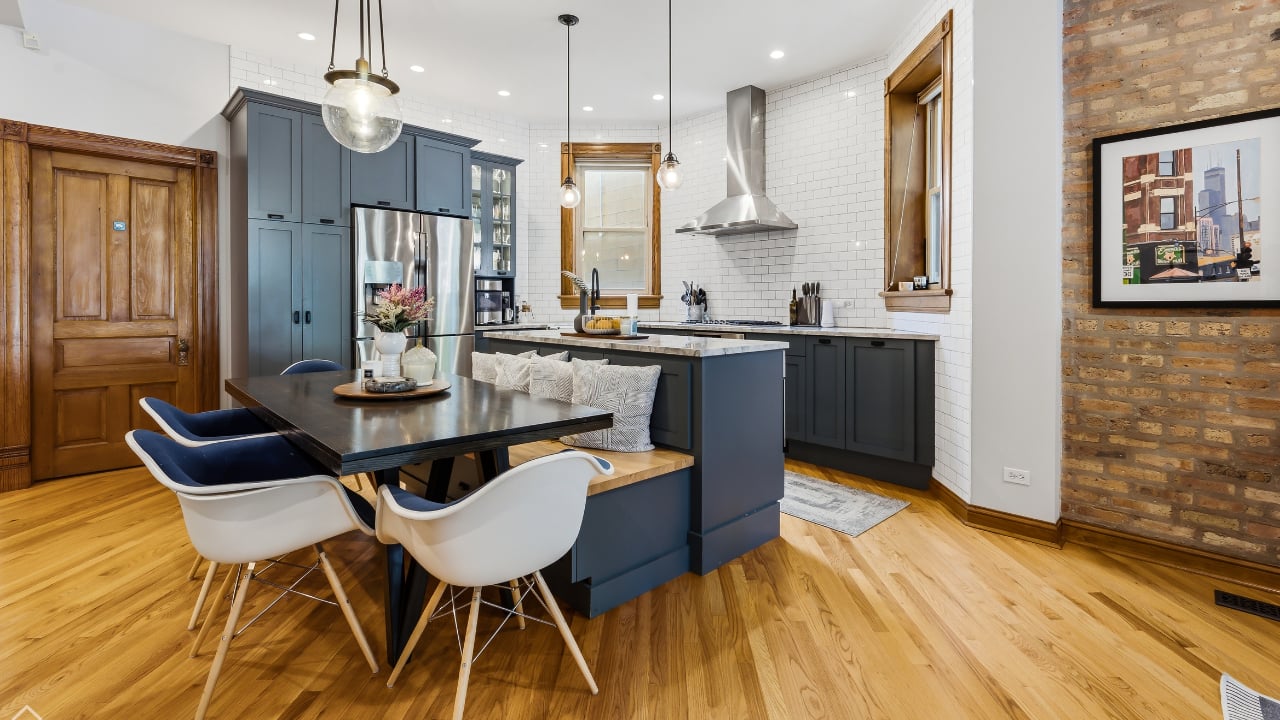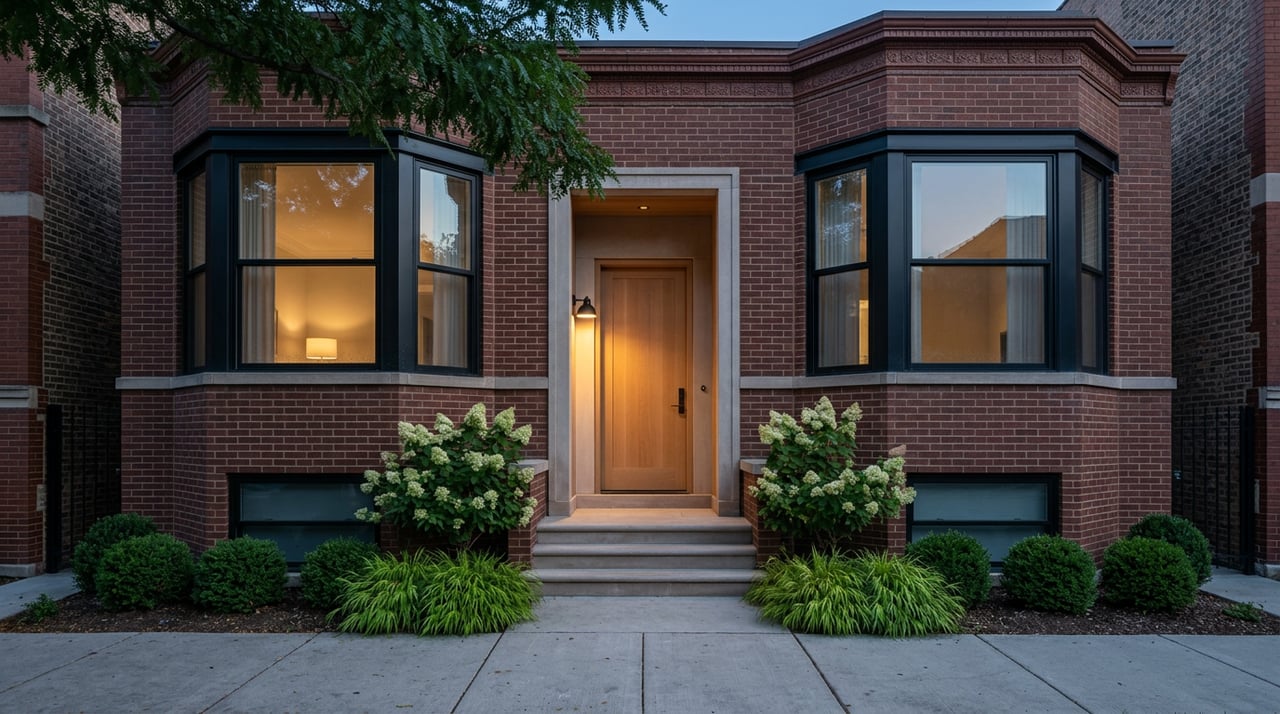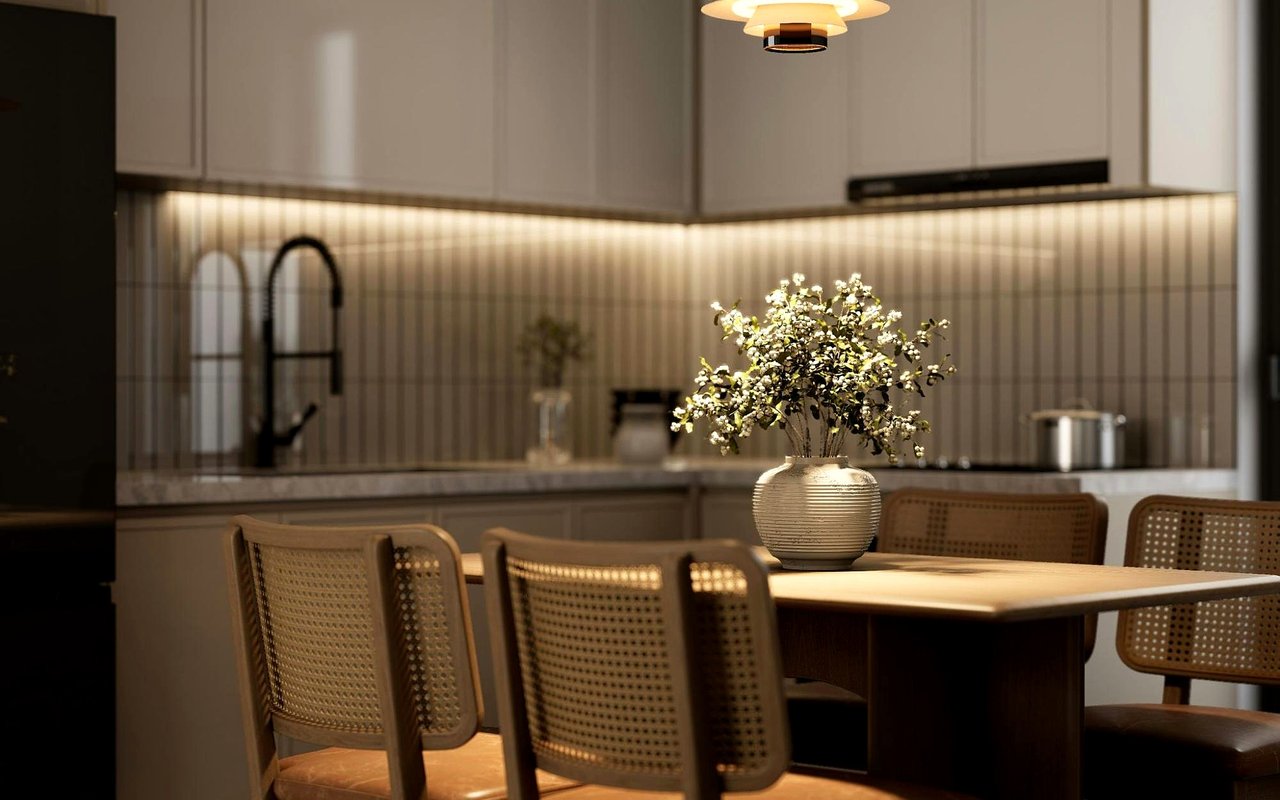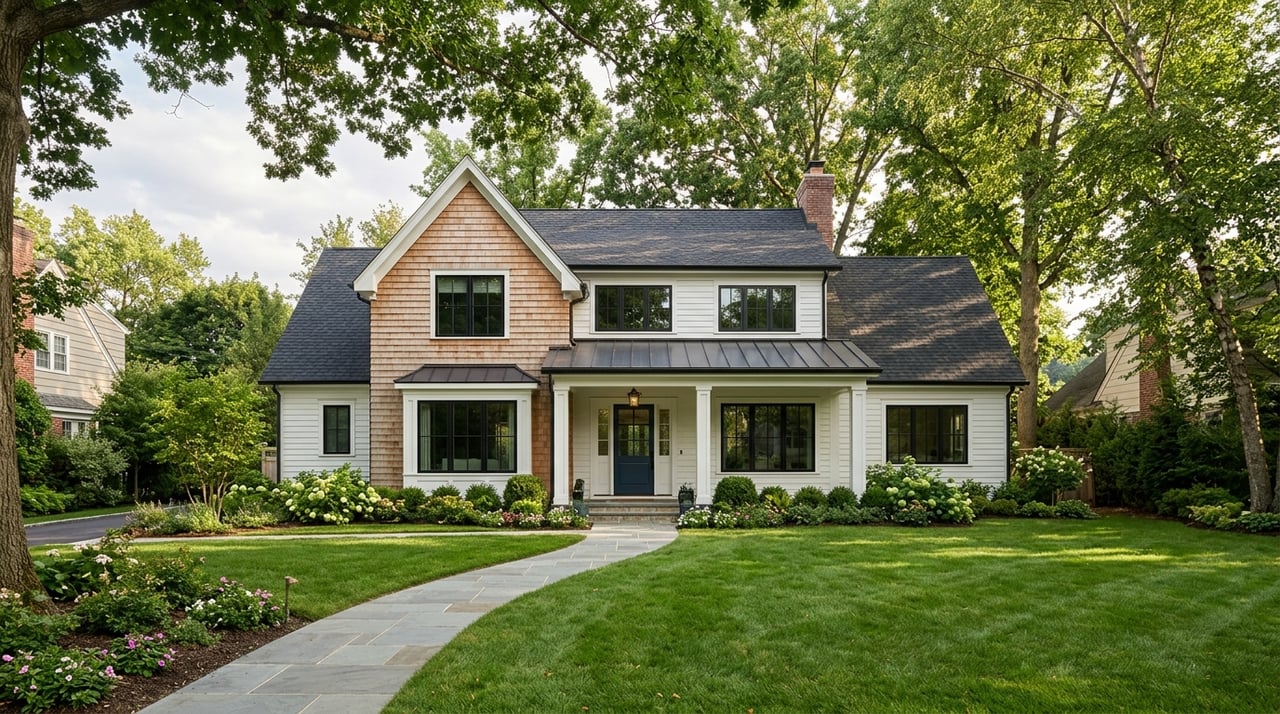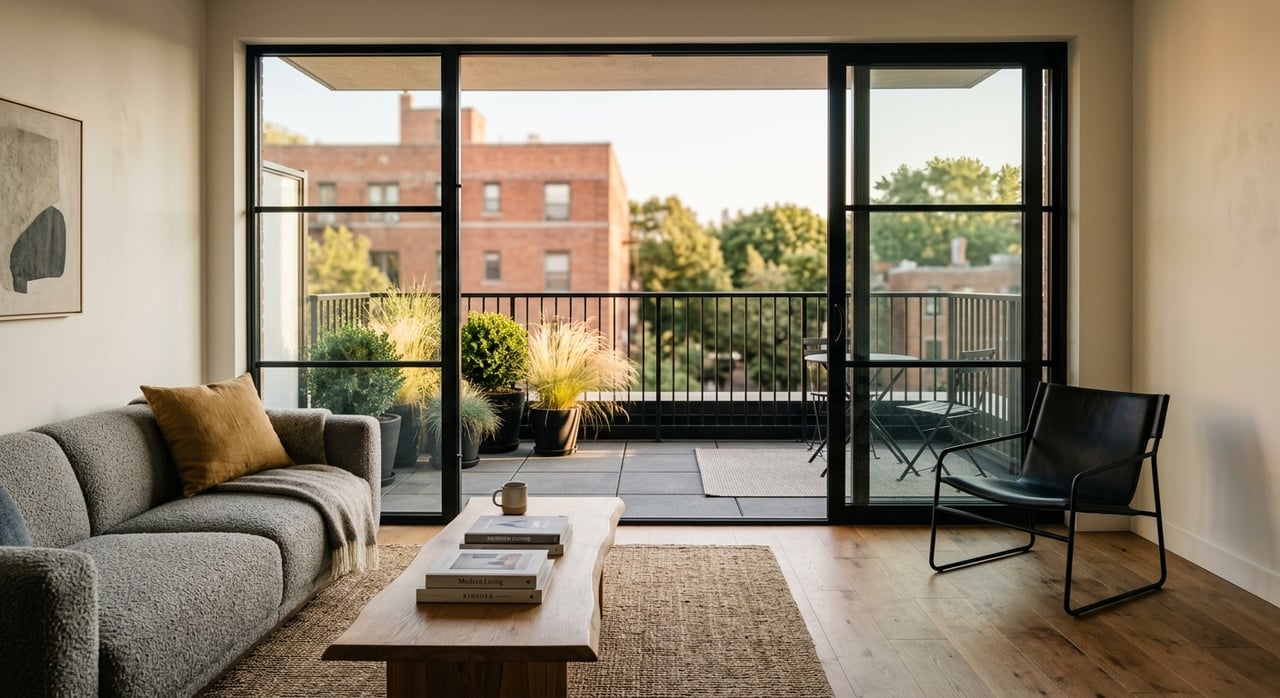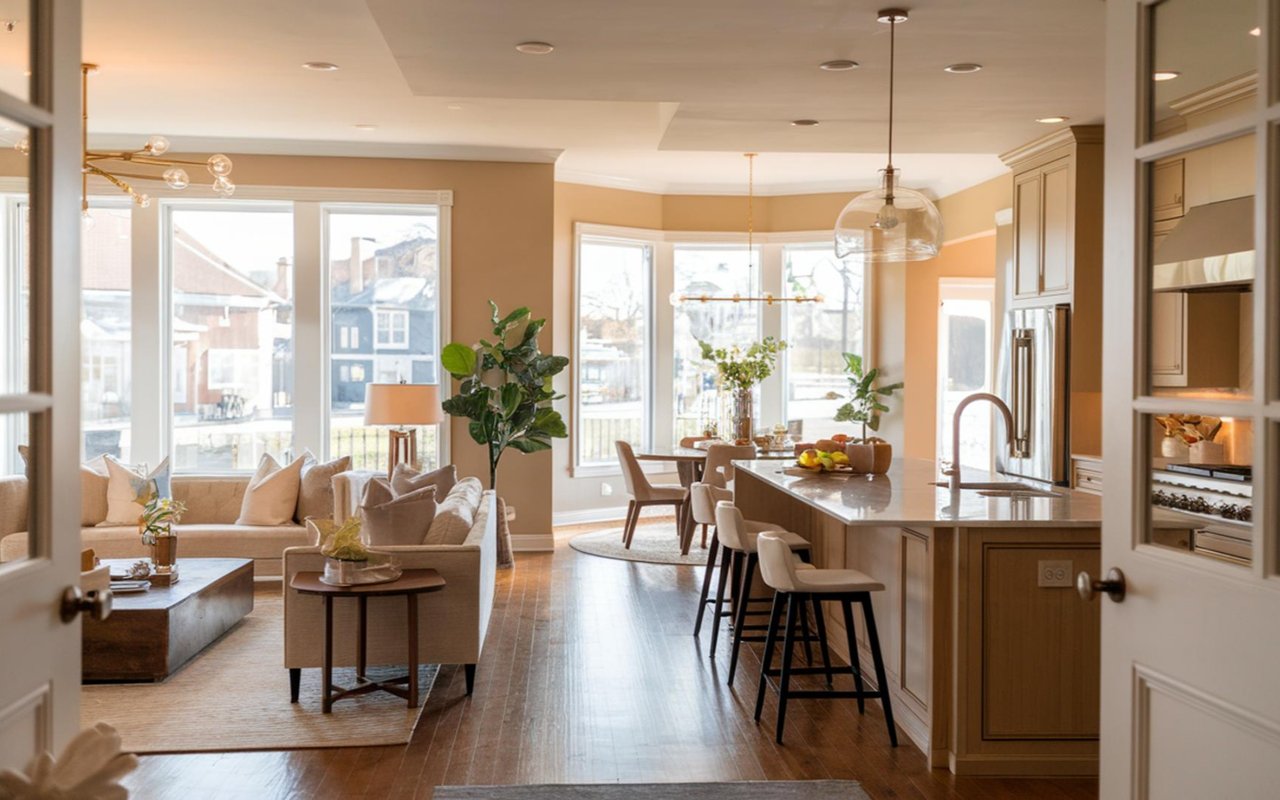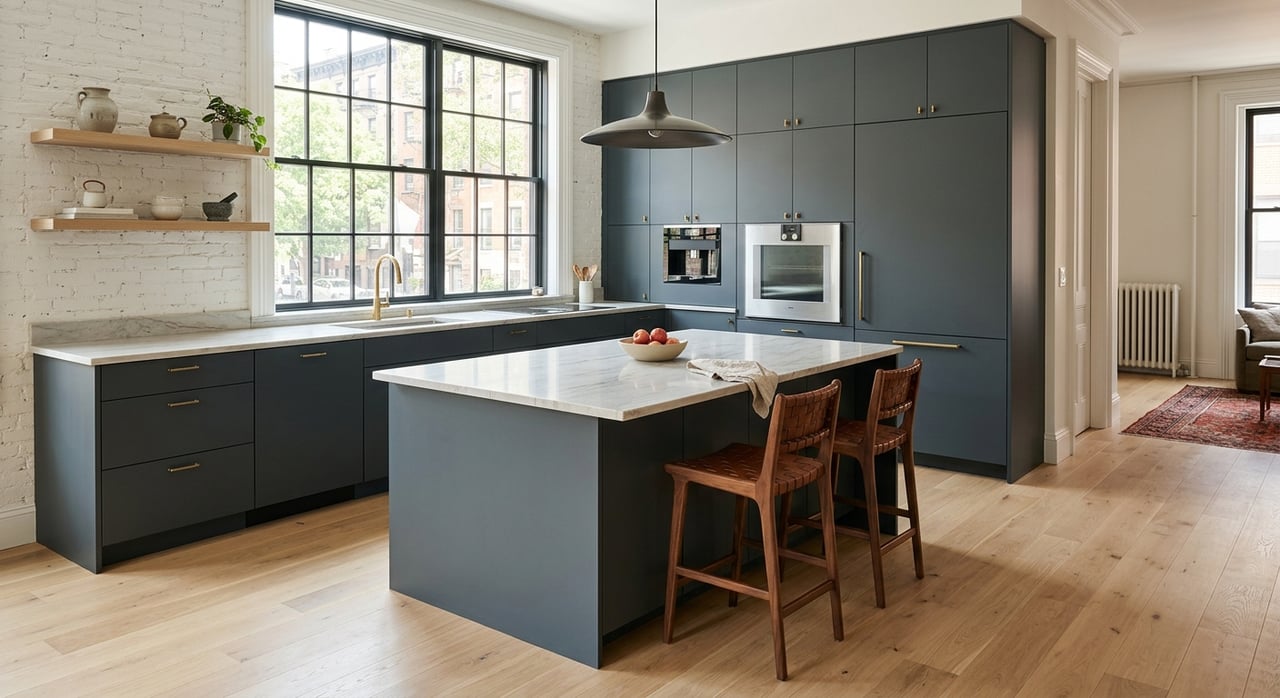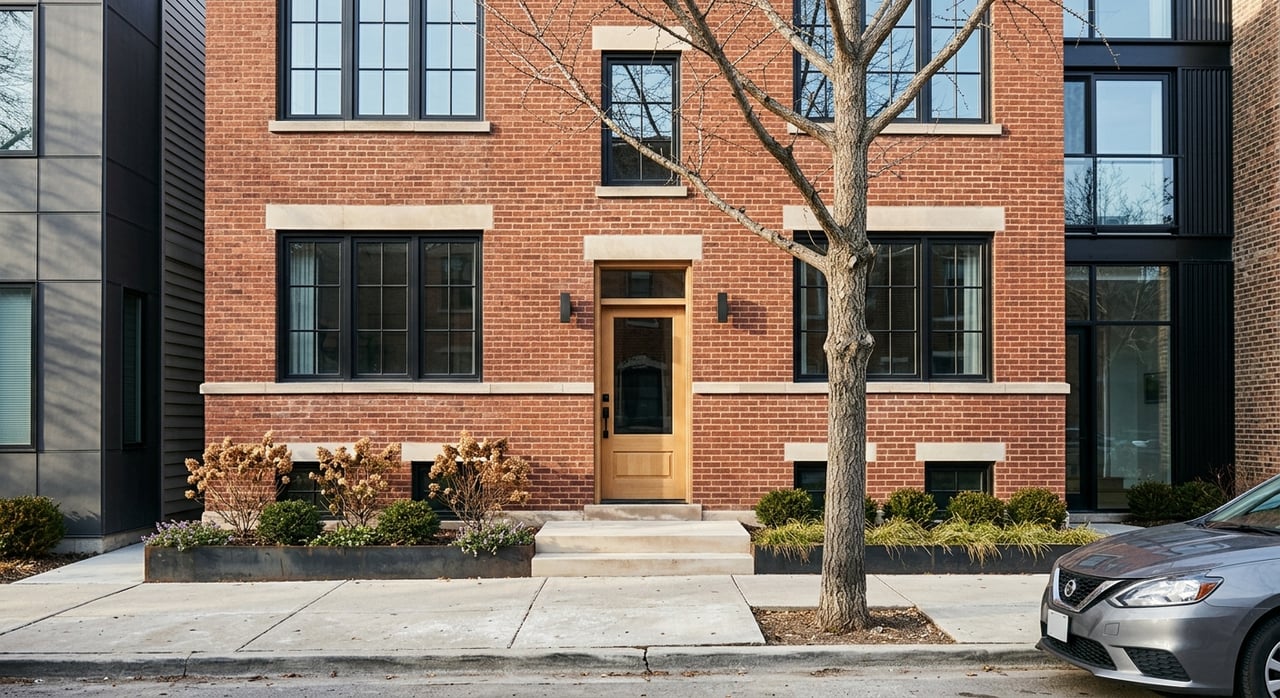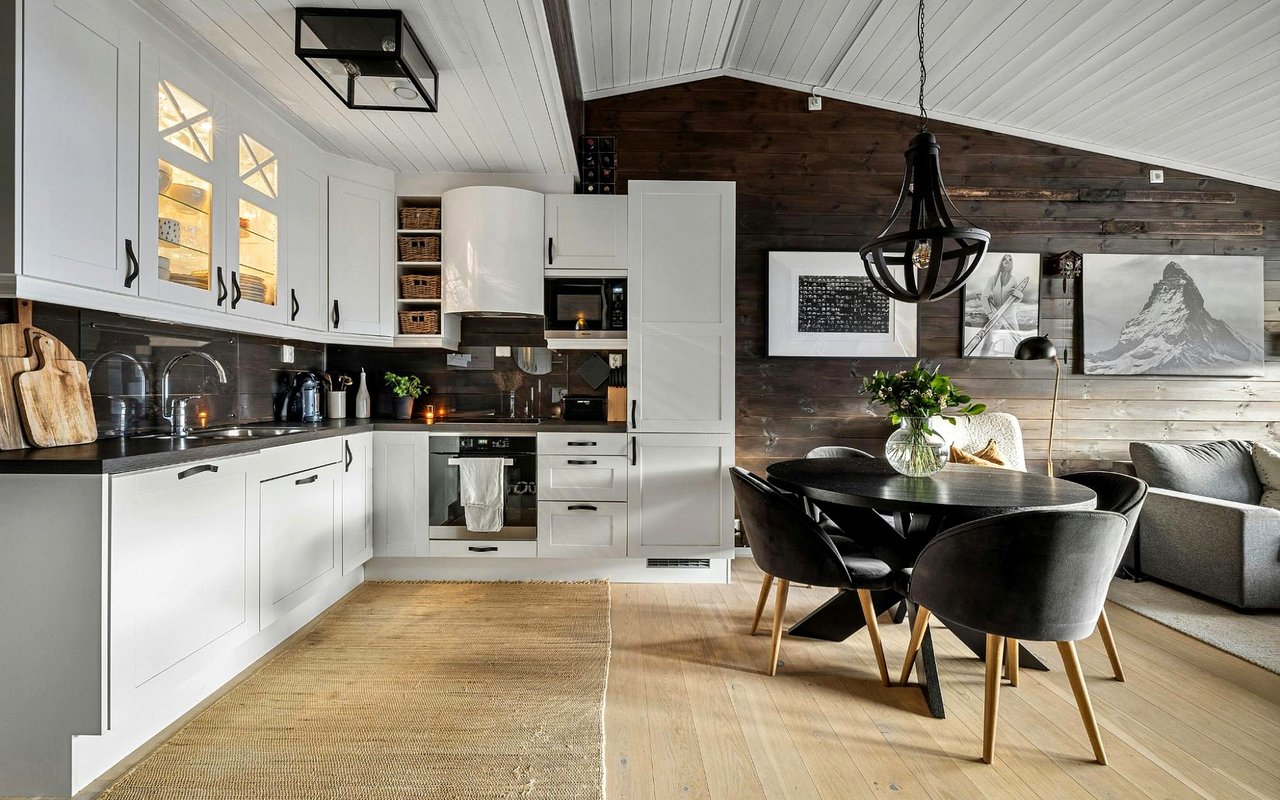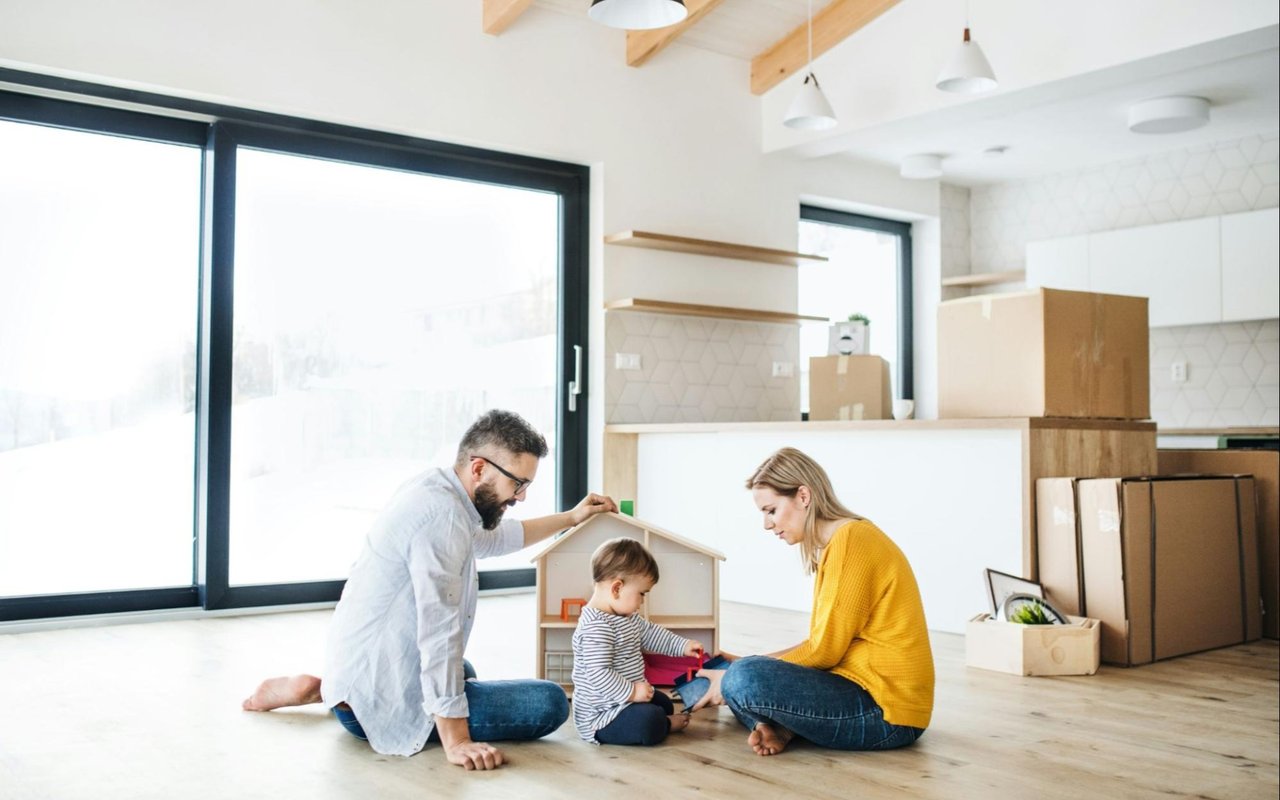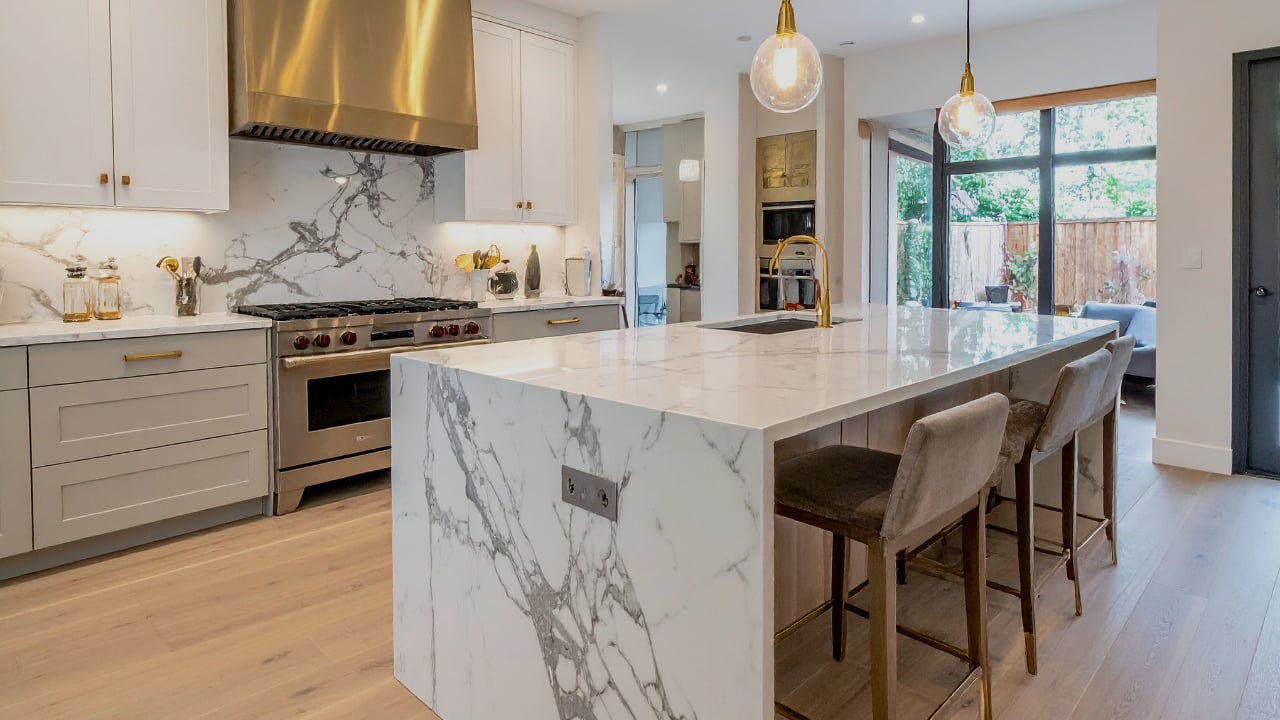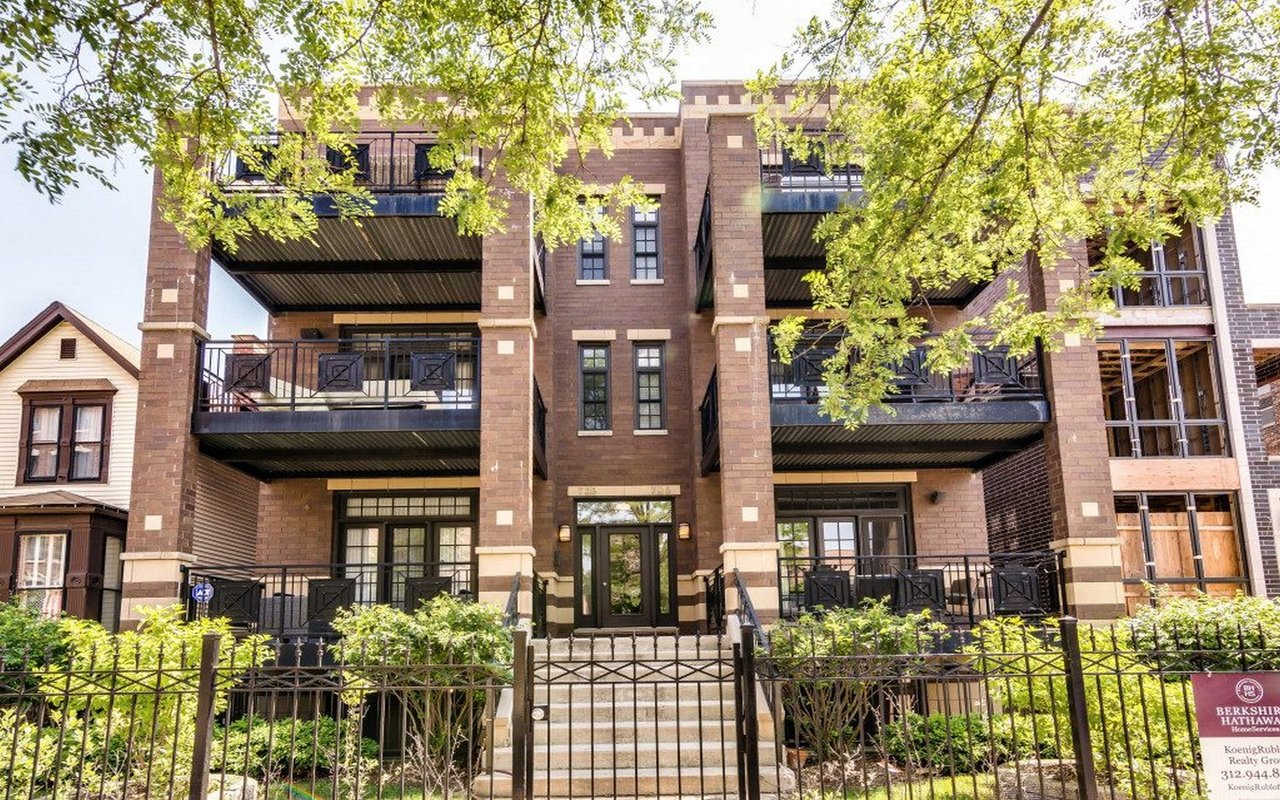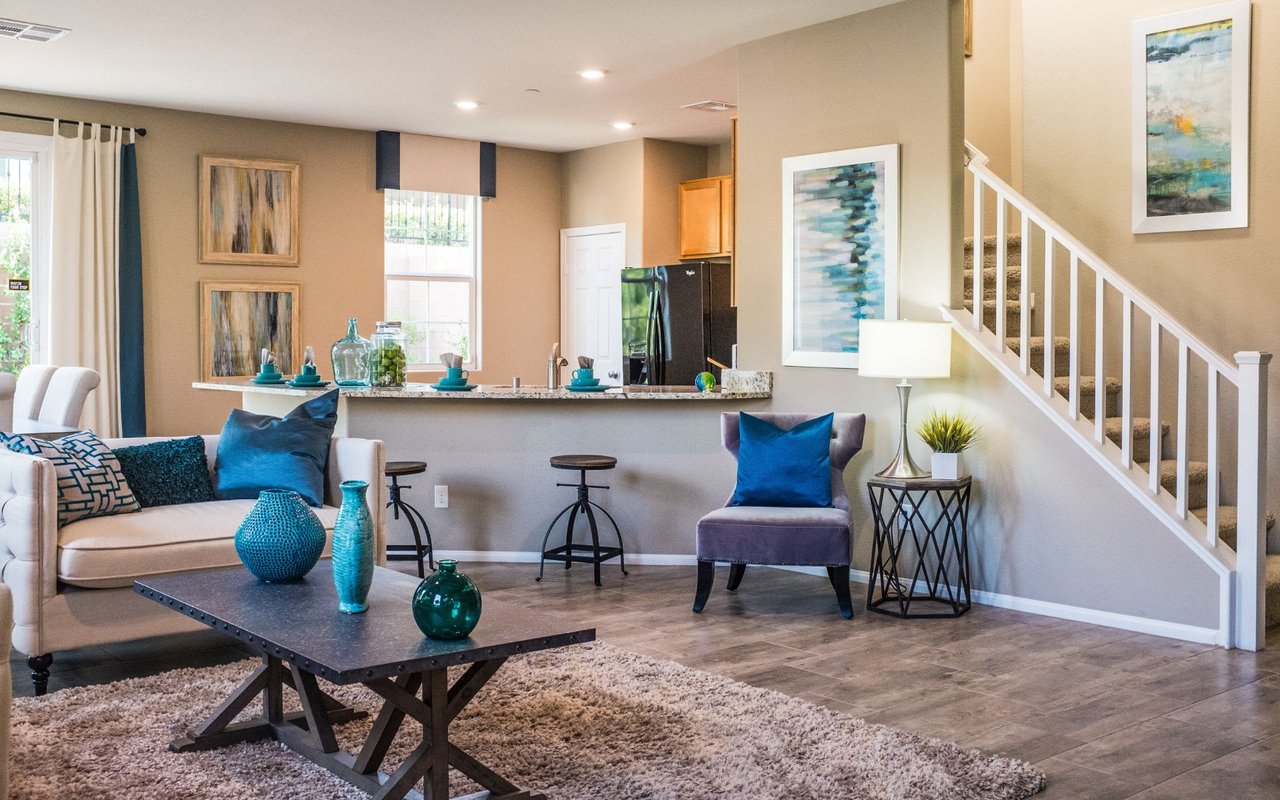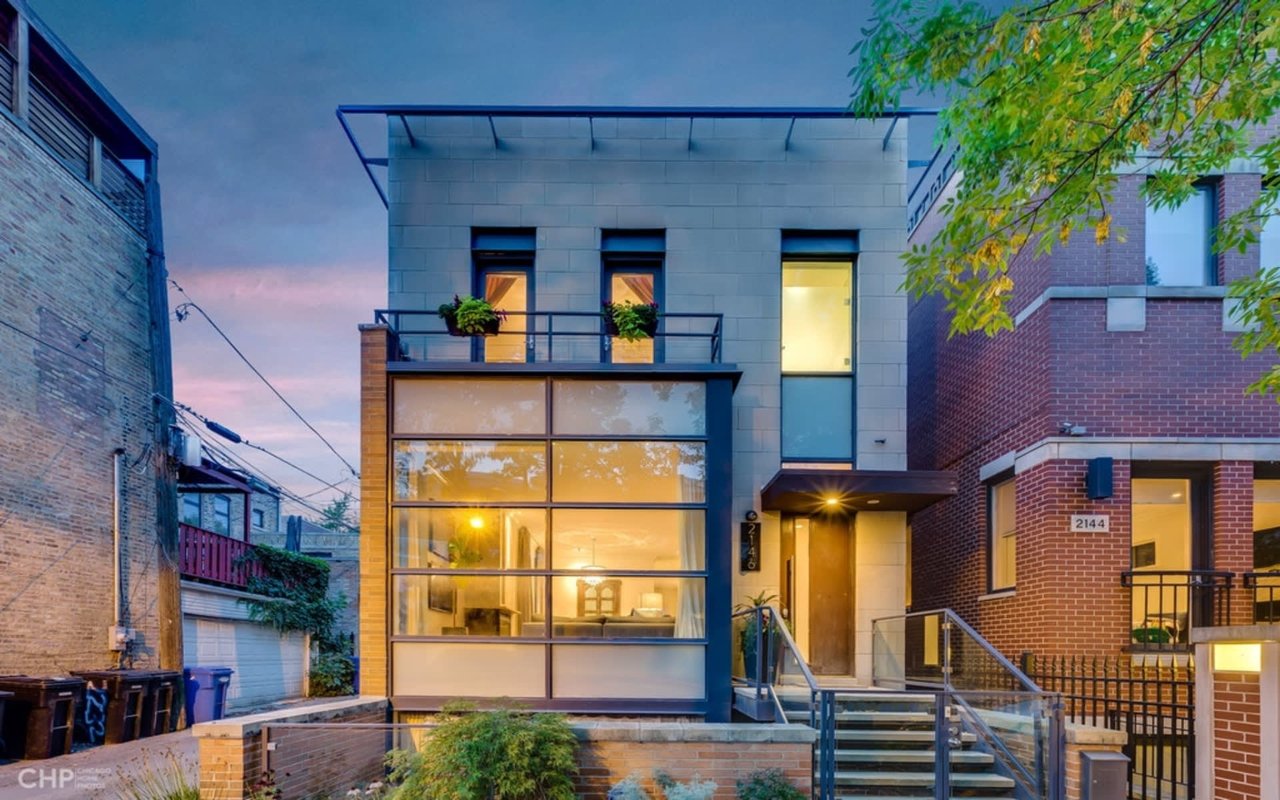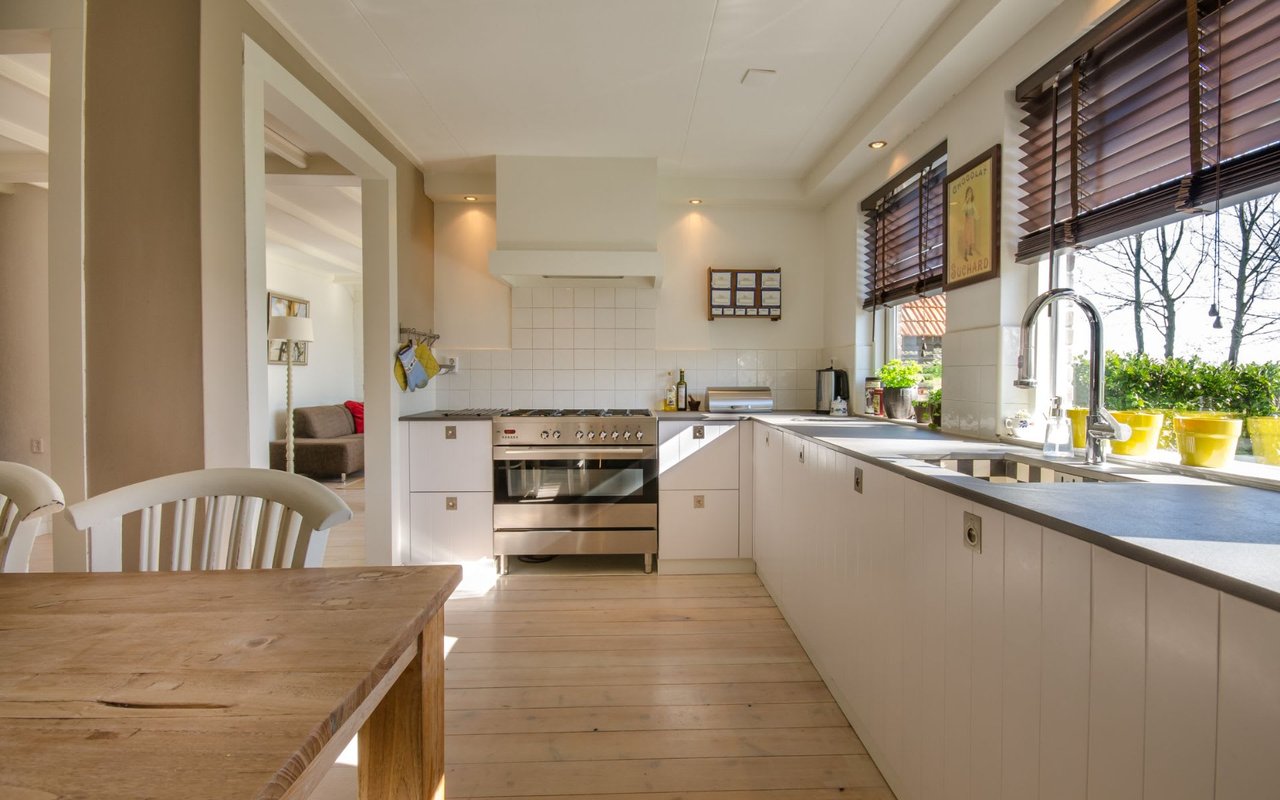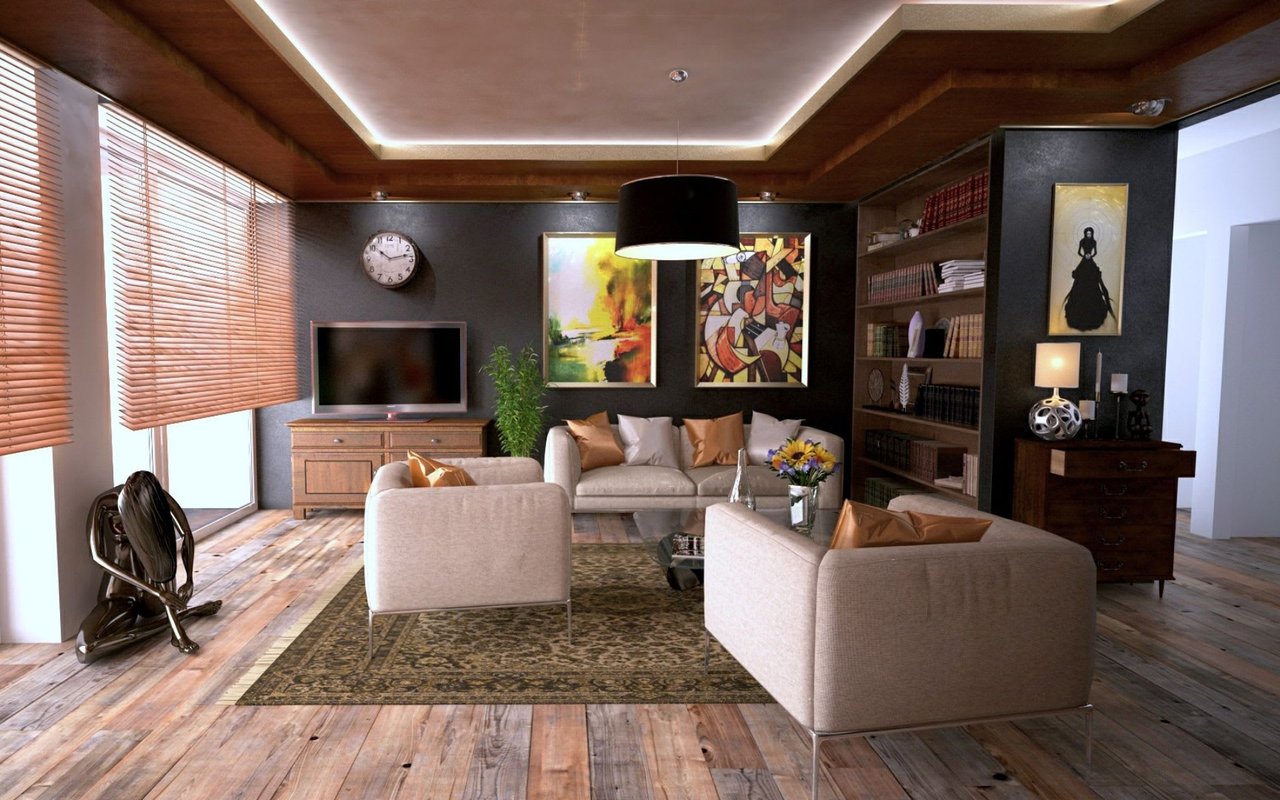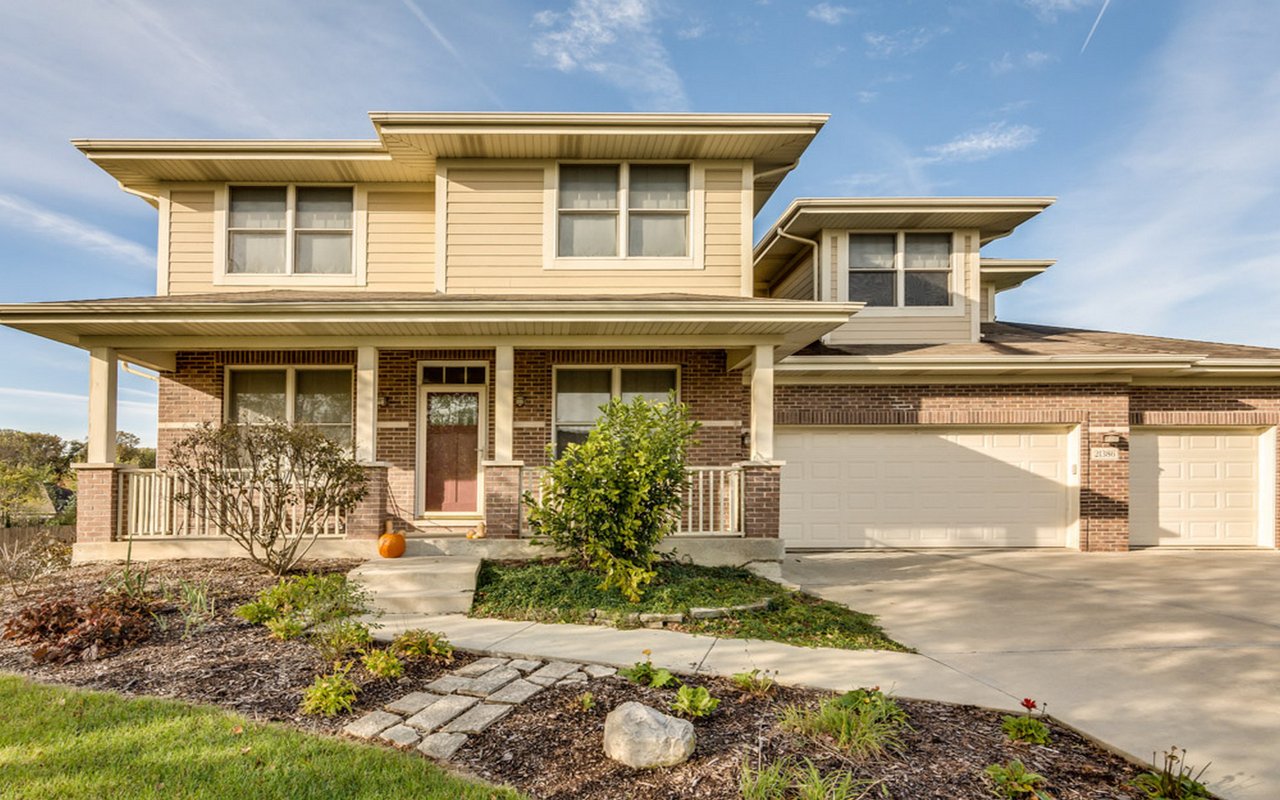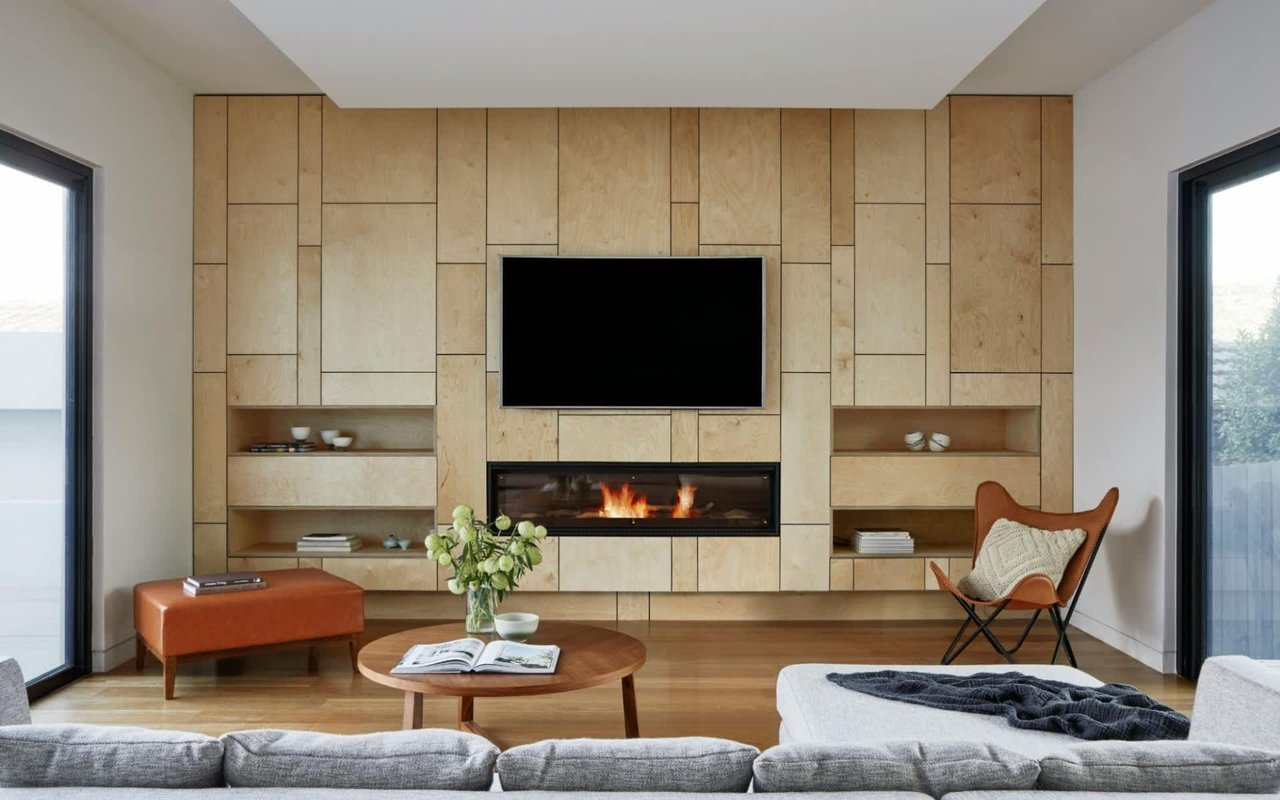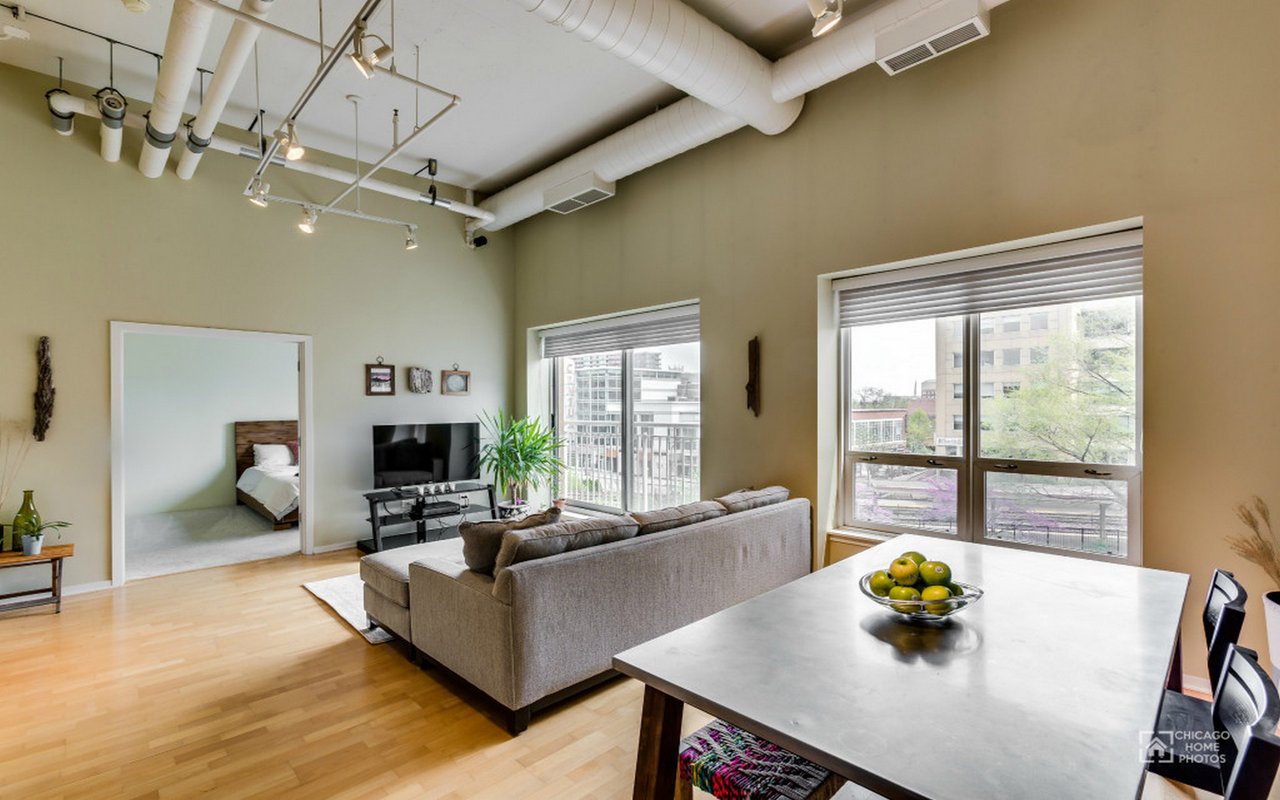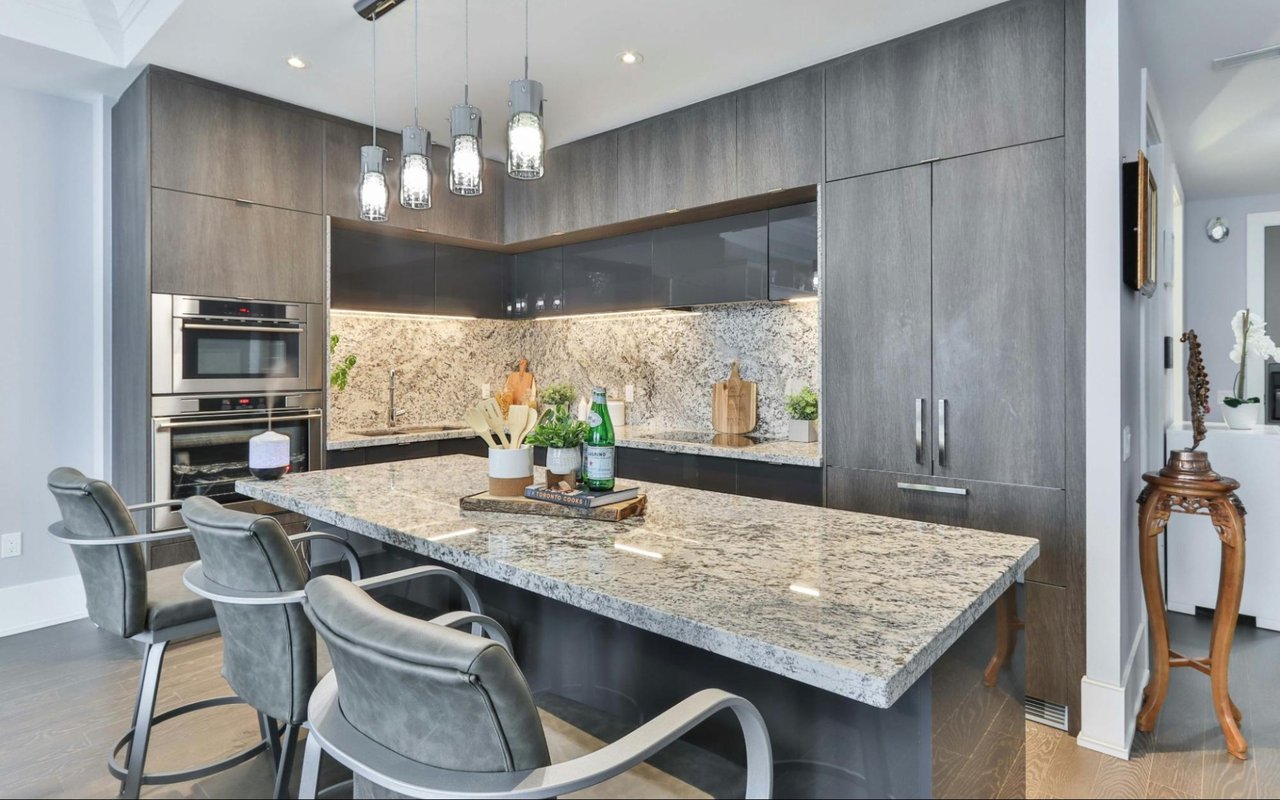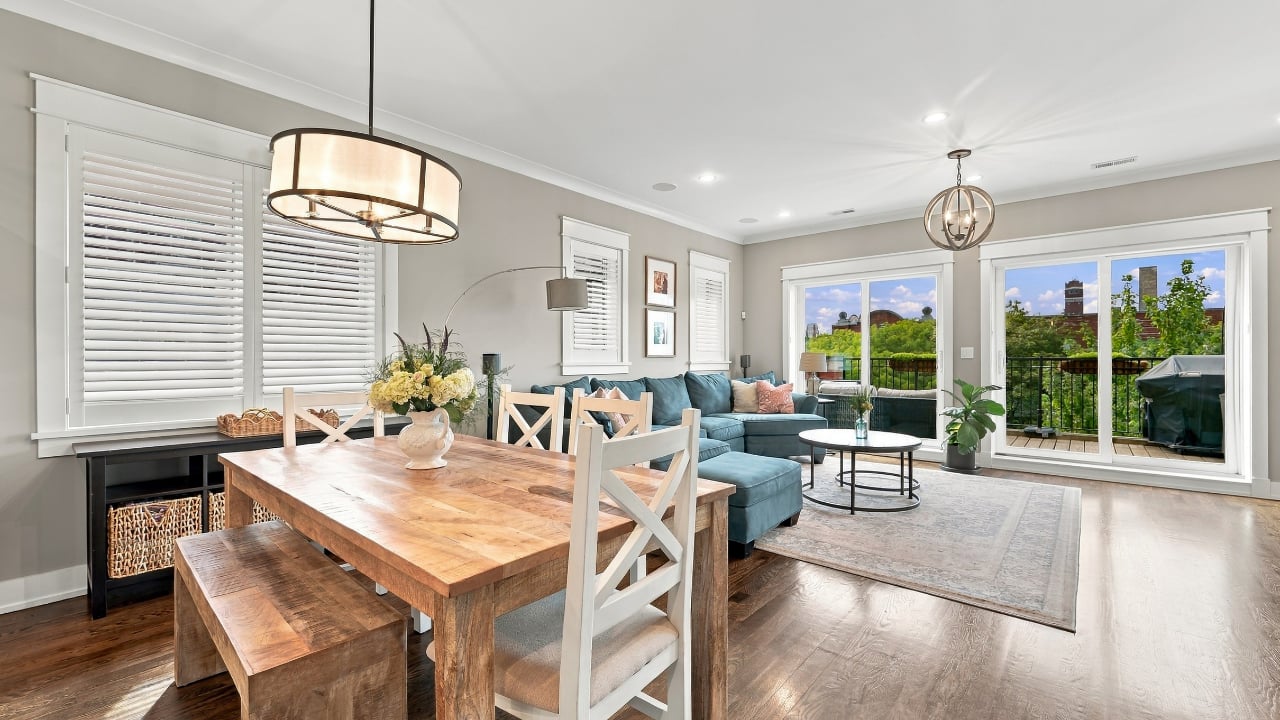
House hunting makes it remarkably easy to become a different person. You walk into a beautiful kitchen and suddenly you cook elaborate meals. The screened porch means you’ll have coffee outside every morning. That enormous dining room? Obviously, you’ll start hosting dinner parties.
I love this part of real estate. A house represents possibility, and there is something genuinely exciting about walking through a space and imagining a life you haven’t lived yet.
But as a coach, I’m much more interested in a less glamorous question: What does Tuesday look like here?
Not Thanksgiving. Not the first weekend after you move in. A regular Tuesday in February when everyone has somewhere to be, there are dishes in the sink and nobody remembers to take anything out for dinner. That's the life you're actually buying a house for.
Start With Friction
When people begin thinking about moving, they usually start with what they want: four bedrooms, bigger yard, newer kitchen, finished basement, certain neighborhood.
I'd start one step earlier. What is making your current life harder than it needs to be?
Maybe two people work from home and one has been taking calls from the bedroom for three years. Maybe your children are getting older and sharing a room has gone from adorable to untenable. Maybe you have plenty of square footage but the layout makes everyone feel piled on top of each other.
Or perhaps the house itself is fine. You're simply tired of spending your life in the car.
This isn't just a coaching exercise. Freddie Mac recommends creating a home wish list based on your finances, lifestyle, current household and how those needs might change in the future.
Before you start looking, try making two lists:
What isn't working in our current house?
What do we absolutely want to preserve?
The second list matters more than people think.
What You Don't Want to Trade Away
Maybe you hate your tiny kitchen but love that your kids can walk to school. Perhaps the primary bedroom is too small, but your block has become an extension of your family. Maybe you want more land, but right now you can walk to dinner three nights a week.
You don't have to stay because of those things. You should simply know which parts of your current life you don't want to accidentally lose.
Research bears this out. Recent NAR data found that people moving to a specific area were commonly motivated by being closer to friends and family and getting more home for their money. Among characteristics of the home itself, outdoor space and additional square footage ranked prominently.
Those are all good reasons to move. They can also compete with one another.
The beautiful big yard may come with a longer drive. More square footage means more space to maintain. The impeccably renovated home might require compromising on the location you swore was non-negotiable.
There is almost always a tradeoff. The trick is knowing which ones you can happily live with.
Picture the Boring Parts
During a showing, forget the staging for five minutes.
Where are the groceries coming in? Where does the stroller go? If your parents visit regularly, where will they sleep? If you work from home, is that gorgeous open floor plan still gorgeous when somebody is watching television fifteen feet away?
Then leave the house mentally and look at the surrounding life. How long is school drop-off? Where do you buy groceries? How far are the people you see every week? If you love walking, can you actually walk anywhere?
And do the financial version of the same exercise.
A mortgage preapproval tells you the maximum amount a lender is willing to approve; Freddie Mac specifically cautions that this doesn't mean you should necessarily borrow that full amount. Buyers should consider what payment is actually comfortable alongside the rest of their budget.
I think that's an important distinction. Can afford and want to spend are not always the same number.
Buy for the Life You Actually Want
There is a coaching question I come back to constantly: What are you hoping will be different?
It works surprisingly well in real estate. If you buy this house, what are you hoping changes?
Maybe you want mornings to be less chaotic. You want to see your friends more. You want your children outside. You want privacy. Less maintenance. A home everyone comes back to for holidays twenty years from now. Now you're getting somewhere!
Square footage matters. So do taxes, financing, inspections, resale considerations, and all the decidedly unromantic details of buying a home. But ultimately, a house is the setting for an enormous number of completely ordinary days.
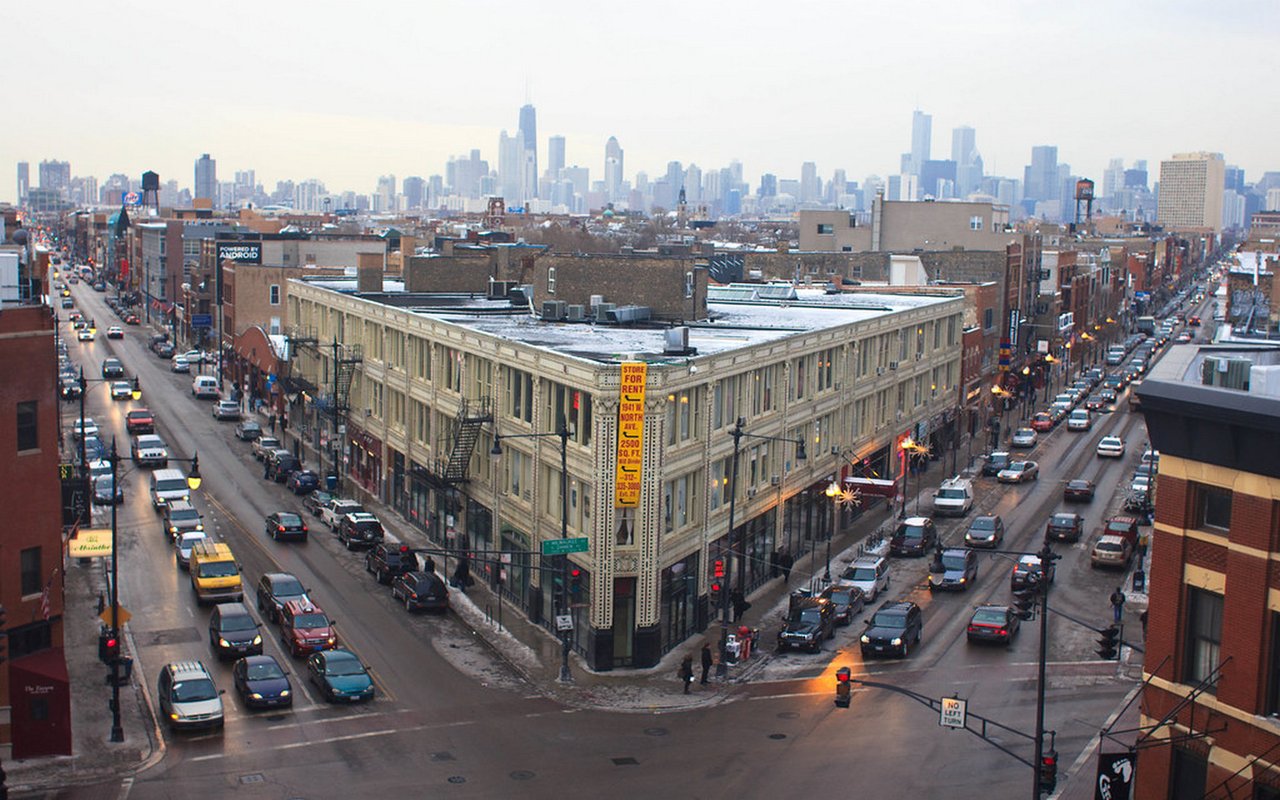
If you're ready to find one that works better for yours (or you're wondering whether now is the right time to sell) visit KlopasStratton to search available homes, learn what your current property may be worth or connect with the team about buying or selling in Chicago.
And when you tour the next house, by all means picture Christmas morning.
Just make sure you picture Tuesday, too. 🙂
>>> Catch us back here bi-weekly as we bring you curated and Chicago-based real estate content (with a life coach’s twist). Next up: October