Thinking about trading Chicago’s fast pace for a quieter lakefront routine without giving up access to the city? Winnetka offers a very different day-to-day experience, with a compact village layout, distinct shopping districts, public beaches, and a strong commuter connection back to Chicago. If you are wondering what really changes when you move from city blocks to the North Shore, this guide will help you picture the lifestyle, housing, and rhythm of daily life. Let’s dive in.
Winnetka at a Glance
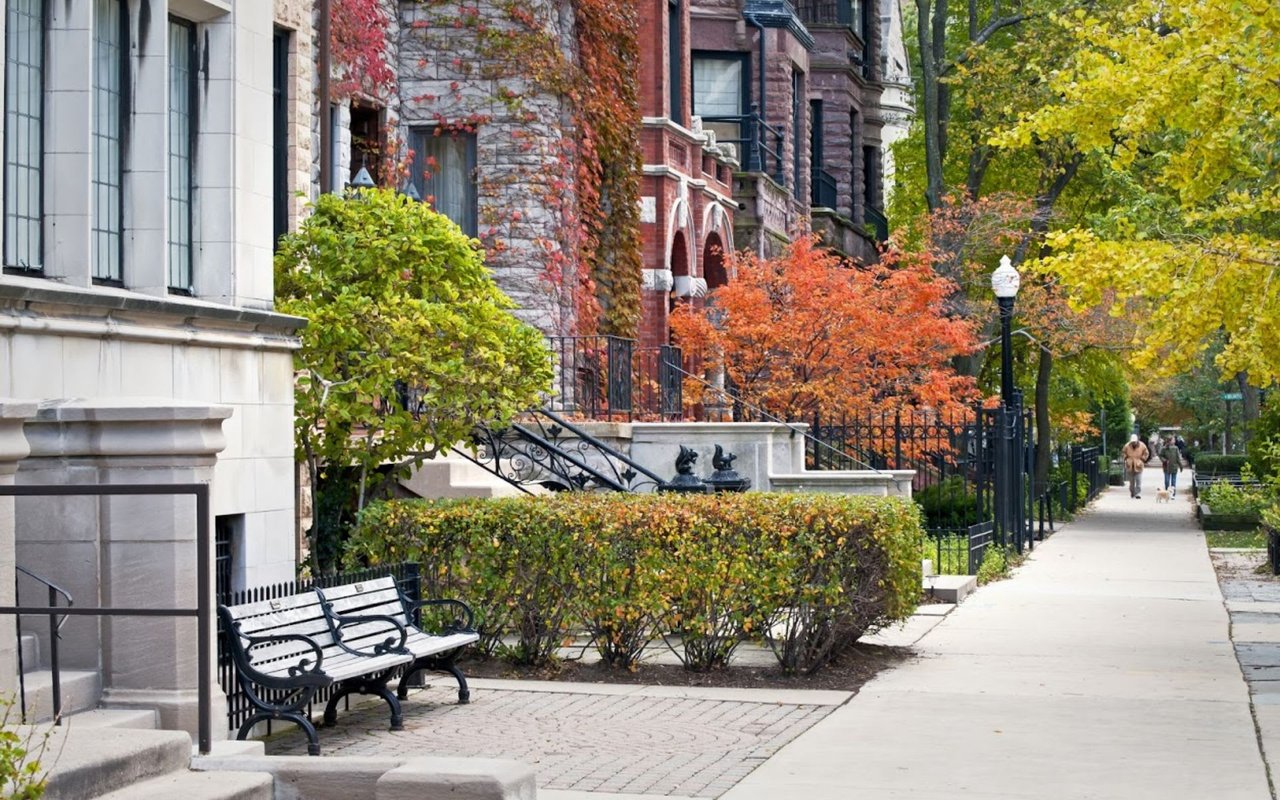
Winnetka is a small North Shore village along Lake Michigan, less than 20 miles north of Chicago. It covers 3.81 square miles and had 12,744 residents in the 2020 Census. The village is known for tree-lined streets, sandy beaches, parks, recreation facilities, and a historic small-town feel.
That combination shapes nearly everything about life here. Instead of a dense urban grid, you get a compact, residential setting where the lakefront, local institutions, and neighborhood business districts play a big role in your weekly routine.
How Daily Life Feels Different
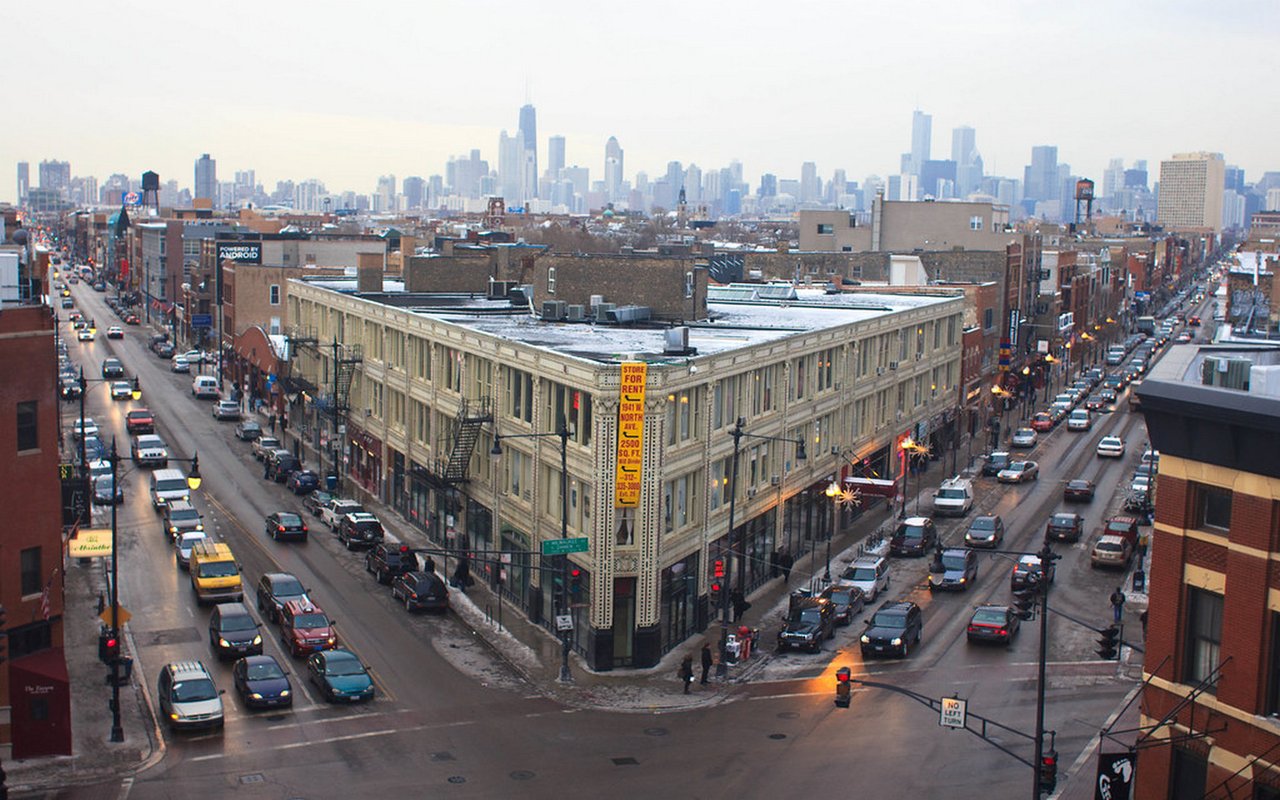
The biggest shift from Chicago to Winnetka is scale. In the city, you may be used to having a long list of restaurants, shops, and services packed into a few blocks. In Winnetka, daily life feels more village-based, quieter, and more centered on a handful of familiar places.
The village is organized around three distinct shopping districts: Hubbard Woods, Elm, and Indian Hill. These areas include shops, restaurants, and specialty merchants, and they help create a daily rhythm that feels local rather than fast-moving or spread out.
For many buyers moving from Chicago, that means your routine often becomes more intentional. You may find yourself planning errands around the train, grabbing what you need in one of the business districts, and spending more free time at the beach, park, or community programs than you would in an urban neighborhood.
Chicago Access Still Matters
A move to Winnetka does not mean losing your connection to Chicago. The village is accessible from I-94, and it also offers an easy rail commute from the city center. That matters if you still work in Chicago, head into the city regularly, or simply want the flexibility to move between both environments.
Just as important, the shopping districts are anchored by Metra stations. That gives Winnetka a practical commuter structure instead of a fully car-dependent suburban feel. If you want more space and a calmer setting but still need city access, that balance is one of Winnetka’s biggest strengths.
The Lakefront Shapes the Lifestyle
In Winnetka, the lake is not just a backdrop. It is part of everyday life. The Winnetka Park District operates four public beaches and a boat launch, which gives the village a strong connection to Lake Michigan across the seasons.
This lakefront access feels more neighborhood-oriented than regional. During summer, some parking at Tower Road Beach and Maple Street Beach is restricted to residents with a village parking sticker. That setup reinforces the sense that the beaches function as a local amenity woven into village life.
If you are moving from Chicago, this can be one of the most noticeable lifestyle upgrades. Instead of treating the lake as a destination you visit occasionally, you may start to think of it as part of your weekly rhythm, whether that means morning walks, beach afternoons, or time on the water.
Recreation Runs Deep Here
Winnetka offers an unusually broad range of park district programming for a village of its size. Published program categories include youth and teen athletics and education, adult fitness, camps, events, golf, ice skating, platform tennis, and lakefront lessons like kayaking and sailboat instruction.
That breadth matters because it adds structure to local life. Weekend plans and after-work routines are often shaped by programs, parks, beaches, and seasonal activities. For many residents, that creates a lifestyle that feels active, organized, and tied closely to the community.
If you are comparing Winnetka with city living, this is a key difference. In Chicago, recreation may depend more on private gyms, neighborhood parks, or citywide destinations. In Winnetka, the park district plays a central role in how people spend their time.
Shopping Districts Create Village Rhythm
Winnetka does not revolve around one large downtown. Instead, the three business districts each help support the village’s everyday flow. That gives the community a more layered feel and breaks up commercial activity into smaller, walkable pockets.
For you as a buyer, this can make the village feel approachable. Rather than one crowded center, you have several hubs that support errands, dining, and local services. It also means where you live within Winnetka can shape which district becomes part of your weekly routine.
This pattern is one reason the move from Chicago can feel so distinct. You are not swapping one dense neighborhood for another. You are stepping into a village where daily life is anchored by smaller local centers, train access, and the lakefront.
Homes Have Character, Not Uniformity
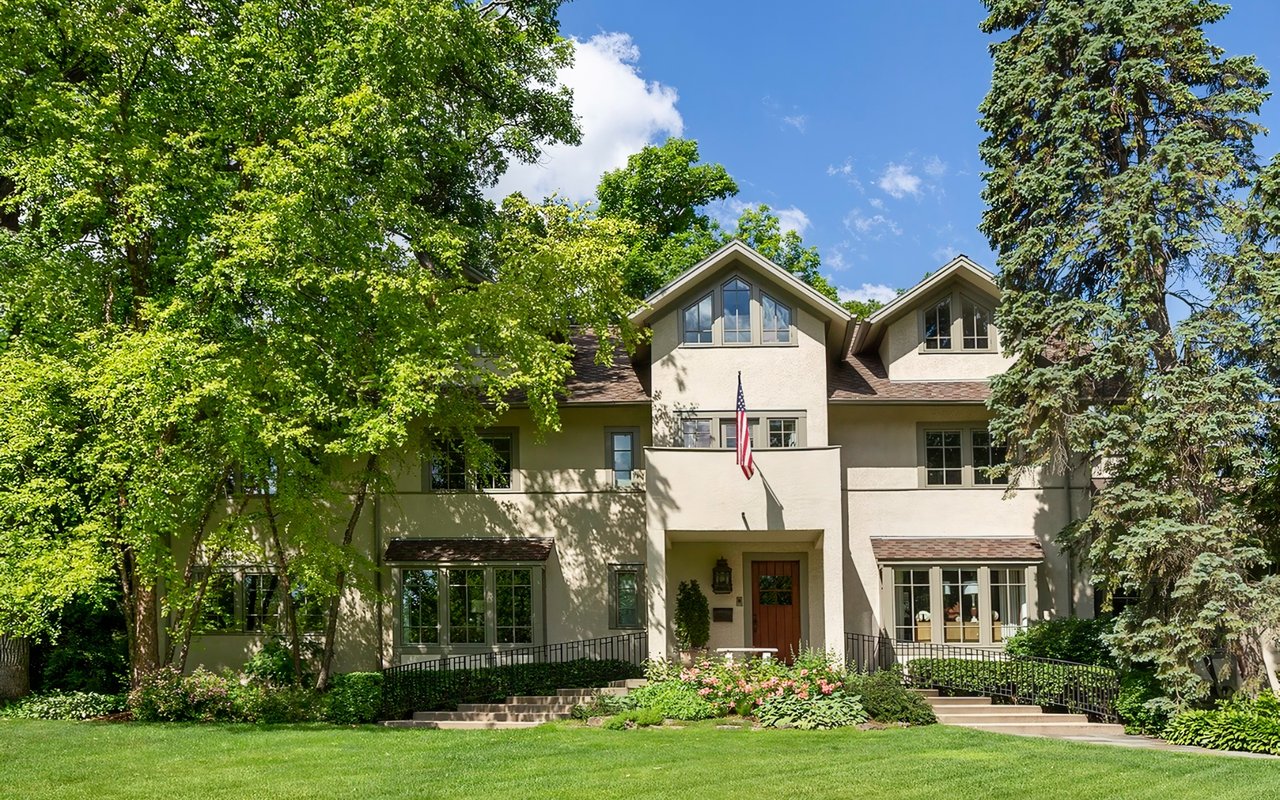
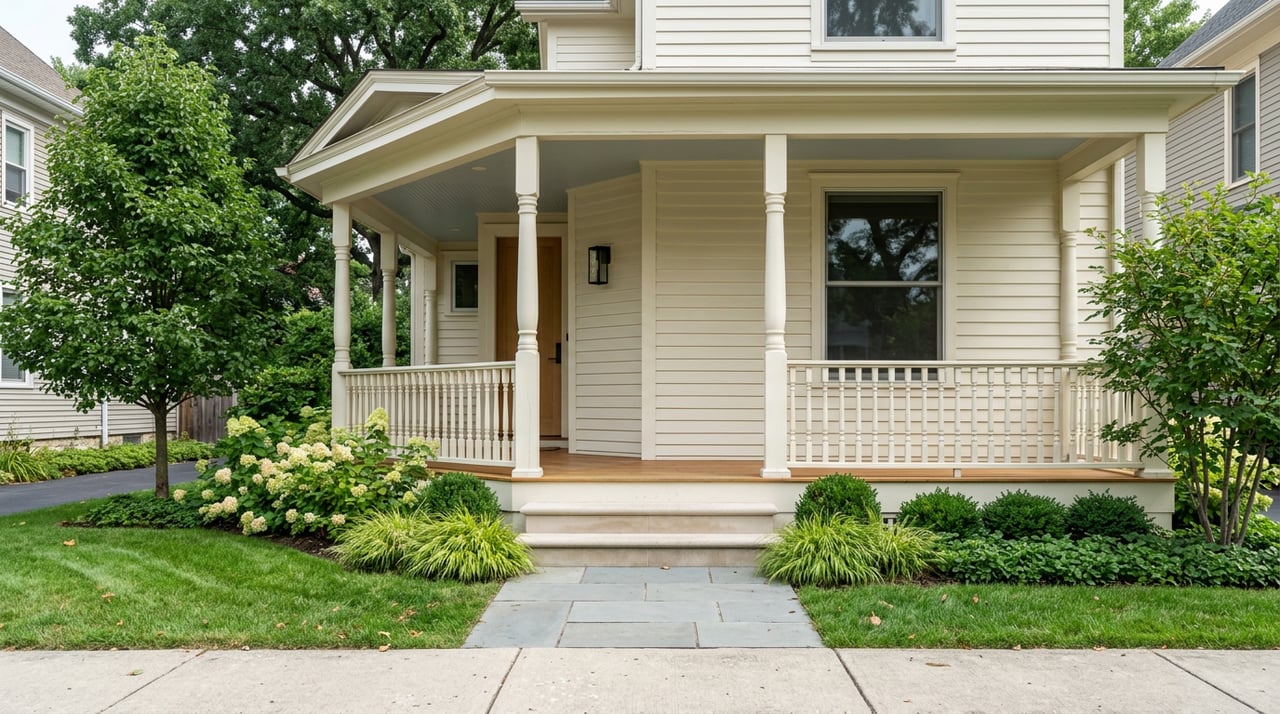
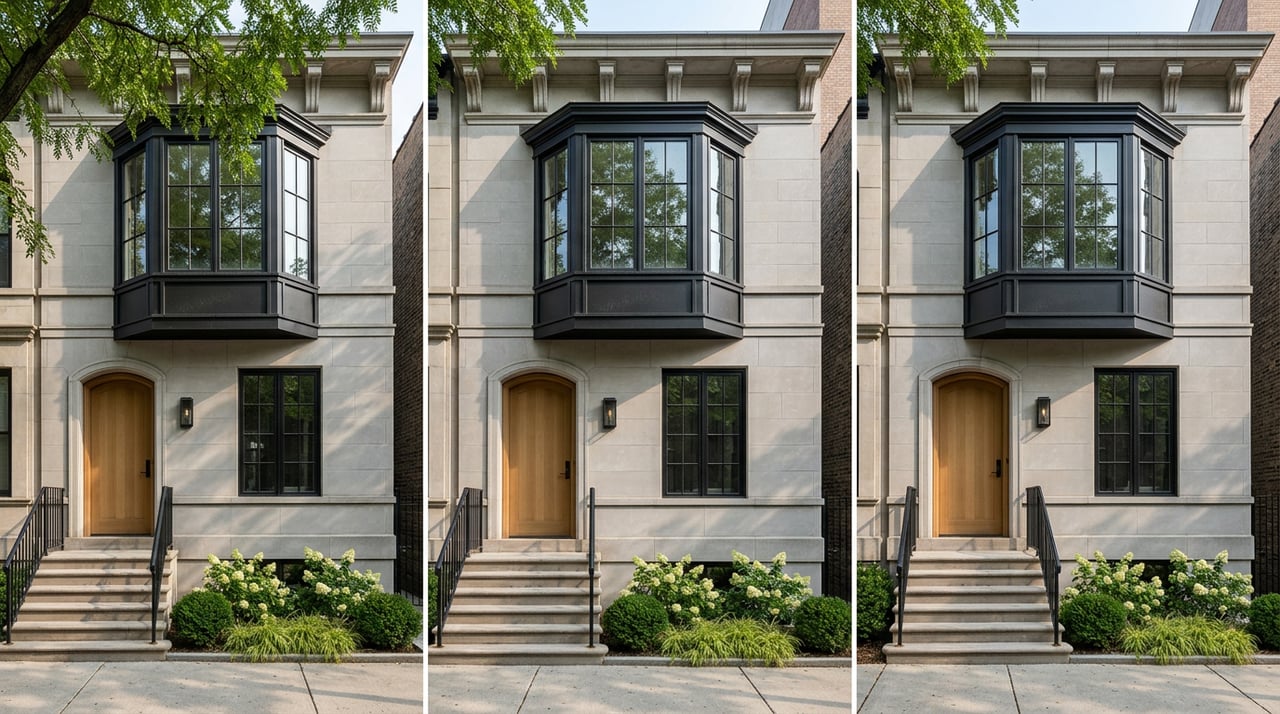
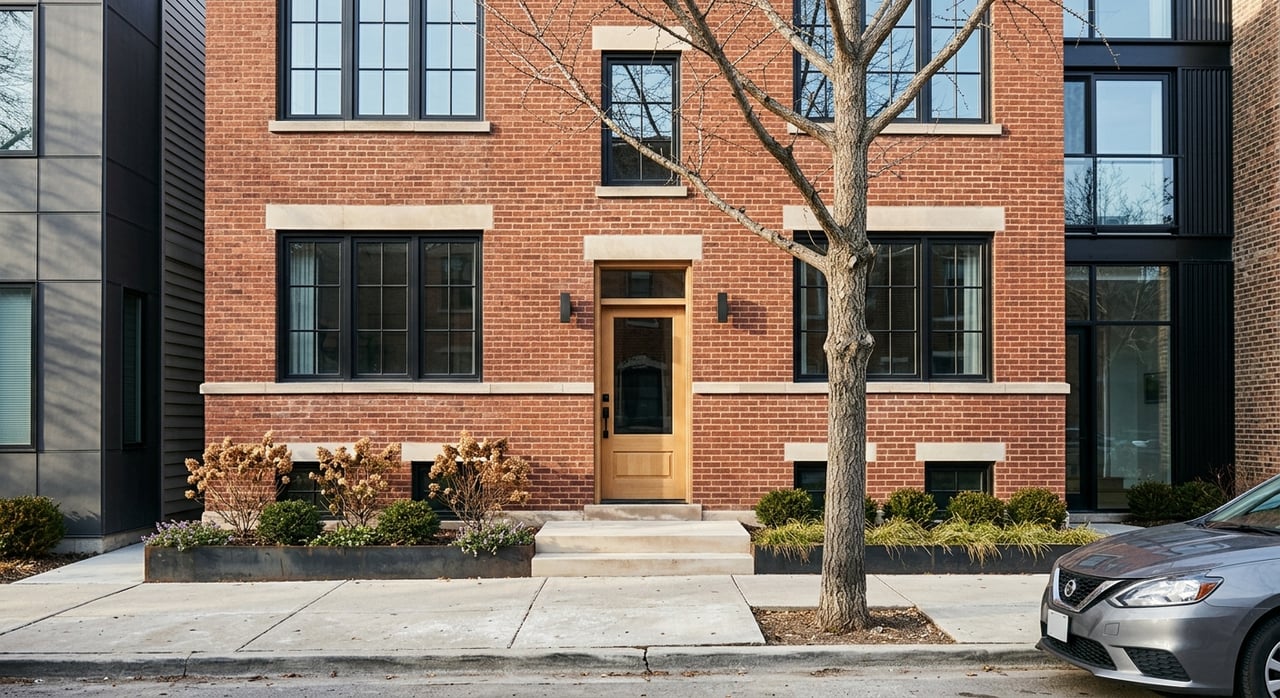
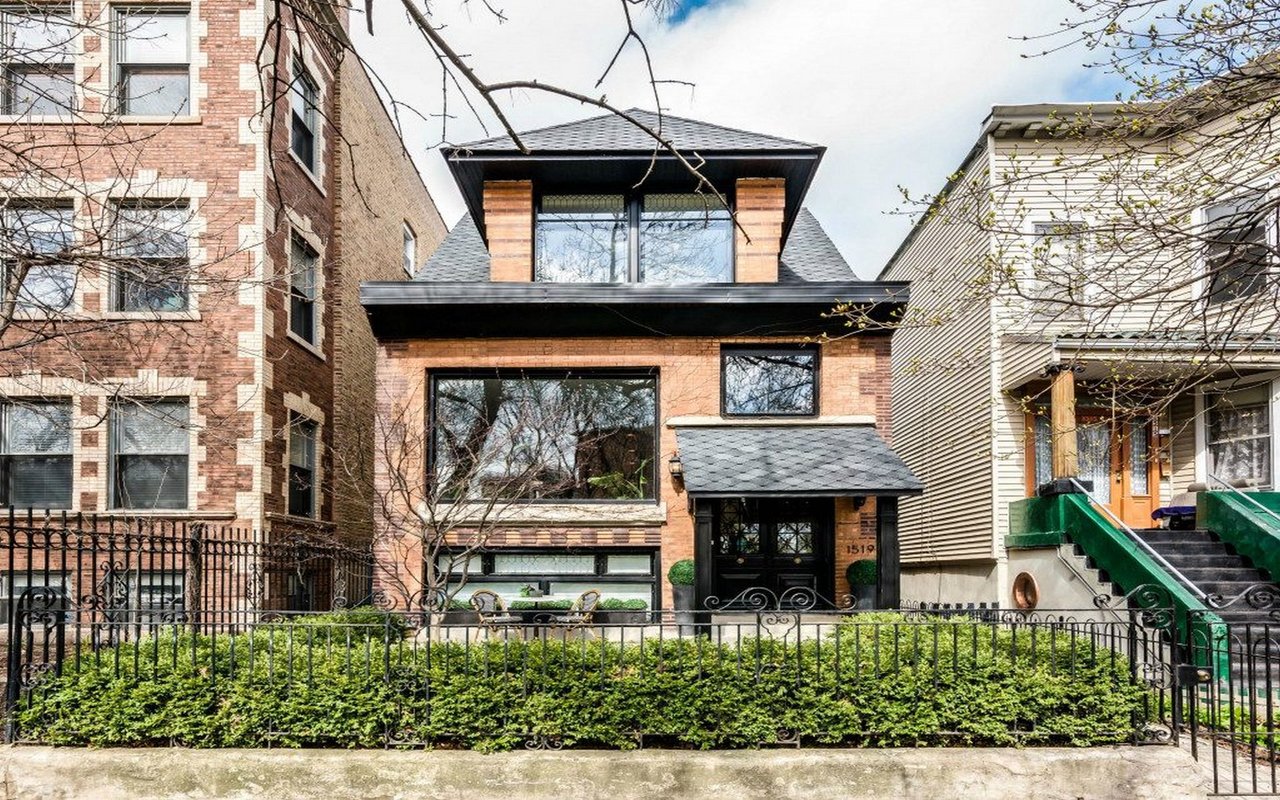
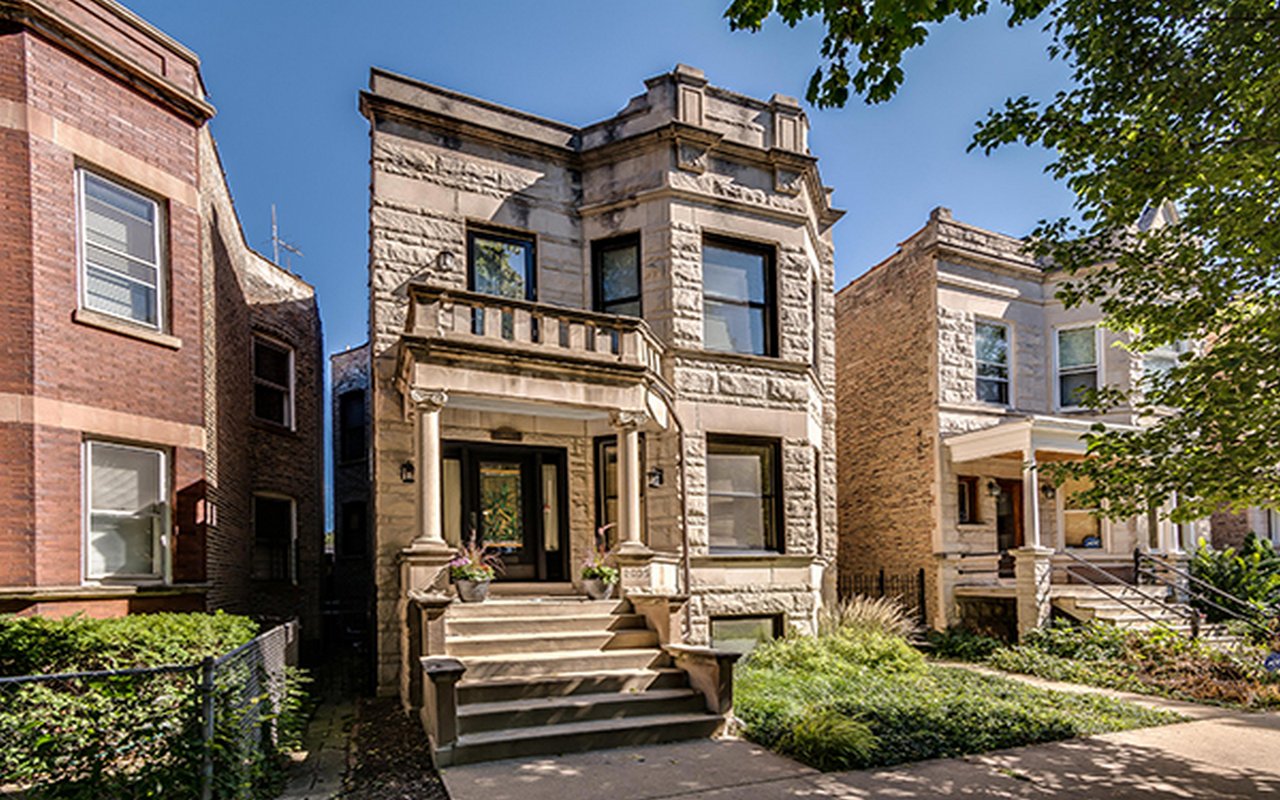
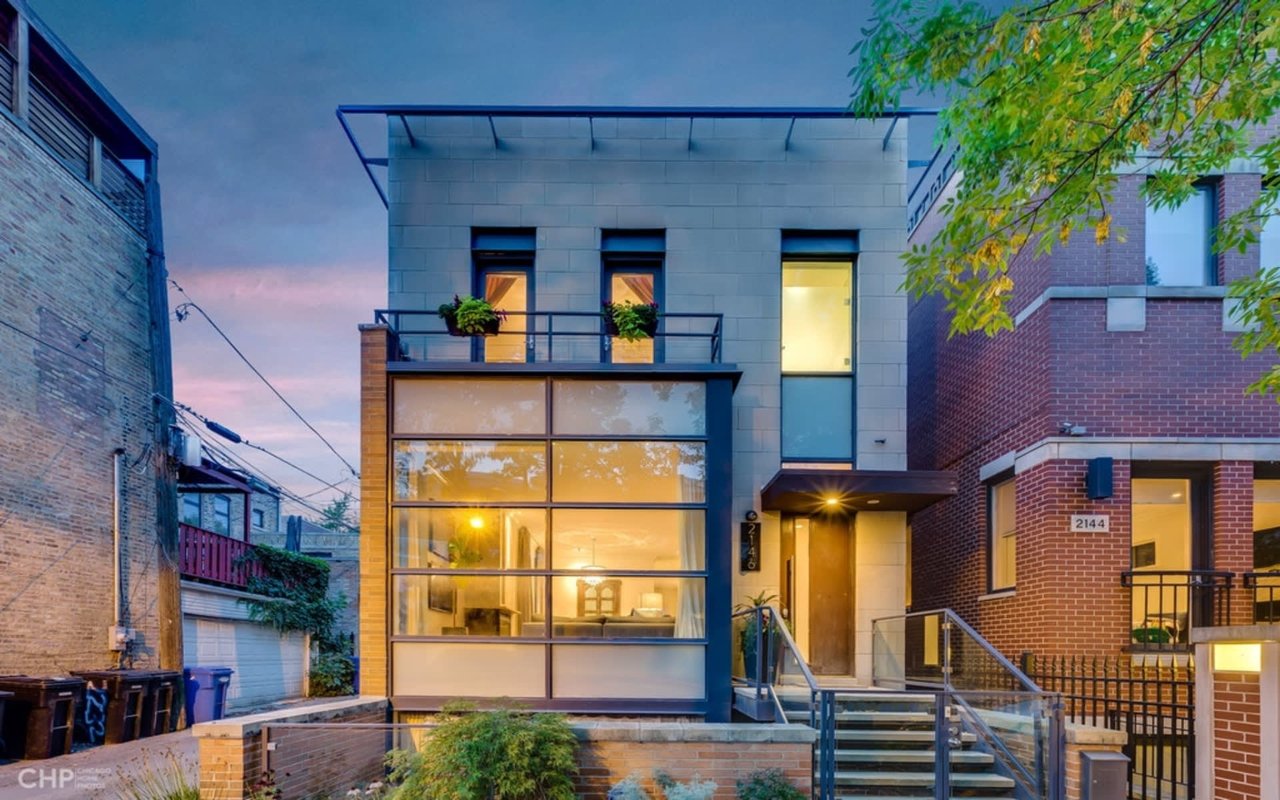
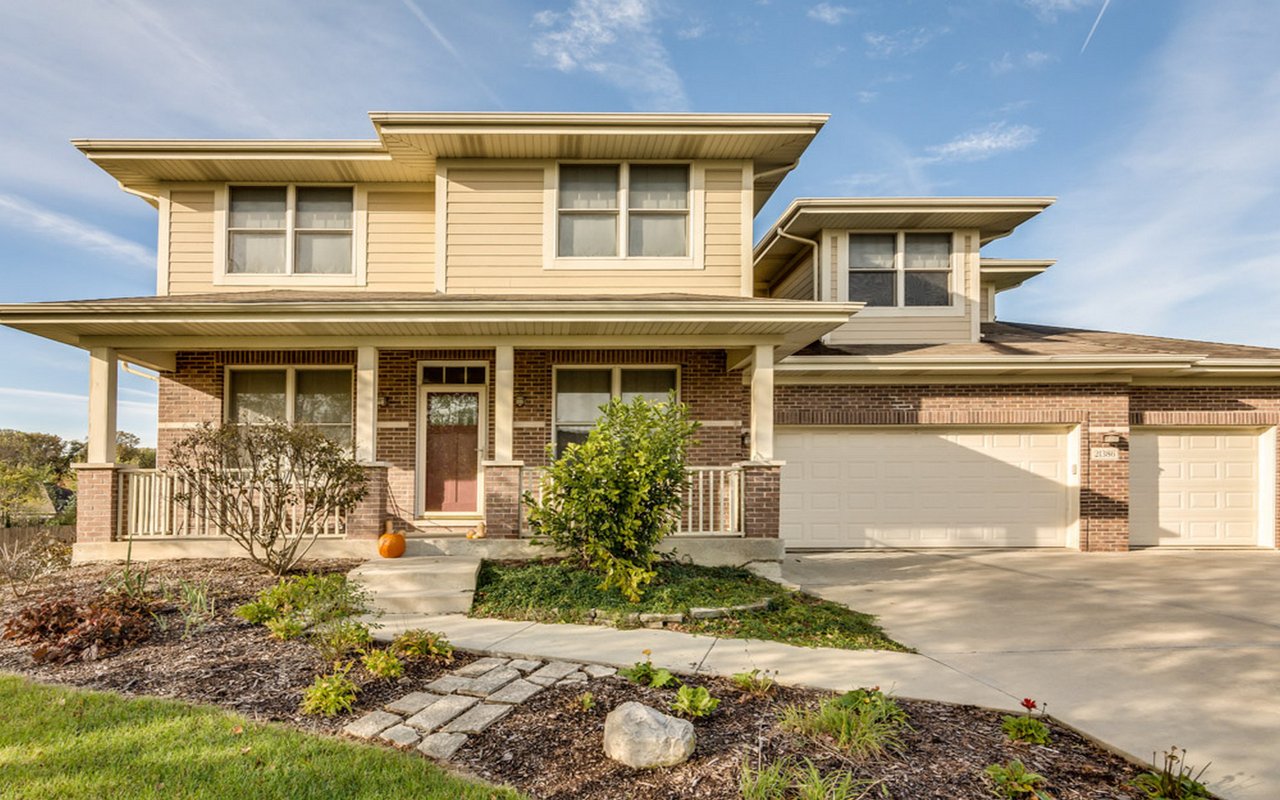
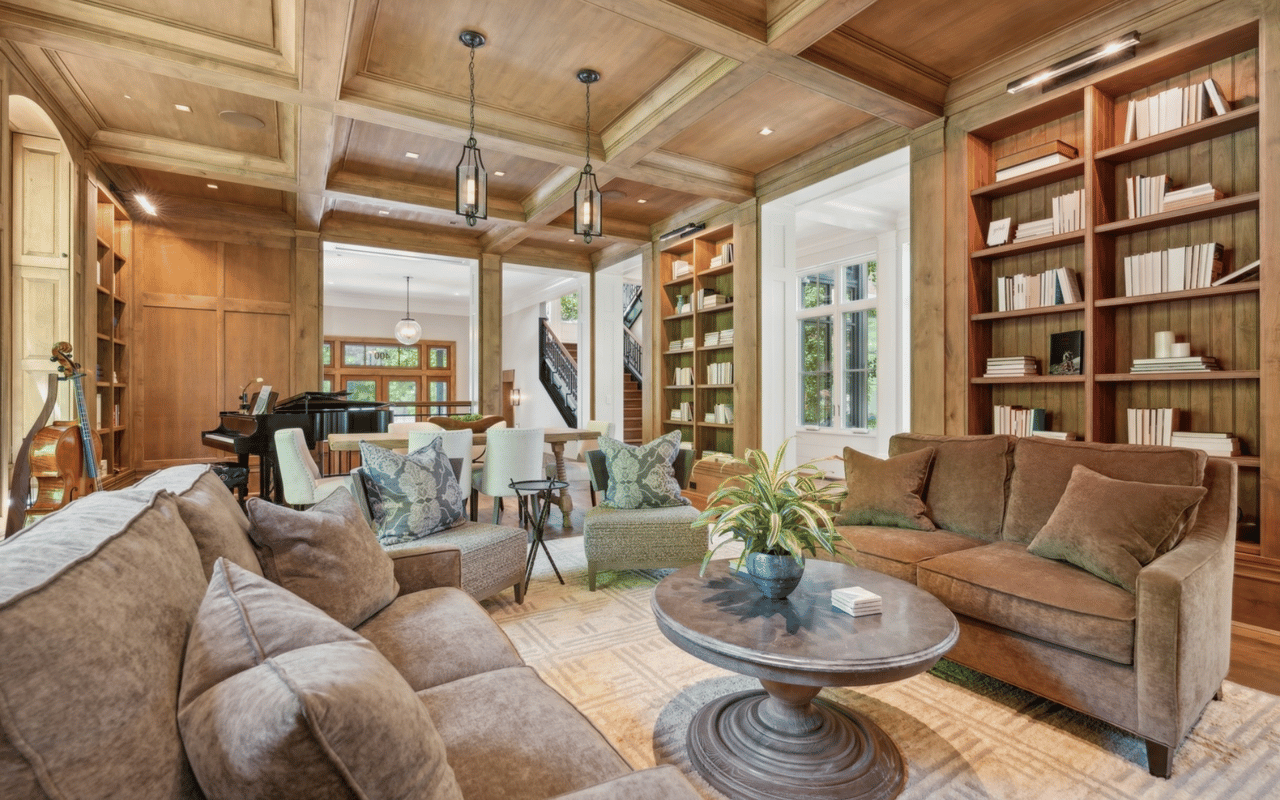
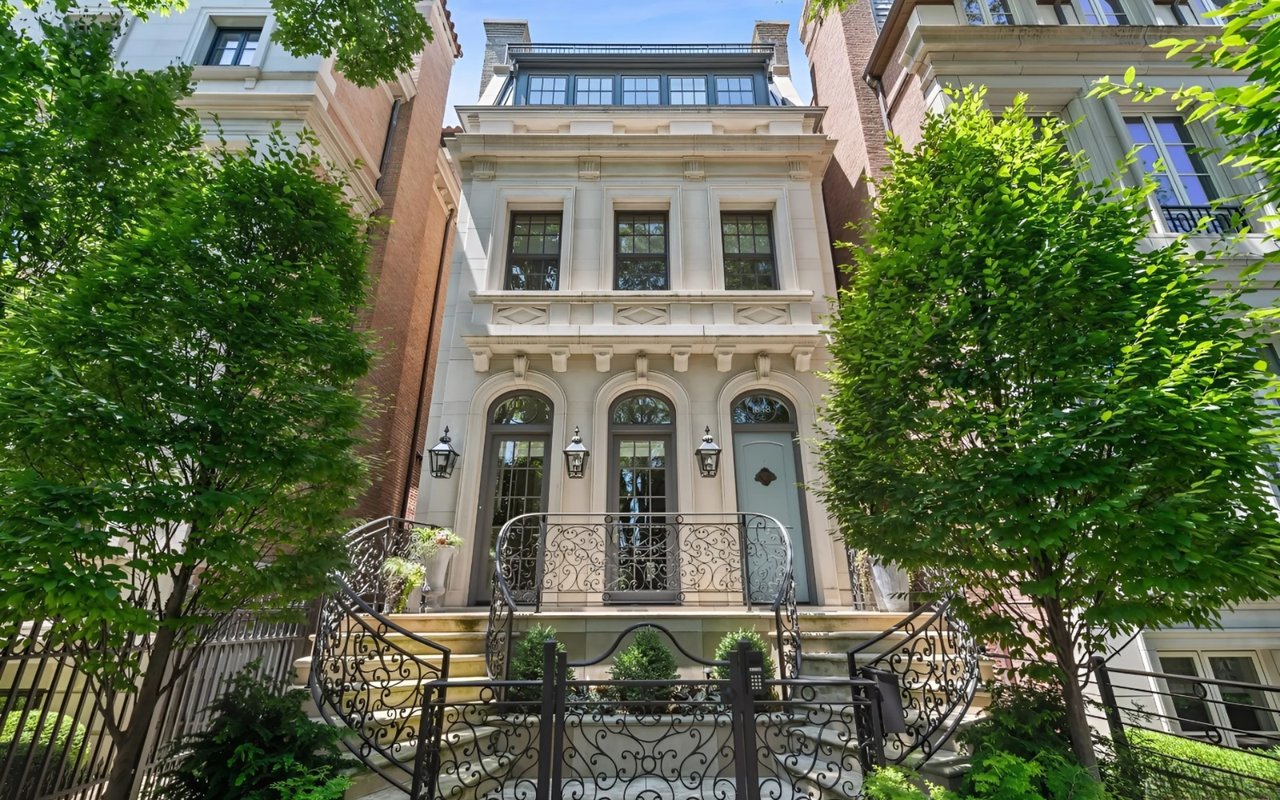
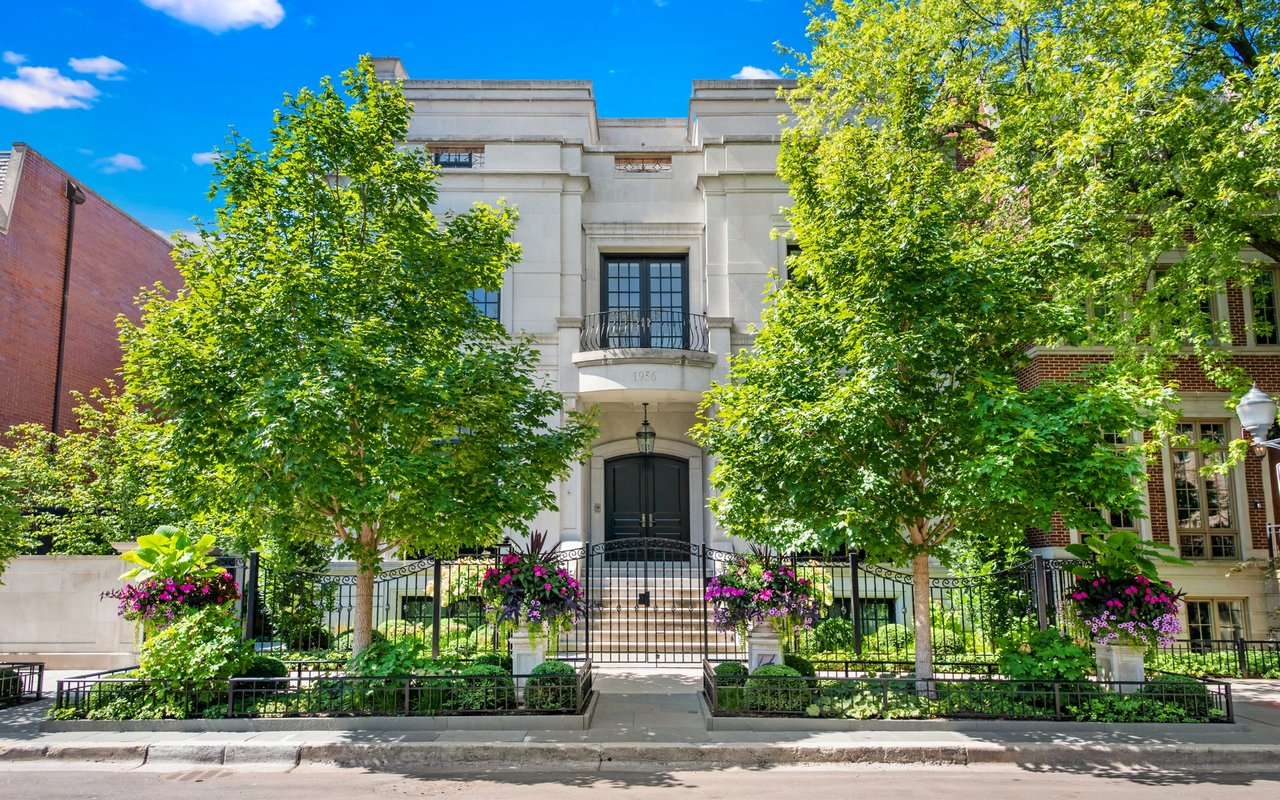
Winnetka is known for architectural variety. The Winnetka Historical Society notes that the village has an impressive array of architectural styles for a place of less than four square miles, with Tudor Revival as the most pervasive style. Other styles on the village landmark list include Gothic Revival, Queen Anne, Georgian Revival, Colonial Revival, and French Revival.
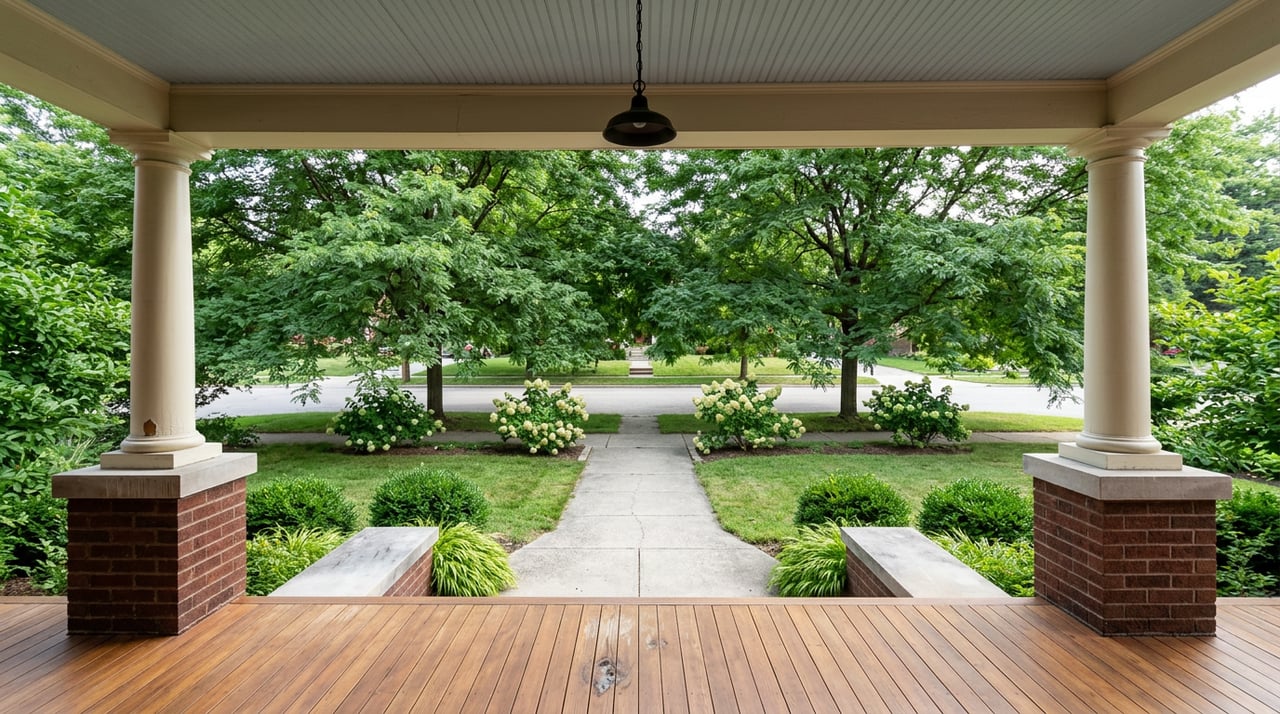
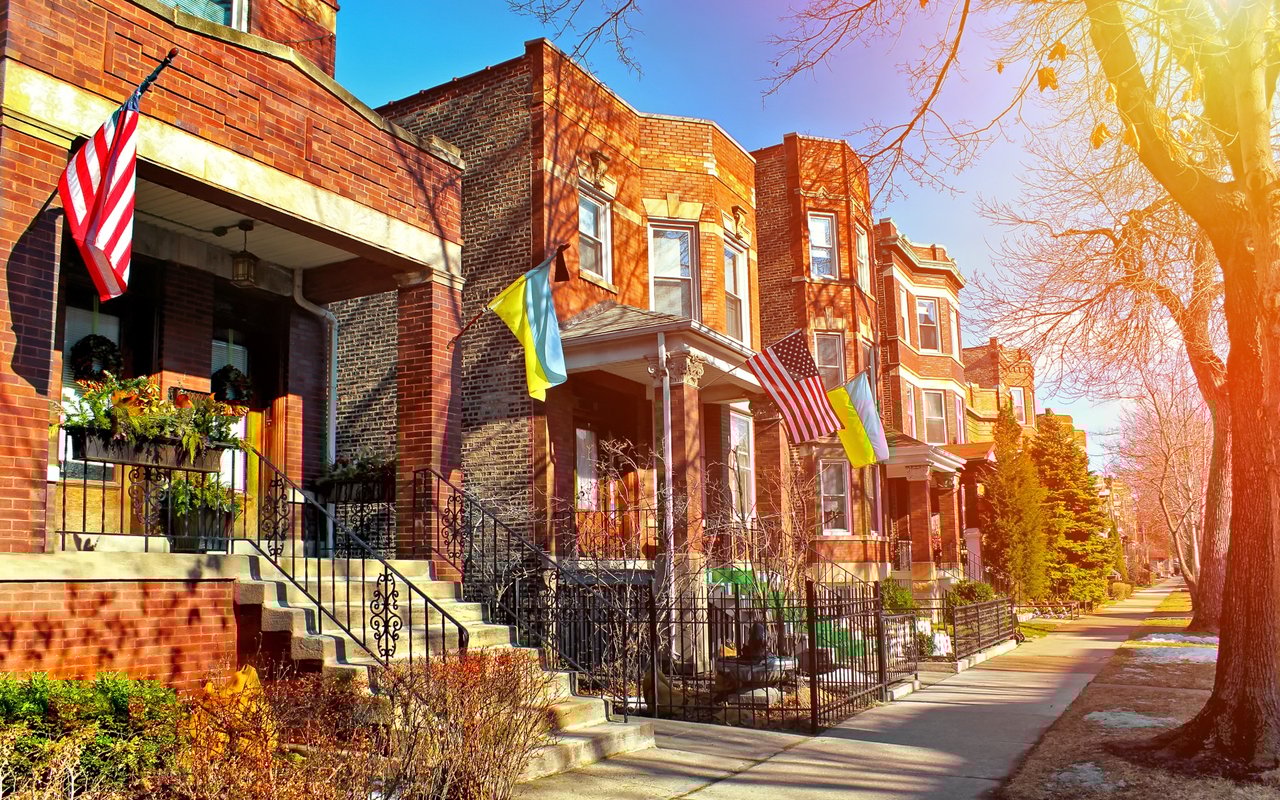
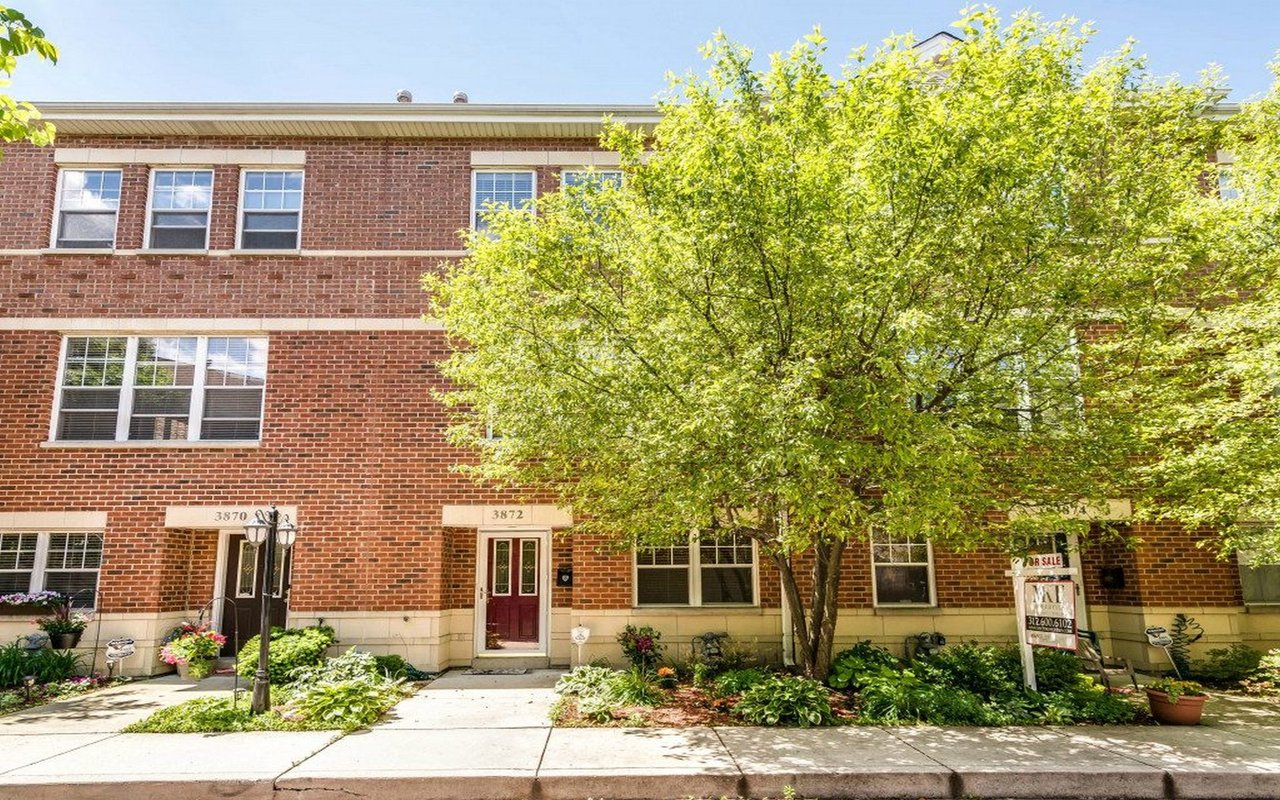
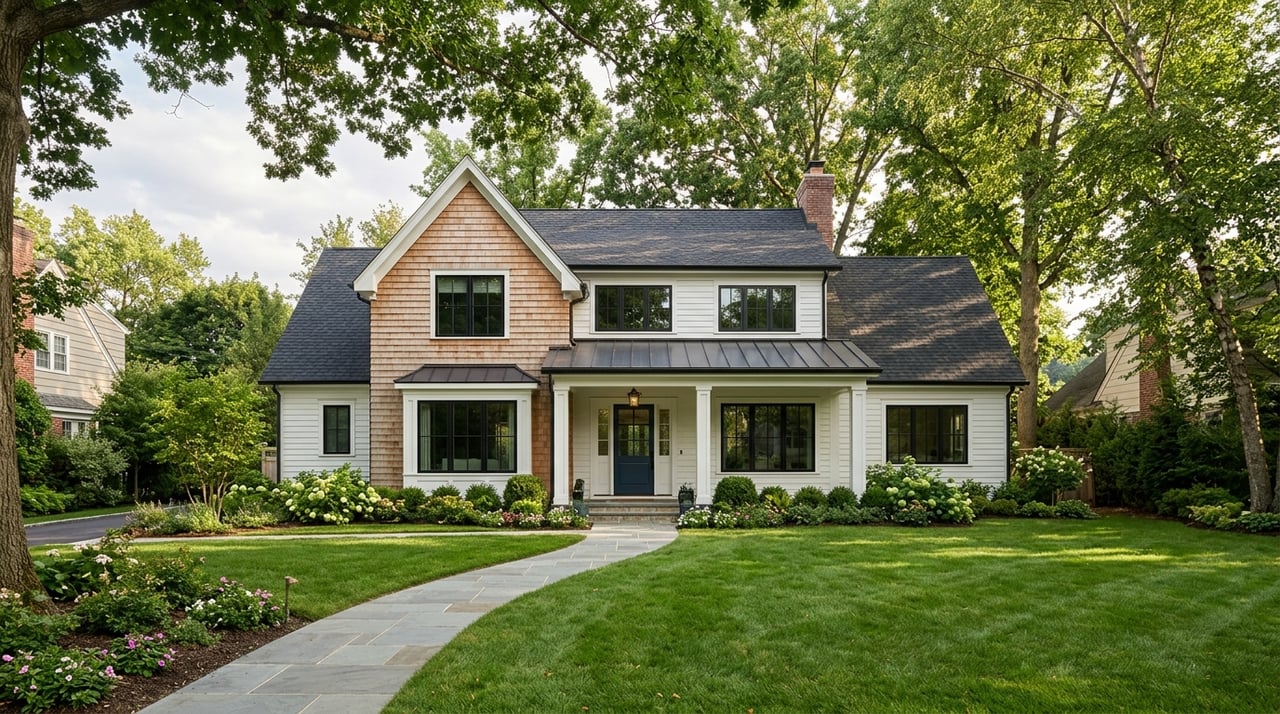
For buyers, that means Winnetka is not a market of one-note suburban housing. You are more likely to see older homes, preserved streetscapes, architect-designed properties, and a broad mix of exterior styles. That architectural depth is a major part of the village’s identity.
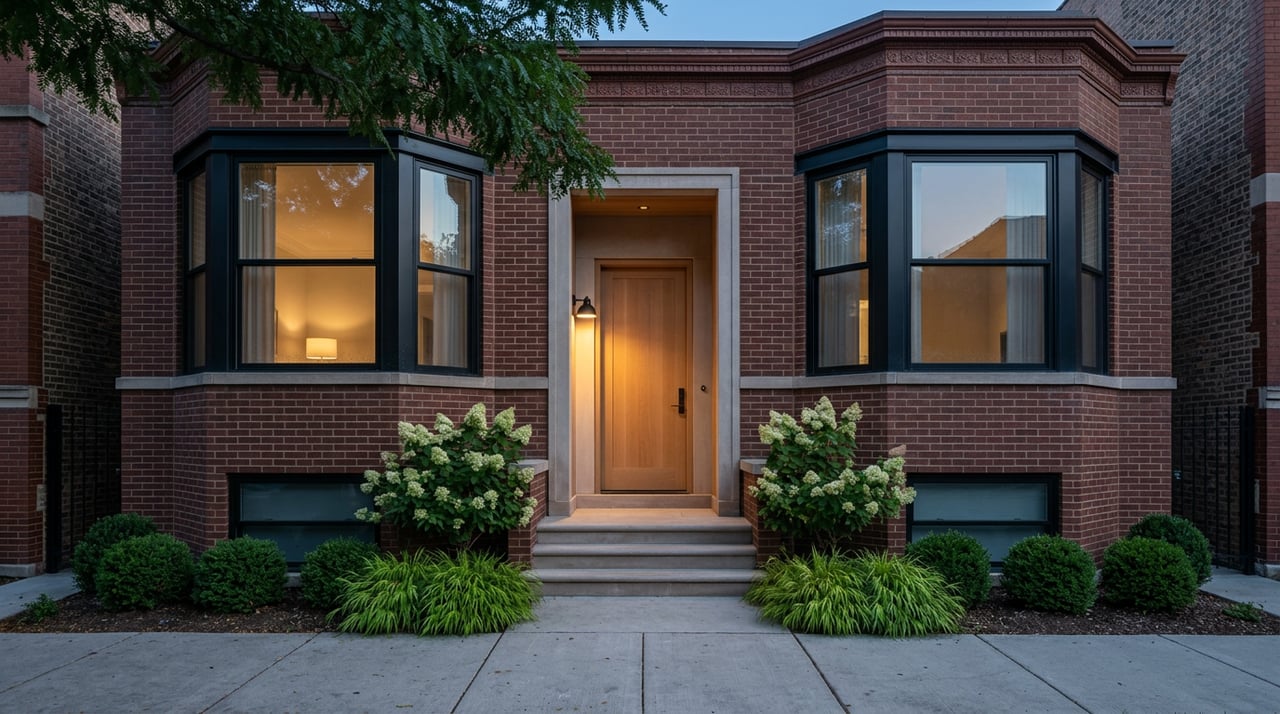
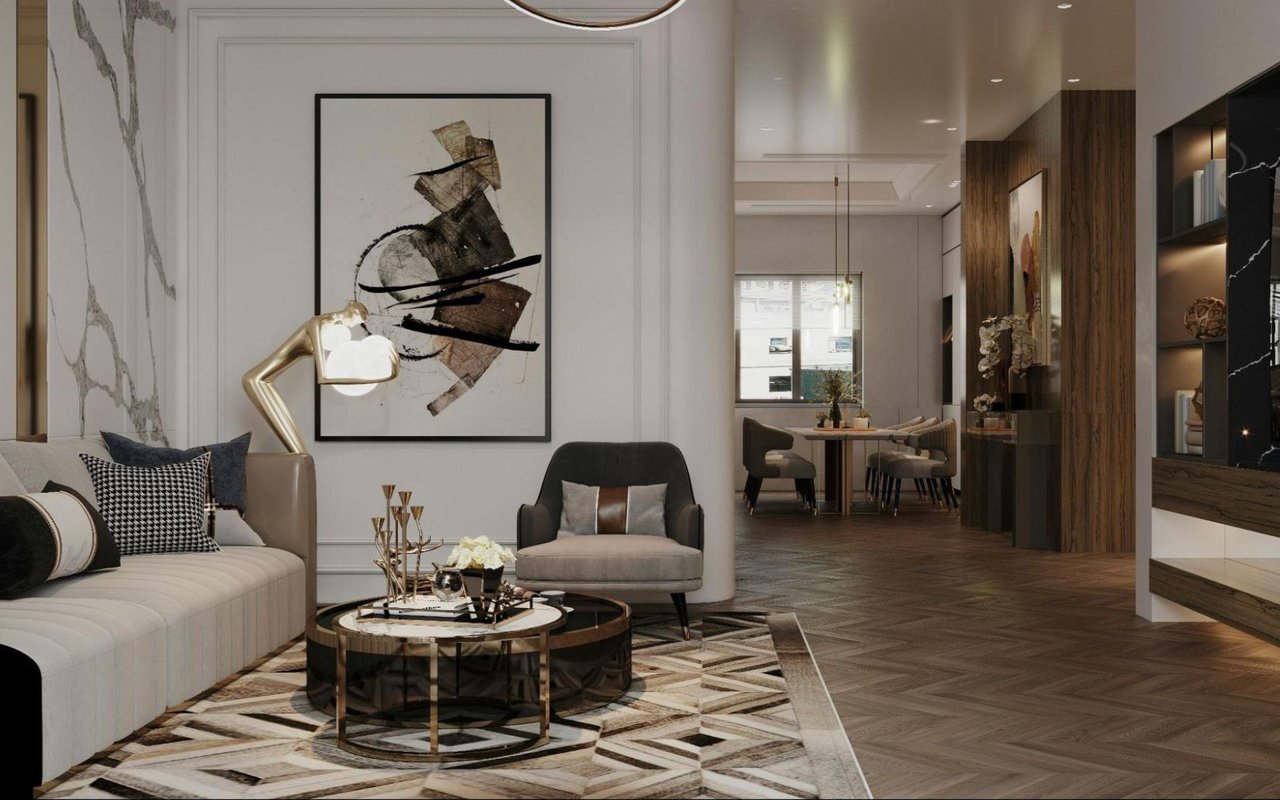
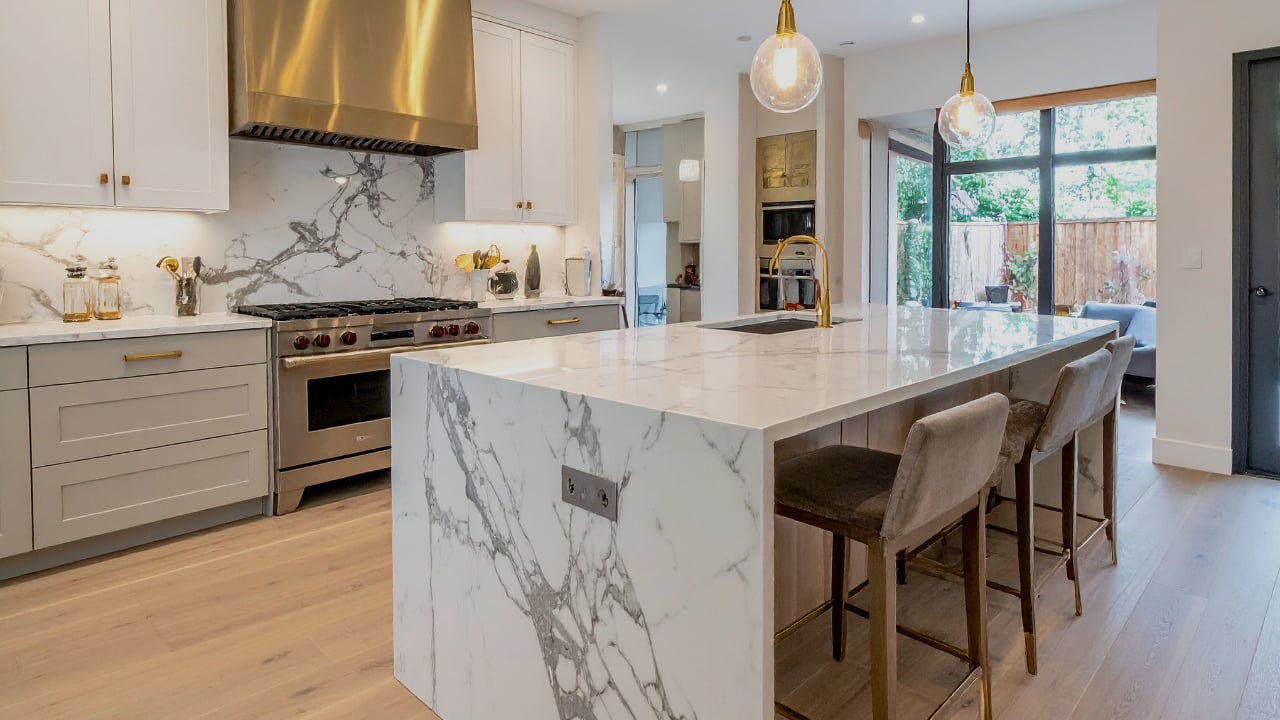
This is also where a design-aware approach can make a real difference. In a character-home market, value often comes from details like layout, condition, updates, and how well a home balances original features with modern living. If you are moving from a Chicago condo or newer city home, that shift in housing stock is important to understand early.
What Pricing Looks Like
Winnetka sits firmly in the premium tier of the North Shore market. Recent market snapshots point to detached homes around the $2 million level, while attached homes are materially lower.
MRED’s May 2026 local market update showed a trailing-12-month median of about $1,997,500 for detached homes and $639,000 for attached homes. Redfin reported a May 2026 median sale price of $1,878,876 across all home types, with homes selling after about 30 days on the market and a 104.3% sale-to-list ratio.
The exact median varies by source because the reporting windows and property definitions differ. Still, the direction is clear: Winnetka is a high-value market where detached homes often trade near the $2 million mark, and well-positioned properties can move with strong pricing support.
What City Buyers Should Expect
If you are moving from Chicago, Winnetka usually feels like a trade of density for space, routine, and local structure. You may give up the instant convenience of having everything on the next block, but gain easier access to beaches, parks, recreation programming, and a more residential environment.
That shift can be especially appealing if you want a calmer pace while keeping a workable path back to the city. Winnetka’s commuter access, compact footprint, and established institutions help it feel connected rather than remote.
At the same time, this is not a generic suburb. Its architectural character, lakefront setting, and village-scale commercial districts give it a specific identity that stands apart from both Chicago neighborhoods and larger suburban communities.
Who Winnetka Often Appeals To
Winnetka can be a strong fit if you are looking for:
- A small village setting with direct Lake Michigan access
- A commute-friendly location less than 20 miles from Chicago
- Distinct local shopping districts instead of one large commercial center
- Broad park district programming and recreation options
- Historic, character-driven housing stock with architectural variety
- A premium market with both detached and attached housing options
For many Chicago buyers, the appeal is not just more space. It is the combination of shoreline access, established village infrastructure, and a daily routine that feels both quieter and highly structured.
How to Think About the Move
When you evaluate Winnetka, it helps to think beyond square footage. Ask yourself how you want your week to feel. Do you want your weekends built around beaches, parks, and community programming? Do you want a commuter setup that still keeps Chicago in reach? Are you drawn to older homes with more architectural personality?
Those questions often matter just as much as price or bedroom count. In a place like Winnetka, lifestyle fit and housing fit go hand in hand.
If you are considering a move from Chicago to the North Shore, a thoughtful strategy matters. Understanding which part of the village fits your routine, how home styles vary, and where pricing sits by property type can help you make a smarter and more confident decision. When you are ready to talk through the move, connect with the Klopas-Stratton Team for strategic, design-aware guidance tailored to your goals.
FAQs
What is daily life like in Winnetka compared with Chicago?
- Daily life in Winnetka tends to feel quieter and more village-oriented, with routines centered around three shopping districts, the lakefront, parks, and commuter rail access rather than a dense city grid.
What are the main shopping areas in Winnetka?
- Winnetka’s three main shopping districts are Hubbard Woods, Elm, and Indian Hill, and each includes local shops, restaurants, and specialty merchants.
What kind of lakefront access does Winnetka offer?
- The Winnetka Park District operates four public beaches and a boat launch, and some summer parking at Tower Road Beach and Maple Street Beach is restricted to residents with a village parking sticker.
What types of homes are common in Winnetka?
- Winnetka is known for architecturally varied, character-driven homes, with Tudor Revival especially common along with styles like Queen Anne, Colonial Revival, Georgian Revival, Gothic Revival, and French Revival.
What is the housing market like in Winnetka?
- Recent data places Winnetka in the premium market tier, with a trailing-12-month median of about $1,997,500 for detached homes and $639,000 for attached homes, while one May 2026 market snapshot showed a median sale price of $1,878,876 across all home types.