By The KlopasStratton Team
If you own a home in Chicago, you already know energy efficiency isn’t just a buzzword, it directly affects your comfort and monthly costs. Between cold winters, humid summers, and older housing stock in neighborhoods like Bucktown and Logan Square, small inefficiencies add up fast. You may not realize how much energy your home is losing until utility bills spike or certain rooms never feel quite right.
Key Takeaways
- Chicago’s climate makes energy efficiency a year-round priority
- Older homes benefit most from targeted upgrades
- Small improvements can lead to noticeable savings
- Energy-efficient homes appeal strongly to today’s buyers
Why Energy Efficiency Matters More in Chicago
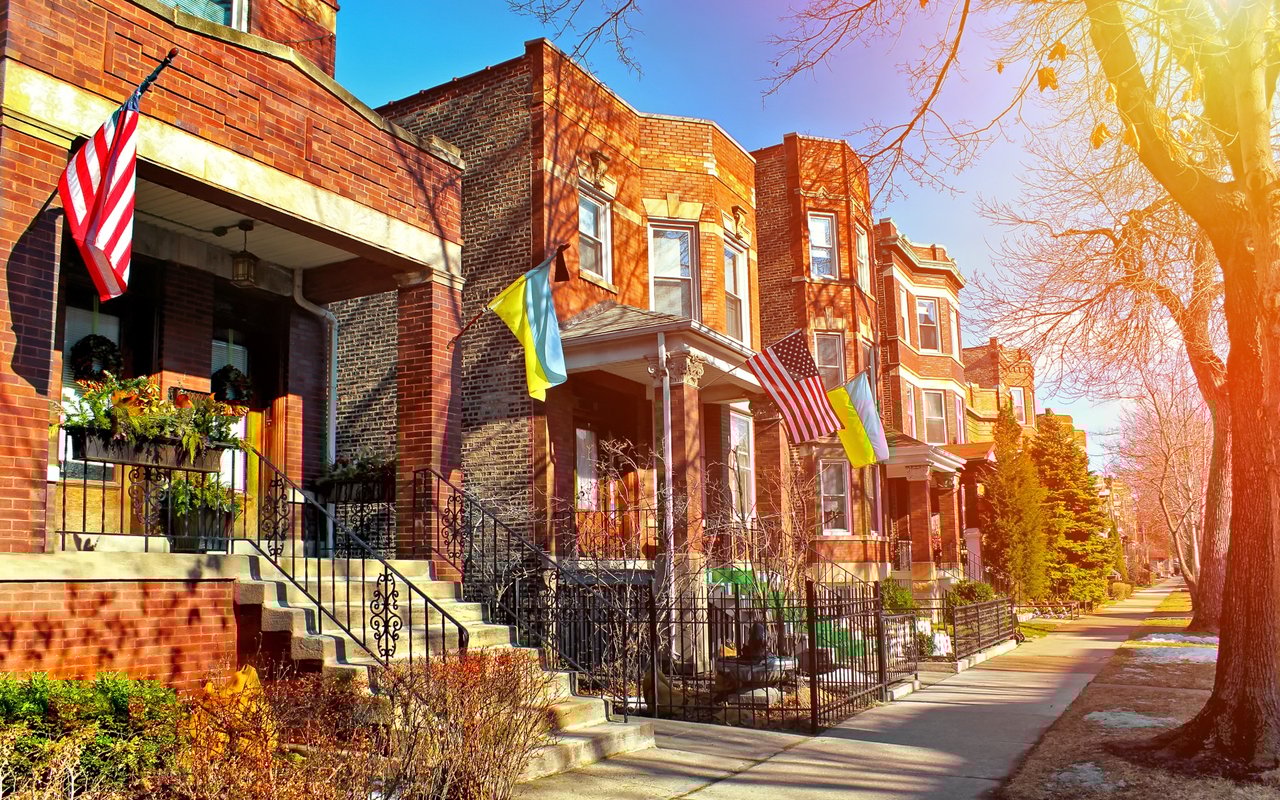
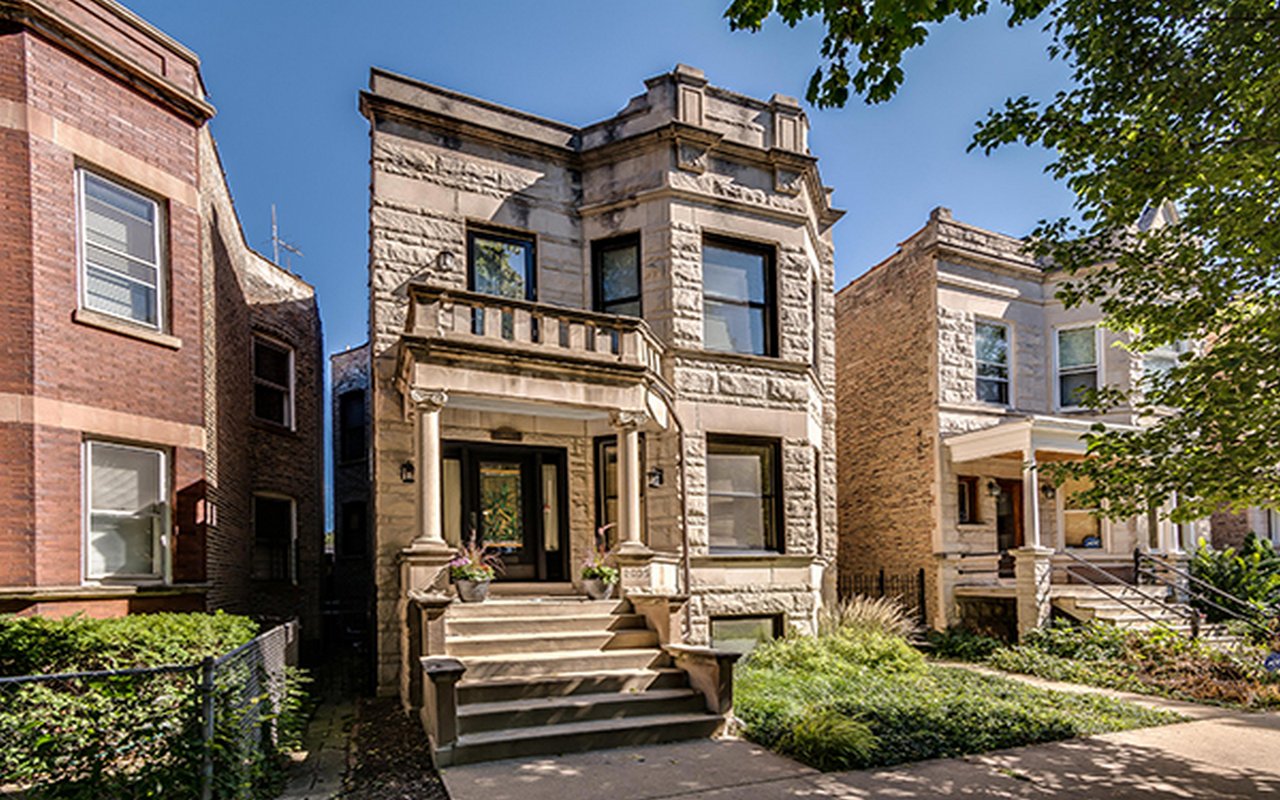
Chicago homes face extreme temperature swings, and that puts pressure on heating and cooling systems. In areas like Wicker Park, Bucktown, and Avondale, many homes were built decades ago, long before modern efficiency standards. That means heat loss in winter and overworked air conditioning in summer are common issues.
Why Chicago homes lose energy so easily
- Older insulation standards allow heat transfer
- Drafty windows and doors are common in vintage homes
- Large temperature swings stress HVAC systems
- Multi-level layouts create uneven heating and cooling
We see homeowners surprised by how much comfort improves once inefficiencies are addressed. Making your home more energy efficient in Chicago isn’t just about savings, it’s about creating a space that feels consistent and livable all year.
Start With Insulation and Air Sealing
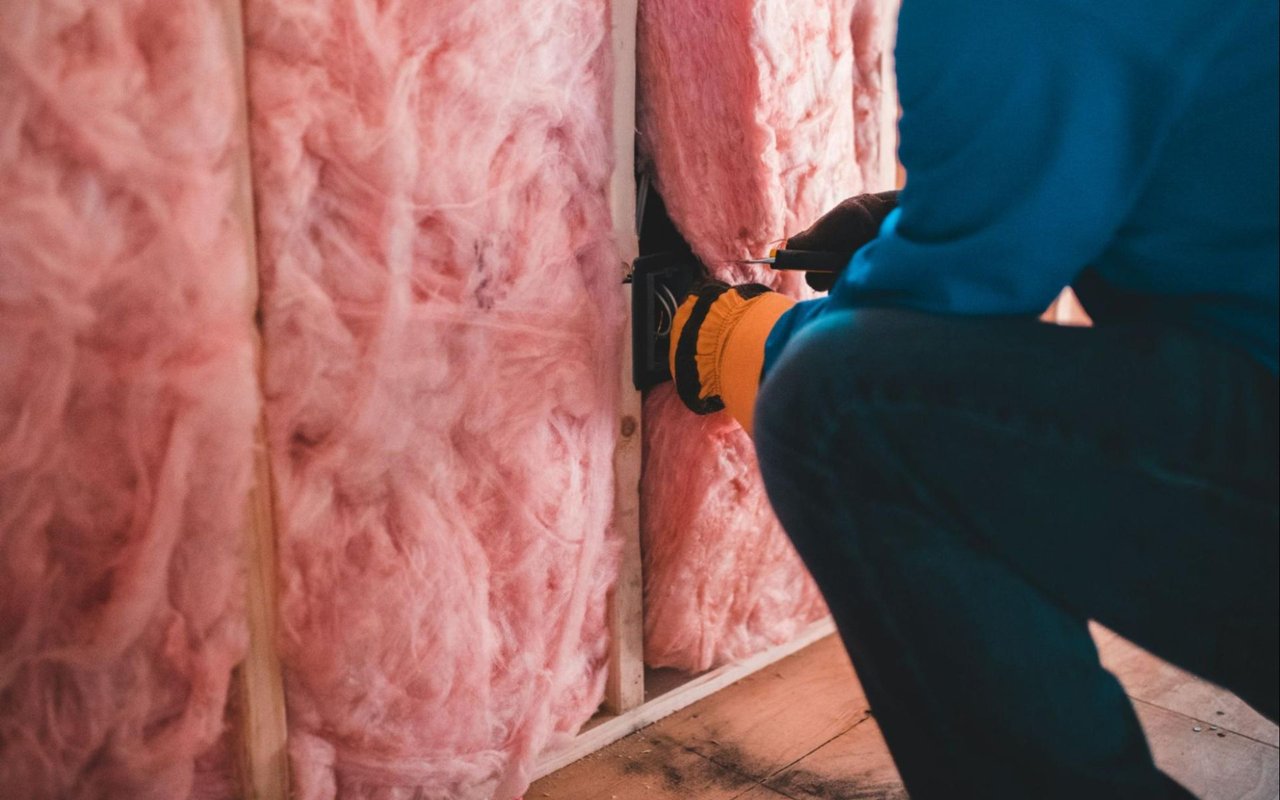
One of the most effective ways to make your home more energy efficient is improving insulation and sealing air leaks. This is especially important in Logan Square, Avondale, and Roscoe Village, where many homes have unfinished basements or attics.
Where energy loss commonly occurs
- Attics with outdated or compressed insulation
- Basements and crawl spaces that allow cold air in
- Gaps around windows, doors, and utility penetrations
- Poorly sealed ductwork
We often recommend starting with a professional energy audit. That allows you to focus your budget on areas that deliver the biggest improvement. Proper insulation makes every other upgrade work better.
Upgrade Windows Strategically, Not All at Once
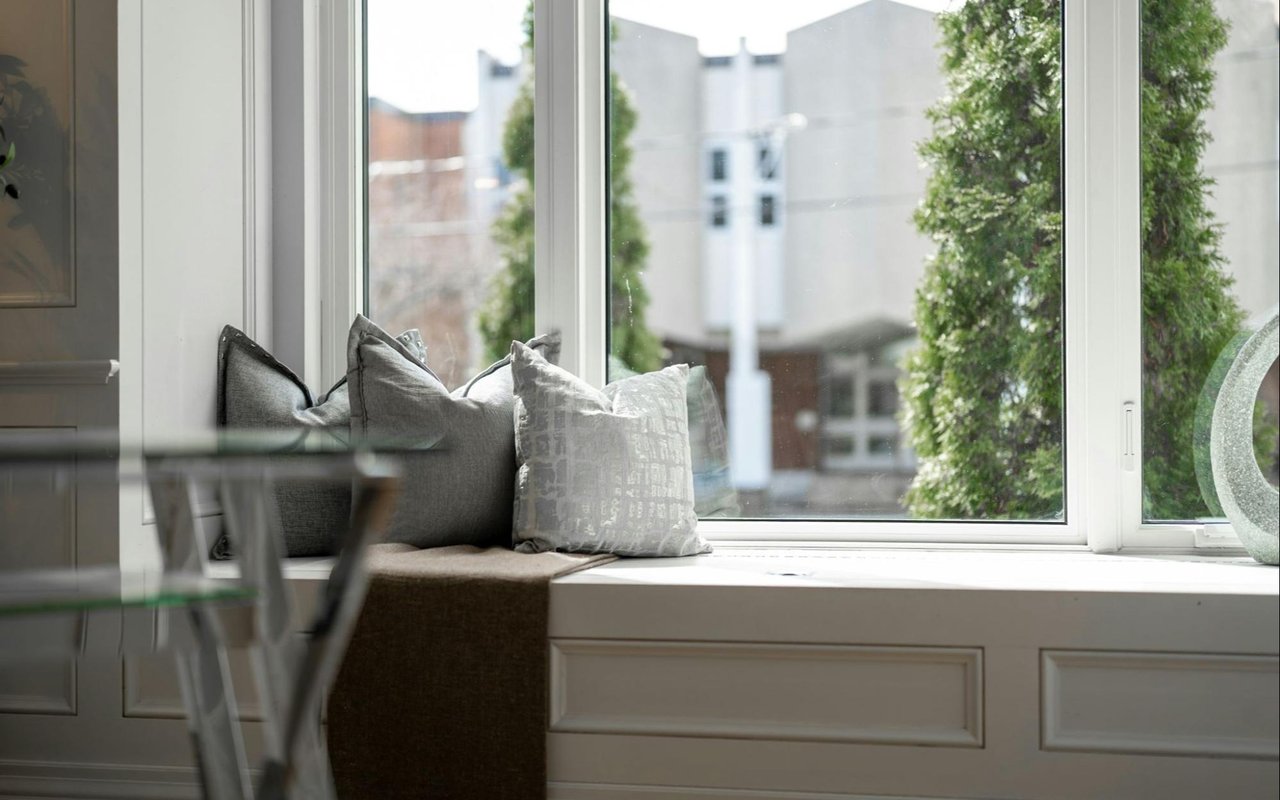
Windows play a huge role in energy efficiency, but replacing all of them at once isn’t always necessary. In Chicago neighborhoods like North Center and Roscoe Village, many homes still have original or early replacement windows that leak air.
How to approach window efficiency wisely
- Replace the most drafty or sun-exposed windows first
- Use storm windows to improve performance affordably
- Seal and weatherstrip existing frames properly
- Choose low-E glass suited for Chicago’s climate
We help homeowners prioritize window upgrades instead of treating them as all-or-nothing projects. Strategic improvements often deliver similar comfort gains at a lower cost.
Make Heating and Cooling Systems Work Smarter
Your HVAC system does the heavy lifting in a Chicago home. If it’s outdated or improperly sized, even good insulation won’t fully solve comfort issues. Energy efficiency improves dramatically when systems are matched to the home.
Ways to improve HVAC efficiency
- Schedule regular maintenance and filter changes
- Upgrade to high-efficiency furnaces or boilers
- Add smart thermostats for better temperature control
- Balance airflow between floors
In multi-story homes common in Bucktown and Wicker Park, zoning or smart thermostats can reduce hot and cold spots. Making your home more energy efficient often starts with controlling how and when energy is used.
Pay Attention to Doors, Not Just Windows
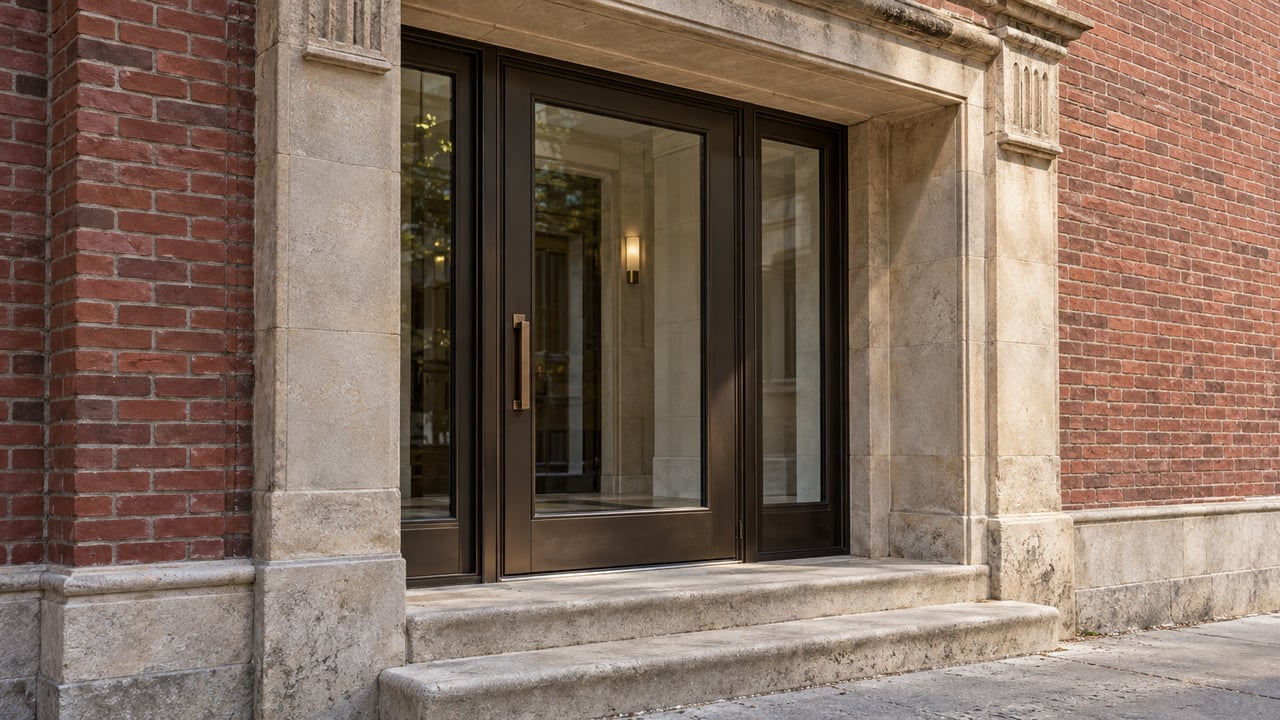
Doors are often overlooked, but they can be major sources of energy loss. Chicago winters expose every weak seal, especially in homes with multiple exterior doors or older entryways.
Door upgrades that improve efficiency
- Weatherstripping around frames and thresholds
- Insulated doors for front and rear entrances
- Storm doors to create an air buffer
- Proper alignment to ensure tight seals
We often see noticeable improvements from simple door upgrades. These changes are relatively affordable and can make a big difference in comfort during colder months.
Improve Energy Efficiency Through Lighting and Appliances
Once the structure of your home is working efficiently, interior upgrades help reduce energy use further. Lighting and appliances play a bigger role than many homeowners expect.
Interior upgrades that save energy
- LED lighting throughout the home
- Energy-efficient appliances in kitchens and laundry rooms
- Smart power strips to reduce standby energy use
- Efficient exhaust fans in kitchens and baths
In neighborhoods like Logan Square and Avondale, where homes often have renovated interiors, these upgrades align naturally with modern updates. Energy efficiency doesn’t require sacrificing style or convenience.
Don’t Ignore Basements and Upper Floors
Chicago homes often struggle with uneven temperatures between floors. Basements and top floors tend to be the most problematic, yet they’re commonly overlooked when improving efficiency.
Why these areas matter
- Basements can leak cold air into living spaces
- Upper floors trap heat in summer
- Poor insulation creates system imbalance
- Moisture issues reduce insulation performance
We encourage homeowners to address these areas early. Making your home more energy efficient means treating it as a whole system, not isolated rooms.
How Energy Efficiency Impacts Resale in Chicago
Energy-efficient homes stand out in Chicago’s competitive market. Buyers in Bucktown, Wicker Park, and North Center are increasingly aware of utility costs and comfort issues, especially in older homes.
Why buyers value efficiency upgrades
- Lower monthly utility costs are easy to understand
- Updated systems reduce perceived maintenance risk
- Comfortable homes show better during listings
- Efficiency suggests thoughtful ownership
We consistently see buyers respond positively to homes that feel warm in winter, cool in summer, and predictable year-round. Energy efficiency supports both enjoyment and marketability.
FAQs
Is it worth making energy upgrades if I’m not selling soon?
Yes. You benefit immediately through comfort and lower utility costs, and upgrades still add long-term value.
Are older Chicago homes harder to make energy efficient?
Not harder, just different. Targeted improvements often produce significant results in vintage homes.
Where should I start if my budget is limited?
Start with insulation, air sealing, and HVAC efficiency. These upgrades usually deliver the best return.
Contact Us Today
Making your home more energy efficient is one of the smartest ways to improve comfort, reduce costs, and strengthen long-term value. At the KlopasStratton Team, we help Chicago homeowners understand which upgrades make sense for their specific home and neighborhood.
Reach out to us at the KlopasStratton Team, and we’ll help you evaluate how energy efficiency fits into your plans, whether you’re staying put or preparing for a future sale. From Bucktown to Avondale, we’re here to guide you with practical, local insight every step of the way.