By KlopasStratton Team
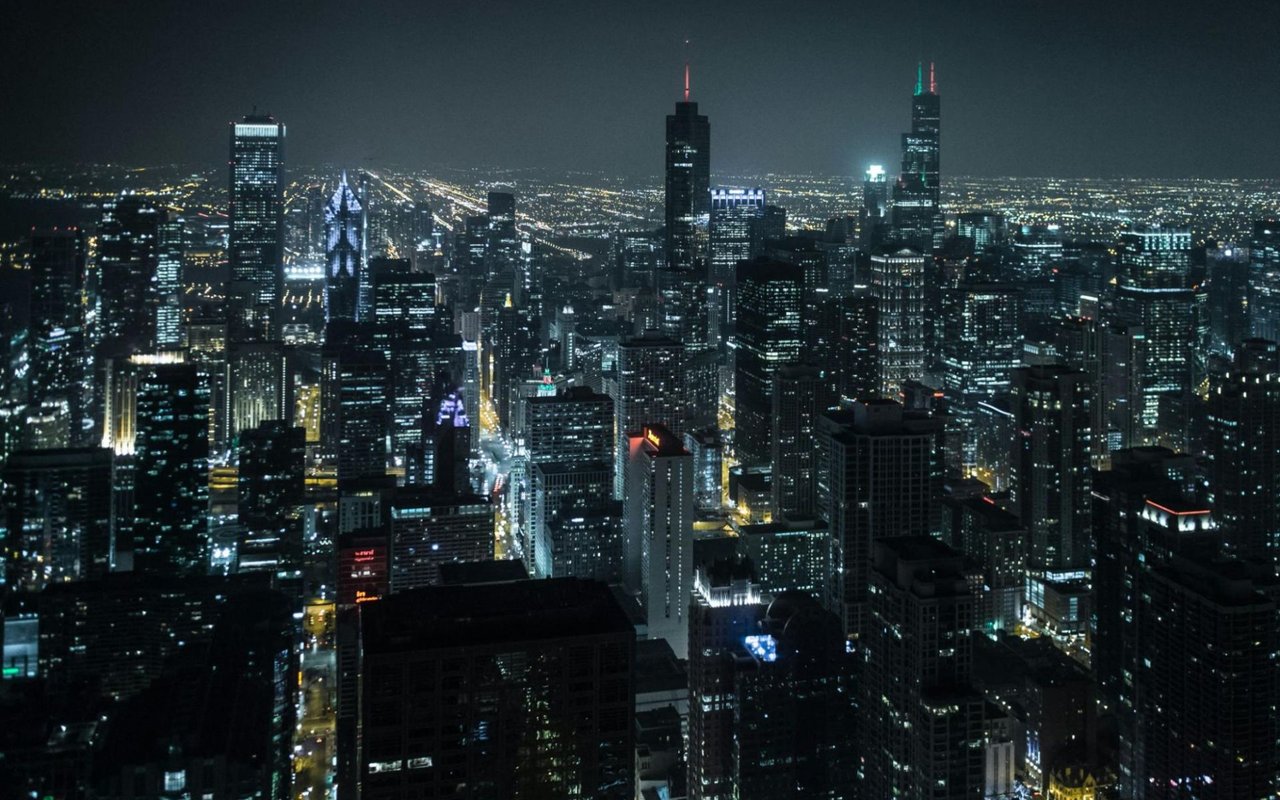
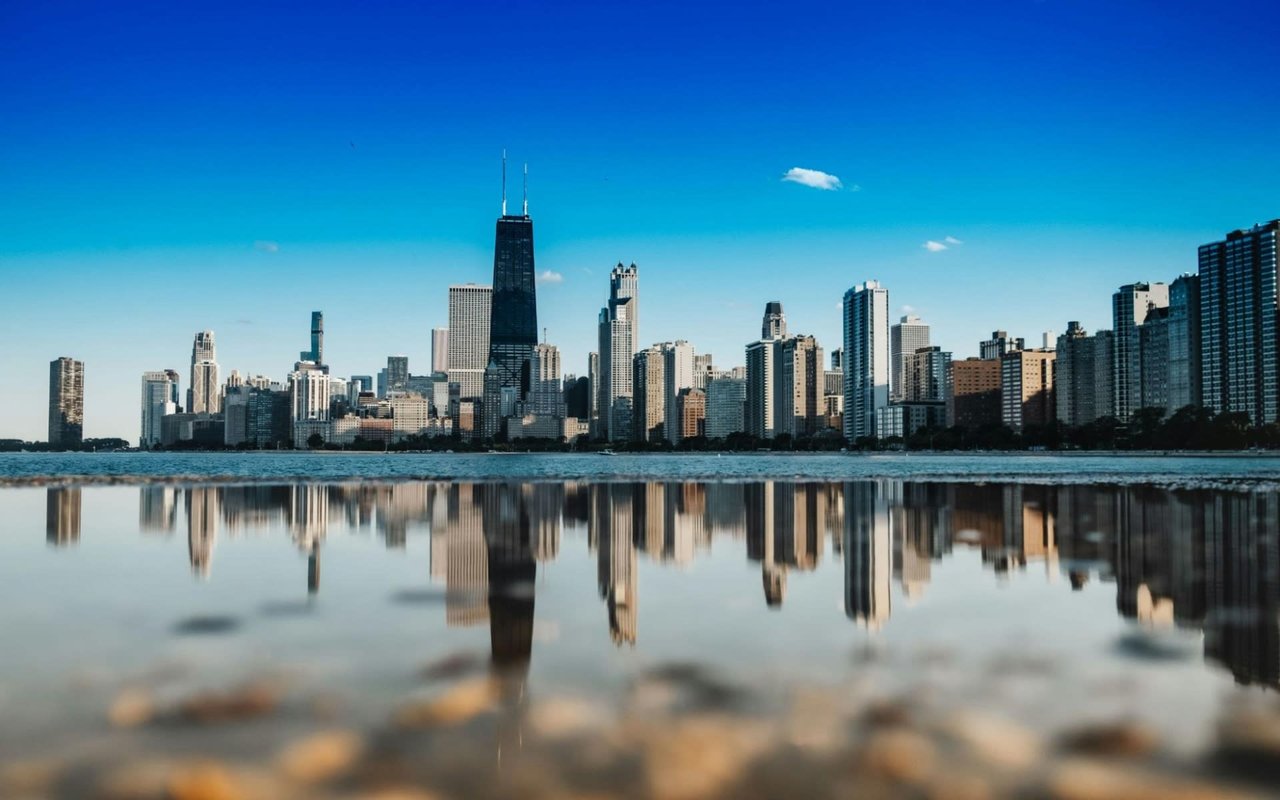
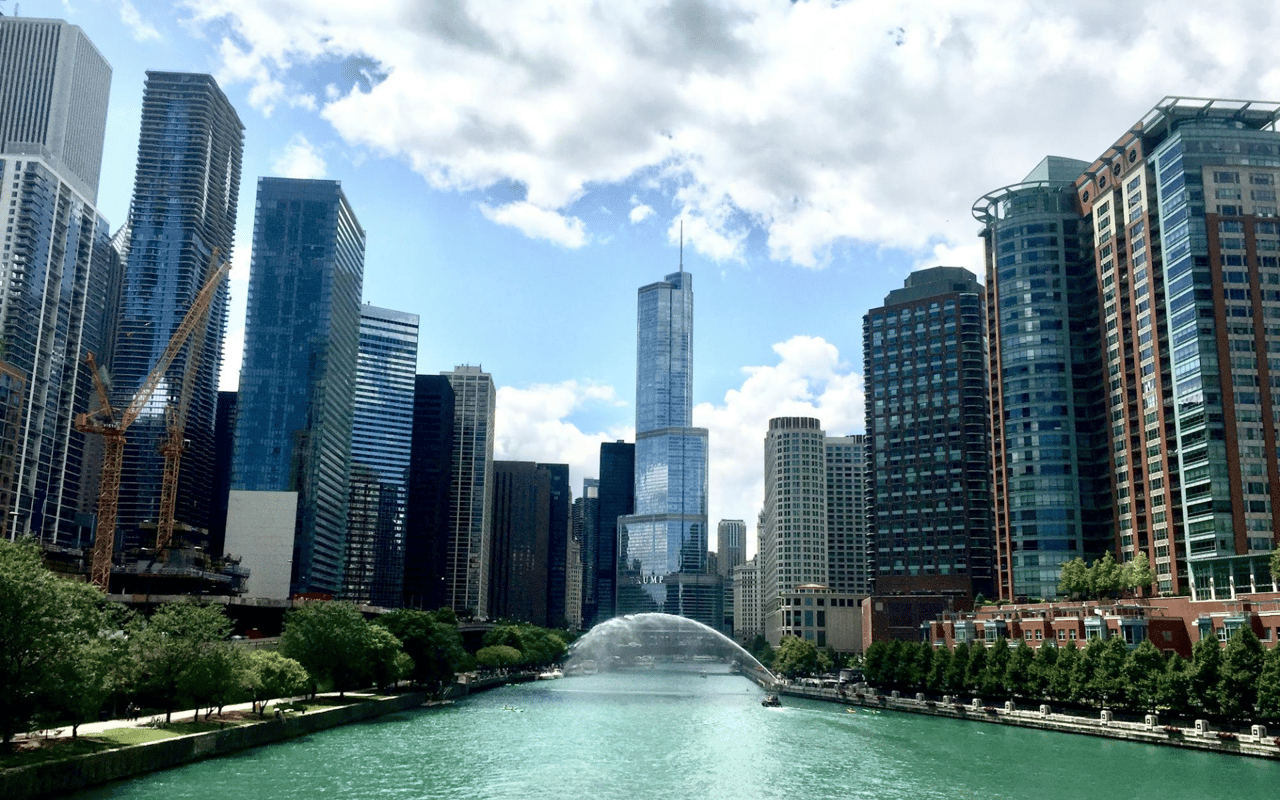
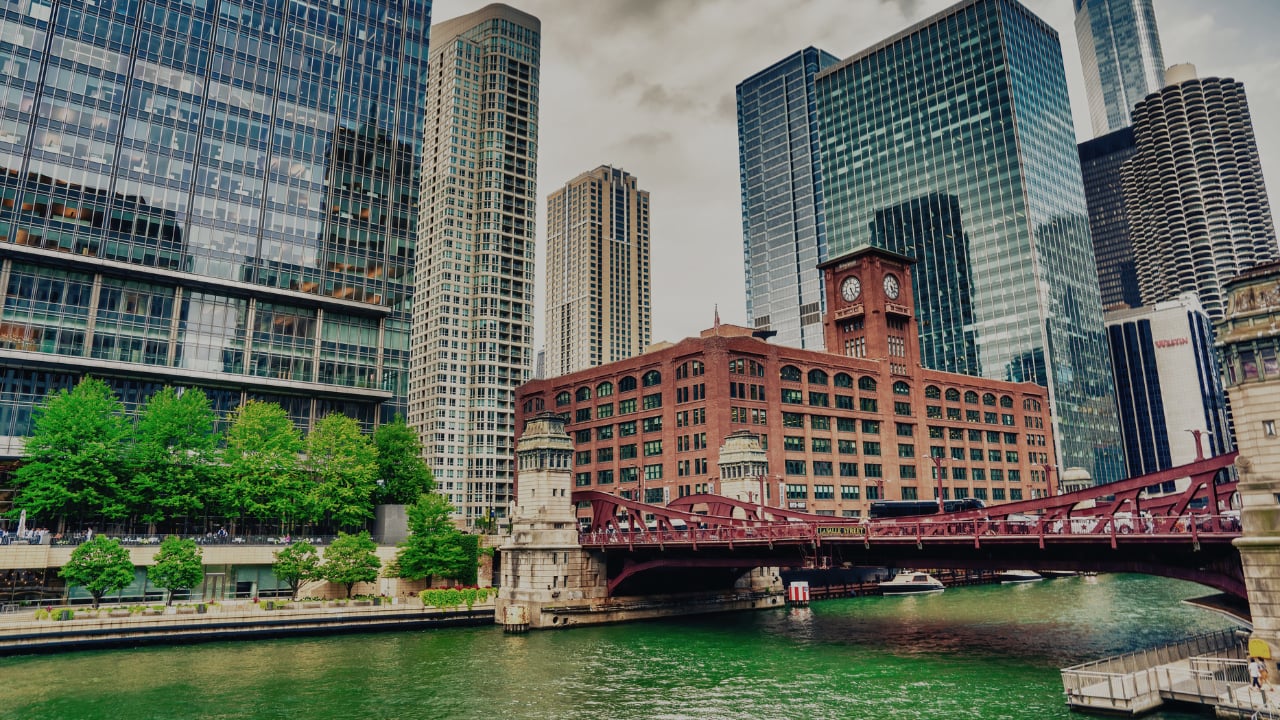
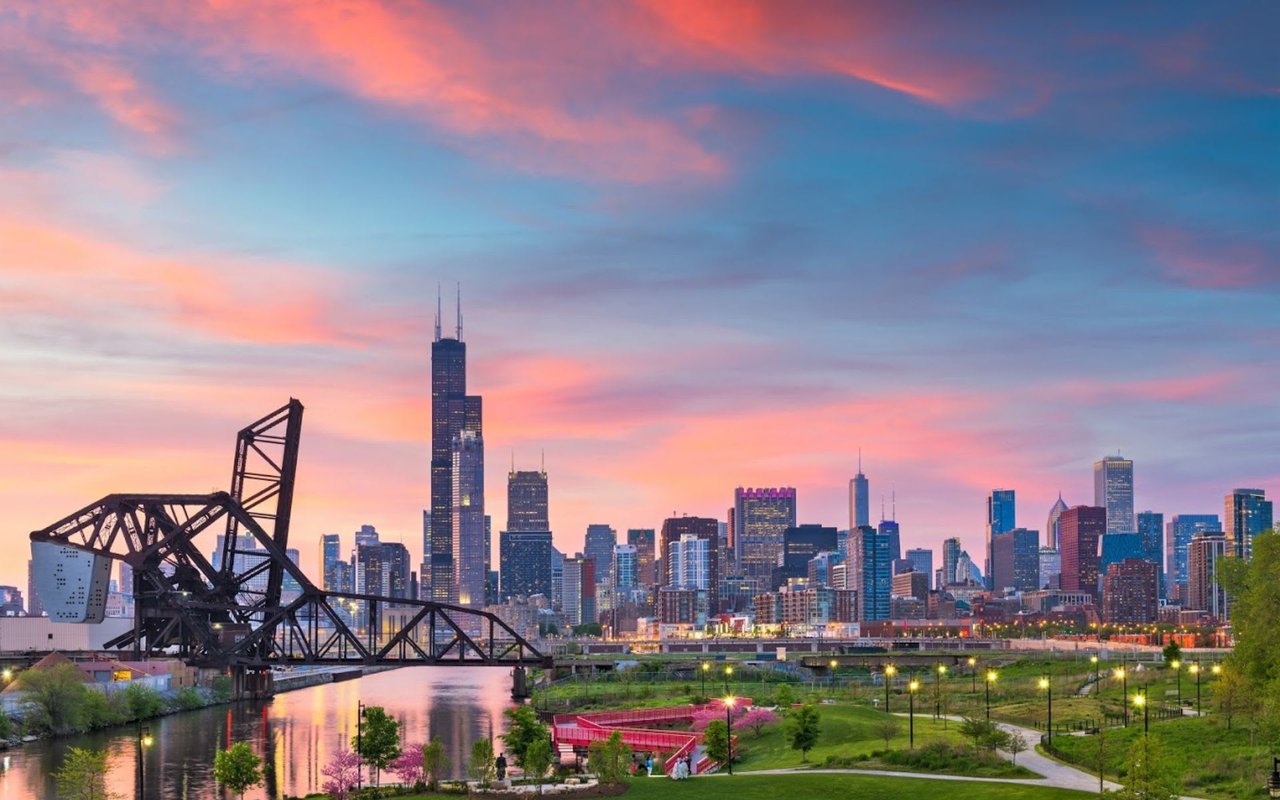
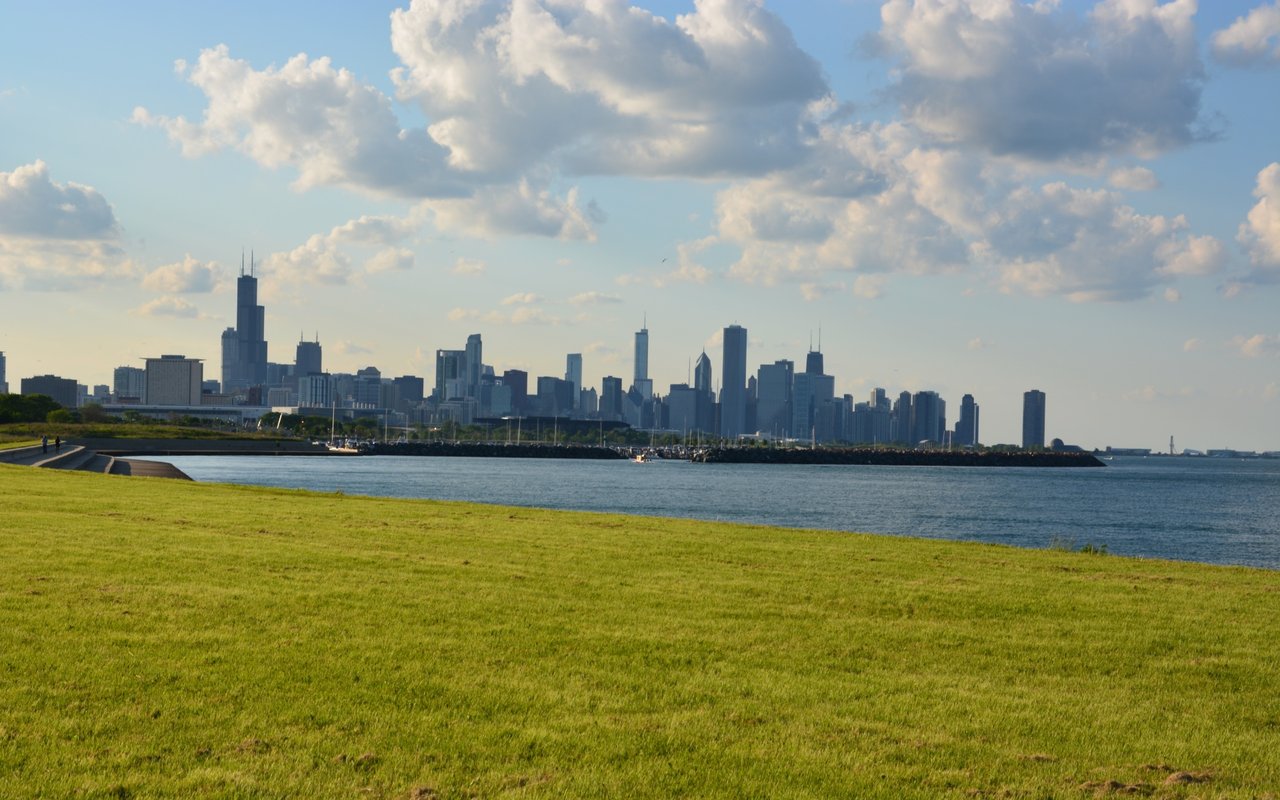
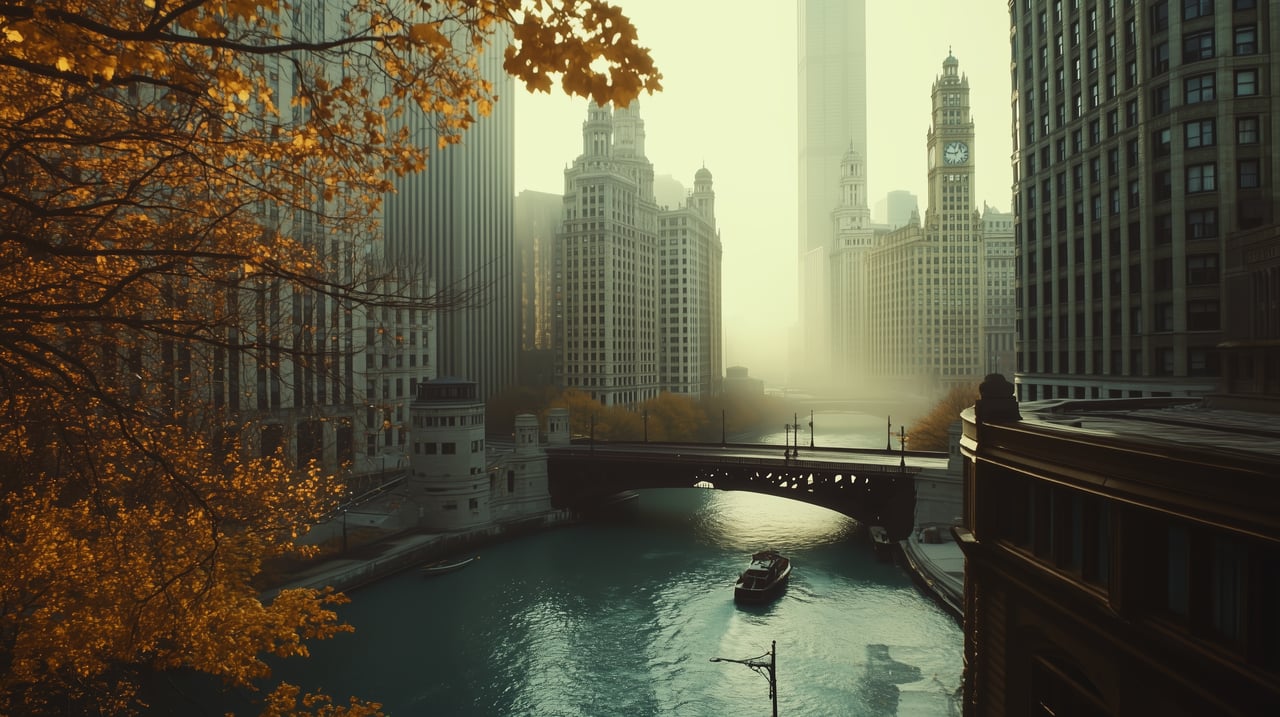
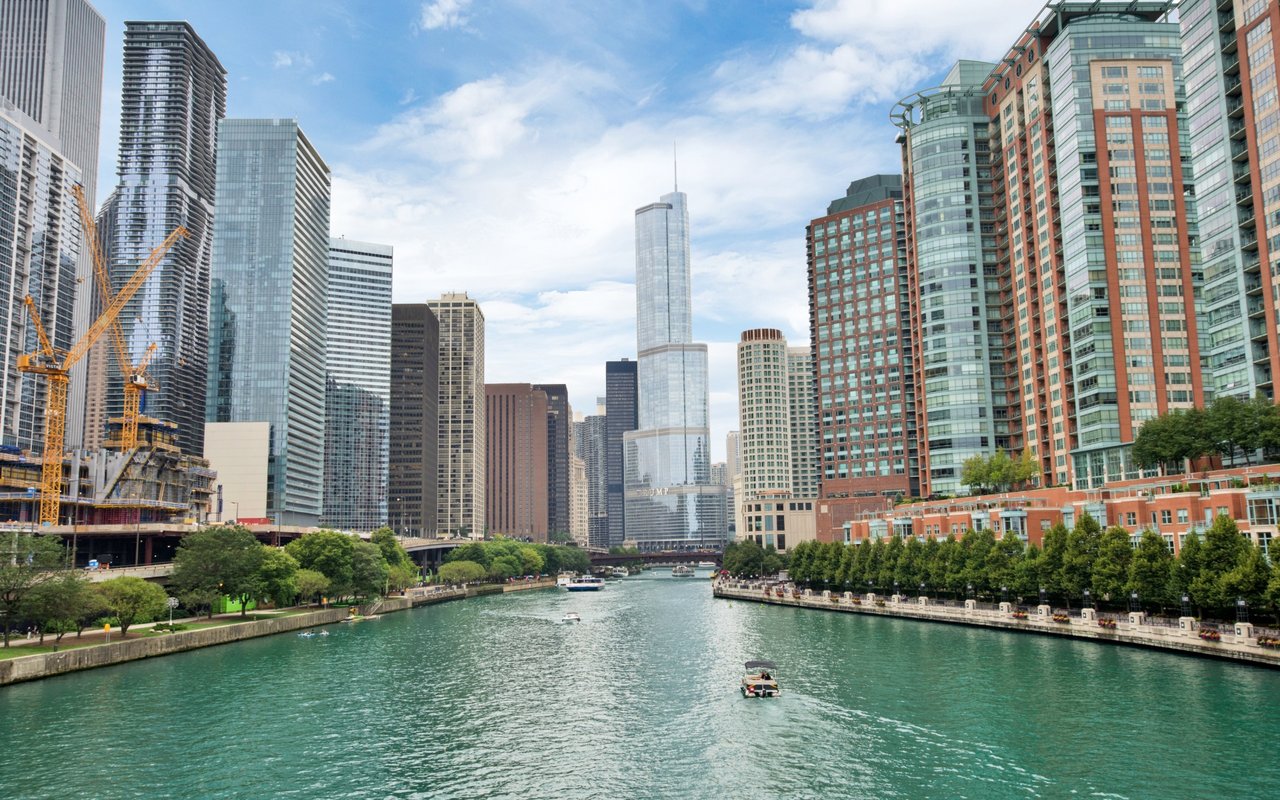
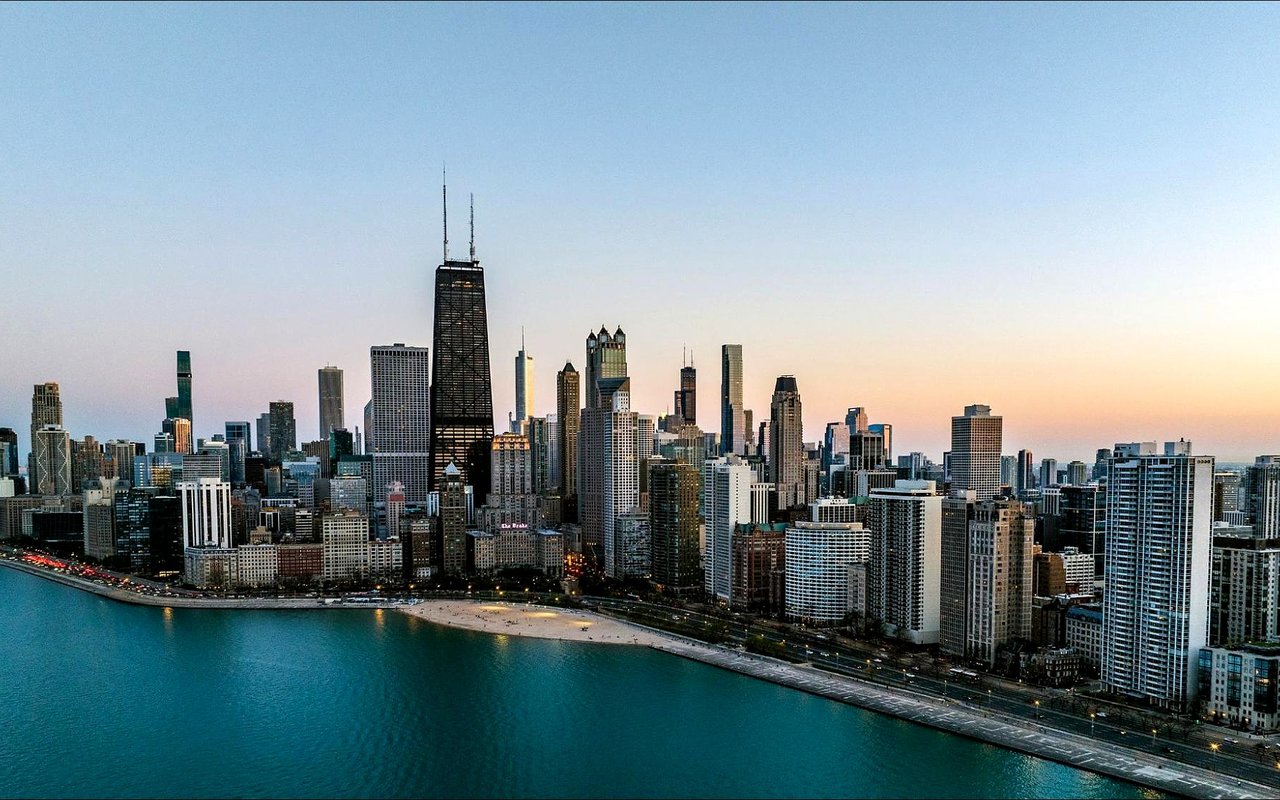
Chicago is one of the great architectural cities in the world, and that reputation is earned on two levels. The skyline gets most of the global attention. But the architecture that defines daily life in Chicago's neighborhoods is just as rich. The greystones of Logan Square, the two-flats of Wicker Park, the bungalows of North Center, and the courtyard buildings of Roscoe Village tell the story of how Chicago grew, who built it, and why the neighborhoods we work in feel the way they do.
Key Takeaways
-
Chicago's residential architecture is as distinctive as its skyline — greystones, two-flats, bungalows, and courtyard buildings are as much a part of the city's identity as its skyscrapers
-
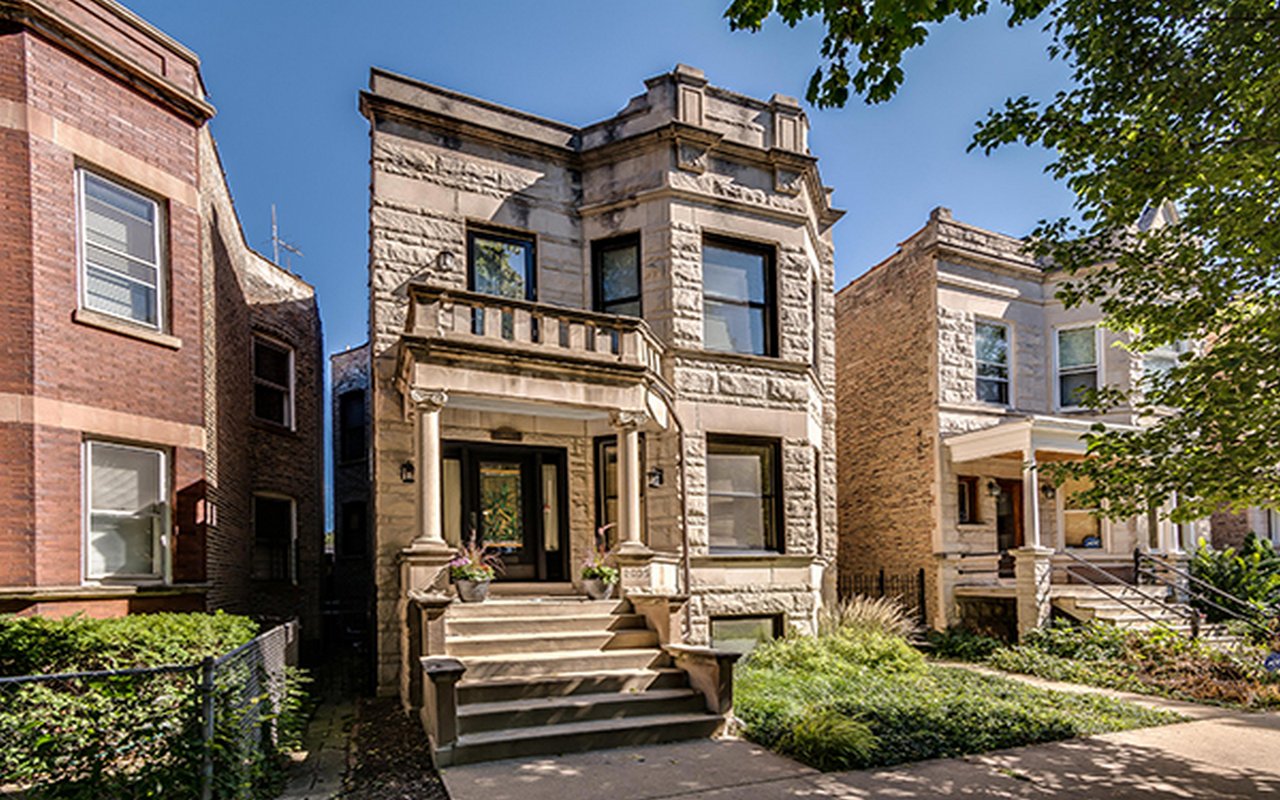
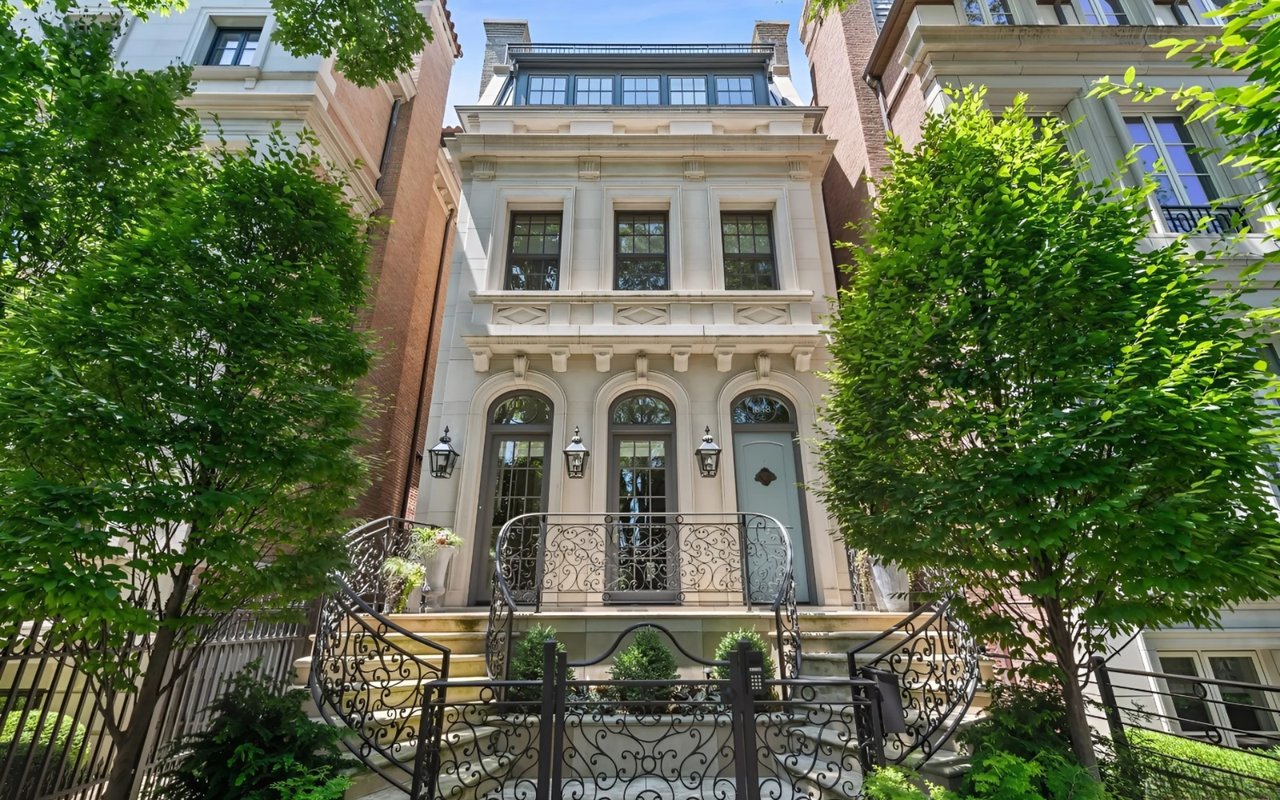
The greystones of Logan Square, Bucktown, and Wicker Park are Chicago's answer to the East Coast brownstone, built from Indiana limestone with ornate Romanesque and Neoclassical detailing
-
Chicago’s neighborhoods each have their own architectural character shaped by history and community
-
Understanding the building types common to a neighborhood is one of the most useful tools a Chicago buyer can have
Chicago's Signature Residential Types
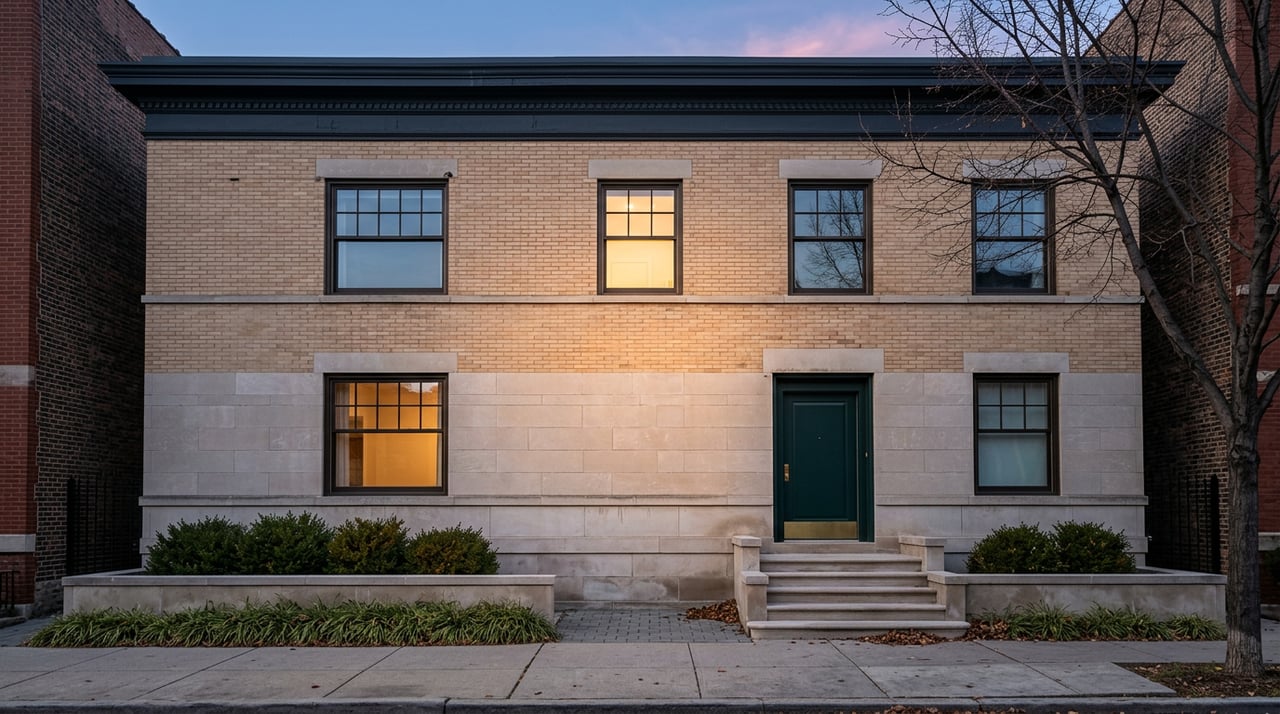
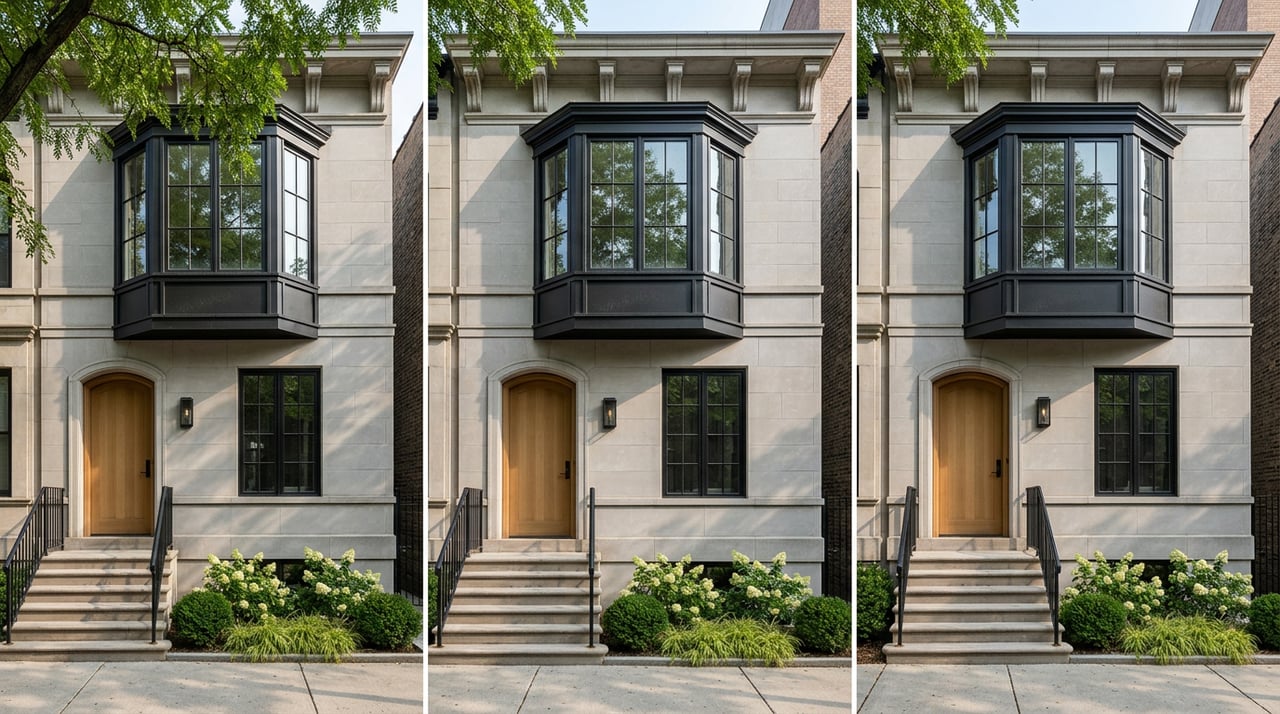
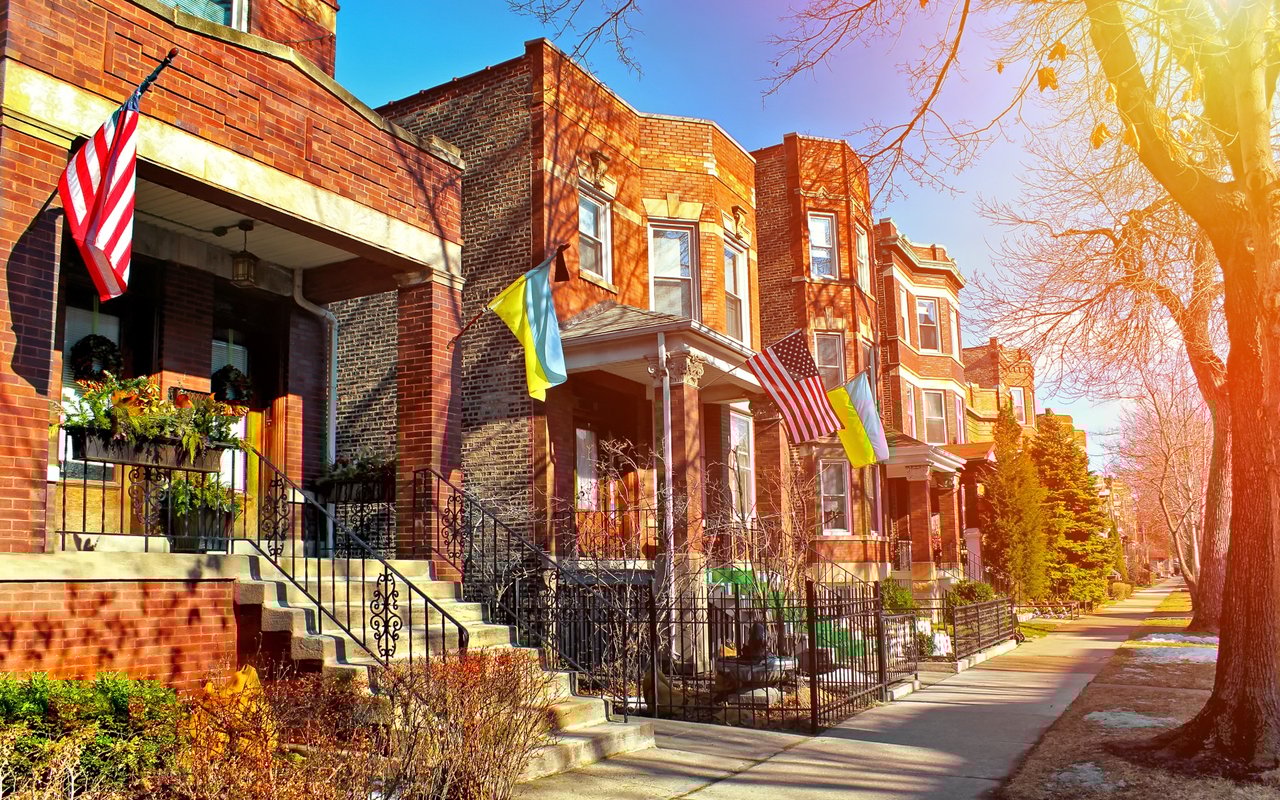
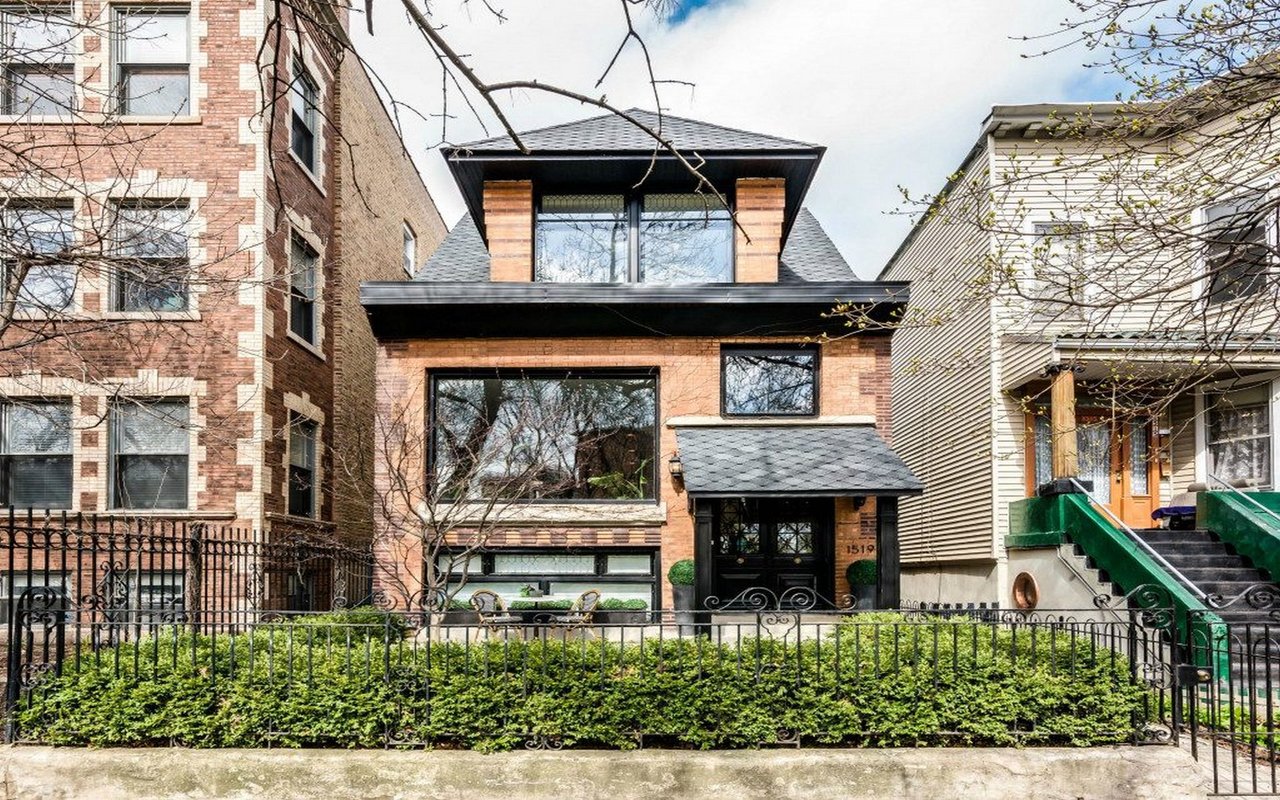
No city in America has a residential architecture as distinctly its own as Chicago. The building types that define its neighborhoods were shaped by the timing of its growth and the practical realities of narrow urban lots. The greystone is perhaps the most beloved, which is Chicago's answer to the East Coast brownstone, built from Indiana limestone rather than eastern sandstone. Well-restored greystones command significant buyer attention for their architectural richness and connection to the city's history. The two-flat is equally central, with one unit stacked above another, serving generations of families as both home and income property, and remaining one of the most sought-after property types in the neighborhoods we serve.
Chicago's Key Residential Architecture Types
-
Greystone: limestone-facade buildings built 1890–1920s with Romanesque and Neoclassical ornamentation
-
Two-flats: Chicago's quintessential multi-unit dwelling, where one unit is stacked on another
-
Chicago bungalows: one-to-one-and-a-half-story homes with full basements, pitched roofs, and Arts and Crafts detailing
-
Courtyard buildings: L, U, or S-shaped multi-unit buildings from the early twentieth century with shared central green space
The Architecture of Bucktown and Wicker Park
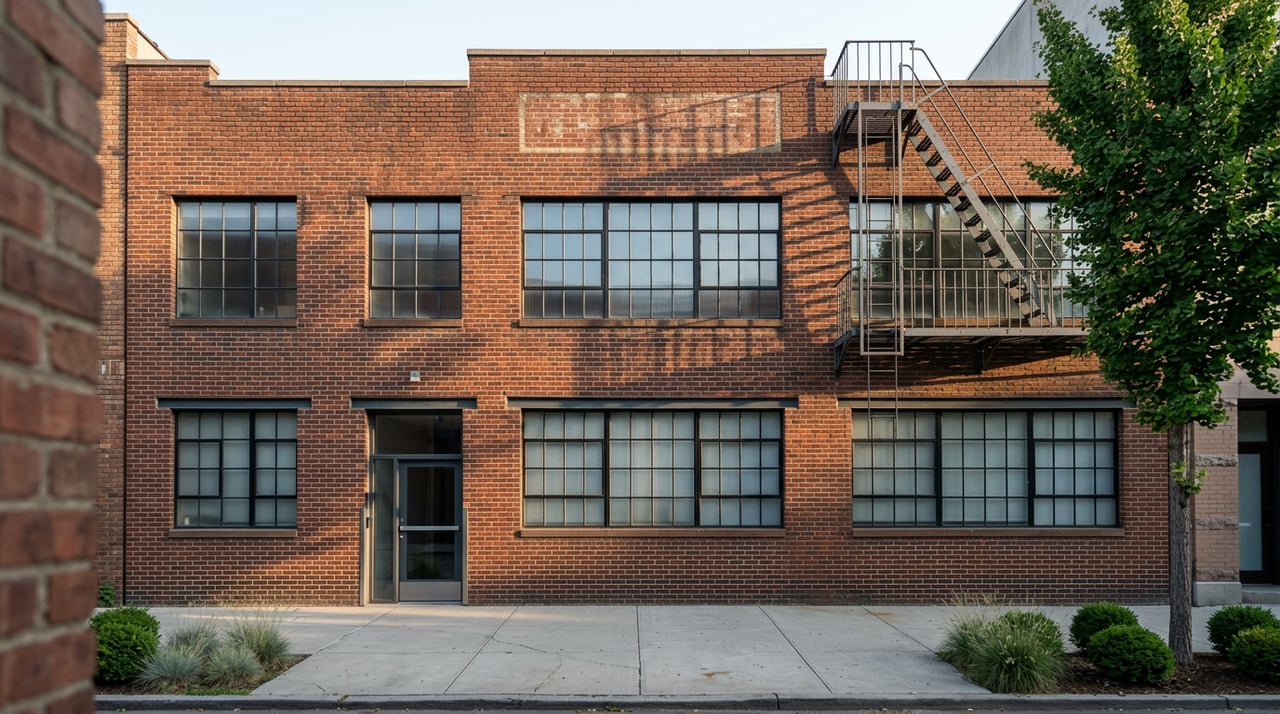
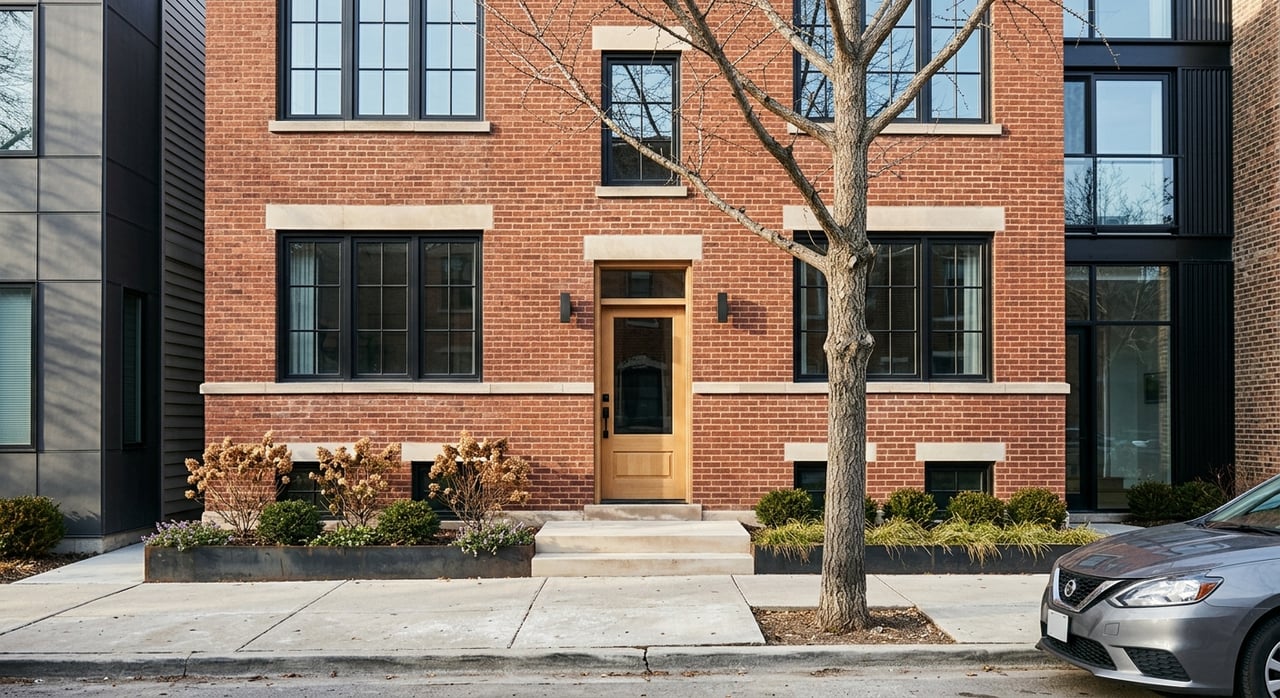
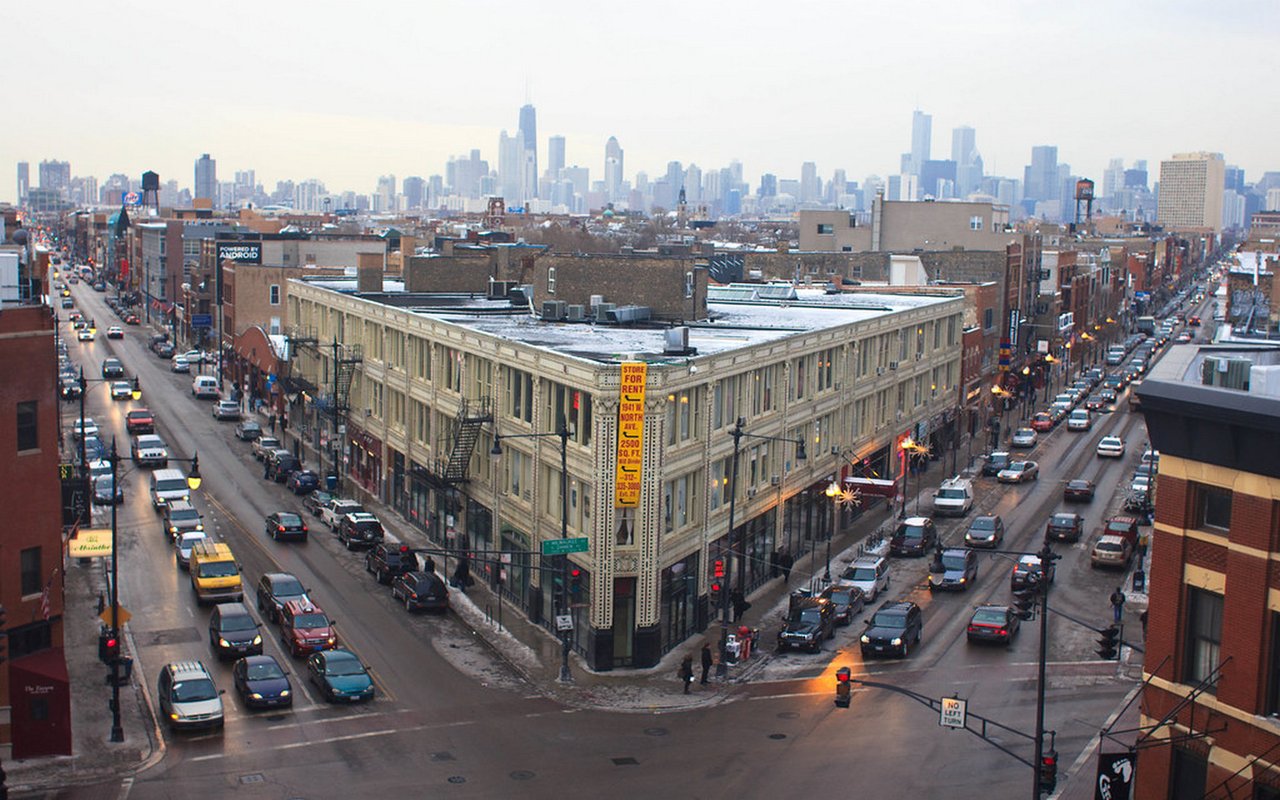
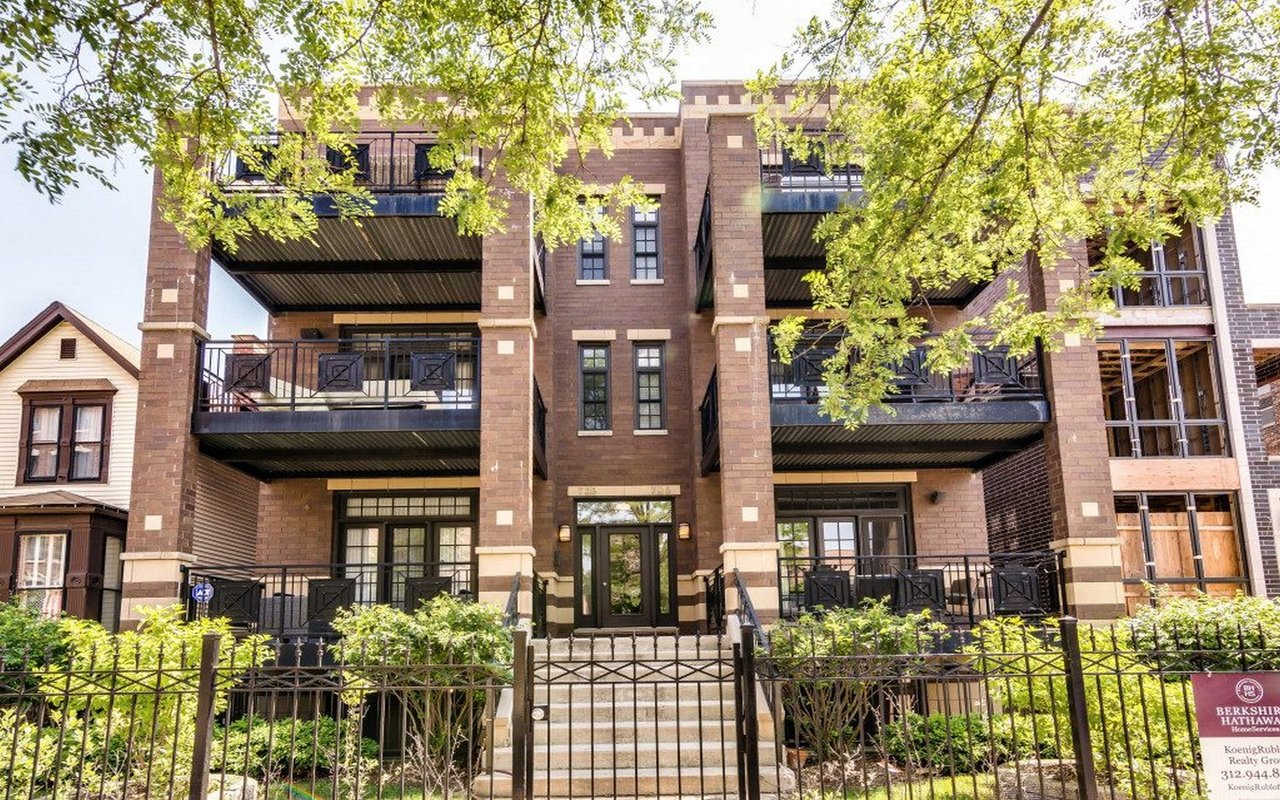
Bucktown and Wicker Park are where Chicago's historic and contemporary architectural traditions exist in closest proximity. Blocks of greystones and vintage two-flats — some meticulously restored, others converted into industrial loft spaces — sit alongside new construction. Converted warehouses gave the area its creative loft culture beginning in the 1980s, and that DNA remains visible. The result is a neighborhood where a renovated greystone sits next to a contemporary single-family home next to a converted loft.
What to Know About Architecture in Bucktown and Wicker Park
-
Greystones and vintage two-flats form the historic residential core, with some of the finest examples of this building type available in the city
-
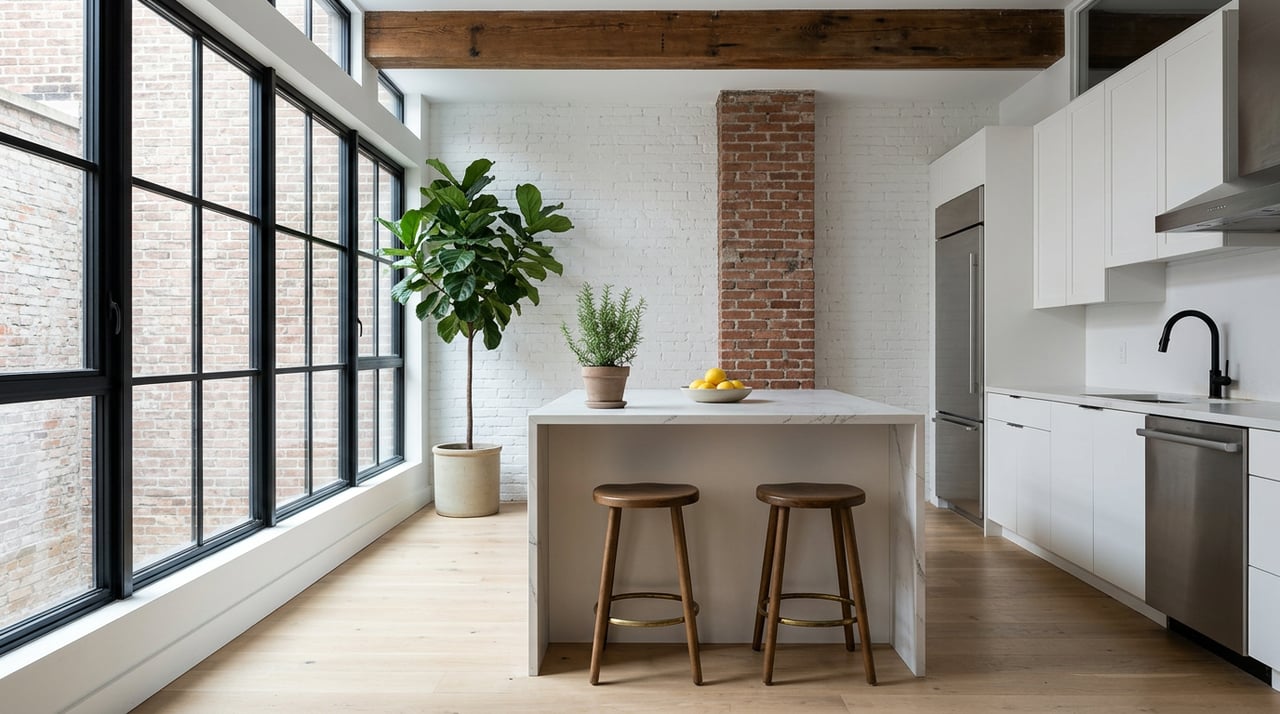
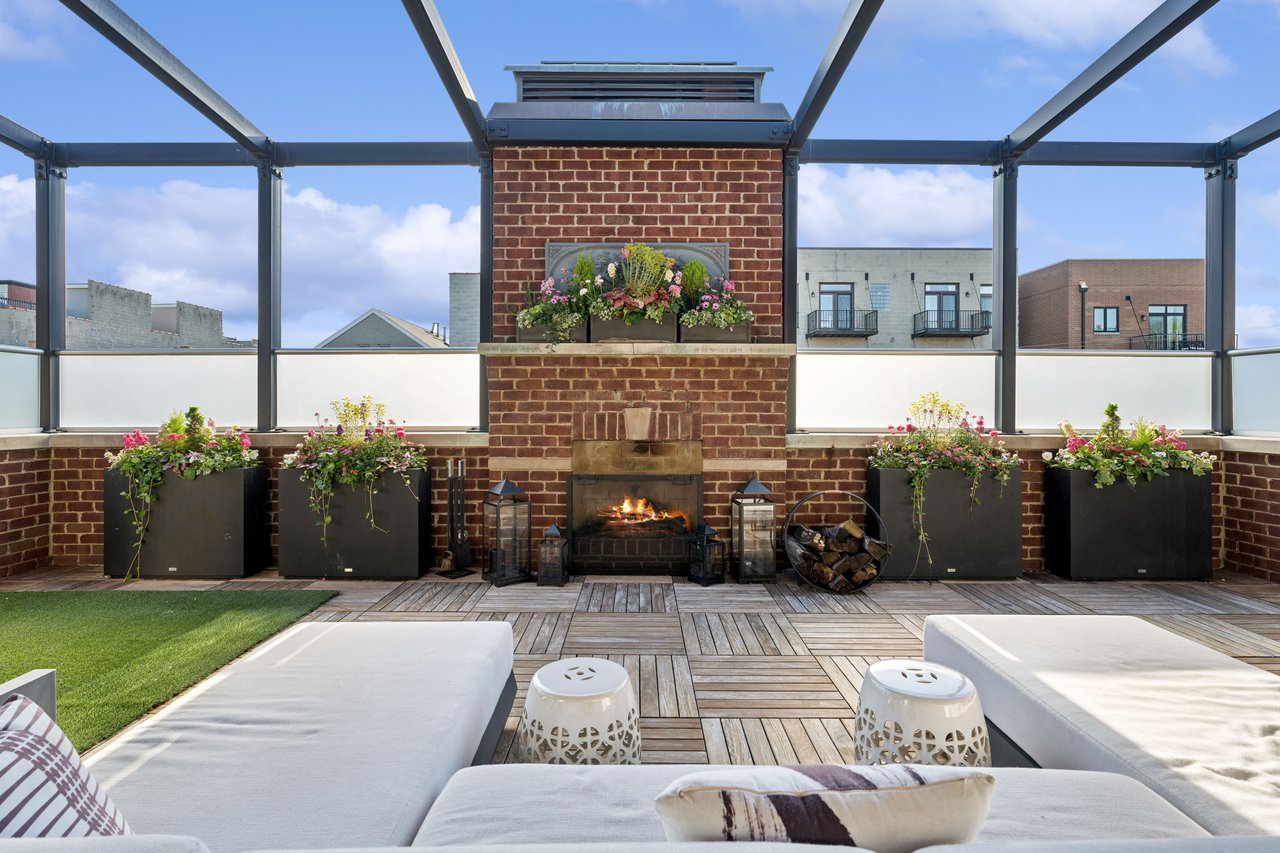
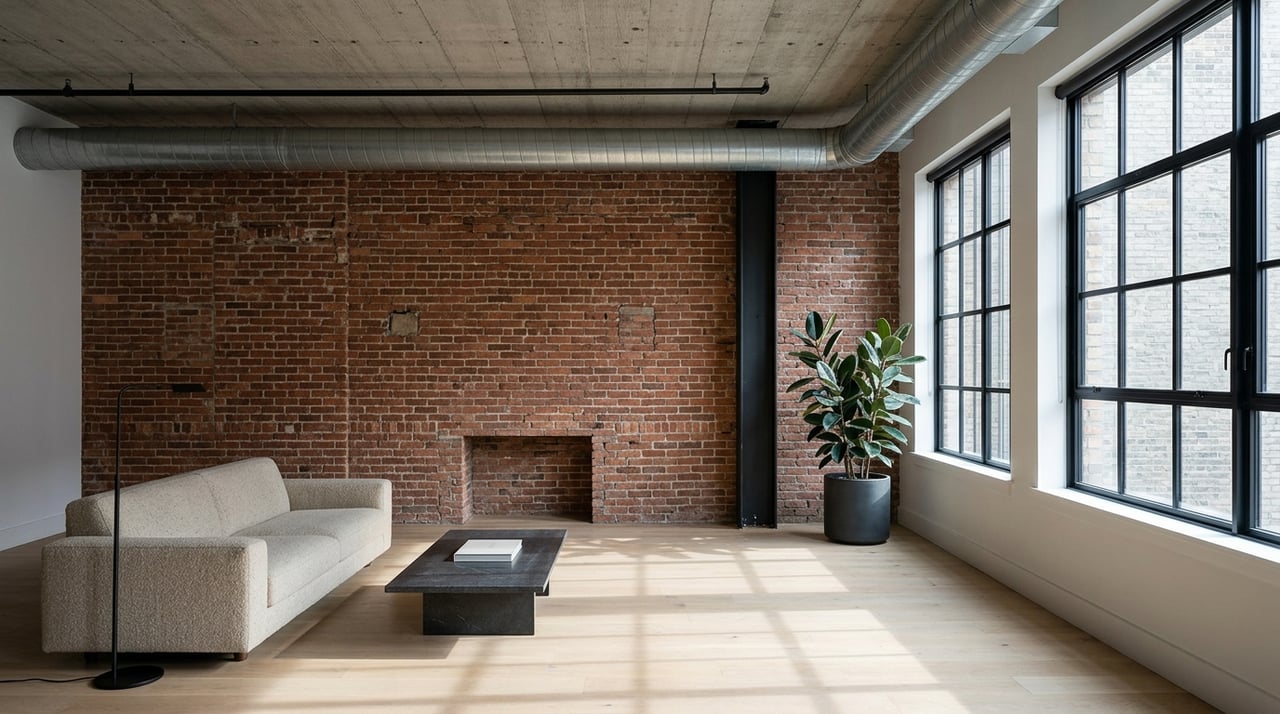
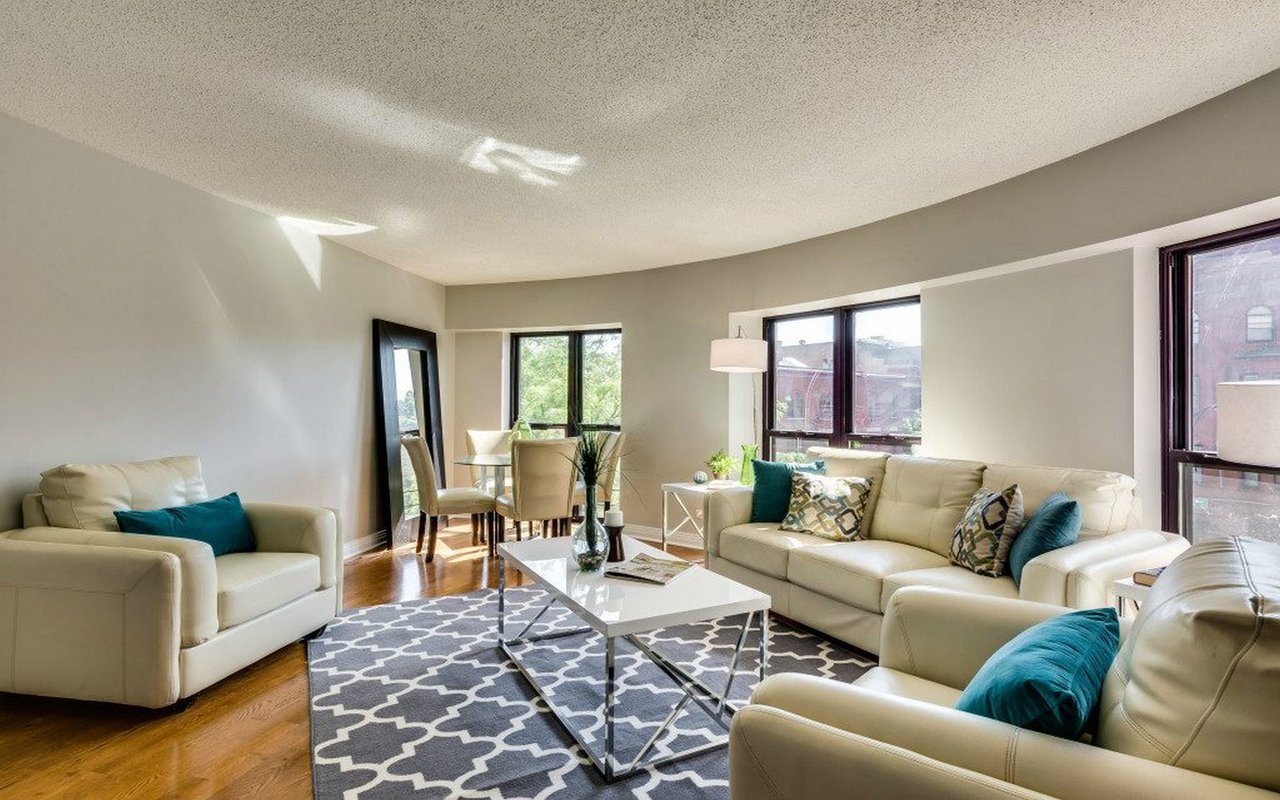
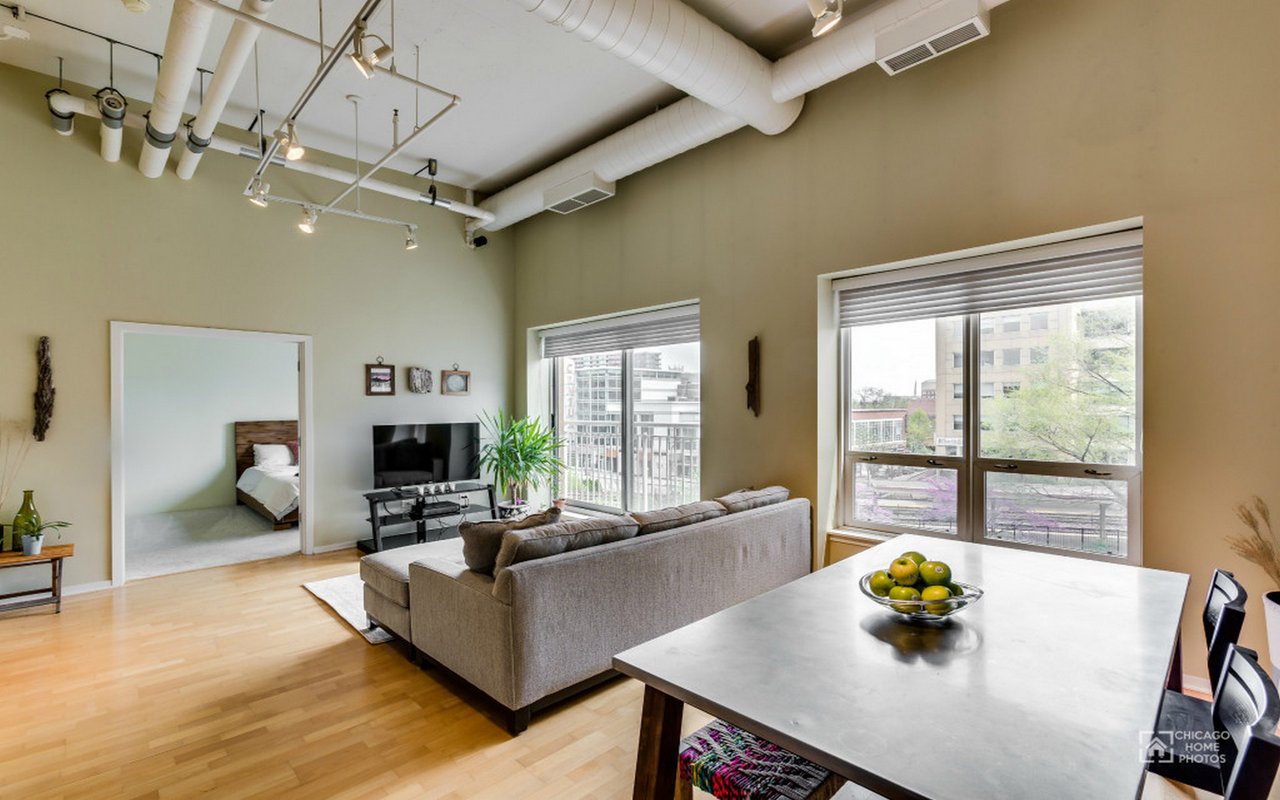
Converted industrial buildings offer high ceilings, exposed brick, and open floor plans that define much of the neighborhood's loft and condo market
-
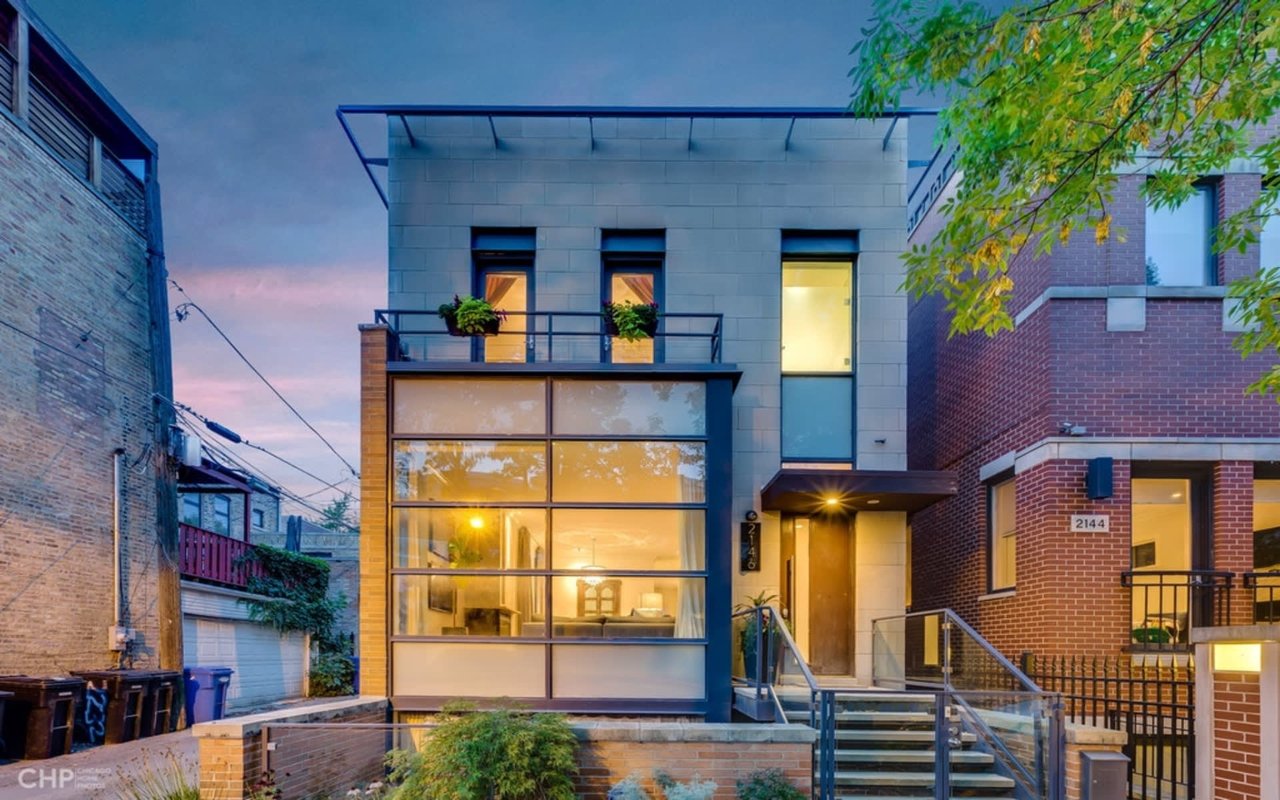
New construction single-family homes and condos sit alongside historic buildings, creating a streetscape that spans more than a century
-
The combination of building types makes Bucktown and Wicker Park one of the most architecturally varied residential markets in Chicago
The Greystones and Boulevards of Logan Square
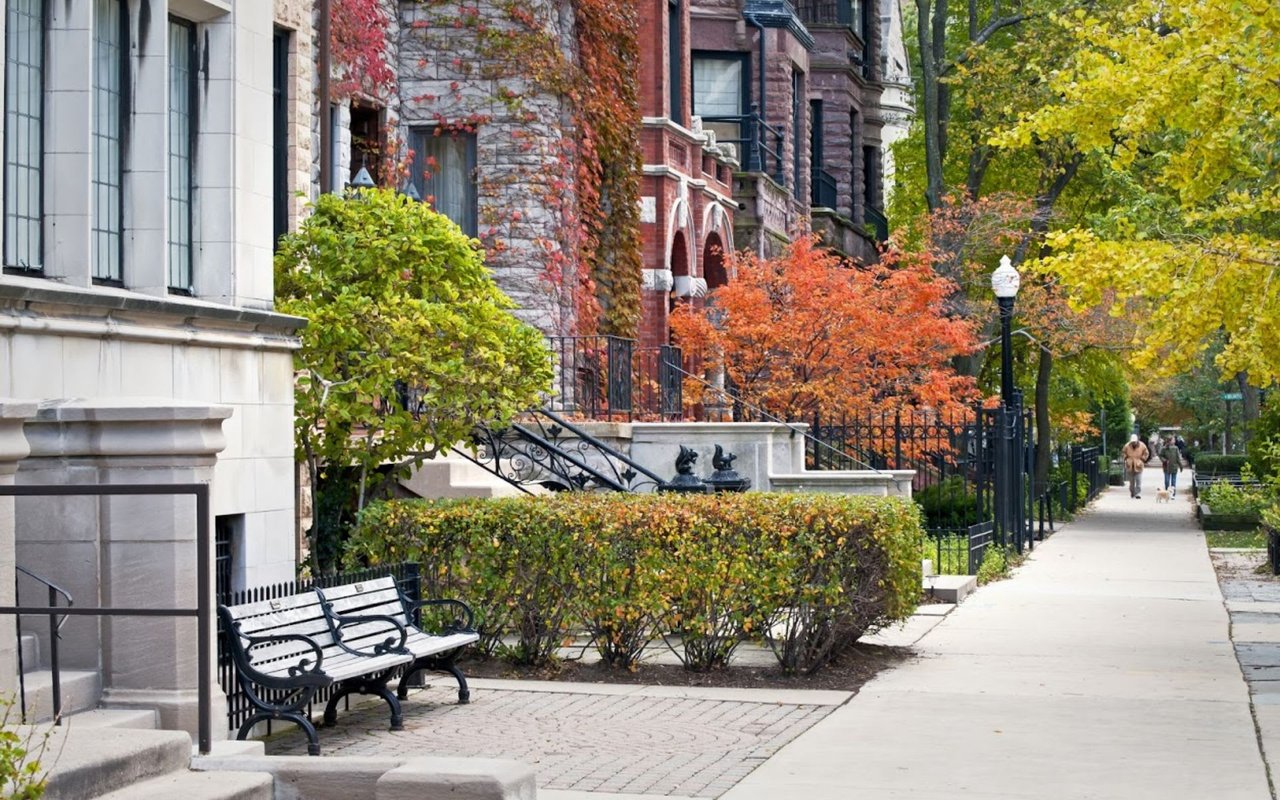
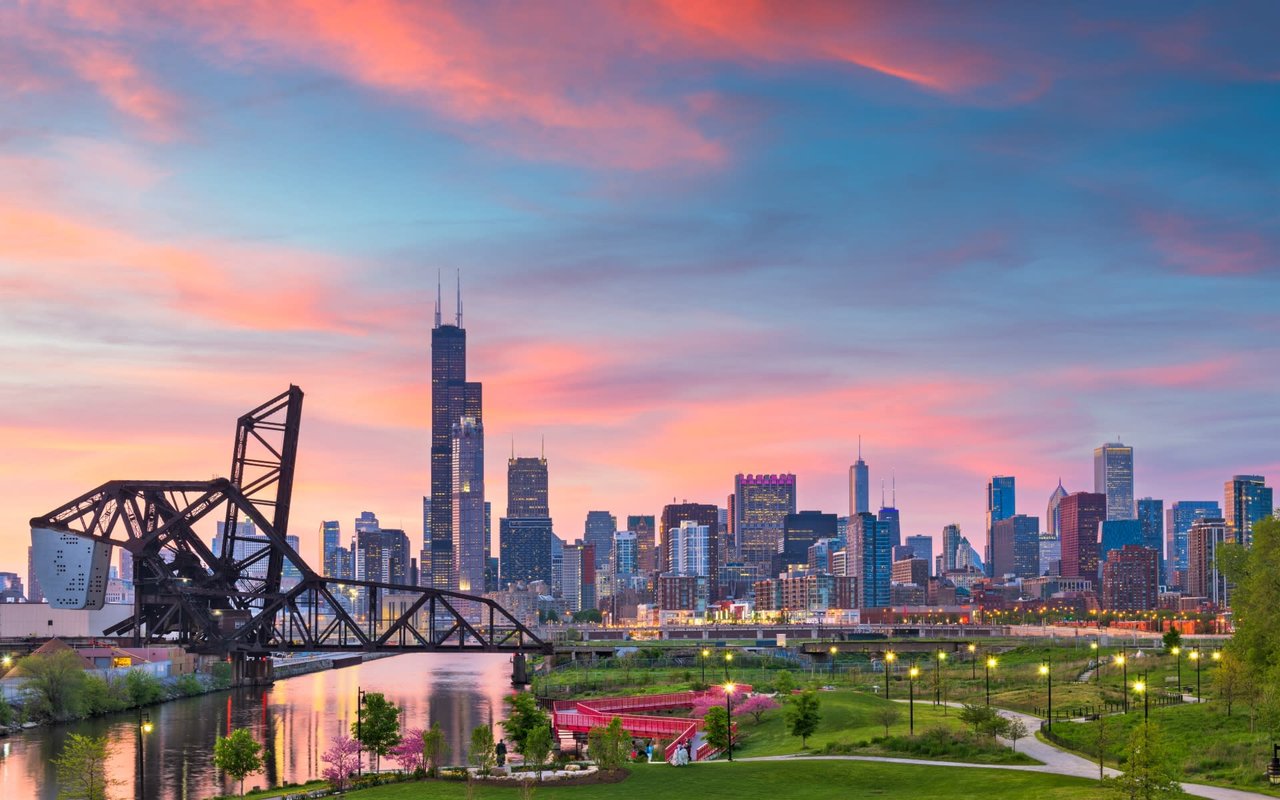
Logan Square has one of the most dramatic residential streetscapes in Chicago. The historic boulevard system is lined with stately greystones that represent some of the finest examples of this building type in the city. The width of the boulevards, the scale of the street trees, and the quality of the stone facades create a residential environment that is genuinely rare. The neighborhood's southern edge runs along the Bloomingdale Trail, connecting Logan Square to Bucktown and Wicker Park.
What Defines Logan Square Architecture
-
Stately greystones on tree-lined historic boulevards designed by landscape architect Jens Jensen
-
The Illinois Centennial Monument at the junction of Kedzie and Logan Boulevards, anchoring one of the city's most dramatic residential settings
-
A mix of vintage walk-ups, two-flats, and courtyard buildings alongside the greystone stock, giving buyers a full range of property types with consistent character
-
The 606 Bloomingdale Trail as the southern boundary connecting Logan Square to Bucktown and Wicker Park
The Residential Character of North Center and Roscoe Village
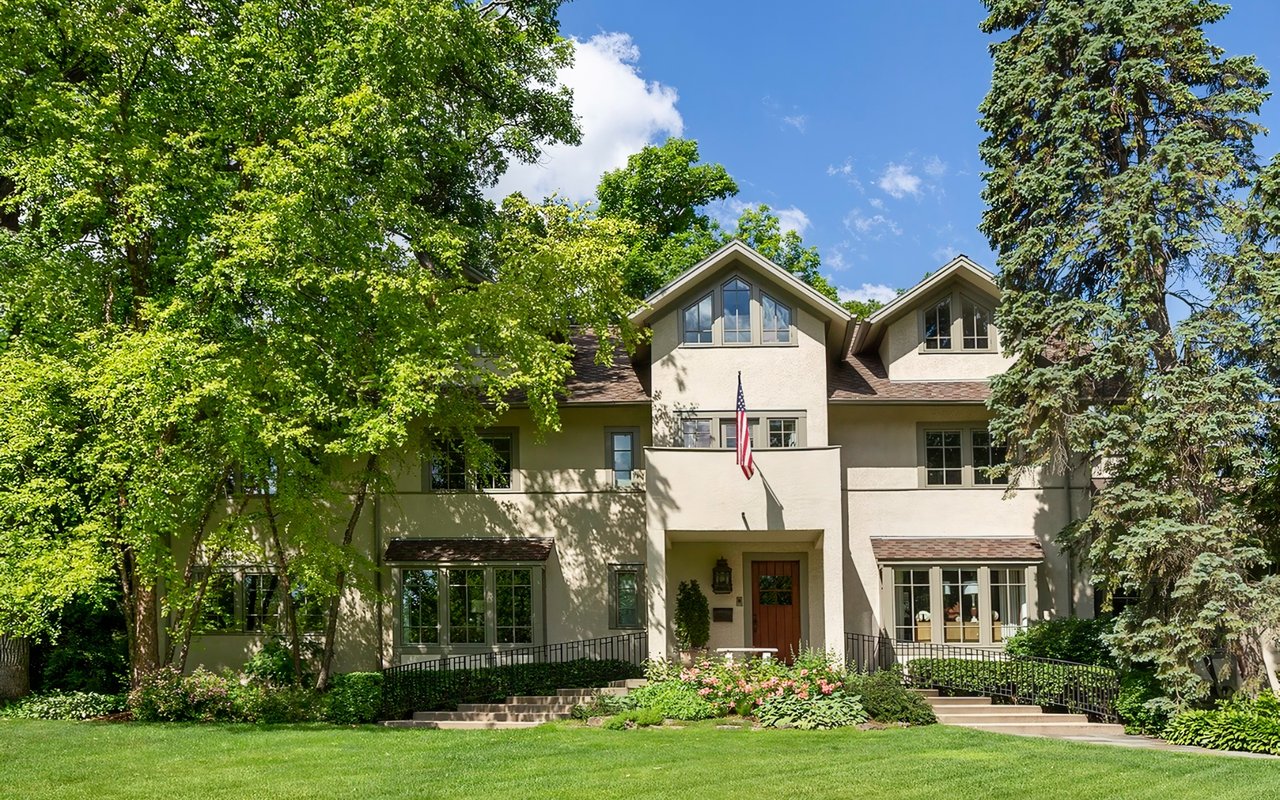
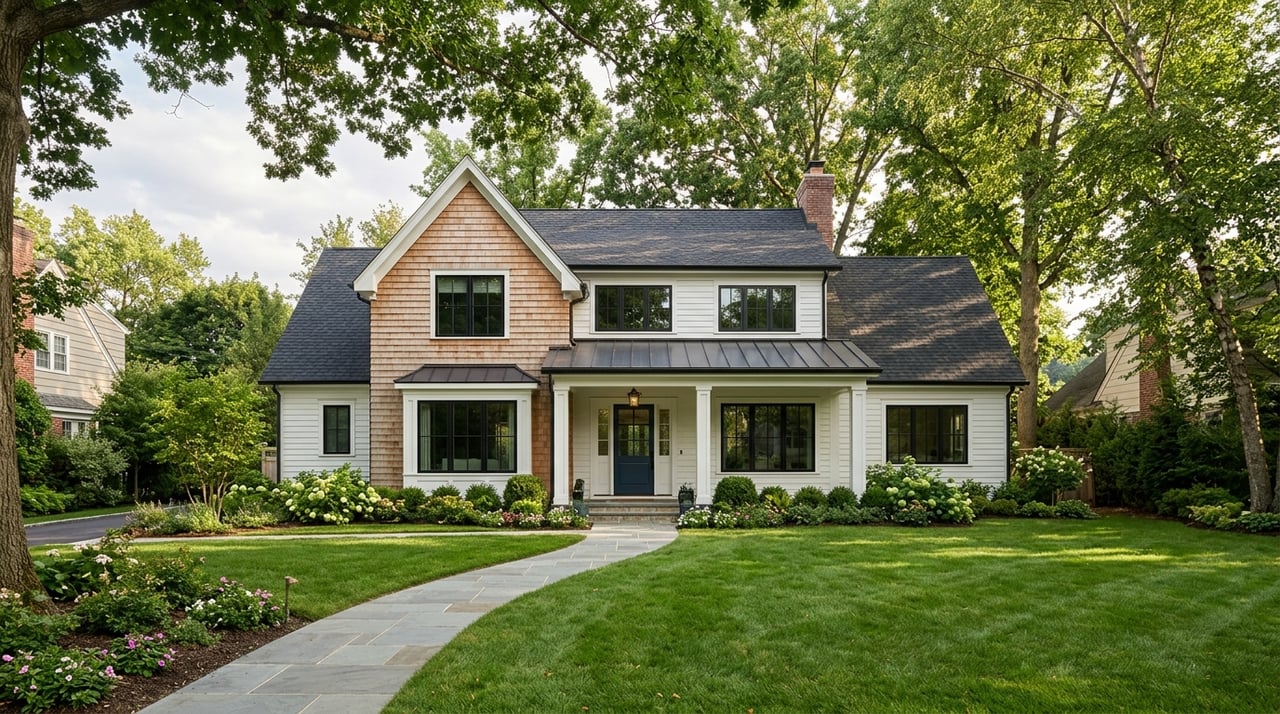
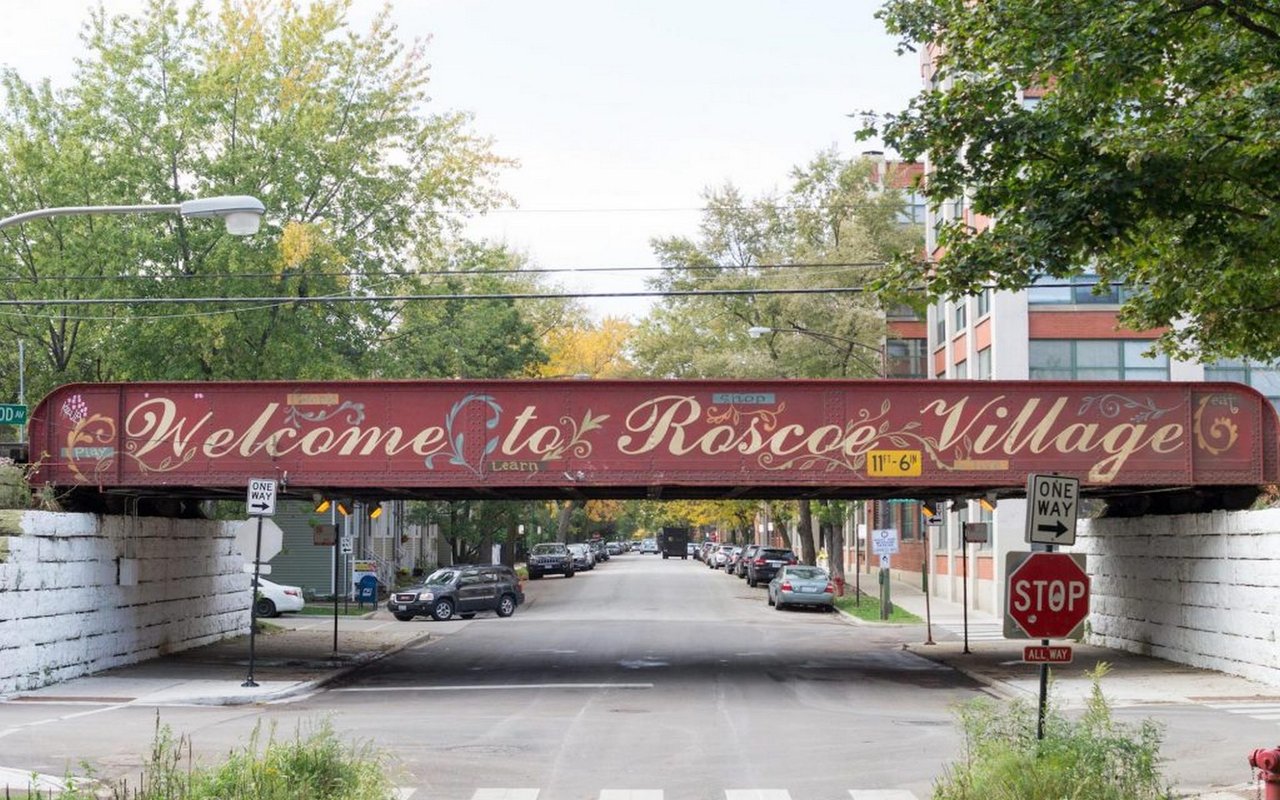
North Center and Roscoe Village are where Chicago's residential architecture settles into something quieter and more domestic. The Chicago bungalow defines long stretches of residential streets alongside two-flats and courtyard buildings. The Roscoe Village Historic District preserves the neighborhood's Victorian, Tudor, and Craftsman-style heritage, and modern farmhouse new construction has found a natural home on infill lots, bringing updated living to an architecturally rich setting.
What Defines the Architecture of North Center and Roscoe Village
-
Chicago bungalows with pitched roofs, full basements, and Arts and Crafts details that define long residential streets in both neighborhoods
-
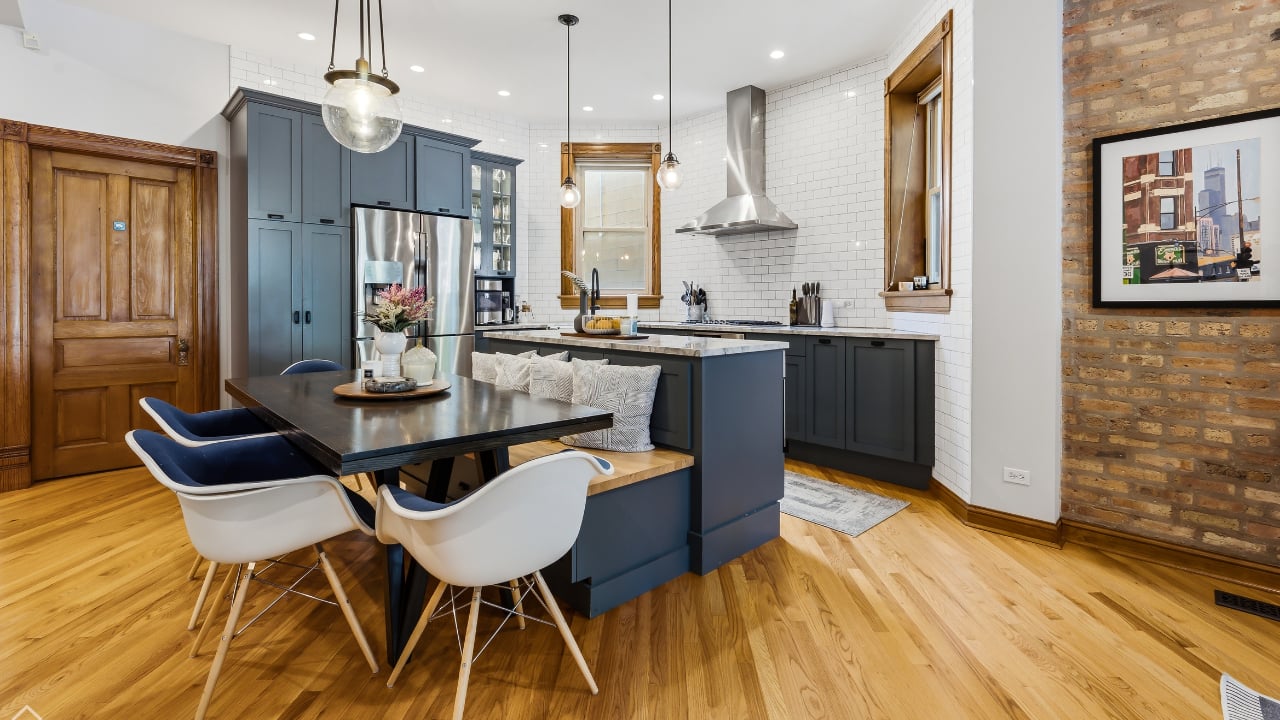
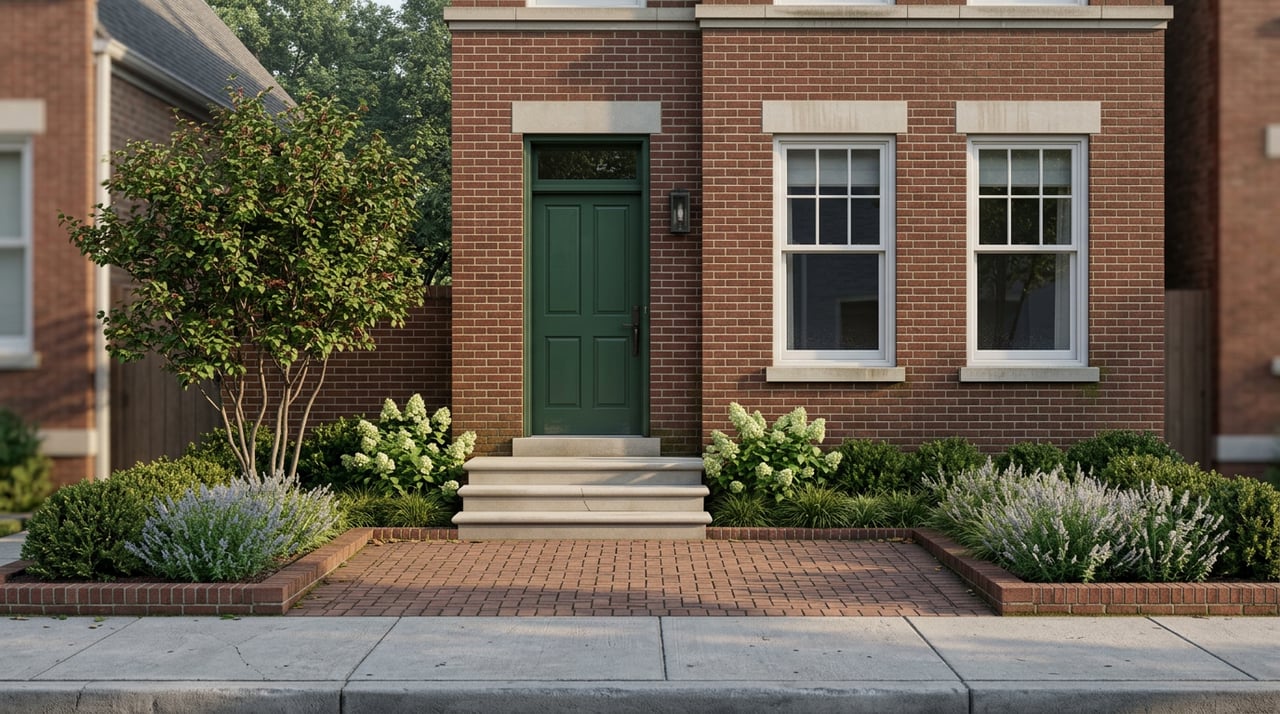
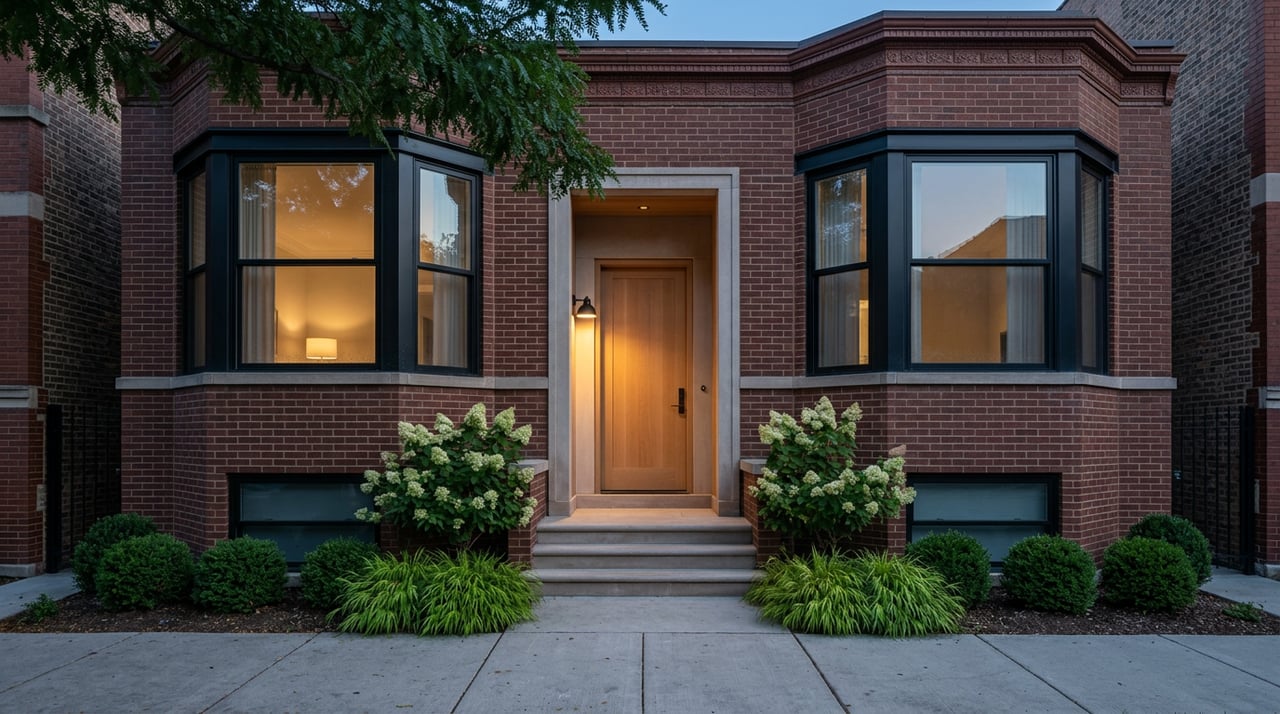
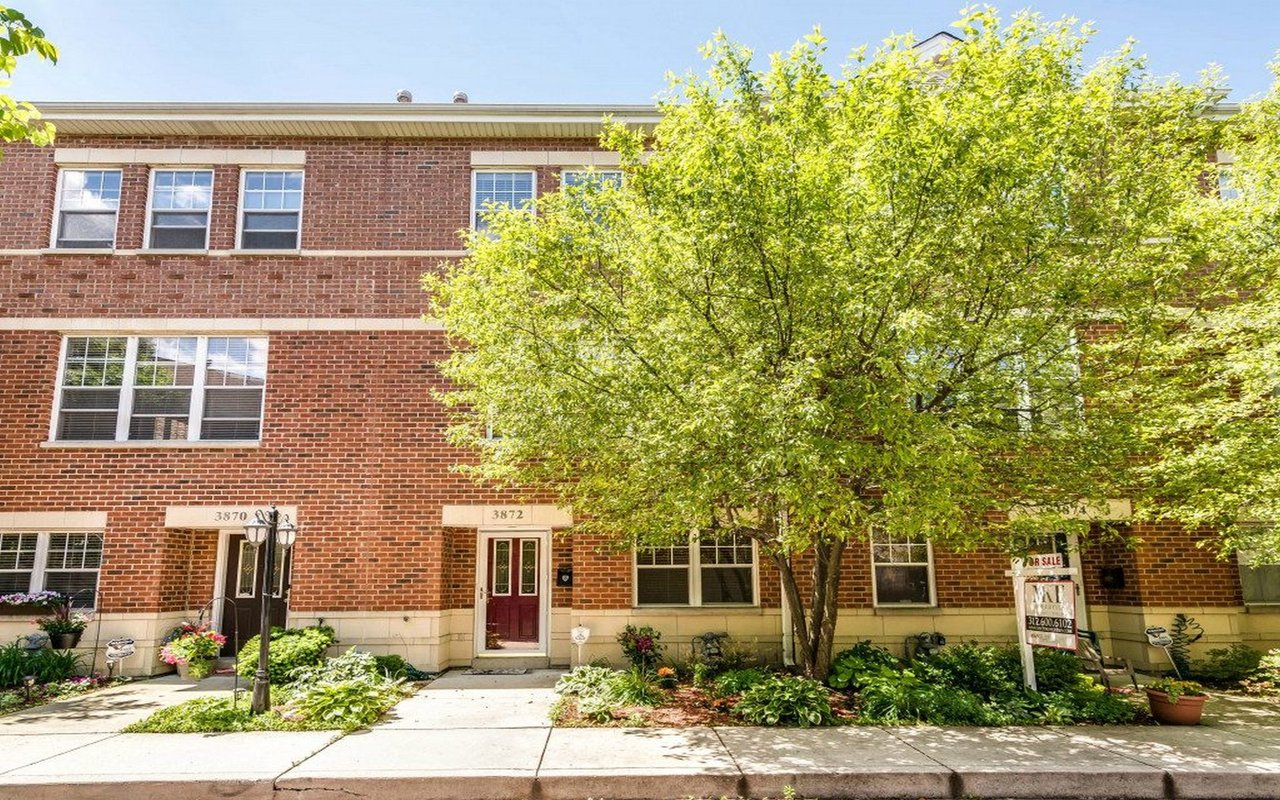
Two-flats and courtyard buildings with original brick detailing, hardwood floors, and bay windows characteristic of the North Side tradition
-
The Roscoe Village Historic District preserving Victorian, Tudor, and Craftsman heritage and maintaining the neighborhood's storybook streetscape
-
Modern farmhouse new construction on infill lots
FAQs
What is the difference between a Chicago greystone and a brownstone?
Both are masonry buildings with decorative stone facades, but the materials differ. East Coast brownstones use sandstone; Chicago greystones use Indiana limestone, giving them their characteristic grey color. Chicago's version was also more commonly built as two- and three-unit flats than the single-family configuration more typical in New York.
Are greystones good investments as home purchases?
Well-restored greystones in Logan Square, Bucktown, and Wicker Park have historically held value well. The combination of architectural distinction, original detail, and limited supply makes them consistently desirable. Condition matters significantly, and a thorough inspection of the masonry and mechanical systems is always important.
How does Chicago's residential architecture compare to other major American cities?
Chicago's building types are genuinely distinctive. There is nowhere else in the country where you find greystones, two-flats, bungalows, and courtyard buildings in this combination and density.
Contact KlopasStratton Team Today
We work in Bucktown, Wicker Park, Logan Square, North Center, Roscoe Village, and Avondale every day, and we understand these neighborhoods and their architectural character from the inside. Whether you are drawn to a restored greystone on a Logan Square boulevard, a vintage two-flat in Wicker Park, or a bungalow on a Roscoe Village side street, we are here to help you find it.
Reach out through KlopasStratton Team to connect with our team and get started.
Reach out through KlopasStratton Team to connect with our team and get started.