8 Things To Do When Moving To A New State

8 Things To Do When Moving To A New State

  • KlopasStratton Team
  • February 10, 2025

8 Things to Do When Moving to a New State

Moving to Illinois comes with two hard deadlines: register an out-of-state vehicle within 30 days of establishing residency, and get an Illinois driver's license within 90 days. Beyond the paperwork, a successful move to a new state comes down to research, budgeting, neighborhood fit, and having housing lined up before you arrive.

Moving to Chicago or leaving it? If Chicago is your destination, see our full neighborhood-fit guide. If you already know you want Wicker Park, Bucktown, or Logan Square, reach out to the KlopasStratton Team to start your housing search before your moving date.

Moving to a new state can feel like embarking on a new adventure. From discovering a fresh community to settling into a different routine, the process is both exciting and challenging. While the prospect of a new beginning is invigorating, it also requires thoughtful planning. Whether you're relocating for work, family, or a change of scenery, taking the right steps can make all the difference in a smooth transition, and if that new state is Illinois, a few of those steps come with real deadlines.

Task

Illinois Deadline

Where to Handle It

What You'll Need

Vehicle title and registration

30 days from establishing residency

Illinois Secretary of State

Out-of-state title, VIN inspection (Form VSD-333), proof of Illinois insurance

Driver's license

90 days from establishing residency

Illinois Secretary of State facility

Valid out-of-state license, ID documents, vision screening

Change of address notification

10 days recommended

Secretary of State, USPS, banks, insurers

New Illinois address

School enrollment (if applicable)

Before the school year starts

New school district

Proof of residency, prior school records

Deadlines above are sourced from the Illinois Secretary of State's official new-resident guidance (ilsos.gov), current as of 2026. Requirements can change, so confirm current rules directly with the Secretary of State before your move.

1. Research Your New State Thoroughly

Before making the big move, spend time learning everything you can about your new state. Research its climate, cost of living, local attractions, and available amenities. Understanding what the state has to offer will help you make informed decisions about where to live. Dig into public transportation, healthcare facilities, and educational institutions if applicable. Knowing the layout and personality of your new state sets the stage for a seamless transition.

2. Establish a Moving Budget

Moving to a new state often comes with unexpected expenses, so a detailed budget matters. Costs include hiring movers, transporting vehicles, temporary accommodations, and utility deposits. If you're moving a long distance, also account for fuel, tolls, and meals along the way. Planning ahead helps you avoid financial surprises and keeps the move within budget.

3. Find the Right Neighborhood

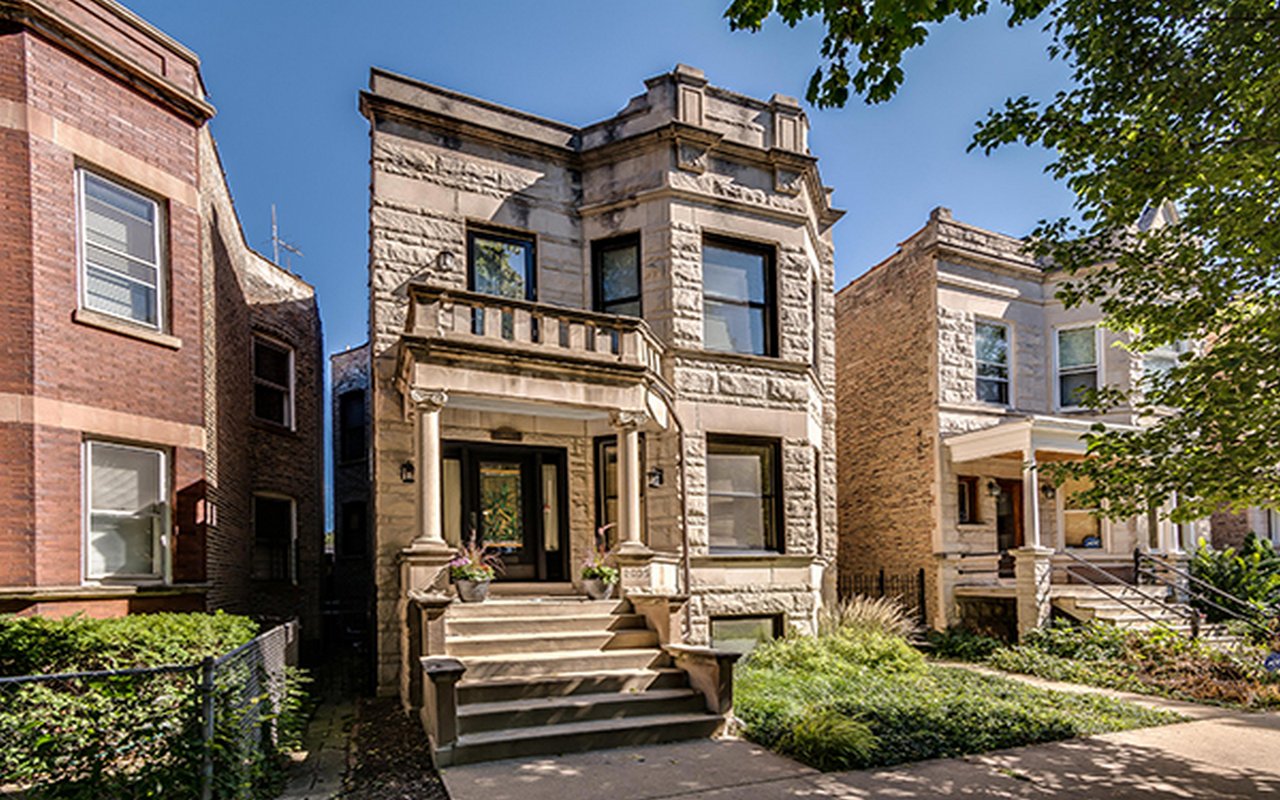
Choosing the right neighborhood is one of the most critical decisions when relocating. Weigh proximity to work, schools, and recreational spaces. Explore neighborhoods online and, if possible, visit in person to get a feel for the community. If you're exploring Chicago, neighborhoods like Wicker Park and Logan Square offer a vibrant mix of dining and entertainment, making them popular with people who want an active city lifestyle. Identifying a neighborhood that suits your lifestyle helps you feel more at home faster.

City energy or quieter streets? Browse Wicker Park for nightlife and dining, or look at North Center for a quieter, family-oriented pace.

4. Secure Housing Before the Move

One of the most stressful parts of moving is not having a place to stay once you arrive. Before the move, work with a real estate agent to secure a home or apartment that meets your needs. Whether you're buying or renting, having a solid housing plan in place provides real peace of mind. Factor in commute times and accessibility to key services when finalizing your choice.

5. Transfer Utilities and Update Your Information

Transfer utilities like electricity, gas, water, and internet to your new address before moving day so essential services are running when you arrive. Update your mailing address with the post office, banks, insurance providers, and any subscription services you use. If you have children, notify their current school of the move and start enrollment at the new district as early as possible. Staying on top of these tasks avoids unnecessary delays.

6. Declutter and Pack Strategically

A move to a new state is a good opportunity to declutter and simplify your belongings. Go room by room and decide what to keep, donate, or discard. Once you've pared down, pack strategically: label each box with contents and destination room to make unpacking easier. Pack a box of essentials, toiletries, snacks, a change of clothes, so you have what you need for the first few days in the new home.

7. Register Your Vehicle and Update Your License

Illinois gives new residents 30 days from the date they establish residency to title and register an out-of-state vehicle with the Secretary of State, and 90 days to obtain an Illinois driver's license. You'll need your out-of-state title, a VIN inspection (Form VSD-333, signed by an Illinois police officer or licensed dealer), and proof of Illinois-compliant insurance before the Secretary of State can process the registration. Missing these windows can mean fines, so set a calendar reminder for both dates as soon as your move-in date is confirmed.

8. Explore the Local Community

Once you've arrived, take time to explore your new community. Visit local shops, attend neighborhood events, and introduce yourself to your neighbors. This builds a sense of belonging faster than unpacking ever will. In a city like Chicago, exploring neighborhood landmarks and trying local restaurants helps you feel connected to the area sooner. The sooner you dive into the local culture, the more at home you'll feel.

Frequently Asked Questions

How long do I have to register my car after moving to Illinois?

You have 30 days from the date you establish Illinois residency to title and register an out-of-state vehicle with the Illinois Secretary of State.

How long do I have to get an Illinois driver's license?

New residents can drive on a valid out-of-state license for up to 90 days after establishing Illinois residency, after which an Illinois license is required.

What Chicago neighborhoods are good for someone new to the city?

Wicker Park and Logan Square are popular with people wanting an active, walkable city lifestyle, while neighborhoods like North Center offer a quieter, more residential feel within city limits. The right fit depends on your commute, budget, and lifestyle priorities.

About the KlopasStratton Team: Sophia Klopas and Jason Stratton are a brother-sister team with more than 20 combined years in the Illinois real estate market, working with Jameson Sotheby's International Realty in Chicago. The team has consistently ranked in the top 1 percent of Chicago-area REALTORS and has closed more than a billion dollars in combined career sales volume.


Move with Confidence with the KlopasStratton Team

Relocating to a new state is a journey filled with possibilities, and having the right support makes a real difference. If you're considering a move to Chicago, IL, or its neighborhoods like Bucktown, Wicker Park, or Logan Square, the KlopasStratton Team can guide you through the local market from the first search to closing day. Reach out to the KlopasStratton Team today and start your journey with confidence.



Work With Us

Partners Sophia Klopas and Jason Stratton are a brother and sister team who have been in the Illinois real estate market for over twenty years. Together they offer complementary skill sets and professional expertise that make KlopasStratton truly unique.

Follow Us On Instagram