If you are looking for a Chicago neighborhood that blends strong lifestyle appeal with real investment relevance, West Loop keeps earning a place on the shortlist. You are not just buying into a trendy pocket of the city. You are evaluating a neighborhood with a deep job base, strong transit access, elevated rents, and a mix of lofts and newer buildings that can perform very differently over time. This guide will help you sort through the opportunity, the tradeoffs, and the details that matter most before you buy. Let’s dive in.
Why West Loop Still Gets Investor Attention
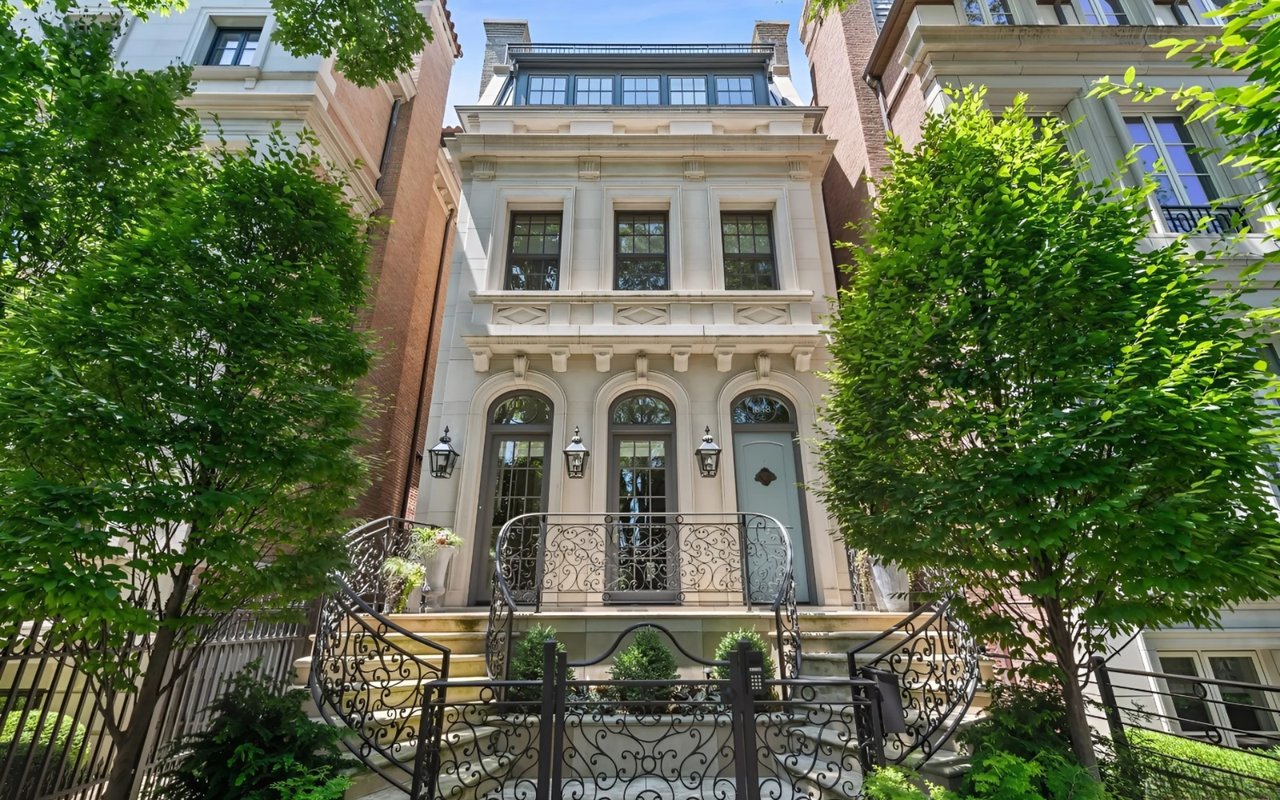
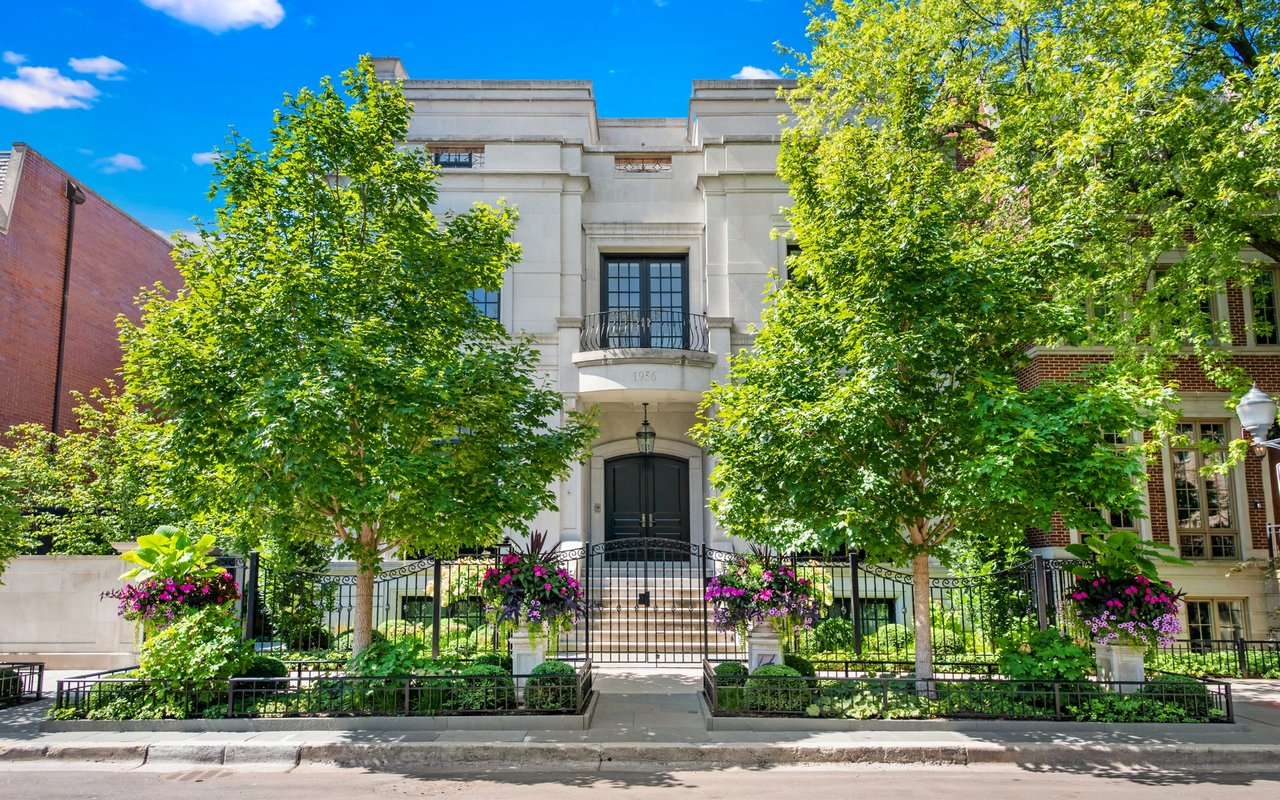
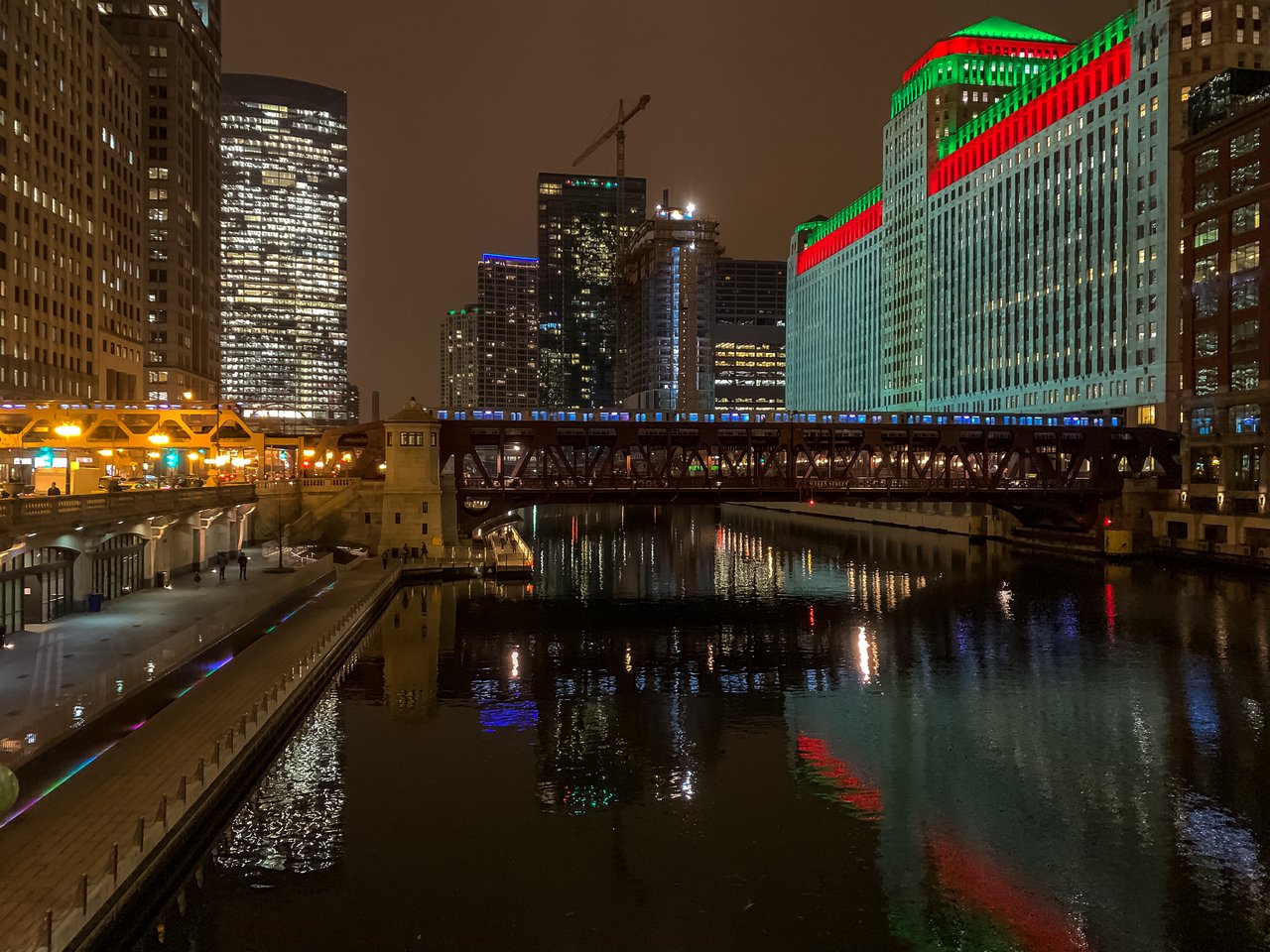
West Loop has changed dramatically from its industrial roots, and that evolution is part of what makes it compelling today. According to the Chicago Architecture Center, the neighborhood grew from warehouse and food market uses into a district known for adaptive-reuse buildings, modern high-rises, major office users, and one of Chicago’s most active restaurant corridors.
That mix matters because it supports demand from more than one angle. West Loop offers the kind of live-work convenience that attracts both buyers and renters, especially with major employers like McDonald’s and Google in the area. It also benefits from strong transit access, including Green Line stations added in 2012 and 2015, which helps reinforce everyday convenience and long-term appeal.
Public market data also show the neighborhood is highly walkable. Redfin describes West Loop as having a Walk Score of 96, with about 6,097 residents and roughly 39,226 jobs. For investors, that kind of density can support both rental demand and future resale interest.
What Current Market Data Suggest
The condo market in West Loop remains active, but you need to read the numbers carefully. Redfin reports 121 condos for sale at a median listing price of $485,000, with most homes spending about 39 days on market and receiving two offers. In its broader neighborhood snapshot, Redfin shows a median sale price of $499,000 over the last three months, with homes averaging $421 per square foot and 44 days on market.
Realtor.com paints a similar picture, though not an identical one. Its April 2026 data shows 185 homes for sale, a median listing price of $487,450, a median sold price of $460,000, 25 days on market, and a 101 percent sale-to-list ratio. That difference is useful because it reminds you to underwrite using both active listings and closed sales, not one headline figure.
The bigger takeaway is that West Loop still looks competitive. Inventory is not abundant, pricing remains elevated, and well-positioned properties can move quickly. At the same time, the spread between asking prices and sold prices shows why smart asset selection matters.
West Loop Rents Are Strong, But Use a Range
If you are evaluating an investment purchase, rent assumptions need to be realistic. Public sources all show strong rents in West Loop, but they also vary by methodology. RentCafe reports average rent at $2,457, Apartments.com reports $2,580, and Realtor.com reports a median rent of $2,945.
That is why it is smarter to think in terms of a rent band rather than a single number. The safest read is that West Loop rents sit in the mid-$2,000s to just under $3,000 per month, depending on unit type, building, finish level, and data source. RentCafe also estimates that 72 percent of households in West Loop are renter-occupied, which supports the case for durable rental demand.
Long-Term Potential Depends on More Than Demand
West Loop/Fulton Market continues to stand out as a premium rental submarket. Cushman & Wakefield’s Q4 2025 report shows 95.0 percent occupancy for Chicago multifamily overall, with West Loop/Fulton Market posting a 4.3 percent year-over-year occupancy gain. The same report places average effective rent in the submarket at $2,944 per unit.
Those are encouraging signals, but they are not the whole story. Cushman & Wakefield also reports 1,280 units under construction and 8,448 proposed units in West Loop/Fulton Market. That is a major pipeline, and it means future performance may depend less on simply owning in the neighborhood and more on owning the right product.
In other words, West Loop still has real long-term potential, but it is not a market where you can ignore competition. As new inventory comes online, units that feel generic or carry heavy ownership costs may have a harder time standing out. Buildings and floor plans with a clear edge should be better positioned.
Carrying Costs Can Shape Returns
One of the biggest mistakes investors make in Chicago is focusing too much on gross rent and not enough on ownership costs. DePaul’s 2025 Mid-Year Sentiment Report notes that strong renter demand and limited new supply have supported rent growth, but it also flags insurance, real estate taxes, and utilities as the main non-controllable expenses for owners.
That is especially important in a neighborhood like West Loop, where purchase prices and monthly assessments can already sit at a premium. A unit with strong rent potential can still underperform if taxes, insurance, utilities, or building expenses put pressure on your monthly numbers. The best underwriting is often less about optimism and more about discipline.
Lofts vs New Builds in West Loop
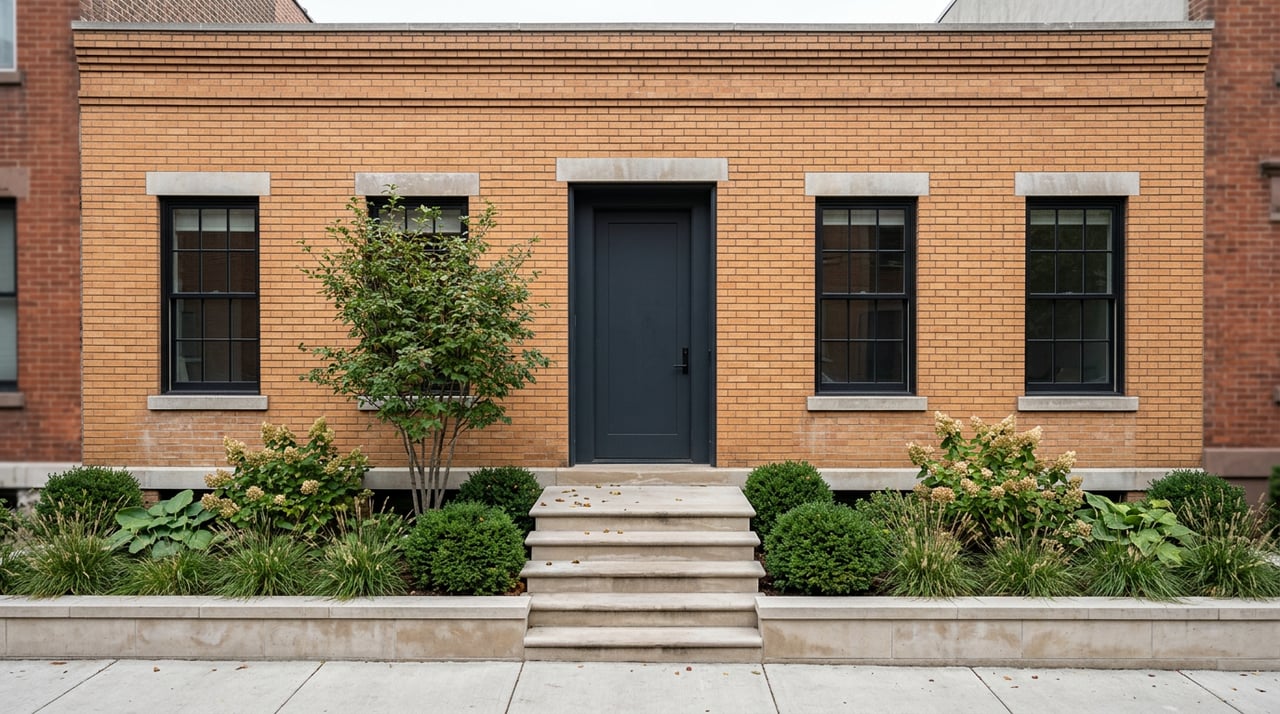
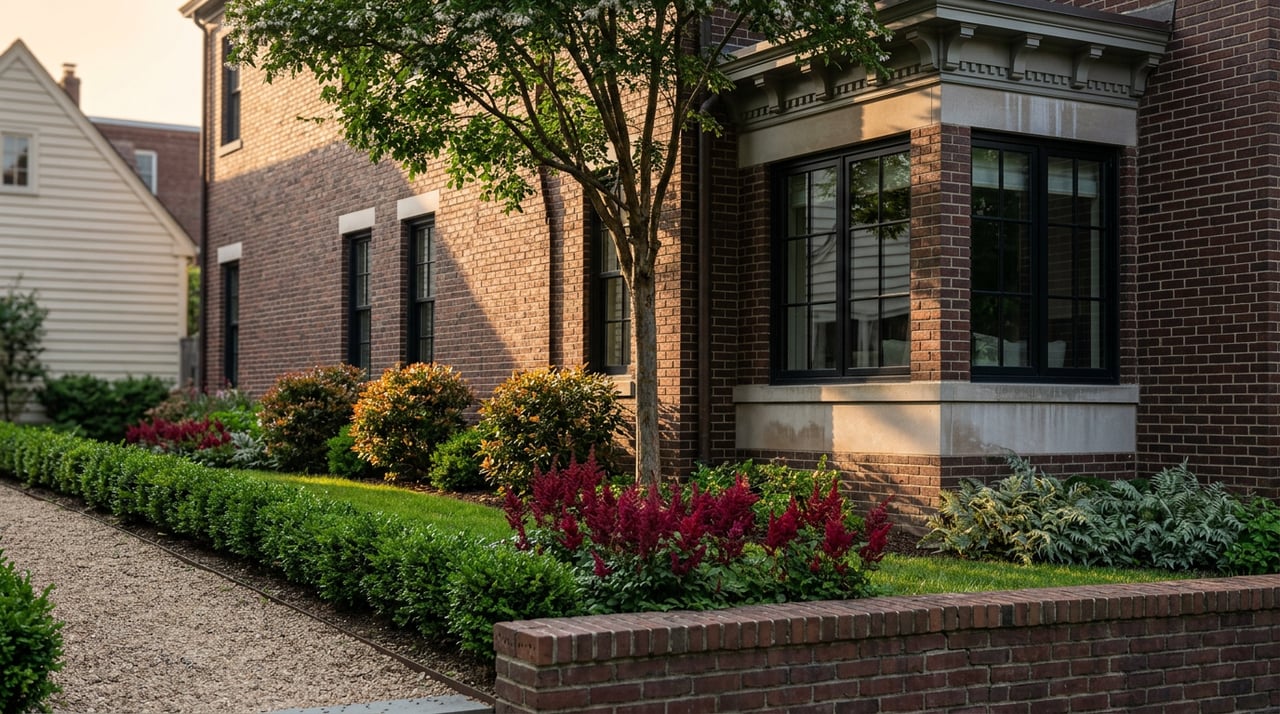
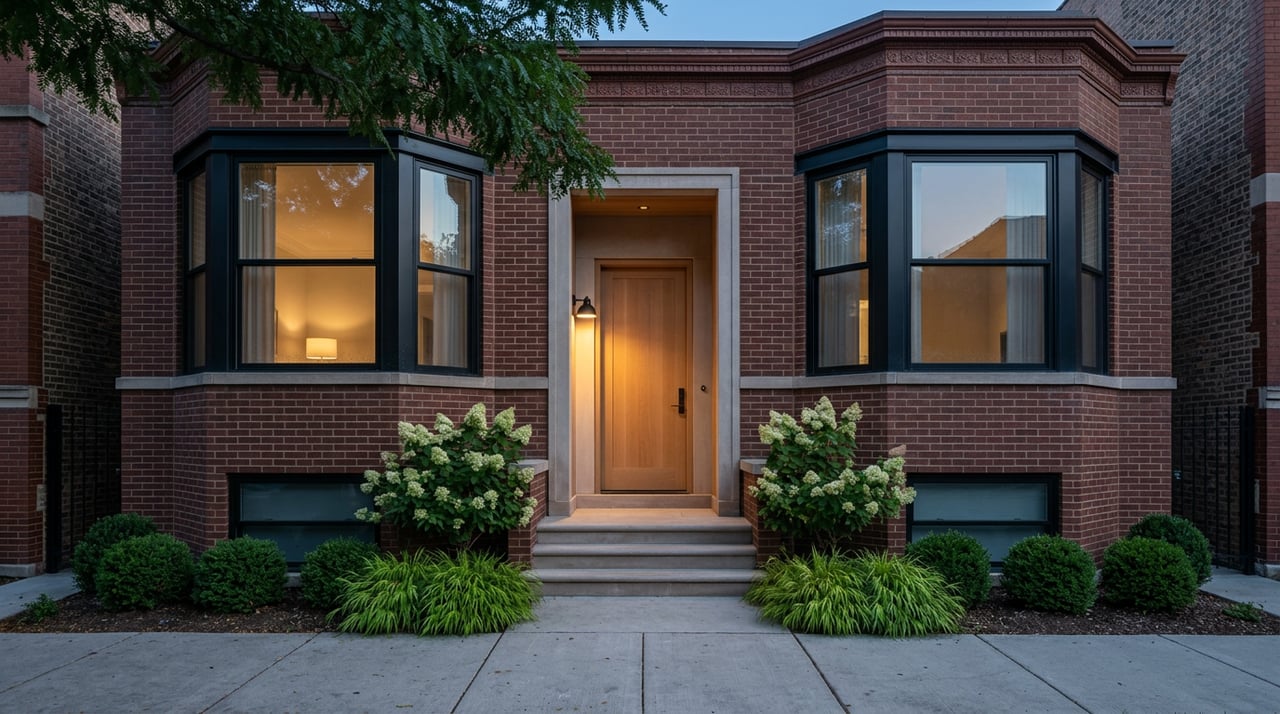
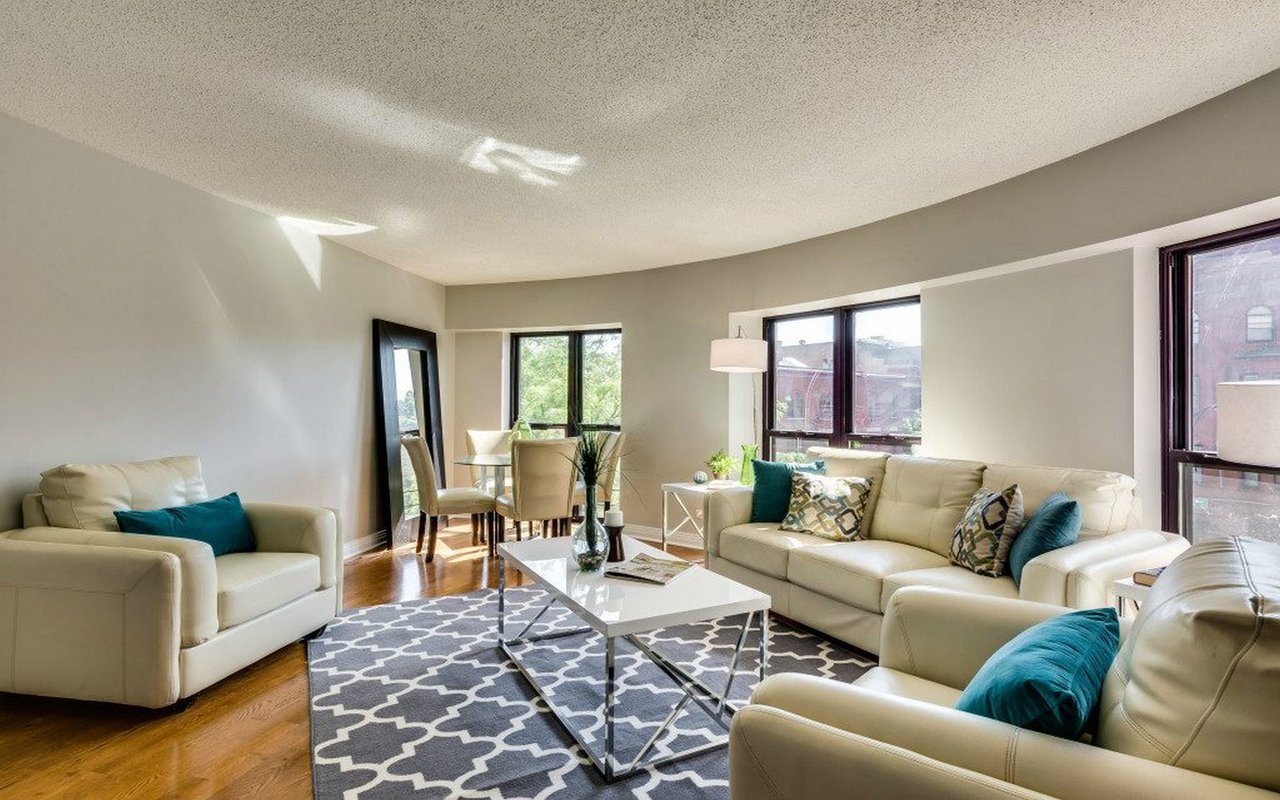
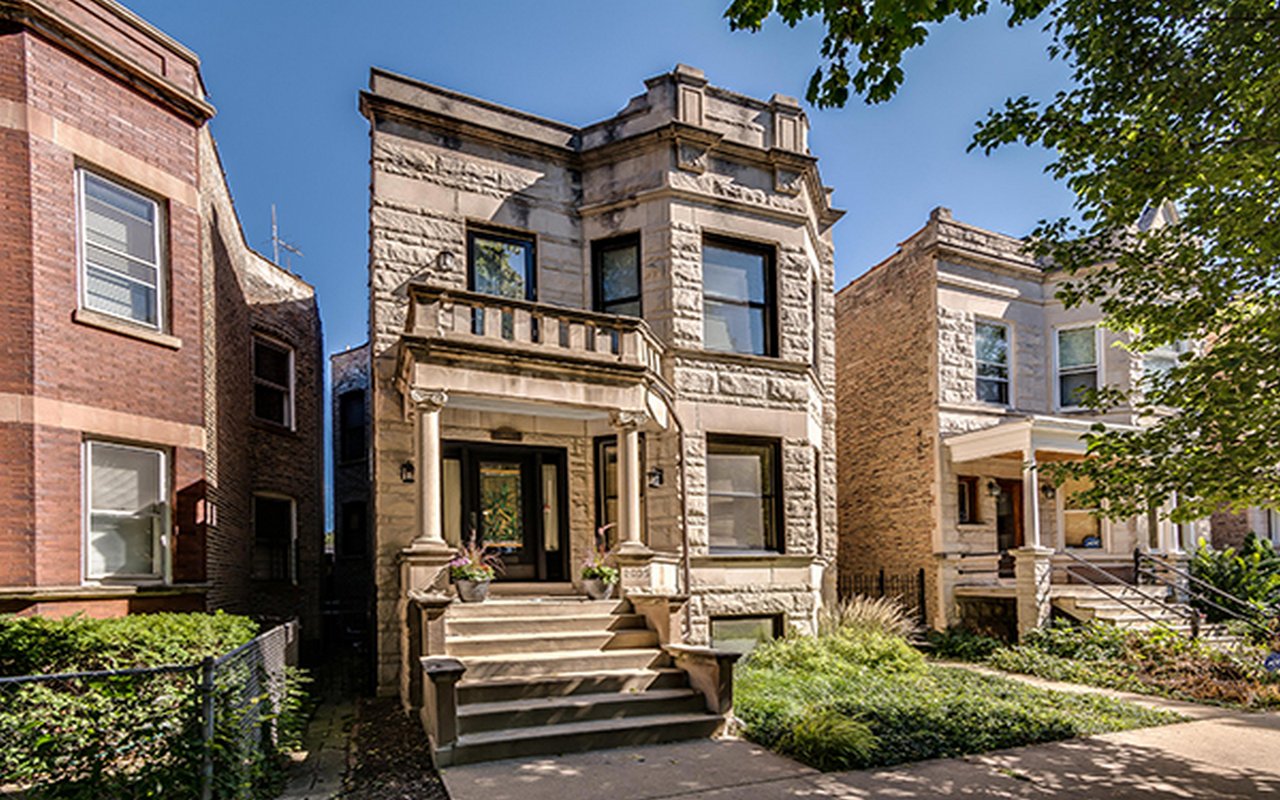
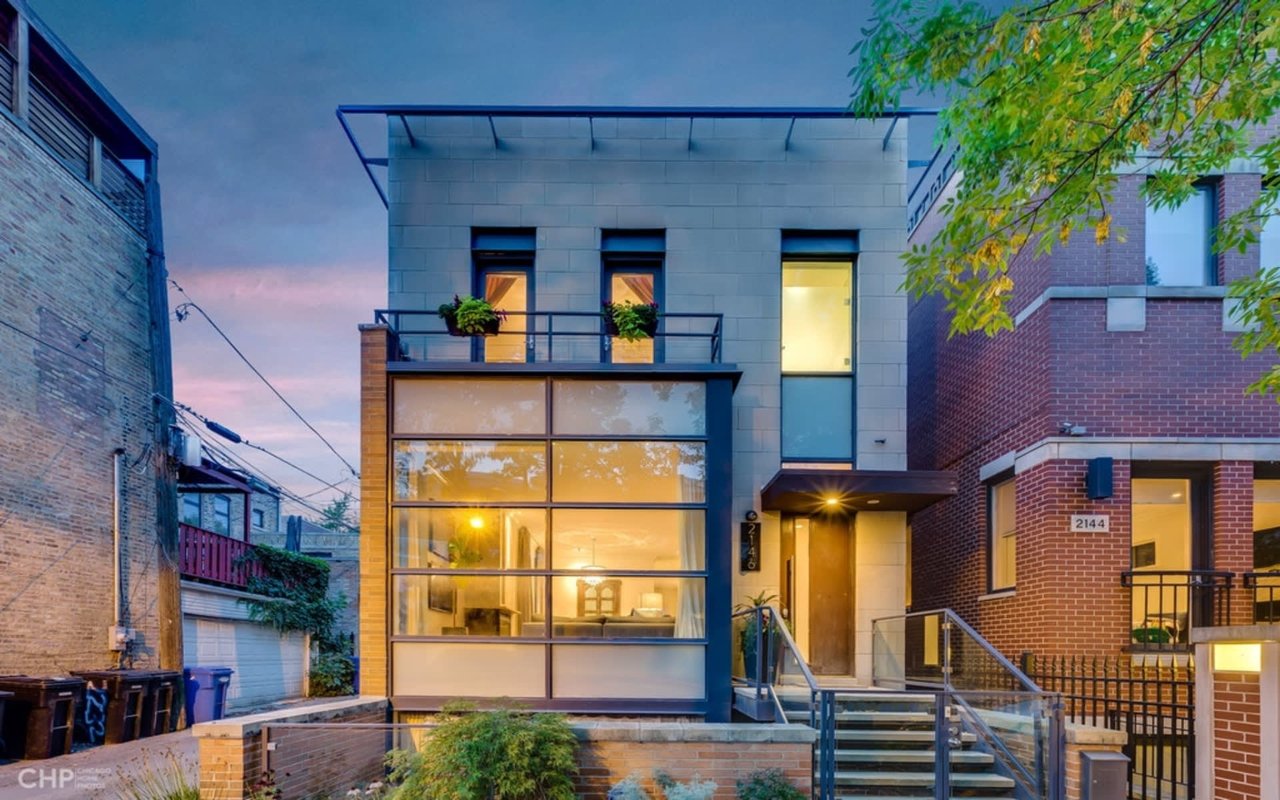
This is one of the most common investor questions, and the answer is not as simple as choosing one category over the other. West Loop offers true timber lofts and other adaptive-reuse buildings alongside newer luxury towers and more recent condo construction. That variety is a strength, but it also means product differences can be substantial.
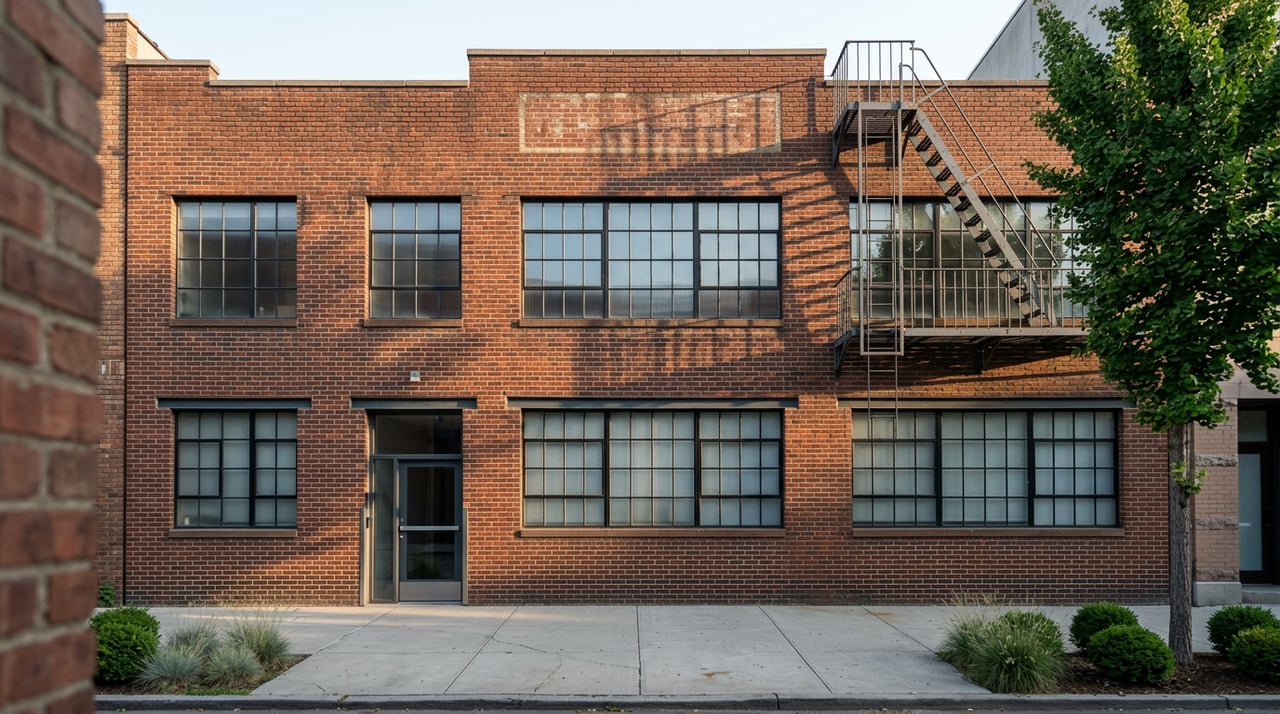
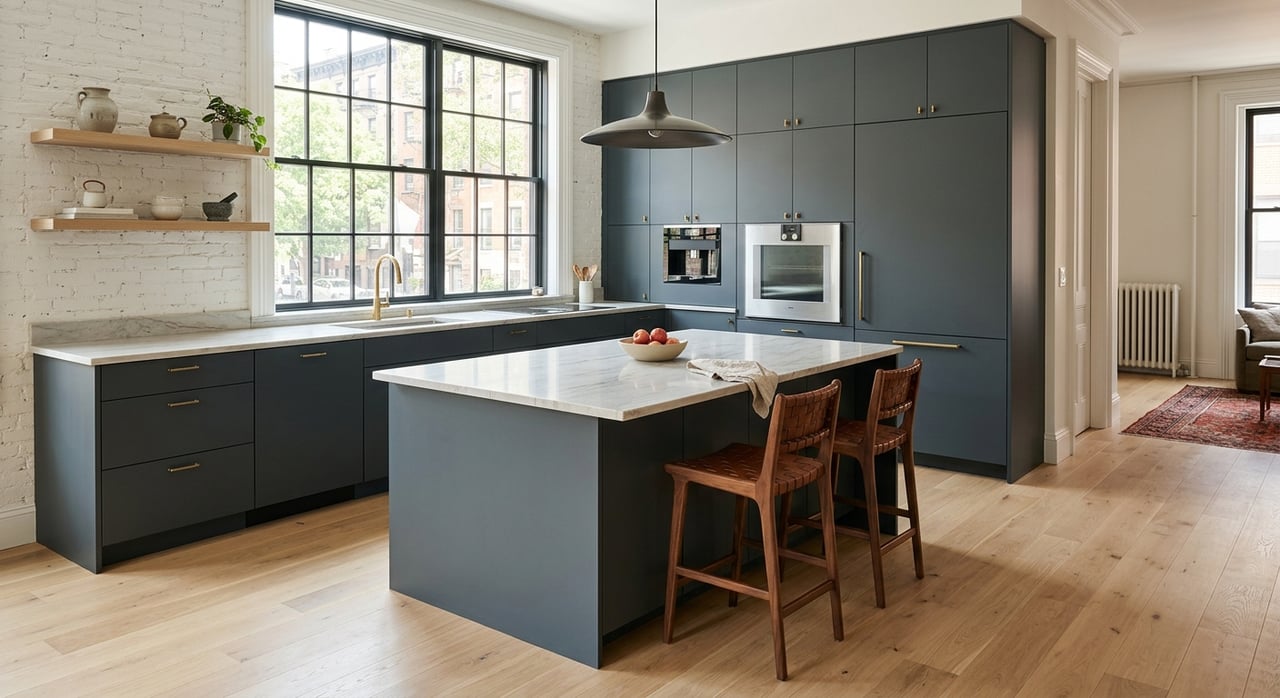
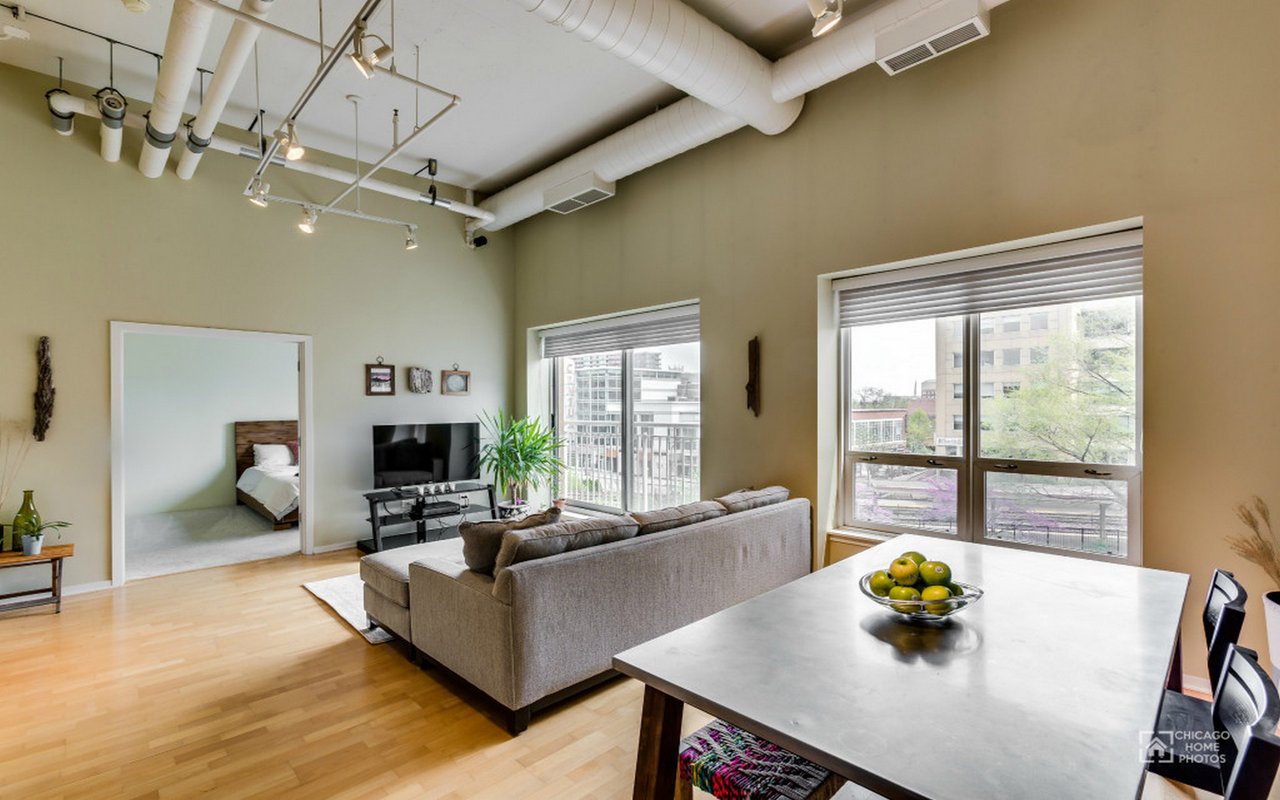
Lofts can offer character, larger windows, higher ceilings, and floor plans that feel distinct from new construction. In the right building, that can create lasting buyer and renter appeal. But older buildings may come with different maintenance needs, reserve considerations, and layout quirks that you need to evaluate carefully.
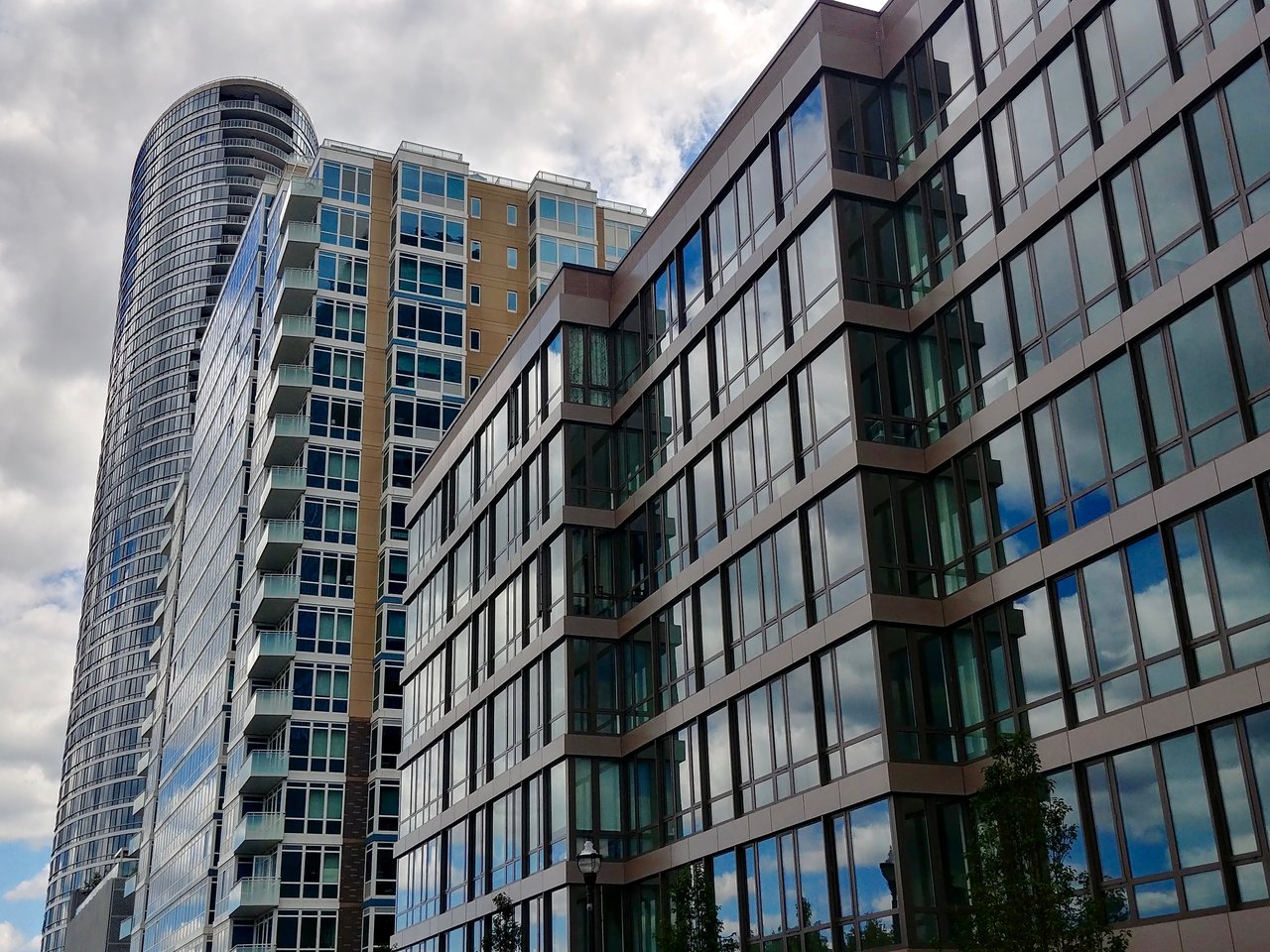
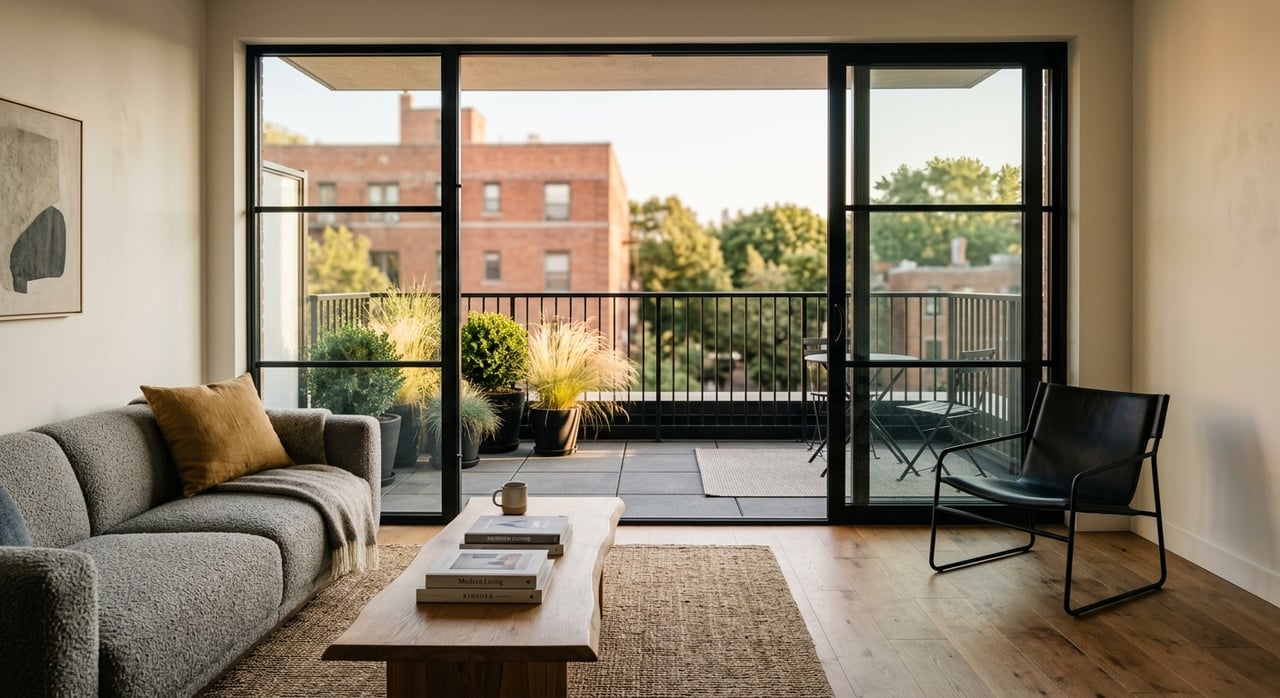
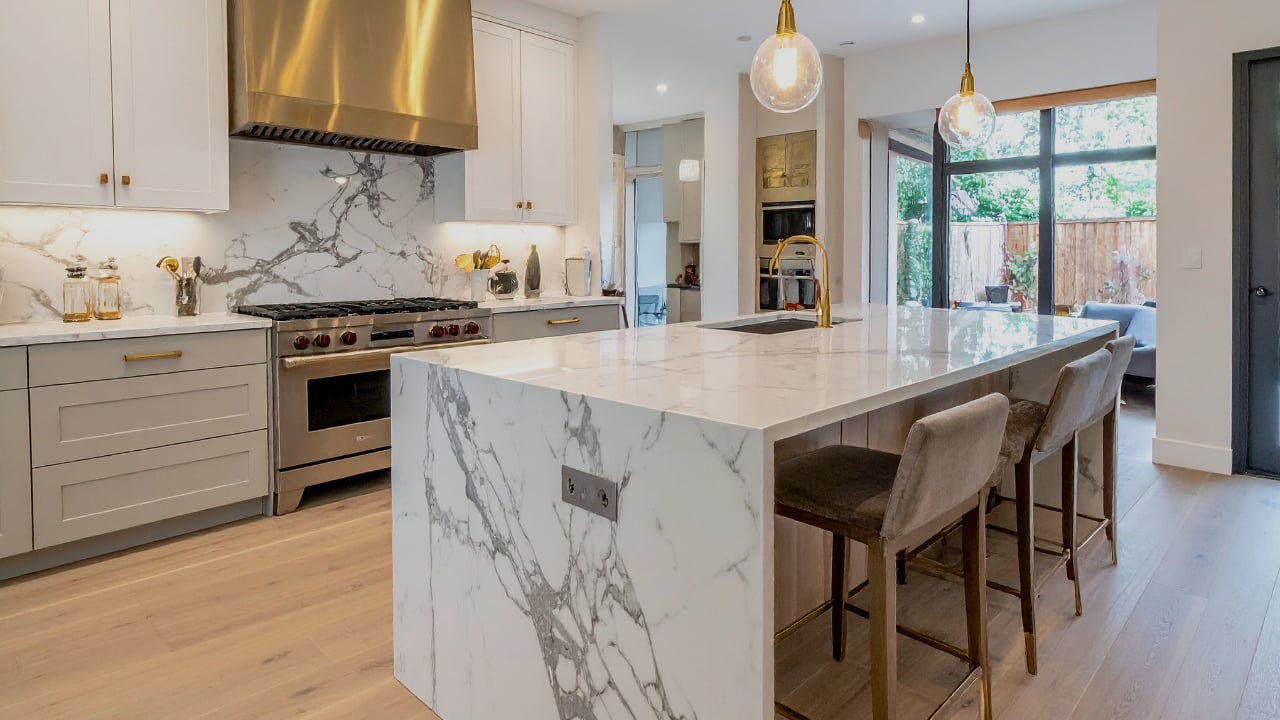
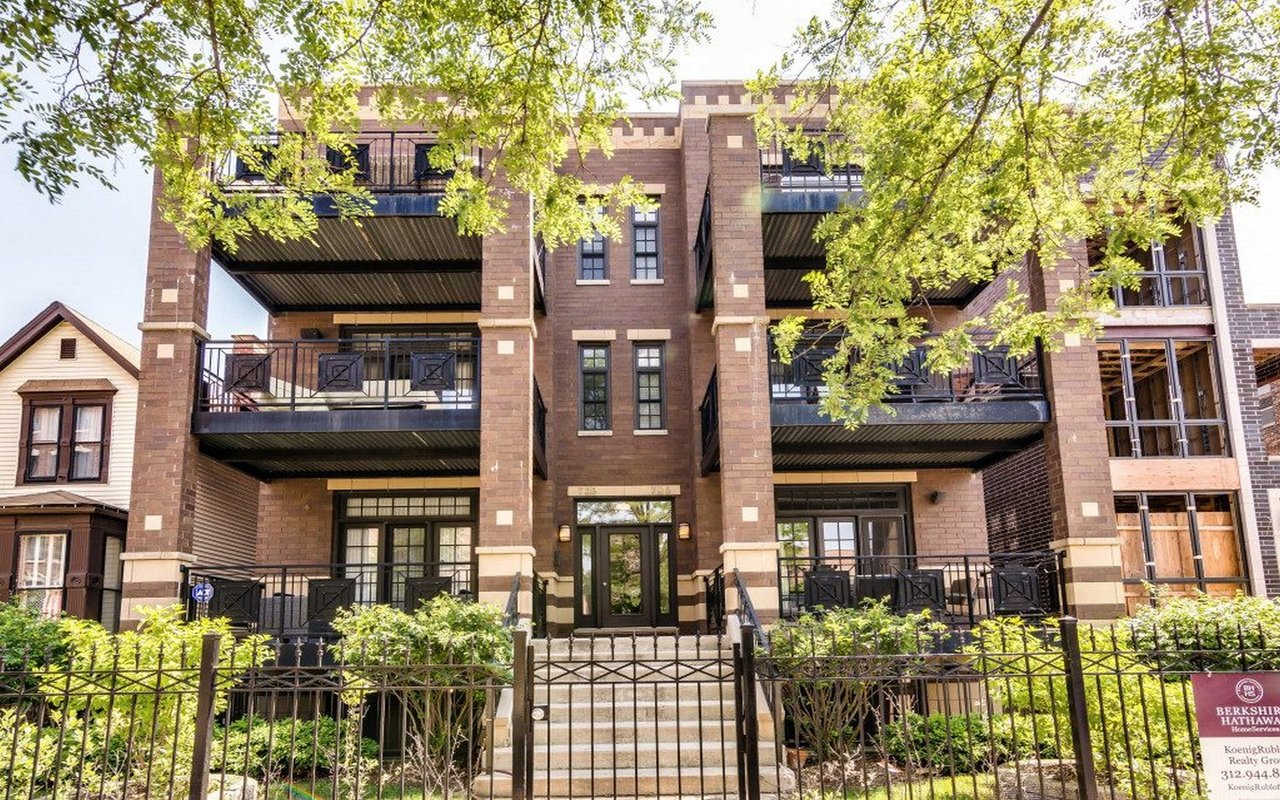
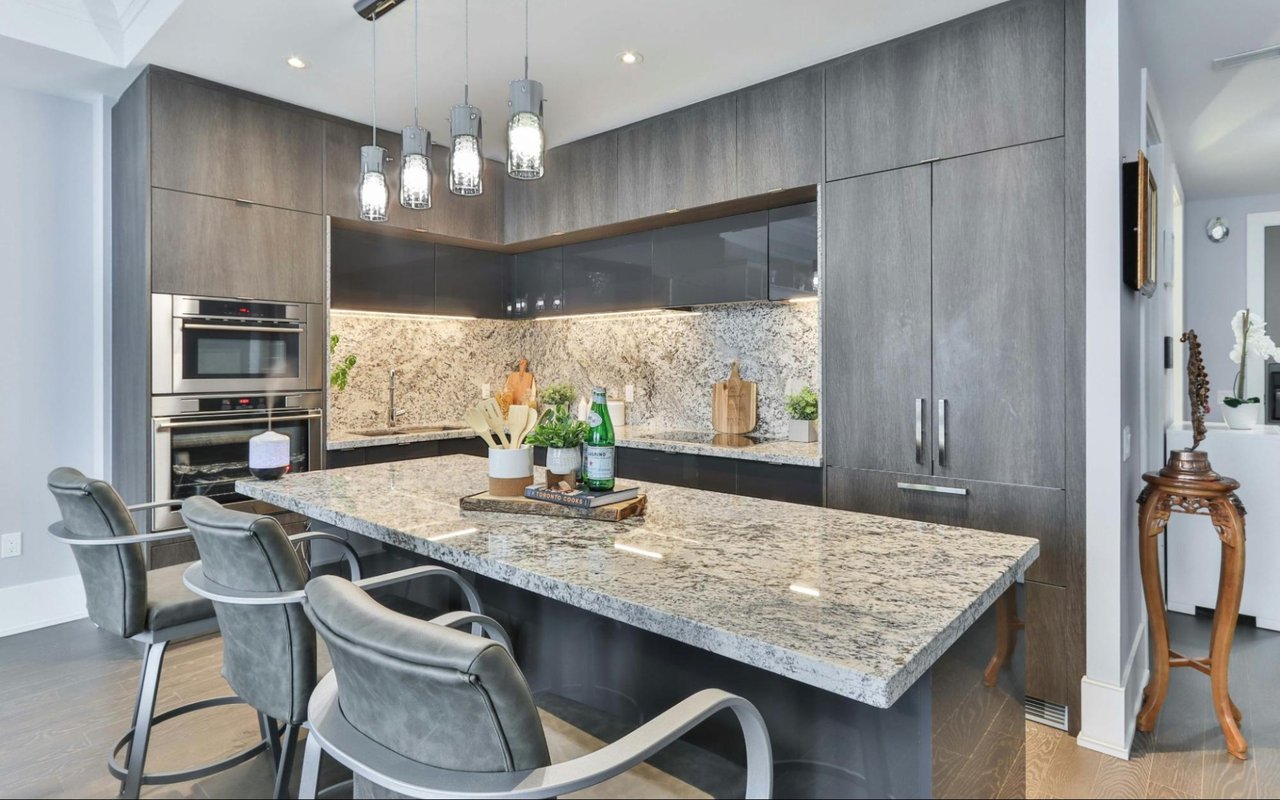
Newer buildings often appeal to buyers and renters who want modern finishes, elevator access, newer systems, private outdoor space, and a more current amenity package. Those advantages can support demand, but newer product is not automatically a better investment. If monthly costs are high or if your unit competes with a growing pipeline of similar inventory, returns can feel tighter than expected.
Underwrite the Specific Asset
In West Loop, the smarter question is not “loft or new build?” It is “how competitive is this specific unit over time?” That is where details start to matter.
Redfin’s sold data shows meaningful variation in both pricing and days on market. Some units sold over list, some under list, and time on market ranged from the 30s to as high as 119 days. That kind of spread tells you that not all West Loop properties perform equally, even within the same neighborhood.
When you evaluate a unit, pay attention to factors like:
- Building condition
- Finish level
- Floor plan efficiency
- Natural light
- Parking
- Outdoor space
- Monthly assessments
- Reserve strength
- Competition from nearby listings
These details can influence rent, resale flexibility, and how well the property holds up against future supply.
Planning and Policy Still Matter
West Loop is not a static neighborhood. City of Chicago zoning documents for the Fulton Market Innovation District show that the plan was adopted in 2014 and updated in 2021. They also note that residential uses are allowed north of Lake Street and that new residential projects in that area are guided by a 30 percent affordability goal.
For investors, that matters because the neighborhood’s future supply is shaped by public policy as well as market demand. New projects, land use shifts, and changing building mix can affect competition, pricing, and long-term positioning. Understanding the planning backdrop can help you think beyond today’s listing photos and into tomorrow’s market conditions.
What a Strong West Loop Investment Often Looks Like
While every purchase depends on your goals, strong assets in West Loop often share a few traits. They usually offer a clear identity, whether that is authentic loft character, better-than-average light, a more efficient layout, or modern finishes that still feel differentiated. They also tend to have ownership costs that make sense relative to likely rent or resale potential.
You also want to think about your exit strategy from day one. A property that appeals only to one narrow segment of the market can be harder to move later. In contrast, units with broad appeal, solid building fundamentals, and a good balance of design and practicality are often better positioned for both rental demand and resale liquidity.
Why Local Guidance Matters Here
West Loop can look straightforward on paper because the neighborhood story is strong. In reality, it is a market where nuance matters. Two units with similar square footage and similar asking prices can offer very different long-term value once you account for building quality, monthly costs, and how the product fits into the next wave of neighborhood supply.
That is where a design-aware and numbers-driven approach becomes especially valuable. You want to look beyond the headline and understand how a unit will compete, how it may be perceived by future buyers, and whether the carrying costs support your strategy over time.
If you are weighing a loft, a newer condo, or a long-term investment move in West Loop, working with an advisor who understands both the design side and the financial side can help you make a more confident decision. The Klopas-Stratton Team brings exactly that perspective to Chicago buyers and investors, with local insight, thoughtful analysis, and a clear eye on long-term value.
FAQs
Is West Loop, Chicago still a competitive market for investors?
- Yes. Public market data from Redfin and Realtor.com show relatively tight inventory, quick marketing times, and pricing that suggests continued buyer demand.
Are West Loop, Chicago rents strong enough to support investment interest?
- Yes. Public rent sources place West Loop rents roughly in the mid-$2,000s to just under $3,000 per month, depending on the source and unit type.
What is the biggest long-term risk for West Loop, Chicago investors?
- The main risks highlighted by current data are carrying costs such as taxes, insurance, and utilities, along with future competition from a large development pipeline.
Are lofts or new builds better investments in West Loop, Chicago?
- Neither is automatically better. The stronger investment is usually the unit with the better building fundamentals, more competitive layout and finishes, and a cost structure that supports your goals.
Why should buyers study building-level details in West Loop, Chicago?
- West Loop sales data shows meaningful variation in pricing and days on market, which means factors like reserves, condition, light, parking, and floor plan can materially affect performance.