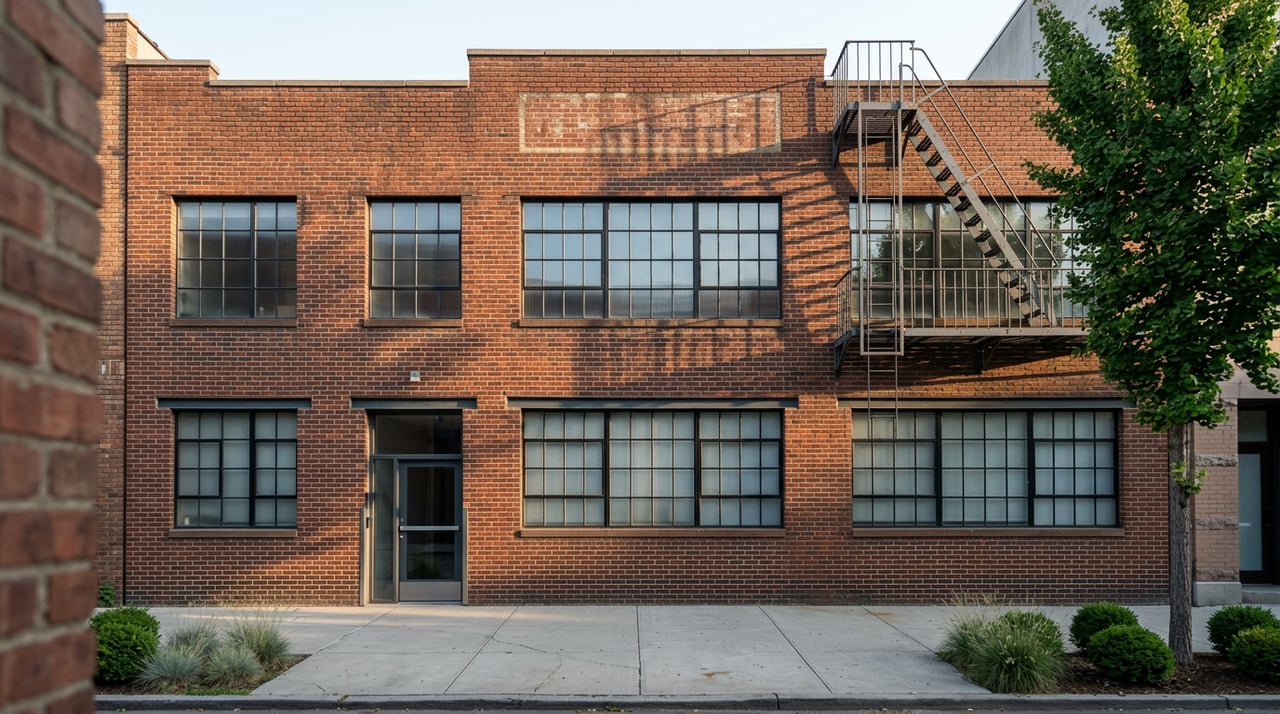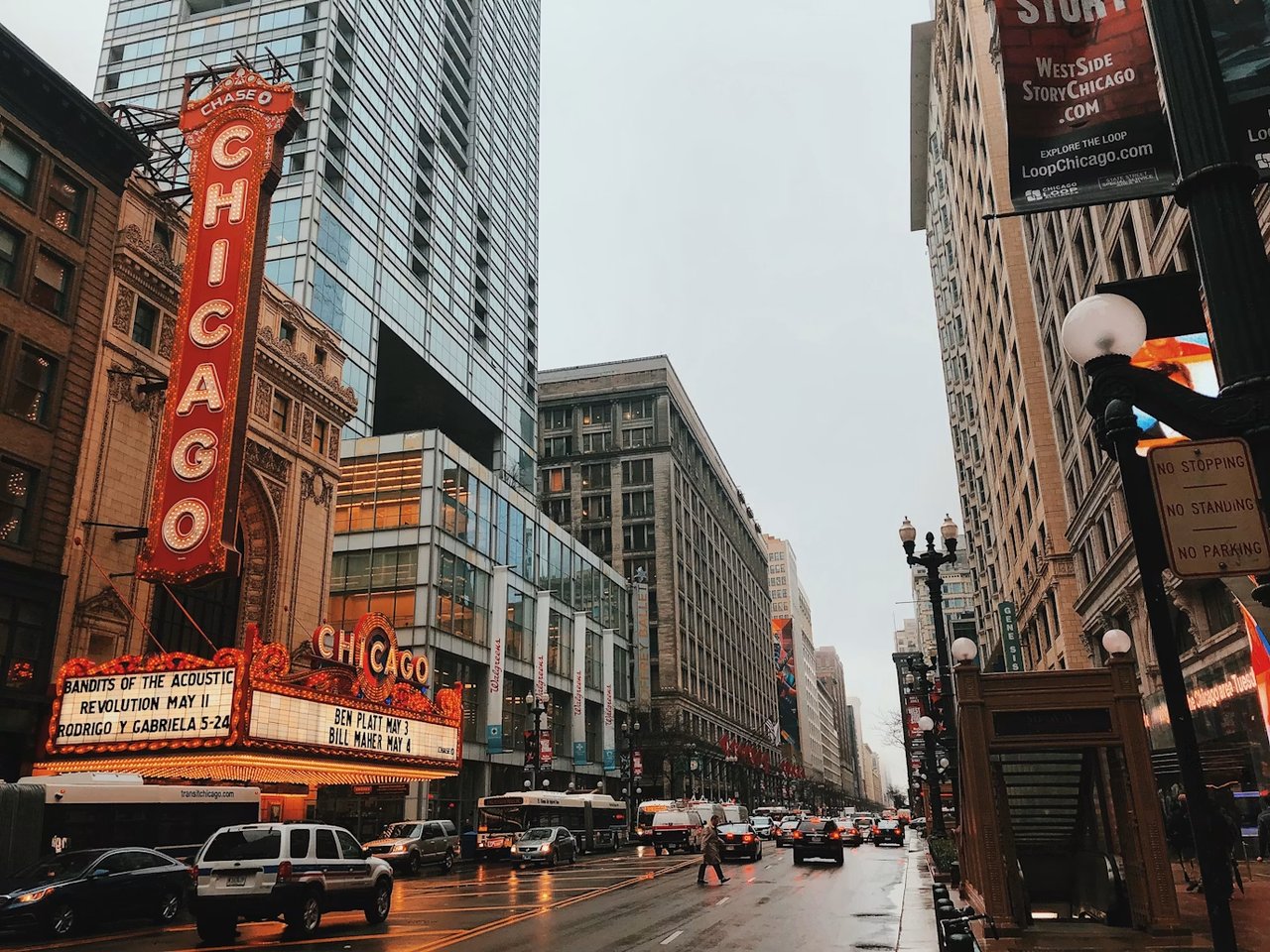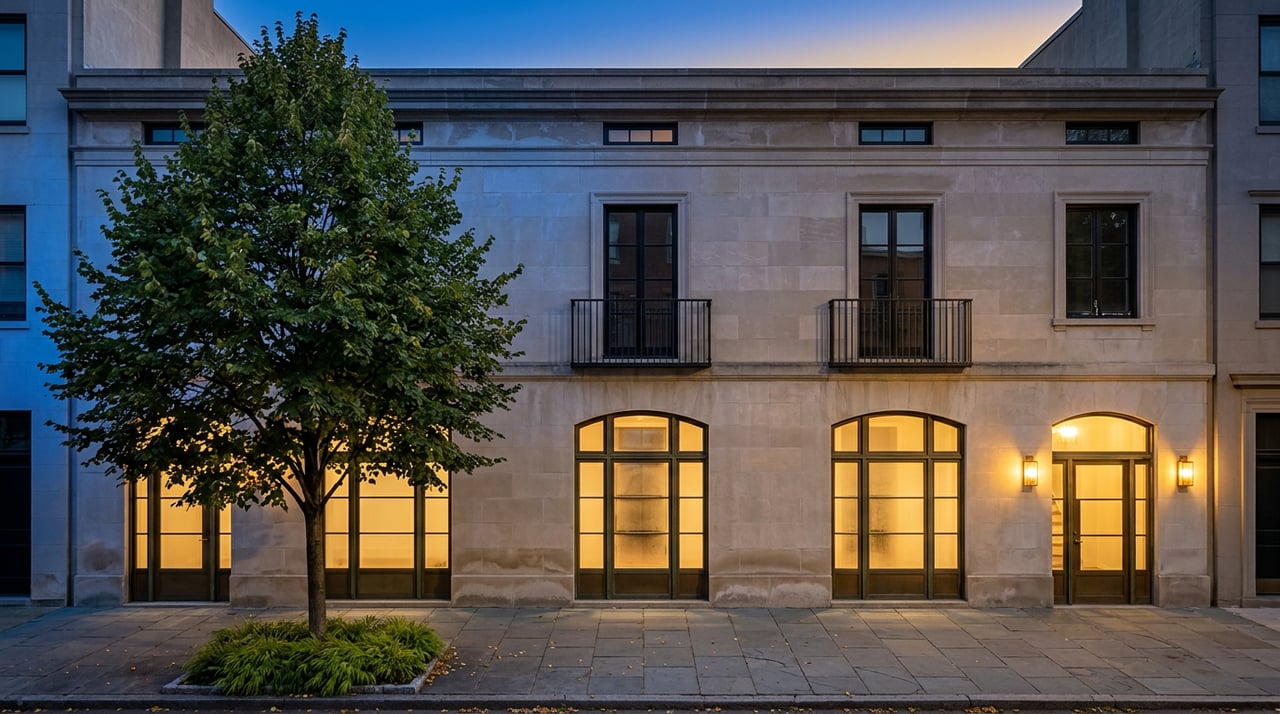
Walk the two blocks of Oak Street between Michigan Avenue and Rush this month and you will pass more plywood than you did a year ago. Scaffolding along the block outside Razny Jewelers, where a new flagship is slowly taking shape next door. A storefront on Rush with butcher paper still taped inside the windows where Glossier used to be. A building at 30 East Oak with a For Sale sign discreetly listed, Prada still inside, business as usual.
None of that squares with what you already know about this corridor. Oak Street has one of the lowest retail vacancy rates in Chicago, under 5 percent as of June, at a moment when whole stretches of the city's retail map are struggling to fill space. So why does the most in-demand shopping street in the Midwest look, on a September walk, like it is mid-renovation on three separate blocks at once?
The answer is not that Oak Street is losing tenants. It is consolidating them. The brands that can afford this address are no longer content to lease a storefront next to a competitor. They are buying the building, merging two parcels into one, or moving next door into something built just for them. What looks like turnover from the sidewalk is actually a handful of very established names trading shared space for owned space. Fewer doors. Bigger footprints. That is the shift worth understanding before you assume a fenced-off storefront means something is wrong.
The corner that used to sit dark for years now has a lake view
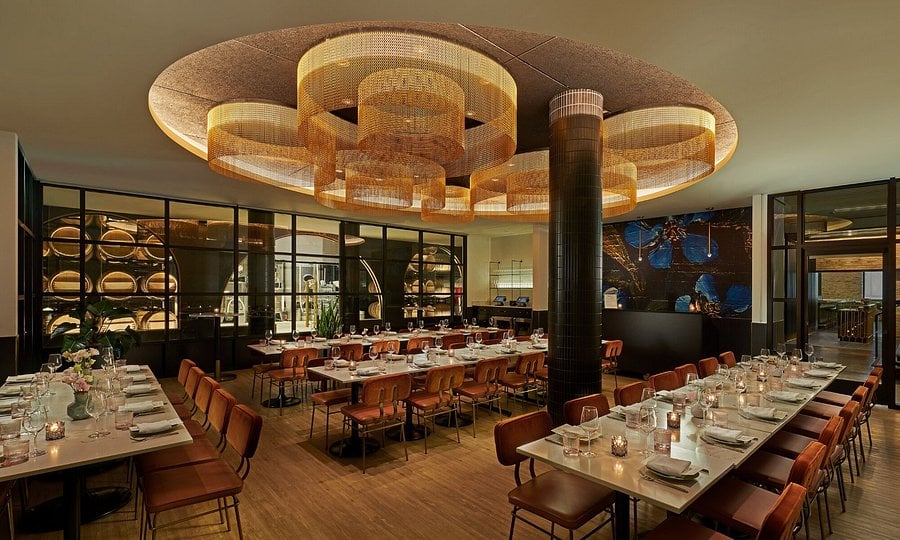
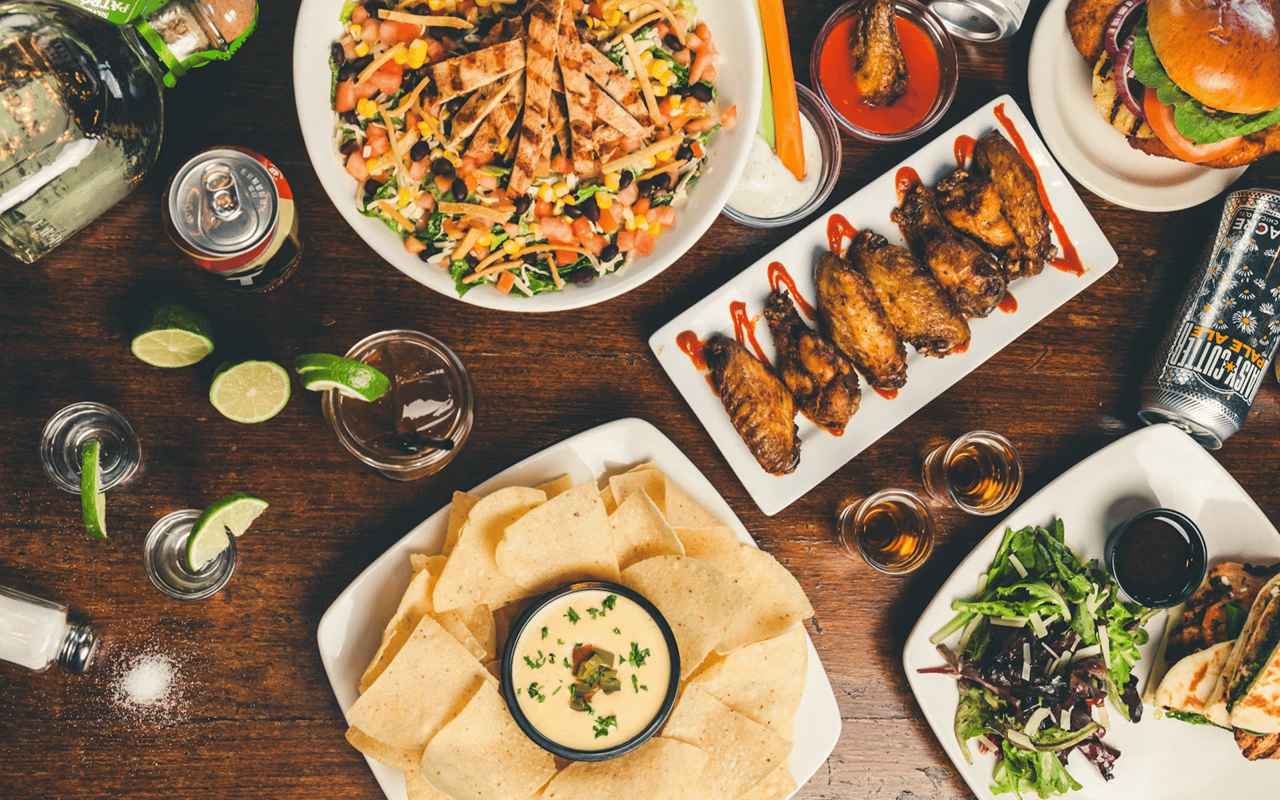
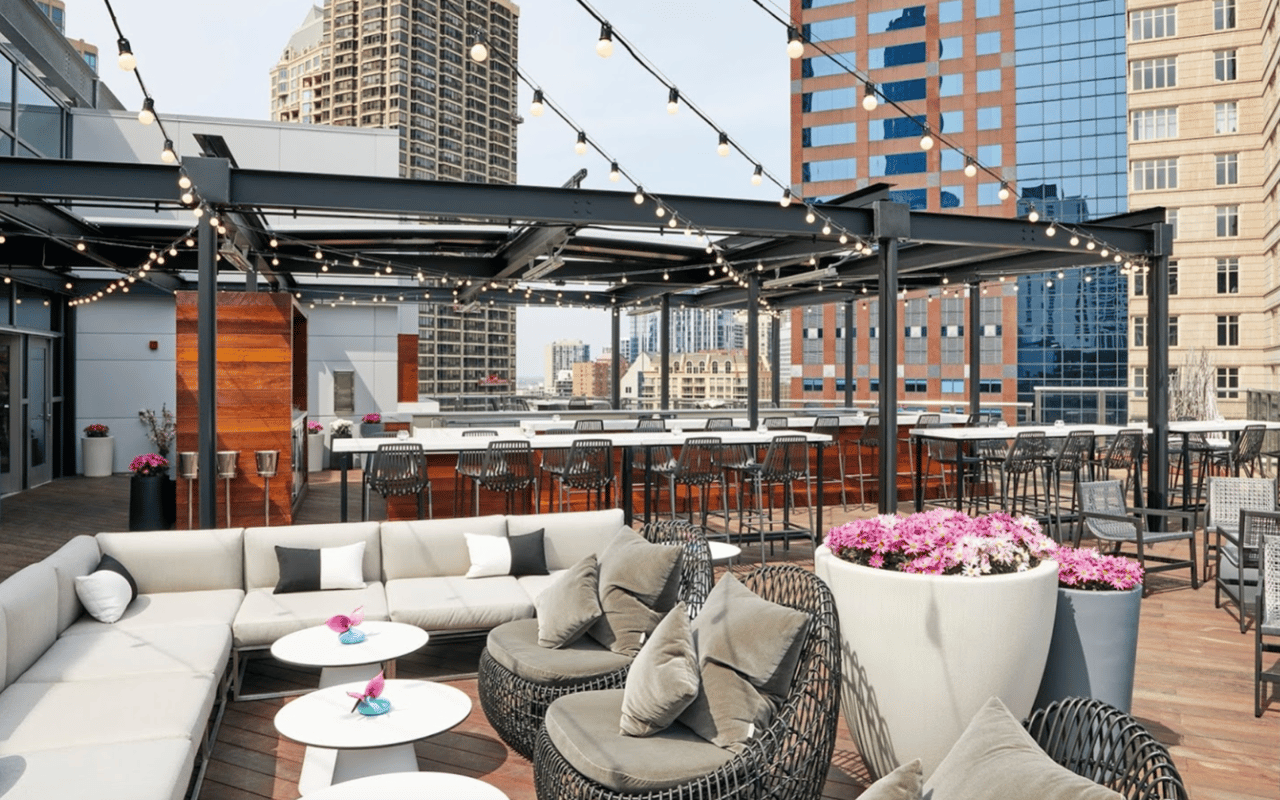
The most visible change on the strip is not retail at all. At 15 East Oak, in the space that once held Barneys New York's Fred's restaurant and sat dark for years after Barneys closed, the team behind Adalina Prime and Adalina Italian opened ARLA over the summer. It is a Mediterranean-Japanese restaurant with Chef Soo Ahn in the kitchen, roughly 8,500 square feet inside, and two open-air terraces that add another 60 seats, one facing down Oak Street toward the lake and the other looking over Rush. The same design team that built out Maxwell's Trading and Pizzeria Portofino handled this one too.
If you have lived on Astor Street or in one of the State Parkway high-rises for a while, you know what that corner used to be: a blank, unlit storefront that had been empty long enough that most people stopped noticing it. Now it is one of the harder reservations to get on the block.
A phone company is opening where the beauty counter used to be
A few doors down on Rush, Meta confirmed in August that it is opening its first Midwest Meta Lab at 932 North Rush Street, the storefront Glossier vacated. Meta Labs are showrooms for the company's AI glasses, including its Ray-Ban and Oakley collaborations, plus its VR headsets. The company says it wants the Chicago location open before the holiday shopping season starts.
This one matters less for the square footage and more for what it signals about who wants Oak Street real estate now. A decade ago this stretch was almost exclusively apparel, jewelry, and beauty. A tech company picking this corner over River North or Fulton Market tells you the corridor's foot traffic is worth more to a hardware retailer than its fashion pedigree ever was on its own.
The jeweler bought the building instead of renewing the lease
Razny Jewelers had leased 109 East Oak Street since 2016. Earlier this year the family-owned retailer bought the building outright, and it is not stopping there. Razny also owns the building next door at 107 East Oak, purchased in 2024, and plans to demolish it and build a new four-story structure that connects to 109. The combined flagship will include a bridal showroom, a dedicated two-story Rolex space, and a fourth-floor event room. Construction was slated to begin this past spring, and the fencing on that stretch of Oak this fall suggests it is now underway.
That is the pattern to watch for on this street now. A tenant that has been paying rent for years decides the address is worth owning outright, and instead of one modest storefront you get one much larger one built to that brand's exact specifications.
Van Cleef is trading a shared building for one of its own
The same logic is playing out a block away. Van Cleef & Arpels currently sits at 65 East Oak, wedged between Chanel and Moncler in a building that German investor Union Investment paid $120 million for in 2019, a price that worked out to over $4,100 per square foot, the highest ever paid for a Chicago retail property at the time. Van Cleef is now relocating into a new redevelopment next door at 67 East Oak, where it will be the anchor tenant in its own roughly 3,500-square-foot space rather than one name among several in someone else's building.
Meanwhile at 30 East Oak, the building that houses Prada's flagship went up for sale in June, listed at around $30 million by its New York owner. Prada is not going anywhere. What changed is who owns the real estate underneath it, another sign that this corridor's landlords are actively repositioning rather than simply collecting rent and waiting.
Here is the shorthand version of what has actually moved this year, address by address:
| Address | What used to be there | What's there now (or coming) | Status this fall |
|---|---|---|---|
| 15 E. Oak St. | Barneys New York's Fred's, dark for years | ARLA, Mediterranean-Japanese restaurant | Open, with two terraces |
| 932 N. Rush St. | Glossier | Meta Lab, Meta's first Midwest store | Confirmed, targeting before the holidays |
| 1000 N. Rush St. | A converted 1960s bank building | SKIMS, its first Chicago flagship | Open since February |
| 109 E. Oak St. | Razny Jewelers, on a lease since 2016 | Razny Jewelers, now the owner, expanding into 107 E. Oak | Construction slated for spring, underway this fall |
| 65 E. Oak St. | Van Cleef & Arpels, shared building | Van Cleef relocating to 67 E. Oak, its own building | Under construction |
| 30 E. Oak St. | Prada flagship, building owned by J. Safra Real Estate | Prada stays, building listed for a new owner | On the market |
Why fewer names on the block can mean more traffic, not less
If you count storefronts the way you might count restaurants on a menu, this looks like contraction. Two buildings becoming one for Razny. A shared building becoming a solo one for Van Cleef. That instinct is worth resisting.
A single-tenant building on a premium corridor generates more income per dollar invested than a multi-tenant one, because upper floors in a shared building lease at a discount and are harder to fill, while ground-floor frontage on a street like this one carries almost all of the value. That is part of why a developer would spend roughly $8.1 million to permit a new 5,960-square-foot single-tenant retail building midblock on Oak this past August rather than subdivide an existing space into smaller units. It is a small building by downtown standards, and an expensive one, because the entire bet is on ground-floor frontage doing the work.
This is not unique to Chicago. Luxury retailers on Rodeo Drive and Bond Street have been making the same trade for years, buying or building their own real estate instead of leasing inside someone else's. Oak Street catching that pattern is less a sign the corridor is struggling and more a sign it has reached a tier where the biggest names want full control over their own building, not just their storefront.
If you have lived here long enough to remember when this stretch felt more like a strip of independent boutiques and less like a collection of single-brand buildings, the last three years are the visible hinge point.
What you will actually see if you walk it this month
Right now, ARLA is open. SKIMS has been open on the corner of Rush and Oak since February. The Meta Lab storefront is still being built out behind papered windows, with an opening targeted before the holidays. Razny's expansion, slated to break ground this past spring, means scaffolding on that stretch of Oak that will likely last well into next year. Van Cleef's move to 67 East Oak is still under construction. The Prada building sale process is ongoing quietly, with no visible change to the storefront itself.
None of this requires you to interpret it as an investment signal. It is simply what is different about a walk down Oak Street in September 2026 compared to a year ago: fewer storefronts changing hands, but the ones that do are getting rebuilt at a scale that makes the old version of the block hard to picture once construction wraps.
The Klopas-Stratton Team pays close attention to changes like these because they shape how a neighborhood feels to live in long before they show up in any sales data. If you are curious about what a specific block, building, or corner of the Gold Coast is really like right now, from the businesses moving in to the buildings changing hands, reach out to the Klopas-Stratton Team for a conversation grounded in what is actually happening on the ground.