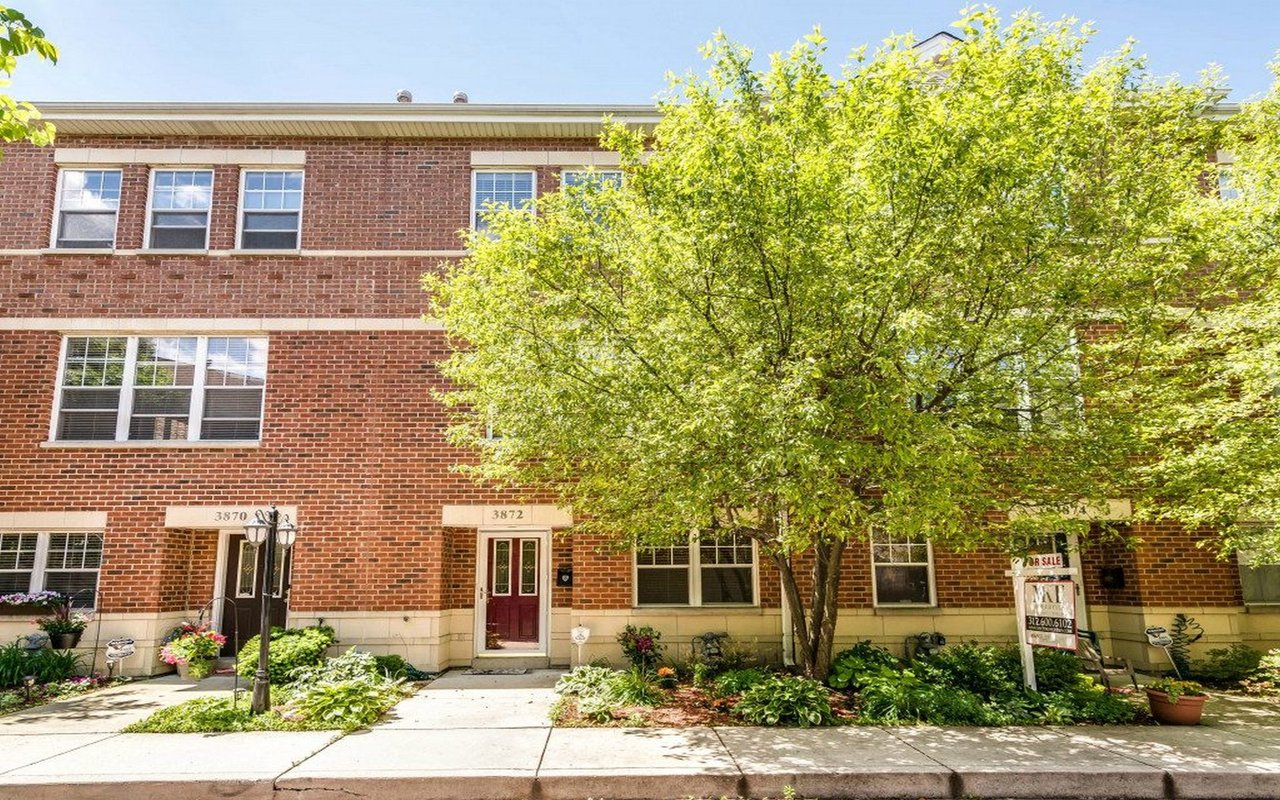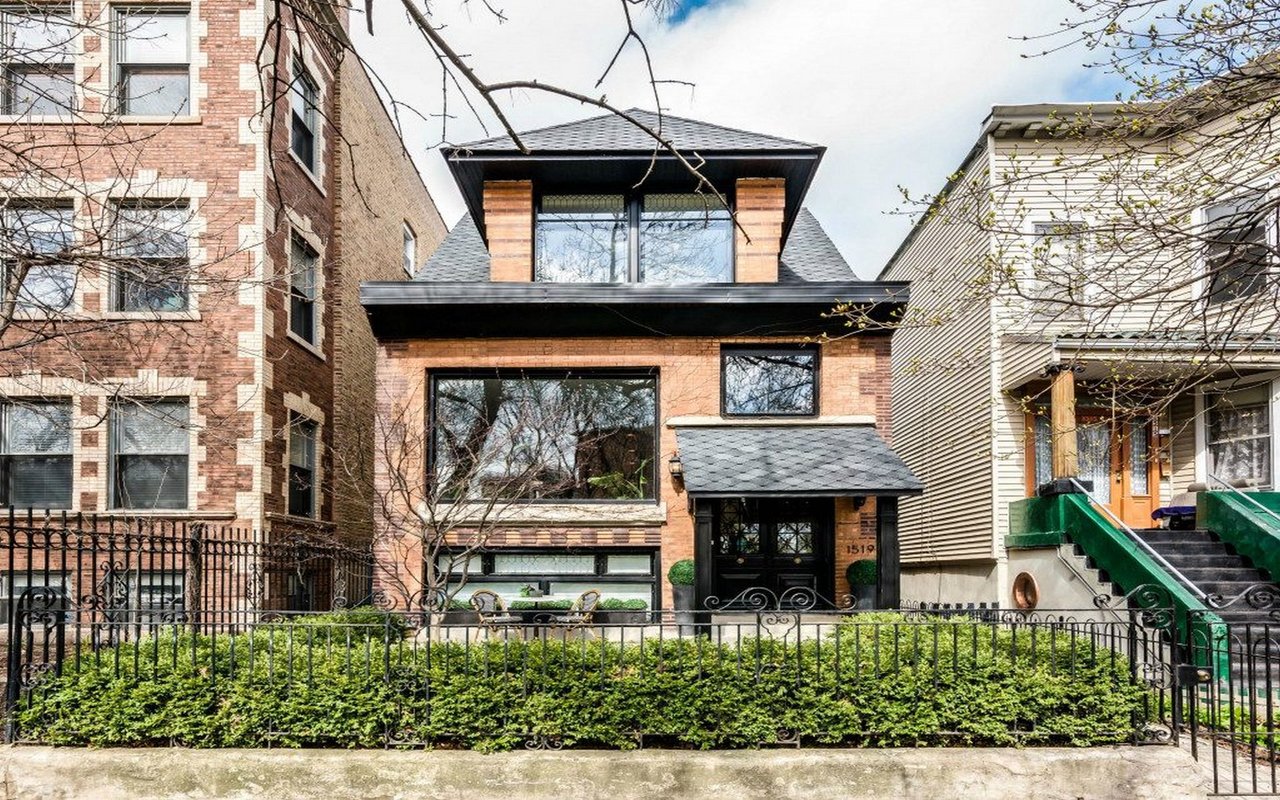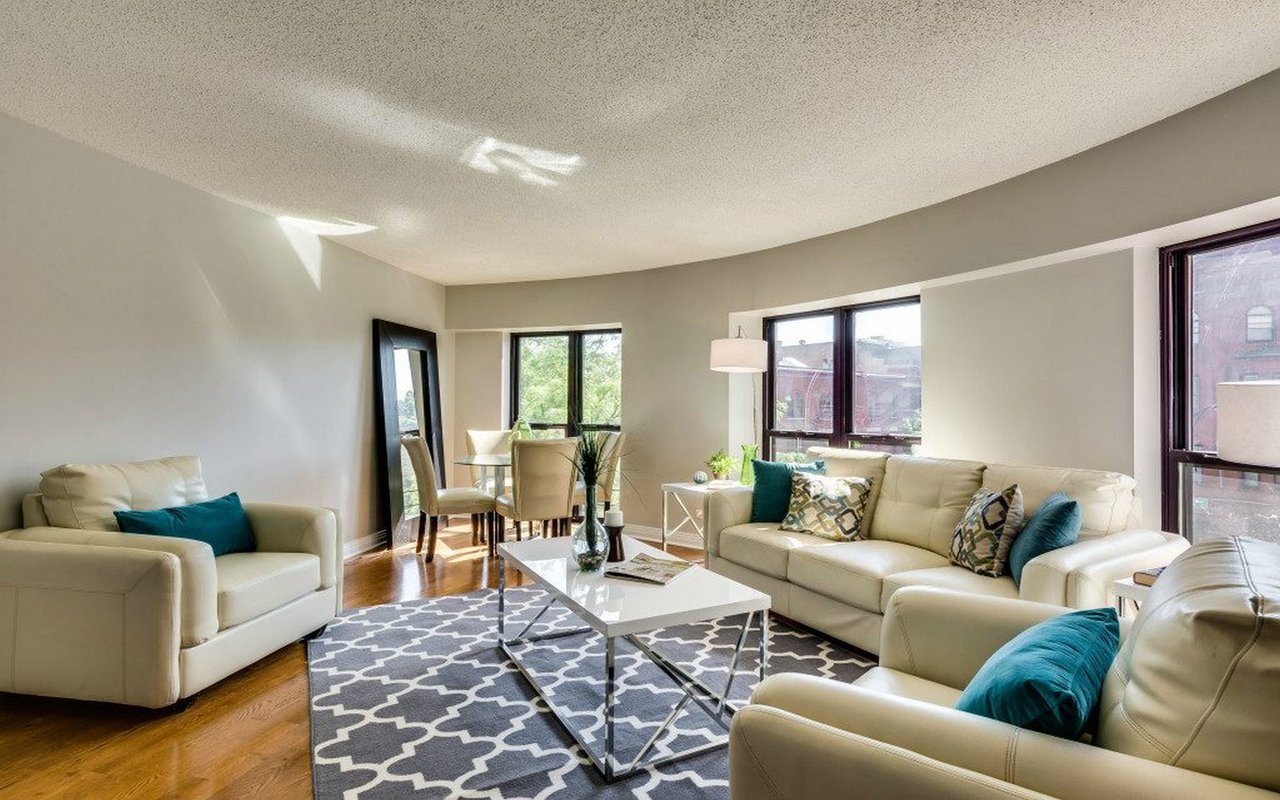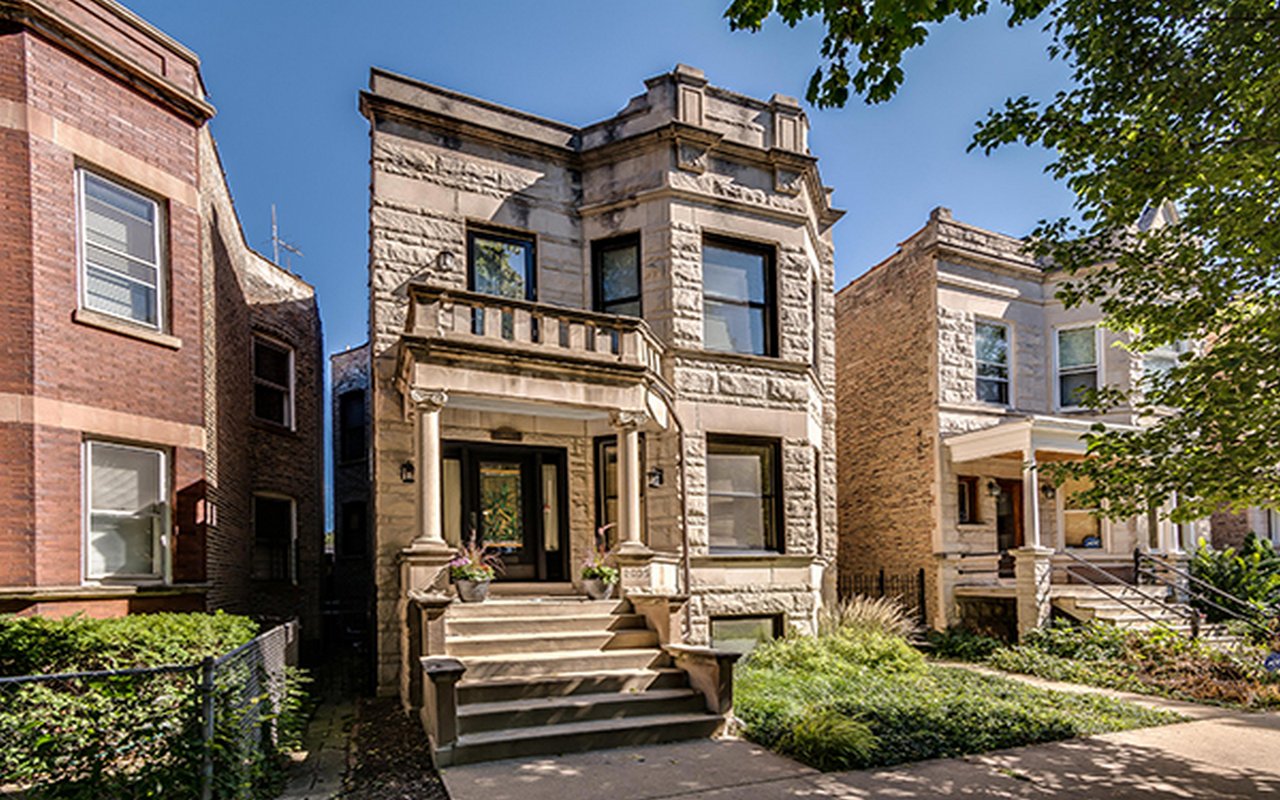
There is a particular kind of thinking that happens when we are unhappy with something about our house. We start mentally relocating our happiness to the next one.
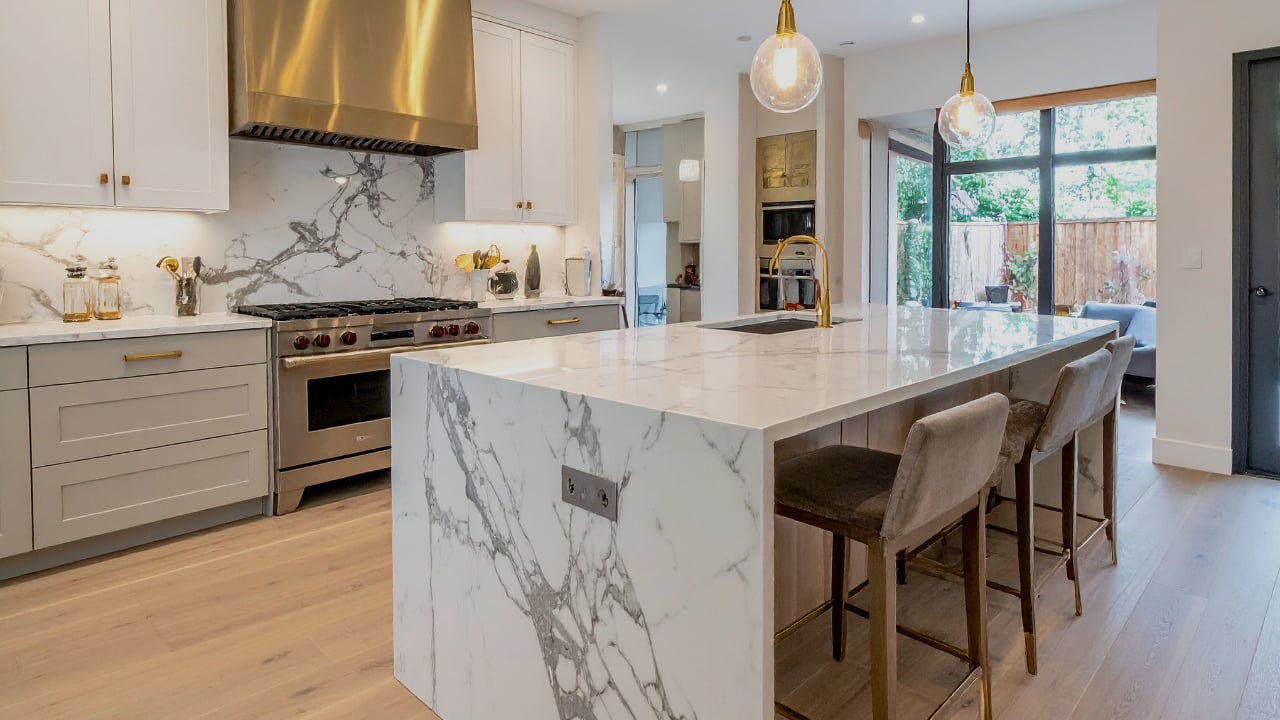
When we have a bigger kitchen, we’ll entertain more. When we have a finished basement, the kids will finally have somewhere to go. When we have a better backyard, we’ll spend more time outside. When we move to the right neighborhood, life will feel easier.
Sometimes all of that is true. A house affects daily life in a thousand small ways, and anyone who has ever tried to get three children out the door from a house with no mudroom understands that layout is not merely aesthetic.
But I also think we give our future homes an awful lot of responsibility.
As a life coach, I hear a similar version of this thinking all the time. People postpone something they want until another part of life gets sorted out first. They’ll have friends over when work calms down! Start dating when they feel more confident! Travel when the kids are older! Feel more settled when they finally get through this particular season!
Real estate has its own version: When we find the right house…
A Home Can Change Your Life
It just can’t live it for you. There are absolutely moves that make daily life better. Maybe you need another bedroom because your family has grown. Maybe your commute is eating two hours of every day, or you want to be able to walk to restaurants and coffee instead of getting in the car for everything. Maybe you’ve spent years maintaining a large house and are ready for something smaller.
These aren't superficial considerations. Freddie Mac specifically recommends thinking about proximity to work, public transportation, community, yard space and how your needs may change in the future before choosing a home.
And buyers really do make decisions this way. According to the National Association of REALTORS®' 2025 buyer and seller research, 59% of buyers cited neighborhood quality as an important neighborhood factor, while 47% cited convenience to friends and family.
In other words, we're not just buying bedrooms.
We're buying the drive to school. Where we get coffee. How often we see our parents. Whether the kids can run outside. How much house we're willing to clean on Saturday morning.
That’s why I think one of the best questions a buyer can ask is:
What do I want this house to make easier?
The answer is often more useful than another list of must-haves.
Pay Attention to Your Actual Life
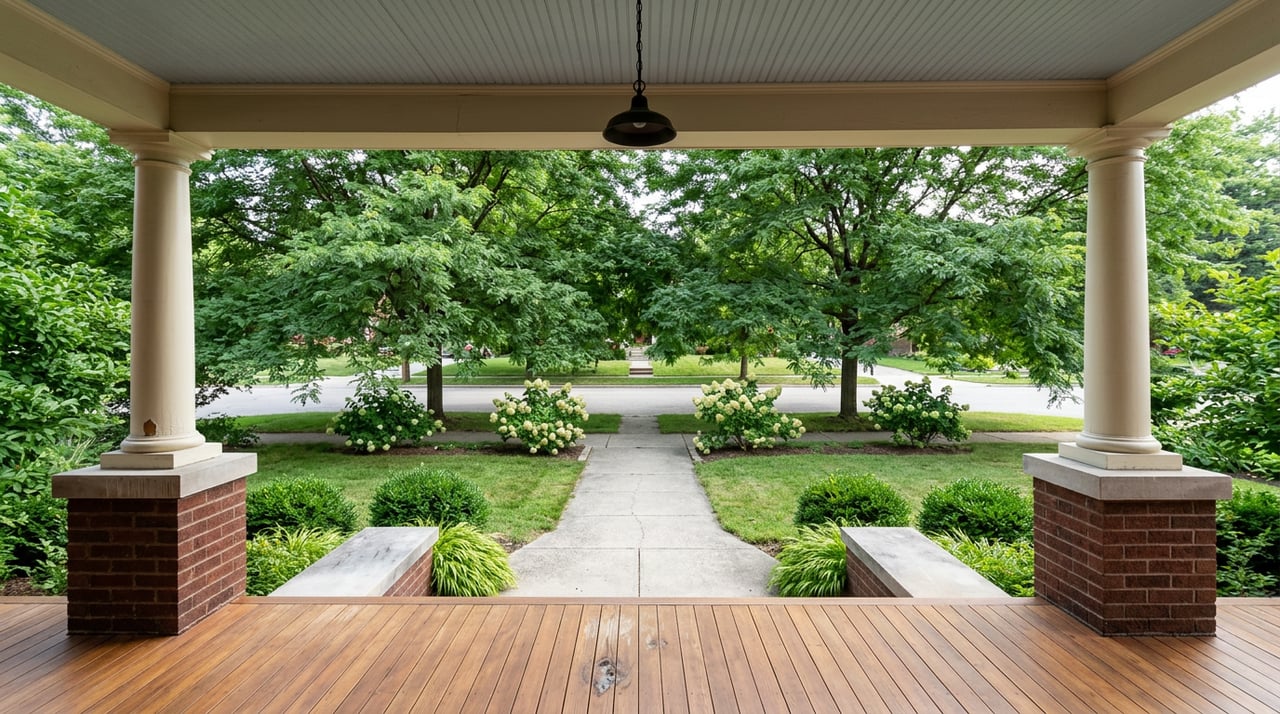
We are all susceptible to the fantasy version of a house. Walk into the right listing and you can practically see your future self drinking coffee on the porch. Apparently, this version of you also keeps fresh flowers on the kitchen island and never has Amazon boxes sitting by the front door.
There's nothing wrong with the fantasy, and it's part of the fun.
But when you’re seriously considering a property, mentally move your real life into it. Where do backpacks land? Who works from home? Does everyone end up in the kitchen no matter how many other rooms you have? Where do groceries come in? If you have a dog, which door will you use six times a day?
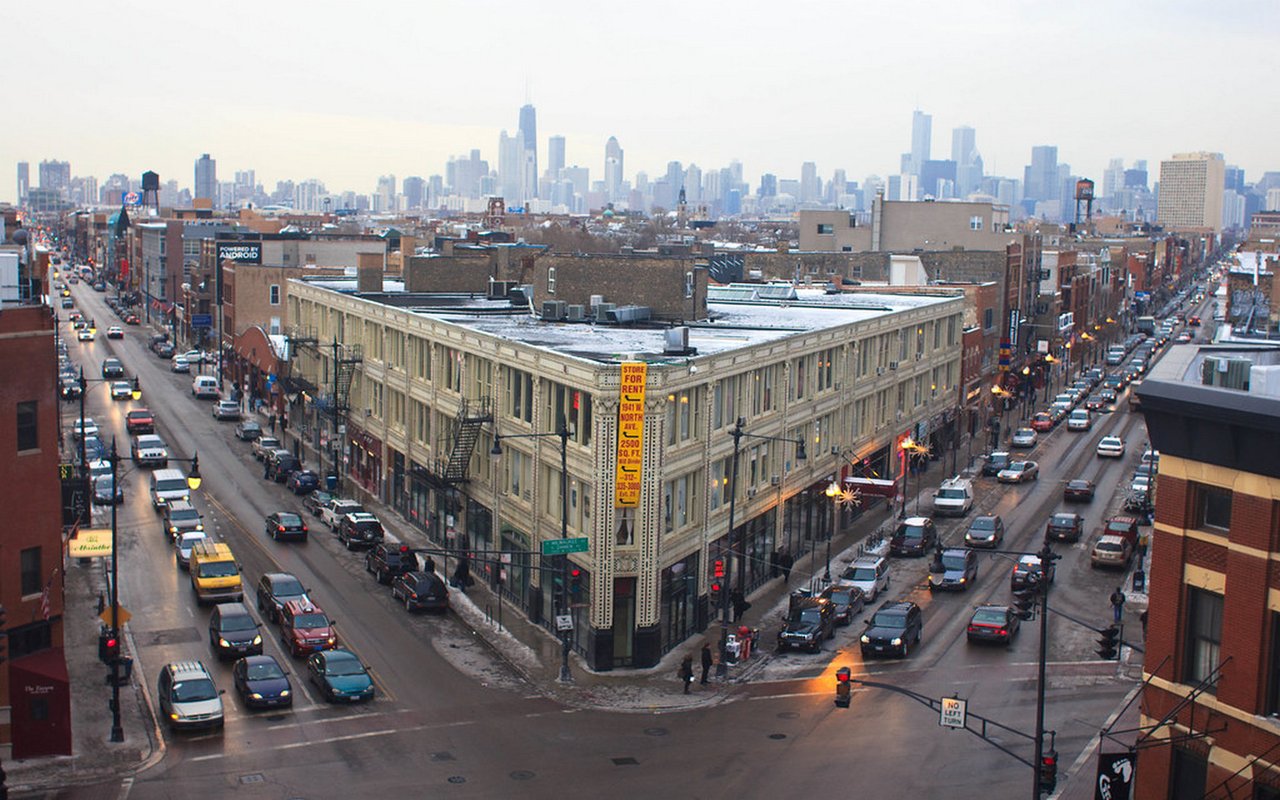
And don't stop at the property line. NAR recommends actually walking or driving through neighborhoods you're seriously considering and checking the distance to the places you visit regularly.
I love that advice because it is so wonderfully unglamorous. Go see the neighborhood when you're not being charmed by a beautifully staged house.
Know the Cost of the Life You’re Buying!
There is another reality worth considering: the price of a home is not the price of living in it.
Property taxes, homeowners insurance, HOA fees, maintenance and eventual repairs all belong in the calculation. Freddie Mac recommends budgeting for ongoing maintenance and larger future expenses such as HVAC or roof replacement, while Fannie Mae points out that larger yards and older homes can bring additional maintenance costs.
Sometimes the smaller house that leaves room in your budget for travel, dinners out and the rest of your actual life is the more luxurious choice.
That's a coaching question as much as a financial one: What do you want your money to make possible?
And While You’re Still There, Live There
For people who know they'll move eventually but aren't ready yet, don't put your current house on emotional hold.
Paint the room. Hang the pictures. Have people over and let them stand around your too-small kitchen, because they probably will anyway.
And when the frustrations begin to outweigh what still works, pay attention. Those annoyances may be giving you a surprisingly useful blueprint for your next home.
If you're beginning to wonder whether it's time to buy, sell or simply understand what your options are, visit KlopasStratton. Their team can help you evaluate your current home, explore Chicago-area properties and figure out what the next address could realistically look like.
A great house should support a great life. Just don't wait for the house to start having one.
>>>
Catch us back here bi-weekly as we bring you curated and Chicago-based real estate content (with a life coach’s twist). Next up: Looking for a different way to look at your autumn? Start here: Before You Buy a House, Picture a Tuesday