5 Things to Know Before Investing in Chicago Real Estate
Chicago's median home price reached $430,000 in the three months ending June 2026, up 7.4 percent year over year, while neighborhood medians range from about $557,500 in Logan Square to roughly $790,000 in North Center and Roscoe Village. Investors weighing where and how to buy should focus on five factors: neighborhood selection, market trends, property taxes, property type, and local expertise.
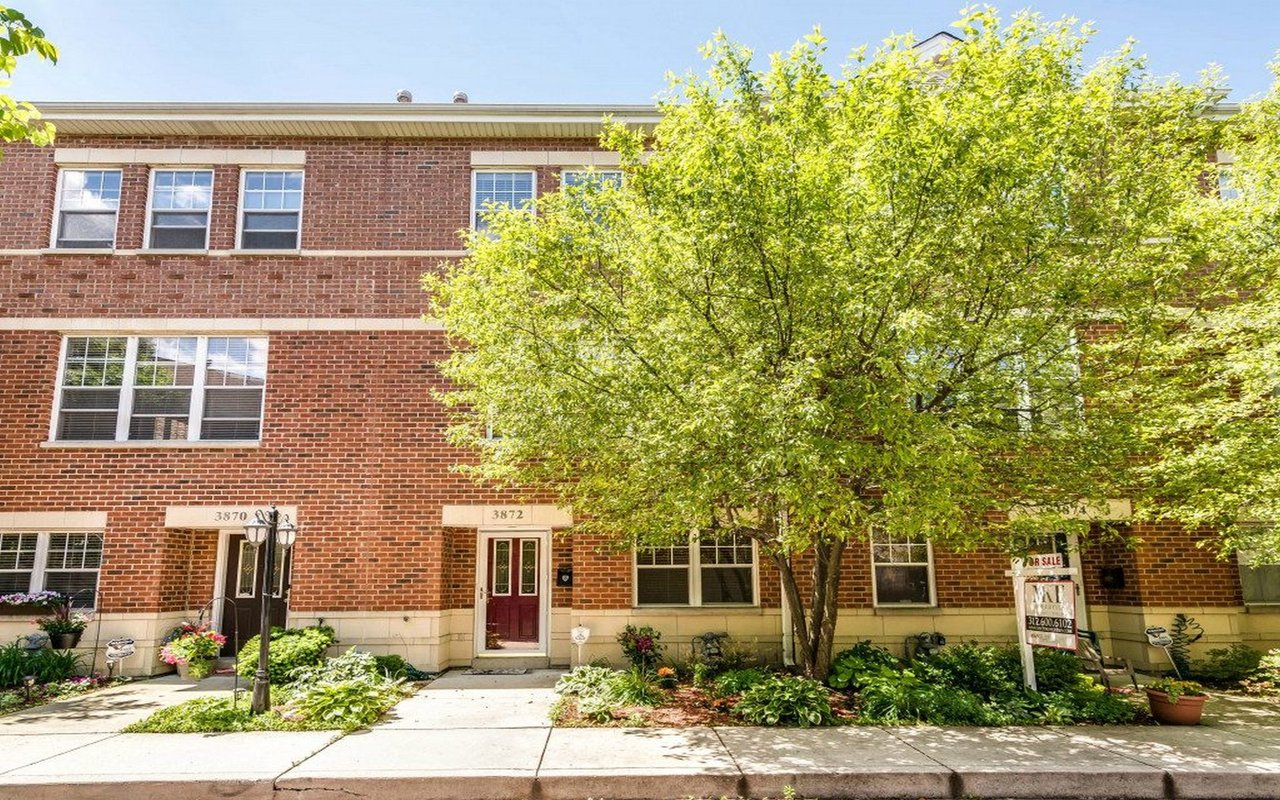
Buying to hold or buying to flip? With Chicago inventory down and days on market near 46 to 48, the right entry point depends on your strategy. See homes for sale citywide for buy-and-hold options, or browse townhomes if you're targeting lower-maintenance multi-unit potential. Not sure which fits your goals? Talk to the KlopasStratton Team before you write an offer.
Chicago's real estate market offers investors a broad spectrum of opportunities that cater to a variety of goals and preferences. From the timeless character of historic neighborhoods like Wicker Park and Roscoe Village to the fresh energy of emerging areas such as Avondale, the city is a mosaic of distinctive communities, each with its own rhythm and appeal. Zoning, property taxes, neighborhood growth trajectories, and buyer or renter demographics all shape a smart investment strategy. Here are five factors to weigh before entering the Chicago market in 2026.
Neighborhood | Median Sale Price (2026) | YoY Change | Investor Catalyst |
|---|---|---|---|
Wicker Park | ~$628,750 | +1.4% | 96 Walk Score, Blue Line access, near-zero commercial vacancy |
Bucktown | ~$698,000 to $710,000 | -2% to -8% (single-family volatile, low sample size) | The 606 trail frontage, Damen Ave. retail corridor |
Logan Square | ~$557,500 to $645,000 (wide range by source) | Flat to +24.6% depending on source and month | Blue Line, ongoing multi-unit new construction |
North Center and Roscoe Village | ~$700,000 to $815,000 | +7% to +16.1% | Top-rated CPS elementary catchments, low days-on-market |
Neighborhood price ranges above reflect the spread across several 2026 market trackers (Redfin neighborhood data, Zillow Home Value Index, and Houzeo market reports), which use different time windows and home-type mixes, so figures for the same neighborhood can vary by six figures depending on the source and the month pulled. Treat these as directional, not exact, and confirm current comps for any specific address.
Neighborhood Selection: Spotlight on Key Chicago Areas
Chicago is a city of neighborhoods, each with its own character and investment profile. Focusing on a short list of areas helps align your strategy with market trends and personal goals.
Bucktown
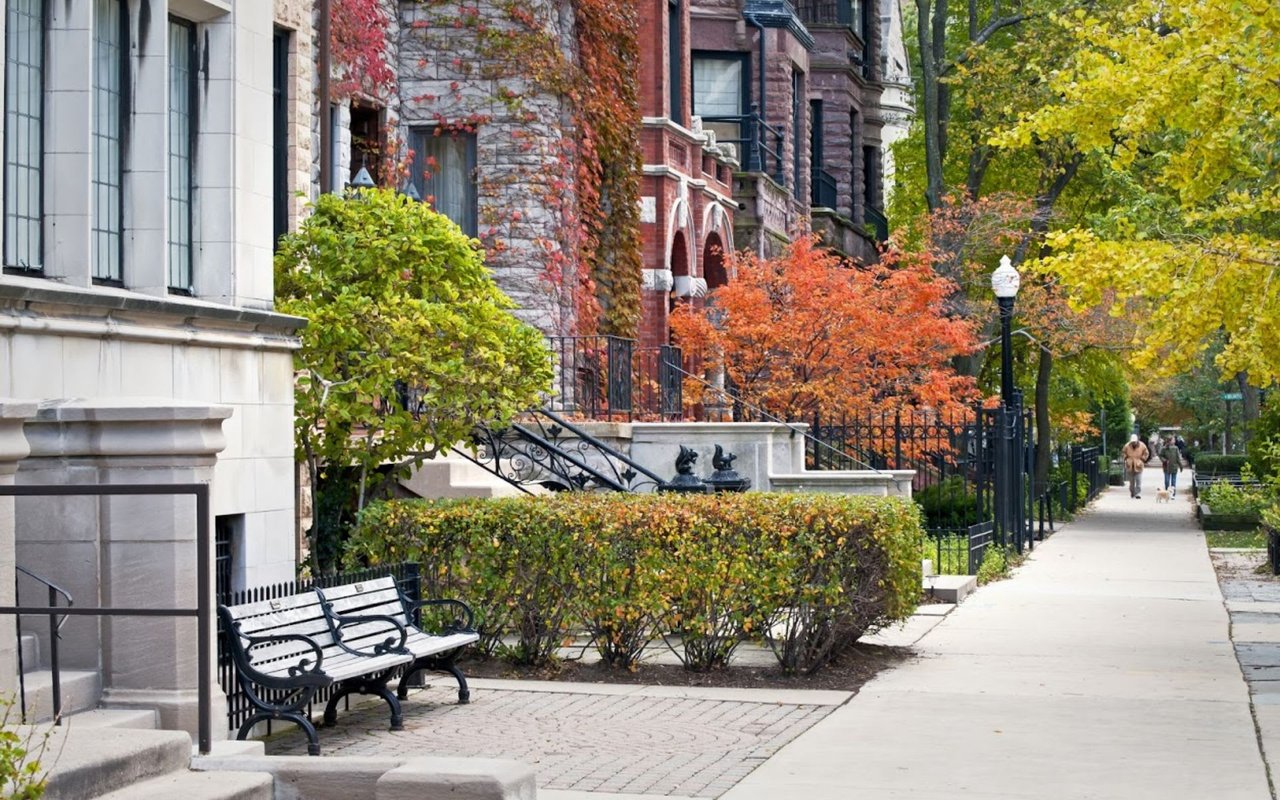
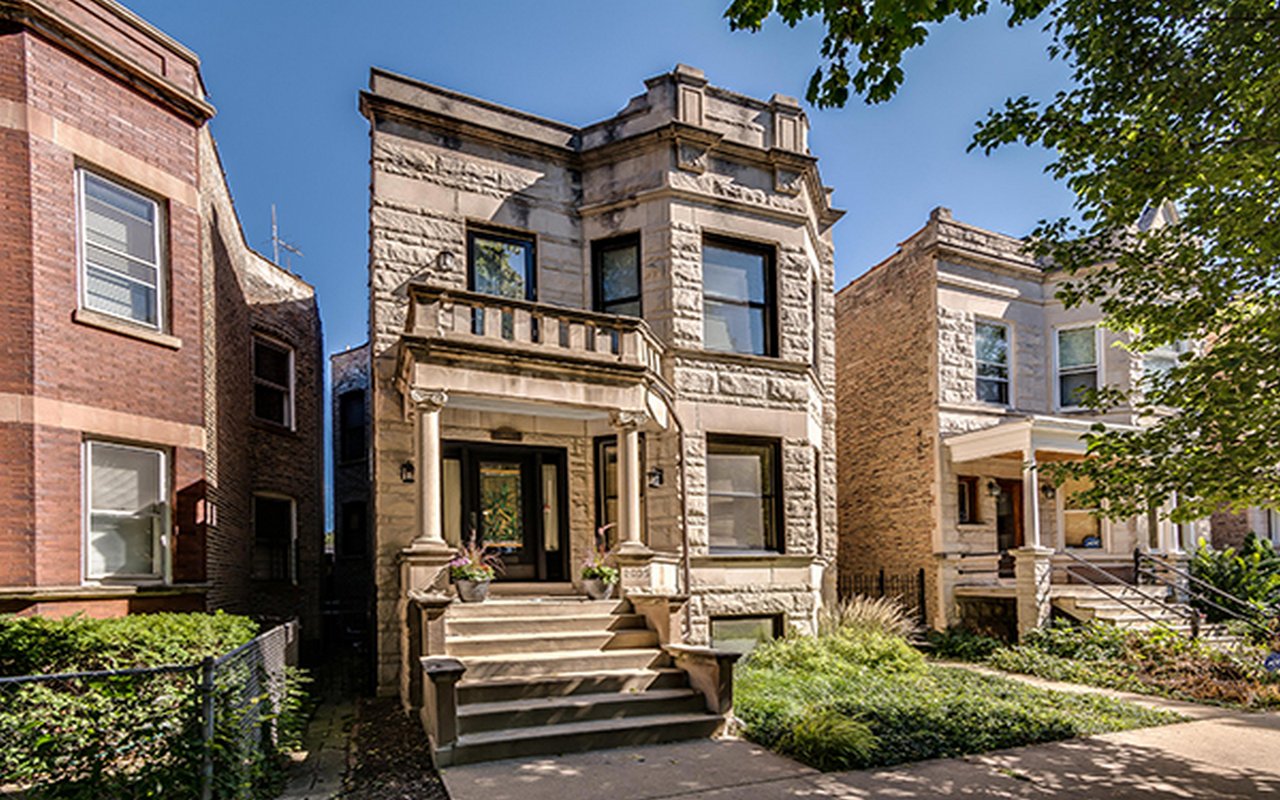
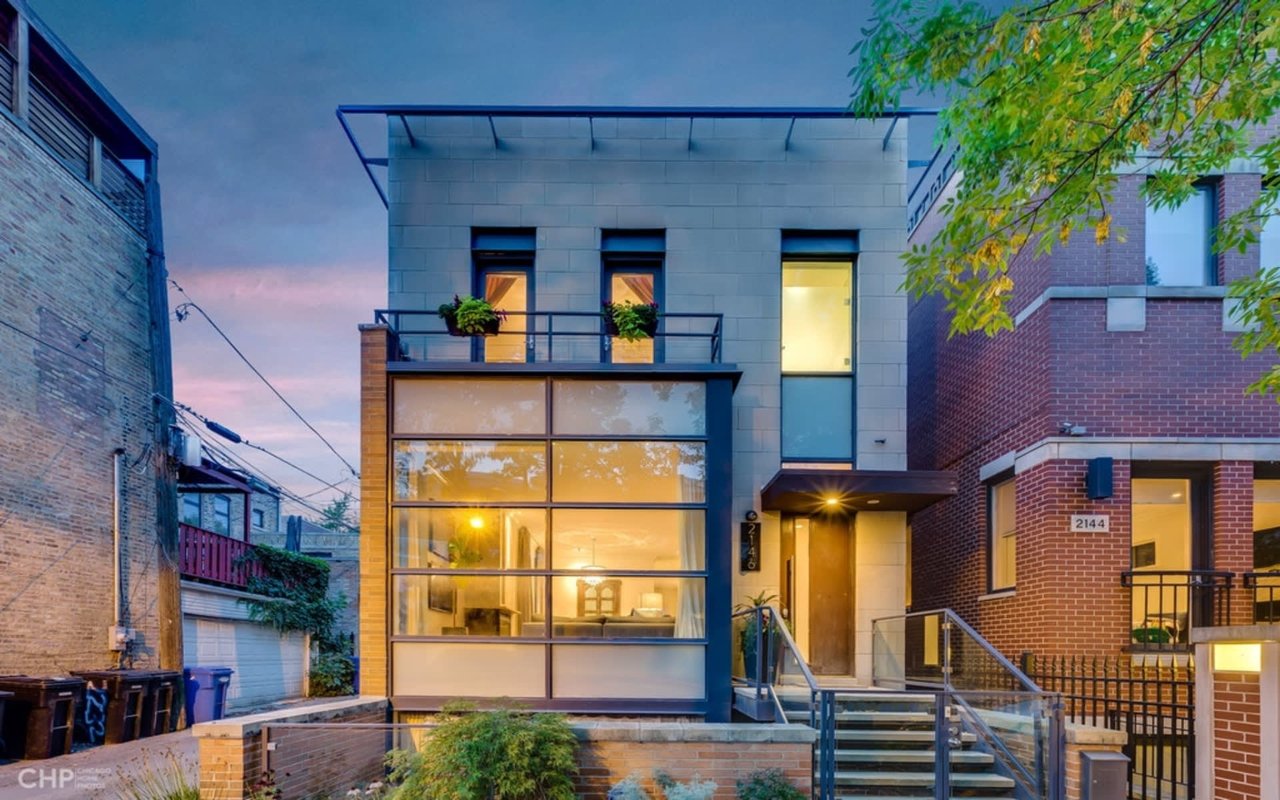
Bucktown blends vintage single-family housing with converted lofts and new construction. Redfin and neighborhood-level trackers put the 2026 median sale price in the high $600,000s to low $700,000s, with single-family homes trading well above that and condos starting closer to $500,000. The neighborhood's arts scene and proximity to downtown continue to draw young professionals and families, and new luxury development points to continued demand for upscale finishes.
- ZIP: primarily 60647, with edges touching 60614, 60622, and 60642
- Transit: CTA Blue Line, Damen Avenue stop
- School options include Pulaski International School of Chicago and Jonathan Burr Elementary (Chicago Public Schools, District 299)
- Signature amenity: The 606 elevated greenway, connecting Bucktown to Wicker Park and Logan Square
Wicker Park
Adjacent to Bucktown, Wicker Park pairs a dense restaurant and retail scene with a mix of historic two-flats and newer condo development. The 2026 median sale price sits in the high $620,000s, and the neighborhood carries a 96 Walk Score, among the highest in the city. Wicker Park's inventory has stayed tight enough that homes are going under contract in roughly one to four weeks in several 2026 reports, which tends to support long-term value for buy-and-hold investors.
- Walk Score: 96
- Transit: CTA Blue Line
- Typical time to contract: 1 to 4 weeks in 2026 market reports
Logan Square
Logan Square has become a hotspot for investors due to its cultural appeal and ongoing multi-unit development. Reported 2026 medians vary widely by source and month, from roughly $557,500 up to $645,000 to $754,000, reflecting a mix of condos, single-family homes, and new construction hitting the market at different price points. The neighborhood's tree-lined boulevards, restaurant scene, and Blue Line access continue to attract a wide range of buyers.
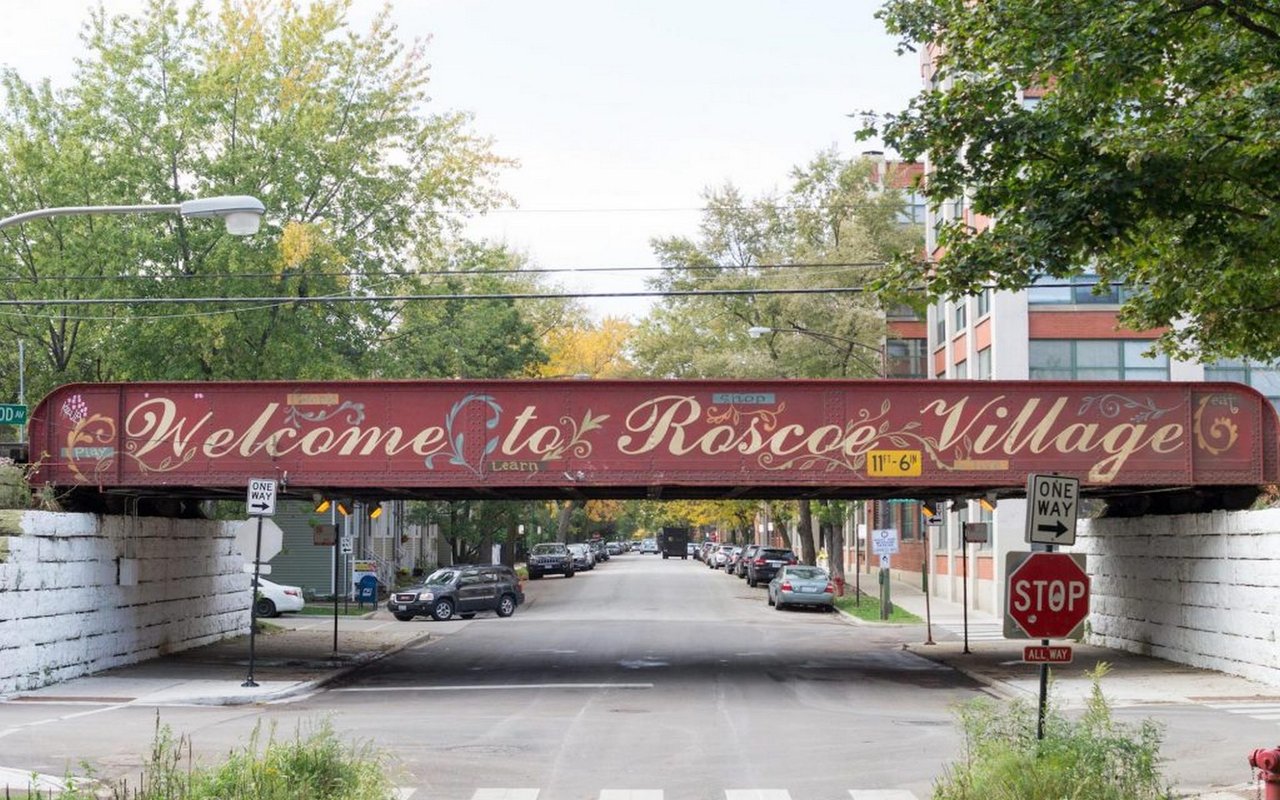
North Center and Roscoe Village
These adjoining North Side communities offer a more suburban feel within city limits, drawing families and professionals. 2026 data shows Roscoe Village and North Center among the stronger-appreciating submarkets in this list, with reported medians from about $700,000 up to $815,000 and year-over-year gains as high as 16 percent in some reports. Access to Lane Tech College Prep and several highly rated CPS elementary schools is a consistent driver of family demand here.
Avondale
Recognized as an up-and-coming area bordering Logan Square, Avondale continues to draw investor attention for its relative affordability and proximity to more established neighborhoods. Its industrial roots are giving way to a growing arts and dining scene, though it has fewer standardized 2026 market reports than the neighborhoods above, so buyers should lean on comparable sales and a local agent's read on the block rather than citywide averages.
Curious how a specific block compares? Median prices above are neighborhood-wide averages. Contact the KlopasStratton Team for a comp report on a specific address before you make an offer.
Market Trends and Economic Indicators
Staying informed about broader market trends is crucial for successful investment.
Price Appreciation
Chicago's citywide median sale price was approximately $430,000 over the three months ending June 2026, up 7.4 percent year over year, according to Redfin. Other trackers using different methodologies and time windows put the citywide figure anywhere from about $365,000 to $420,000, but the direction is consistent: prices have kept climbing through 2026 even as the pace of appreciation has moderated from pandemic-era highs.
Inventory Levels
The market has experienced tight inventory through 2026, with one tracker reporting Chicago-area supply down more than 13 percent year over year and homes going under contract in a median of 46 to 48 days, down from the prior year. Bucktown and Wicker Park in particular have been noted for limited inventory, resulting in multiple offers on well-priced homes.
Interest Rates
Average 30-year mortgage rates eased from roughly 6.7 percent in 2024 to about 6.3 percent through 2025, and several 2026 market reports expect rates to hold in a similar range or drift modestly lower. That easing, combined with more sellers offering closing-cost credits and rate buydowns, has helped keep buyer activity steady even with prices still rising.
Citywide and neighborhood price, inventory, and days-on-market figures above are drawn from Redfin's Chicago housing market data center, Zillow's Home Value Index, and Houzeo's 2026 Illinois market reports, current as of mid-2026. Mortgage rate figures reflect multiple 2025 to 2026 market recap reports; exact rates vary week to week, so confirm current pricing with a lender before budgeting a deal.
Understanding Local Regulations and Taxes
Chicago's property tax rates and landlord-tenant rules can meaningfully affect investment returns, and they differ from what investors may be used to in other markets.
Property Taxes
Cook County has one of the highest effective property tax rates in the country. Recent estimates put the county's effective rate at roughly 1.9 to 2.1 percent of market value, with a median Chicago-specific annual bill in the range of $3,800 to $4,800 depending on the estimate used, and Cook County's Treasurer reported in early 2026 that Illinois carries the highest residential property tax rate in the nation. Rates vary by township and taxing district, so investors should pull the exact rate for a specific PIN through the Cook County Treasurer's office rather than relying on a citywide average.
Landlord-Tenant Laws
Most rental units within Chicago city limits fall under the Chicago Residential Landlord and Tenant Ordinance, commonly called the RLTO, which goes well beyond Illinois state law. Under the RLTO, security deposits must be held in a separate, interest-bearing account and returned within 30 days with an itemized statement, and a landlord who mishandles a deposit can owe the tenant twice the deposit amount plus attorney's fees. Illinois state law also prohibits rent control citywide, and ending a month-to-month tenancy requires at least 30 days' written notice. Owner-occupied buildings of six units or fewer are generally exempt from the RLTO, though state deposit law still applies. Investors buying multi-unit property in Chicago should budget time to get familiar with these rules, since RLTO penalties for paperwork mistakes can be steep.
Property tax figures above are drawn from multiple 2026 estimates (SmartAsset, Ownwell, and Cook County Treasurer reporting via Axios), which differ in methodology; landlord-tenant provisions are summarized from the Chicago Residential Landlord and Tenant Ordinance (Chicago Municipal Code Section 5-12) as described in multiple 2026 legal and property-management guides. Confirm current requirements with the City of Chicago or a real estate attorney before finalizing a purchase or lease.
Evaluating Property Types and Investment Strategies
Aligning your investment approach with market demand can improve your odds of a good outcome.
Single-Family Homes vs. Multi-Unit Properties
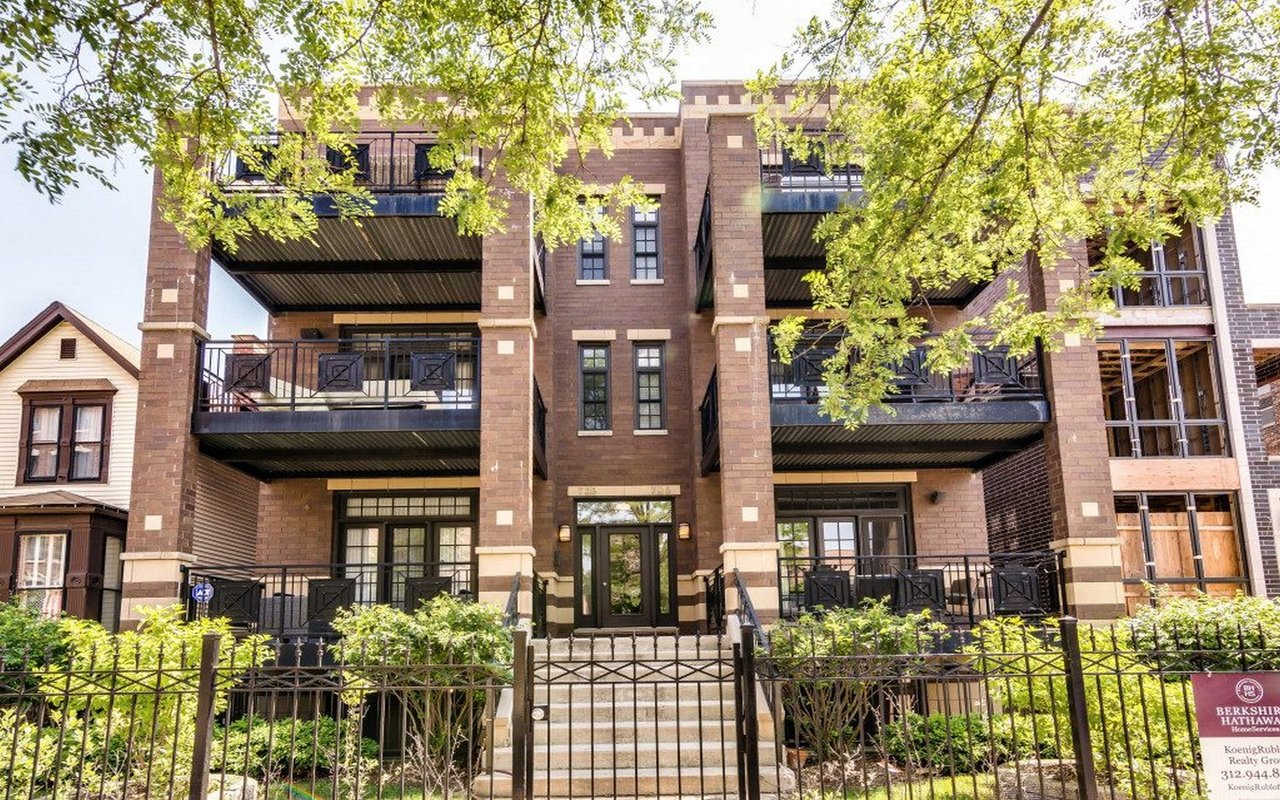
Single-family homes offer stability and are often easier to finance and resell. Multi-unit properties in neighborhoods like Wicker Park and Logan Square remain in demand among young-professional renters, and can offer higher rental yields, but they also carry more RLTO compliance obligations and typically require a larger down payment.
New Developments vs. Historic Properties
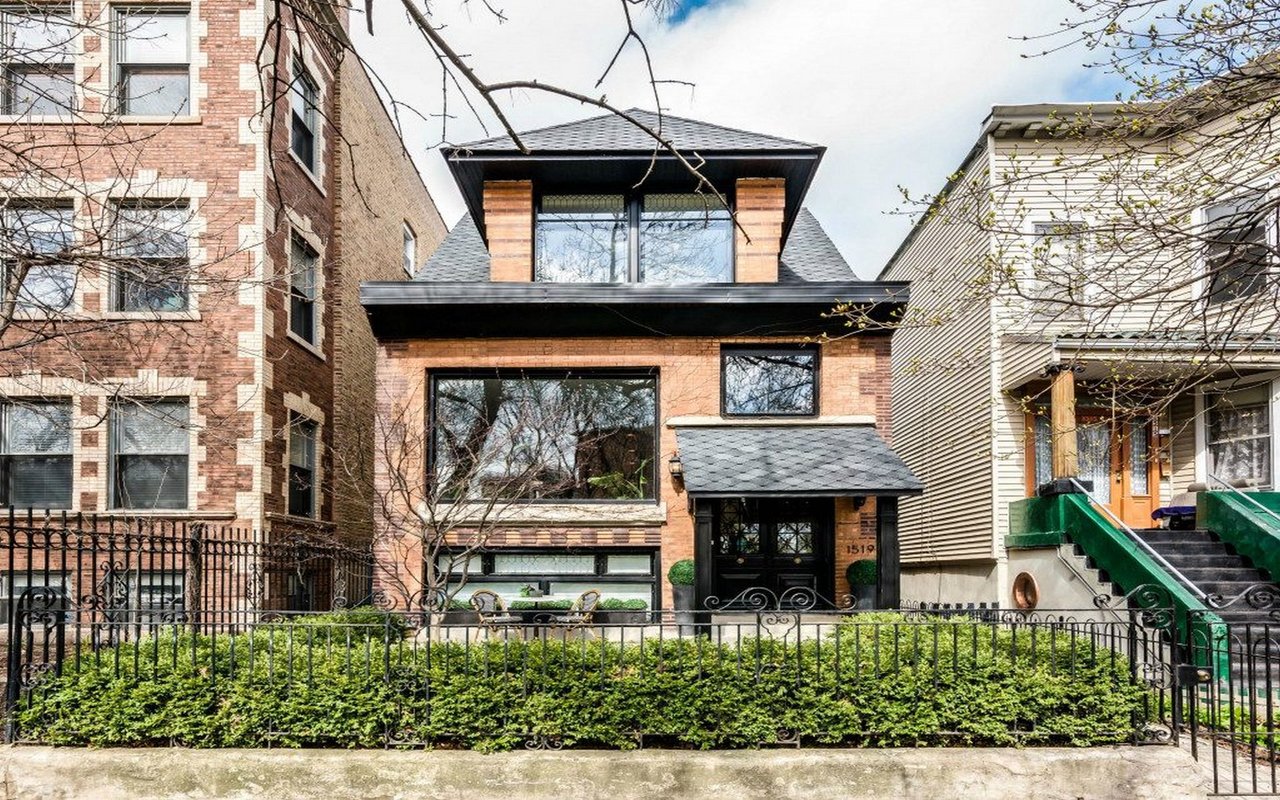
New construction can reduce near-term maintenance costs and often comes with modern mechanicals and warranties. Historic properties, common in Bucktown, North Center, and parts of Roscoe Village, appeal to buyers seeking character and charm, but budget for age-related repairs and, in some cases, alderman or landmark-district review before major renovations.
Single-family or multi-unit? Browse single-family and condo listings, or explore Chicago communities by area to compare inventory before you decide.
Why Work With a Local Chicago Expert
Navigating Chicago's real estate landscape benefits from local expertise: neighborhood-level price trends, off-market opportunities, property tax nuances by township, and an established network of contractors, inspectors, and attorneys all shorten the learning curve for an out-of-market or first-time investor.
About the KlopasStratton Team: Sophia Klopas and Jason Stratton are a brother-sister team with more than 20 combined years in the Illinois real estate market, working with Jameson Sotheby's International Realty in Chicago. The team has consistently ranked in the top 1 percent of Chicago-area REALTORS and has closed more than a billion dollars in combined career sales volume. Sophia holds a degree in interior design, which she applies to helping buyers evaluate a property's resale potential; Jason lives in Bucktown, giving the team direct, on-the-ground familiarity with the North Side neighborhoods covered above.
Frequently Asked Questions
Is Chicago a good city to invest in real estate in 2026?
Chicago's citywide median sale price rose roughly 5 to 7 percent year over year through mid-2026 on tight inventory, and it remains meaningfully cheaper than coastal gateway cities on a price-per-square-foot basis. That combination has kept it attractive to buy-and-hold investors, though returns vary significantly by neighborhood and property type.
What is the average property tax rate in Cook County?
Cook County's effective property tax rate runs roughly 1.9 to 2.1 percent of market value depending on township, among the highest in the nation. Investors should confirm the exact rate for a specific property through the Cook County Treasurer's office rather than budgeting off a citywide average.
Which Chicago neighborhoods have the best investment potential?
Wicker Park, Bucktown, Logan Square, North Center, and Roscoe Village have all shown steady 2026 price appreciation and strong walkability or transit access, while Avondale offers a lower entry price point with proximity to those more established areas. The right choice depends on your target tenant or buyer and your holding period.
What does the Chicago RLTO require for security deposits?
Under the Chicago Residential Landlord and Tenant Ordinance, deposits must be held in a separate interest-bearing account and returned within 30 days with an itemized statement. Landlords who violate these rules can owe tenants twice the deposit plus attorney's fees, so multi-unit investors should build RLTO compliance into their lease process from day one.
Should I buy a single-family home or a multi-unit property in Chicago?
Single-family homes are generally easier to finance and resell, while multi-unit buildings in renter-dense neighborhoods like Wicker Park and Logan Square can offer higher rental yields at the cost of more landlord-tenant compliance work. A local agent can help model both scenarios against your specific goals.
Header image credit note from the original page has been removed pending a licensed or team-owned replacement image; no image currently appears on this page.