By KlopasStratton Team
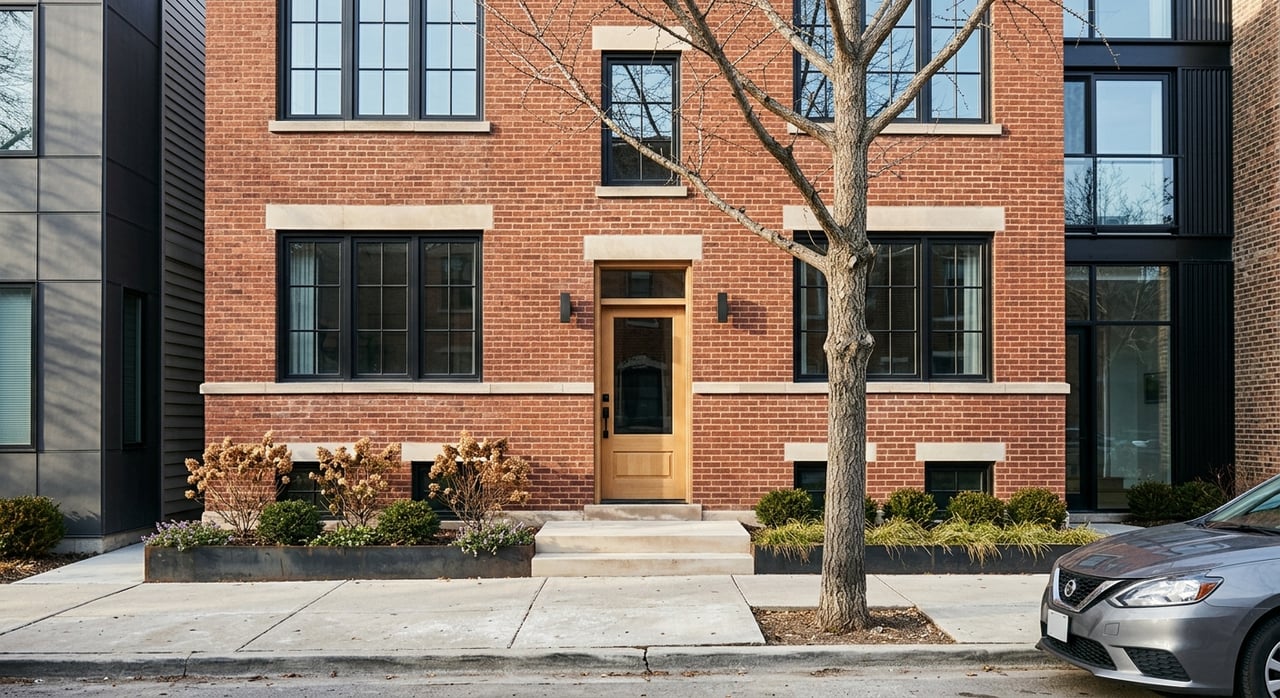
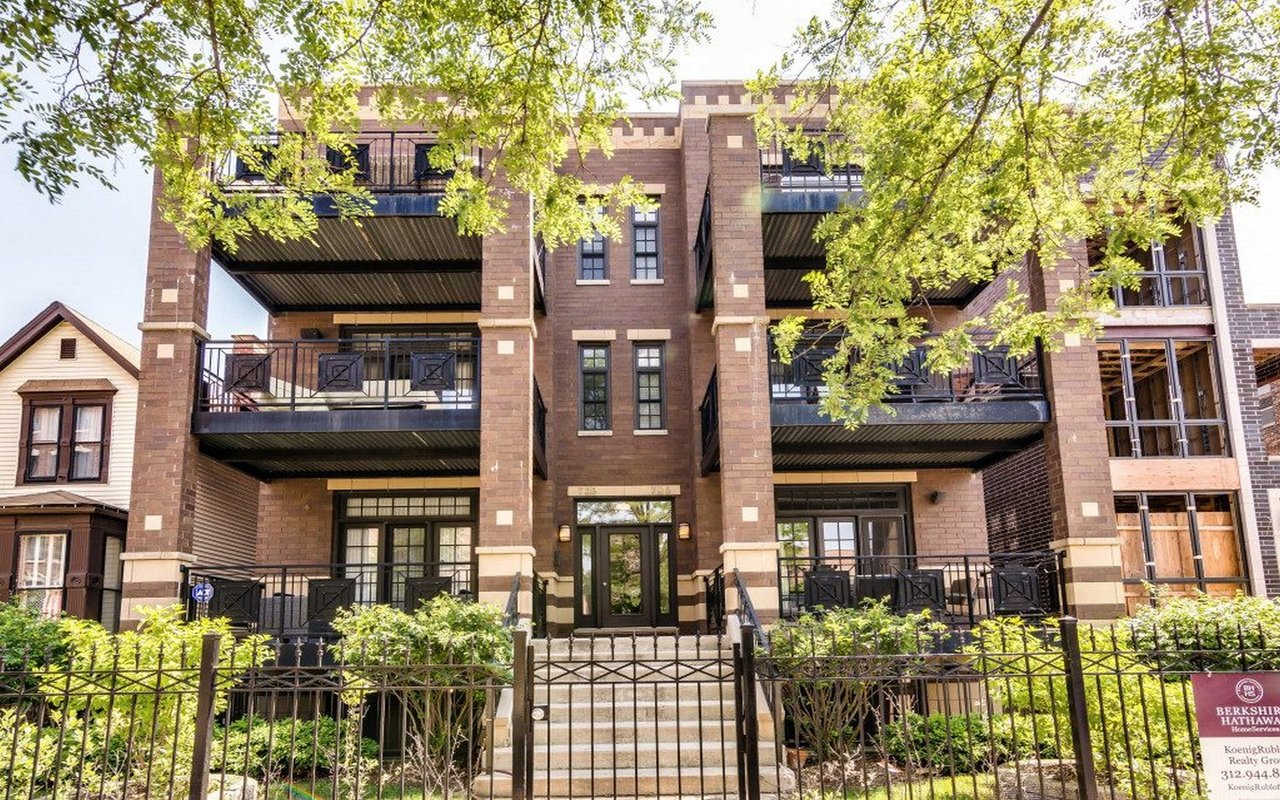
When buyers ask us whether a Logan Square condo or a Bucktown single-family home is the smarter investment, our honest answer is that the two earn their returns in completely different ways. A condo can put you in a high-demand neighborhood for less up front, while a single-family home hands you the one thing they're not making more of on the North Side: land.
Both can perform beautifully along the same stretch of the 606, but the right pick depends on how you plan to hold it and what you want it to do for you.
Key Takeaways
- Condos and single-family homes earn their returns differently, condos through location and rental demand, and houses through land and control
- Carrying costs, from Cook County taxes to condo assessments, often decide the real return more than the purchase price
- North Side neighborhoods lean toward one strategy or the other, so the right choice often starts with where you buy
- The 606 corridor through Wicker Park, Bucktown, and Logan Square supports both strong condo rentals and premium house values
What Drives ROI on a Chicago Condo?
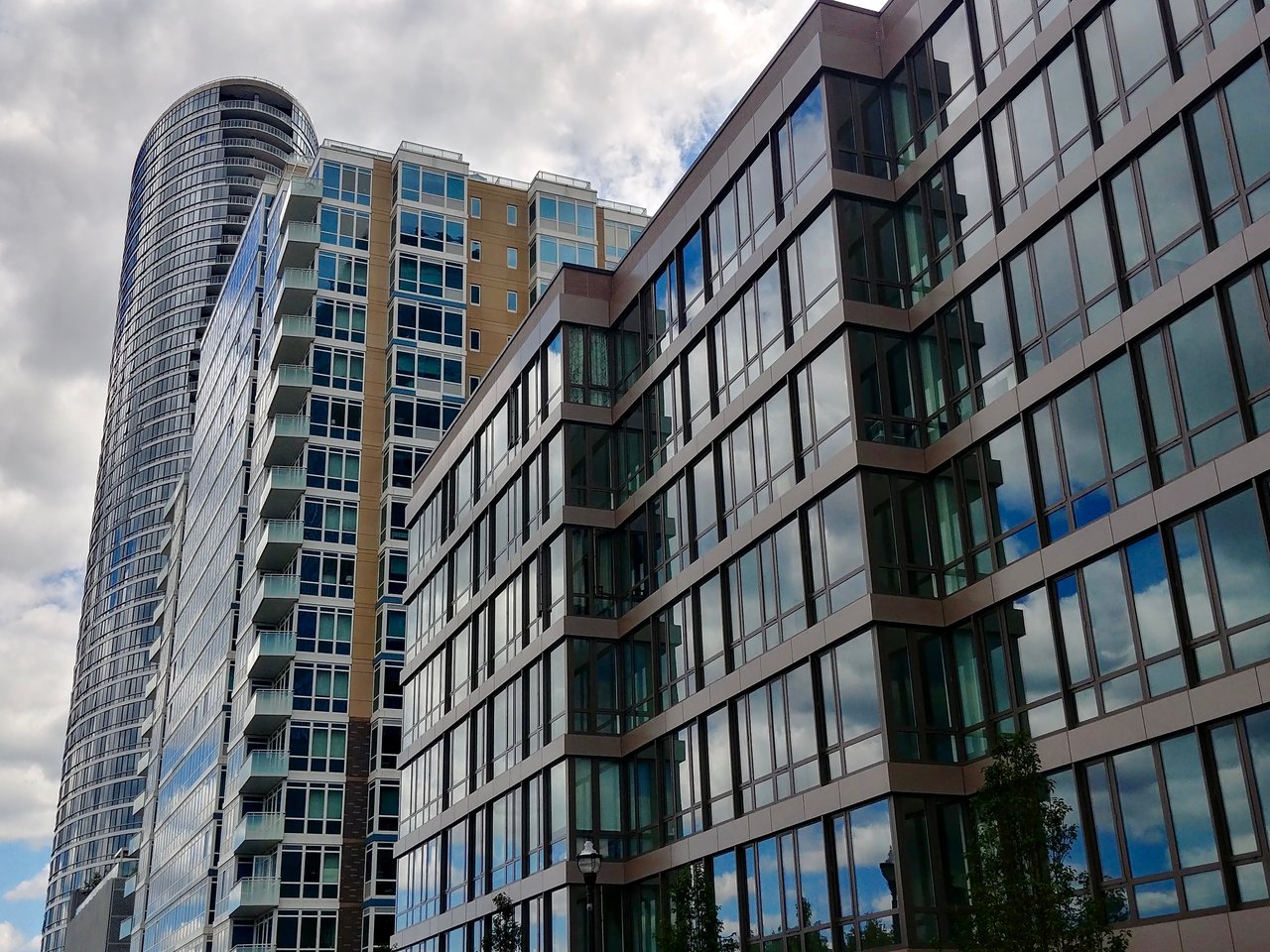
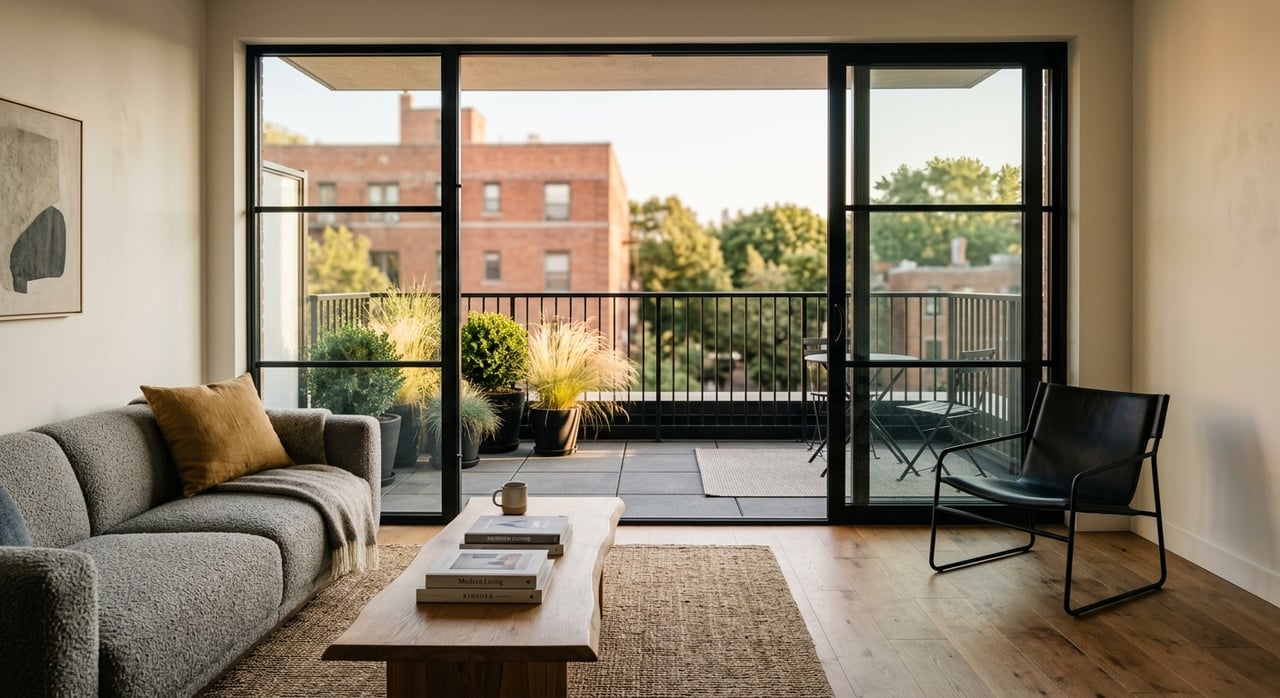
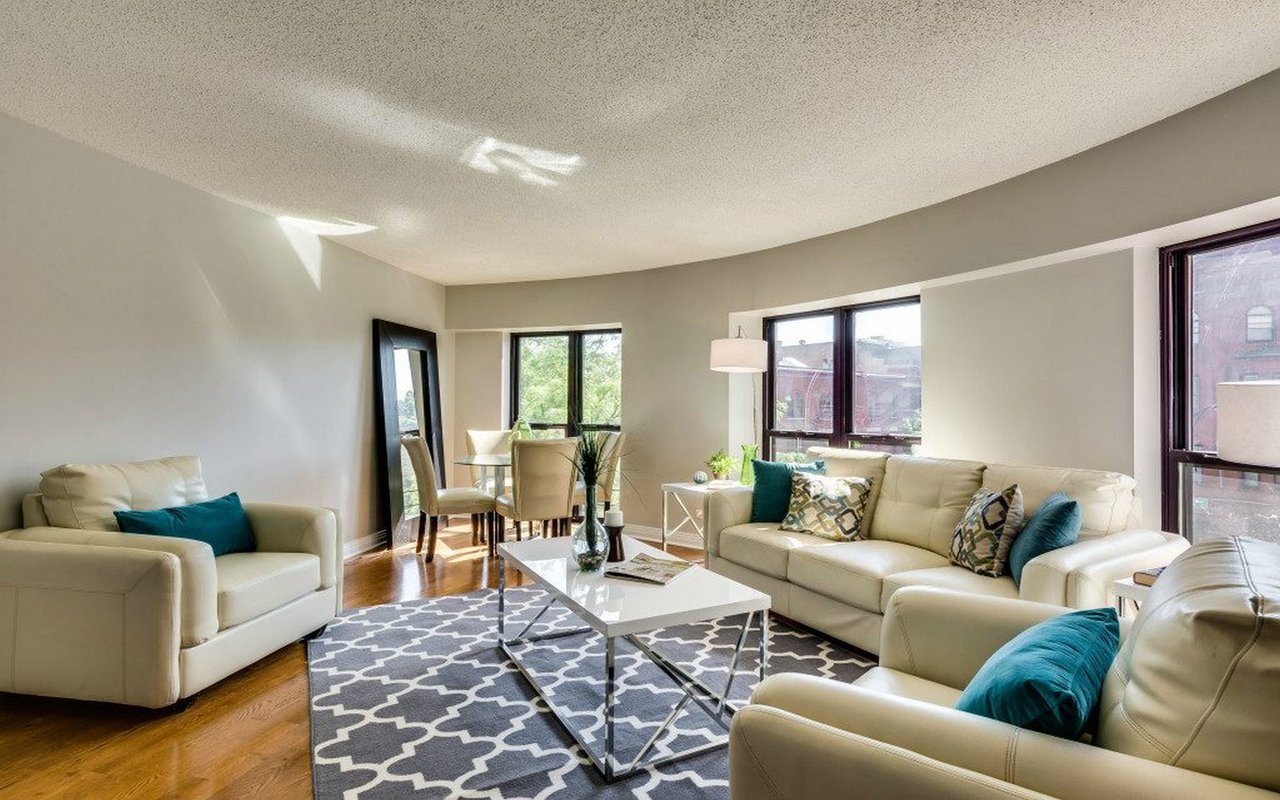
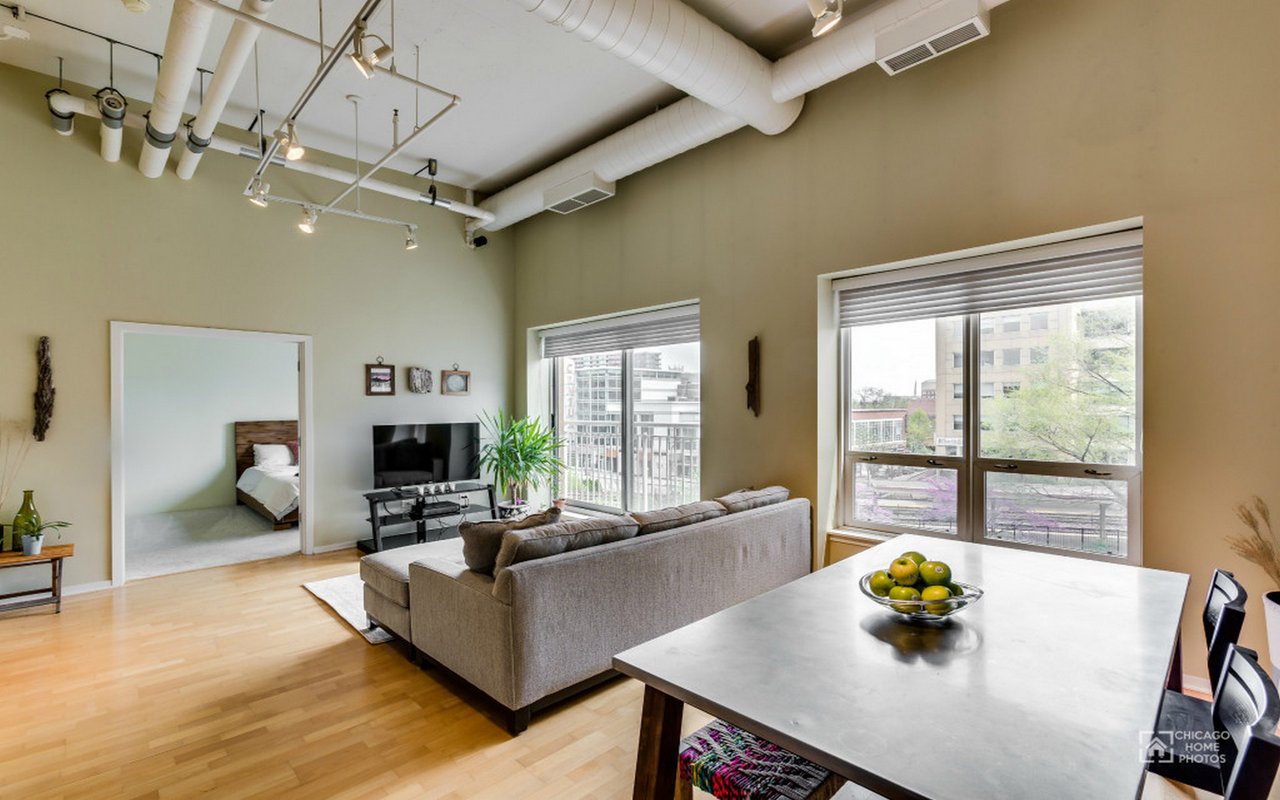
A Chicago condo is often the most efficient way into a neighborhood you couldn't otherwise afford to own in. On the North Side, that lower entry point is the whole appeal for a lot of investors, but the return depends on factors that have nothing to do with the unit's finishes.
Where Condo Returns Come From
- Rental demand near transit, especially the Blue Line stops through Wicker Park, Logan Square, and Avondale, which keeps quality units leased
- A lower purchase price that lets you enter a strong neighborhood and put your capital to work sooner
- Monthly assessments and the health of the association's reserves, which directly shrink or protect your net return
- Appreciation that tracks the neighborhood's momentum more than the individual unit, so location does the heavy lifting
What Drives ROI on a Chicago Single-Family Home
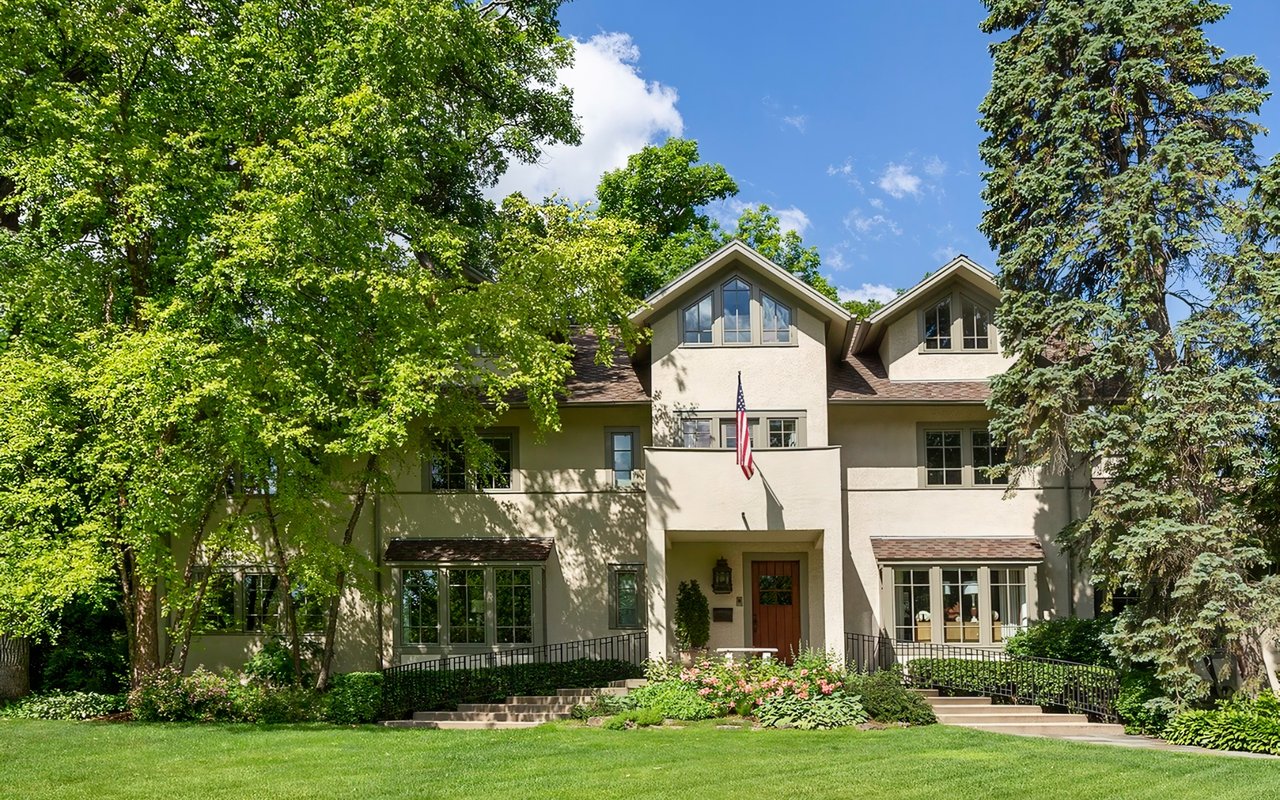
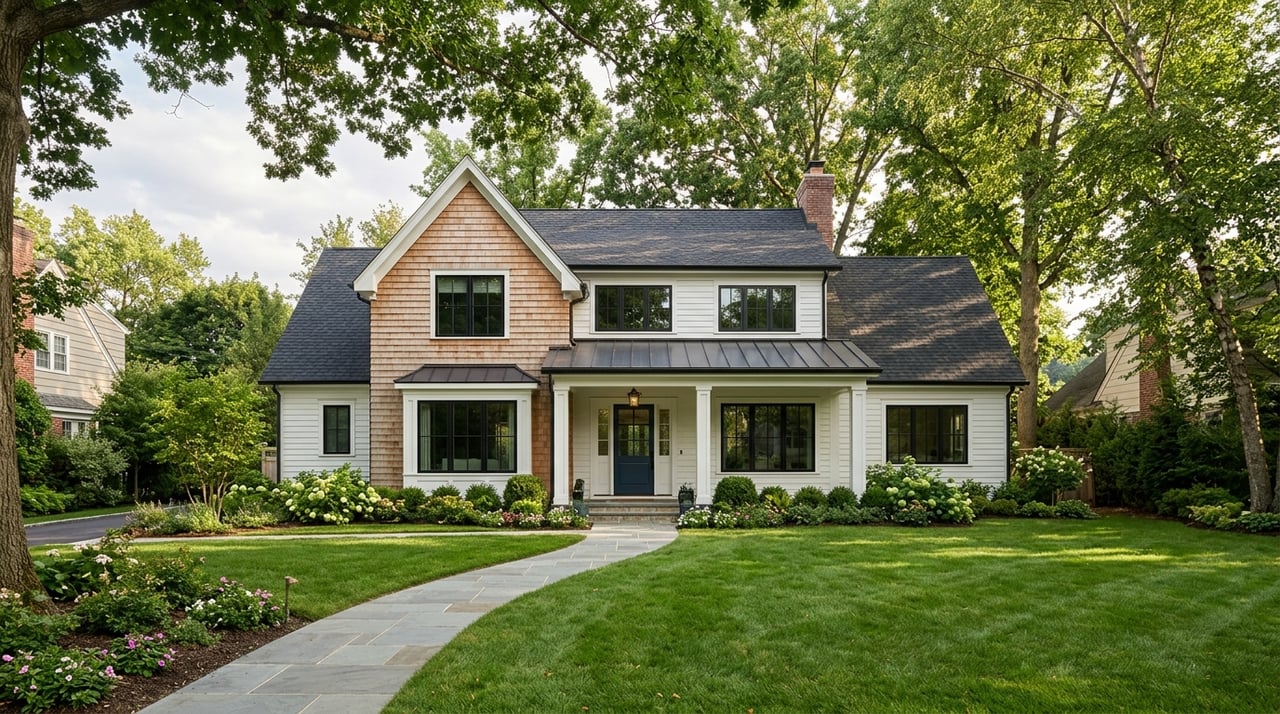
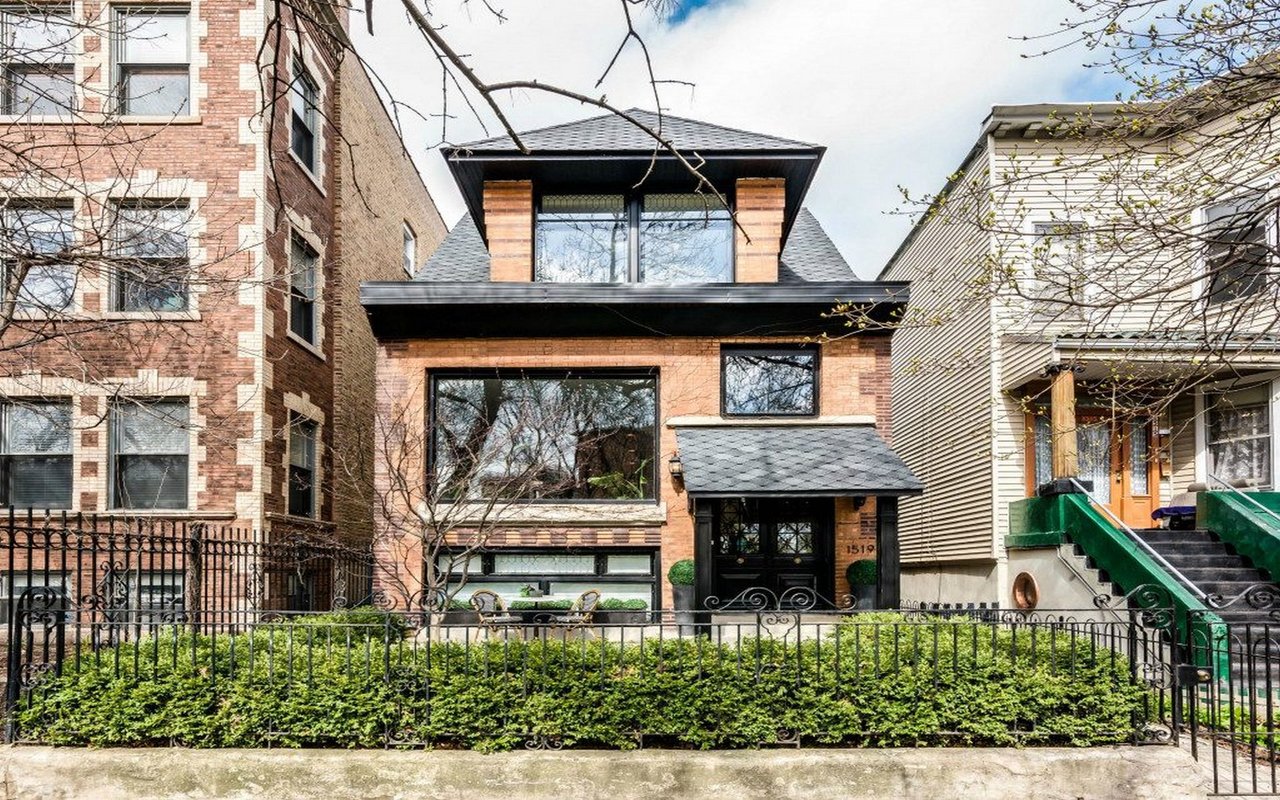
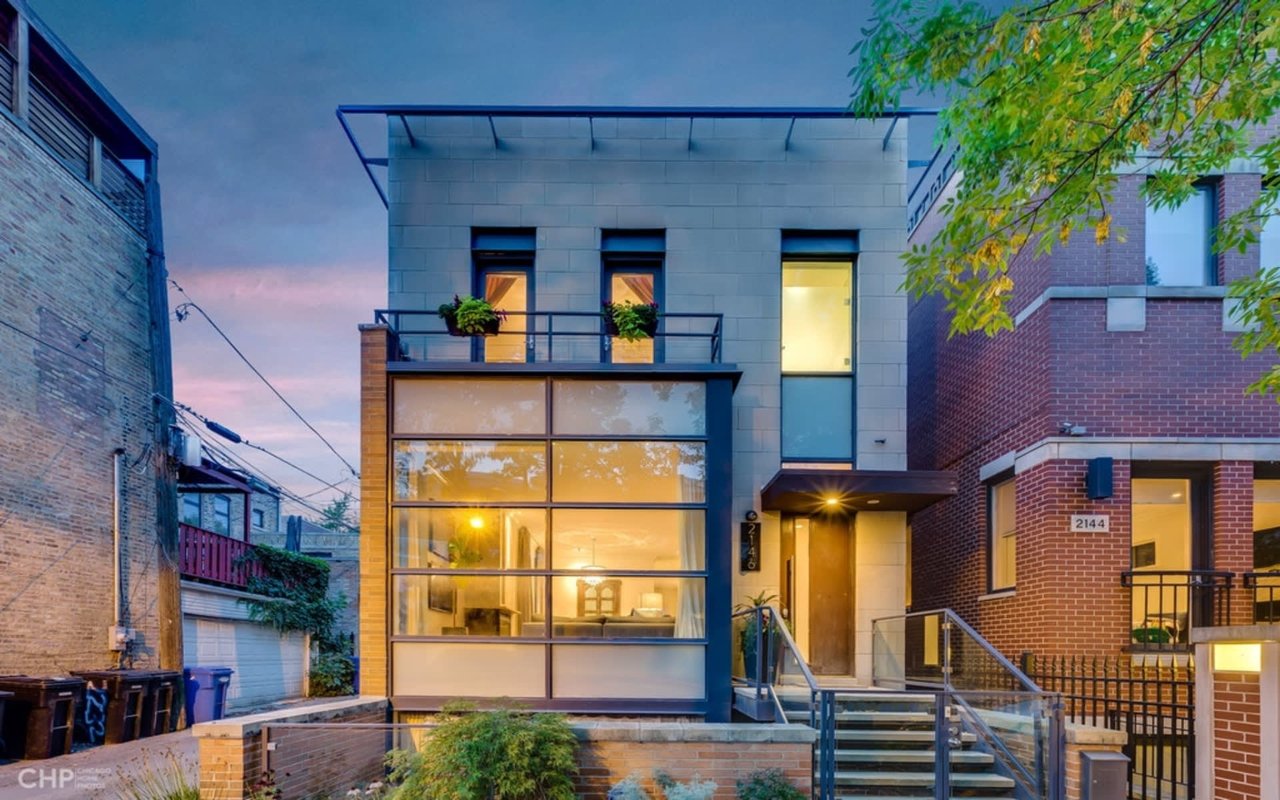
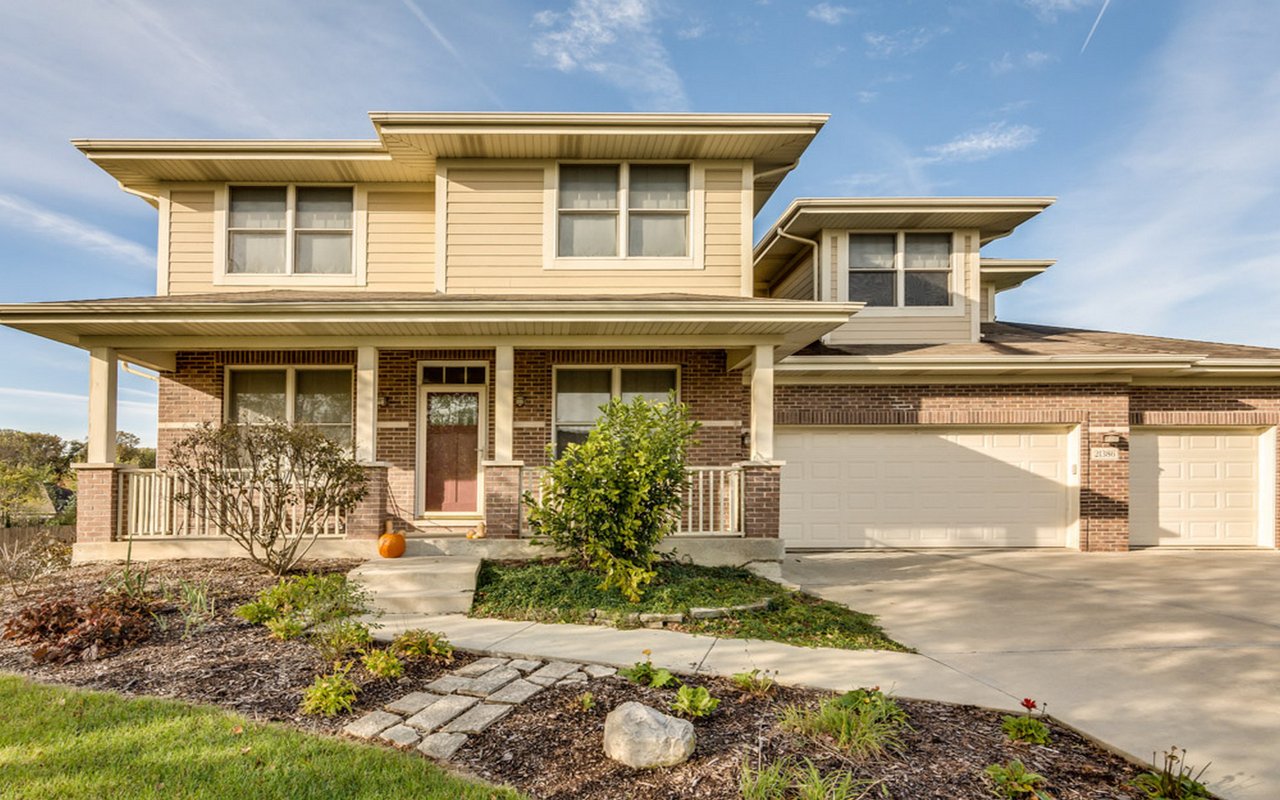
A single-family home on the North Side is really a bet on land, and they aren't making more of it in Bucktown or Roscoe Village. That scarcity is what gives houses their staying power, though it asks more of you than a condo ever will.
Where Do Single-Family Returns Come From?
- Land value, which appreciates over time, helps well-located lots in Roscoe Village and North Center hold up through market cycles
- Full control to add value through a gut rehab, a dormer addition, or a finished lower level
- Income potential from a coach house or English-basement unit where zoning allows
- A wide resale buyer pool, since move-up buyers consistently compete for single-family space on the North Side
How Do Carrying Costs Change the Math?
The purchase price tells you what you'll pay to get in, not what you'll keep. In Chicago, the ongoing costs are where a lot of returns quietly win or lose, and they look very different for a condo than for a house.
Which Ongoing Costs Should You Weigh?
- Cook County property taxes, which are reassessed on a three-year cycle, can shift your numbers between purchase and resale
- Condo assessments plus the risk of a special assessment for roof, facade, or elevator work
- Single-family upkeep, like roofing, mechanicals, and exterior maintenance, falls entirely on you
- Parking, where a deeded condo space or a private garage adds real value in dense neighborhoods like Wicker Park
Which North Side Neighborhoods Favor Each Strategy?
Often, the condo-versus-house question answers itself once you pick the neighborhood. Each pocket of the North Side leans a certain way, and knowing which is which keeps you from forcing the wrong strategy onto the wrong block.
Where Each Property Type Tends to Win
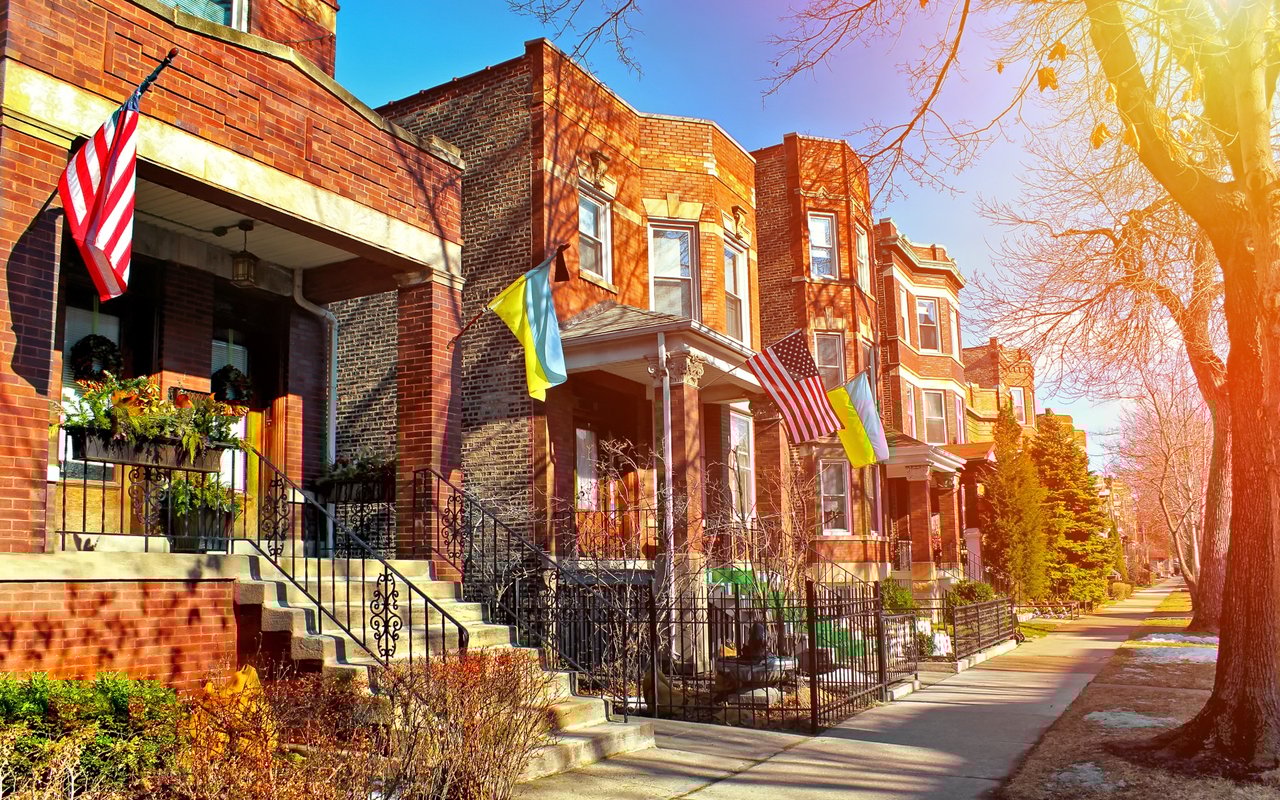
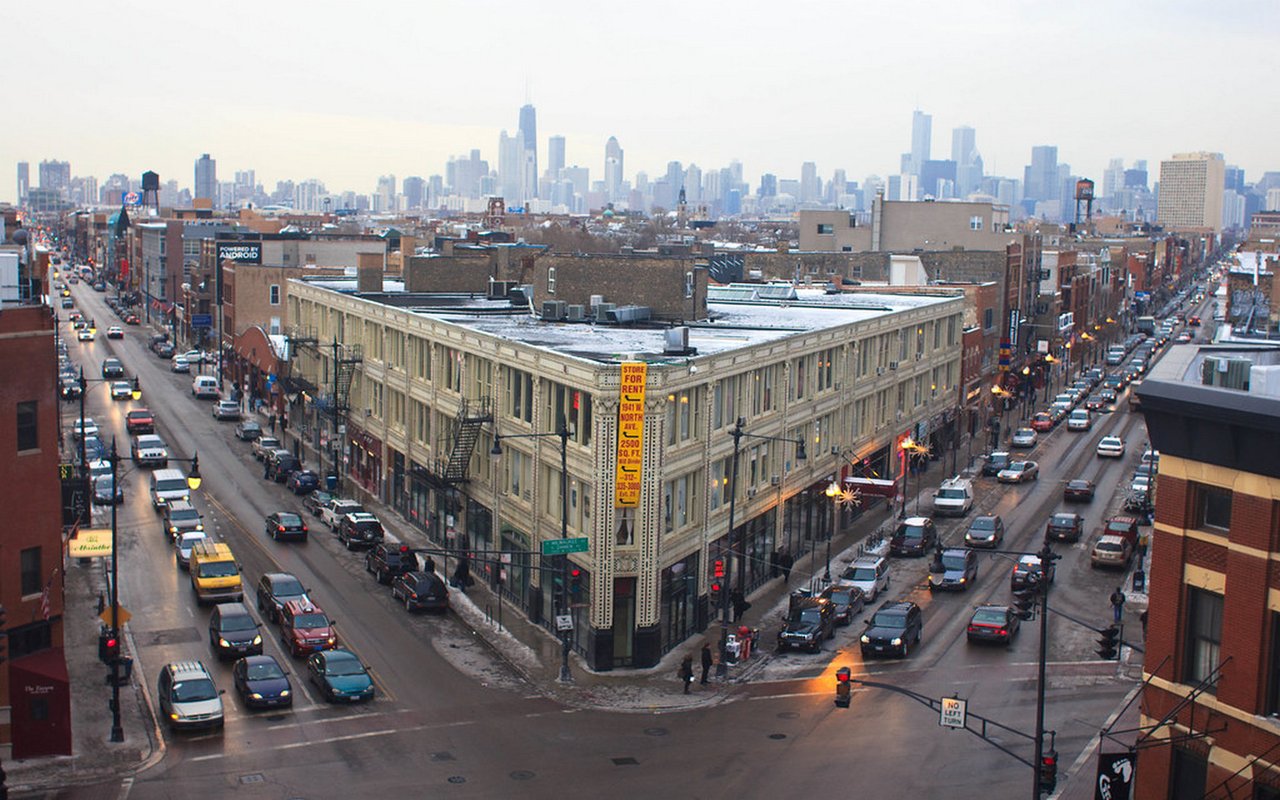
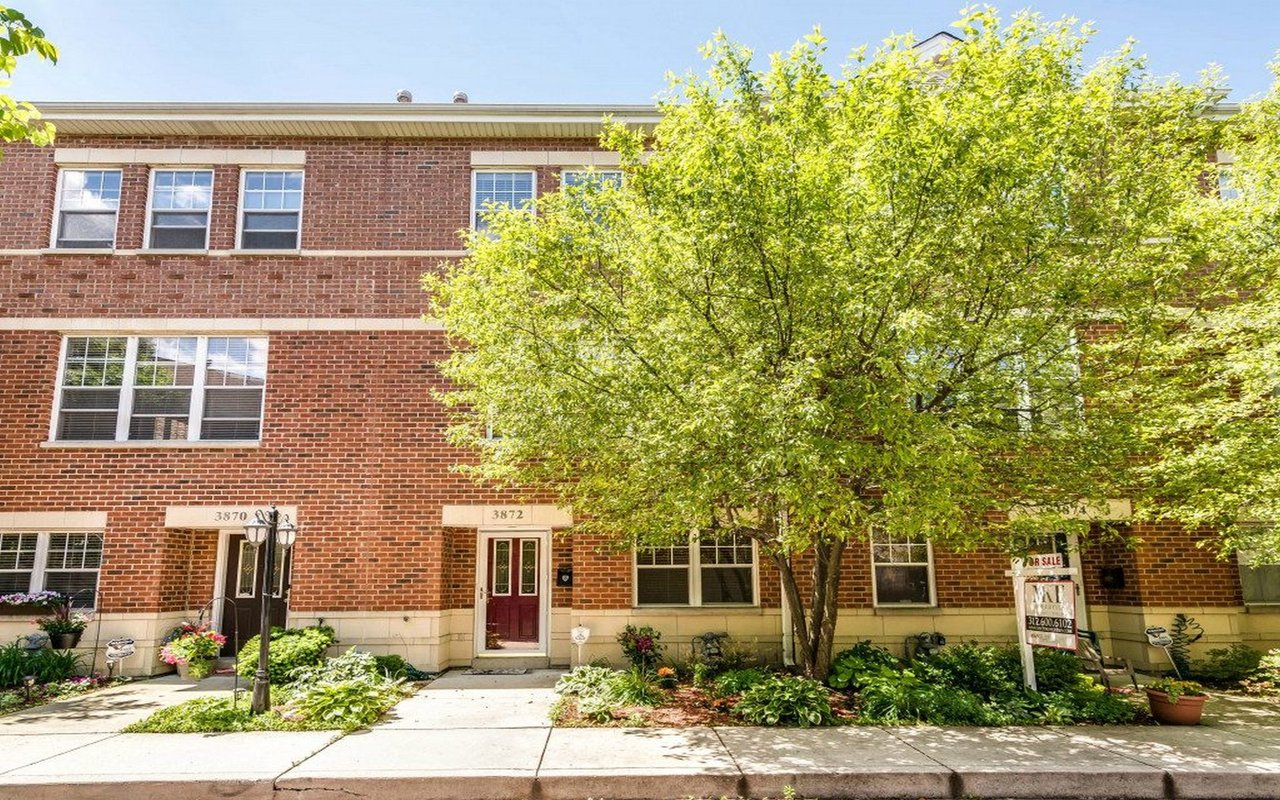
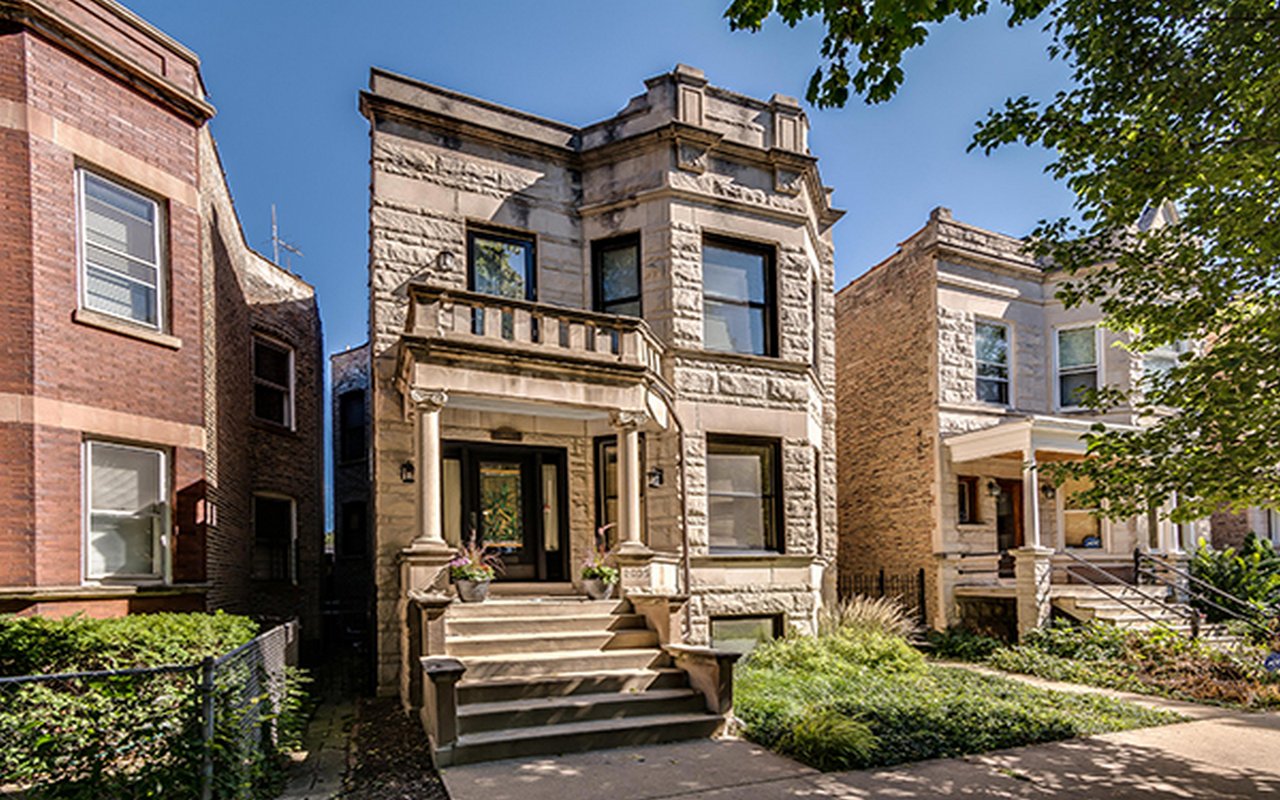
- Wicker Park and Bucktown: strong condo rental demand alongside premium single-family homes and classic two-flats near the 606 trail
- Logan Square and Avondale: appreciation momentum that rewards both well-placed condos and the small multi-unit buildings investors love
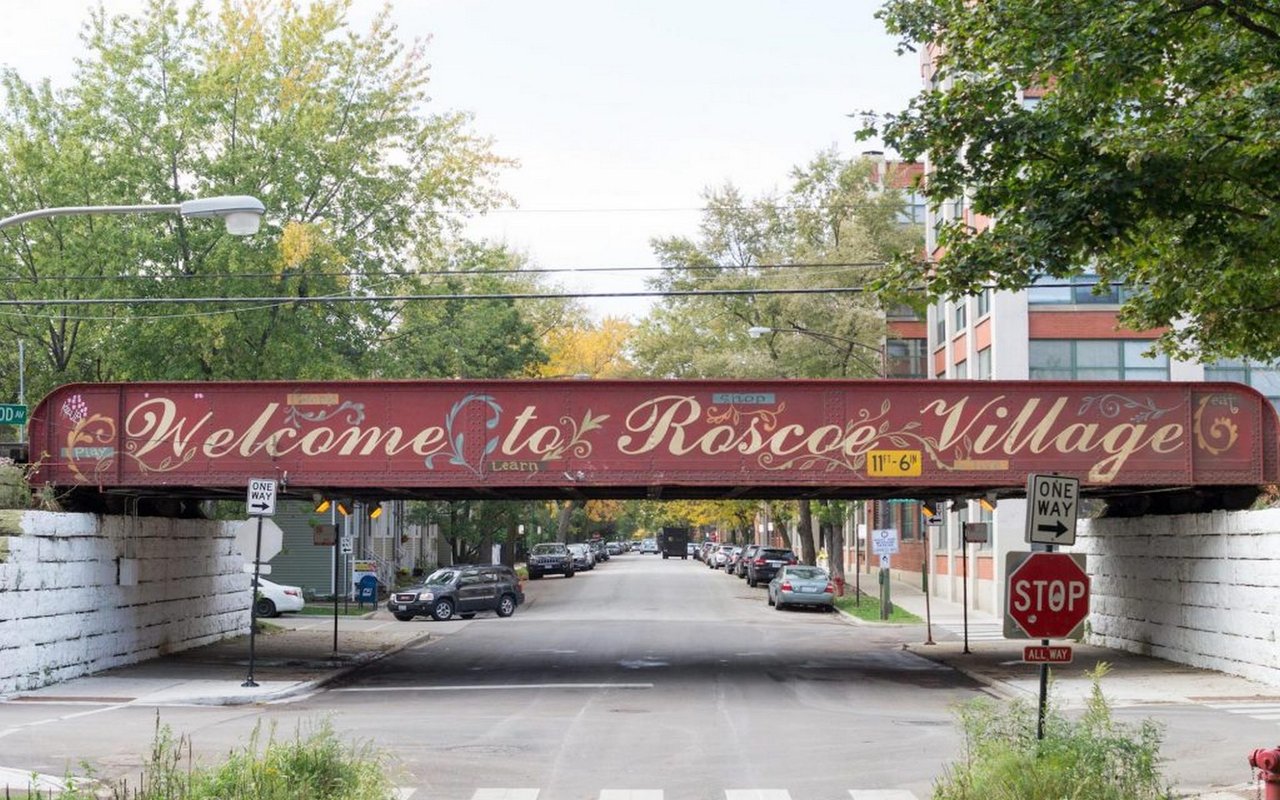
- North Center and Roscoe Village: single-family and larger homes that command steady premiums from buyers wanting more space
FAQs
Is a Condo or a Single-Family Home a Better Investment in Chicago?
Neither wins automatically. A condo usually offers a lower entry point and easier upkeep, while a single-family home gives you land and more control over value, so the better choice depends on your budget, timeline, and how hands-on you want to be.
Do Condo Assessments Cancel Out the Lower Purchase Price?
Not necessarily, but you have to run the full math. A healthy association with strong reserves can be well worth the monthly cost, while a building with deferred maintenance can erode your return through special assessments, which is why we always review the association's finances before you commit.
Which North Side Neighborhood Is Best for a First Investment Property?
It depends on your strategy, but we often point first-time investors toward Logan Square and Avondale for appreciation potential and rental demand. If you're after a longer hold built on land value, Roscoe Village and North Center are worth a close look.
Connect With the KlopasStratton Team
Whether you're weighing a Logan Square condo or a single-family home in Roscoe Village, the smartest move is to run the numbers on the specific property, neighborhood, and hold period before you fall for the listing photos. That's the kind of side-by-side we walk investors through every week across the North Side.
When you're ready to compare your options with people who know these blocks and these buildings, reach out to us at the KlopasStratton Team. We'll help you figure out which property type fits your goals and which Chicago neighborhood gives you the best shot at the return you're after.
When you're ready to compare your options with people who know these blocks and these buildings, reach out to us at the KlopasStratton Team. We'll help you figure out which property type fits your goals and which Chicago neighborhood gives you the best shot at the return you're after.