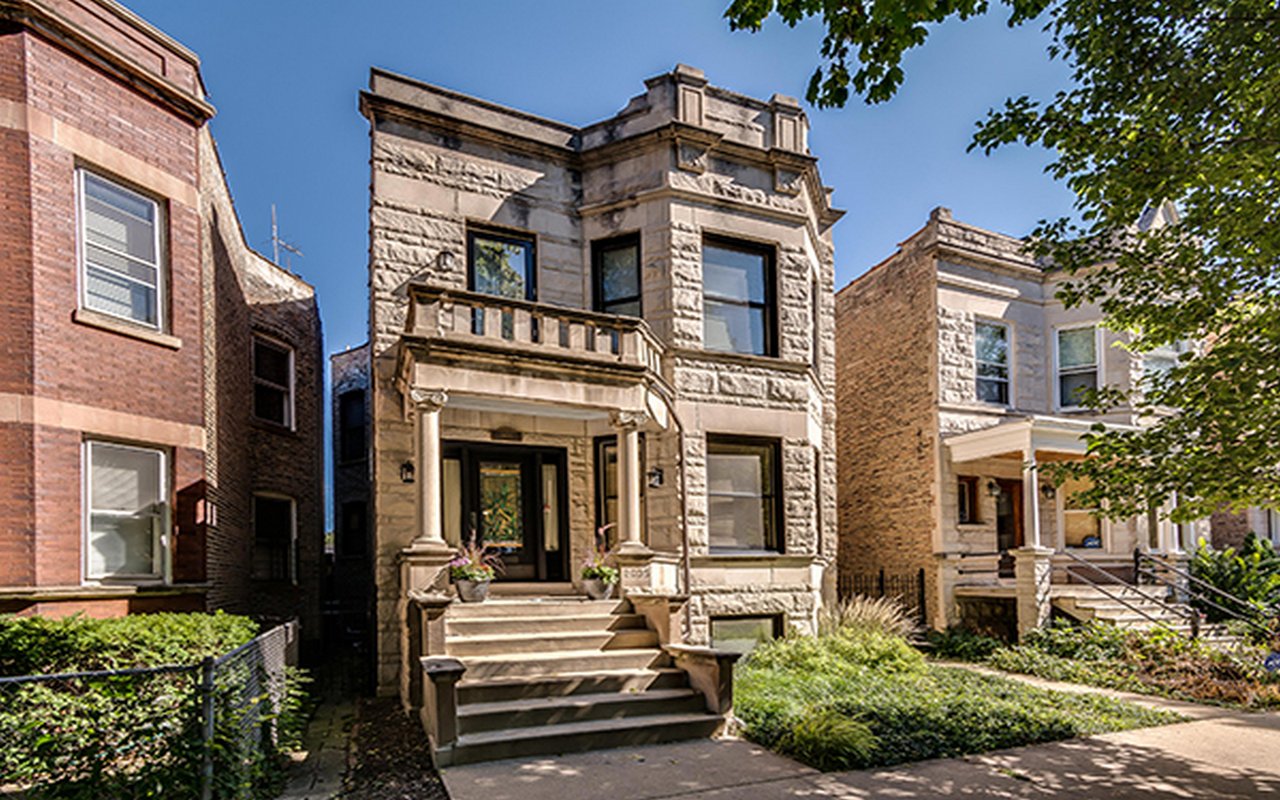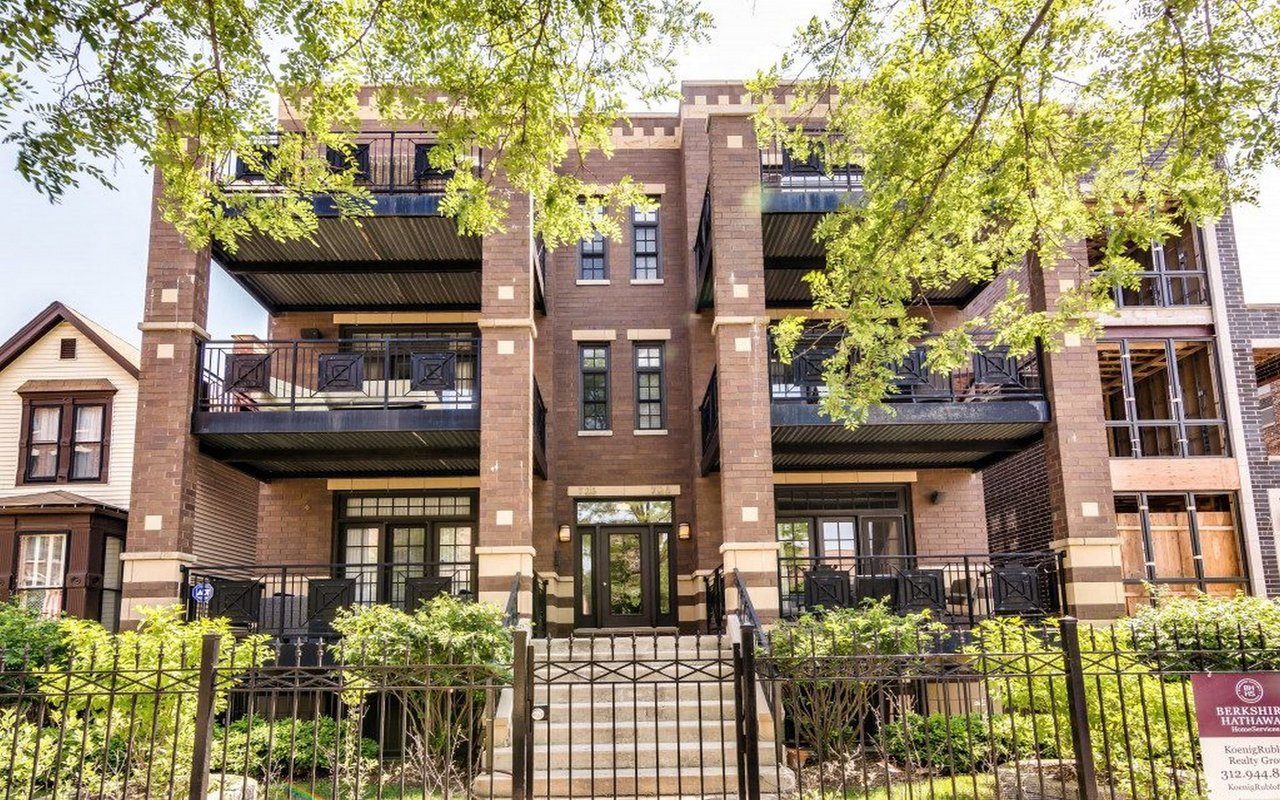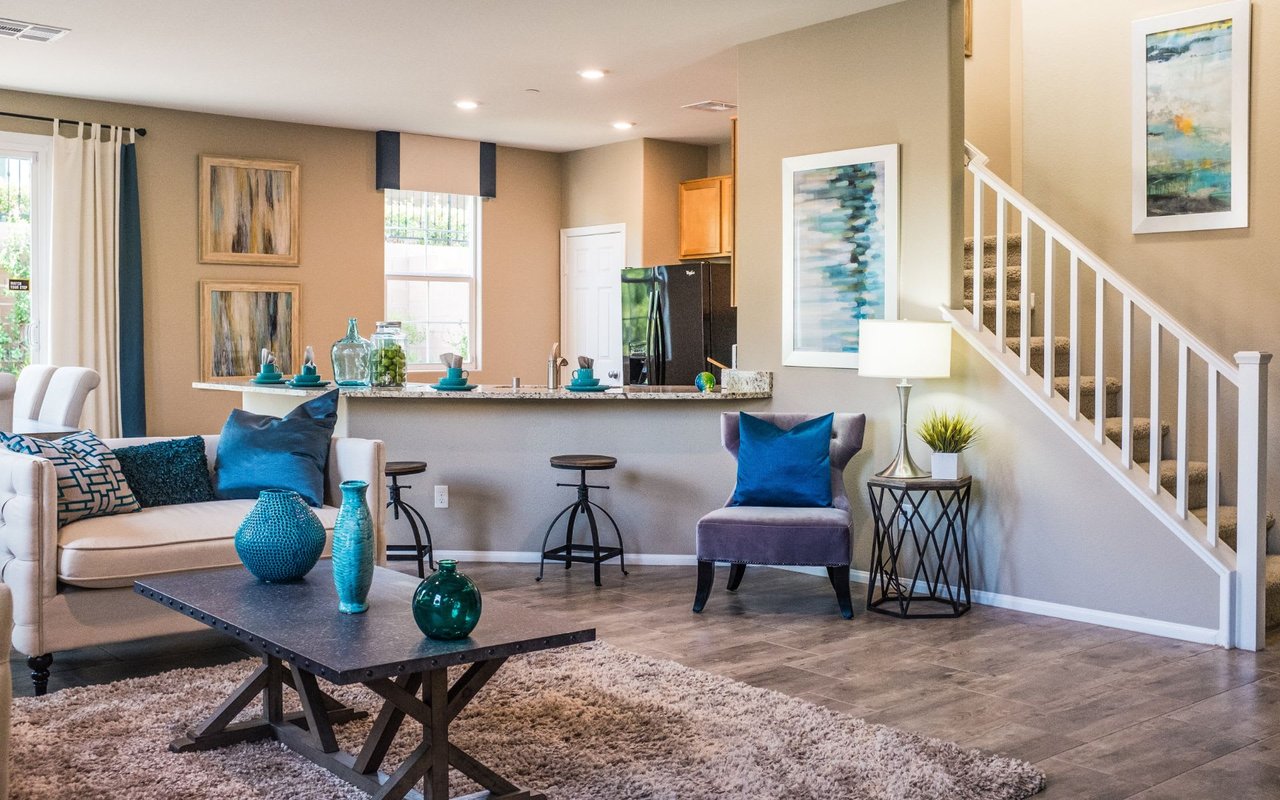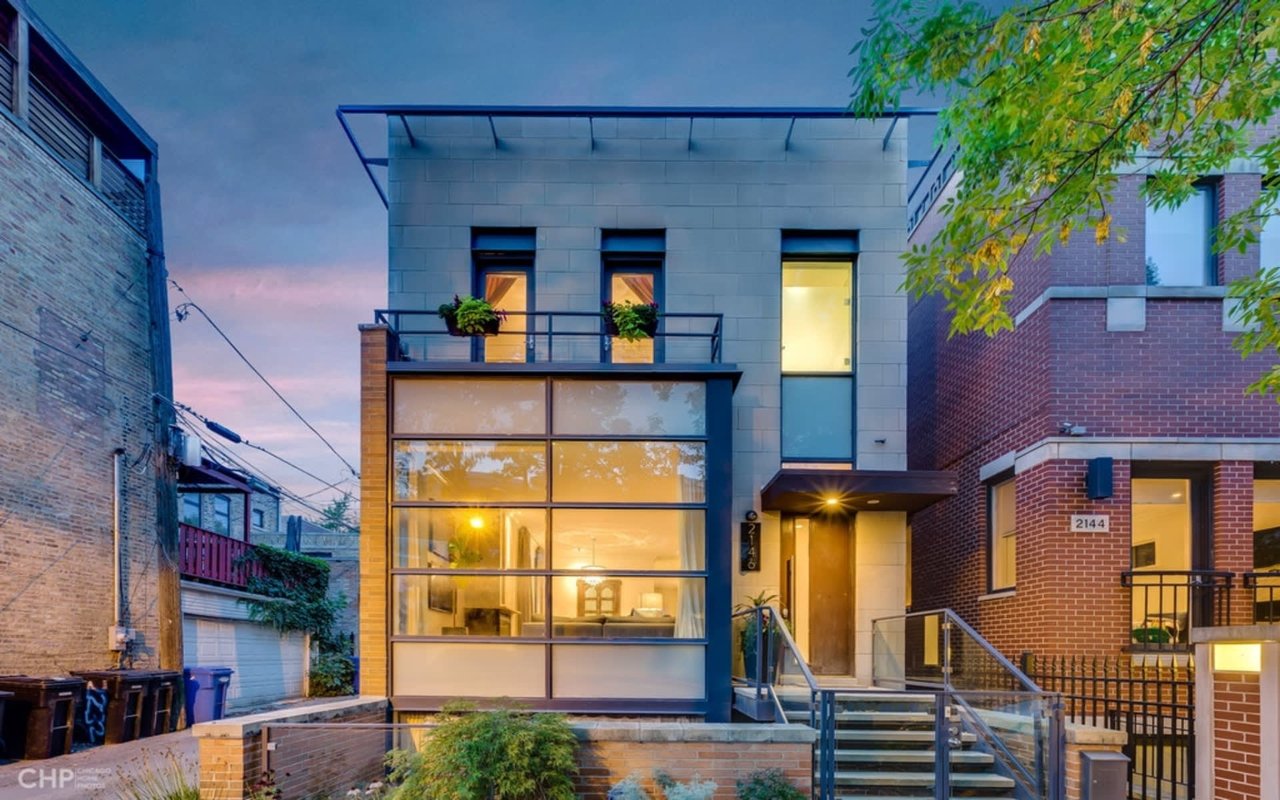
Second Home vs Investment Property Real Estate Comparison
Buying a second home requires a 10% to 20% down payment and primary occupancy for at least 14 days annually, offering mortgage interest deductions. Investment properties require 15% to 25% down, incur higher interest rates, and generate rental income with tax write-offs for depreciation and management fees.
Evaluating Chicago Real Estate Options?
Compare luxury second-home opportunities and investment properties across Chicago neighborhoods.
Option A: Second Home | Option B: Investment Property |
|---|---|
Price Range: $400,000 - $2,500,000+ | Price Range: $350,000 - $3,000,000+ |
Down Payment: Typically 10% - 20% | Down Payment: Typically 15% - 25% |
Primary Focus: Personal lifestyle & vacation use | Primary Focus: Cash flow, ROI & tenant income |
Tax Benefits: Mortgage interest & property tax deductions | Tax Benefits: Depreciation, repairs, management fee write-offs |
Management: Minimal; owner upkeep or local trade service | Management: High; tenant screening, leases, property manager |
Our Pick For: Buyers seeking personal retreats with secondary equity growth | Our Pick For: Investors targeting rental income and portfolio growth |
Real estate offers a wealth of opportunities for buyers looking to expand their property portfolio. However, before taking the plunge, it is essential to determine your goals. Are you interested in purchasing a second home for personal use, or do you see an investment property as a pathway to generate additional income? Understanding the distinctions between the two can guide your decisions and help you make the most out of your real estate journey. Both options come with unique benefits and challenges, and this guide will walk you through everything you need to know to make an informed choice.
Purpose of Ownership: Personal Use vs Income Generation
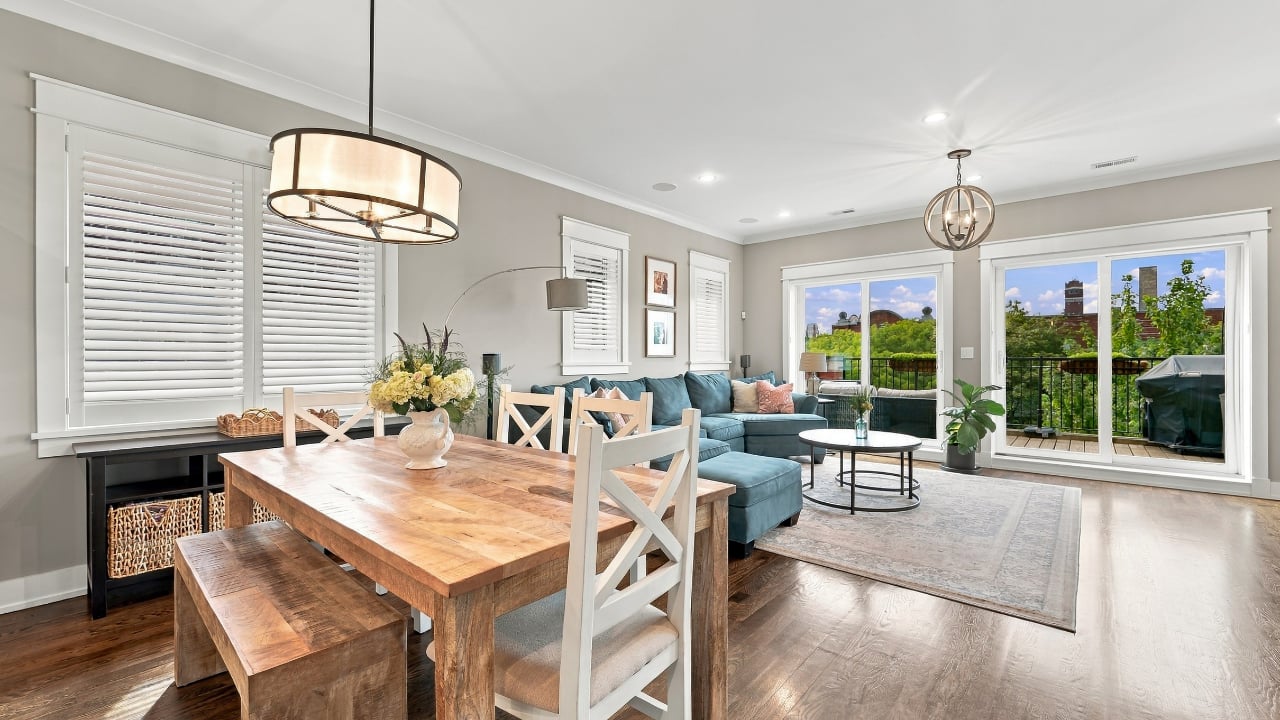
One of the most significant differences between a second home and an investment property lies in their intended purpose. A second home is often purchased as a getaway or vacation retreat, serving as a personal space for you and your family. It might be a cottage in a scenic area or a condo in a bustling city like Chicago, IL, but the primary focus is personal enjoyment.
On the other hand, an investment property is primarily acquired to generate income. Whether you plan to rent it out long-term or use it as a short-term rental, the goal is financial gain. With an investment property, profitability takes precedence over personal use.
Financing: What Lenders Consider
When it comes to securing financing, lenders treat second homes and investment properties very differently. For a second home, lenders typically expect the property to be used for personal purposes, not rented out full-time. Because of this, mortgage rates for second homes are often lower than those for investment properties, as the risk for lenders is perceived to be lower.
Conversely, financing an investment property is often more complex. Since these properties are associated with income generation, lenders may require a larger down payment, sometimes up to 25%. Interest rates are also typically higher for investment properties due to the increased risk of default. Additionally, lenders will assess your ability to cover the mortgage payments, factoring in the property's potential rental income as well as your personal financial standing.
Tax Implications: Deductibles and Benefits
Tax considerations are another critical area where second homes and investment properties differ. Property taxes and mortgage interest can often be deducted for a second home on your tax return, provided you meet specific criteria. However, if you rent out the home for more than 14 days a year, it may no longer qualify as a second home, shifting it into the investment property category.
Investment properties, on the other hand, come with a broader range of tax benefits. Expenses like property management fees, maintenance costs, and even depreciation can be deducted, reducing your taxable income. Additionally, rental income is taxable, so it is essential to maintain accurate records of all expenses to maximize your deductions. Consulting with a tax professional is highly recommended to navigate these complexities and ensure compliance with tax laws.
Management and Maintenance: Hands-On or Outsourced
Managing a second home is typically less labor-intensive than overseeing an investment property. Since a second home is used for personal enjoyment, maintenance tasks tend to align with those of a primary residence. You will likely handle repairs, landscaping, and upkeep yourself or through local service providers.
An investment property, however, requires a more hands-on or outsourced approach, particularly if you are renting it out. The responsibilities can add up quickly, from tenant screening and lease agreements to regular maintenance and addressing tenant concerns. Many investors opt to hire a property management company to handle these tasks, which can ease the burden but also reduce net operational margins. Before purchasing an investment property, it is crucial to consider how much time and energy you are willing to devote to property management.
Location: Where Should You Buy?
Location is a key consideration for both second homes and investment properties, but the factors influencing your choice differ. For a second home, you will want to prioritize proximity to amenities that enhance your lifestyle, such as dining, cultural attractions, or parks. A convenient location easily accessible from your primary residence is often a bonus.
For investment properties, the focus shifts to market demand and rental potential. Neighborhoods like Wicker Park, Bucktown, and Roscoe Village in Chicago, IL (ZIP 60622, 60647, 60657) attract strong tenant demand due to employment access and transit convenience. Proximity to schools, public transportation, and retail corridors enhances rental viability. Conducting thorough market research will help you identify areas with the highest potential for return on investment.
Understanding Return on Investment (ROI)
For second homes, the ROI is often intangible. The enjoyment, relaxation, and memories created in your second home are the primary returns rather than financial gains. However, second homes in high-demand markets like Chicago often appreciate over time, providing a solid long-term equity lift if you decide to sell.
Investment properties are focused on measurable financial ROI. This includes net rental income, property appreciation, and tax write-offs. Calculating ROI involves evaluating rental demand, vacancy rates, HOA fees, and ongoing maintenance expenses. A strong ROI is crucial for ensuring that your investment property aligns with your financial goals.
Regulations and Restrictions
Second homes and investment properties may also be subject to different regulations and restrictions, particularly in dense urban areas like Chicago. For example, some homeowners associations (HOAs) restrict or ban short-term rentals. Municipal zoning laws and tenant rights ordinances can also impact your operational strategy.
Before purchasing either type of property, familiarize yourself with local regulations. This step is especially critical for investment properties, as failing to comply with local rental licensing laws or short-term rental caps can lead to substantial fines.
Making the Right Choice for Your Goals
Deciding between a second home and an investment property ultimately comes down to your personal and financial goals. If you are seeking a retreat for personal enjoyment, a second home may be the right choice. If your focus is generating income and building wealth, an investment property could be the better option. Some buyers also start with a second home and later convert it into an investment property as their needs evolve.
Data sources: Tax and lending criteria guidelines compiled from IRS guidance and conventional mortgage underwriting standards in 2026.
Sophia Klopas & Jason Stratton | Klopas Stratton Team
Brokerage: Berkshire Hathaway HomeServices Chicago
License: State of Illinois Licensed Real Estate Brokers
The Klopas Stratton Team brings over two decades of residential and investment expertise across Chicago neighborhoods including Bucktown, Wicker Park, and Roscoe Village, representing over $1 billion in career transactions.
Related Reading:
- River North vs West Loop: Which Condo Market Fits You Best?
- How to Choose the Right Neighborhood When Moving to Chicago, IL
- Meet Sophia Klopas - Luxury & Investment Specialist
Frequently Asked Questions
What is the minimum down payment for a second home vs an investment property?
Second homes generally require a minimum down payment of 10% to 20%, whereas conventional investment property loans typically require 15% to 25% down depending on unit count and borrower qualifications.
Can I rent out my second home to generate extra income?
Yes, but renting a second home for more than 14 days per calendar year requires reporting rental income to the IRS and may reclassify the property as an investment property for tax purposes.
Are mortgage interest rates higher on investment properties?
Yes, lenders charge higher interest rates on investment properties (typically 0.50% to 0.875% higher) due to the higher perceived risk of default compared to second homes or primary residences.
What tax expenses can I deduct on an investment property?
On an investment property, you can deduct mortgage interest, property taxes, property management fees, maintenance costs, insurance, and annual property depreciation.
Which Chicago neighborhoods are popular for investment properties?
High-demand Chicago investment neighborhoods include Wicker Park, Bucktown, Logan Square, and Roscoe Village due to consistent tenant demand, proximity to public transit, and strong commercial corridors.