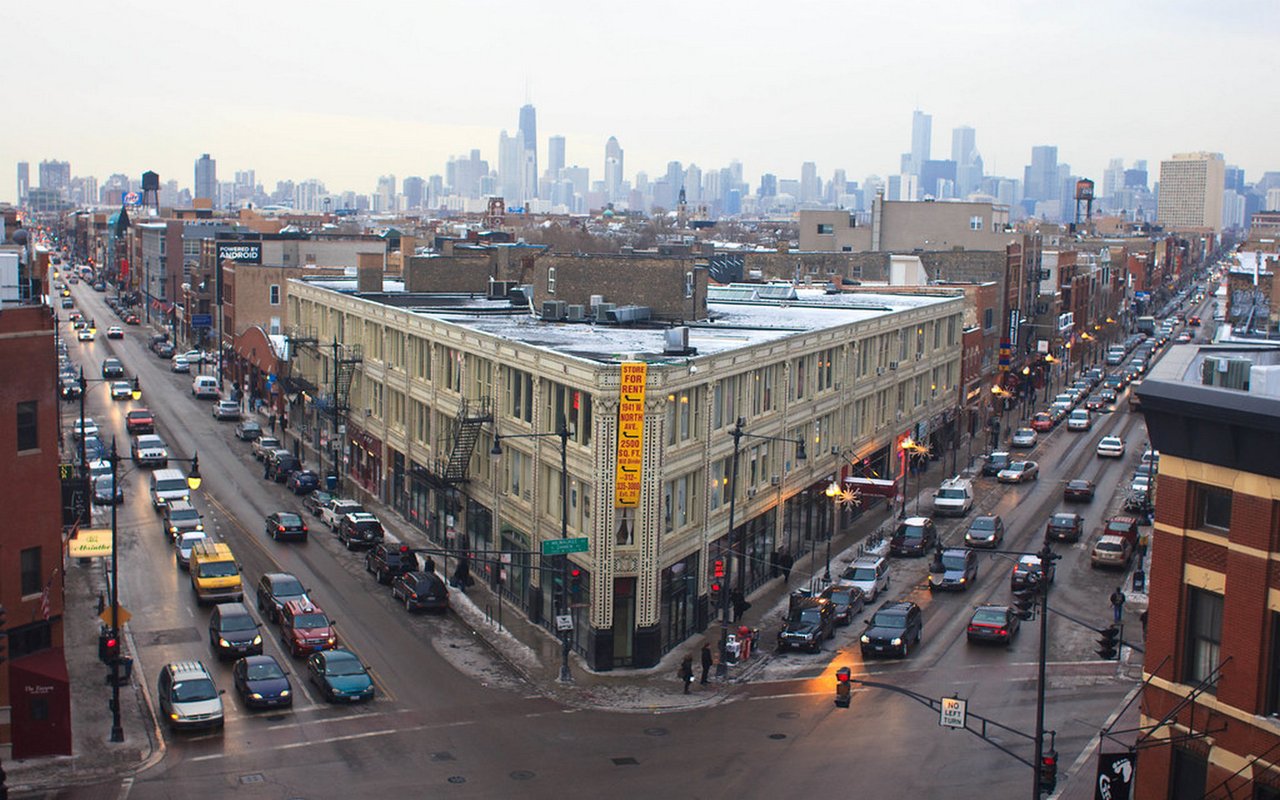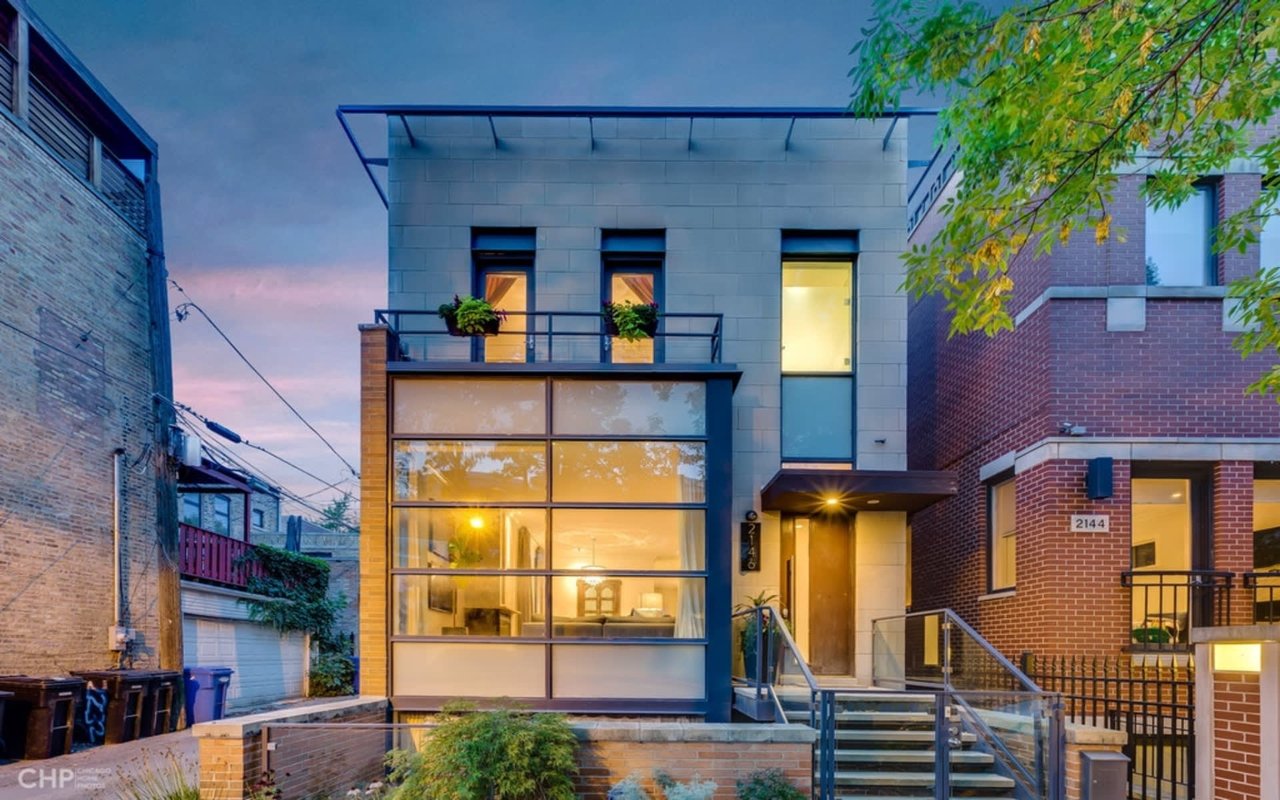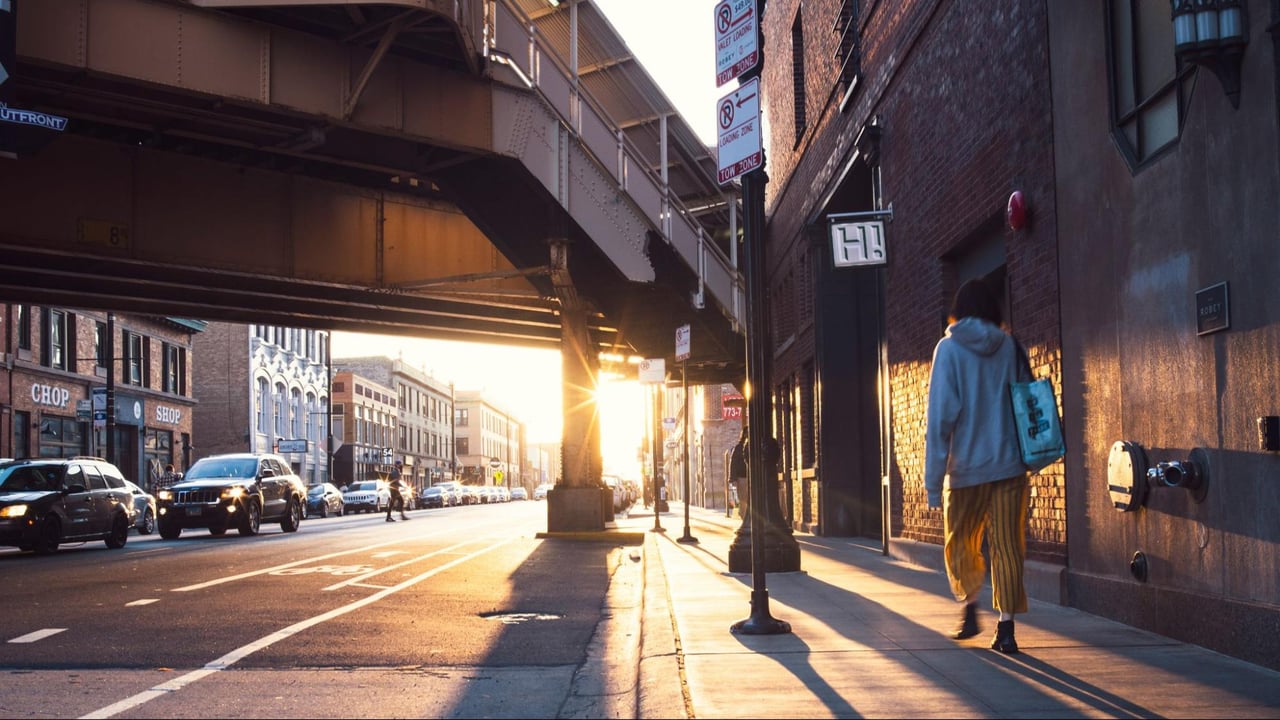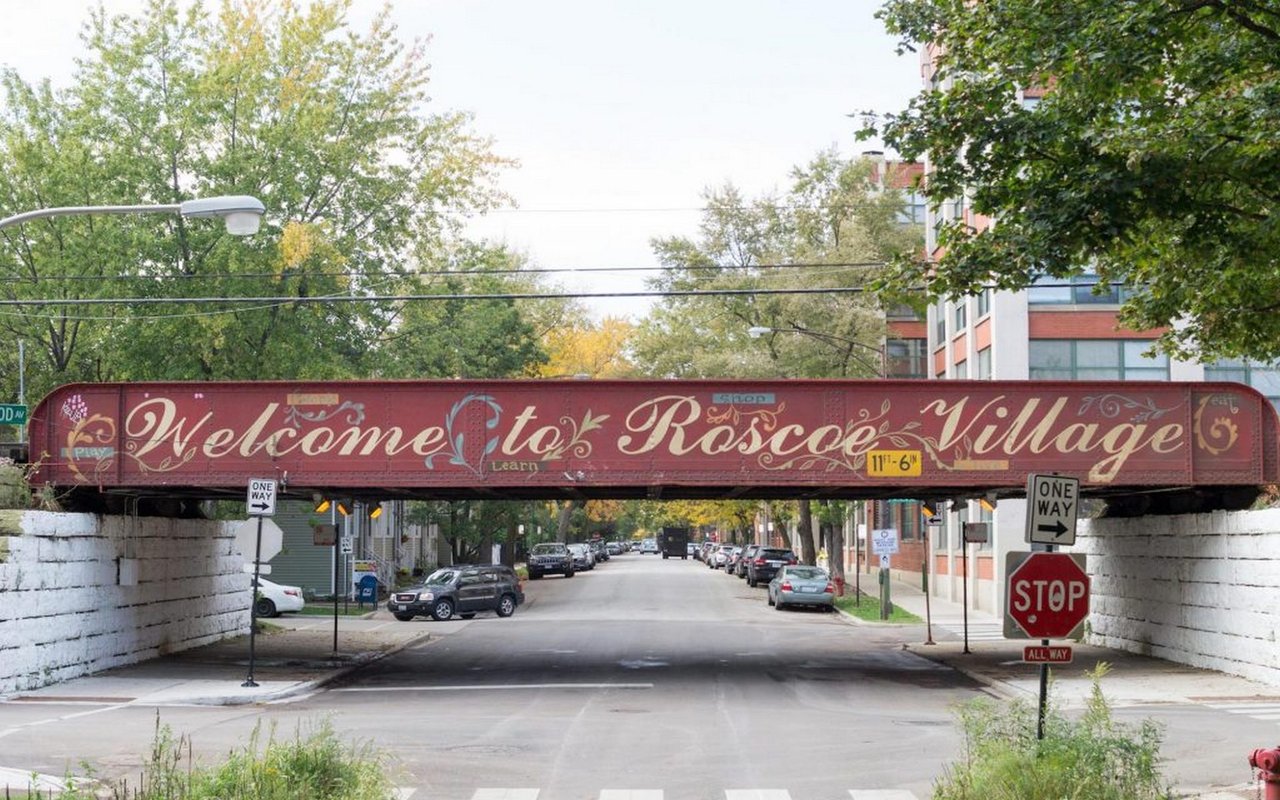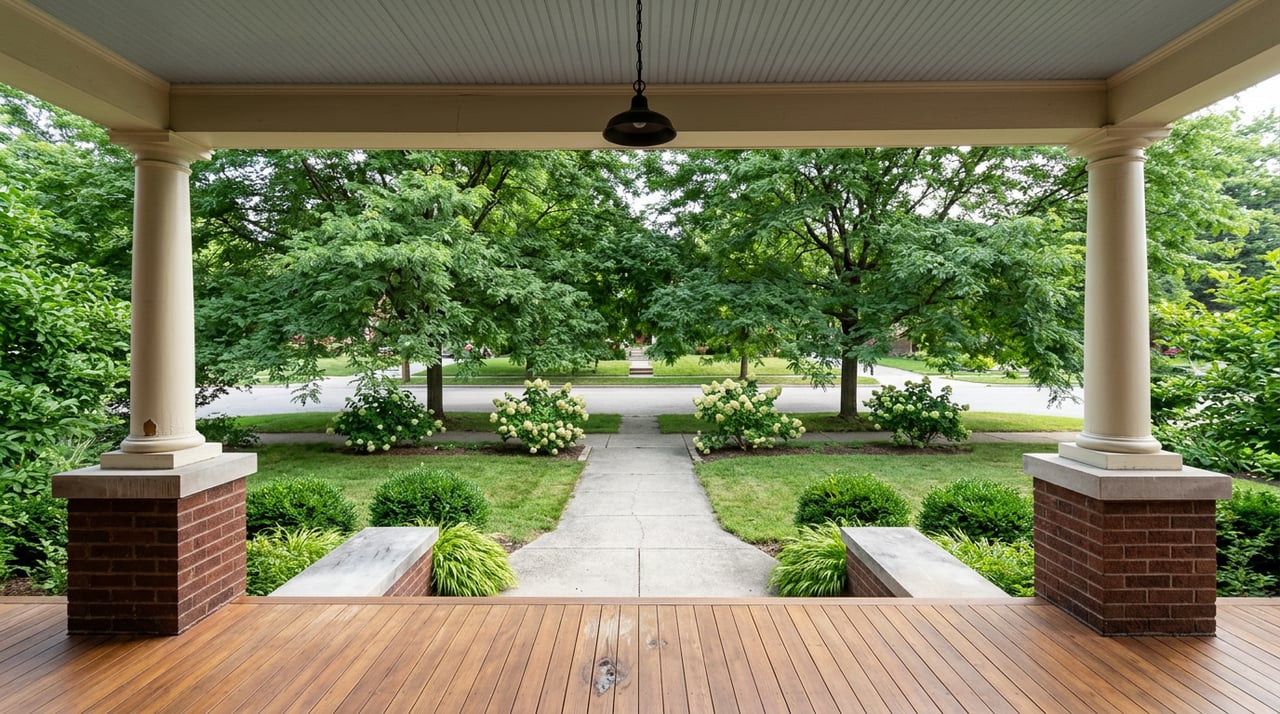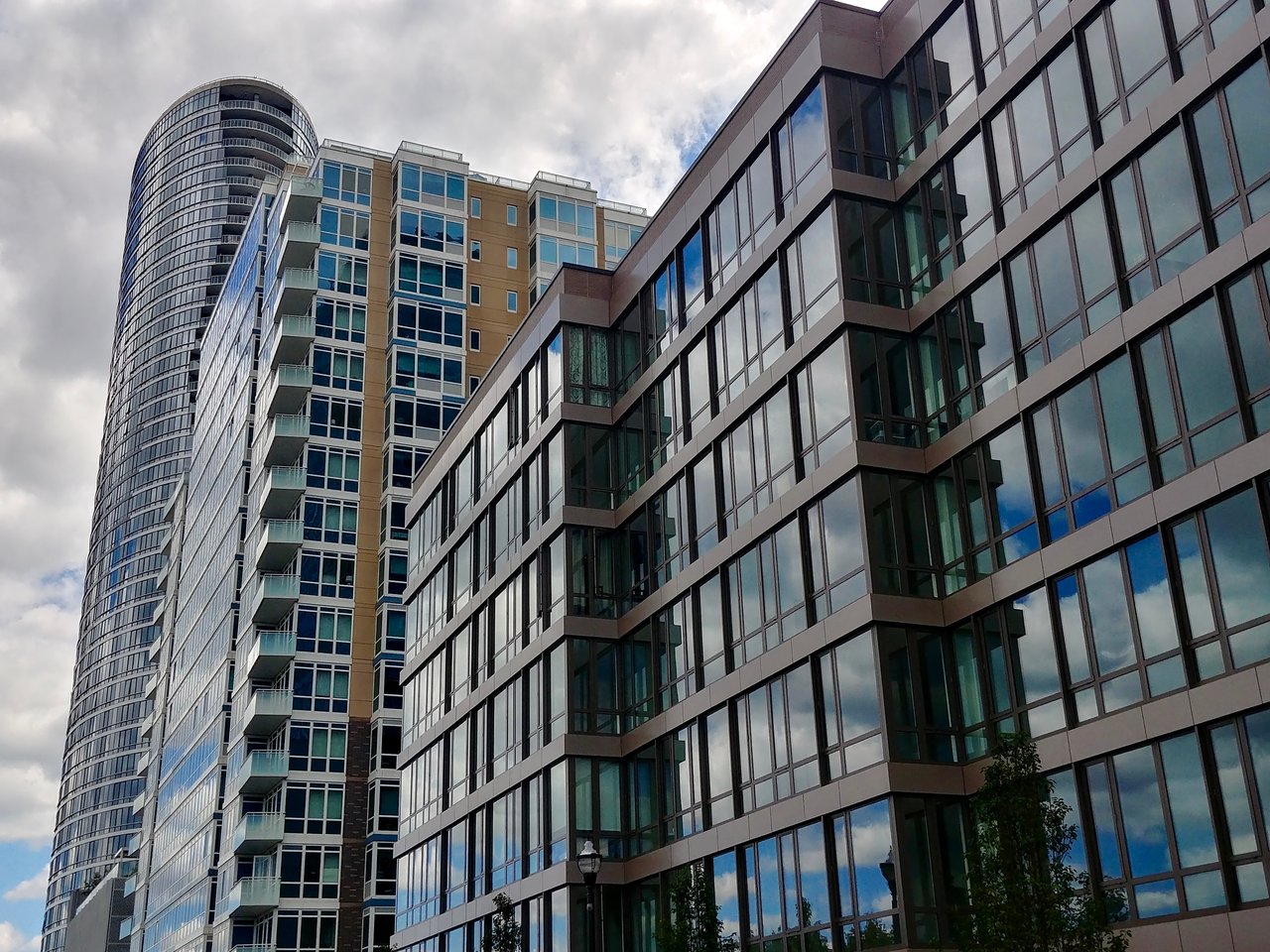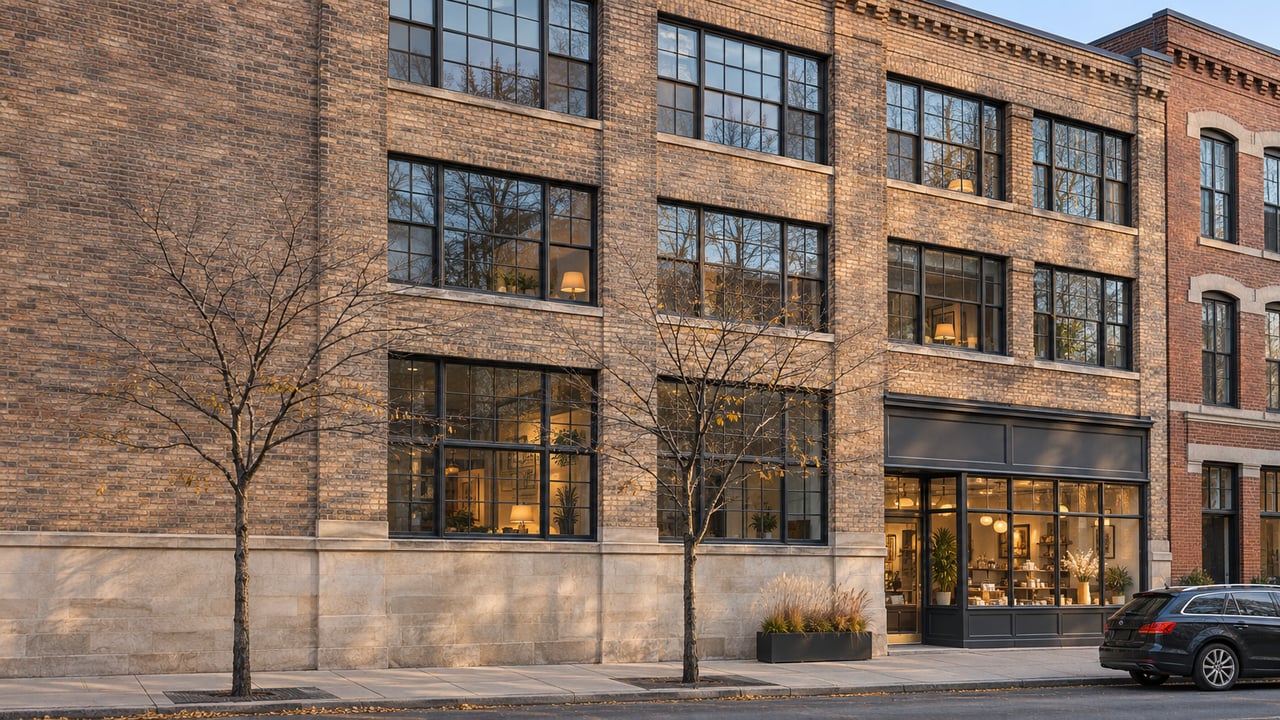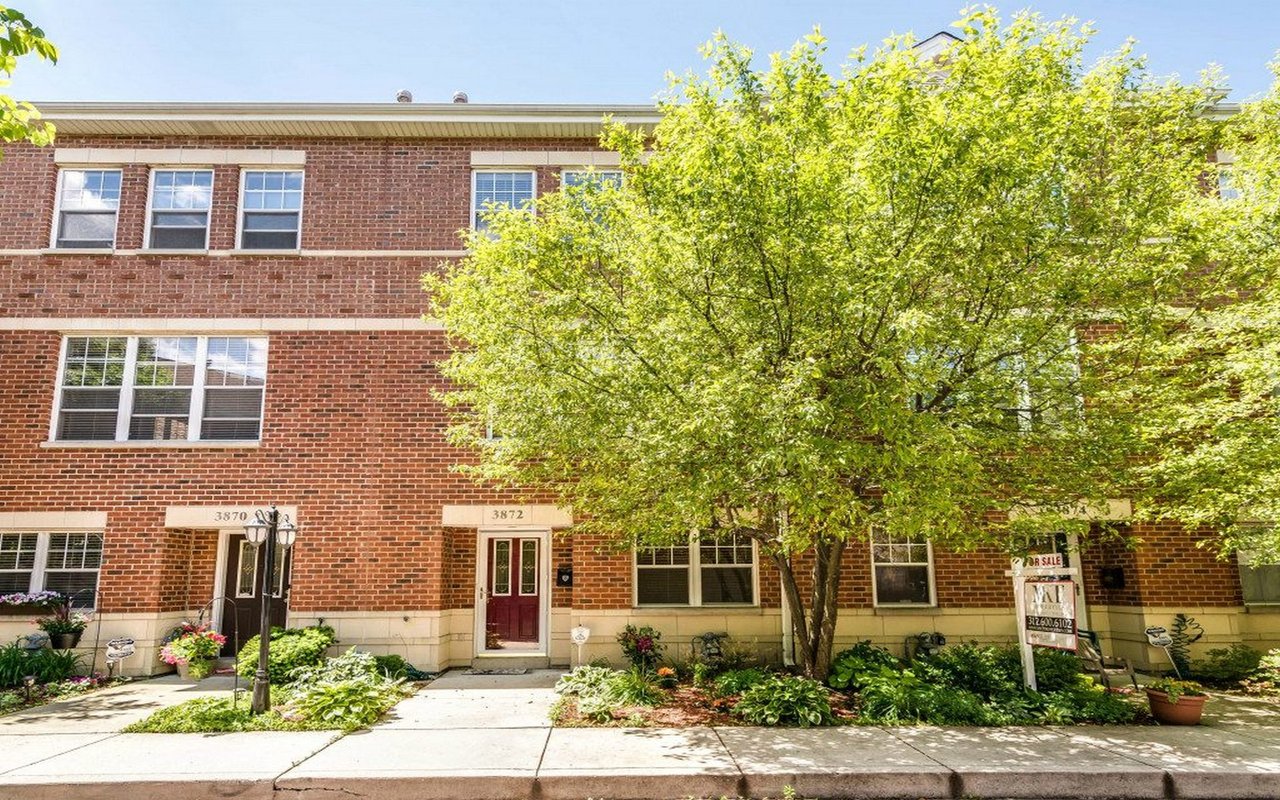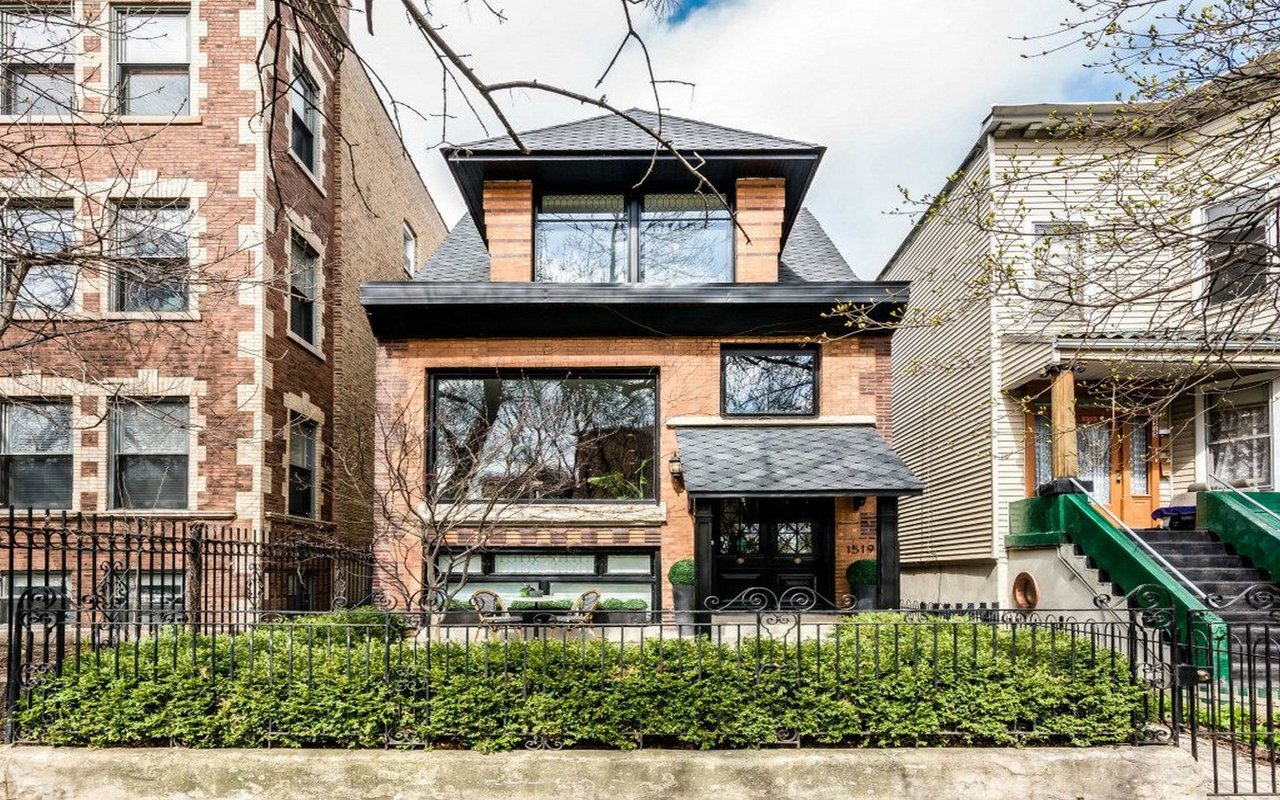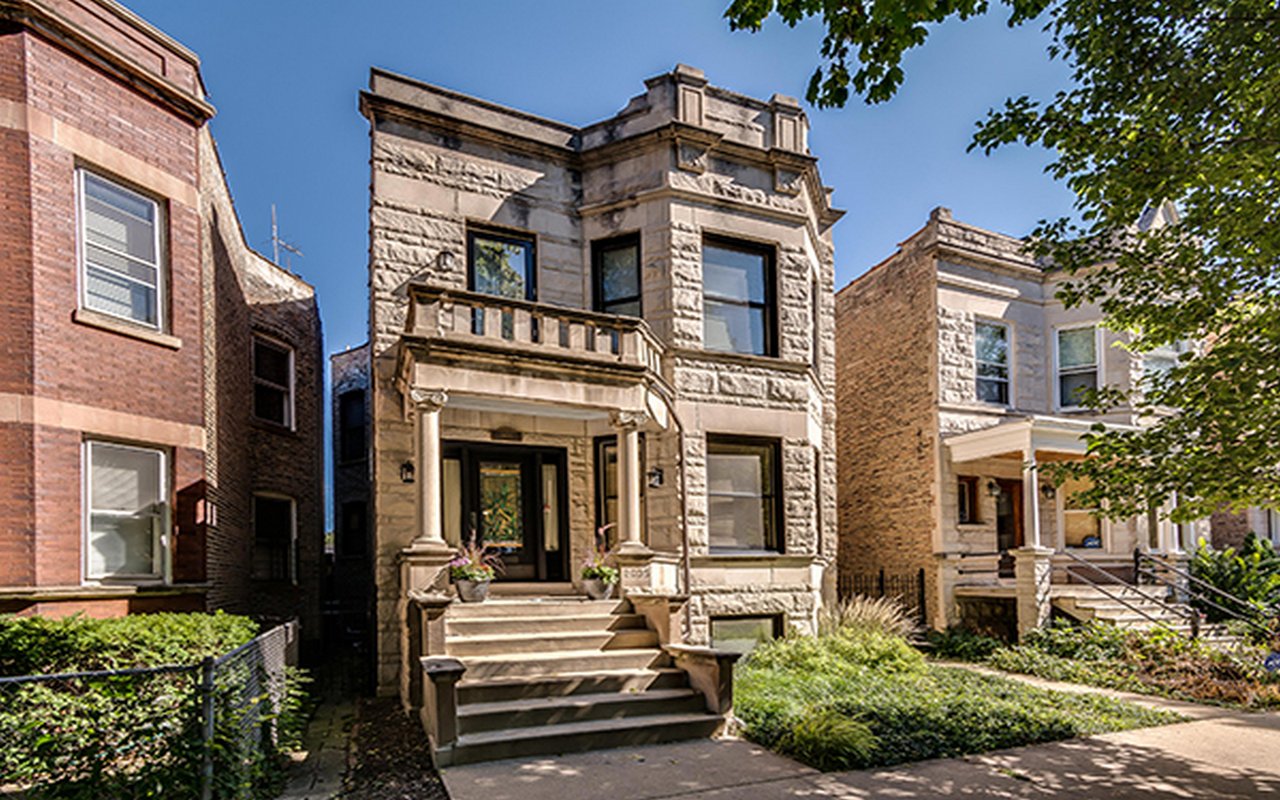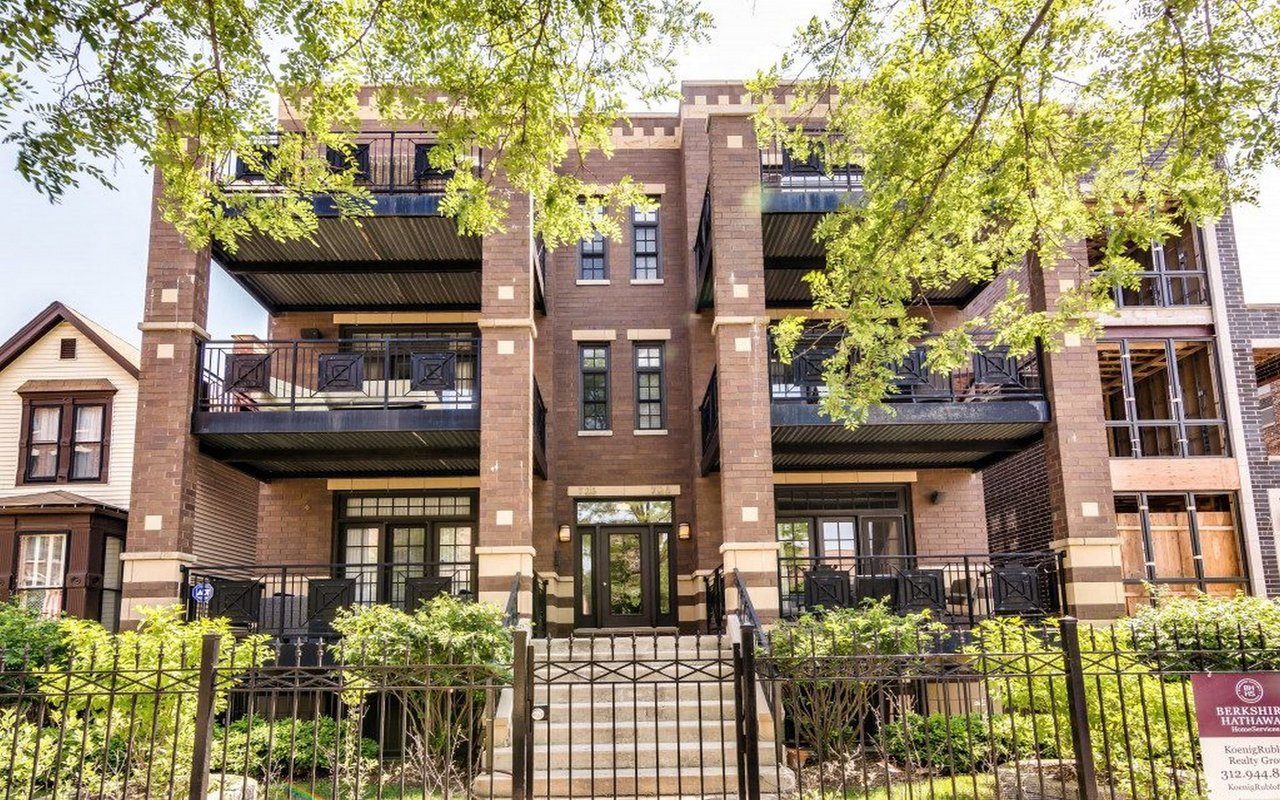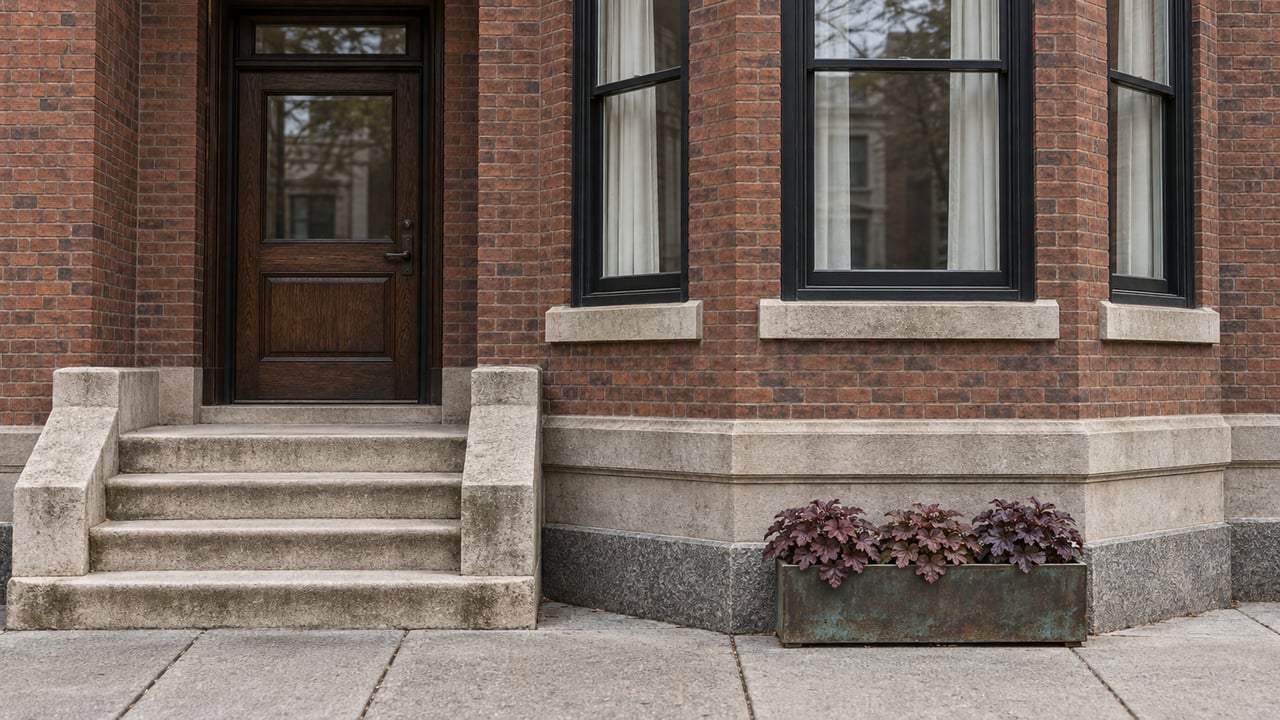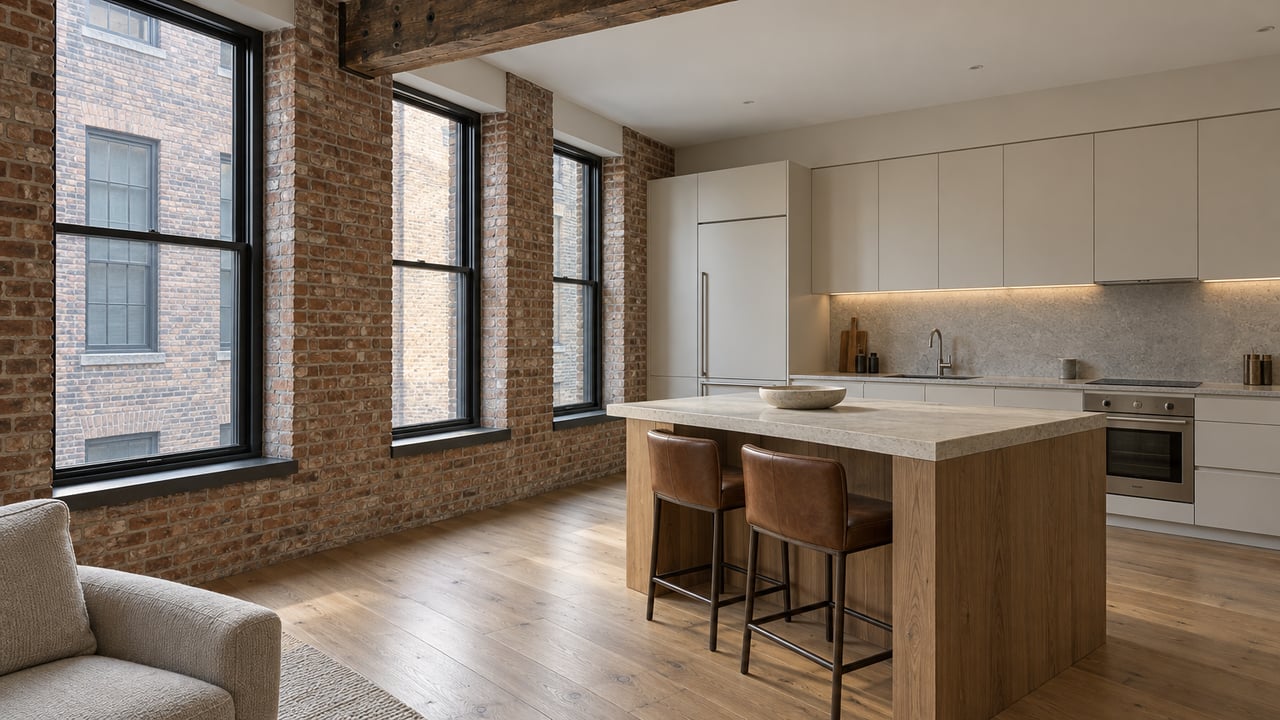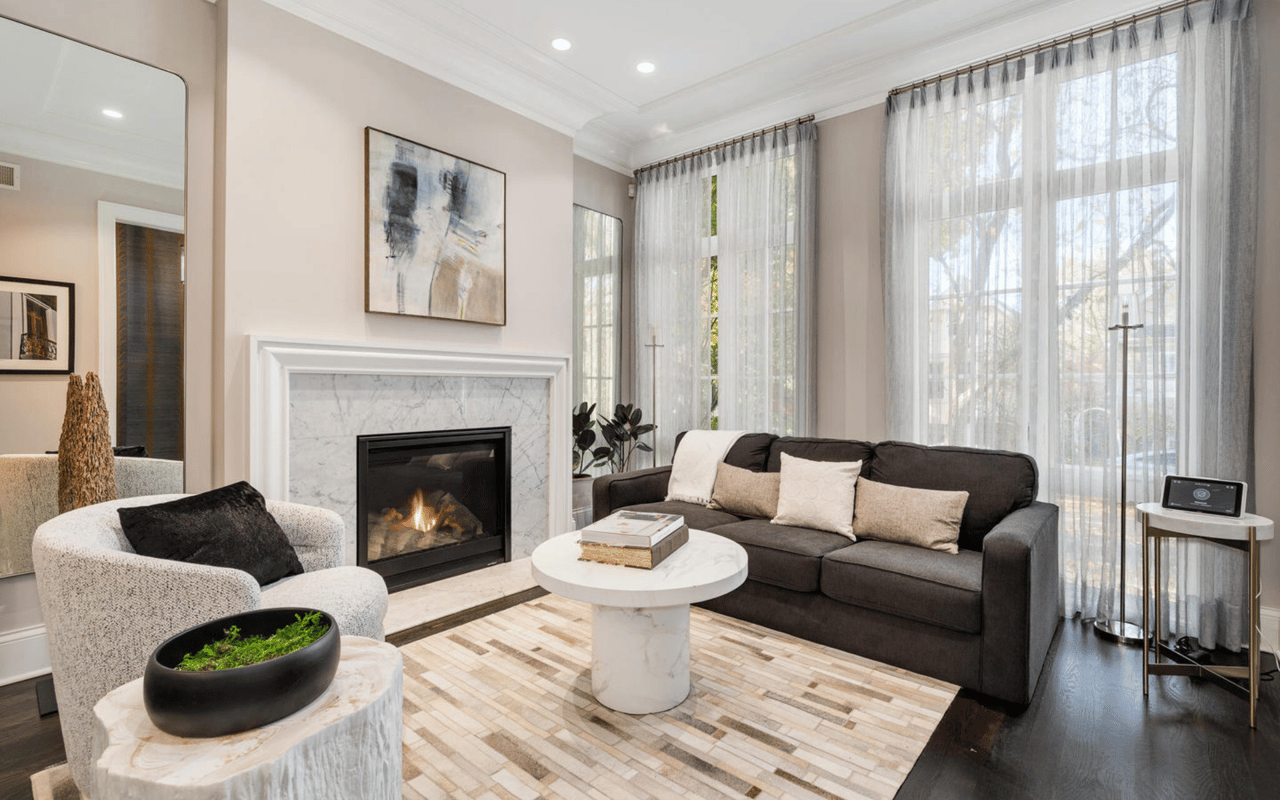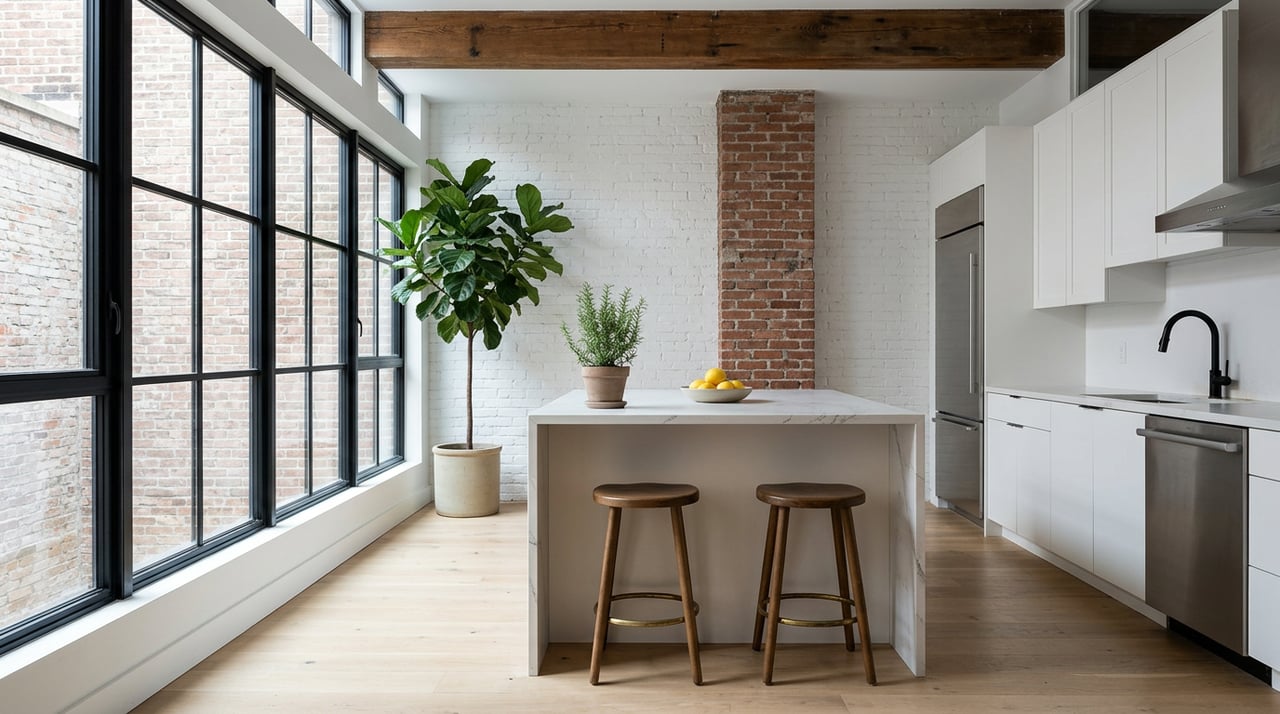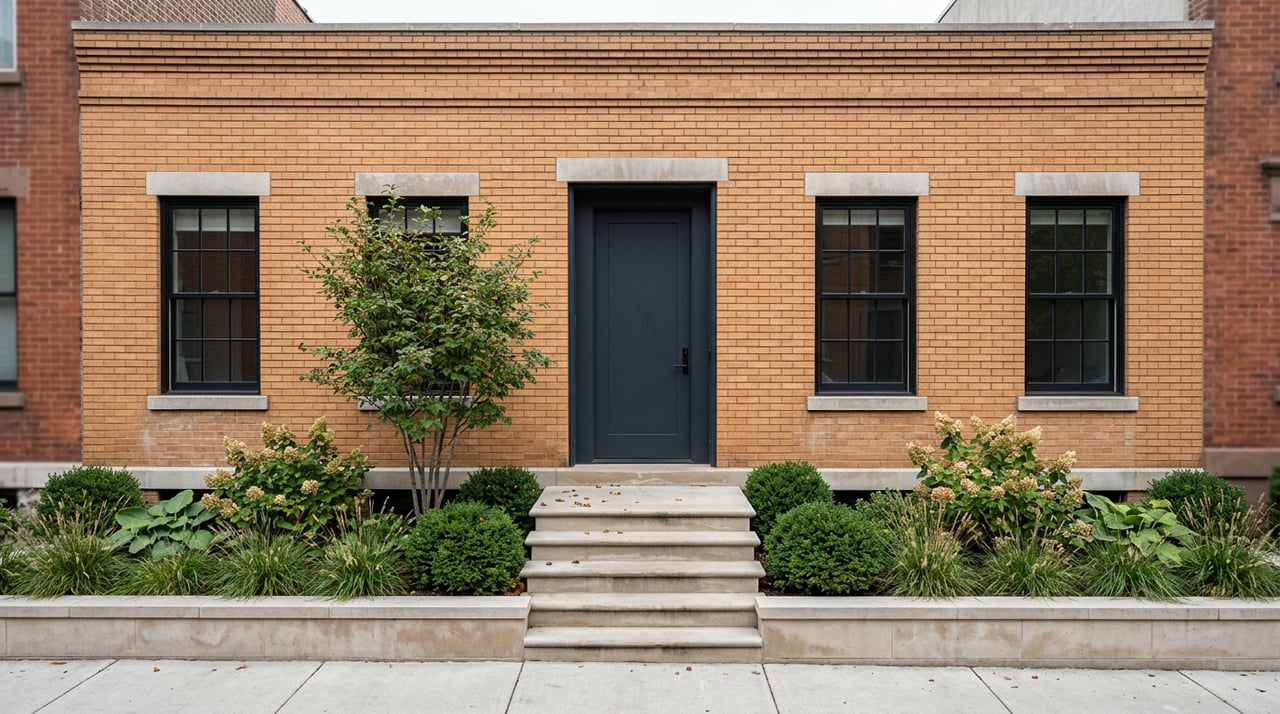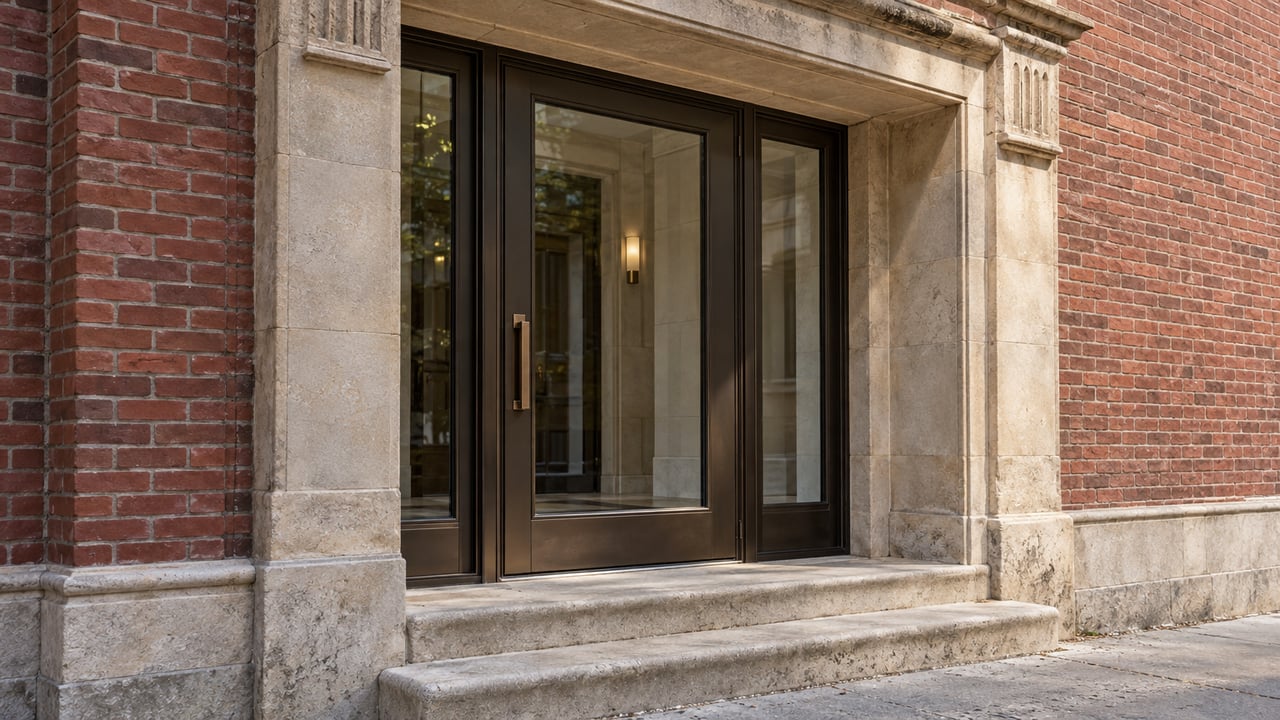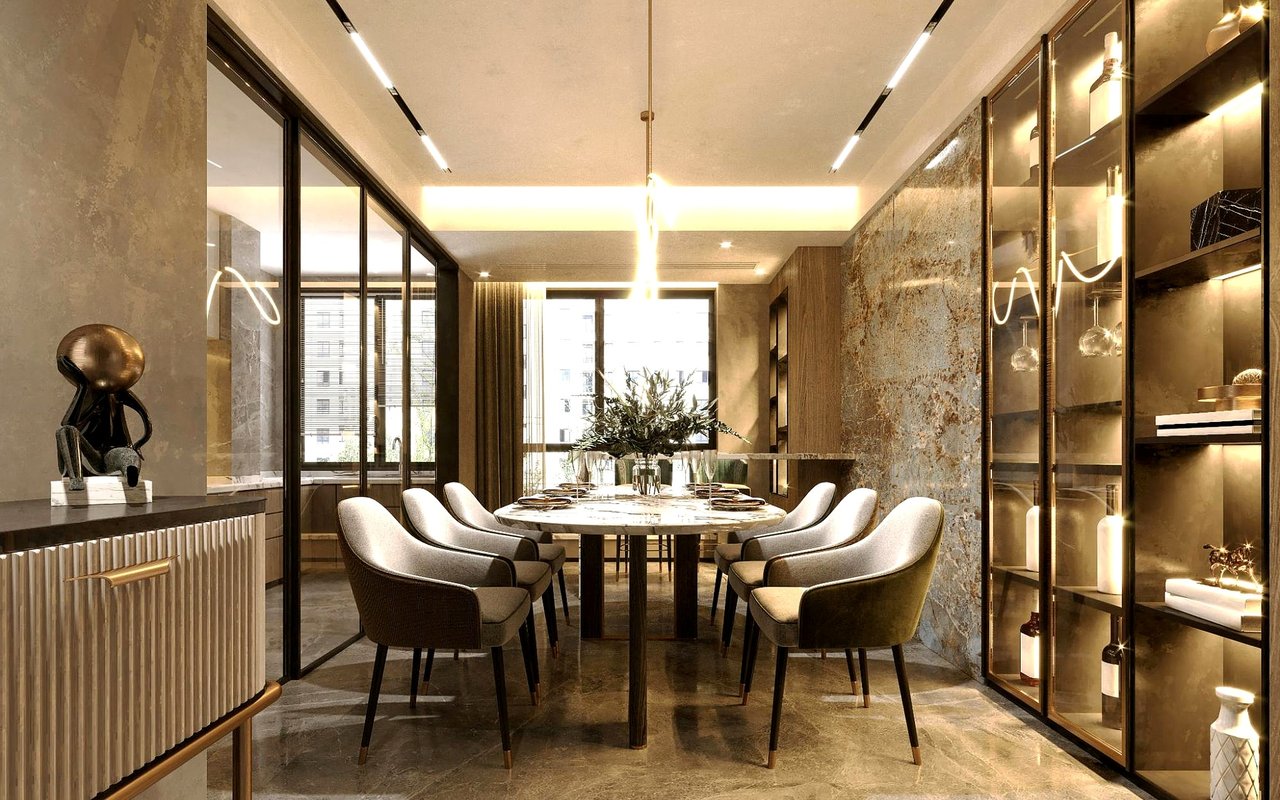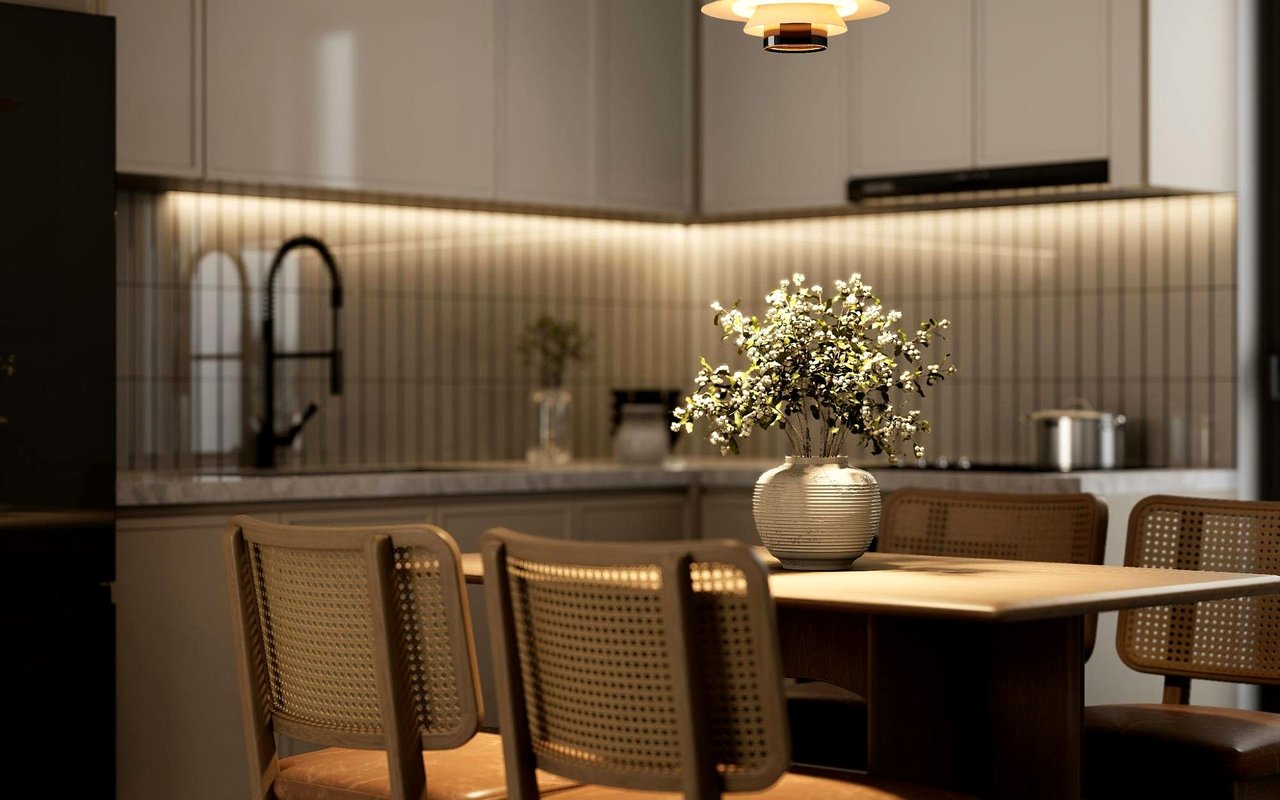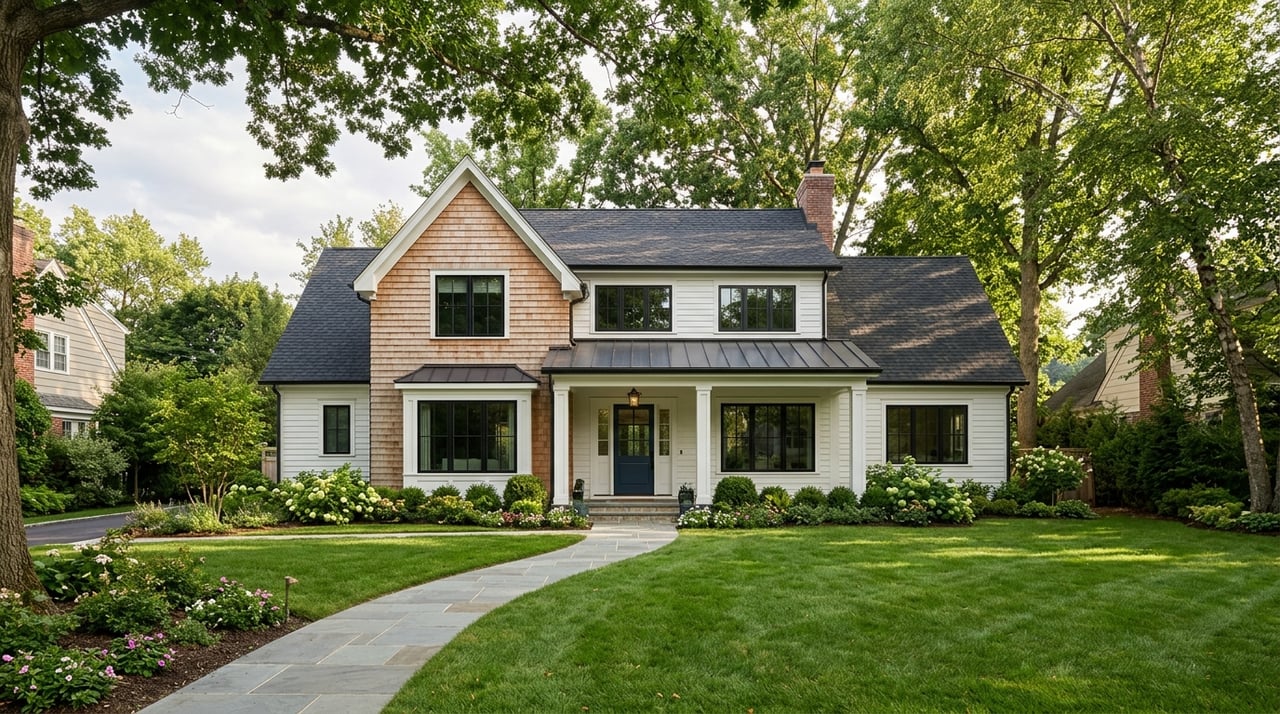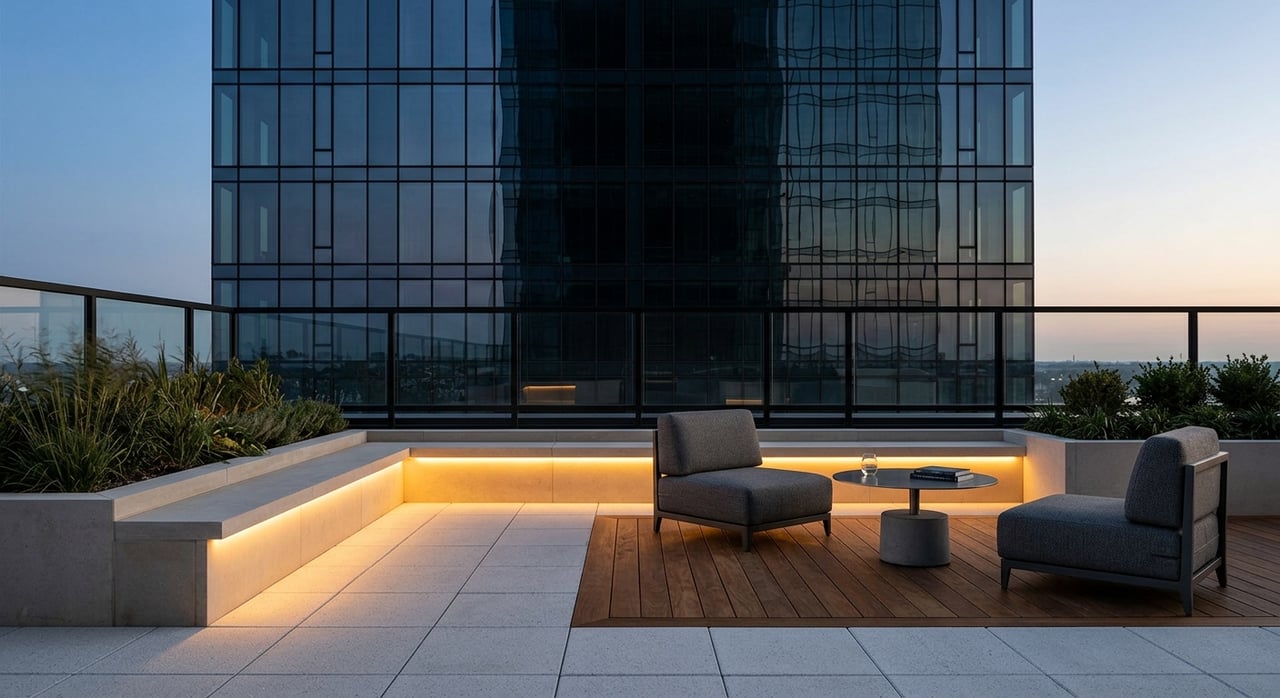
Open houses are an essential part of the homebuying journey, offering prospective buyers the chance to explore a property up close. In a diverse and competitive market like Chicago, attending open houses can help buyers evaluate a home's features, condition, and fit for their needs. While online listings provide photos and descriptions, there's no substitute for walking through a space and observing its details firsthand. To get the most value from these visits, it’s important to know what to look for, beyond the fresh paint and staged furniture.
1. General Condition of the Property
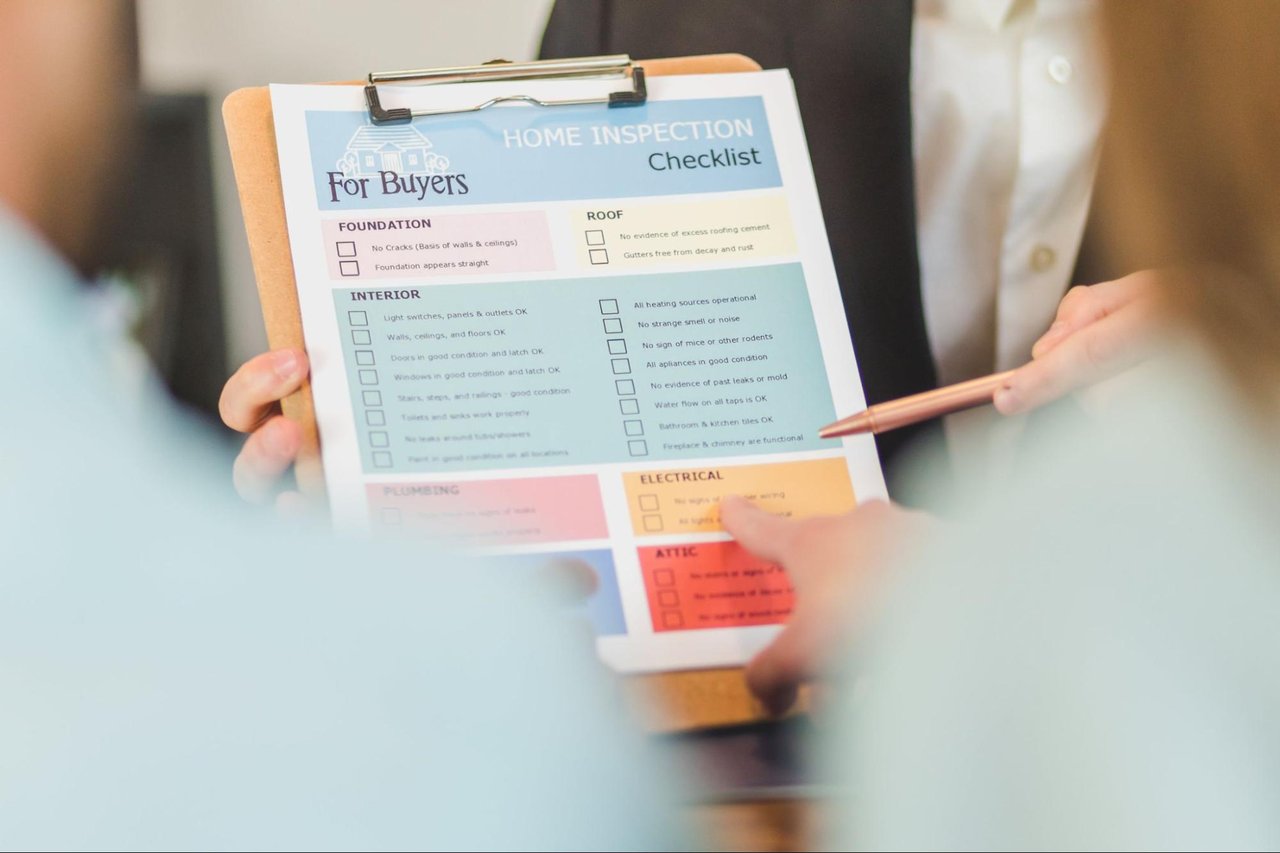
Buyers should pay close attention to the overall condition of the home. Are there visible signs of wear and tear, such as cracks in the walls, warped flooring, or peeling paint? While some cosmetic issues are easy to fix, others may point to deeper structural problems.
It’s helpful to check for water stains on ceilings and walls, which could signal past or ongoing leaks. Uneven floors or doors that don’t close properly may indicate foundation settling. These details provide insight into how well the property has been maintained over time.
2. Functionality of the Layout
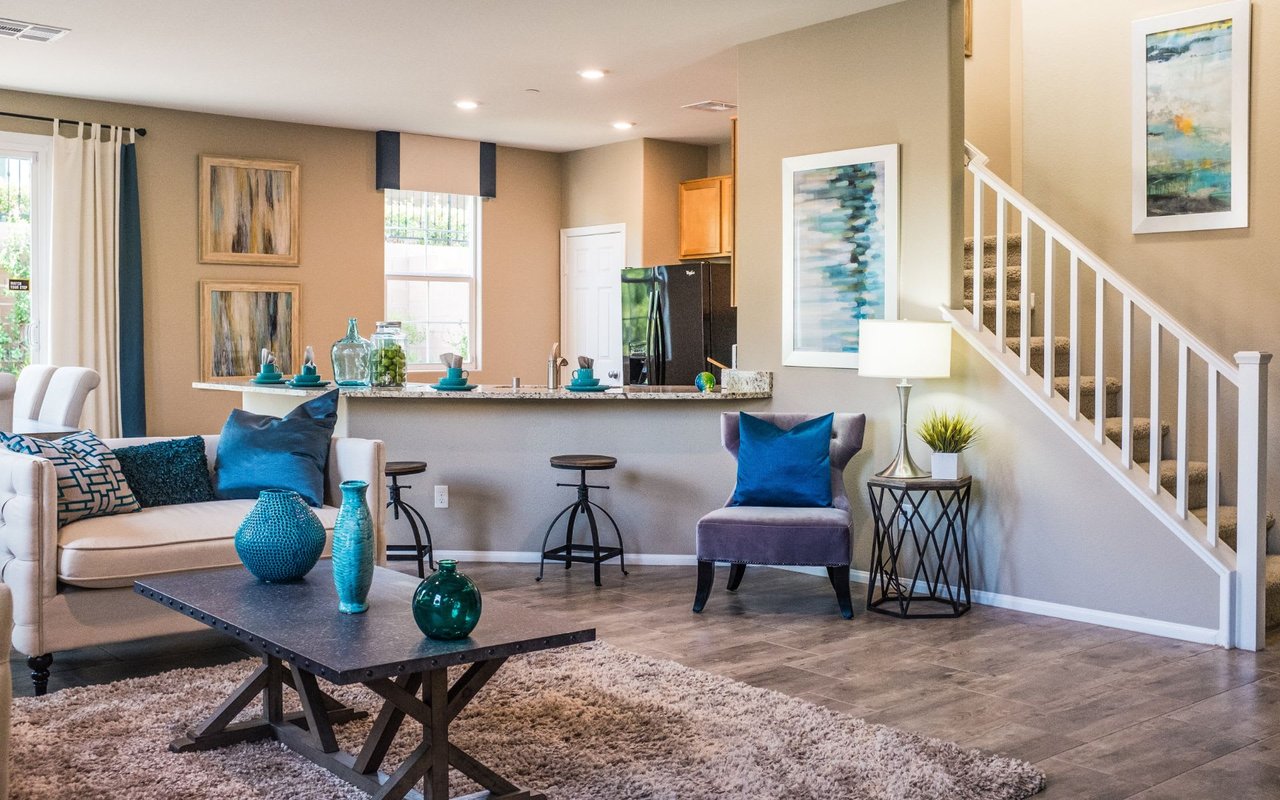
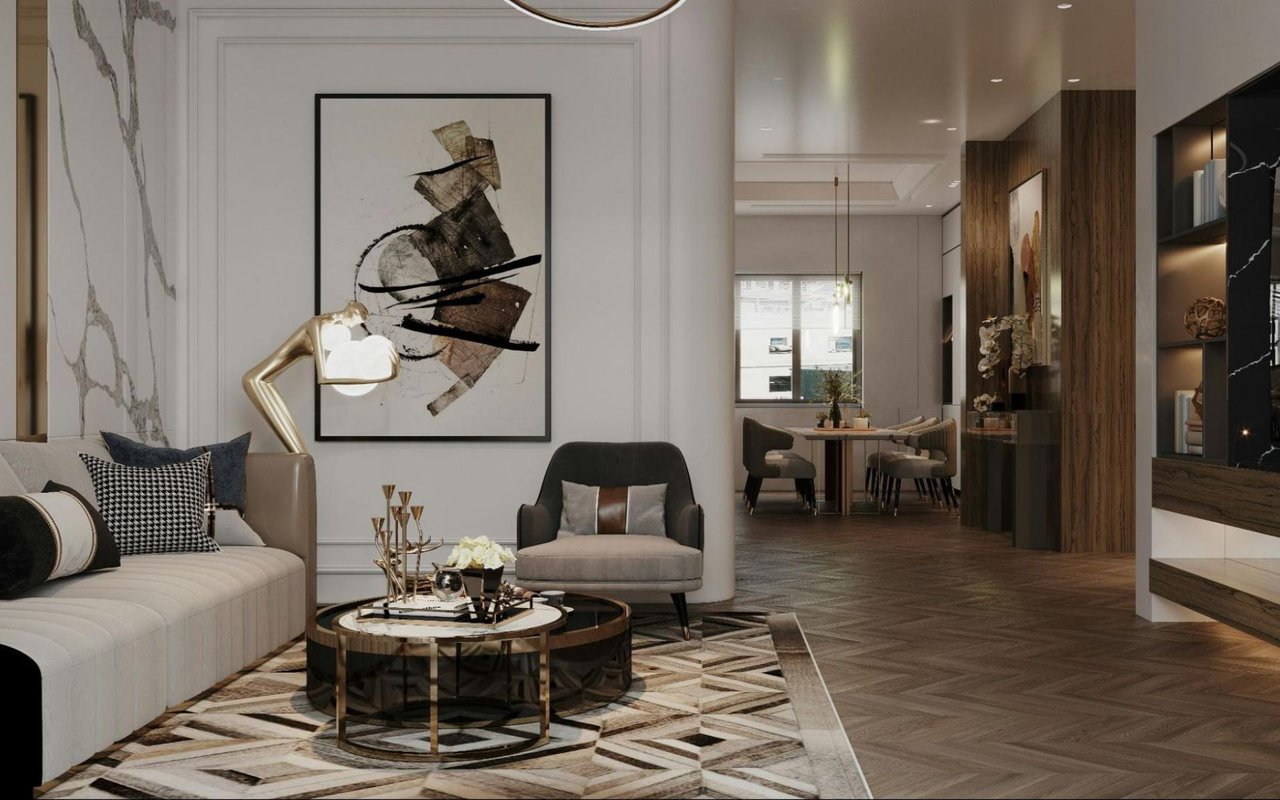
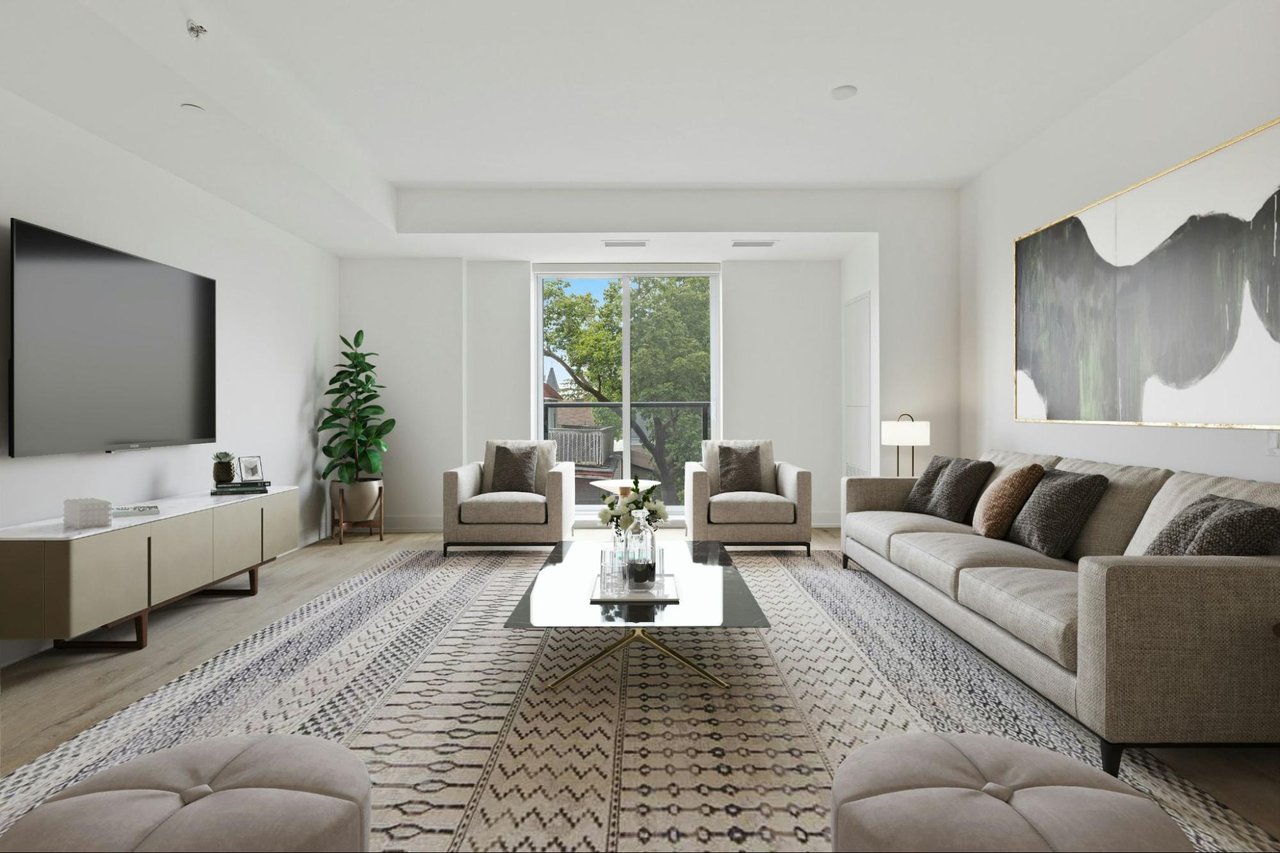
A home’s layout should suit the buyer’s lifestyle. During an open house, it’s important to consider how rooms flow together and whether the space feels intuitive and usable. Is there enough privacy between bedrooms? Does the kitchen connect conveniently to dining and living areas? Are there dedicated spaces for work, relaxation, or entertaining?
In Chicago, where homes range from classic bungalows to modern high-rises, layouts can vary widely. Buyers should imagine themselves living in the space and determine whether the floor plan supports their day-to-day needs.
3. Storage Space
Ample storage is a must-have for many buyers. Open houses provide the perfect opportunity to assess closet space, cabinet capacity, and available storage in basements, attics, or garages. In some historic Chicago homes, storage may be limited due to older floor plans, so it’s worth checking whether there are options to add more over time.
Buyers should also take note of coat closets, linen storage, pantry space, and whether bedrooms include walk-in closets or built-ins. Storage capacity plays a significant role in a home’s long-term functionality.
4. Natural Light and Ventilation
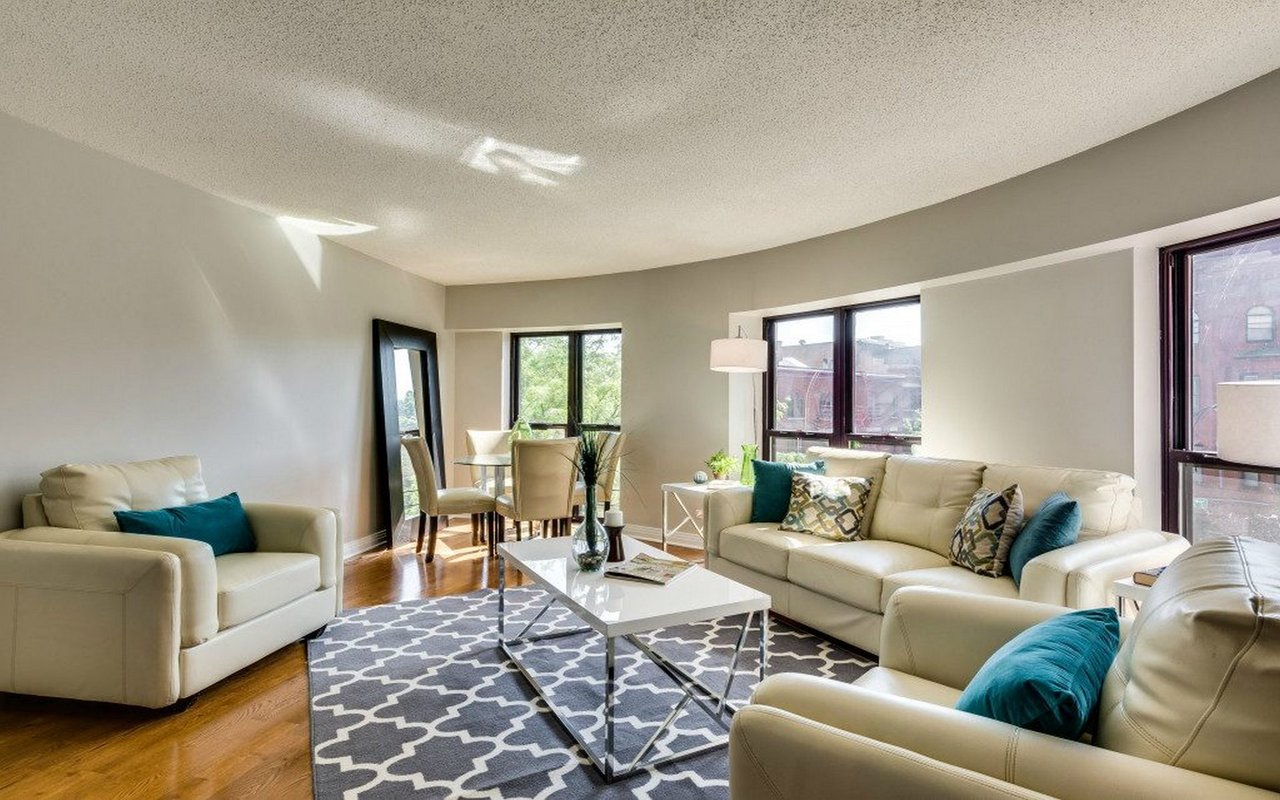
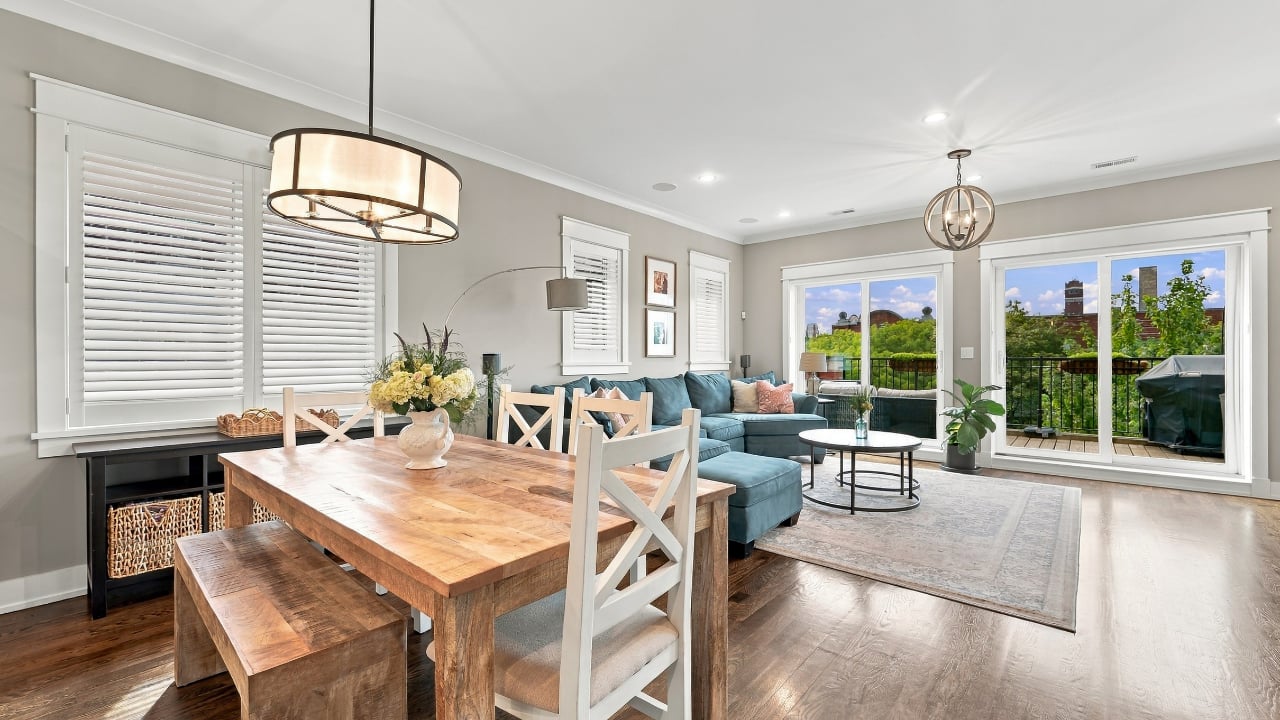
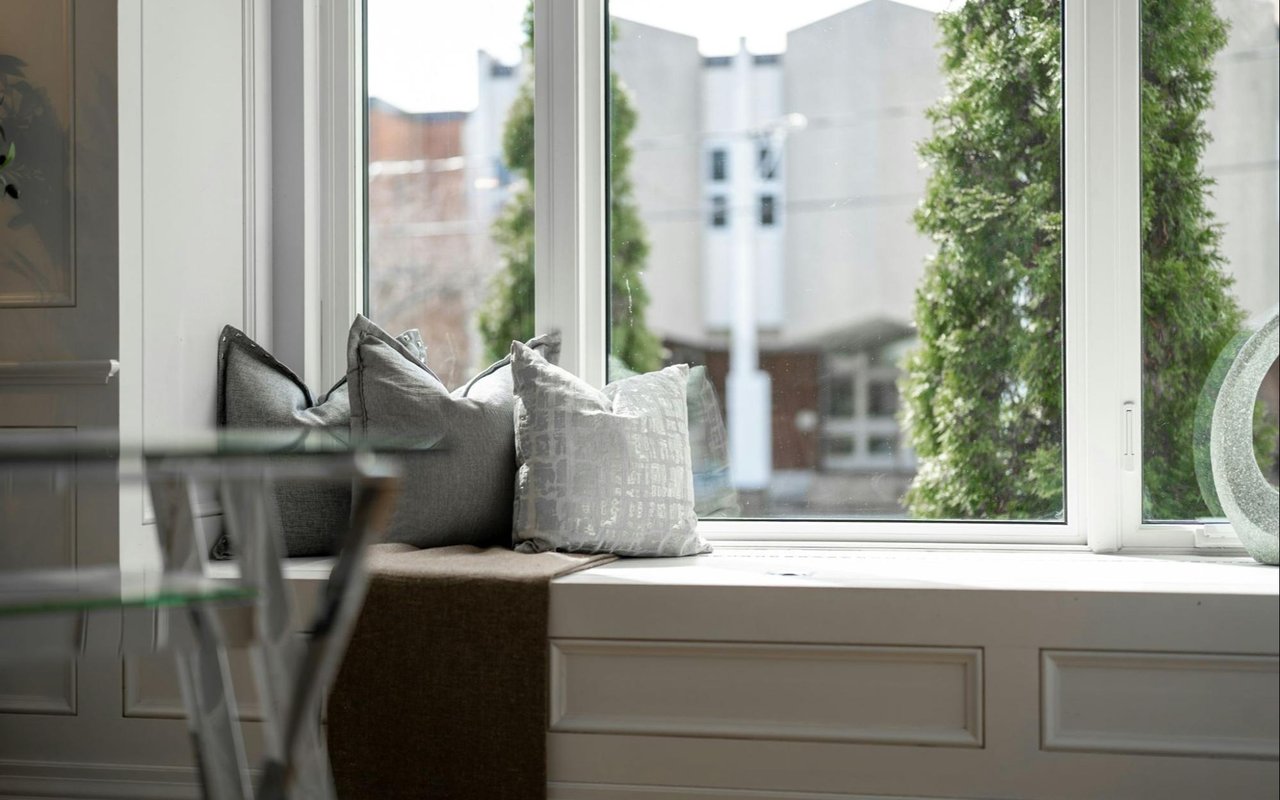
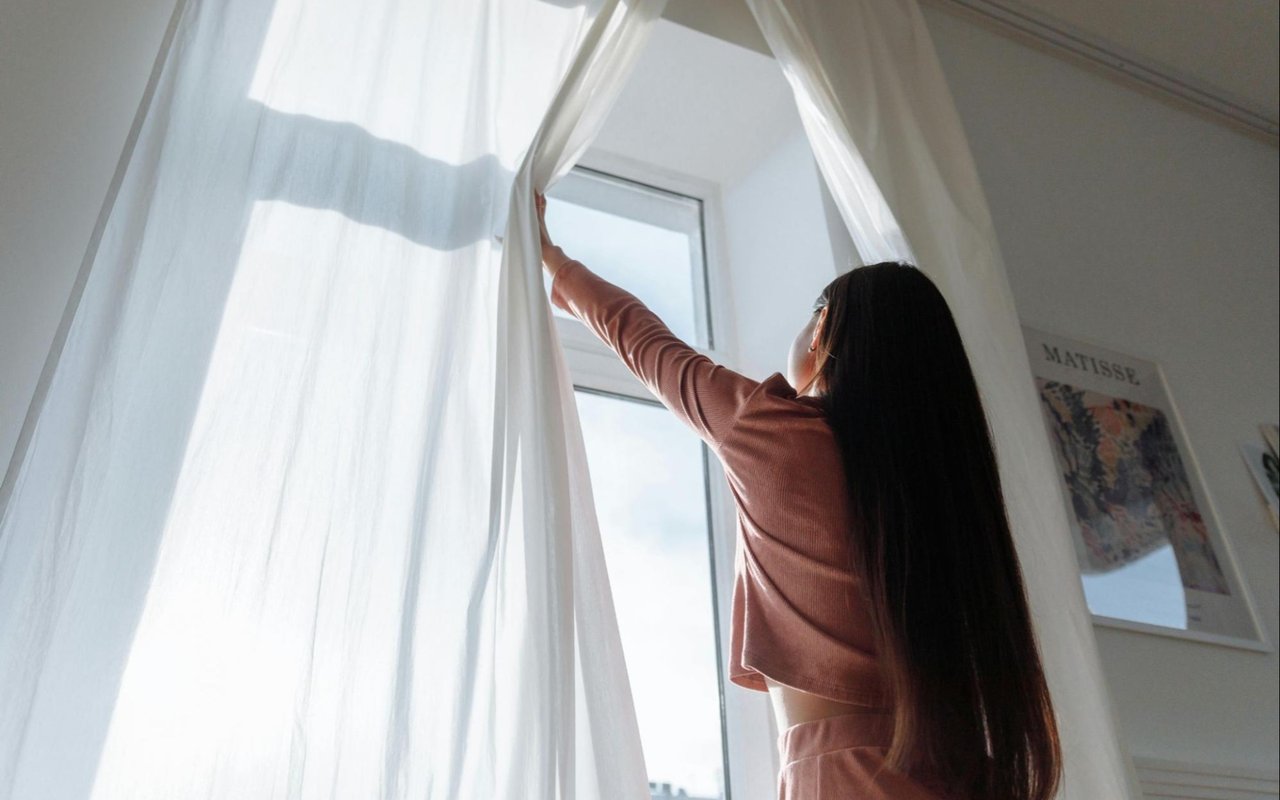
Lighting can make or break the feel of a home. During open houses, visitors should observe how much natural light enters each room at that time of day. Large windows, skylights, and light exposure from multiple directions all contribute to a bright and inviting atmosphere.
In addition to lighting, ventilation is key. Does the home feel stuffy, or does air circulate well throughout? Open windows and working ceiling fans are good signs. Buyers should also consider how ventilation might affect heating and cooling efficiency in Chicago’s four-season climate.
5. Noise Levels and Surrounding Environment
Open houses offer a chance to experience the home's acoustics and surroundings. Is there traffic noise from nearby roads or trains? Can sounds from neighboring units be heard through shared walls? In a bustling city like Chicago, noise levels can differ dramatically from block to block.
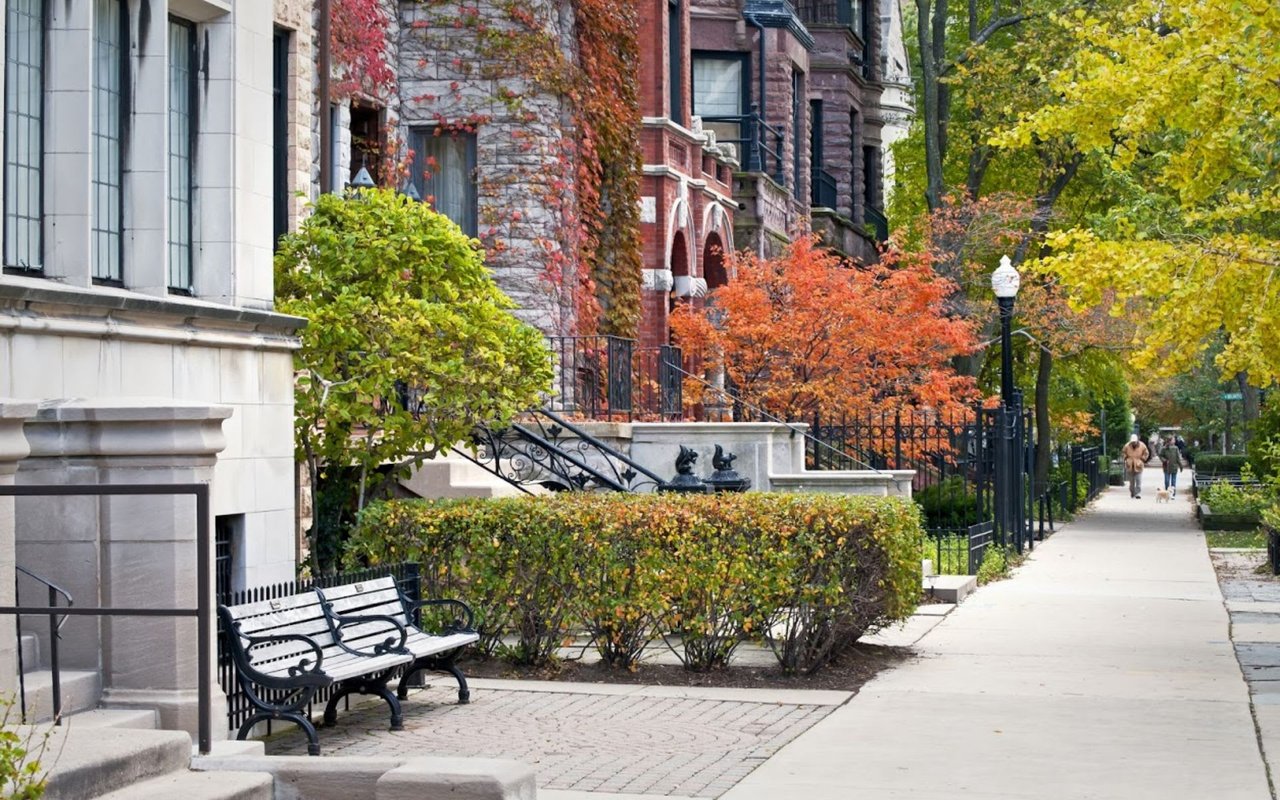
Buyers should also step outside to gauge the general ambiance of the neighborhood. Is the street busy or quiet? Are there parks, schools, or restaurants nearby? These external factors influence both quality of life and property value.
6. Kitchen and Bathroom Features
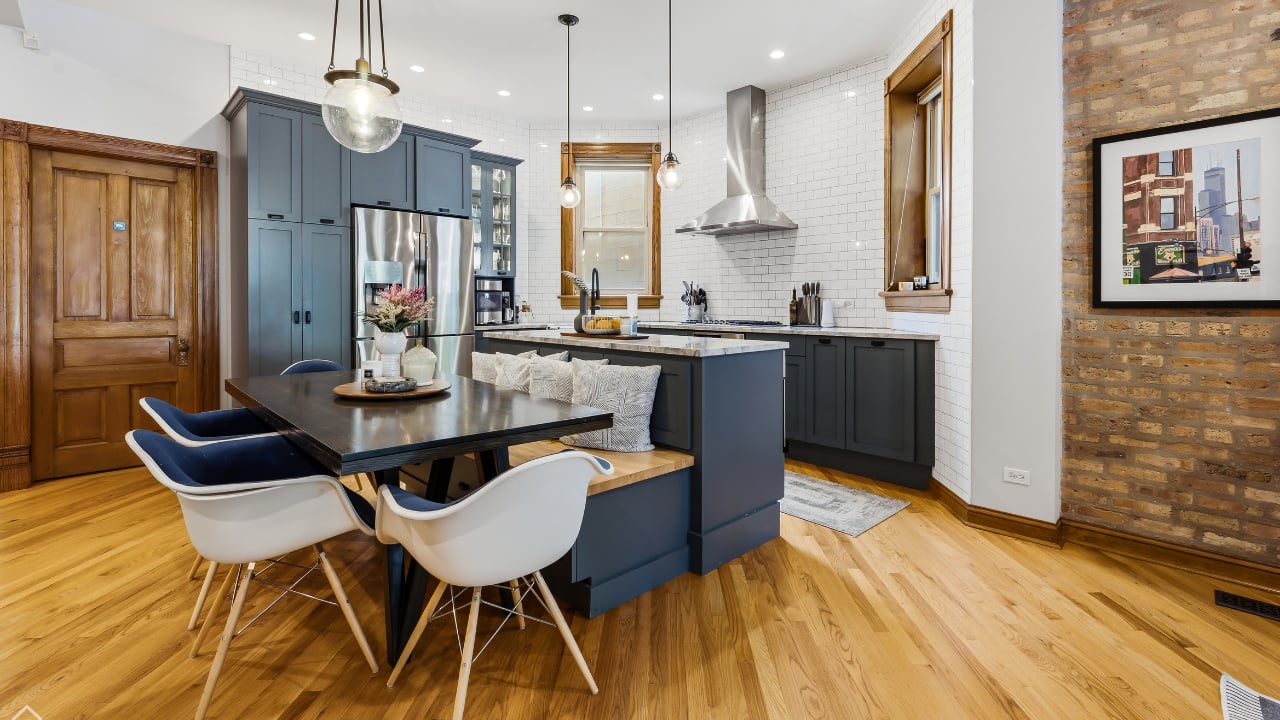
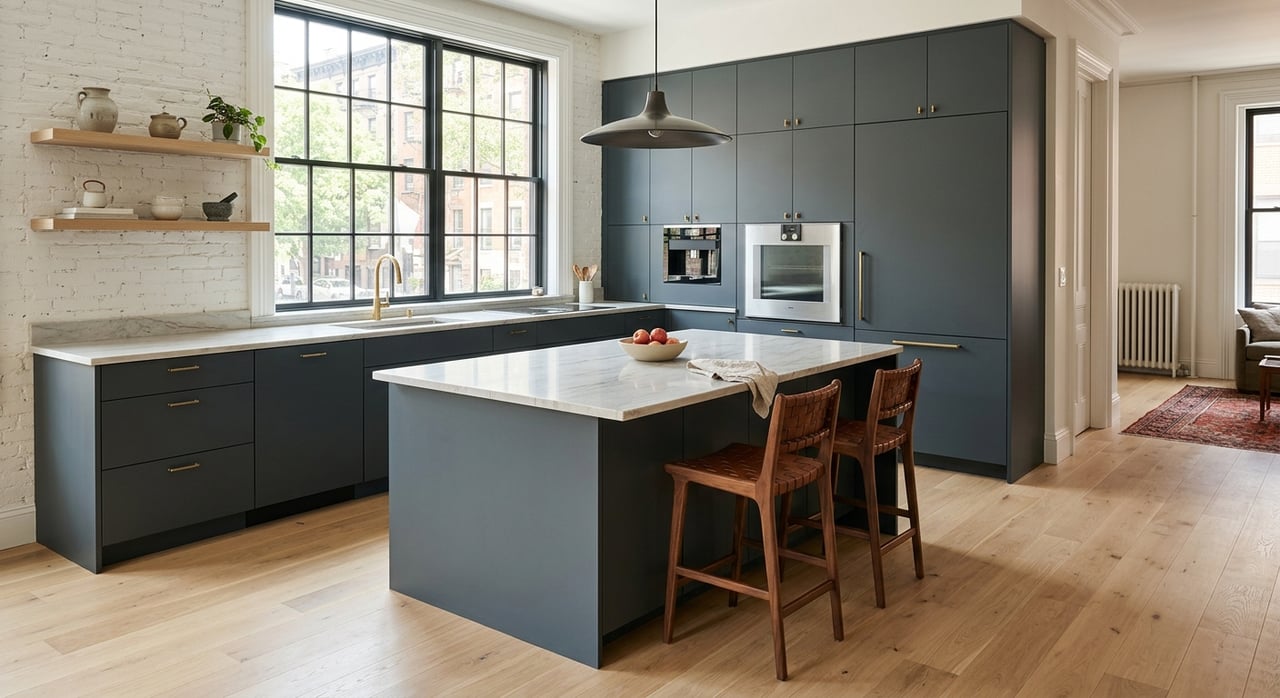
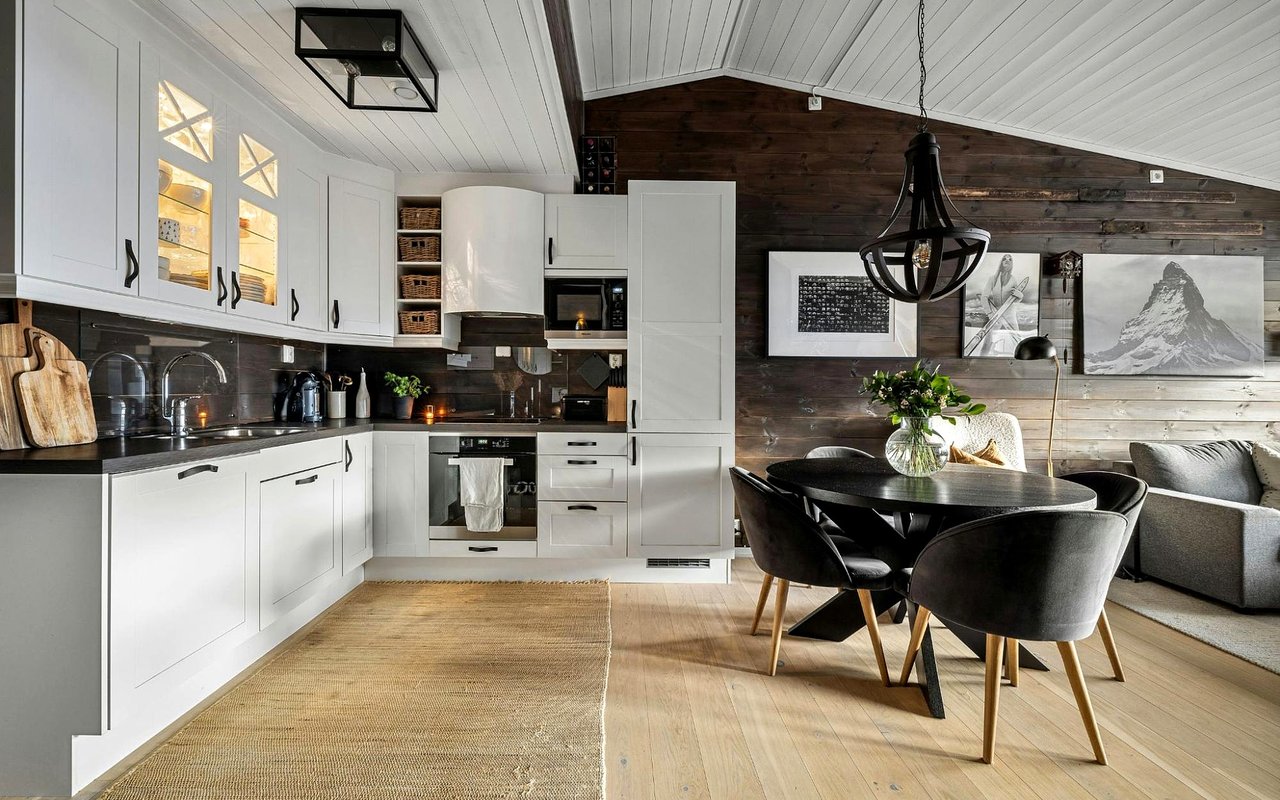
Kitchens and bathrooms are often the most expensive rooms to renovate, making their condition particularly important. During an open house, it’s wise to inspect the finishes, fixtures, and overall layout of these spaces. Are the appliances modern and functional? Are countertops and cabinetry in good condition?
In bathrooms, buyers should look for water pressure, tile integrity, and the condition of plumbing fixtures. While cosmetic upgrades are common, the need for full remodels should be considered in relation to the property’s asking price.
7. Age and Efficiency of Major Systems
The state of a home’s mechanical systems can impact future maintenance costs. During an open house, buyers should ask about the age and condition of the HVAC system, water heater, electrical panel, and roof. These are expensive items to replace and essential to the home’s long-term livability.
If accessible, checking the basement or utility areas can reveal how well these systems have been maintained. Some sellers may provide system service records or recent inspection reports, which can help buyers gauge potential upcoming expenses.
8. Signs of Moisture or Pests
Moisture issues are a common concern, particularly in homes with basements. Buyers should look for musty smells, water stains, or signs of mold, especially around windows, under sinks, and along basement walls. Moisture can lead to serious structural and health problems if not addressed.
Evidence of pest activity, such as droppings, insect traps, or damaged wood, should also be noted. While not always dealbreakers, these issues may require professional remediation and should be factored into the buying decision.
Ready to Start the Hunt?
Open houses present a valuable opportunity to look beyond the surface and uncover critical details about a property. By paying close attention to condition, layout, storage, lighting, and systems, buyers can make more informed decisions and avoid surprises down the road. With many unique and historic homes for sale in Chicago, IL, taking a detailed and thoughtful approach to open house visits is a key part of the homebuying process.
For expert support in navigating open houses and identifying the right property, reach out to The KlopasStratton Team today.