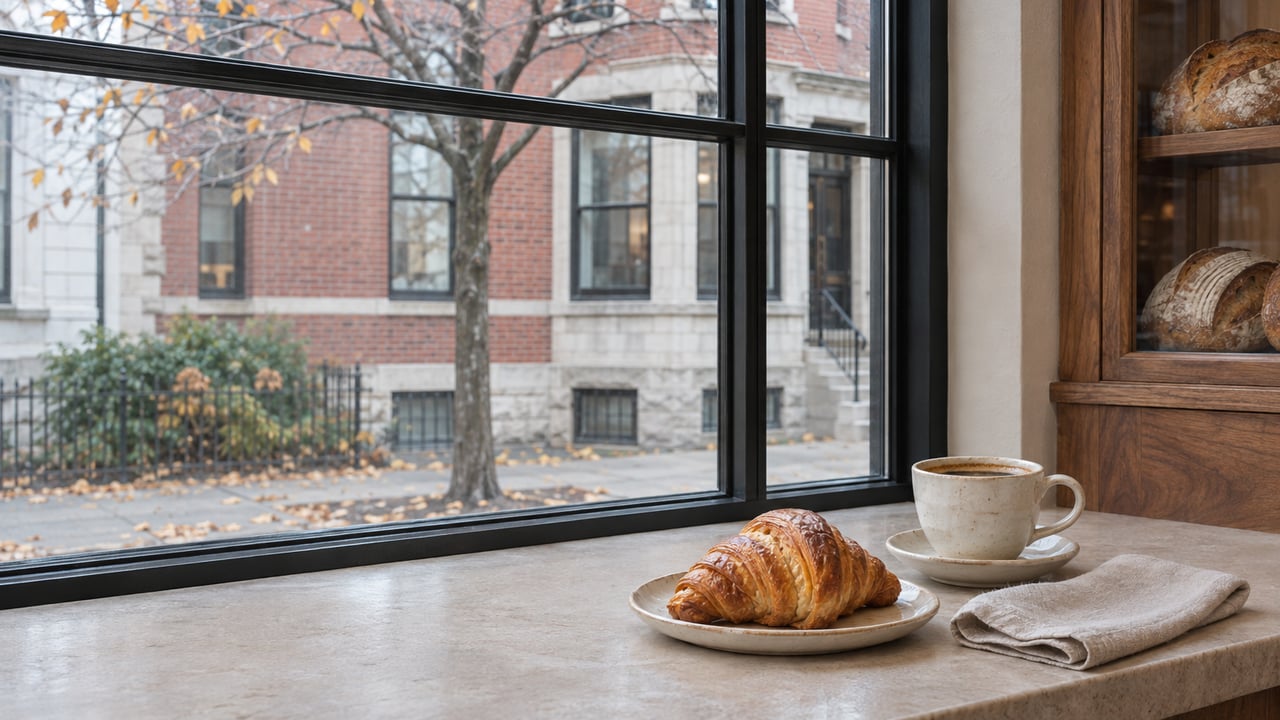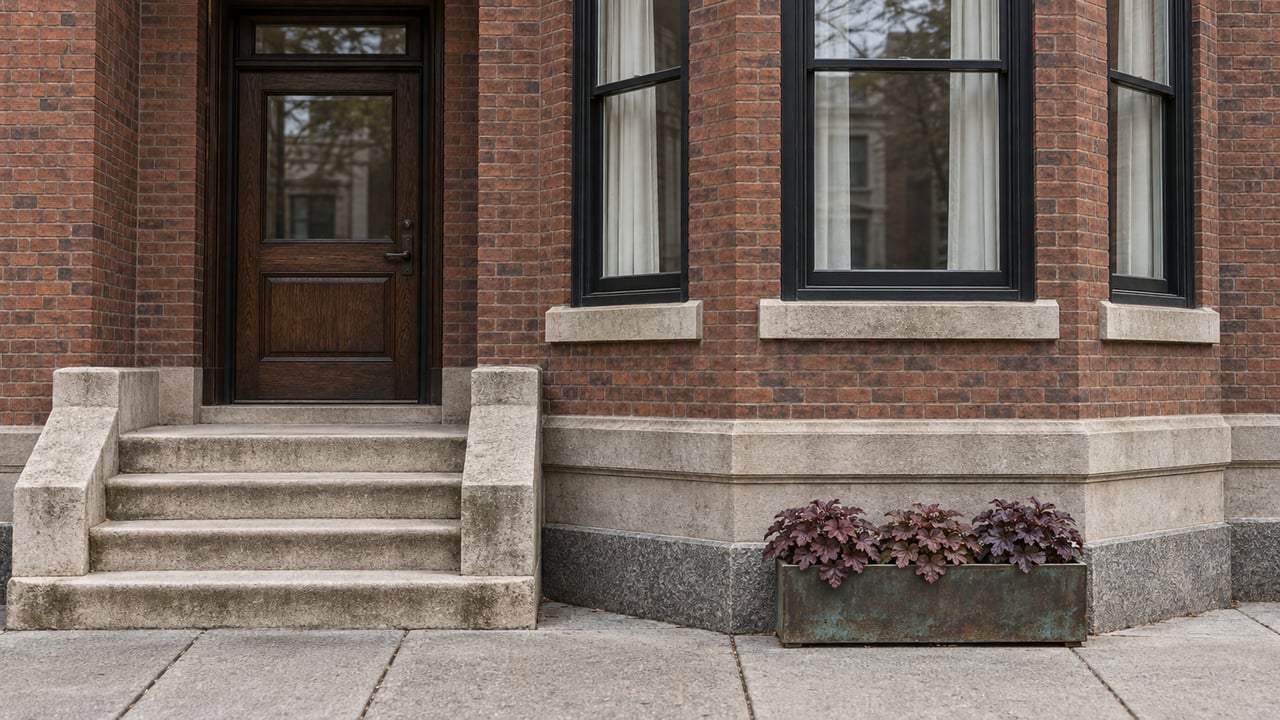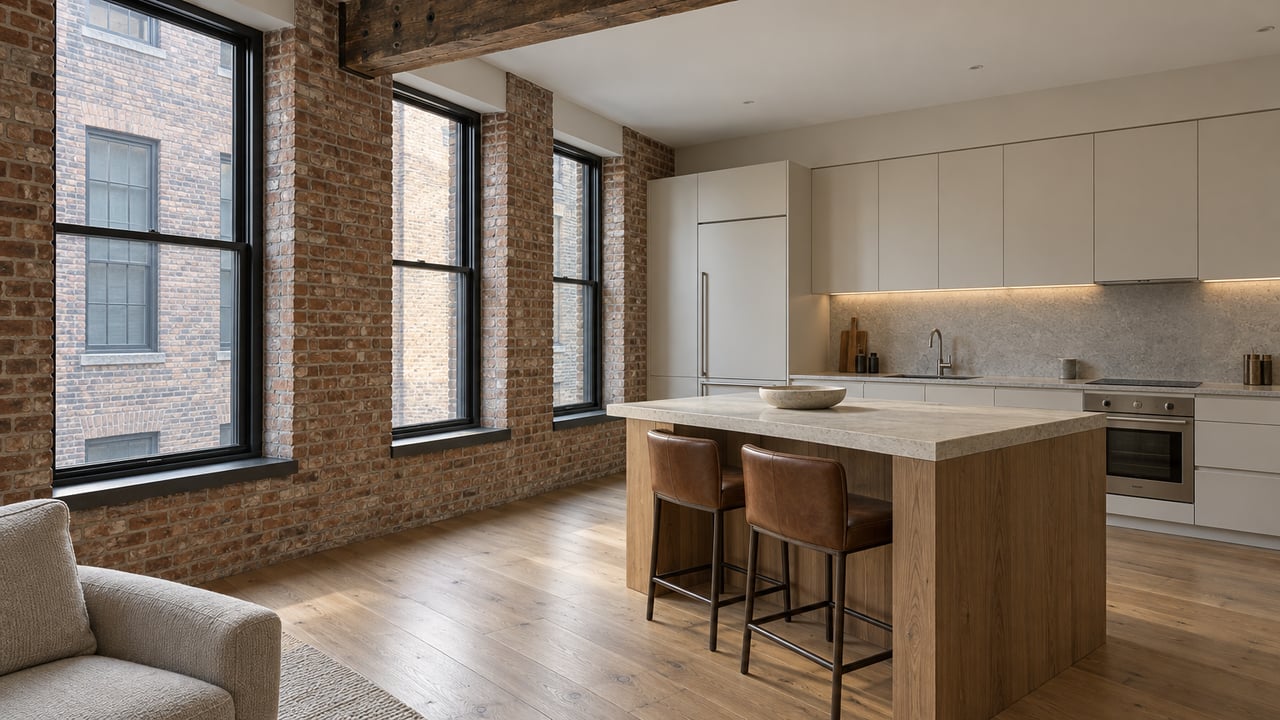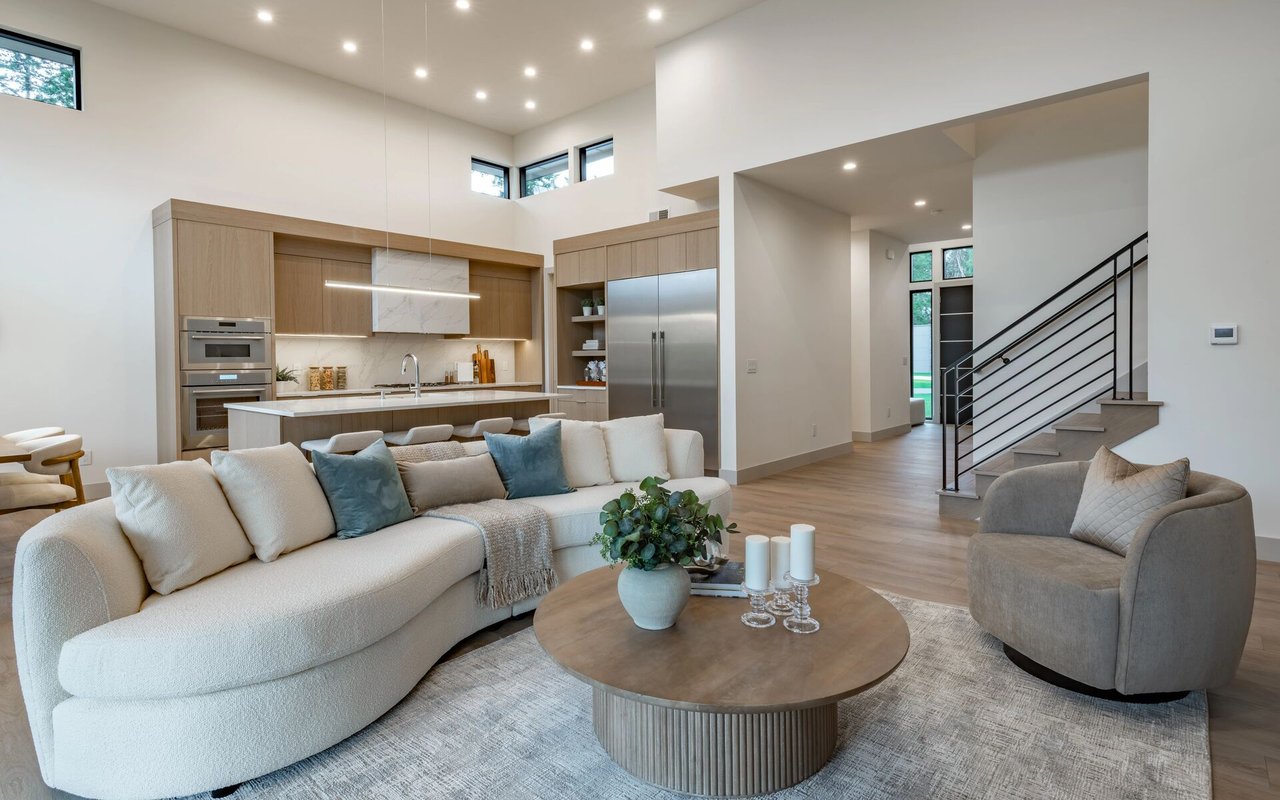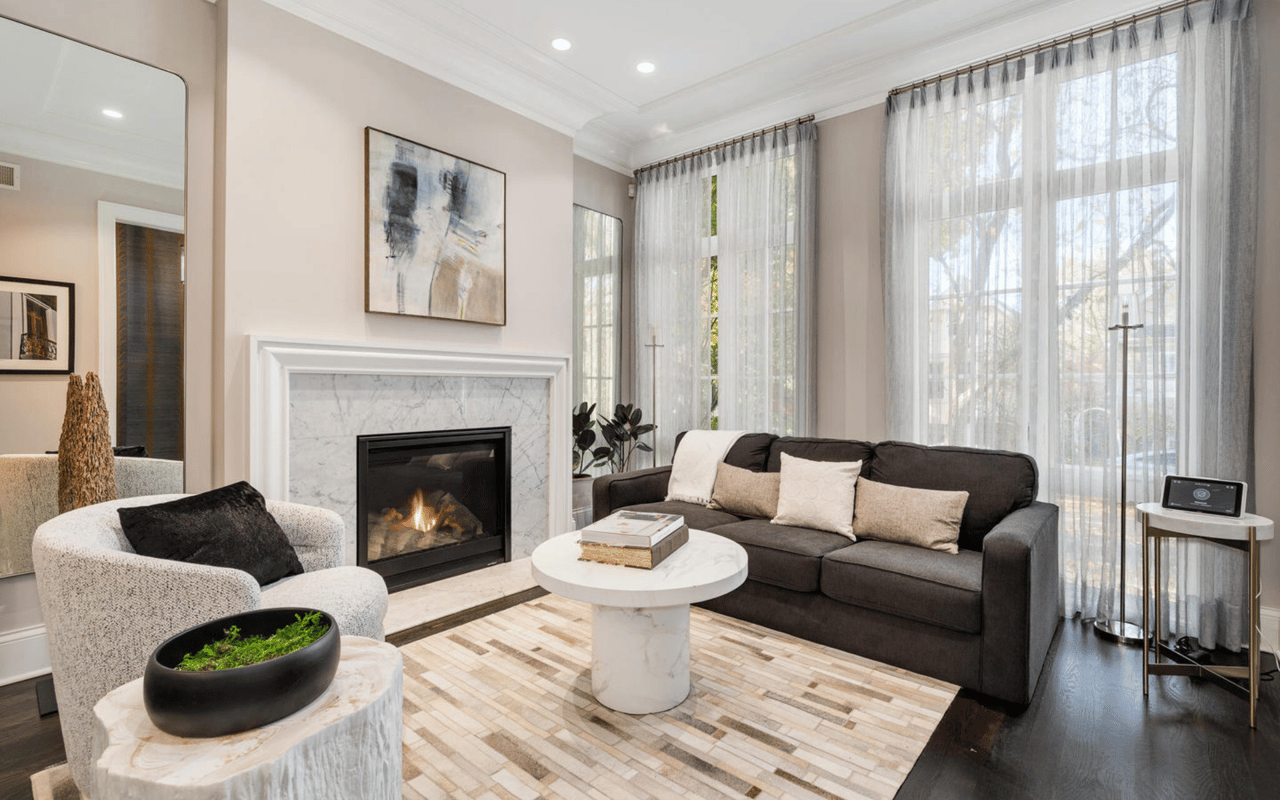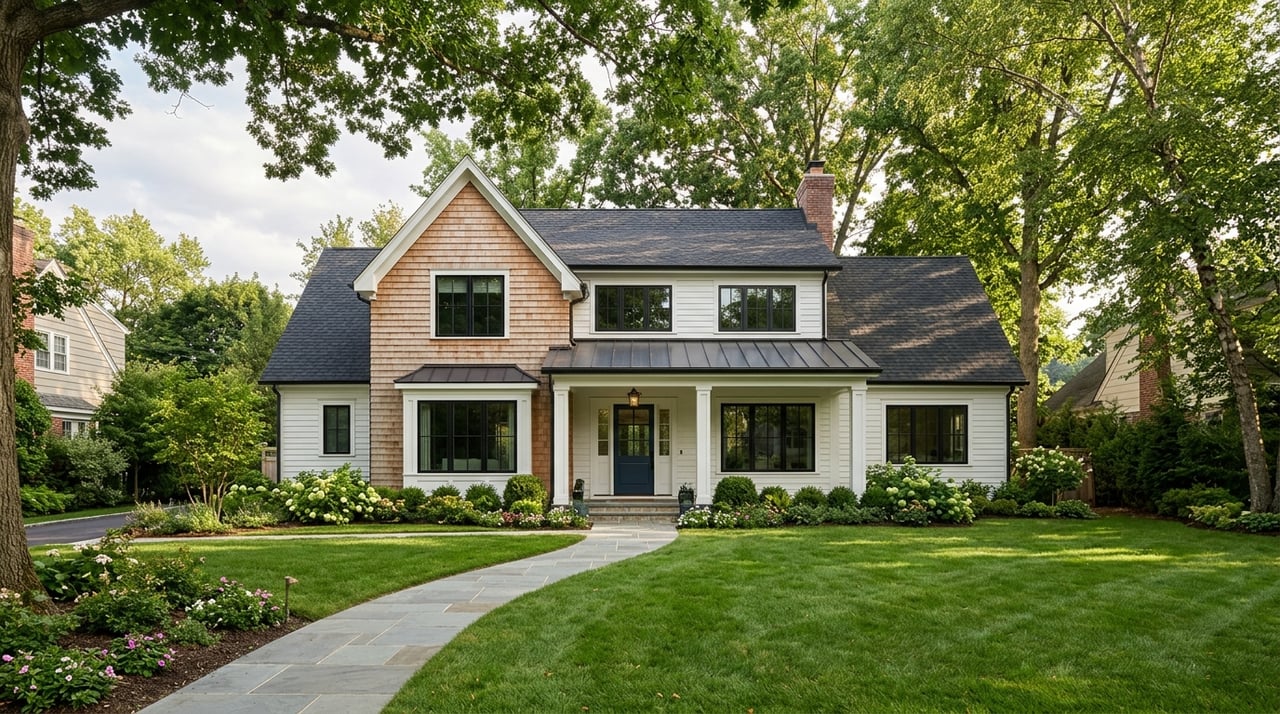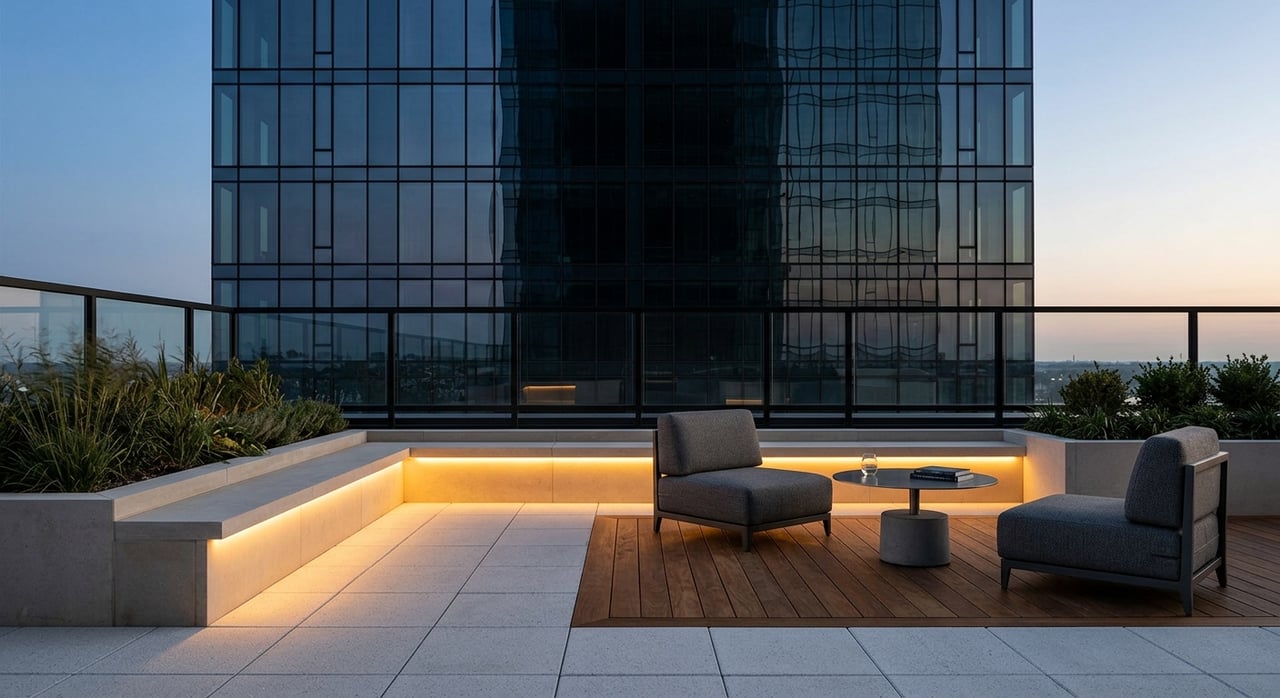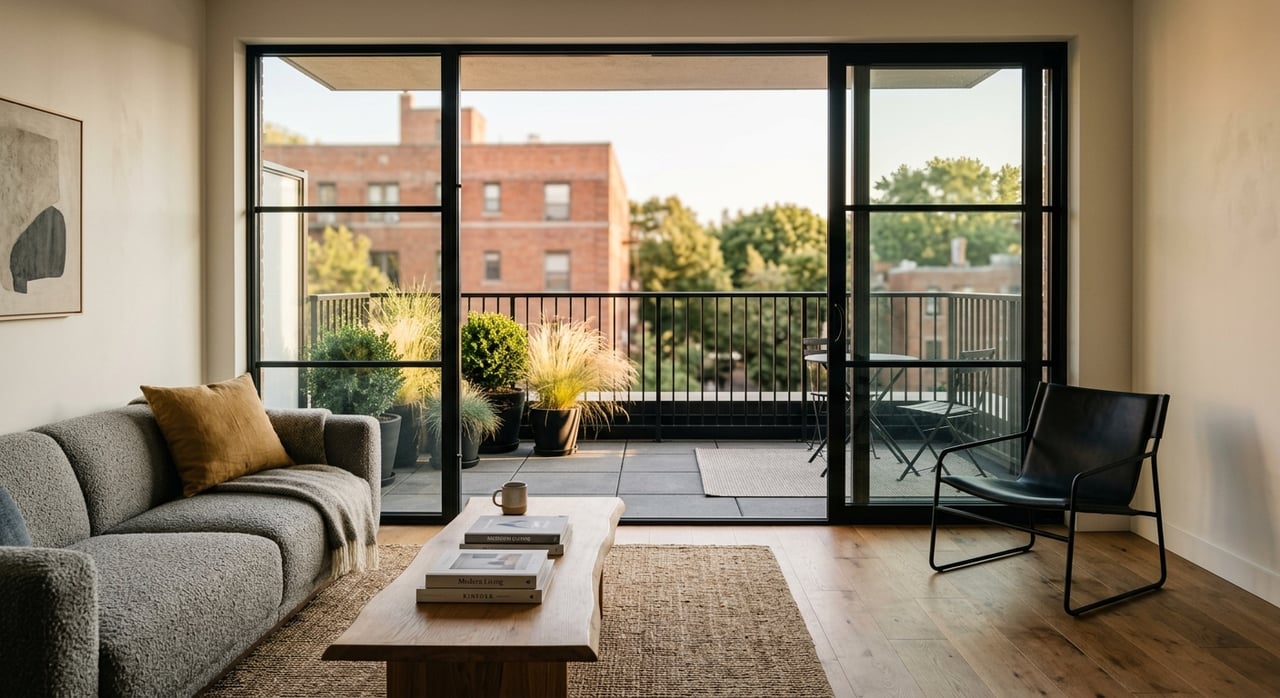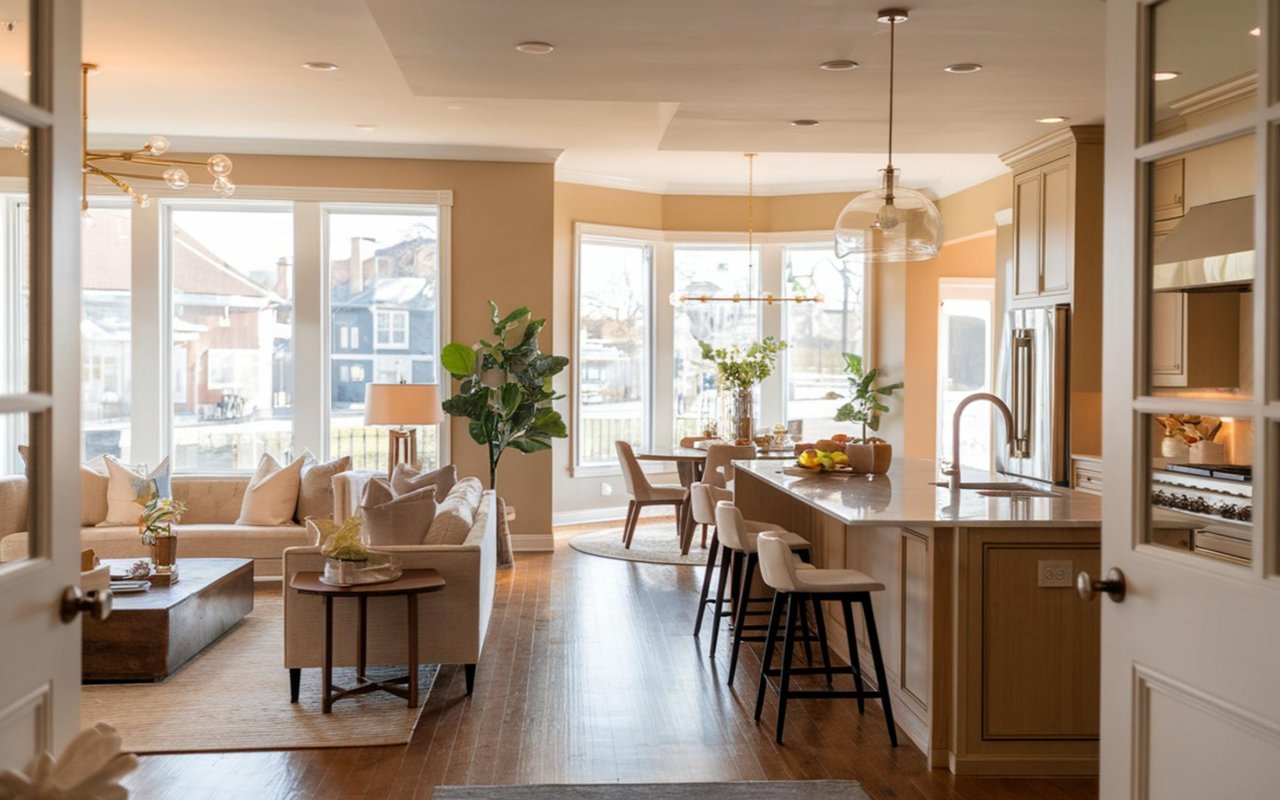
Apparently, in 2027, we're going to want our homes to be smarter, our rooms to be quieter, our walls to be bolder, and our lives to involve a little less screen time. If that sounds contradictory, welcome to modern homeownership.
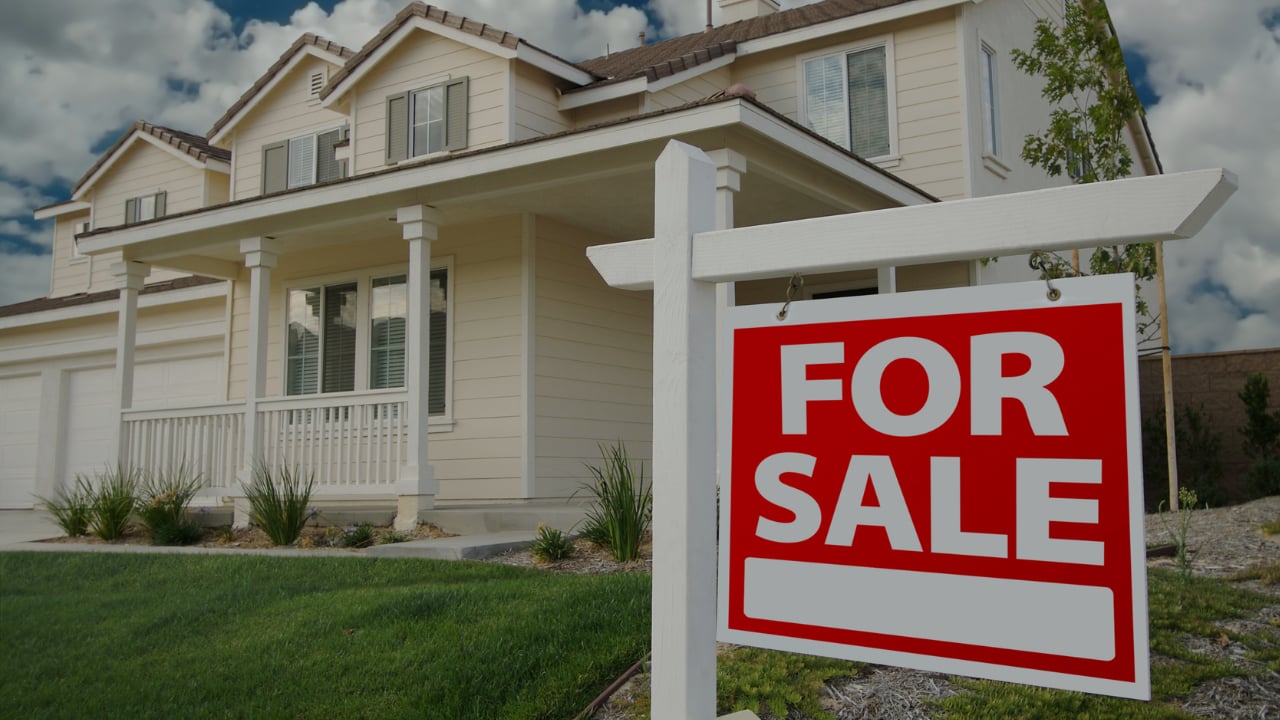
Zillow recently released its 2027 Home Trends Report, and the findings are fascinating. Tech-free retreats, sophisticated color palettes, adaptable spaces, and subtle smart-home technology are appearing more frequently in real estate listings. Even dedicated outdoor spaces for cats are gaining traction.
But beyond the design predictions, the report reveals something more interesting about what Americans are seeking from their homes. After years of open-concept everything, neutral interiors, and technology woven into every corner of our lives, homeowners seem increasingly interested in spaces that offer something different: personality, privacy, and a little room to breathe.
And for Chicago buyers and sellers, that's worth paying attention to.
We Want Smart Homes That Know When to Be Quiet!
Remember when having the latest technology meant displaying it prominently? Elaborate entertainment systems, oversized televisions, and gadgets that practically announced themselves were considered impressive.
Today, the more sophisticated approach is often less conspicuous.
Zillow's report suggests growing attention to technology that operates quietly in the background. Think automated lighting, integrated climate control, and systems that make a home more efficient without requiring constant interaction.
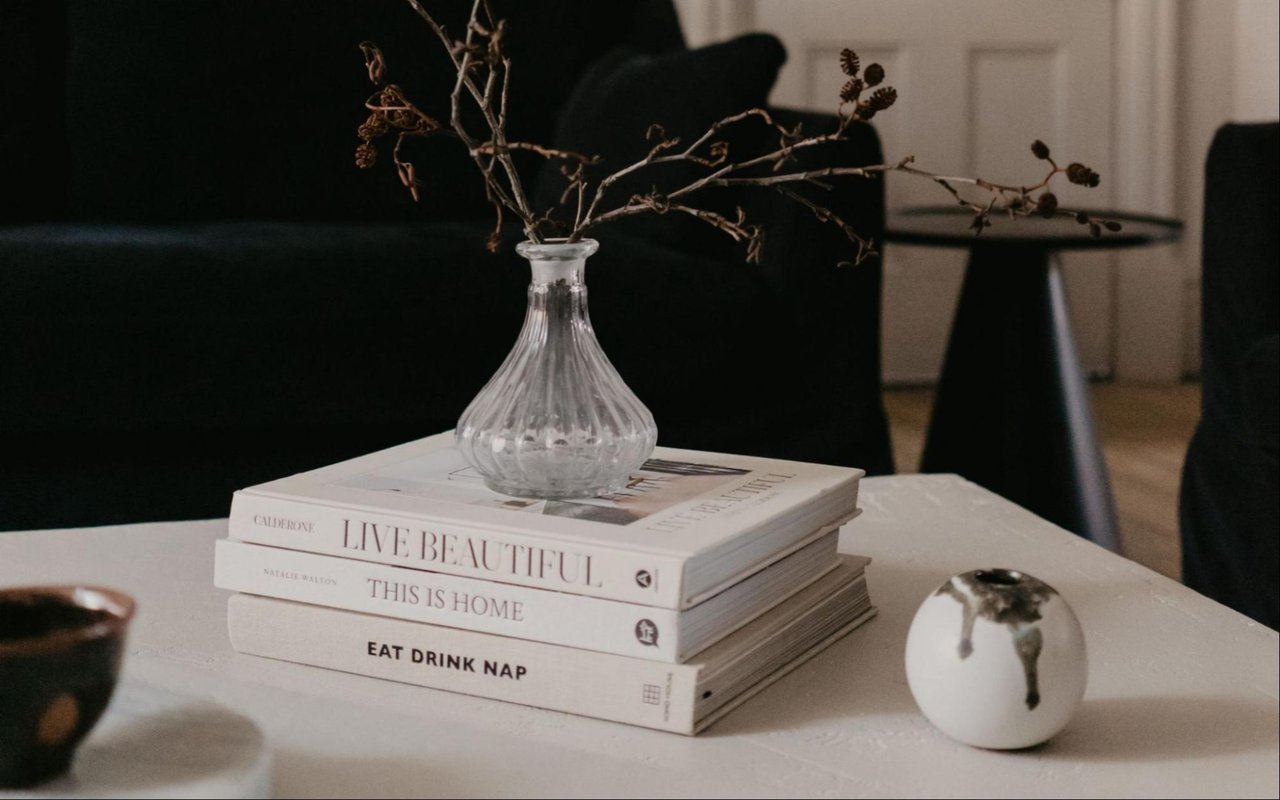
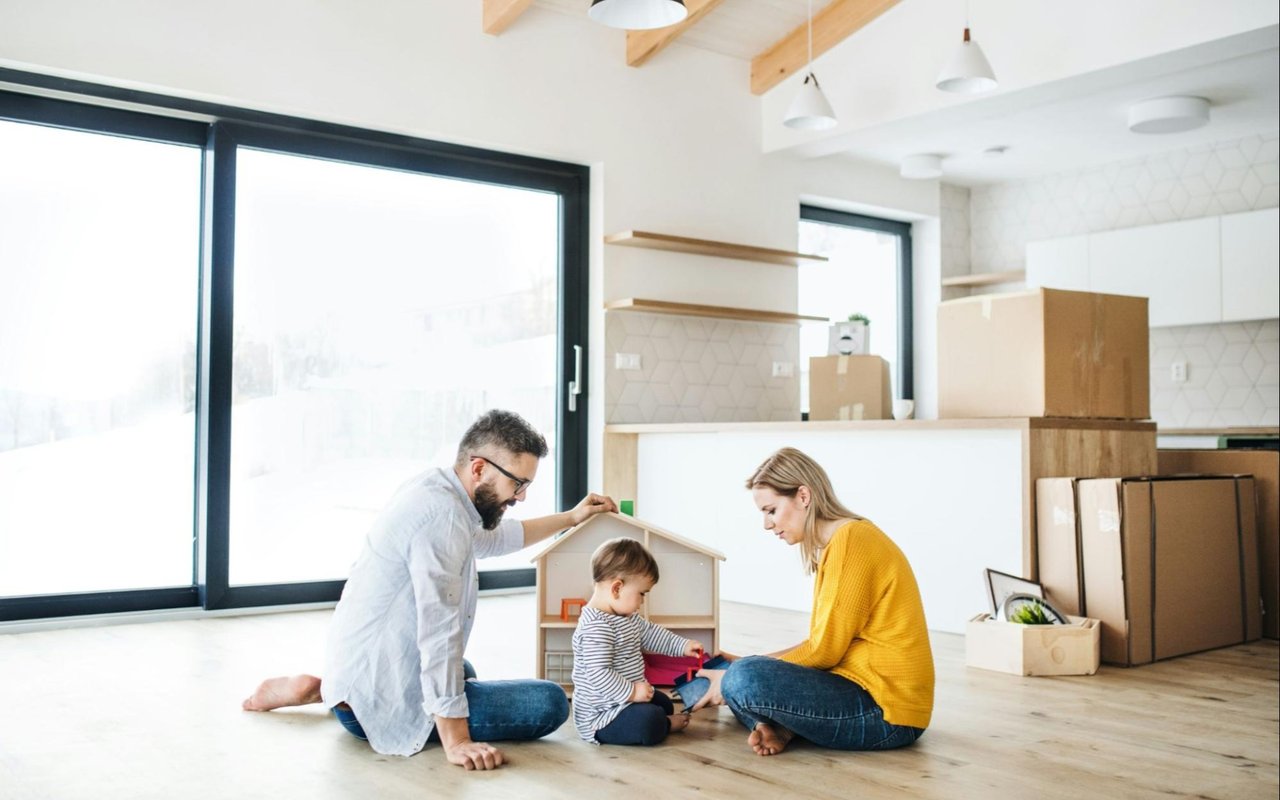
At the same time, homeowners are carving out areas specifically intended to be technology-free. Reading rooms, hobby spaces, and quiet retreats offer an escape from the notifications and endless scrolling that characterize so much of modern life.
It's an interesting combination. We want technology to simplify our lives, but we don't necessarily want it dominating them.
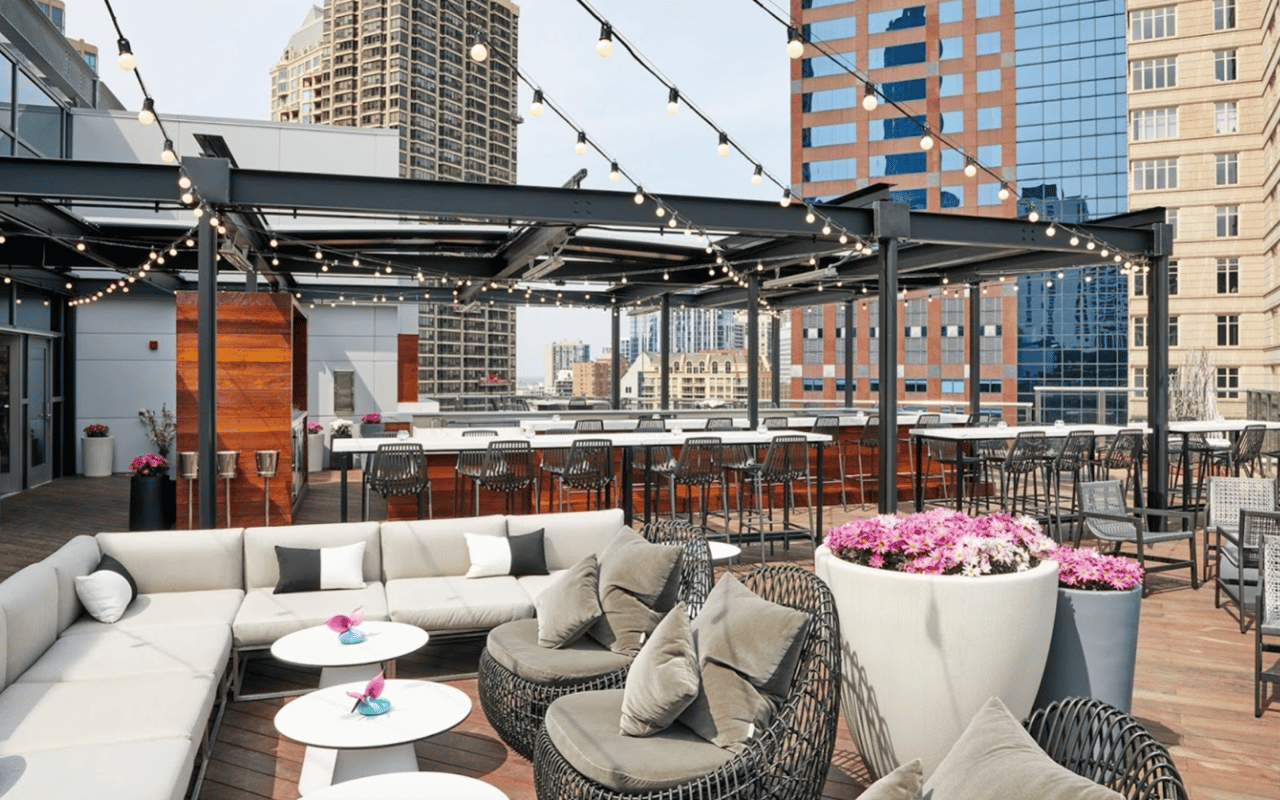
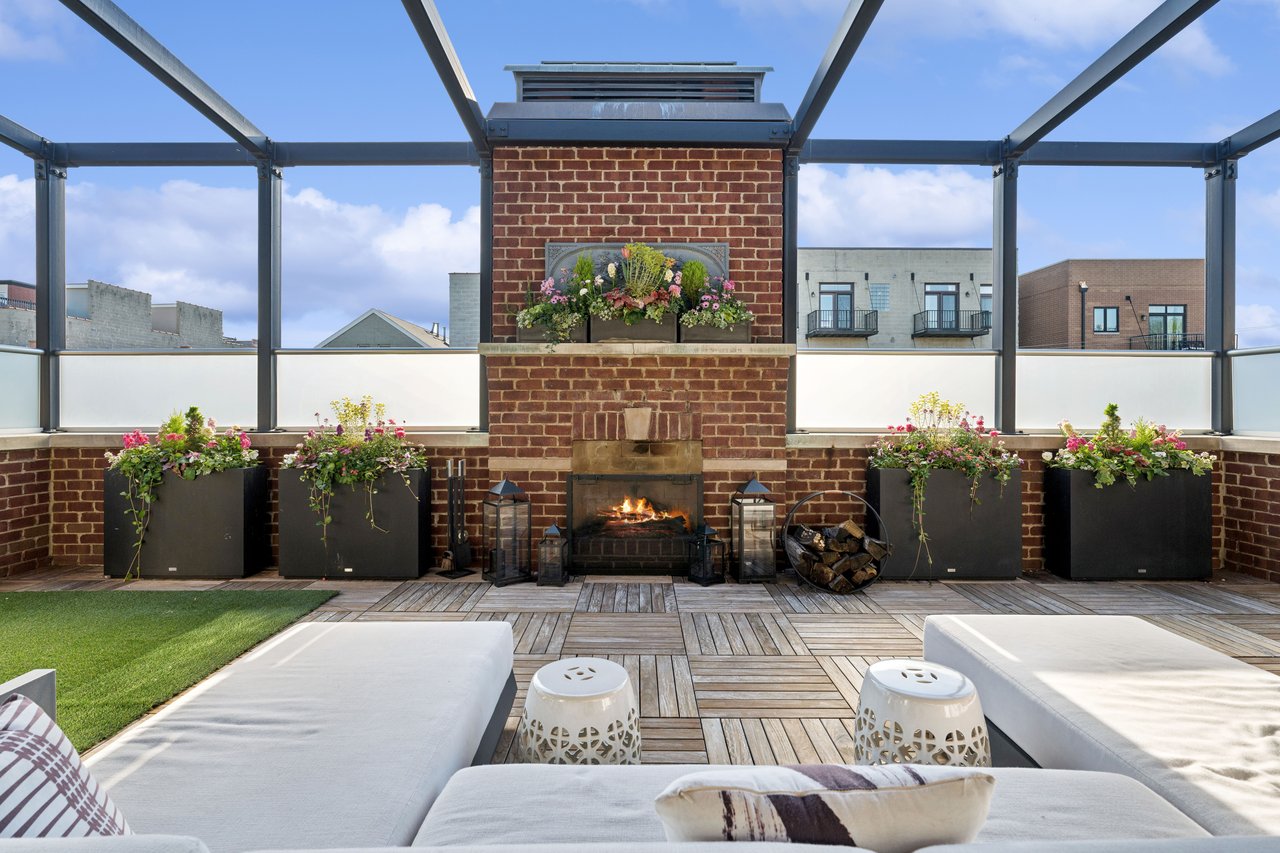
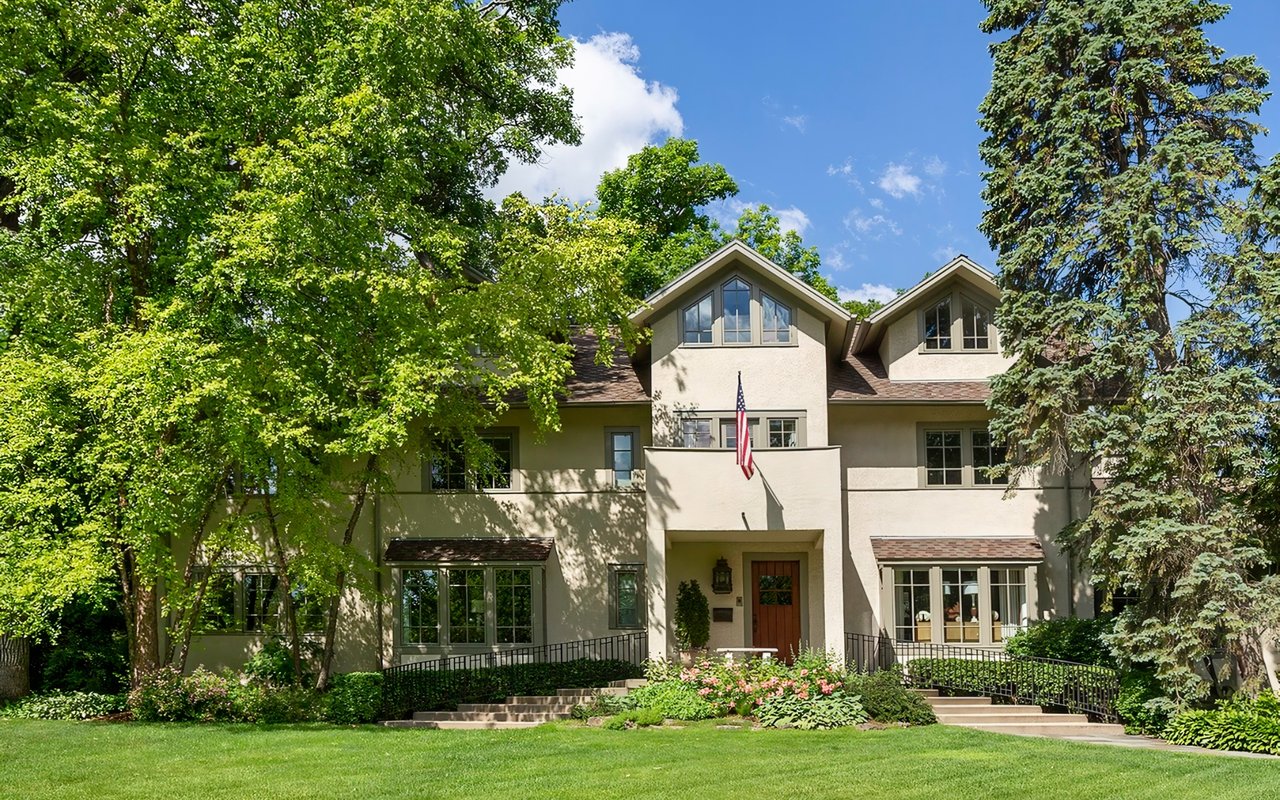
For Chicago condo owners, that might mean transforming an underused den into a library or creative studio. In a larger Lincoln Park or Bucktown home, a secondary living space could become a retreat from the bustle of family life.
The appeal isn't necessarily more square footage. It's having a place where you're not expected to do anything productive at all.
The All-White Interior May Finally Be Losing Its Grip
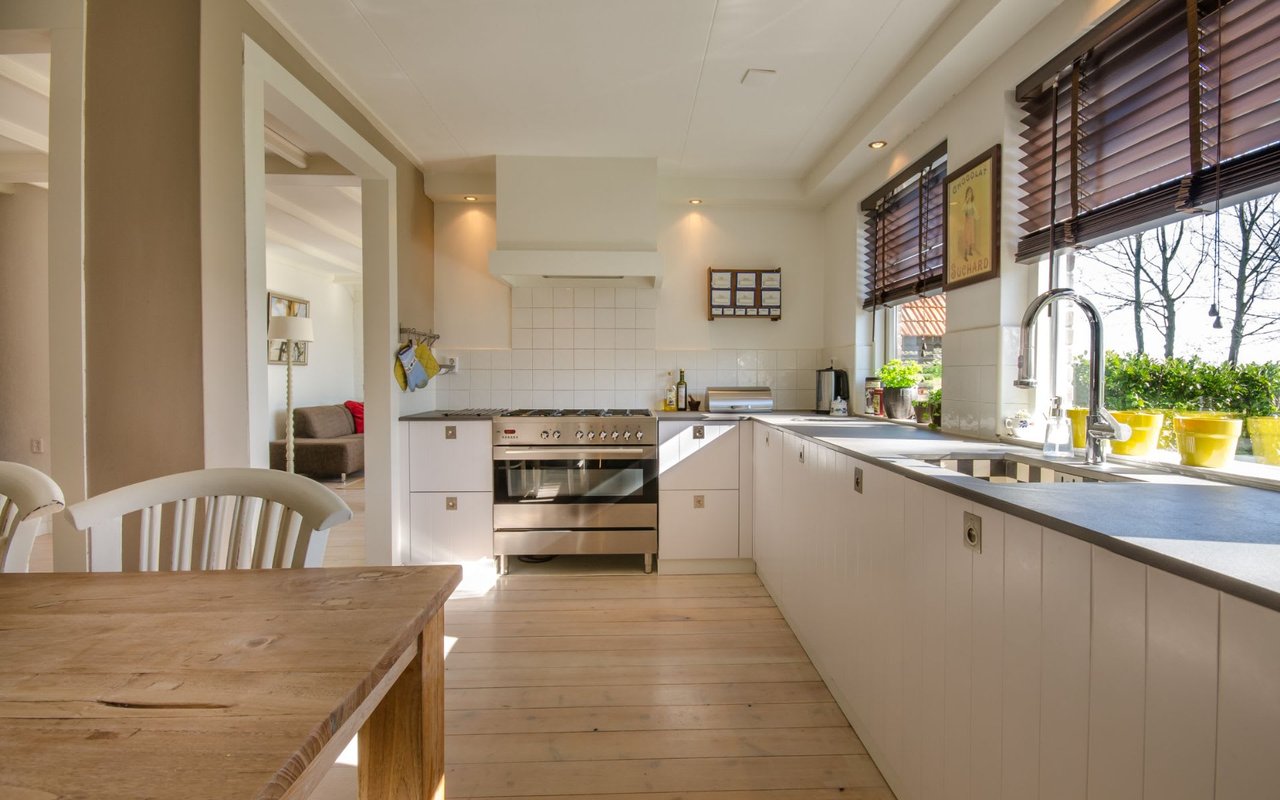
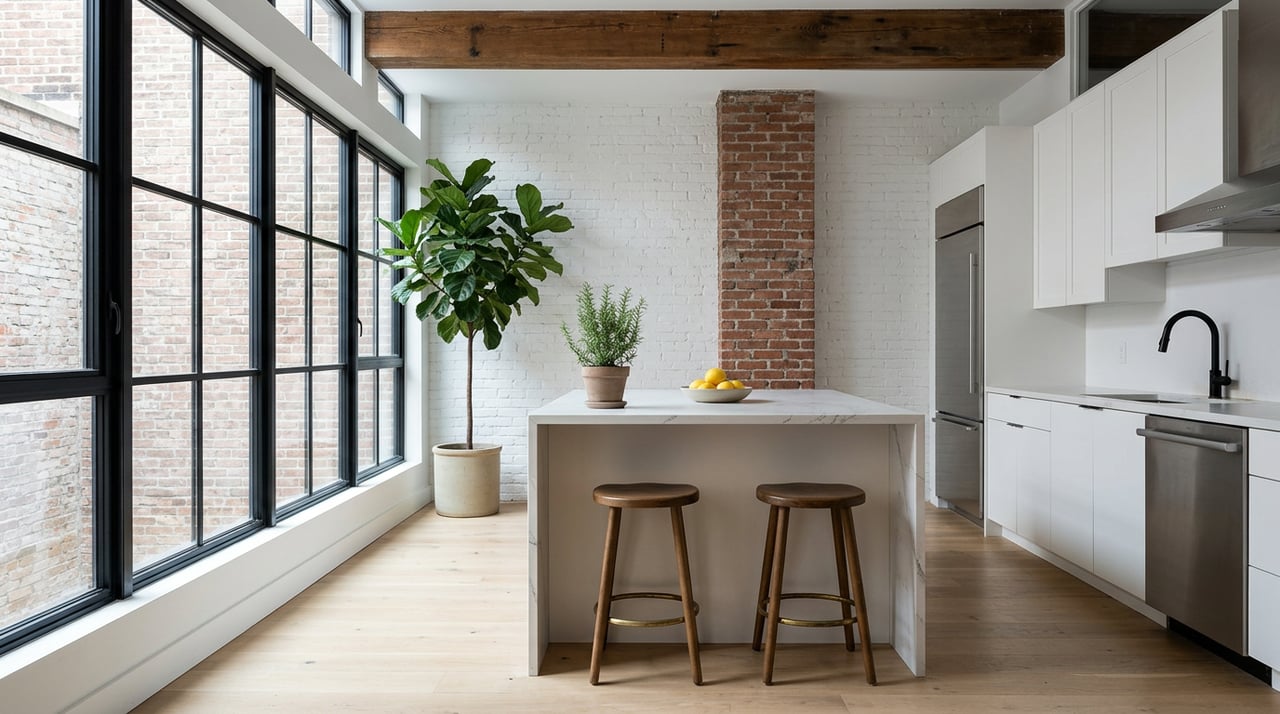
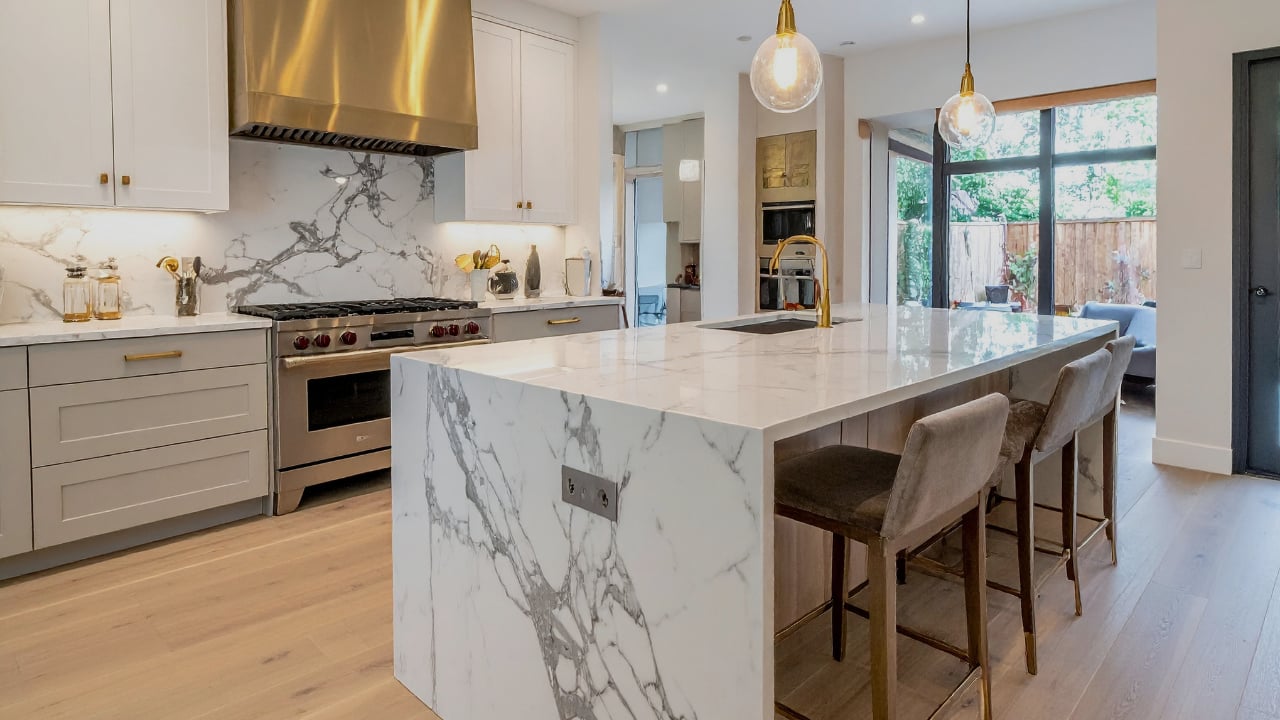
For years, homeowners were encouraged to keep everything neutral, particularly if they planned to sell. White kitchens, pale walls, understated furniture, and carefully restrained accessories became the unofficial uniform of real estate photography.
And while classic design will always have its place, the pendulum appears to be swinging.
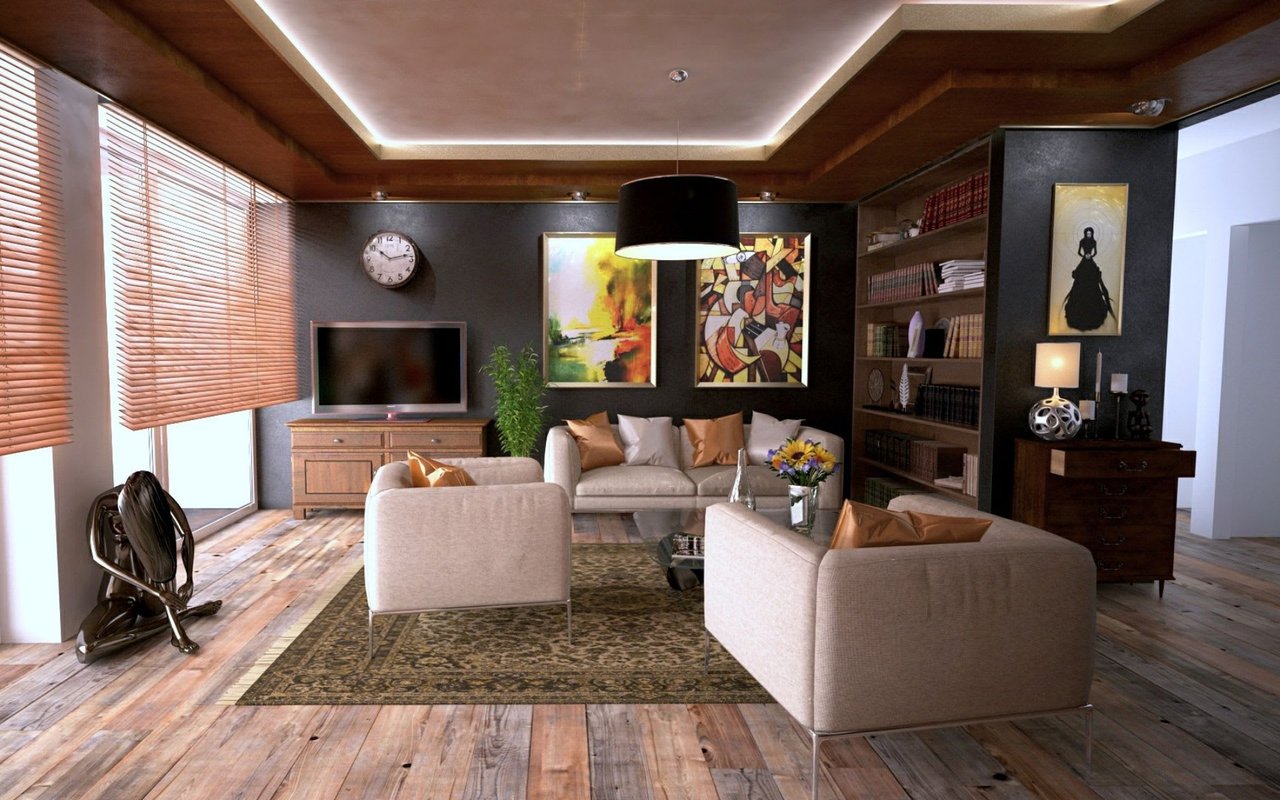
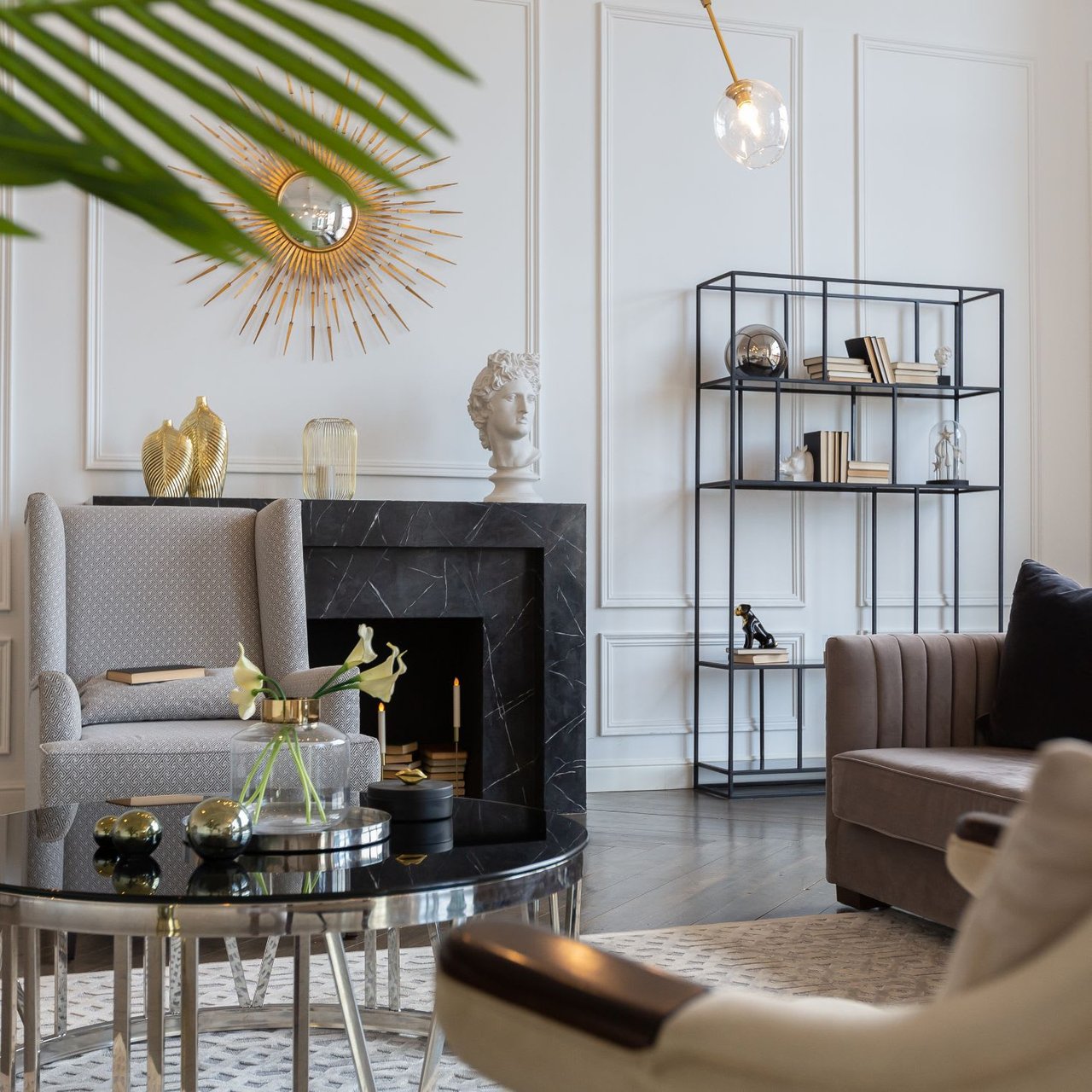
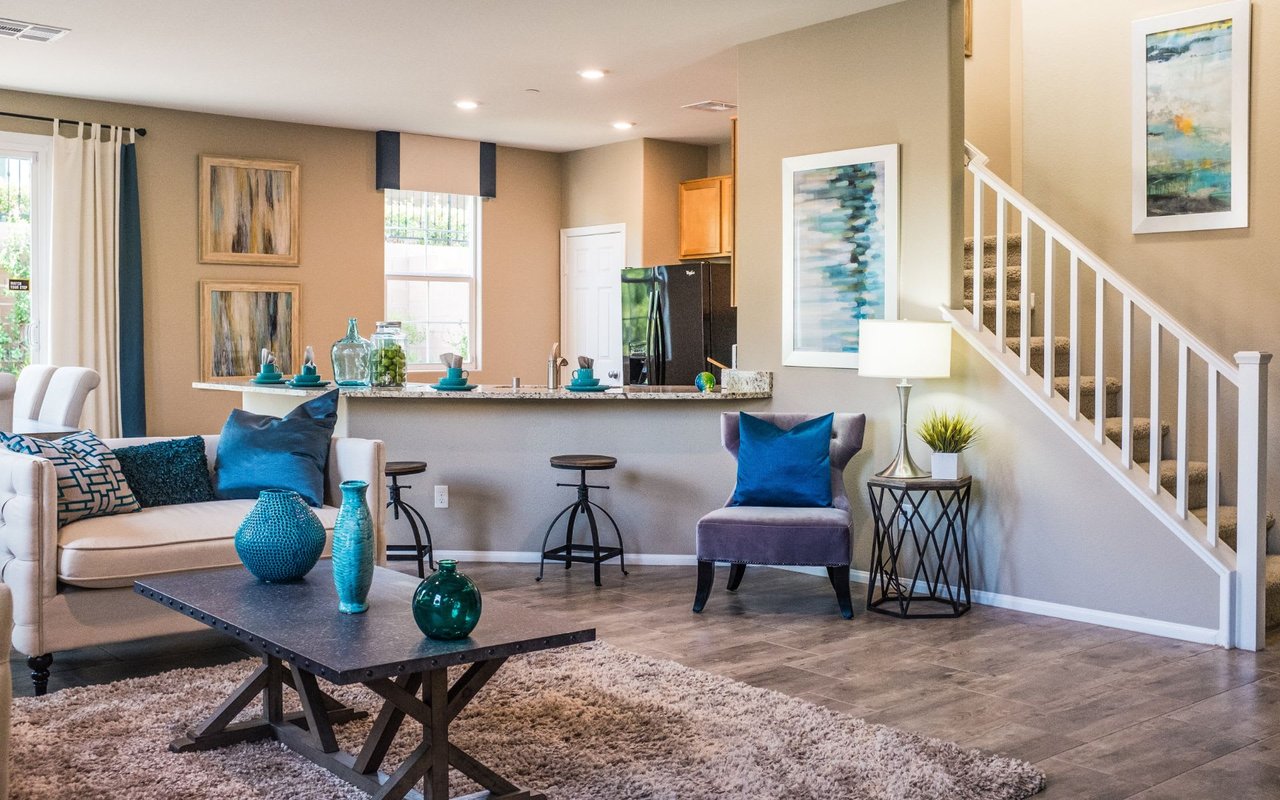
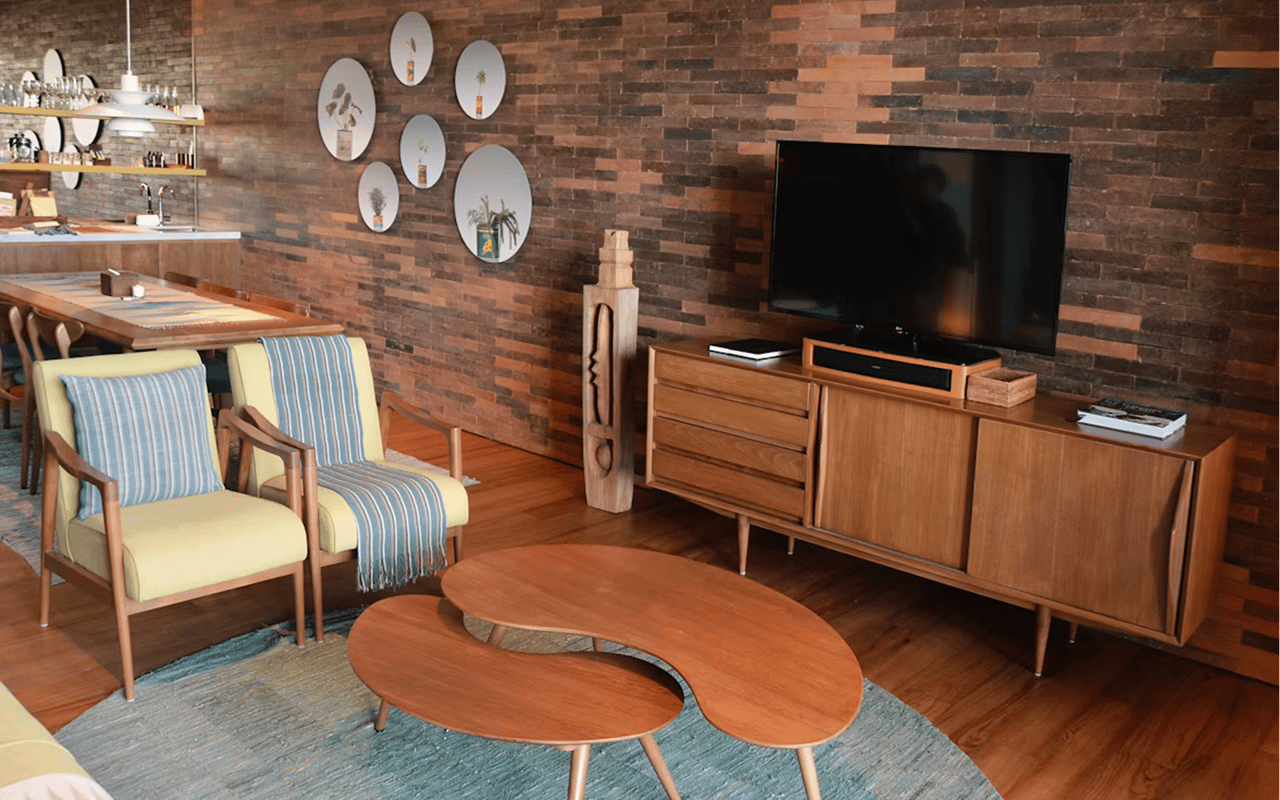
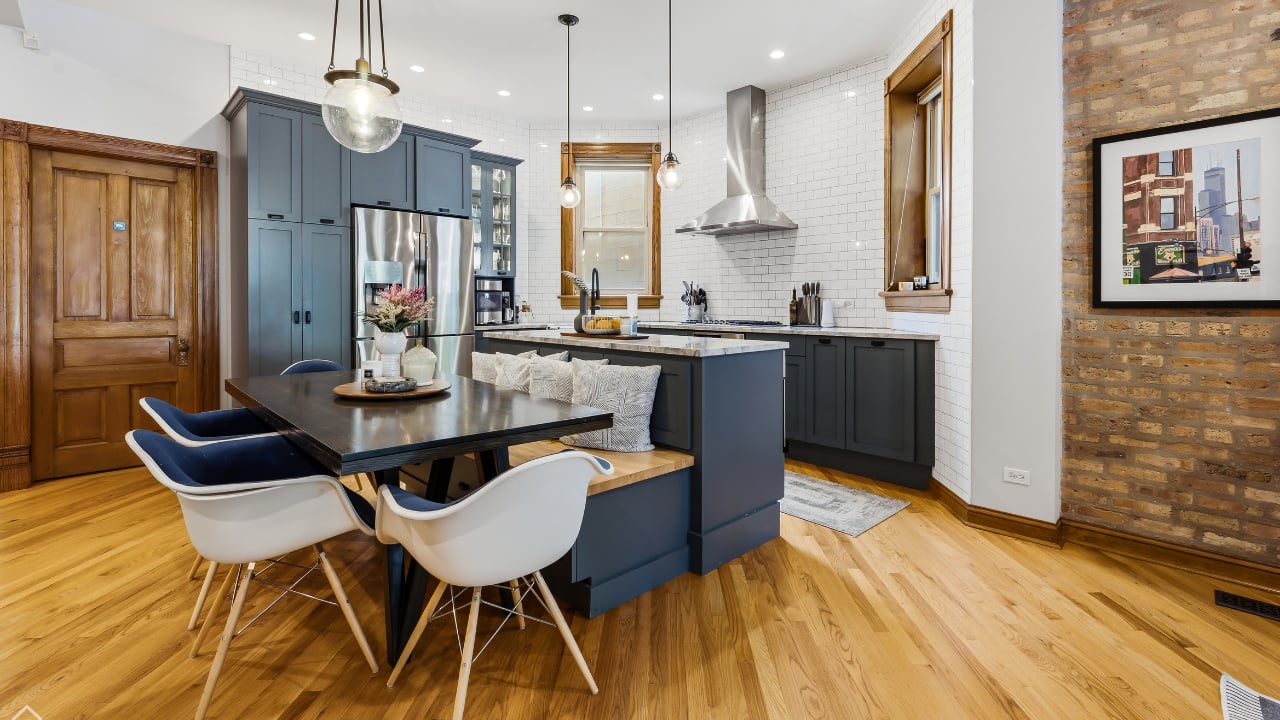
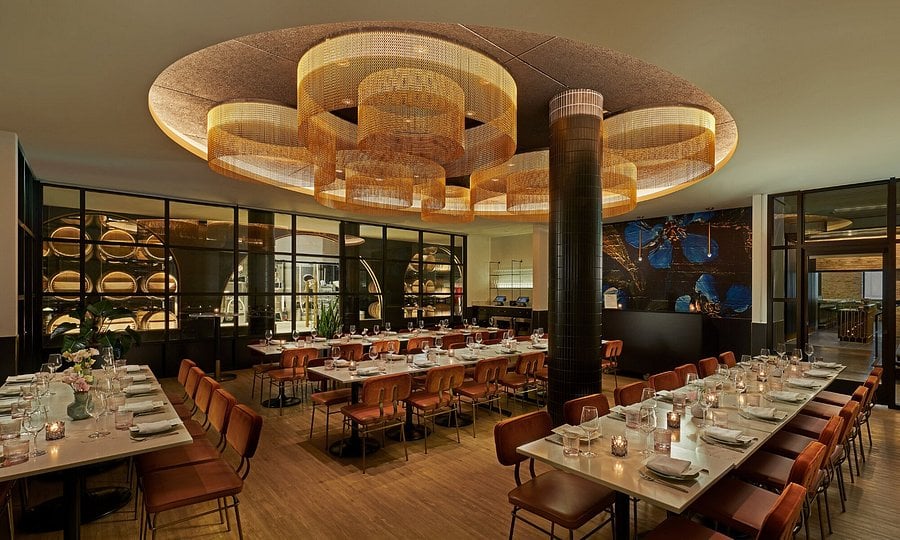
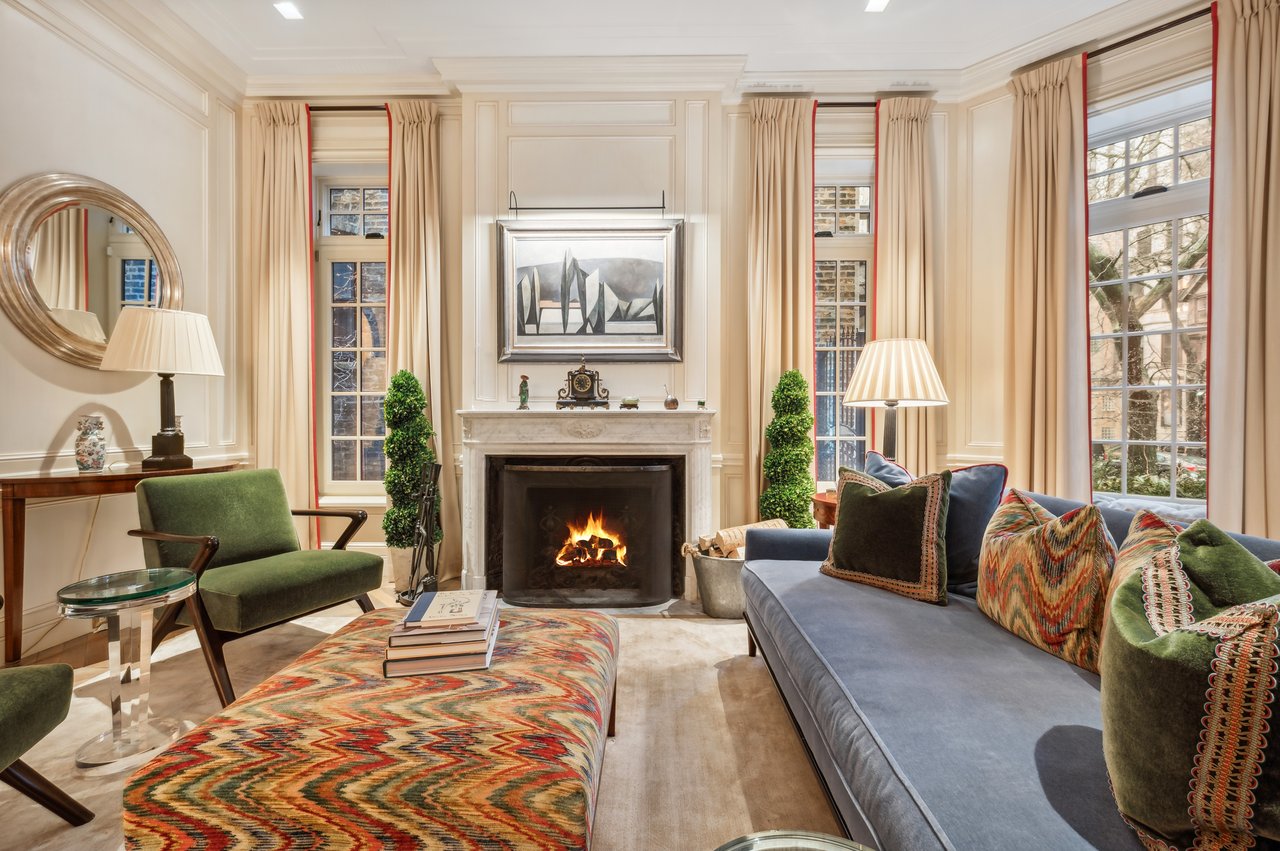
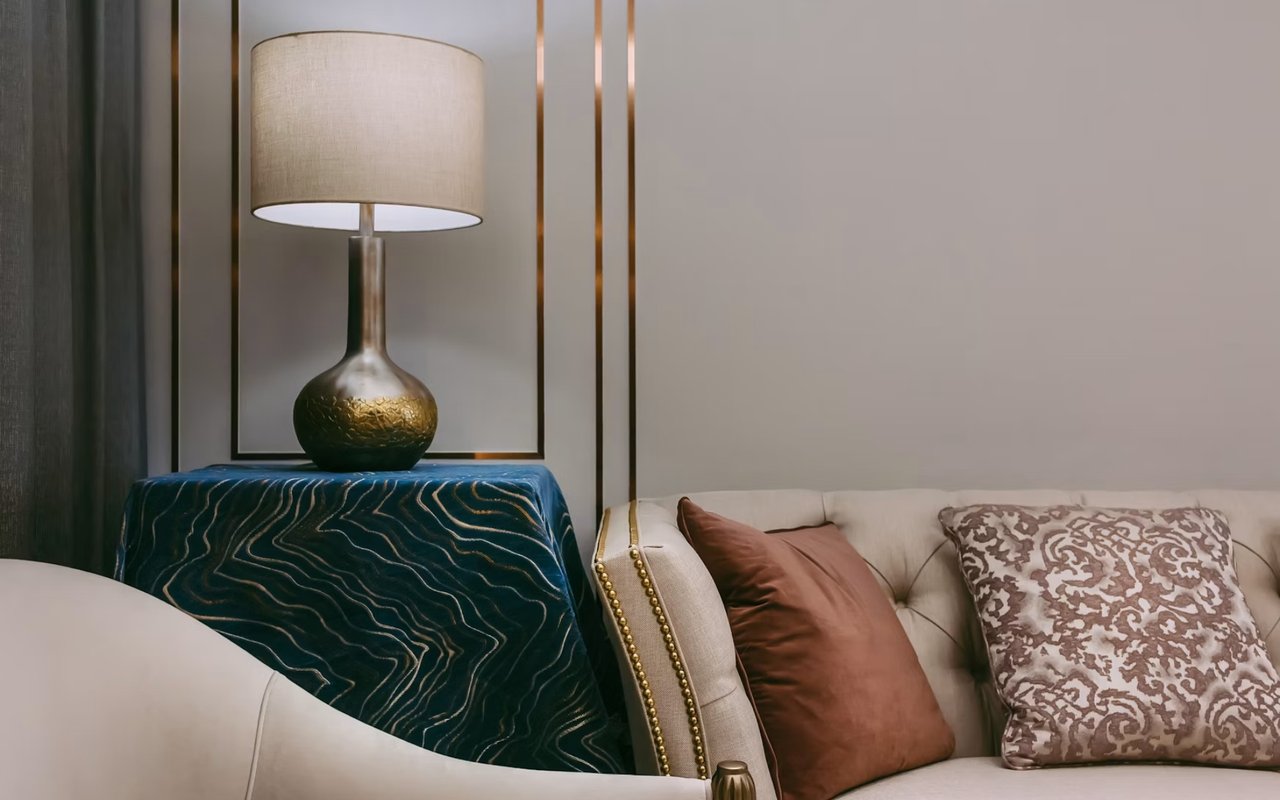
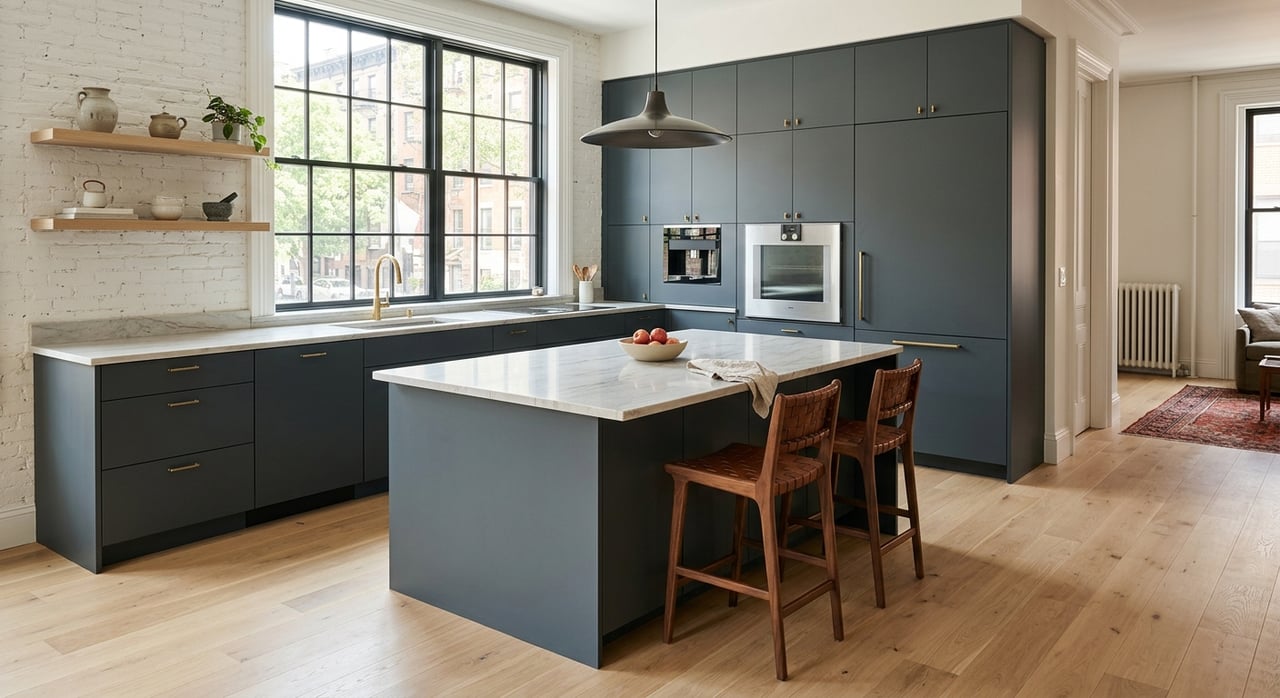
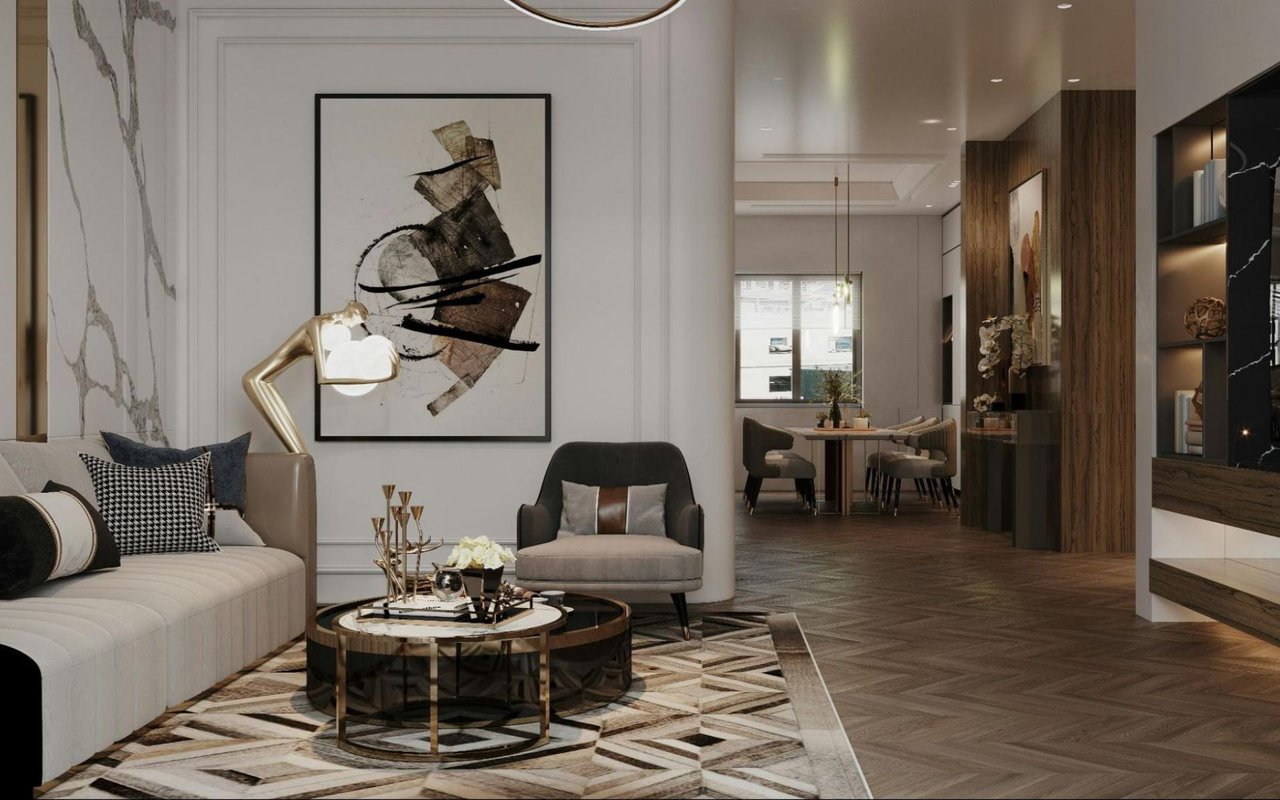
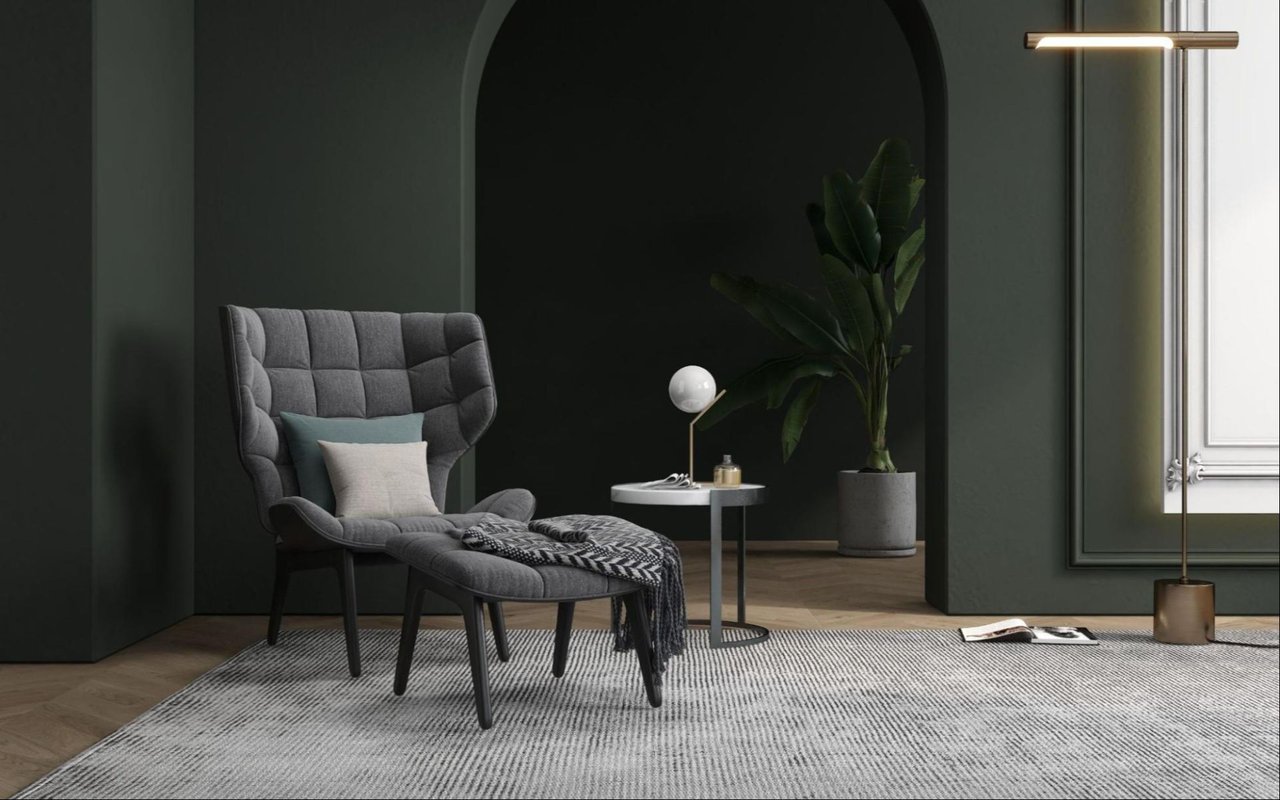
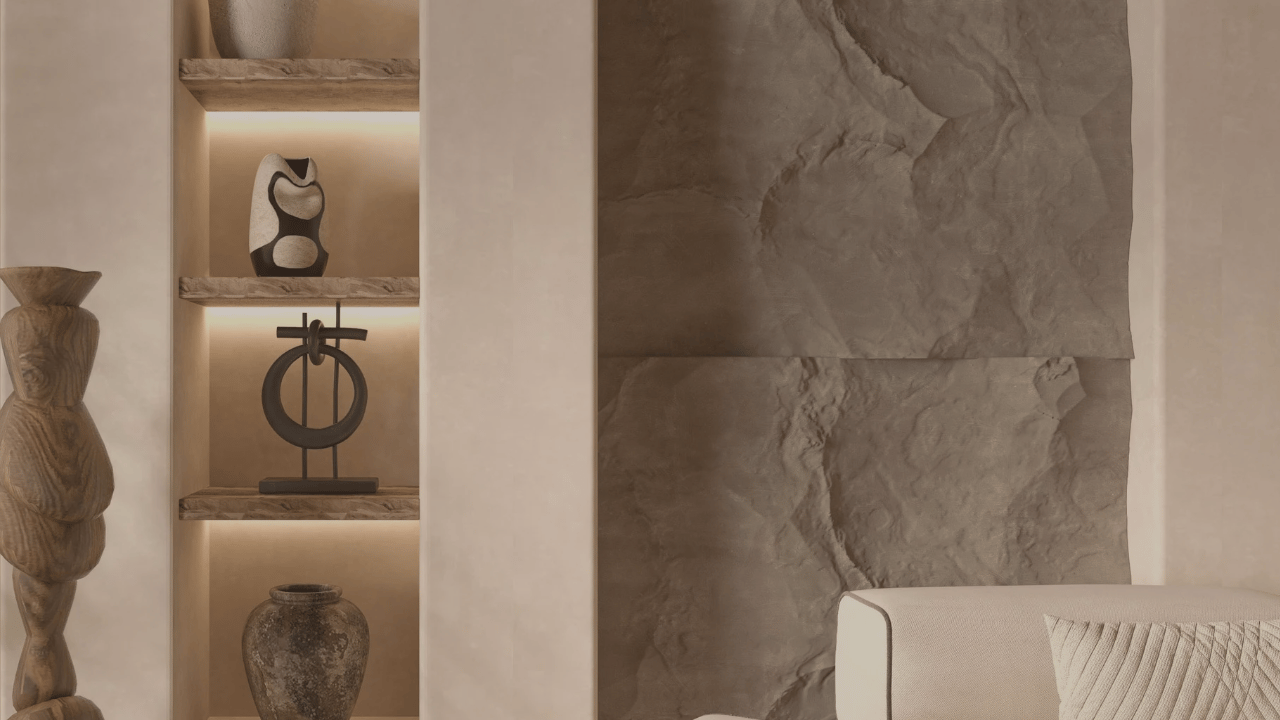
Richer colors, layered textures, and more expressive rooms are gaining visibility. Zillow's findings point toward an appetite for interiors that feel intentional and individual rather than universally acceptable.
In Chicago, this evolution feels particularly appropriate.
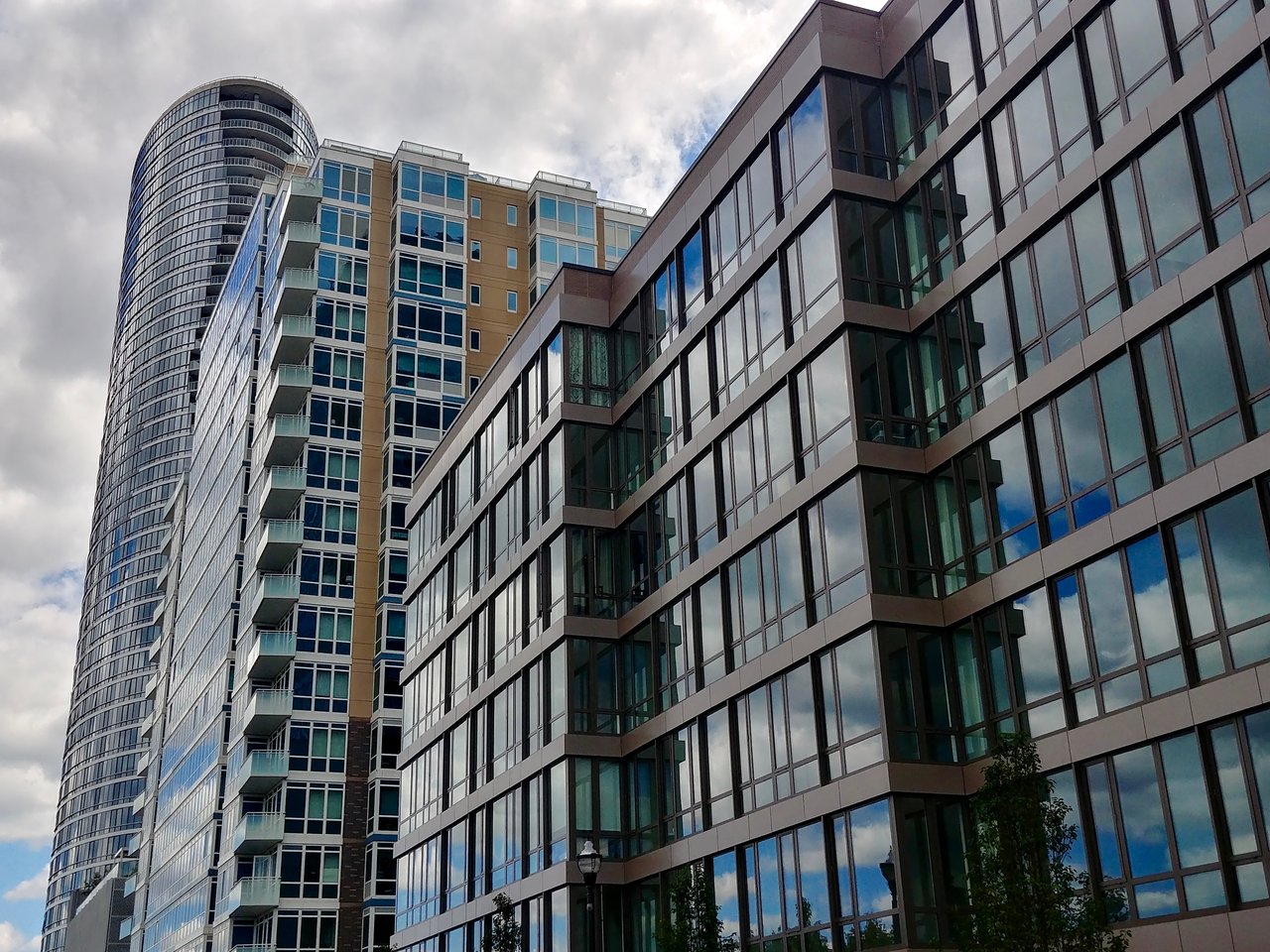
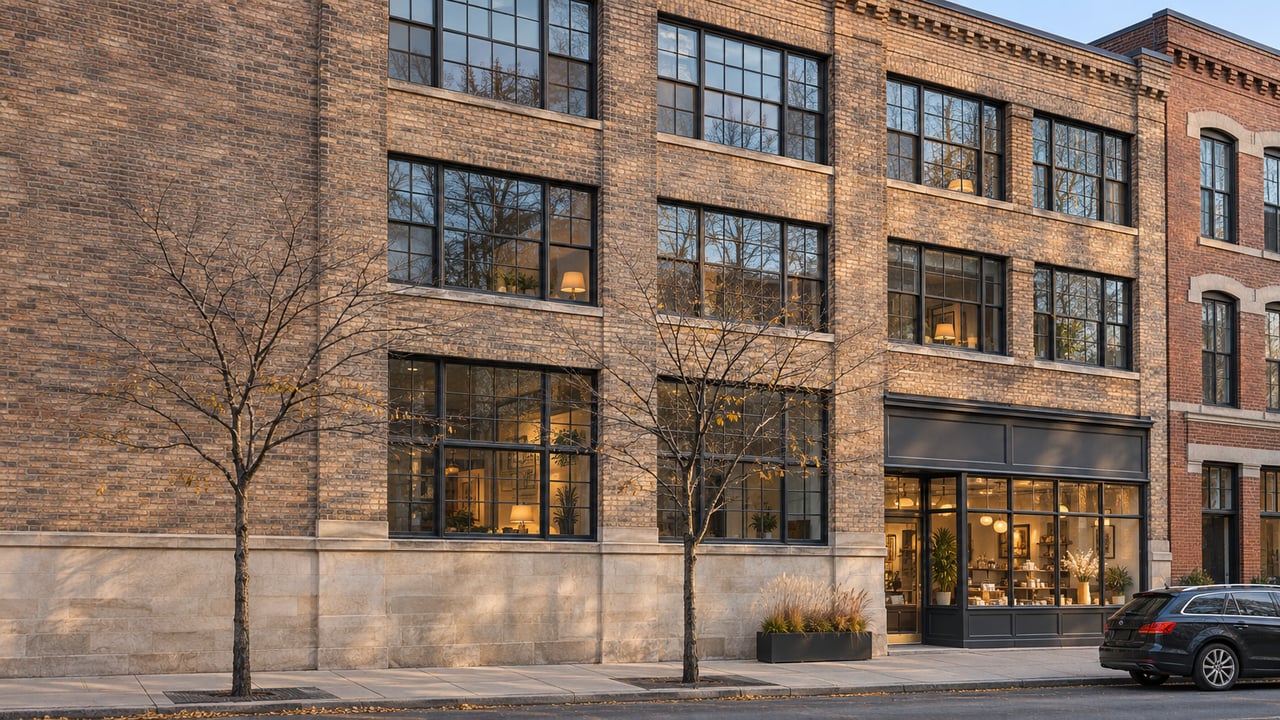
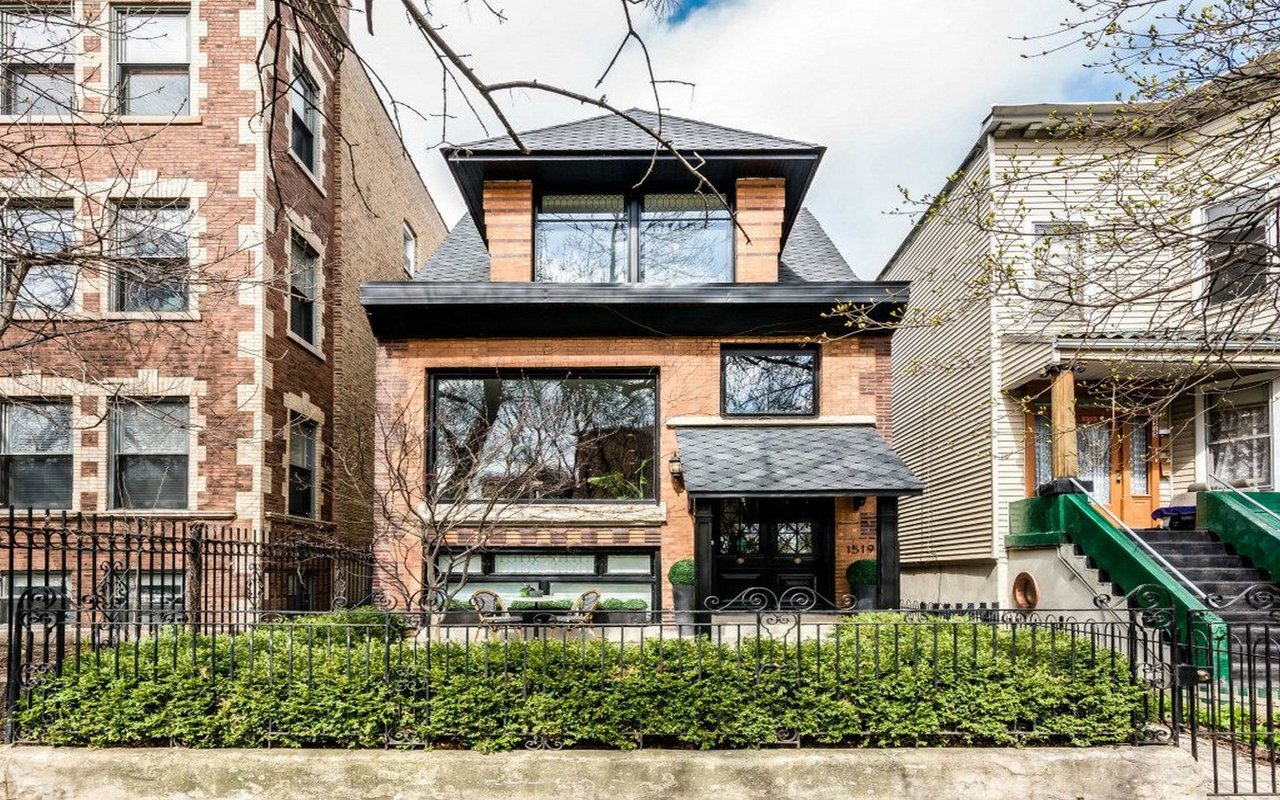
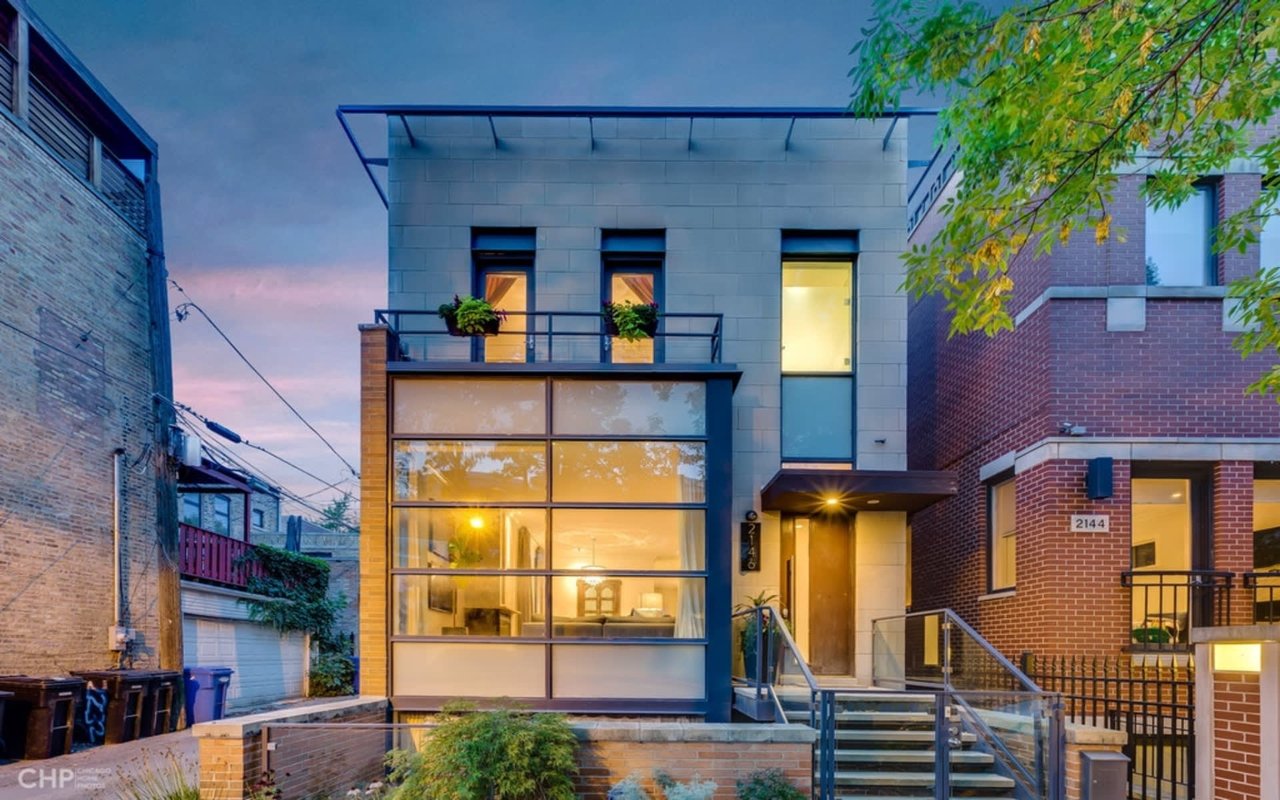
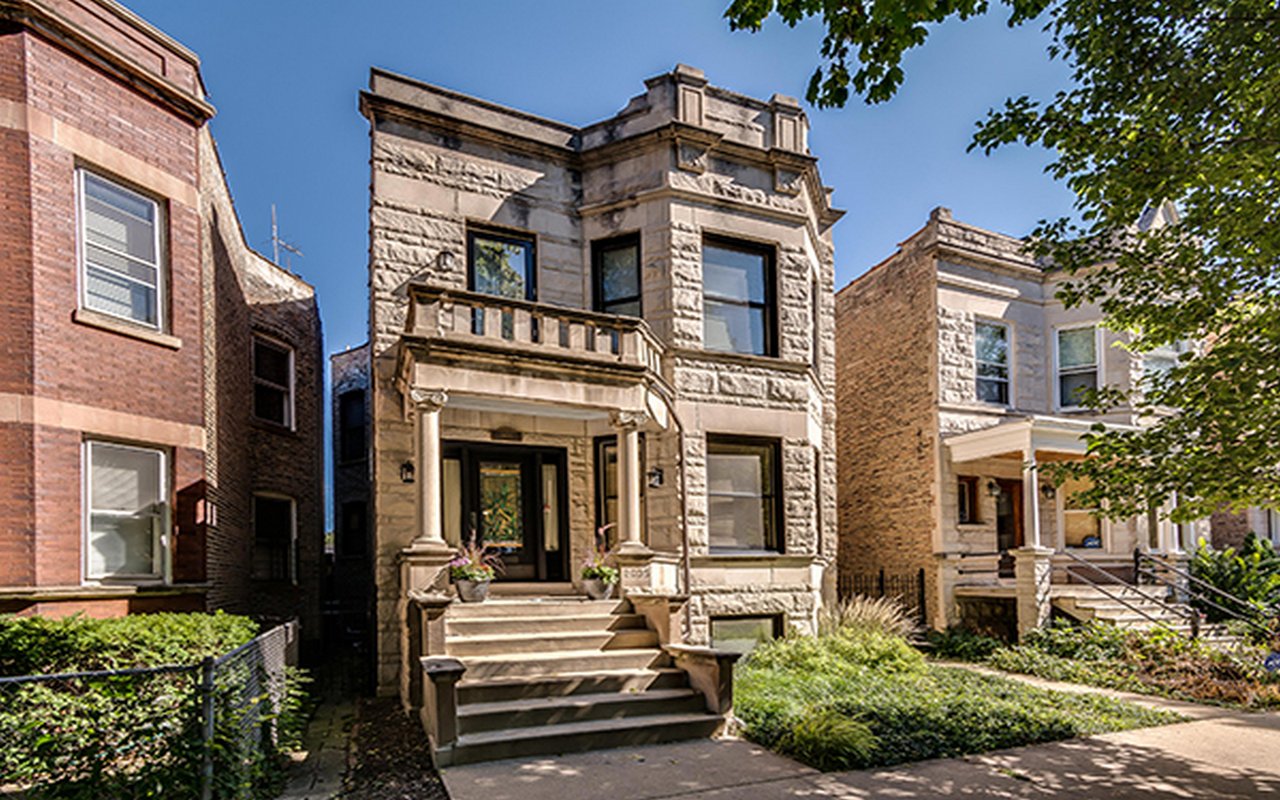
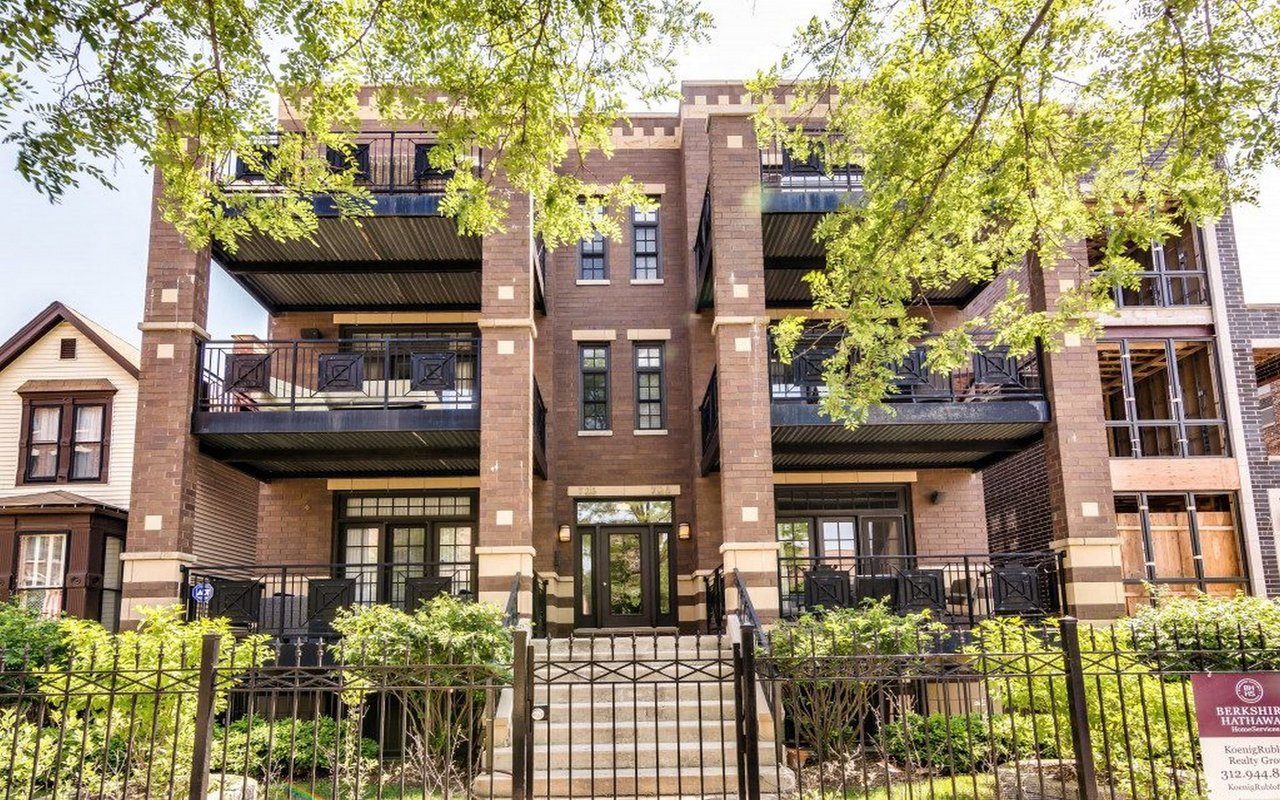
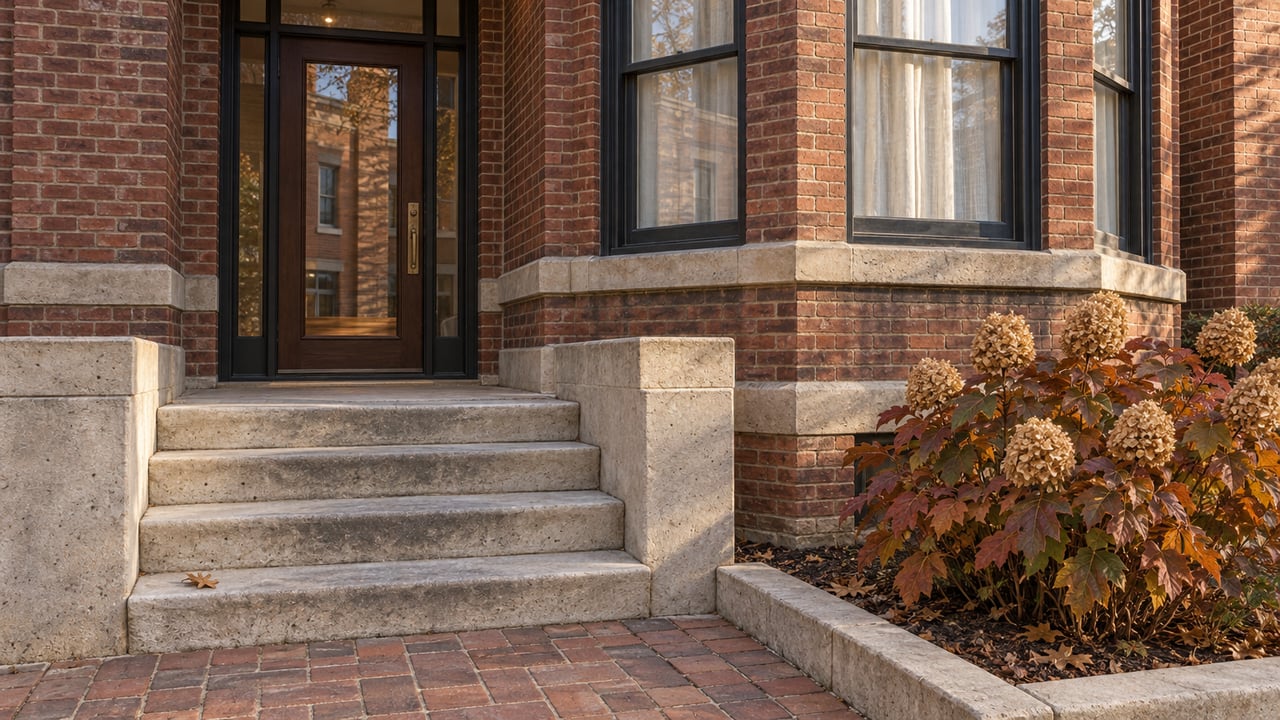
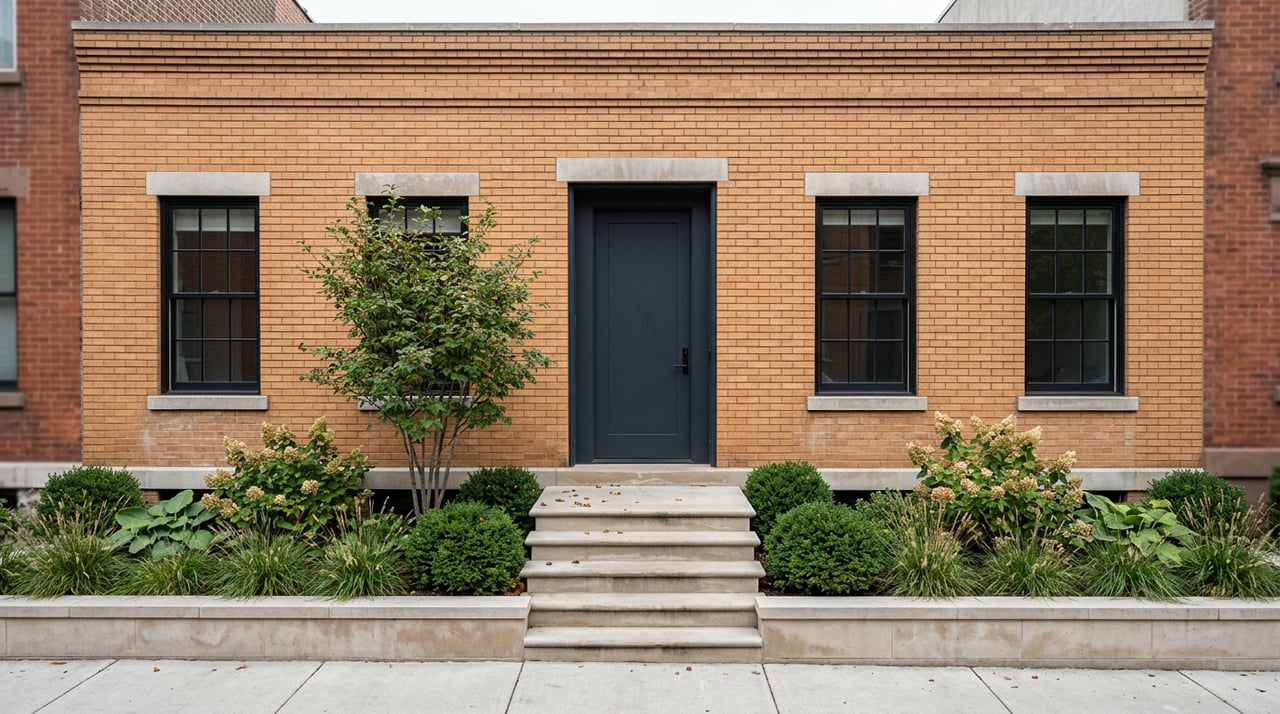
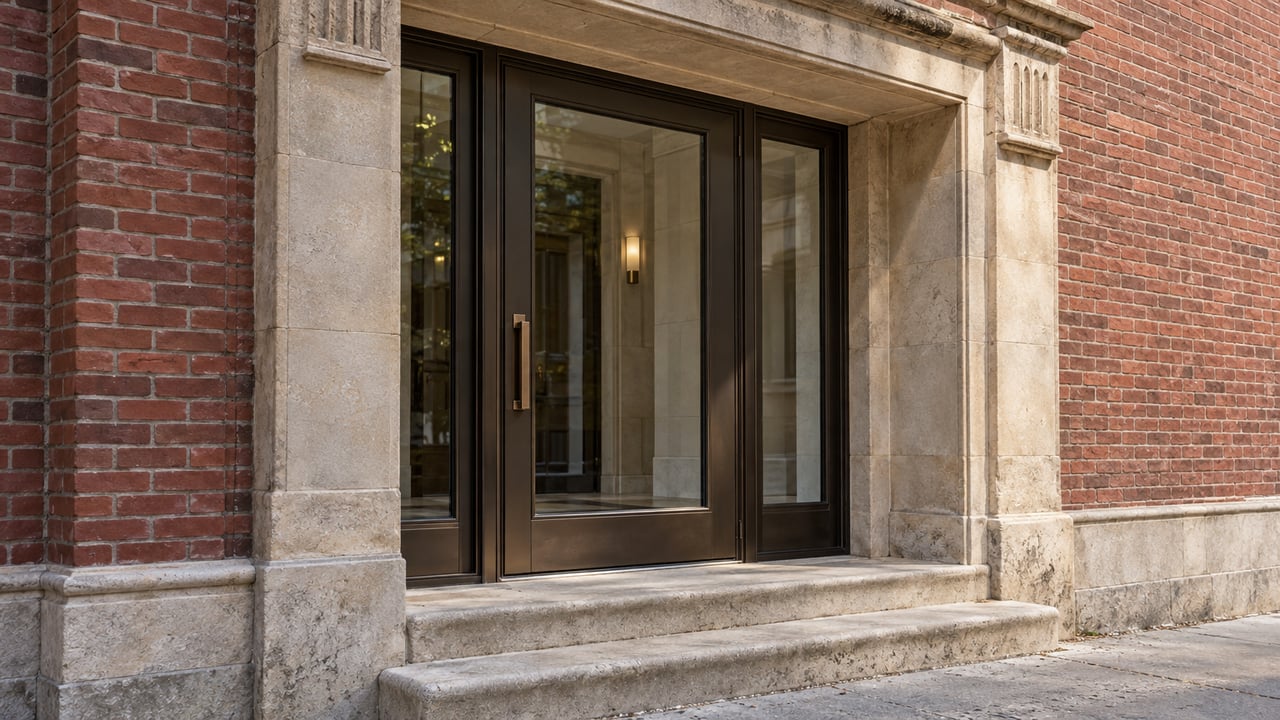
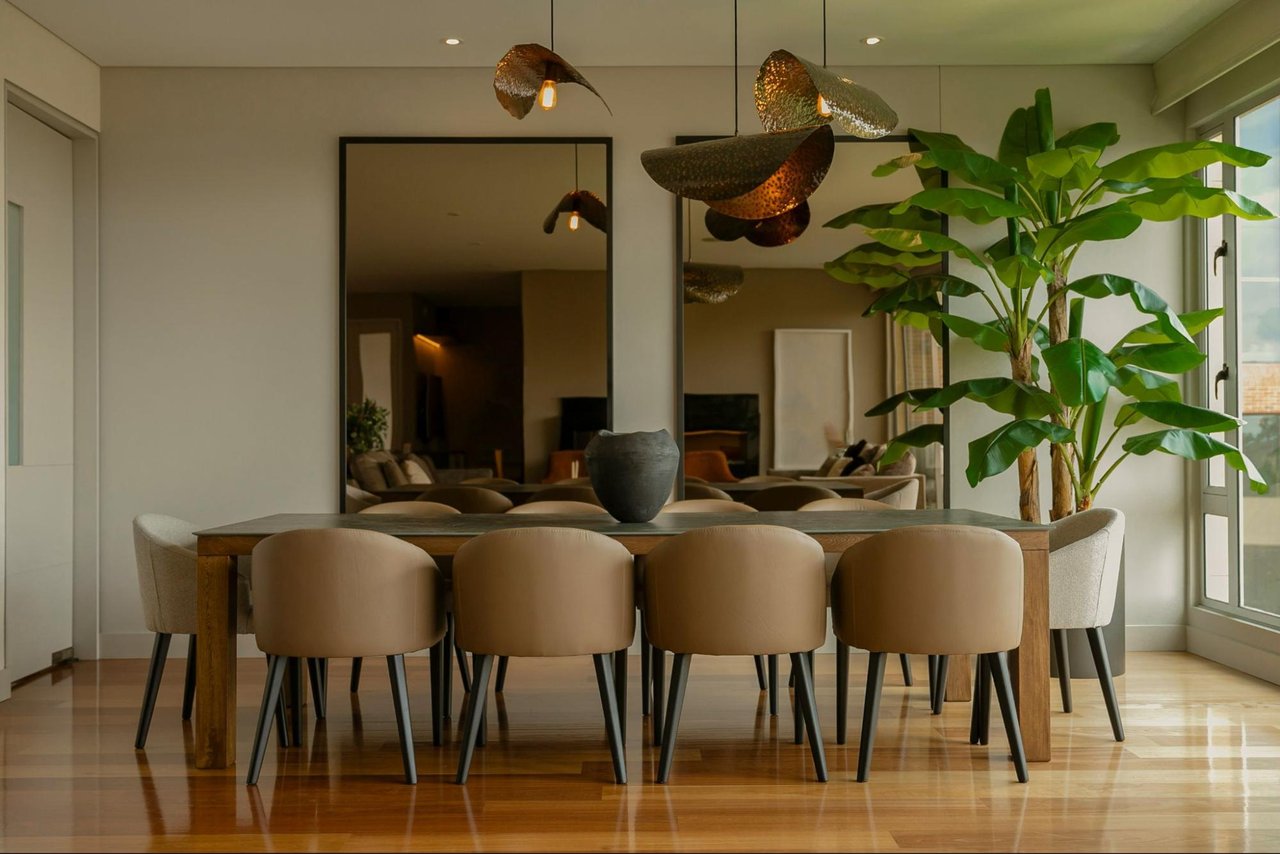
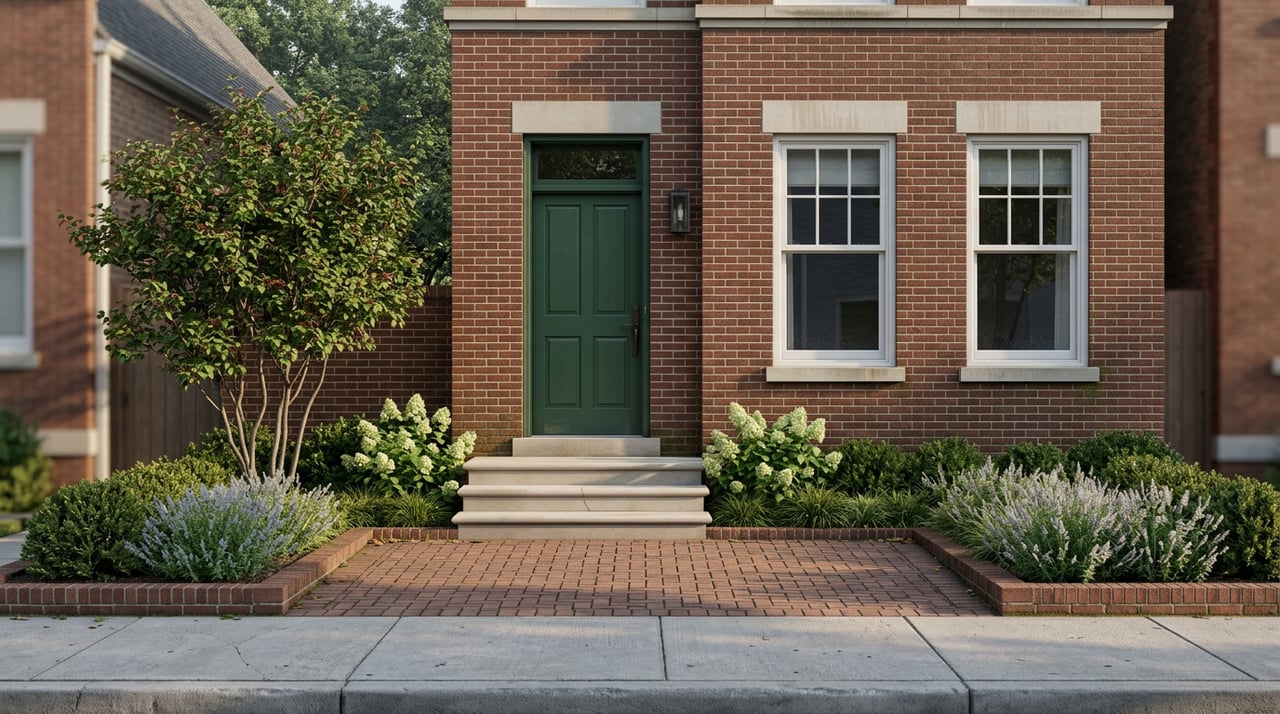
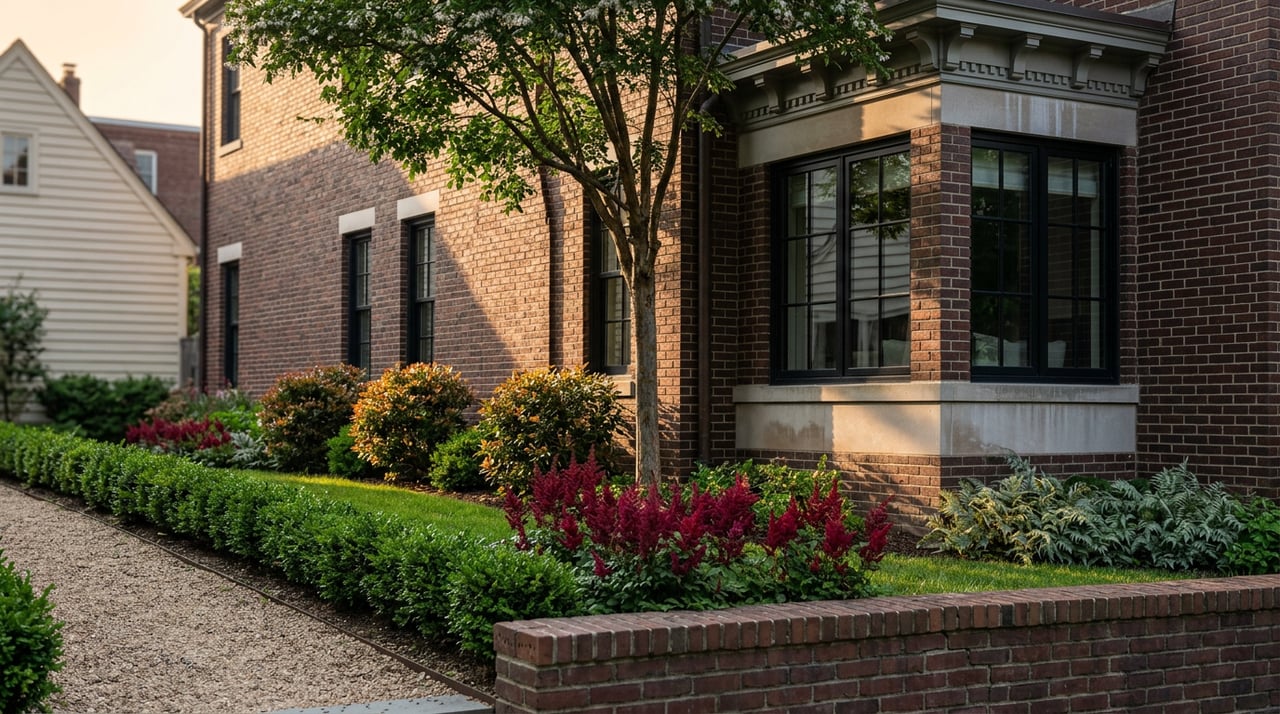
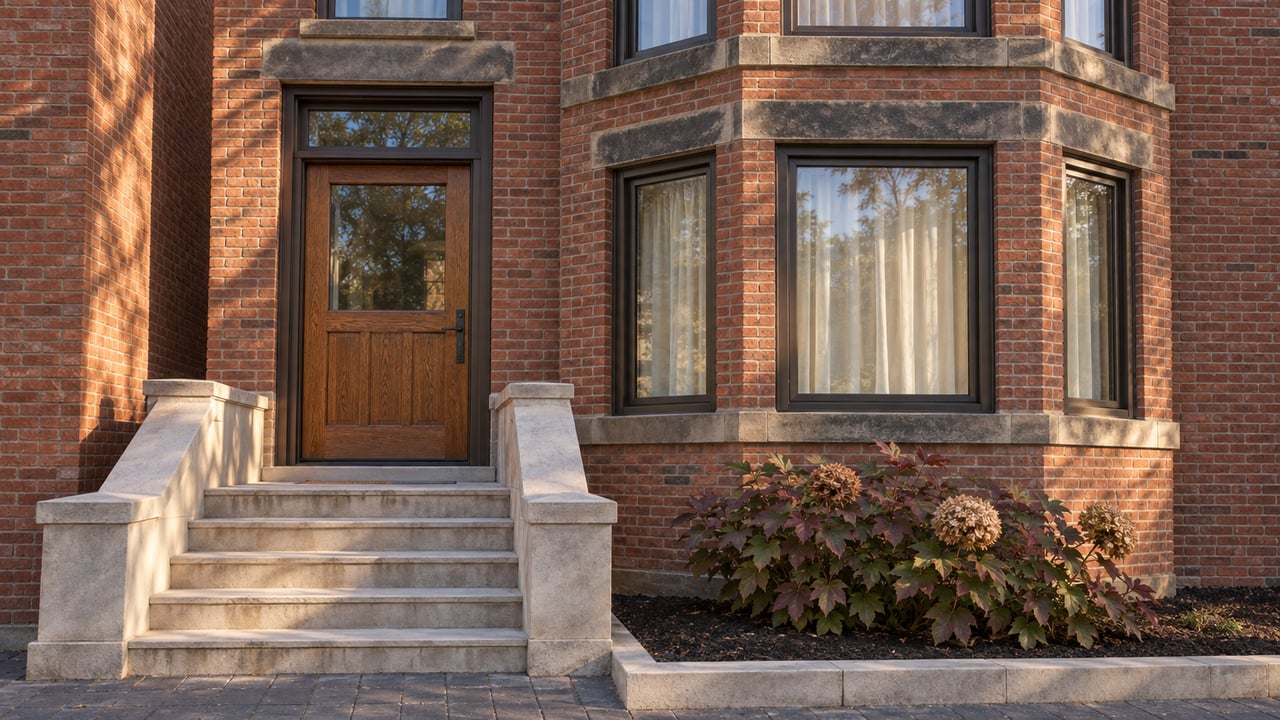
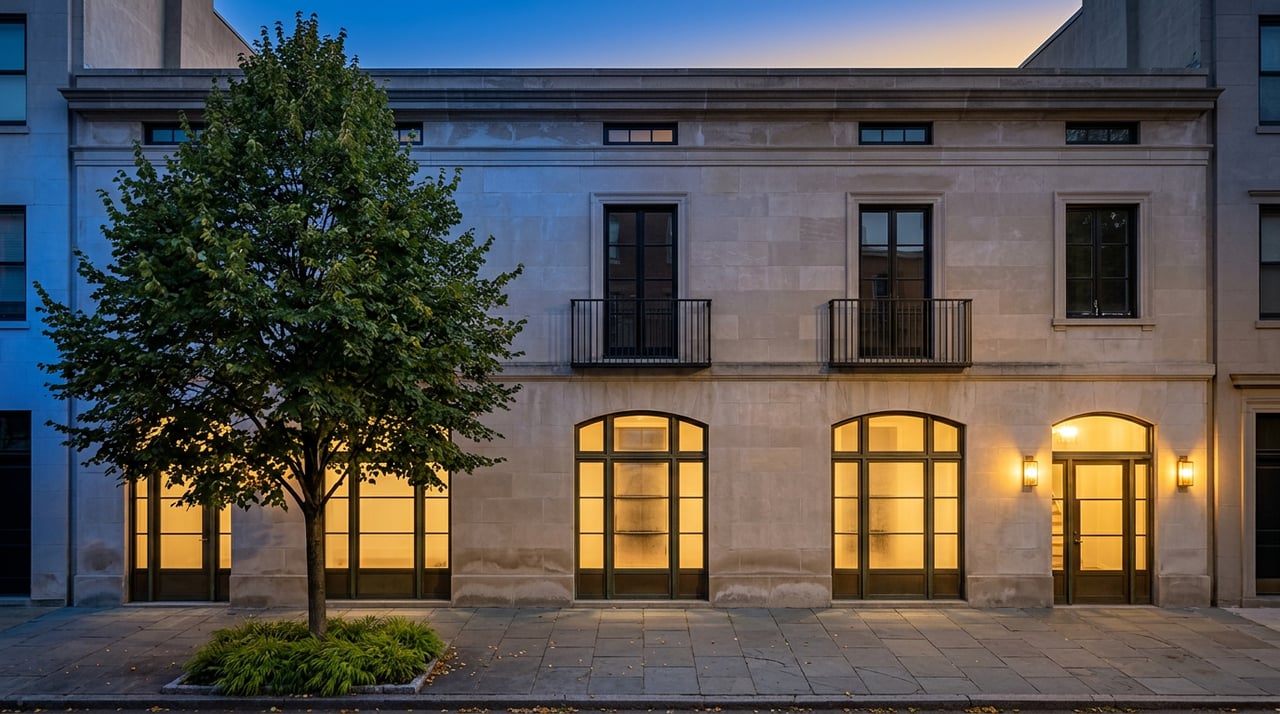
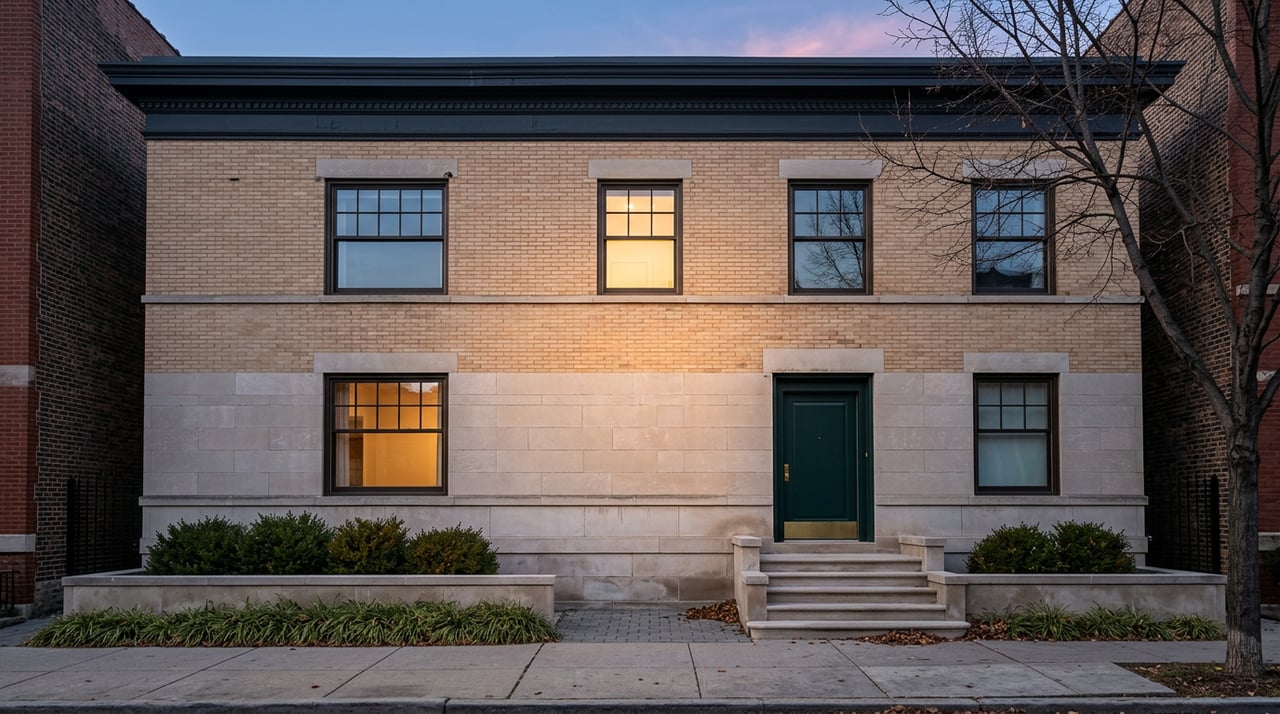
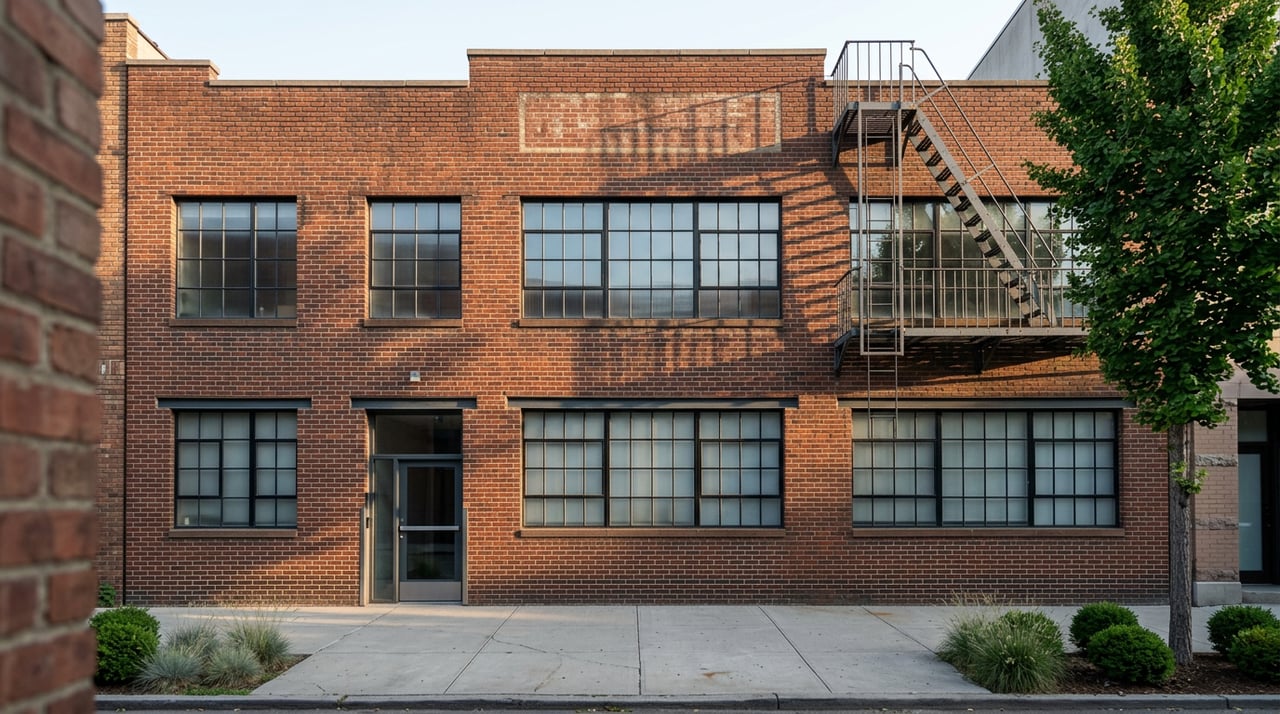
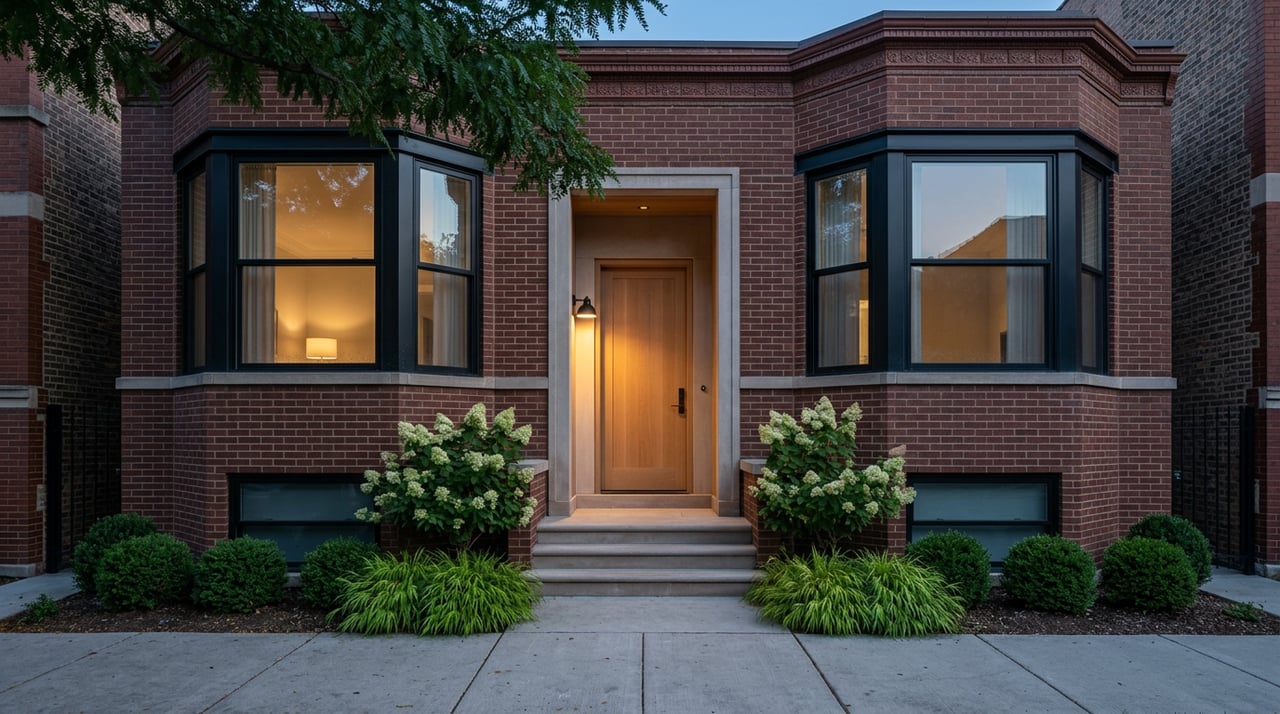
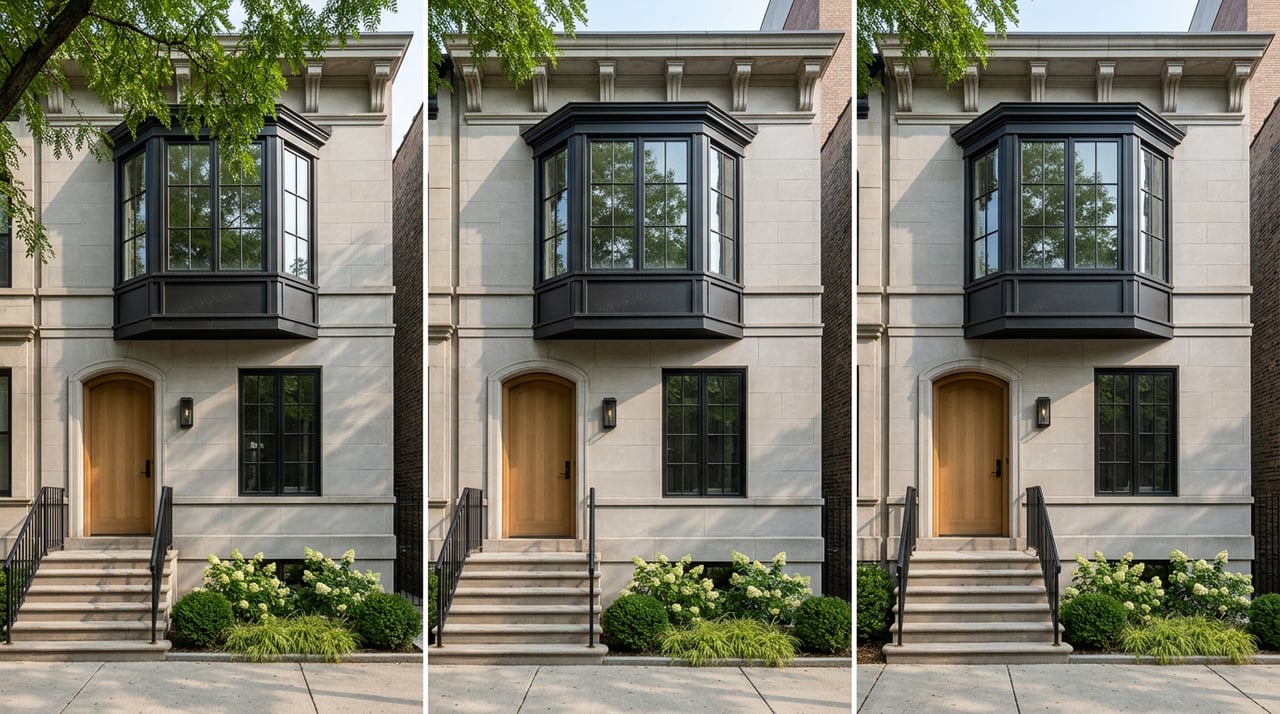
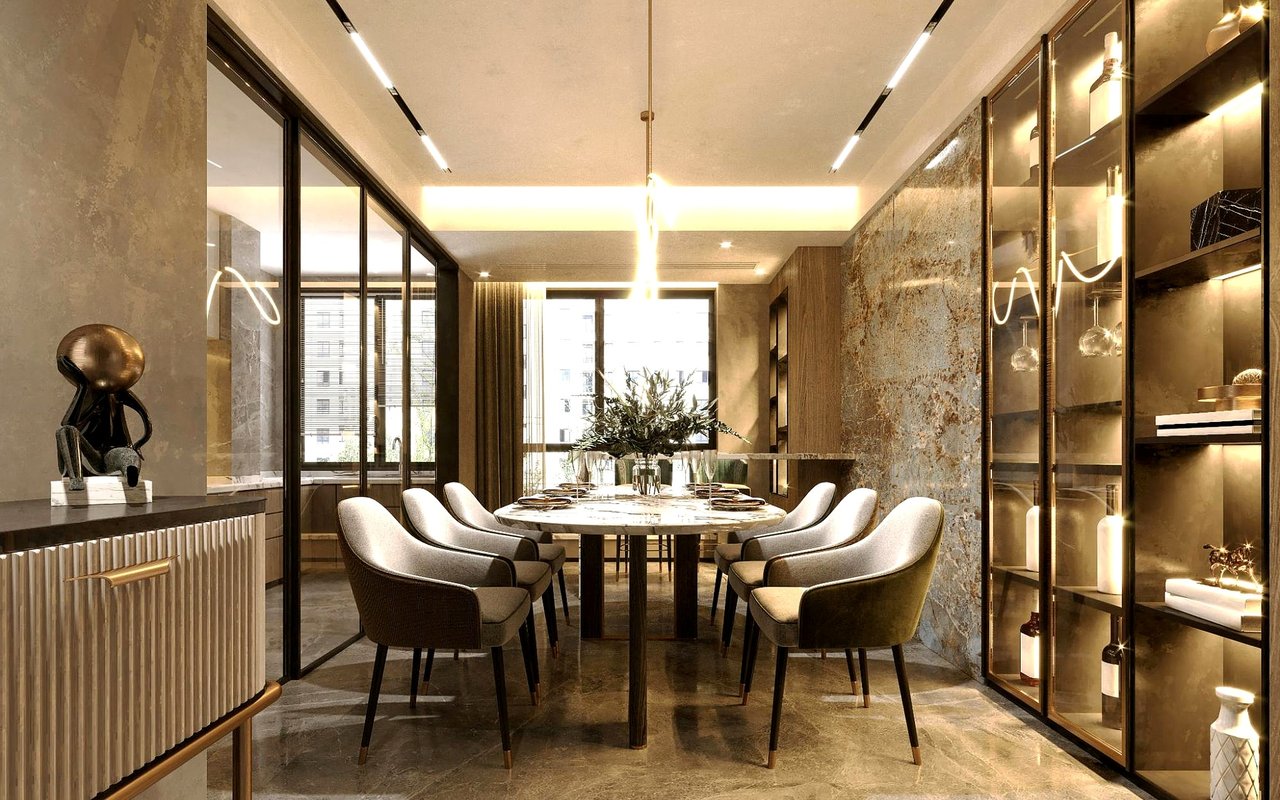
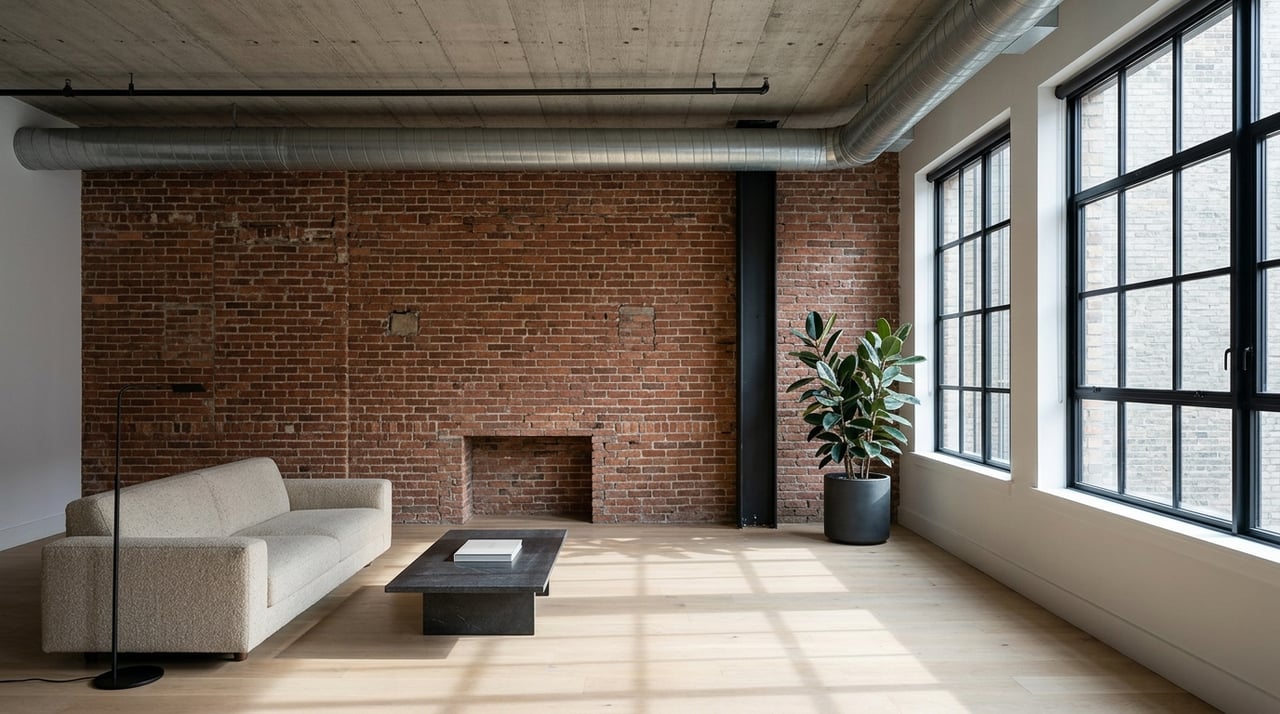
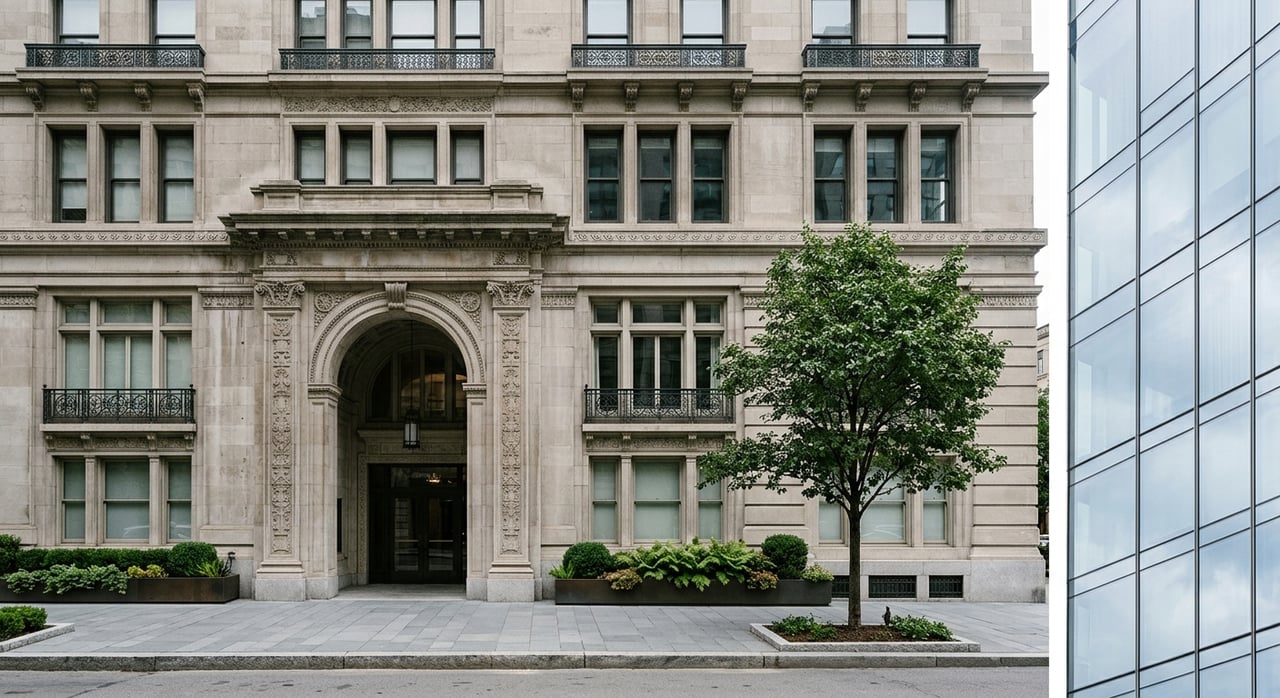
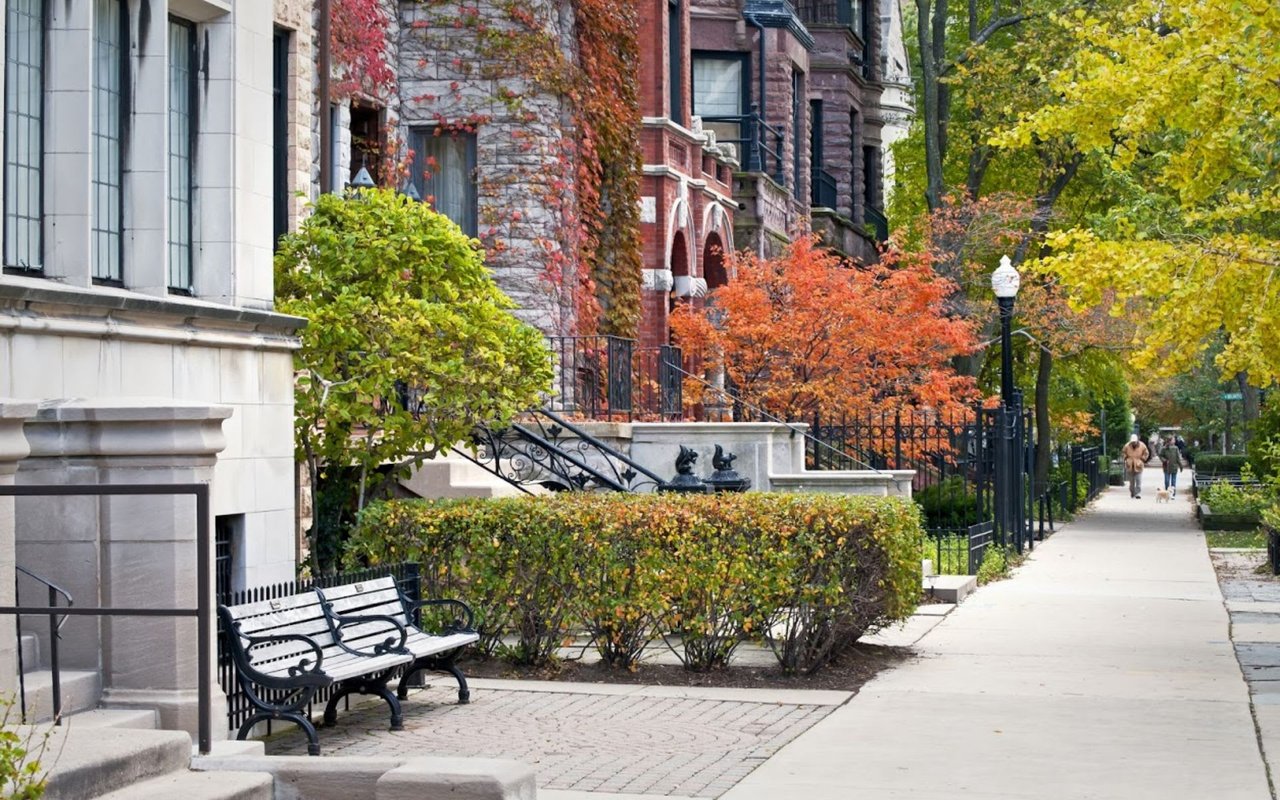
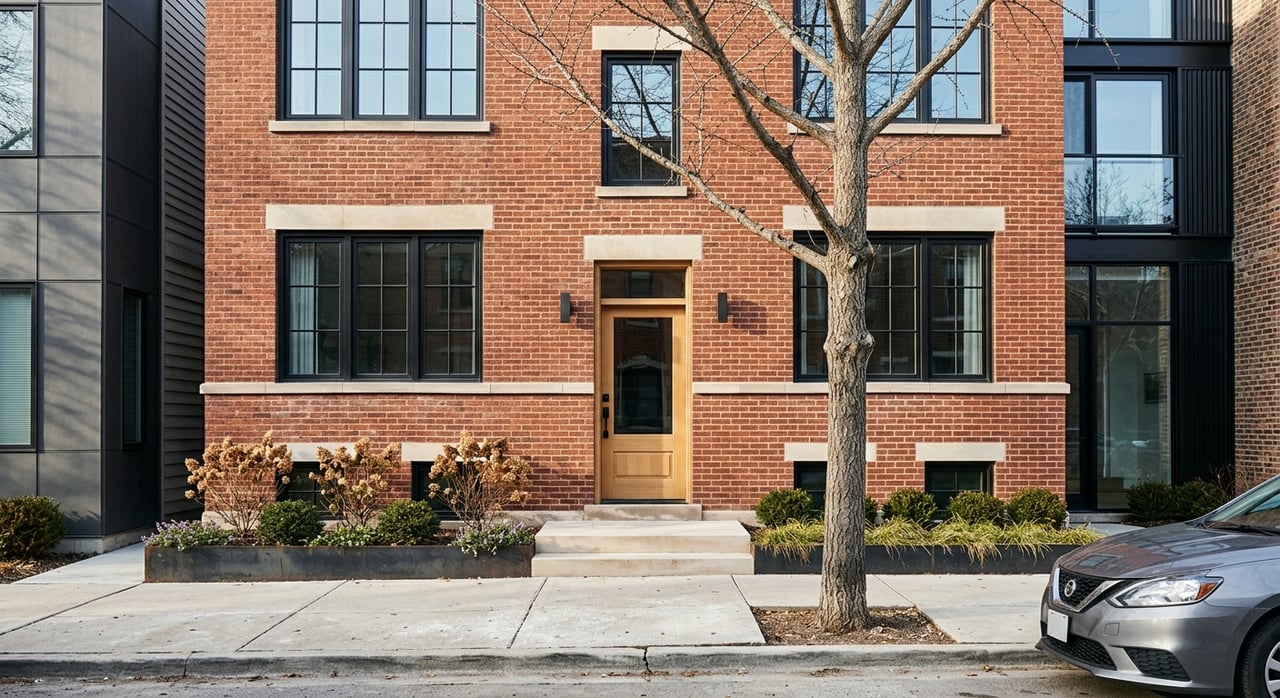
Our city's housing stock has extraordinary architectural character. Vintage Greystones, historic brick homes, converted lofts, and modern high-rises all offer opportunities for distinct design choices. A dramatic dining room might complement the original details of a Lakeview home beautifully, while a deeper, warmer palette can give a contemporary condo more personality.
The key is distinguishing personality from unnecessary renovation.
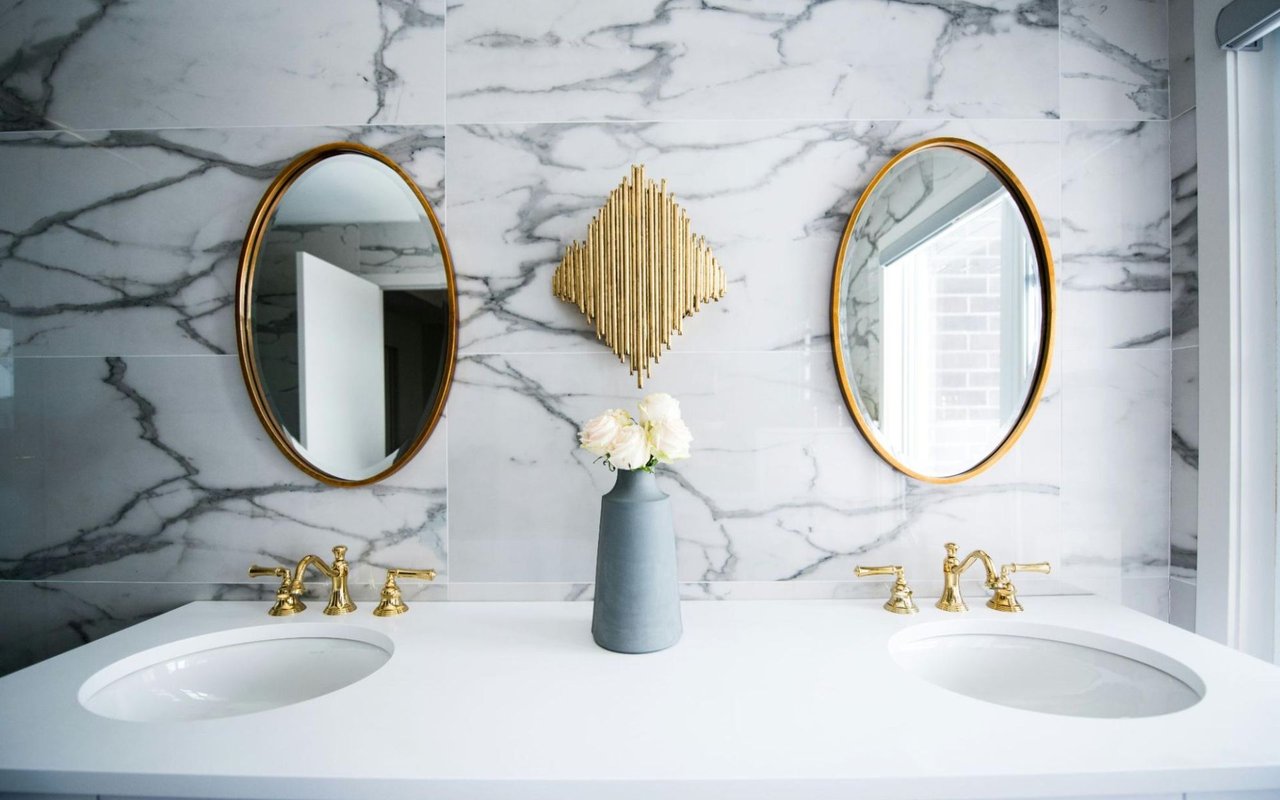
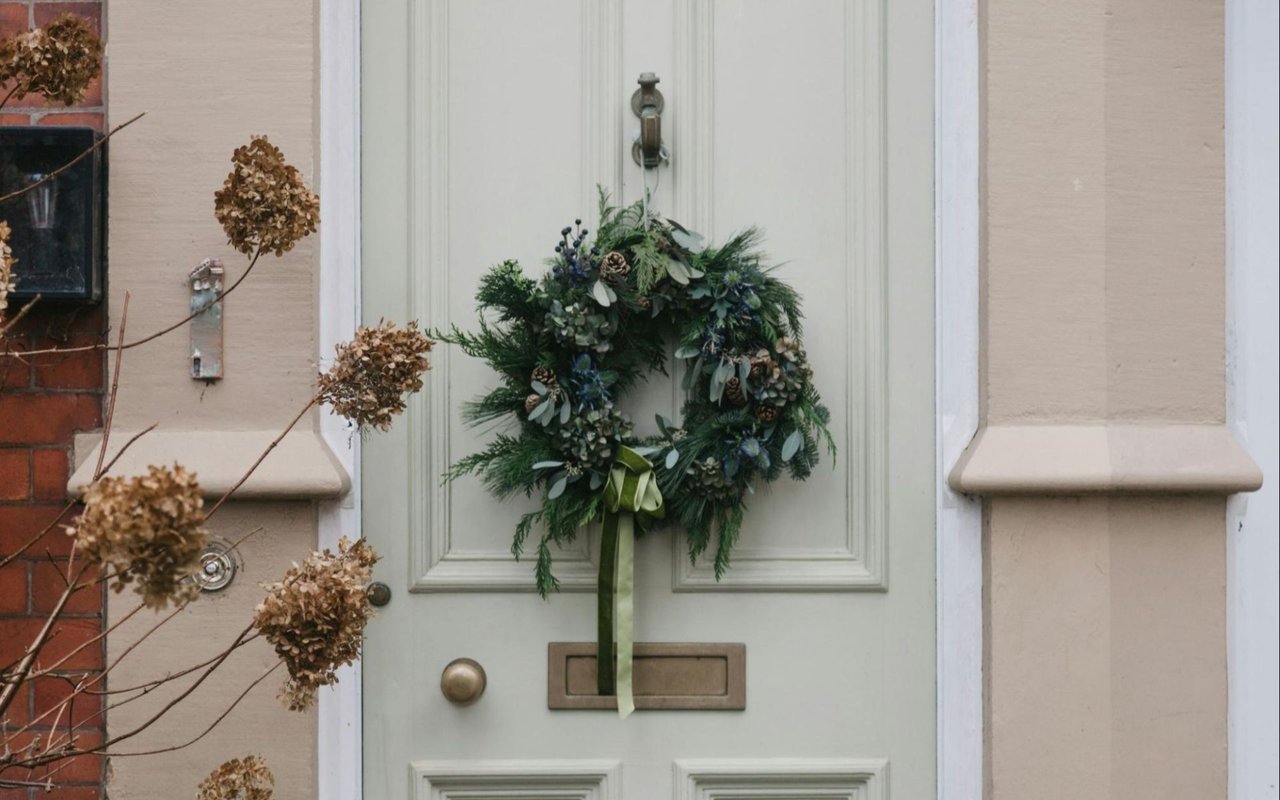
A thoughtfully chosen color, beautiful hardware, or carefully selected lighting can transform a space without requiring an extensive remodeling budget.
And sellers shouldn't assume that every distinctive feature needs to disappear before a home goes on the market. Sometimes, character is exactly what makes a property memorable.
Maybe We Don't Need Another Room
Maybe We Need a Better One. One of the more practical themes emerging for 2027 is the growing emphasis on adaptable spaces. During the pandemic, many households suddenly needed offices, classrooms, exercise spaces, and additional places to retreat. Years later, the ways we use our homes are still evolving.
But flexibility is no longer just about finding somewhere to put a desk.
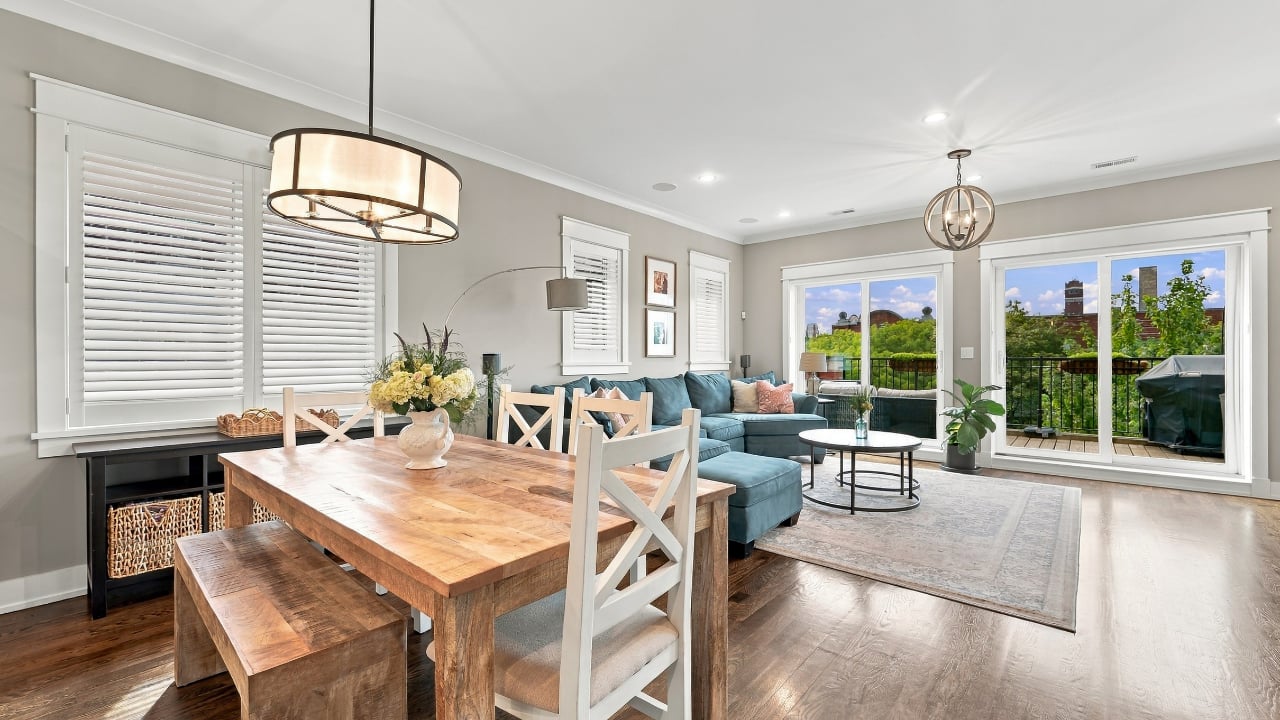
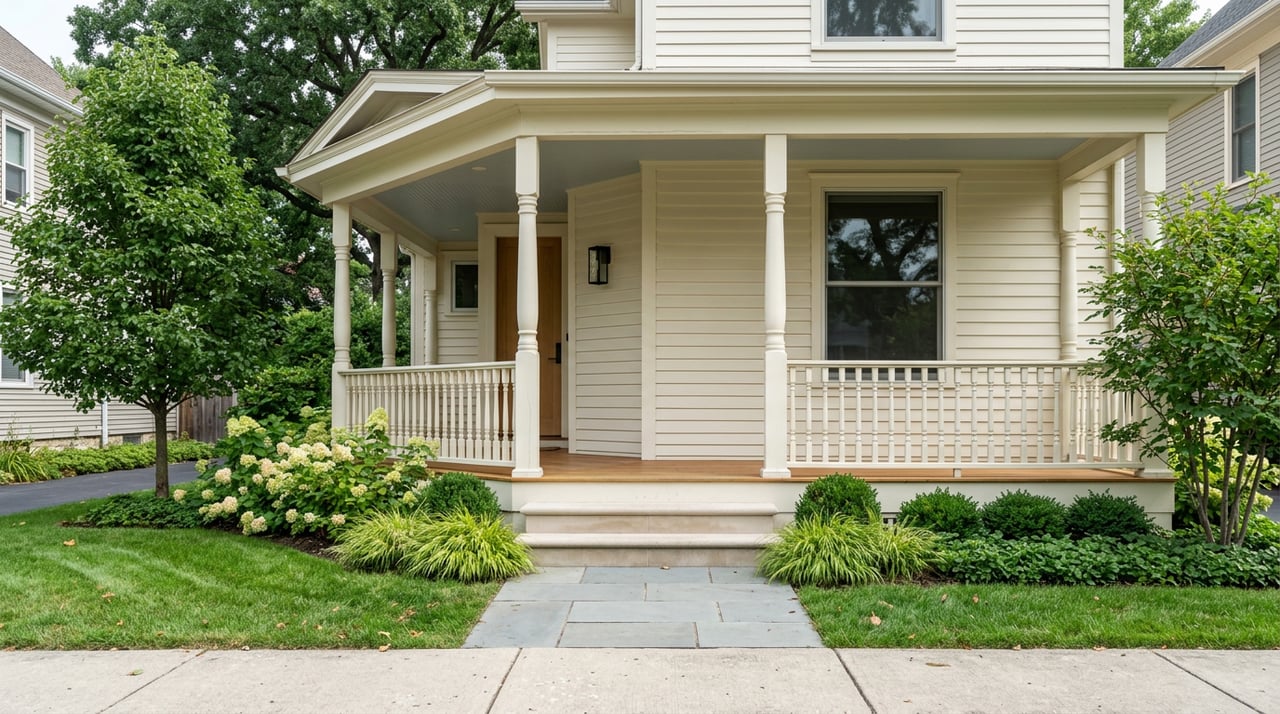
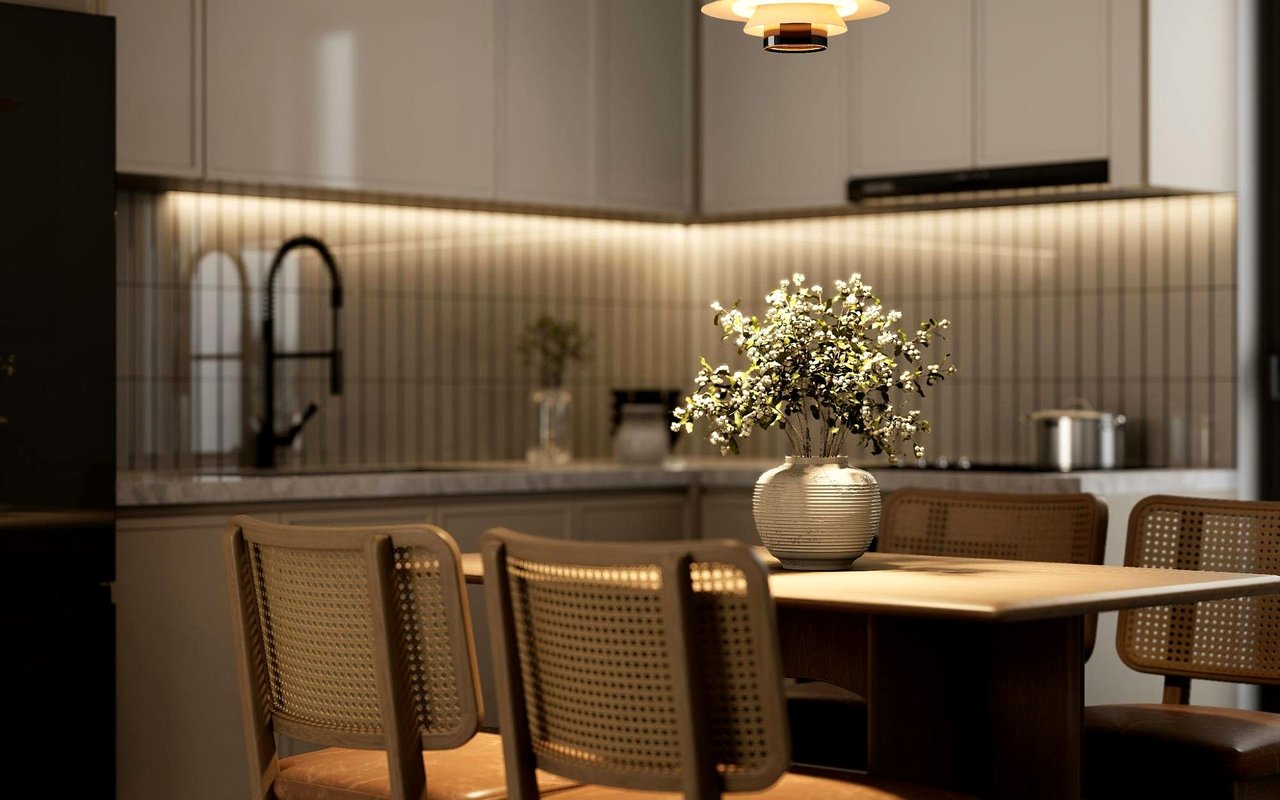
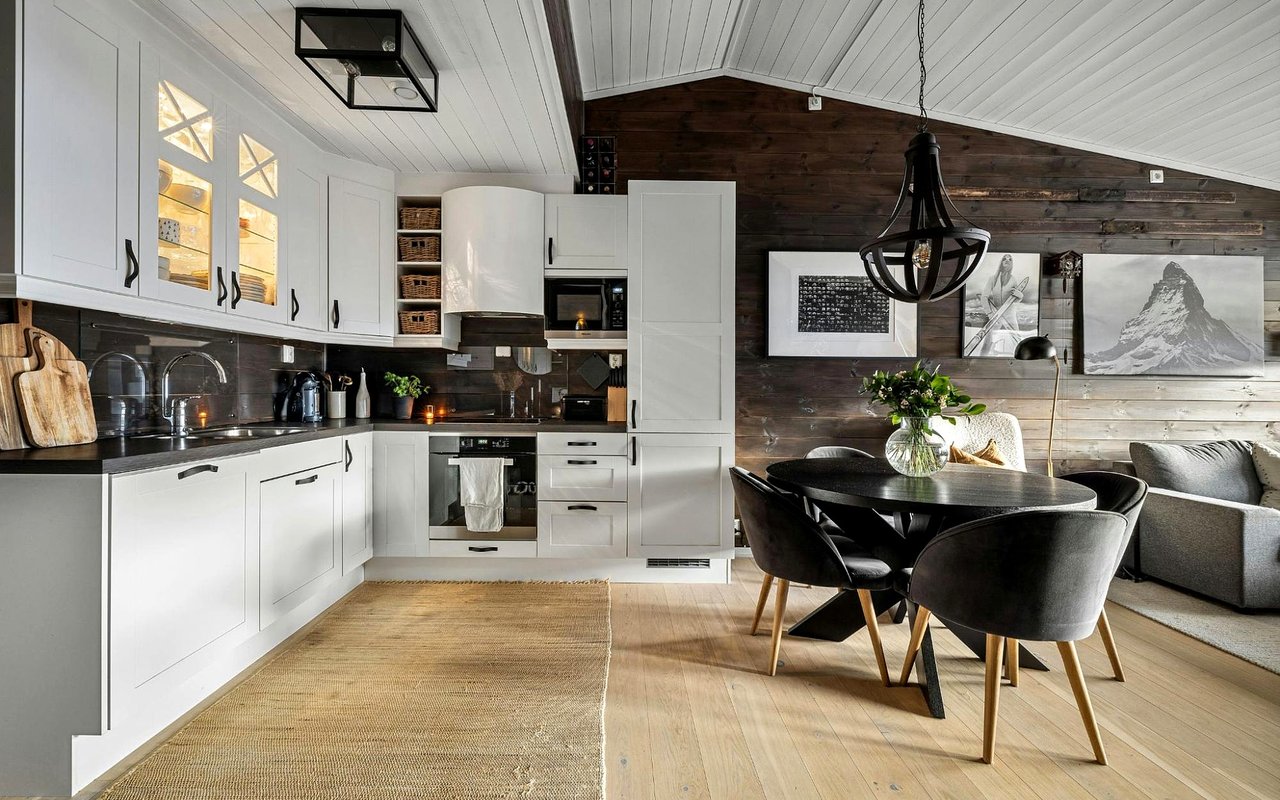
A guest bedroom might also serve as a creative workspace. A formal dining room could accommodate everyday family activities without sacrificing its ability to host a dinner party. Even a small apartment can benefit from thoughtful storage and furniture that serves more than one purpose.
The important distinction is that flexibility shouldn't mean every room must perform five jobs simultaneously. Sometimes, the most successful space is one that does one thing exceptionally well.
For buyers, this changes the conversation about what constitutes a desirable floor plan.
Instead of counting bedrooms and admiring finishes, consider whether the layout can accommodate the life you're living now and the one you're likely to be living five years from now.
Efficiency Is Becoming Its Own Luxury
Not every emerging trend is visual!
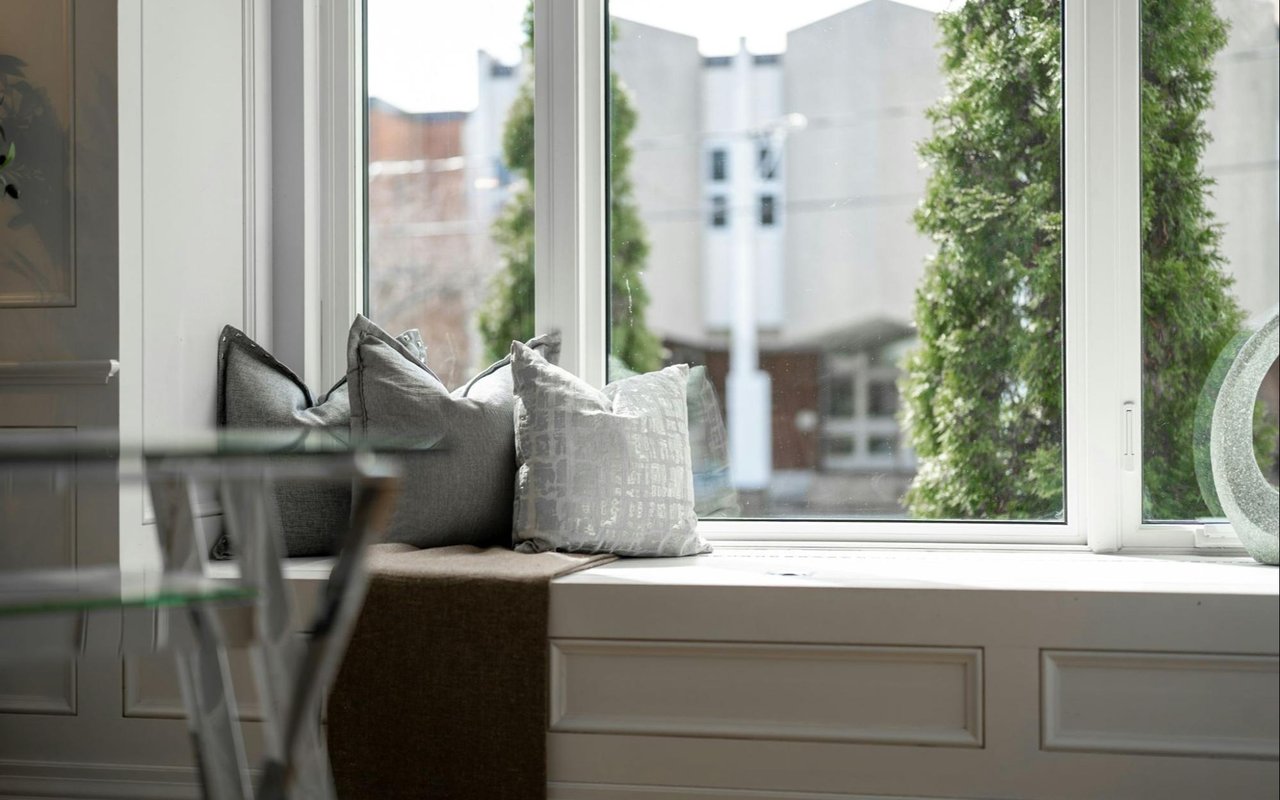
Energy efficiency, comfortable temperatures, and practical operating costs are increasingly important considerations for homeowners. A beautifully renovated Chicago property is considerably less appealing when certain rooms are freezing in February and the utility bills are difficult to justify.
Zillow's findings suggest that listing language is shifting toward specific efficiency features rather than broad sustainability terminology. For buyers, the takeaway is simple: look beyond the aesthetics and ask how the home actually performs.
For sellers, improvements involving insulation, windows, heating systems, or smart climate controls may deserve more attention than the latest decorative trend, depending on the property's condition and the expectations of its market.
An investment that makes a house more comfortable to inhabit can be every bit as meaningful as one that makes it more attractive to photograph.
The Definition of Home
Of course, real estate trends require perspective. An increase in listing descriptions mentioning a particular feature doesn't automatically prove that buyers will pay more for it. Trends also come and go, sometimes considerably faster than the renovations they inspire.
But taken together, the emerging preferences for 2027 point toward something that feels enduring.
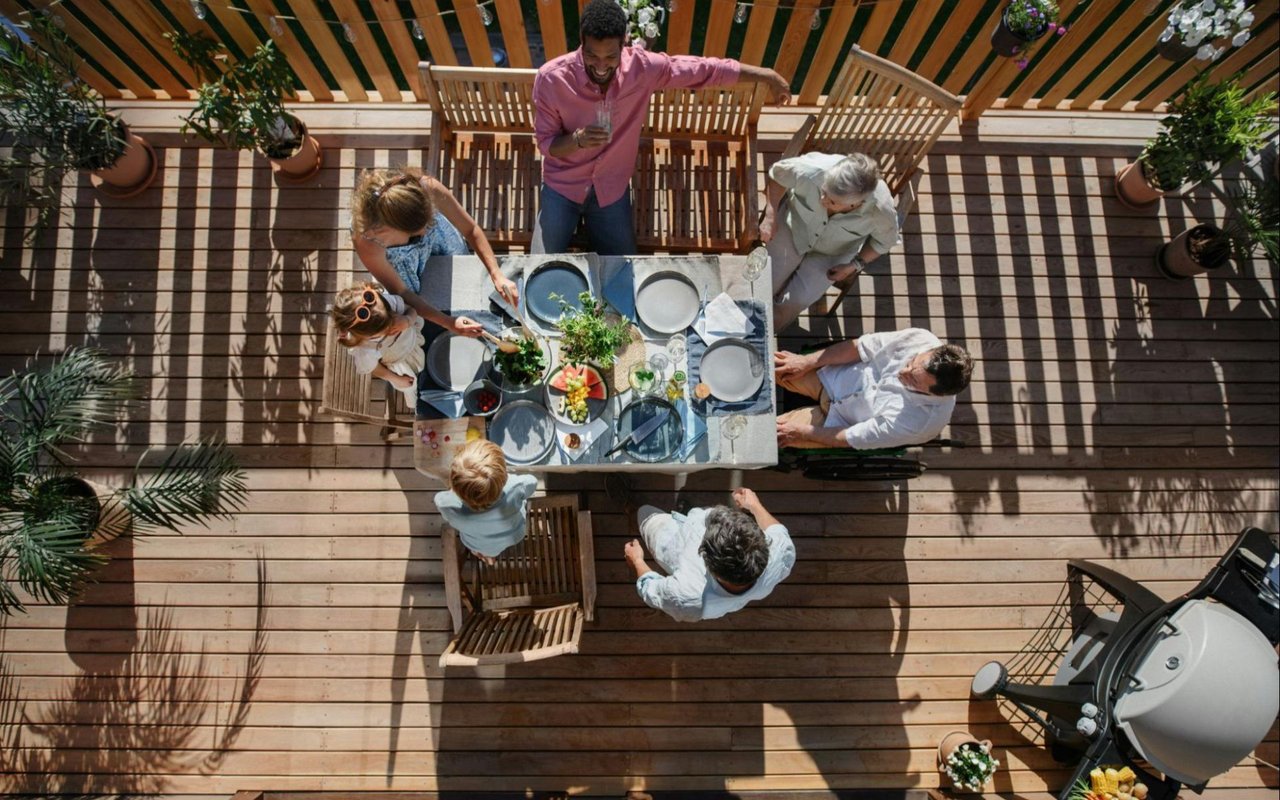
People want homes that reflect their identities while making daily life easier. They want spaces for entertaining and places to be alone. They appreciate beautiful design, but they're increasingly interested in comfort and function as well.
Perhaps the most compelling home of 2027 won't be the one that checks every trend box. It will be the one where the choices make sense for the people living there.
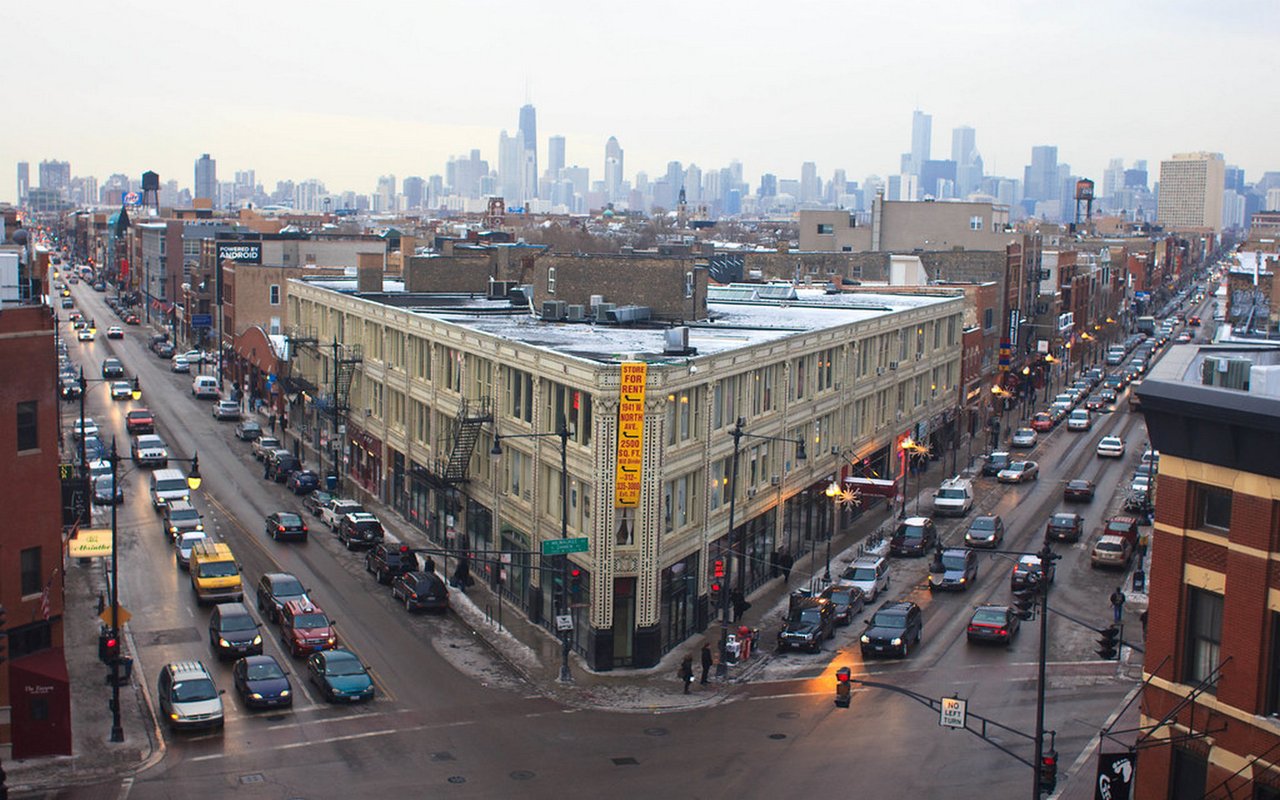
And that is particularly important in a city like Chicago, where no two neighborhoods, architectural styles, or households are exactly alike.
Whether you're preparing to sell, considering a renovation, or searching for your next home, the KlopasStratton Team understands that good real estate decisions require more than following what's fashionable. They require an understanding of the property, the market, and the people who will ultimately call it home.
Because the best design trend isn't necessarily the next big thing. It's figuring out what makes your home work beautifully for you.
>>>
Catch us back here bi-weekly as we bring you curated and Chicago-based real estate content (with a life coach’s twist). Next up: Looking for a lucrative beginning to your autumn? Start here: What House Hunting Reveals About Us