Buying a home in Chicago is a major milestone. While it’s easy to focus on lake views, brownstone charm, or skyline proximity, one critical step shouldn’t be overlooked: the home inspection. Whether you're buying a high-rise condo in the West Loop or a single-family home in Wicker Park, this process can uncover essential details that affect your final decision.
What Is a Home Inspection?
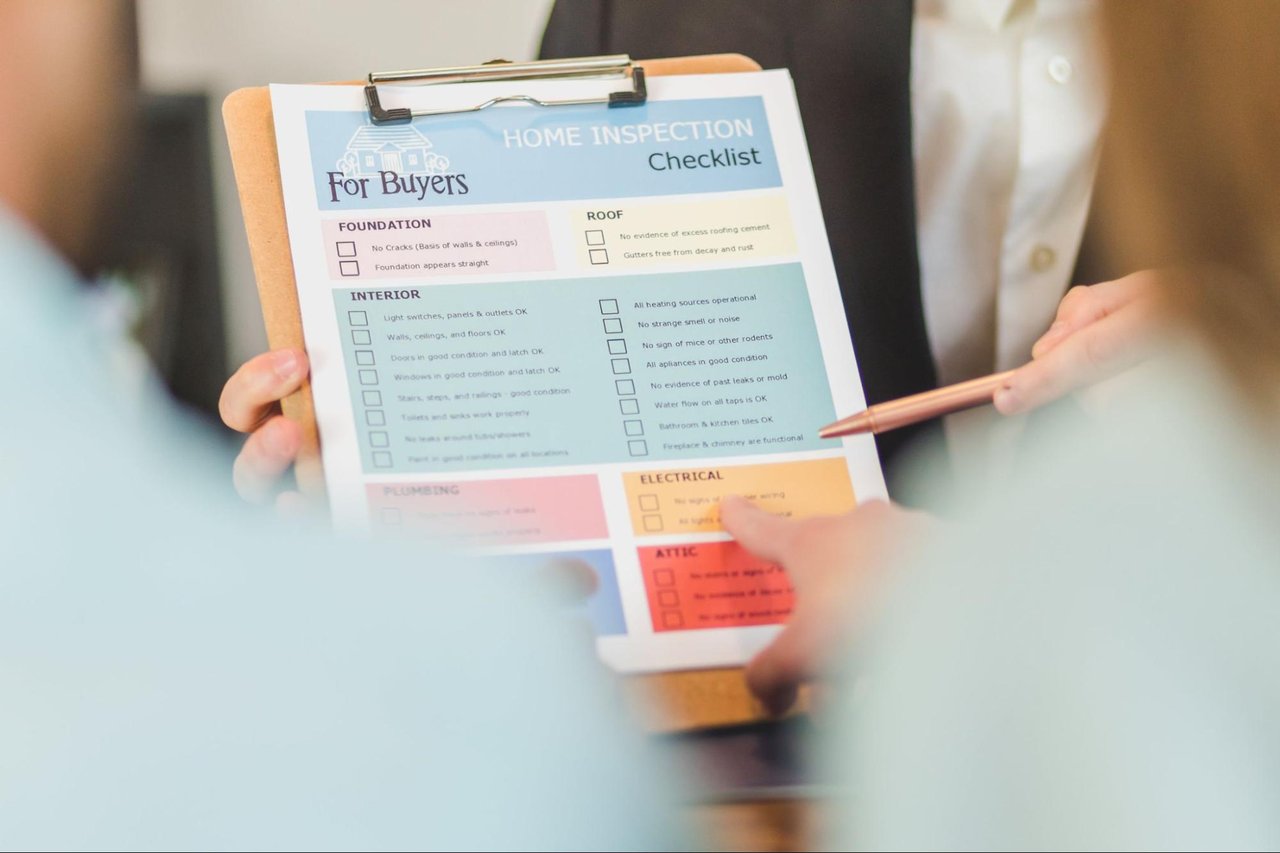
A home inspection is a professional assessment of a property's condition, conducted by a licensed inspector, typically after an offer is accepted but before closing. The inspector reviews the home's structure, systems, and components to identify any issues that could affect value, safety, or function. In Chicago’s competitive real estate market, this step gives buyers a clearer picture of what they’re getting into beyond what’s visible during a showing.
Unlike an appraisal, which evaluates the market value of a property for the lender, an inspection focuses on the physical condition of the home. It's a tool for buyers to understand necessary repairs, maintenance concerns, or potential red flags. That insight can help buyers make informed decisions, whether that means moving forward, renegotiating, or walking away.
Why the Home Inspection Matters in Chicago
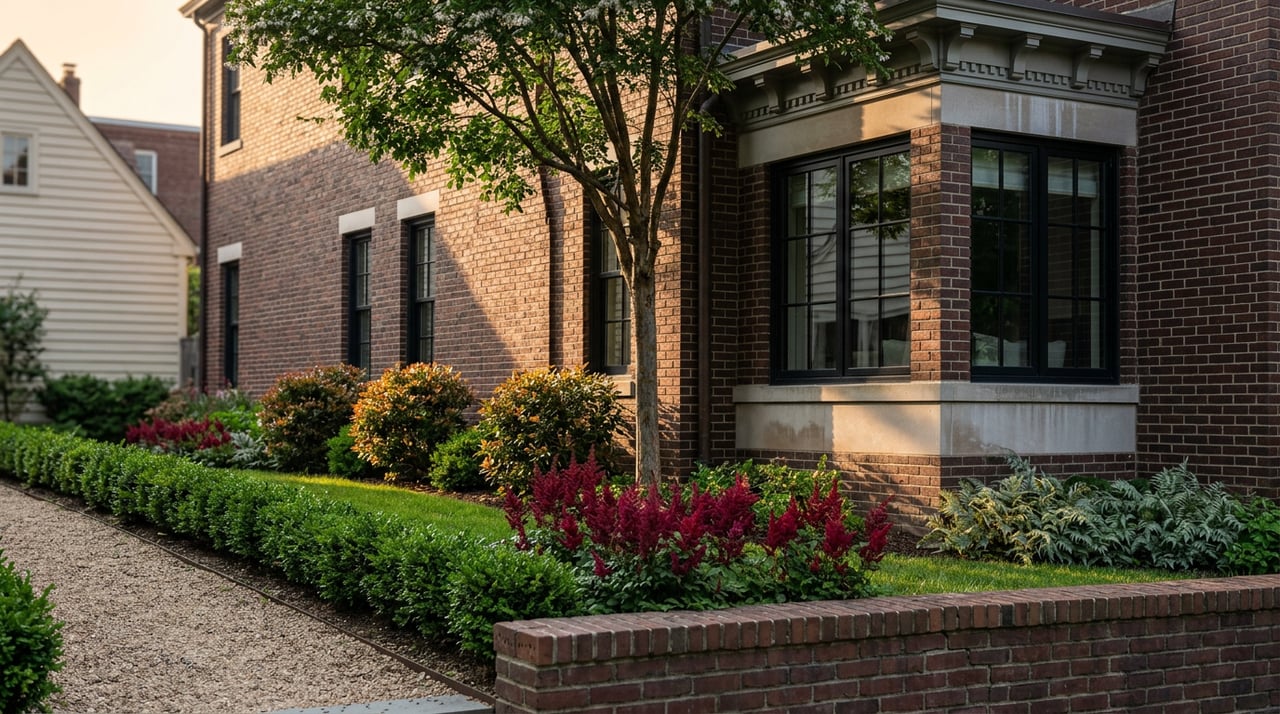
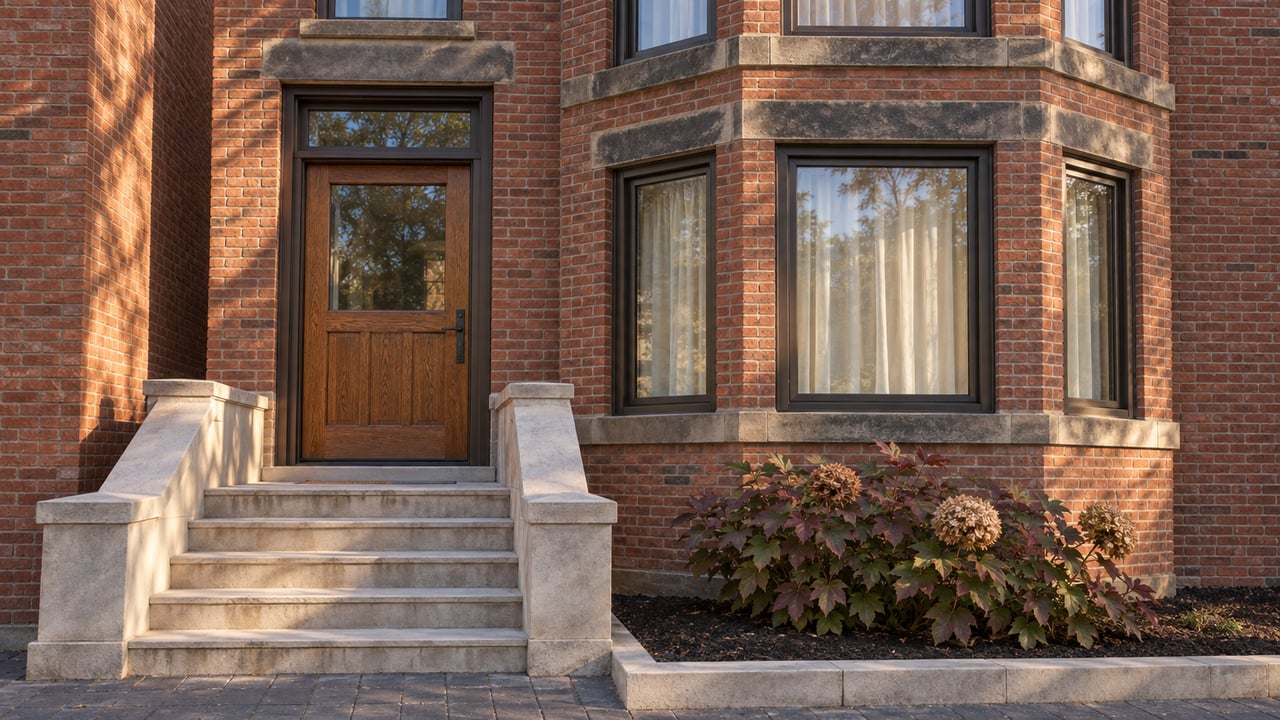
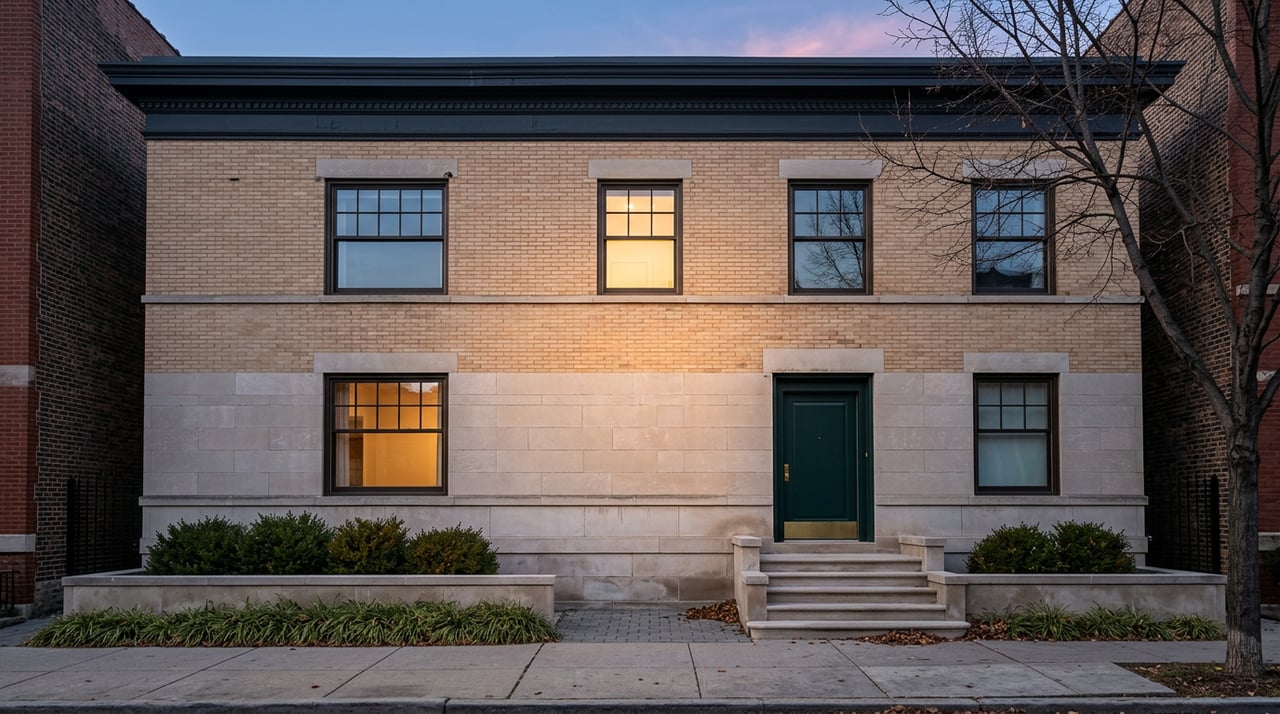
Chicago homes, particularly those in historic neighborhoods like Lincoln Park, Wicker Park, or Hyde Park, often have unique architectural features and aging infrastructure. While that charm is part of what makes these homes appealing, it can also come with surprises, some of which are costly.
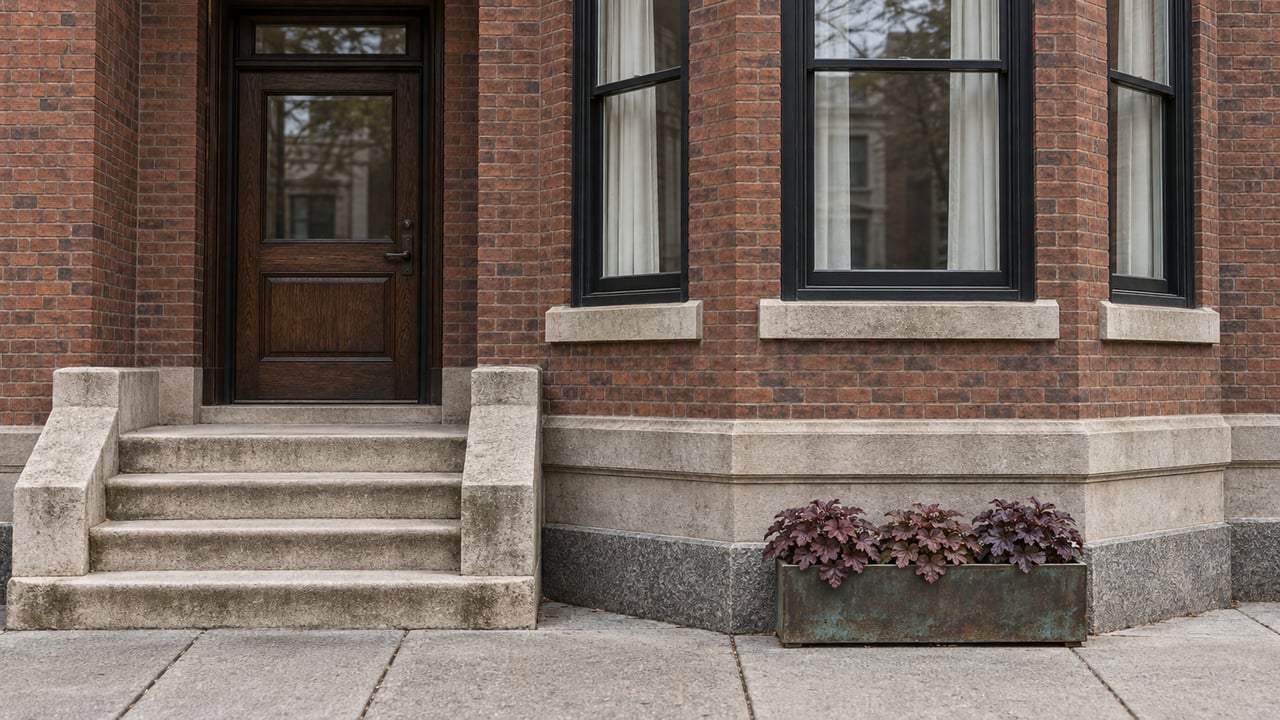
Older masonry, flat roof systems, outdated plumbing, or legacy electrical panels are just a few common concerns in Chicago properties. Even newly renovated homes can have underlying issues if work was done without proper permits or skipped essential upgrades behind the walls.
A qualified home inspector familiar with Chicago building styles and local code requirements can help uncover these issues. Their insight is especially valuable in a city where weather extremes (icy winters, heavy spring rains, and humid summers) can take a toll on home systems over time.
The Home Inspection Timeline
In Illinois, the inspection period is typically five business days after the contract is signed. During this window, buyers have the right to hire an inspector, review the findings, and request repairs or credits from the seller.
Here’s what buyers in Chicago can expect step by step:
- Hire a Licensed Inspector: Chicago buyers should choose a licensed professional with experience in local properties. Referrals from your agent can help you find someone who knows what to look for in Chicago-specific construction styles.
- Attend the Inspection: While not mandatory, attending the inspection gives buyers firsthand insight into the home’s condition. It’s also a chance to ask questions and better understand how different systems function, which is especially important in older homes.
- Review the Report: After the inspection, buyers will receive a detailed report outlining all findings, including photos and descriptions. Items are typically categorized by severity: minor maintenance, recommended upgrades, or urgent repairs.
- Negotiate Repairs or Credits: If the inspection reveals significant issues, buyers may renegotiate the contract. In many Chicago transactions, this means requesting repairs, closing credits, or a price adjustment to account for needed work.
- Make a Final Decision: If buyer and seller reach an agreement on inspection terms, the deal moves forward. If not, buyers can withdraw during this contingency period without losing their earnest money.
Common Issues Uncovered in Chicago Home Inspections (And Why They're Not Dealbreakers)
Every home has its quirks, especially in a city like Chicago. That said, certain issues tend to show up more often in local inspections. The good news? Many of them are manageable, expected, and even negotiable.
- Roofing and Gutters: Flat or low-slope roofs are common across Chicago, and while they require regular upkeep, catching drainage or flashing issues early makes them much easier to address. An inspection helps ensure you're stepping into ownership with eyes wide open, and potentially with repair credits in hand.
- Foundation and Basement Water Intrusion: Moisture in basements is typical for older homes, but it doesn’t always mean major trouble. Signs like hairline cracks, efflorescence, or outdated sump pumps are red flags worth noting, but they’re also fixable, especially with today’s waterproofing technology.
- Electrical Panels: Older homes might still have legacy panels like Federal Pacific or Zinsco, which are known for being outdated. Replacing them is a common update that improves safety and boosts long-term value, and it’s often something sellers are willing to negotiate.
- HVAC Systems: Heating and cooling systems in vintage buildings might not be the most efficient, but that also gives buyers an opportunity to upgrade to newer, energy-saving models. Knowing the age and condition of the equipment upfront makes future planning easier and more strategic.
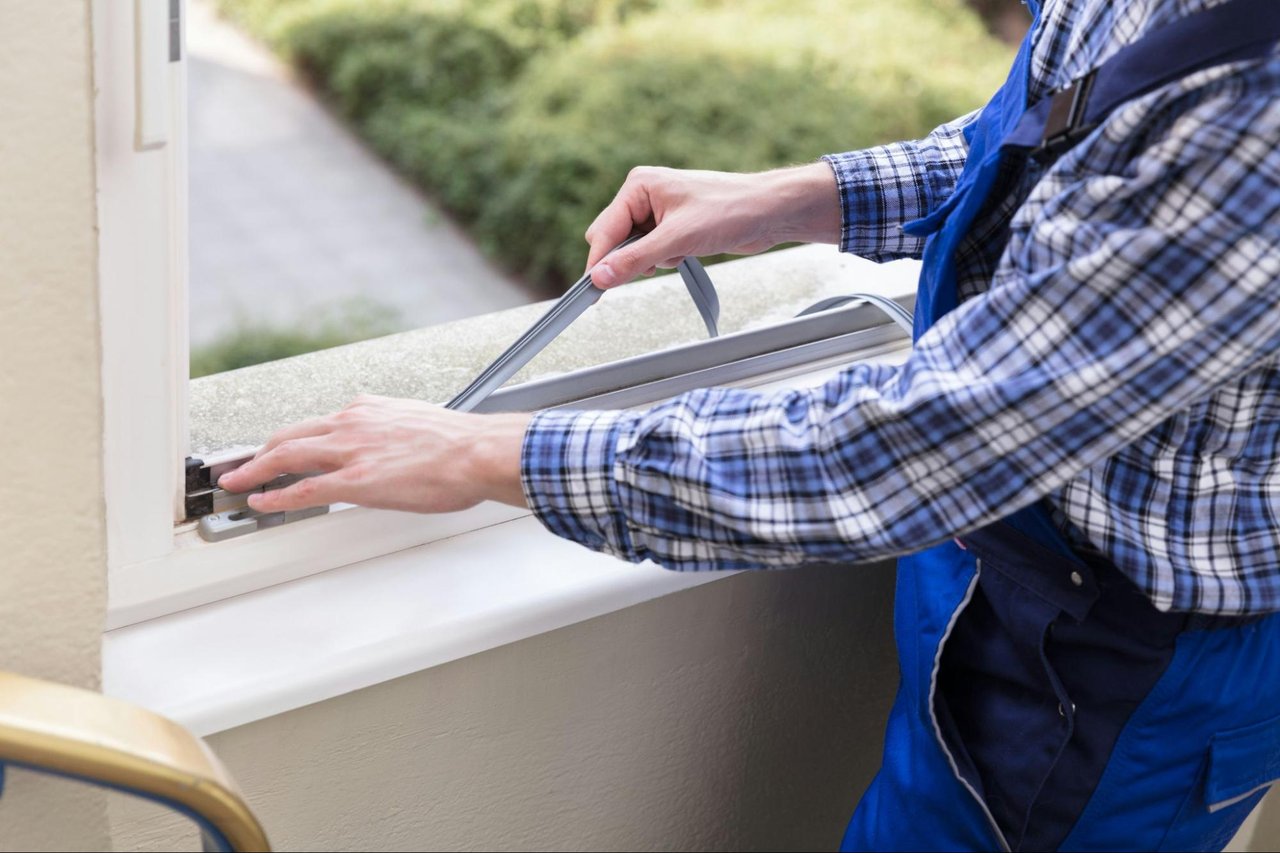
- Windows and Insulation: Drafty windows or minimal insulation are typical in older homes, but they’re also among the most common upgrades buyers make. Whether you're prioritizing energy efficiency or comfort, these are improvements that add real value over time.
This is exactly where a thorough home inspection becomes so useful. By understanding what’s normal for the area, and what might signal a bigger issue, buyers can navigate negotiations with clarity, not fear. In many cases, inspections uncover opportunities to make smarter investments, not reasons to walk away.
Tips for Chicago Buyers Navigating the Home Inspection Process
- Schedule Quickly: With a short inspection window in most contracts, act fast. Your agent can help you secure a qualified inspector early.
- Don’t Panic Over the Report: Even new or renovated homes may come back with a long list of findings. Focus on big-ticket items and ask your inspector to clarify what’s serious versus what’s standard wear.
- Use the Report as Leverage: Keep negotiations constructive. The goal is to find a fair middle ground, not to nickel-and-dime the seller.
- Budget for Future Maintenance: Not every issue will be fixed before closing. Use the home inspection to anticipate future investments and plan accordingly.
Ready to Take the Next Step? Learn More with The KlopasStratton Team
Navigating a Chicago real estate transaction doesn’t have to be overwhelming. With a clear understanding of the home inspection process and the right team on your side, you’ll be ready to move forward with confidence. For expert guidance and personalized support throughout your home-buying journey, connect with The KlopasStratton Team. Their in-depth local knowledge and commitment to client success make them a trusted resource for buyers across the city.